
Master Italian Baking Techniques with Online Courses: Ciabatta & Focaccia

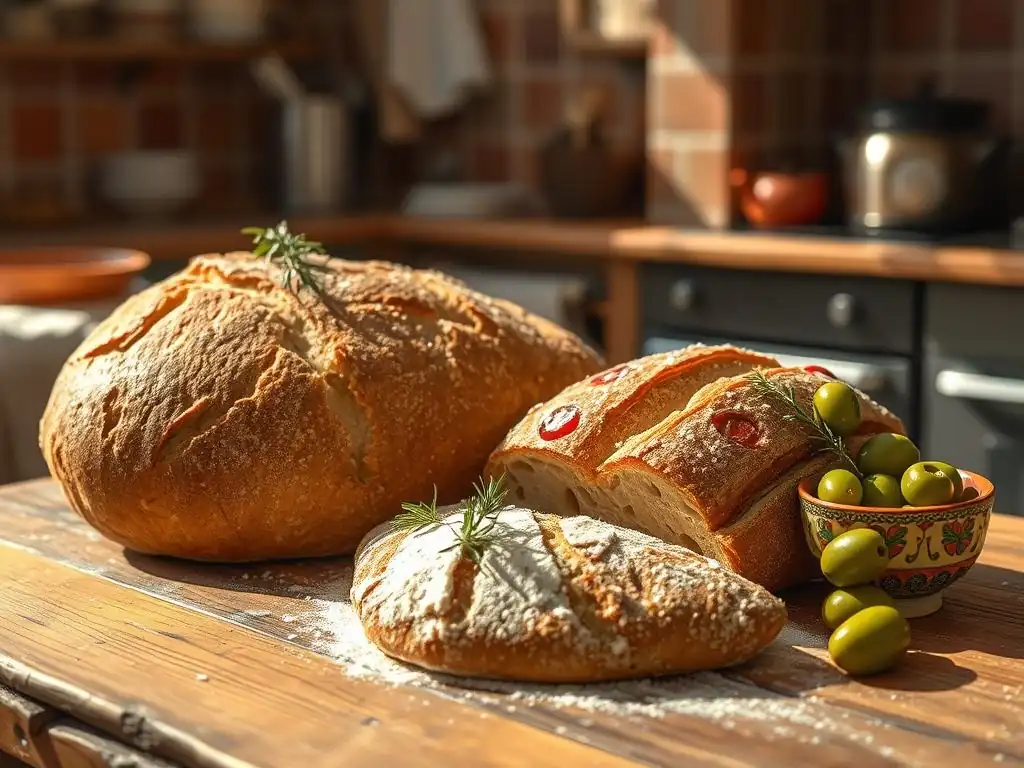
Welcome to BakeWithEase, your guide to unlocking the secrets of delicious homemade baking! Ever dreamt of creating bakery-worthy Italian bread in your own kitchen? Our latest article dives deep into easy ciabatta focaccia recipes, offering online courses that will transform you into a confident artisan baker. Discover the simple techniques and expert tips that make these classic breads surprisingly achievable, and start your journey to baking perfection today!
- Introduction: Bake Authentic Italian Bread at Home
- Why Learn Ciabatta and Focaccia? Benefits & Versatility
- Finding the Right Online Baking Course for Easy Ciabatta Focaccia Recipes
- Top Online Courses for Mastering Ciabatta Baking Techniques
- Top Online Courses for Mastering Focaccia Baking Techniques
- Essential Equipment and Ingredients for Italian Baking Success
- Troubleshooting Common Ciabatta & Focaccia Baking Problems
- From Online Course to Your Kitchen: Tips for Practicing and Perfecting Your Skills
- Conclusion: Unlock the Secrets of Authentic Italian Baking
-
Frequently Asked Questions
- What makes BakeWithEase.com a good resource for learning Italian baking?
- Are the ciabatta and focaccia recipes on BakeWithEase truly "easy"?
- What kind of online courses does BakeWithEase offer related to Italian breads?
- Can I find recipes for other baked goods besides ciabatta and focaccia on BakeWithEase?
- What are some of the key techniques I'll learn in the ciabatta and focaccia courses?
- Final Reflection: The Humble Loaf, the Endless Journey
- Unlock Your Inner Italian Baker: Start Your Baking Journey Today!
Introduction: Bake Authentic Italian Bread at Home
Italian bread holds a special place in the hearts of bakers worldwide. Its rustic charm, incredible texture, and versatile flavor make it a staple for everything from simple sandwiches to sophisticated antipasti spreads. Among the most beloved varieties are ciabatta, known for its airy, open crumb and crispy crust, and focaccia, a delightfully soft and often herb-infused flatbread, perfect for tearing and sharing. While they might seem intimidating at first glance due to their high hydration or unique handling techniques, mastering these Italian classics is more accessible than ever, especially with the wealth of online resources available.
Taking the plunge into baking authentic Italian bread can transform your kitchen into a little corner of Italy. Imagine pulling a warm loaf of ciabatta from your oven, its crust crackling, or serving a fragrant, olive-oil-drizzled focaccia to friends and family. This journey into Italian baking techniques is not just about following easy ciabatta focaccia recipes; it's about understanding the 'why' behind the steps, the science of fermentation, and the feel of the dough. Online courses offer a structured and supportive environment to learn these nuanced skills, bringing the expertise of renowned bakers right into your home kitchen.
Why Learn Ciabatta and Focaccia? Benefits & Versatility
Learning to bake ciabatta and focaccia opens up a world of culinary possibilities. Both breads are incredibly versatile and can elevate everyday meals or become the star of a special occasion. Ciabatta's sturdy structure and airy interior make it the ultimate vehicle for sandwiches, capable of holding moist fillings without becoming soggy. It's also fantastic simply dipped in olive oil and balsamic vinegar, or served alongside soups and stews. Its high hydration dough teaches valuable lessons about handling wet doughs, a fundamental skill applicable to many other bread types.
Focaccia, on the other hand, ranges from thin and crispy to thick and pillowy, offering different textural experiences. It's often flavored with herbs like rosemary, sea salt, and olive oil, or topped with vegetables, cheese, or even fruit. Focaccia can serve as a base for pizza-like creations, a side dish, or a delicious snack on its own.
Mastering easy ciabatta focaccia recipes provides a solid foundation in working with enriched doughs (though focaccia isn't always enriched, many popular versions are) and understanding proofing and baking for a soft, tender crumb. These skills are transferable and boost confidence for tackling other baking projects.
Finding the Right Online Baking Course for Easy Ciabatta Focaccia Recipes
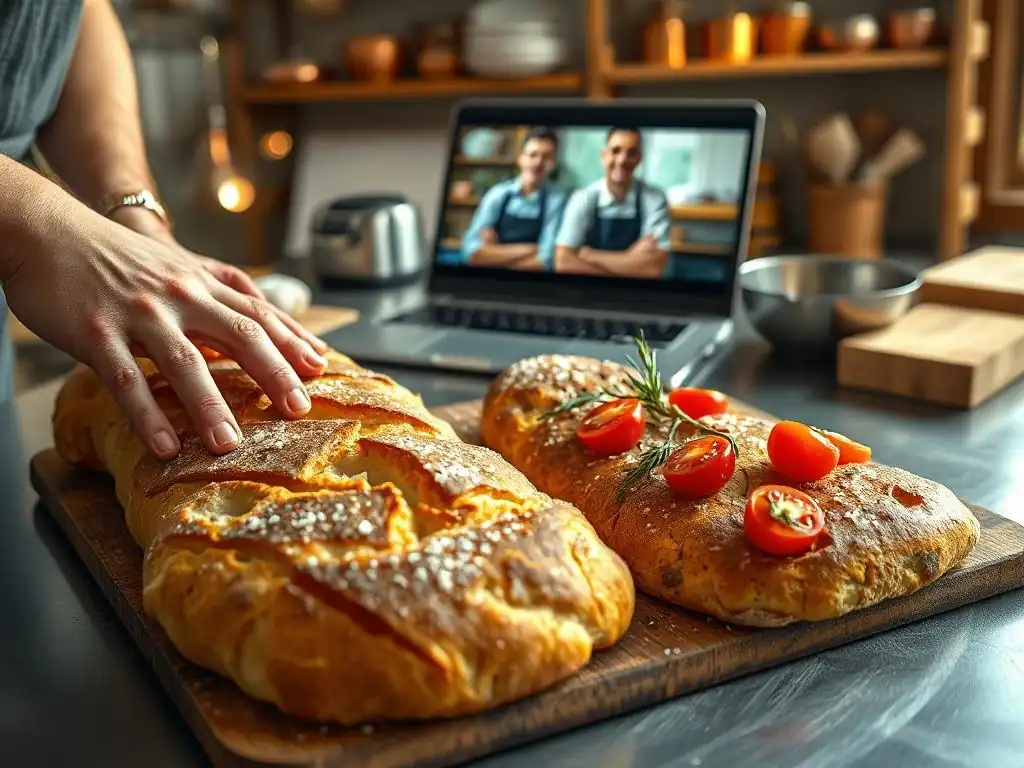
Choosing the perfect online course depends on your current skill level, learning style, and specific goals. Are you a complete beginner looking for step-by-step guidance? Or perhaps you're an experienced baker wanting to refine specific techniques like achieving a super open crumb in ciabatta or mastering the perfect dimpling for focaccia? The best courses offer detailed video demonstrations, clear explanations of the science involved, and often provide community support or Q&A opportunities. Look for instructors who are passionate, knowledgeable, and can break down complex processes into manageable steps, making even sophisticated easy ciabatta focaccia recipes achievable for home bakers.
Consider the course format and duration. Some courses are structured over several weeks with live sessions, while others are self-paced, allowing you to learn at your own convenience. Check if the course focuses specifically on ciabatta and focaccia, or if these are part of a broader Italian bread curriculum.
Reading reviews and watching free preview lessons can give you a good sense of the instructor's teaching style and the production quality of the course materials. Investing in a good course can save you time and frustration, helping you consistently produce delicious results and truly master easy ciabatta focaccia recipes rather than just following instructions.
Top Online Courses for Mastering Ciabatta Baking Techniques
Course 1: "Ciabatta Bread: Mastering the Art of Open Crumb" by Maurizio Leo on The Perfect Loaf
Maurizio Leo, the baker behind The Perfect Loaf, is renowned for his meticulous approach and deep understanding of sourdough baking. His course on mastering ciabatta focuses heavily on achieving that signature open, airy crumb structure that defines a great ciabatta.
Maurizio's teaching style is highly educational, delving into the 'why' behind each step, from understanding flour hydration levels – often 80% or higher for ciabatta – to the nuances of mixing and fermentation required to develop the gluten structure necessary for large alveoli (holes). He emphasizes patience and observation, guiding students through the visual and tactile cues of a properly developed dough.
The course structure typically breaks down the process into detailed modules covering levain building, mixing techniques (including slap and fold or machine mixing tailored for high hydration), bulk fermentation with specific folding schedules, gentle shaping to preserve the gas in the dough, and baking methods to ensure a crispy crust. Maurizio often provides precise temperature and timing guidelines, drawing from extensive testing in his own kitchen.
While specific enrollment figures aren't public, his reputation and the popularity of his website suggest a large number of home bakers have benefited from his expertise, successfully translating his techniques into consistently producing beautiful, airy ciabatta loaves at home.
Course 2: "Sourdough Ciabatta" by Teresa Greenway on Northwest Sourdough
Teresa Greenway is a long-time sourdough baking instructor known for her practical, accessible approach, making complex sourdough processes understandable for home bakers. Her course specifically tackles sourdough ciabatta, adding the unique challenge and flavor profile of a wild yeast starter to the high-hydration ciabatta dough. Teresa's method often simplifies traditional techniques, focusing on achieving excellent results with standard home kitchen equipment. She provides clear, step-by-step video tutorials that allow students to follow along easily, emphasizing dough handling techniques that minimize degassing while maximizing the airy structure.
This course typically covers maintaining a vigorous sourdough starter suitable for high-hydration doughs, mixing techniques that build strength without overworking the delicate dough, and proofing strategies optimized for sourdough's slower fermentation. Teresa is known for offering variations and troubleshooting tips, addressing common issues like dense crumb or sticky dough. Her courses, including the sourdough ciabatta one, have likely guided thousands of students over the years, empowering them to bake challenging sourdough breads like ciabatta successfully using natural leavening, contributing significantly to the online community of sourdough enthusiasts mastering easy ciabatta focaccia recipes and beyond.
Top Online Courses for Mastering Focaccia Baking Techniques
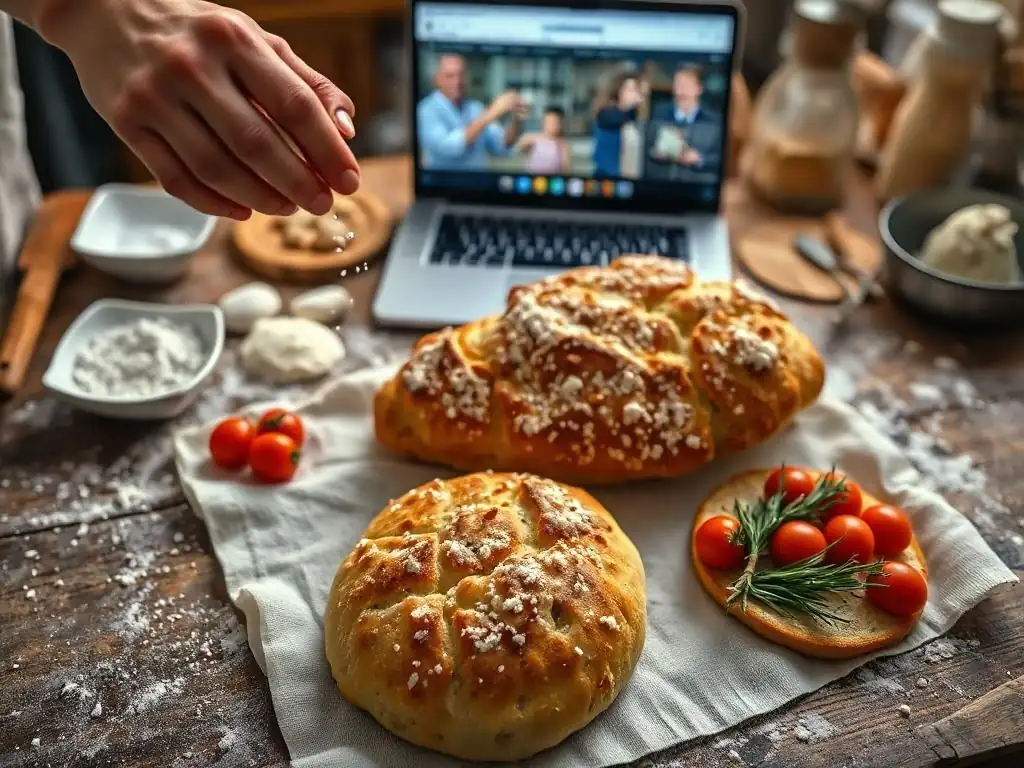
Course 1: "Focaccia Fundamentals" by Bryan Ford on Artisan Bread School
Bryan Ford, also known as "The Artisan Crust," is celebrated for his expertise in naturally leavened breads, particularly those with Latin American influences, but his skills extend beautifully to Italian classics like focaccia. His "Focaccia Fundamentals" course typically focuses on building a strong understanding of the basic focaccia dough, often using sourdough or a combination of commercial yeast and a preferment for enhanced flavor. Bryan's teaching is characterized by his energetic style and emphasis on developing intuition in baking, encouraging students to feel the dough and understand its development.
The course likely covers selecting the right flour, achieving optimal hydration for a tender crumb (focaccia dough hydration can range from 60% to over 80%), proper mixing and kneading, and the crucial steps of bulk fermentation and proofing, including the signature dimpling process. Bryan often shares insights into different topping options and baking temperatures/times to achieve various focaccia styles, from thick and fluffy to thin and crisp.
While precise enrollment numbers for this specific course aren't available, Bryan has a substantial online following and has taught numerous workshops, indicating a wide reach and positive impact on home bakers learning to create delicious focaccia.
Course 2: "Focaccia Barese" by Carol Field on Udemy
Carol Field is a highly respected authority on Italian baking, author of the seminal book "The Italian Baker." While her primary medium is print, online platforms like Udemy sometimes host courses or content derived from or inspired by her work and expertise, often taught by instructors who deeply understand regional Italian baking traditions. A course focusing on "Focaccia Barese," a specific style from Bari in Puglia known for its inclusion of potato in the dough and characteristic toppings like tomatoes and olives, would draw upon the detailed, authentic approach championed by bakers like Field.
Such a course would likely delve into the unique ingredients and techniques required for Focaccia Barese, such as incorporating mashed potato for added tenderness and moisture, achieving the correct dough consistency, and mastering the specific method of dimpling and topping this regional specialty. It would emphasize the importance of high-quality olive oil, both in the dough and generously drizzled over the top before baking.
While Carol Field herself might not be directly teaching on Udemy, a course titled "Focaccia Barese" associated with her name or expertise would likely be taught by an instructor dedicated to preserving the authenticity and regional nuances she documented, providing home bakers with a taste of specific Italian baking traditions and the skills to replicate them.
Essential Equipment and Ingredients for Italian Baking Success
To embark on your journey with easy ciabatta focaccia recipes, having the right tools and ingredients is crucial. You don't need a professional kitchen, but a few key items will make a significant difference.
- Digital Scale: Baking is precise, especially with high-hydration doughs. Measuring ingredients by weight is far more accurate than volume.
- Large Mixing Bowls: Needed for mixing and bulk fermentation. Non-reactive materials like plastic or stainless steel are best.
- Dough Scraper/Bench Knife: Invaluable for handling sticky, high-hydration doughs like ciabatta and for dividing dough.
- Proofing Containers: Straight-sided, clear containers marked with volume measurements help you monitor dough rise accurately.
- Baking Surface: A baking steel or stone is excellent for achieving a crispy crust, especially for ciabatta. A sturdy baking sheet works well for focaccia.
- Parchment Paper: Prevents sticking and makes transferring dough easier.
- Cooling Rack: Essential for allowing your baked bread to cool properly and develop the final crust texture.
For ingredients, quality matters.
- Flour: Use good quality bread flour (high protein content) for ciabatta to develop strong gluten. All-purpose flour can work for focaccia, but bread flour or a mix often yields a better texture. Some recipes specify Italian Tipo 00 flour, known for its fine texture.
- Yeast: Instant dry yeast or active dry yeast. If using sourdough, ensure your starter is active and healthy.
- Salt: Fine sea salt or kosher salt is preferred over iodized table salt.
- Olive Oil: Extra virgin olive oil is essential, especially for focaccia, where its flavor is prominent.
- Water: Filtered water is best, as chlorine in tap water can sometimes affect yeast activity.
Troubleshooting Common Ciabatta & Focaccia Baking Problems
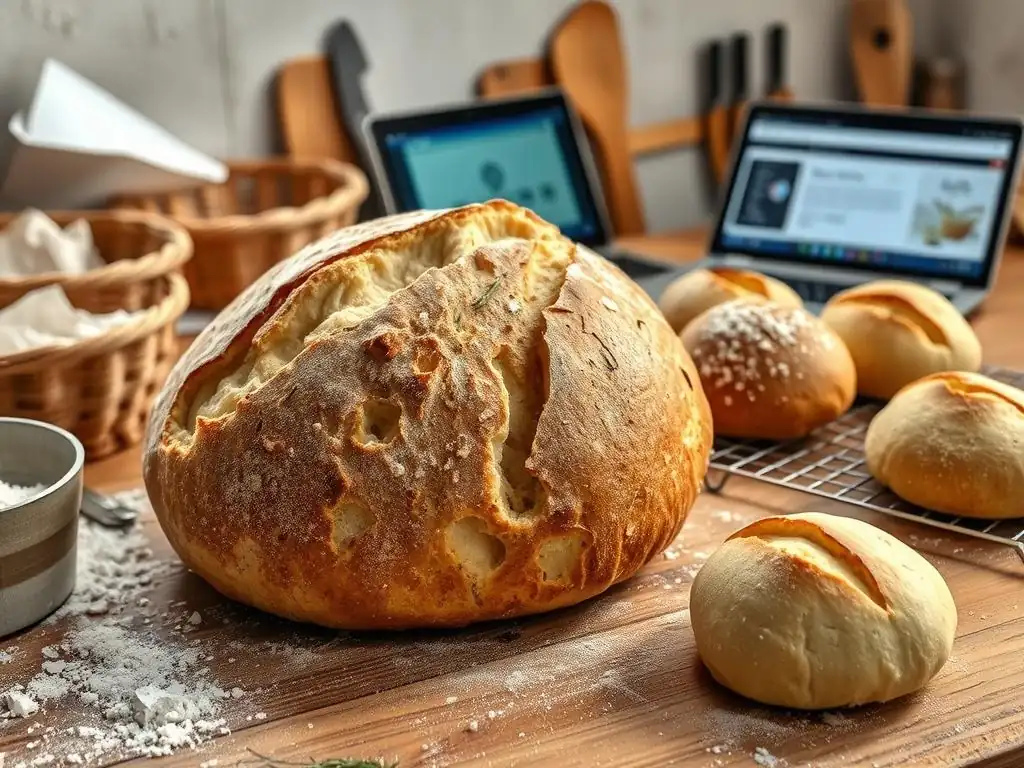
Even with easy ciabatta focaccia recipes and detailed instructions, you might encounter issues. Don't get discouraged; troubleshooting is part of the learning process!
- Dense Ciabatta Crumb (No Large Holes): This is often due to insufficient gluten development, inadequate fermentation, or rough handling during shaping (degassing the dough). Ensure you're performing enough folds during bulk fermentation and being very gentle when shaping. Check your yeast activity or sourdough starter strength.
- Sticky, Unmanageable Dough: High hydration doughs are sticky. Use wet hands or a wet dough scraper to handle them. Avoid adding too much extra flour, which will change the hydration and the final texture. Trust the process; the dough becomes easier to handle as gluten develops.
- Hard or Dry Focaccia: This can result from over-baking, too little olive oil, or insufficient hydration. Ensure you're using enough oil in the dough and generously coating the pan and top. Check your oven temperature and baking time.
- Focaccia Not Rising: Your yeast might be inactive, your water temperature could be too hot or cold, or the proofing environment might be too cool. Ensure your yeast is fresh, use lukewarm water, and proof in a warm spot.
- Uneven Crust Color: Hot spots in your oven are a common culprit. Rotating the bread halfway through baking can help. Using a baking steel or stone can also provide more even heat distribution from the bottom.
Baking is a science, but it's also an art. Pay attention to the feel of the dough, not just the clock.
- A common piece of advice in baking circles.
Keep a baking journal to note variables like flour type, hydration, fermentation times, and oven temperature. This helps you identify what works and what doesn't, making troubleshooting much more effective.
From Online Course to Your Kitchen: Tips for Practicing and Perfecting Your Skills
Completing an online course is a fantastic first step, but consistent practice is where true mastery happens. Don't expect your first loaf of ciabatta or focaccia to be perfect. Baking, especially with high-hydration doughs or sourdough, requires developing a feel for the dough and understanding how it behaves in your specific kitchen environment.
Here are some tips for turning theoretical knowledge into practical skill:
- Start Simple: Begin by following the course recipes precisely. Don't make substitutions or drastic changes initially.
- Bake Regularly: Try to bake ciabatta or focaccia (or both!) at least once a week. Repetition builds muscle memory and intuition.
- Observe Closely: Pay attention to how the dough looks and feels at each stage – mixing, bulk fermentation, proofing. How does it change over time? What are the visual cues for readiness?
- Take Notes: Use your baking journal to record details about each bake, including temperature, timing, how the dough felt, and the final result. This helps you learn from both successes and failures.
- Watch Yourself: If possible, record yourself handling the dough, especially during mixing or shaping. Watching playback can reveal subtle issues you didn't notice in the moment.
- Be Patient: Fermentation takes time. Don't rush the process. Allow the dough to develop flavor and structure properly.
- Don't Fear Failure: Every "failed" loaf is a learning opportunity. Analyze what went wrong and apply that knowledge to your next bake. Even a less-than-perfect ciabatta or focaccia is usually still delicious!
- Practice gentle dough handling for ciabatta.
- Experiment with different toppings for focaccia.
- Adjust hydration slightly based on your flour and environment.
By consistently applying what you learn in your online course and embracing the practice, you'll move from following easy ciabatta focaccia recipes to intuitively knowing how to create these wonderful Italian breads with confidence.
Conclusion: Unlock the Secrets of Authentic Italian Baking
Mastering Italian baking techniques, particularly for iconic breads like ciabatta and focaccia, is a rewarding endeavor. These breads, with their distinct textures and flavors, offer a wonderful challenge and immense satisfaction when baked successfully at home. While their high hydration and unique handling might seem daunting initially, online courses provide an accessible and effective pathway to learning the necessary skills.
By choosing a reputable online course, understanding the essential equipment and ingredients, learning to troubleshoot common issues, and dedicating time to practice, you can confidently bake authentic ciabatta with its signature open crumb and delicious, versatile focaccia. These skills not only allow you to recreate classic easy ciabatta focaccia recipes but also build a foundation for exploring other Italian and European bread traditions. So, dive in, embrace the process, and get ready to fill your kitchen with the incredible aroma of freshly baked Italian bread!
Frequently Asked Questions
What makes BakeWithEase.com a good resource for learning Italian baking?
BakeWithEase.com offers simple recipes, step-by-step guides, and techniques specifically designed for bakers of all levels looking to master Italian baking. They focus on easy-to-find ingredients.
Are the ciabatta and focaccia recipes on BakeWithEase truly "easy"?
Yes, the recipes are designed to be easy ciabatta focaccia recipes, even for beginners. They break down the process into manageable steps for successful baking.
BakeWithEase provides online courses focused on mastering Italian baking techniques, specifically for ciabatta and focaccia. These courses provide in-depth guidance.
Can I find recipes for other baked goods besides ciabatta and focaccia on BakeWithEase?
Absolutely! BakeWithEase.com offers a wide variety of recipes, including pastries, breads, cakes, and cookies, catering to diverse baking interests beyond just Italian breads.
What are some of the key techniques I'll learn in the ciabatta and focaccia courses?
You'll learn essential techniques like dough hydration, proofing methods, and shaping techniques specific to achieving the characteristic textures of ciabatta and focaccia.
Final Reflection: The Humble Loaf, the Endless Journey
Mastering the art of Italian baking, specifically ciabatta and focaccia, is not merely about following a recipe; it's about understanding a tradition, a process, and the transformative power of simple ingredients. The ease with which online courses can now guide you through these techniques democratizes this culinary skill, making the creation of these beautiful, flavorful breads accessible to everyone, regardless of experience.
The influence of Italian baking extends far beyond the kitchen; it's a cultural touchstone, a symbol of family, community, and shared experiences. The simple act of sharing a warm loaf of bread transcends language and background, fostering connection and joy. Bread is the staff of life,
a proverb often repeated, truly encapsulates the profound significance of this staple food. The accessibility of online learning allows more people to participate in this rich tradition, perpetuating its legacy for generations to come.
Now, I invite you to consider your own journey. Perhaps you've already begun your baking adventure, or maybe this article has sparked a new interest. Regardless, remember that the path to mastering any skill, especially one as rewarding as baking ciabatta and focaccia, is a journey of continuous learning, experimentation, and, most importantly, enjoyment. Embrace the process, savor the results, and share the delicious fruits of your labor with those you love. The aroma of freshly baked bread is a gift you can give yourself and others, a testament to the power of passion and dedication.
Unlock Your Inner Italian Baker: Start Your Baking Journey Today!
Thanks for taking the time to explore the wonderful world of Italian baking! We hope you’ve gained valuable insights into the techniques needed to create authentic ciabatta and focaccia. Now it's time to put your knowledge into practice!
- Begin your culinary adventure: Enroll in our online Ciabatta & Focaccia Masterclass today – learn directly from expert Italian bakers and take your skills to the next level.
- Share your creations: Post pictures of your finished loaves on social media using #BakeWithEase and inspire others to start their baking journey!
- Try a surprising twist: Experiment with different herbs and oils to customize your focaccia recipe – let your creativity run wild!
Ready to transform your kitchen into a little corner of Italy? What unique ingredient will you add to your next focaccia masterpiece?