
Baking Tourism & Experiences
Turn your passion for flour, sugar, and fire into unforgettable journeys with baking tourism and immersive food experiences. From tracing Germany’s rich bread culture through artisan bakeries and time-honored traditions, to enrolling in world-class baking schools across Europe and beyond, this is travel designed for your taste buds. Explore France’s legendary pastry destinations for croissants and éclairs, or embark on chocolate tasting tours that reveal the bean-to-bar magic behind every decadent bite. Whether you're a home baker seeking hands-on classes, a culinary traveler hunting authentic regional recipes, or a sweet-toothed explorer craving guided tasting sessions, these experiences offer unique cultural immersion, expert-led workshops, and insider access to the world’s most delicious crafts. Book your next adventure where baking heritage, local flavors, and hands-on learning rise together. 🥐🍫🇩🇪🇫🇷
 Chocolate Tasting Tours - A Guide for Chocolate Enthusiasts
 Foodie Destinations for Pastry Lovers in France
 Best Baking Schools Around the World - Culinary Travel
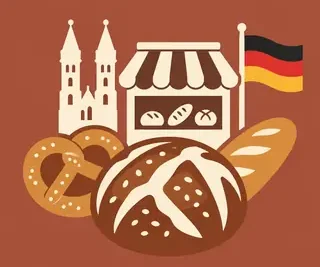 Exploring Bread Culture in Germany - Bakeries & Traditions
Baking Tourism & Experiences: Travel the World Through Flour, Sugar, and Dough
At BakeWithEase, we believe baking is more than a recipe—it’s a passport to culture, craftsmanship, and flavor. Our Baking Tourism & Experiences category helps you plan edible adventures, from visiting centuries-old German bakeries to enrolling in elite pastry schools. Whether you crave hands-on classes, guided chocolate tastings, or iconic patisserie crawls, this hub connects your wanderlust with your whisk. Discover traditions, meet master bakers, and taste destinations that will transform how you bake at home.
🍞 Exploring Bread Culture in Germany - Bakeries & Traditions
Germany boasts over 3,200 officially recognized bread varieties—a UNESCO-listed craft. Dive into the world of rustic rye, crusty pretzels, and dark pumpernickel by visiting traditional Bäckereien (bakeries) that still use wood-fired ovens and sourdough starters passed down for generations. You’ll learn about the Brotzeit (bread time) ritual, regional baking laws, and how German bread’s dense texture and complex fermentation differ from softer Western loaves. Our guides recommend must-visit bakery tours in Berlin, Munich, and rural Bavaria, plus tips on observing master bakers and sampling seasonal specialties like Stollen at Christmas markets.
🎓 Best Baking Schools Around the World - Culinary Travel
Turn your vacation into a skill-building laboratory by enrolling in world-class baking programs. From Le Cordon Bleu in Paris to the Italian School of Pizza in Naples, we profile schools that offer short courses, intensive diplomas, and weekend workshops for every level. Expect hands-on lessons in laminating croissant dough, tempering chocolate, or shaping sourdough—all taught by award-winning pastry chefs. You’ll also find practical advice on costs, language barriers, certification value, and how to choose a course that matches your goals, whether you’re a hobbyist or aspiring professional. Bring your apron and an open mind.
🥐 Foodie Destinations for Pastry Lovers in France
France remains the undisputed kingdom of patisserie, and our curated list of foodie destinations will have you salivating. Start in Paris with iconic pâtisseries like Pierre Hermé and Ladurée, then travel to Lyon for silk-smooth pralines, or to Brittany for buttery kouign-amann. We highlight walking tours, market visits, and small-batch bakeries where you can taste éclairs, macarons, and tarte Tatin fresh from the oven. Learn how regional terroir influences butter, flour, and fruit, and get insider tips on avoiding tourist traps while discovering hidden gems favored by local bakers.
🍫 Chocolate Tasting Tours - A Guide for Chocolate Enthusiasts
Chocolate tourism is a feast for the senses, and this guide covers everything from bean-to-bar factory tours in Belgium and Switzerland to rainforest cacao farms in Ecuador and Madagascar. You’ll explore single-origin tasting flights, learn to identify notes of fruit, spice, and roast, and understand the science of tempering. Our recommended tours include behind-the-scenes looks at grinding, conching, and molding processes, plus pairing sessions with wine, coffee, or sea salt. Perfect for both novices and connoisseurs, these experiences deepen your appreciation for chocolate and improve your own baking with better-quality ingredients.
Frequently Asked Questions
Do I need prior baking experience to join a baking tourism tour?
No, most tours and classes are designed for all skill levels. Beginners can start with simple bread or pastry workshops, while advanced bakers can opt for technique-focused masterclasses. Always read the course description to confirm prerequisites—some intensive programs may require basic knife skills or familiarity with yeast, but 90% are beginner-friendly and inclusive.
What is the best time of year for baking tourism in Germany?
Autumn (September–November) is ideal for visiting German bakeries because you’ll catch the harvest of grains, apples, and pumpkins used in seasonal loaves and pastries. Christmas markets in December are magical for Stollen and gingerbread, but expect larger crowds. Spring also offers fresh asparagus breads and mild weather for walking tours.
Are baking school courses in France taught in English?
Many elite schools like Le Cordon Bleu and Ferrandi offer English-taught programs, especially in Paris. Some smaller patisseries may teach in French only, but they often use visual demonstrations and hands-on learning, making language barriers manageable. Always confirm language support when booking to avoid surprises.
Can I combine chocolate tasting tours with baking classes?
Absolutely. Many tours in Belgium and Switzerland offer combo packages, such as a morning chocolate-making workshop followed by an afternoon tasting flight. In South America, some cacao farms also run baking classes that use the local chocolate in desserts. Check our individual guides for specific itineraries that pair both experiences seamlessly.
How much should I budget for a week-long baking tourism trip?
Costs vary widely: self-guided bakery visits may only cost $50–100 for transportation and tastings, while immersive school programs run $1,500–4,000 including tuition, materials, and sometimes lodging. Budget for meals, local transport, and souvenirs like baking tools or artisanal ingredients. We recommend reserving 20% extra for spontaneous tastings and classes.