Why German Bread is Different: Ingredients, Techniques, and History
😊 Discover what sets German bread apart with our in-depth look at traditional ingredients, unique baking techniques, and rich history. Master authentic…
Read article
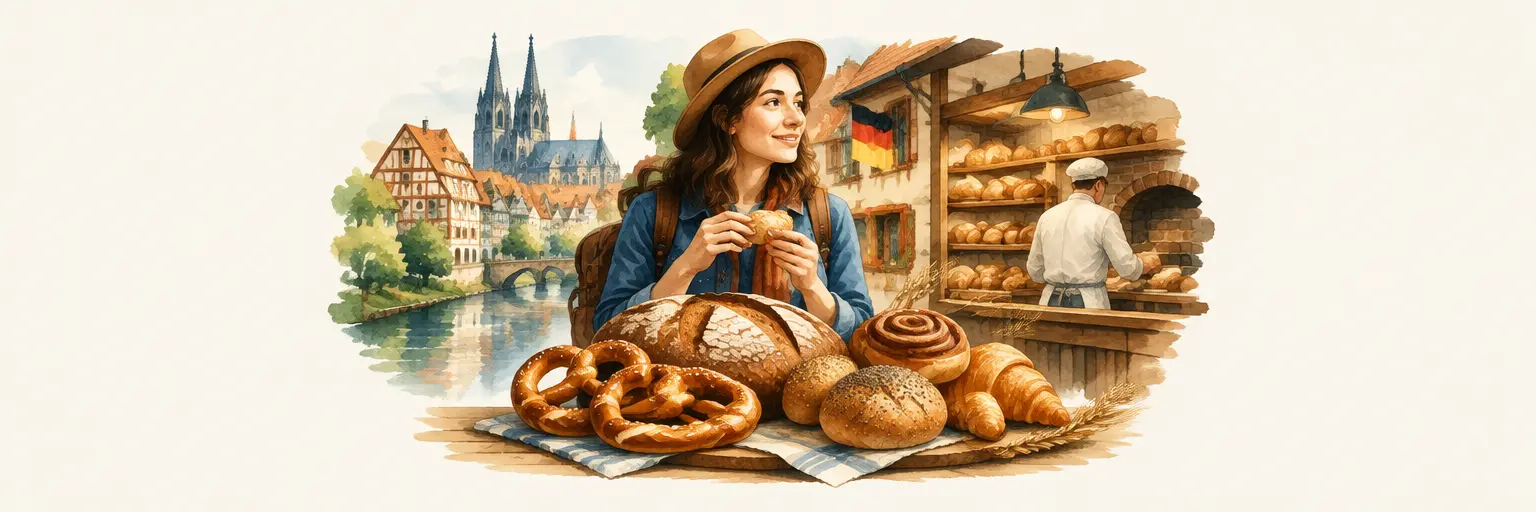
Discover the heart of German baking through its rich bread culture, where centuries-old traditions meet artisanal craftsmanship. From rustic rye loaves to soft pretzels, Germany’s bakeries (Bäckereien) are more than shops—they’re living museums of flavor, with over 3,200 officially recognized bread varieties. Immerse yourself in this delicious journey as we explore the secrets behind the iconic German bread basket, from the tangy sourdough starters to the crispy crusts perfected over generations. Learn how regional specialties like Westphalian pumpernickel or Bavarian brezen reflect local history and ingredients, and discover why UNESCO recognized German bread culture as intangible heritage. Whether you’re a home baker seeking authentic techniques or a food traveler planning a bakery-hopping adventure, our insider tips will help you taste, bake, and appreciate the unique role bread plays in German daily life. Get ready to unlock the magic of hand-shaped loaves, wood-fired ovens, and the warm community spirit that makes every visit to a German bakery unforgettable.
😊 Discover what sets German bread apart with our in-depth look at traditional ingredients, unique baking techniques, and rich history. Master authentic…
Read article
🌾 Discover the rich history behind Germany's beloved bread varieties, from Vollkorn to Pumpernickel. Dive into authentic German rye bread recipes and…
Read article
😊 Discover the charm of German breakfast bread recipes easy to make, perfect for starting your day with delicious, authentic flavors. BakeWithEase.com…
Read article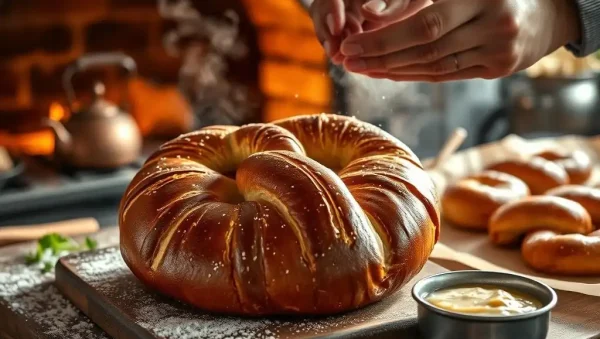
🌟 Discover the rich tradition behind Germany's iconic Laugengebäck with our easy-to-follow German pretzel recipe. Perfect for bakers of all levels, this…
Read article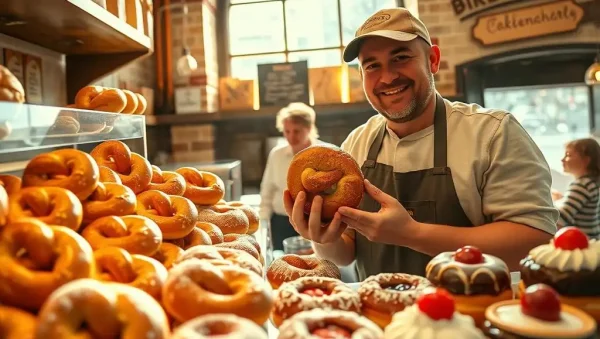
😊 Discover what makes German bakery recipes easy and uniquely delightful at BakeWithEase.com. From crusty breads to sweet pastries, explore authentic techniques…
Read article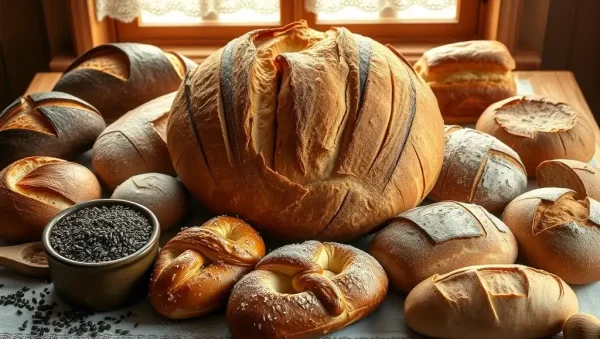
🌾 Discover the diverse flavors of Germany’s bread culture with our guide to regional specialties. Explore German sourdough bread recipes easy to…
Read article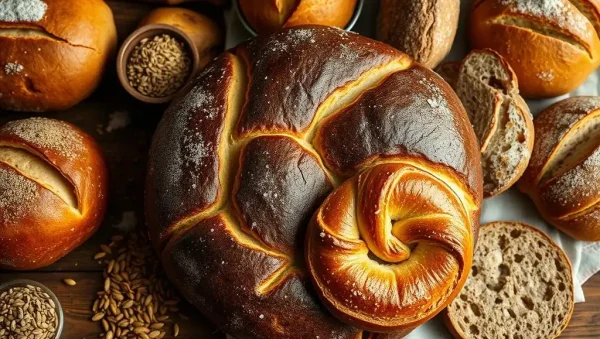
🍞 Discover the rich diversity of German bread recipes for beginners with BakeWithEase.com. From crusty loaves to soft pretzels, explore easy-to-follow techniques…
Read article
🌟 Discover the rich heritage of German bread-making with our easy German sourdough bread recipe, perfect for bakers of all levels. Uncover…
Read article
🌟 Discover the rich tradition behind authentic German bread, including easy-to-make German sourdough bread recipes. BakeWithEase.com guides you through mastering this craft…
Read article
🌟 Unearth Germany's lesser-known bread treasures with BakeWithEase.com, where you can explore authentic German sourdough bread recipes easy to master. Perfect for…
Read article
🌟 Discover how to find the best German sourdough bread recipe and navigate Germany's bakeries with confidence. BakeWithEase.com guides you through selecting…
Read article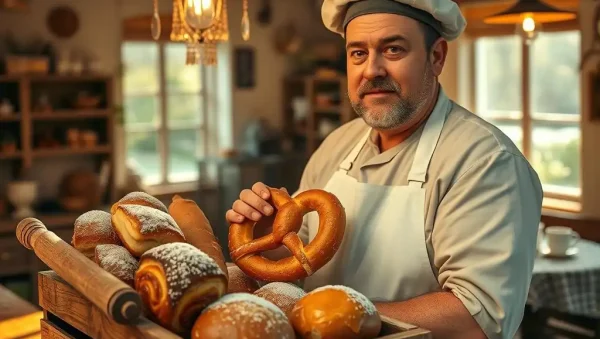
🌟 Discover the rich flavors of Germany through its bakeries with our sensory guide, featuring easy German bakery recipes for beginners. Dive…
Read articleGermany is home to over 3,200 officially registered bread varieties, a UNESCO-recognized cultural heritage that goes far beyond a simple loaf. For bakers and travelers alike, exploring German bakeries means stepping into a world of craftsmanship, regional grains, and time-honored fermentation methods. This subcategory of Baking Tourism & Experiences on BakeWithEase.com guides you through authentic German Bakeries, traditional baking techniques, and the stories behind iconic breads like Bauernbrot, Pretzels, and Pumpernickel. Whether you’re planning a baking pilgrimage or simply want to recreate German flavors at home, you’ll find practical insights, regional spotlights, and expert tips—all designed to help you bake and taste like a true German Bäckermeister.
Begin your journey with the foundational stars of German bread culture. This section introduces you to Roggenbrot (rye), Mischbrot (mixed wheat-rye), and the dark, sweet Pumpernickel from Westphalia. Each bread has a distinct crumb structure and crust, often achieved through sourdough starters and long fermentation—key secrets to their depth of flavor. Expect detailed taste profiles, texture notes, and the best regional pairings, such as black bread with smoked fish in the north or hearty Laugenbrezel with mustard in Bavaria.
Beyond tasting, you’ll learn how to identify quality by checking the crust’s crackle and the aroma of roasted malt. For home bakers, we break down why German flours (Type 1050, 1150) differ from US all-purpose and how to substitute them confidently. This knowledge transforms a simple grocery trip into a cultural exploration, allowing you to appreciate the variety that makes German bread a global benchmark for rustic baking.
The pretzel is arguably Germany’s most beloved export, but its true artistry lies in the lye bath—a step that gives it that glossy, deep-brown crust and distinctive chew. This section walks you through the authentic production process, from shaping the dough into the classic crossed-arm form to the precise dipping in food-grade sodium hydroxide. You’ll also discover regional variations, such as the softer Laugebrezel in the south versus the flakier Brezel in Stuttgart, and how bakers achieve the perfect salt crystal crunch.
For those visiting Germany, we highlight the best cities to enjoy fresh pretzels straight from the oven—think Munich’s Viktualienmarkt or Nuremberg’s old town. Expect insider tips on pairing pretzels with Obatzda (spiced cheese) or white sausage, plus a simple home recipe that safely replicates the lye effect using baked baking soda. By the end, you’ll understand why pretzels are not just a snack but a ritual woven into daily German life, from breakfast tables to beer gardens.
Germany’s bread diversity is rooted in its regions, each with unique grain cultivation and baking traditions. This section dives into the sourdough heartland of Swabia, where Schwäbische Seele (soul bread) is baked with spelt, and the northern plains where dense, whole-grain rye breads fuel long winters. You’ll learn about the role of the Bäckerhandwerk (baker’s trade) and the close relationships between artisan bakers and local millers—often using stone-milled flours from ancient grains like Emmer and Einkorn.
Expect practical guidance on sourcing authentic German flours online and understanding type numbers on packaging. We also profile small, family-run bakeries worth a detour, such as those along the Deutsche Brotstraße (German Bread Route), and offer a step-by-step method for building a robust rye sourdough starter from scratch. This exploration will inspire you to experiment with regional techniques, bringing the true spirit of German millers into your own oven.
Stepping into a German bakery is a sensory overload: the hiss of steam, the smell of warm malts, and the endless display of Brötchen (rolls), Kuchen (cakes), and Brote. This section prepares you for the etiquette and ordering process—from saying “Guten Tag” to choosing between Vollkorn, Sauerteig, or Mehrkorn. You’ll also learn how to navigate breakfast service, where fresh rolls are often toasted and served with cold cuts, cheeses, and jams. We cover the difference between Backshop (convenience bakeries) and Handwerksbäckerei (artisan shops), helping you spot quality indicators like visible flour dust and a rotating oven.
For the best experience, we recommend visiting between 6:30 and 8:00 AM for the first batch straight from the oven. This section also includes a phonetic primer for ordering confidently, plus etiquette tips on paying and tipping. Whether you’re a tourist or an expat, this practical guide ensures you’ll enjoy every visit like a local, and you’ll leave with ideas to recreate that authentic bakery atmosphere at home using Dutch ovens or steam pans.
For those who want to immerse themselves fully, Germany hosts numerous bread festivals and baking workshops throughout the year. This section highlights events like the International Bread Festival in Heidelberg and the Mühlenfest (Mill Festival) in Lower Saxony, where you can watch live demonstrations of dough kneading and wood-fired baking. We also feature structured bakery tours in cities like Berlin, Hamburg, and Cologne that include visits to historic mills, sourdough labs, and even hands-on classes where you can bake your own Laugengebäck under expert supervision.
Expect practical planning tips—best seasons to go, how to book English-friendly courses, and budget-friendly options like public mill tours. We also list online virtual tours if travel isn’t possible, allowing you to see inside a production bakery from home. By the end of this section, you’ll have a clear itinerary to turn your passion for bread into an unforgettable German adventure, complete with memories and skills to last a lifetime.
While personal preferences vary, Mischbrot (a blend of rye and wheat) is the most widely consumed, appearing in nearly every bakery. Its balanced flavor and moist crumb make it perfect for sandwiches. Close runners-up include Bauernbrot and Vollkornbrot, all of which rely on sourdough for character.
German breads often use a high proportion of rye flour, which lacks gluten’s elasticity, resulting in a denser crumb. Additionally, German bakers prefer sourdough fermentation over commercial yeast, slowing down the rise and developing complex texture and a longer shelf life without artificial additives.
Yes, but you’ll get a slightly different crust. For safety, use a baked baking soda solution (bake baking soda at 350°F for 1 hour) as a substitute. It won’t produce the same glossy finish or distinct tang, but it’s a safe option that still yields a chewy, brown crust. For full authenticity, use food-grade lye with gloves and extra caution.
A Bäckerei is a traditional artisan bakery where bread is often made on-site with long fermentation and stone ovens. A Backshop is a counter-bakery, frequently inside supermarkets, selling par-baked goods that are finished quickly. For the best experience, always seek out a stand-alone Bäckerei, especially one with the “Handwerk” label.
German bread has a higher moisture content and benefits from being stored in a bread box (porous ceramic is ideal) at room temperature—never in the fridge, which accelerates staling. For longer storage, slice and freeze immediately; thaw slices as needed in a toaster or oven for freshness.