
The German Breakfast Table: A Celebration of Bread

Welcome to BakeWithEase!
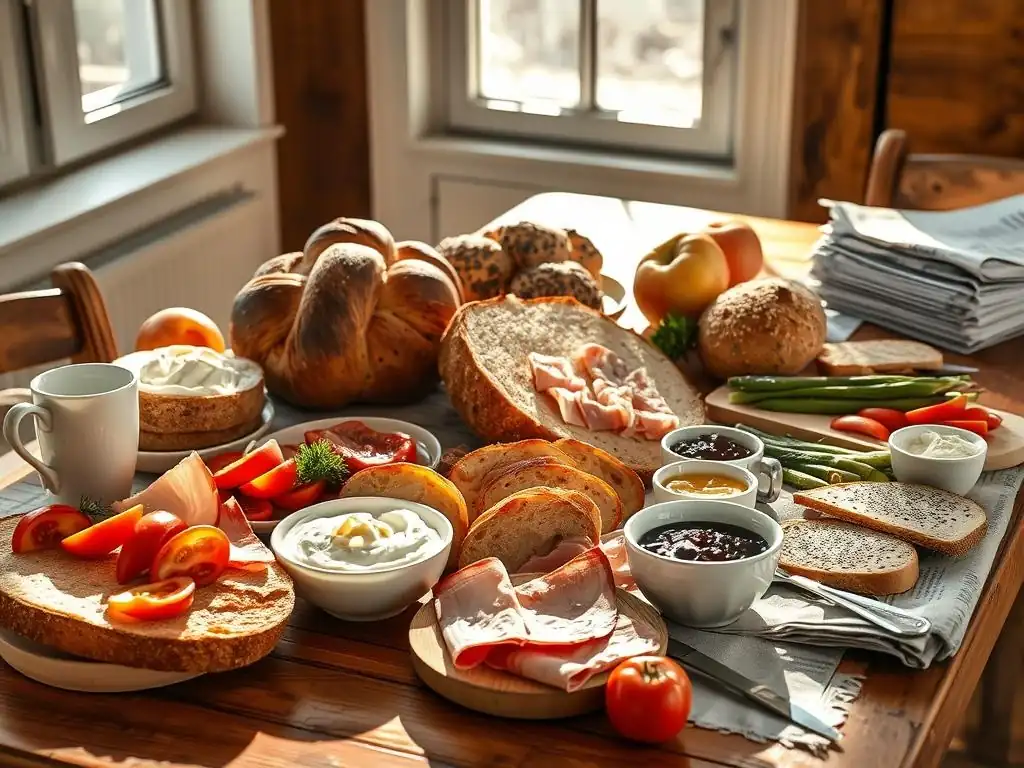
Ever wondered what makes a true German breakfast so irresistible? We're about to unlock the secrets of the German Frühstück right here. Dive into " The German Breakfast Table: A Celebration of Bread" and discover incredibly easy German breakfast bread recipes that will transform your mornings. Get ready to experience baking traditions passed down through generations, and maybe even inspire your own baking tourism adventure! Ready to explore the world of German baking? Let's get started...
- Discovering the Delights of German Breakfast Bread
- Must-Have German Breakfast Breads: Recipes & Where to Find Them
- Beyond the Bread: Essential Accompaniments for a German Breakfast
- German Breakfast Bread: Tips and Tricks for Success
- Conclusion: Embrace the German Breakfast Tradition
-
Frequently Asked Questions
- What makes German breakfast bread different from other breads?
- Are German breakfast bread recipes easy to follow for beginners?
- What are some common ingredients found in German breakfast bread?
- Can I find gluten-free German breakfast bread recipes that are easy to make?
- Where can I find reliable and easy German breakfast bread recipes?
- Final Reflection: The Enduring Power of Simple Pleasures
- Unleash Your Inner Bäcker: Bake Your Own German Bread!
Discovering the Delights of German Breakfast Bread
A Journey Through German Bread Culture: More Than Just Toast
Germany boasts a bread culture unlike any other, often cited as having over 300 main types of bread and more than 1,000 types of small baked goods and rolls ( Brötchen). This rich diversity is deeply embedded in daily life, and nowhere is it more evident than at the breakfast table. Forget the simple slice of white toast; a German breakfast is a vibrant mosaic of textures, flavors, and shapes, with bread taking center stage.
It's a ritual that celebrates quality ingredients and traditional baking methods, offering everything from dense, dark rye loaves to light, crispy rolls. Understanding this culture is key to appreciating the nuances of German breakfast bread and why exploring German breakfast bread recipes, especially easy ones, is such a rewarding endeavor for home bakers.
This tradition isn't just about variety; it's about the quality and nutritional value of the bread itself. German breads are often made with a high proportion of rye and other whole grains, frequently utilizing sourdough starters, which contribute to their unique flavor, texture, and longer shelf life.
The emphasis is on hearty, wholesome options that provide sustained energy throughout the morning. Learning to bake some of these German breakfast bread recipes, even the seemingly complex ones which often have surprisingly easy versions for beginners, allows you to bring a piece of this esteemed culinary heritage into your own kitchen and morning routine.
Must-Have German Breakfast Breads: Recipes & Where to Find Them
Brötchen: The Quintessential German Breakfast Roll
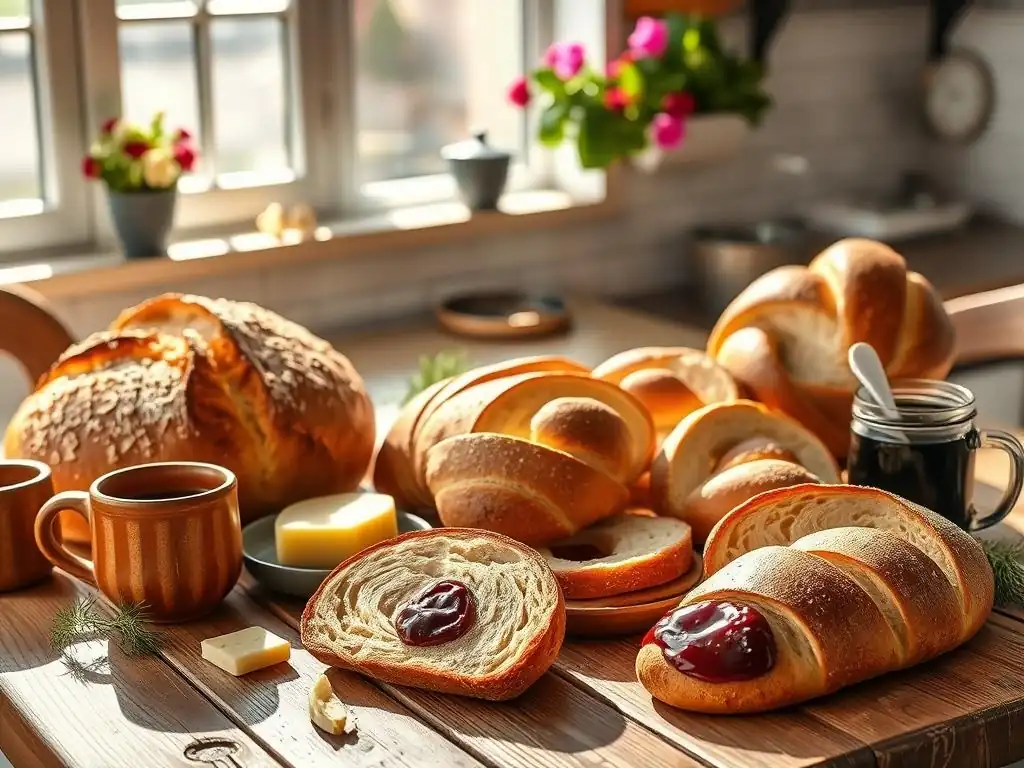
Brötchen, often affectionately called "the soul of the German breakfast," are small, crusty rolls that come in countless regional variations. Their defining characteristic is a crisp exterior giving way to a soft, airy interior. Typically enjoyed fresh from the bakery early in the morning, they are the perfect vehicle for butter, jam, cheese, or cold cuts.
While the classic Brötchen is made from wheat flour, you'll find versions with seeds (like poppy, sesame, or sunflower), whole grain options ( Vollkornbrötchen), or darker rye mixes ( Roggenbrötchen). Mastering an easy Brötchen recipe is a great starting point for anyone wanting to bake German breakfast bread at home.
Creating these delightful rolls at home is achievable, with many easy German breakfast bread recipes focusing on simple ingredients and techniques. The key lies in proper kneading to develop gluten for structure and achieving the right oven temperature and steam for that signature crispy crust.
- Easy Brötchen Recipe for Home Bakers: Look for recipes that use active dry yeast or instant yeast for quicker rising times and minimal kneading, often employing an overnight cold fermentation for flavor development without complex techniques.
- Recommended Baking Tools: A baking stone or steel is highly recommended for achieving a crispy bottom crust, along with a spray bottle to create steam in the oven during the initial baking phase.
Pumpernickel: The Dark and Dense Rye Bread
Pumpernickel is a very dense, dark, and slightly sweet rye bread with a distinctive, earthy flavor. Originating from the Westphalia region, traditional Pumpernickel is made from coarse rye meal and is steamed or baked for a very long time at low temperatures, sometimes for 16 to 24 hours. This slow process caramelizes the sugars in the rye, contributing to its dark color and unique sweetness.
It's a bread that embodies patience and tradition, offering a hearty, chewy texture that stands up well to strong flavors. While traditional methods are complex, some easy German breakfast bread recipes for Pumpernickel aim to replicate the flavor profile with more accessible techniques and baking times.
Often sold in pre-sliced, vacuum-sealed packages to maintain freshness, Pumpernickel is a staple for open-faced sandwiches or served alongside soups and stews. Its robust flavor pairs wonderfully with smoked fish, strong cheeses, or even sweet spreads. It's a bread that truly showcases the depth and character possible with rye.
- Pumpernickel Variations: Variations exist in coarseness (from fine to very coarse rye meal) and regional styles, some being slightly sweeter or containing added ingredients like molasses or malt for color and flavor.
- Where to Buy High-Quality Pumpernickel: Authentic Pumpernickel can be found in German specialty stores, international supermarkets, and online retailers specializing in German foods. Look for varieties labeled "Westfälischer Pumpernickel" for a traditional experience.
- Recommended accompaniment: Smoked salmon and a dollop of cream cheese.
Vollkornbrot: The Hearty Whole Grain Bread
Vollkornbrot, meaning "whole grain bread," is a cornerstone of healthy eating in Germany and a popular breakfast choice. It's typically made with at least 90% whole wheat or whole rye flour, often incorporating other grains like oats, barley, and seeds (sunflower, flax, pumpkin). Vollkornbrot is dense, moist, and incredibly nutritious, packed with fiber, vitamins, and minerals. Its flavor is robust and slightly tangy, especially when made with a sourdough starter, which is common. While its density might seem intimidating, many easy German breakfast bread recipes for Vollkornbrot streamline the process, making it approachable for home bakers.
Baking Vollkornbrot at home allows you to control the types of grains and seeds used, tailoring the loaf to your preference. These easy German breakfast bread recipes often involve mixing all ingredients and letting time do the work, sometimes with minimal kneading, relying on the natural properties of whole grains and sourdough or yeast for leavening.
- Easy Vollkornbrot Recipe for Beginners: Look for no-knead or overnight sponge methods that simplify the process, focusing on accurate measurements of whole grain flours and a slow, even bake.
- Recommended Flour: Use high-quality stone-ground whole rye flour ( Roggenvollkornmehl) and whole wheat flour ( Weizenvollkornmehl). Adding ingredients like cracked rye ( Schrot) or mixed seeds enhances texture and nutrition.
- Recommended accompaniment: Quark (a type of fresh cheese) topped with chives, or sliced hard-boiled eggs.
Brezel (Pretzel): A Savory Breakfast Treat
While often associated with beer gardens, the Brezel (pretzel) is also a beloved part of the German breakfast, particularly in Southern Germany. Unlike the crispy American pretzel, the German Brezel has a soft, chewy interior and a distinctively dark, glossy, and slightly alkaline crust, achieved by dipping the dough in a lye solution before baking.
Sprinkled with coarse salt, it offers a unique savory flavor and texture combination. While dipping in lye requires caution, there are safer, easy German breakfast bread recipes that use baking soda solutions to achieve a similar crust color and flavor profile, making homemade pretzels accessible.
Freshly baked Brezeln are best enjoyed warm, often sliced horizontally and spread with butter ( Butterbrezel), which melts into the soft interior and contrasts beautifully with the salty crust. They can also be paired with cold cuts, cheese, or even sweet spreads, though the classic butter version remains the most popular breakfast choice.
- Brezel Baking Kit Recommendation: Consider kits that provide pre-portioned dry ingredients and food-grade lye substitutes (like baking soda) or clear instructions for handling lye safely, making the process manageable for beginners.
- Where to Find Authentic Brezel: The best place is a traditional German bakery ( Bäckerei), especially in Bavaria or Swabia. Many bakeries bake them fresh throughout the morning.
Beyond the Bread: Essential Accompaniments for a German Breakfast
German Butter and Jams: Spreads to Elevate Your Bread
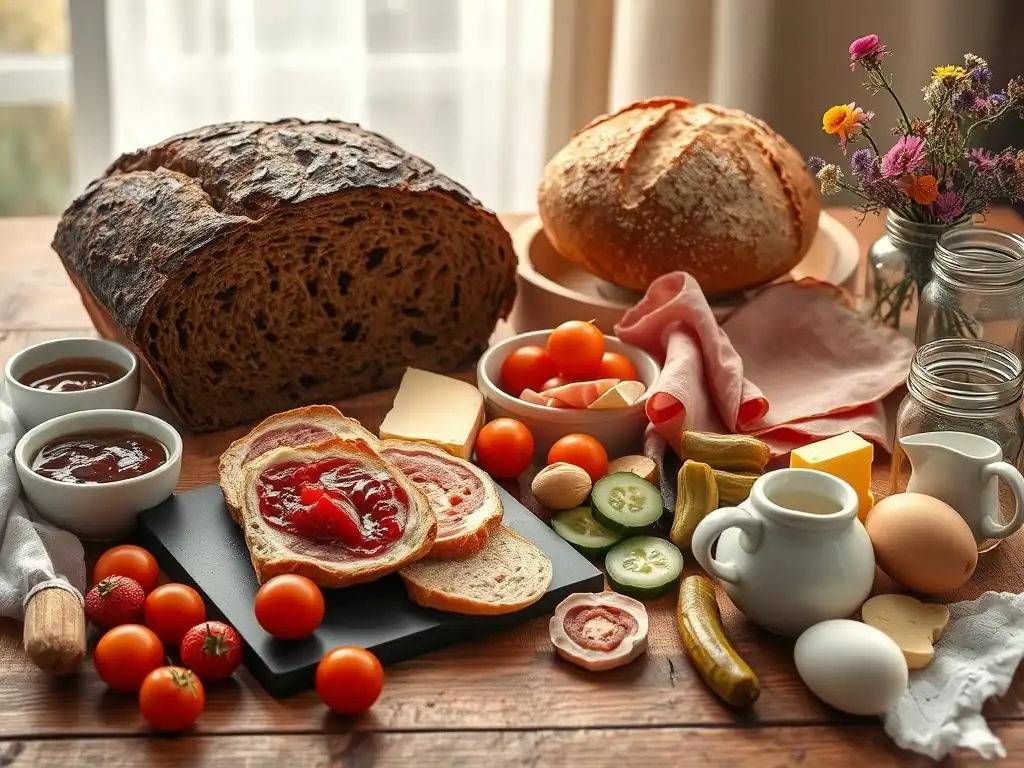
No German breakfast bread is complete without delicious spreads. German butter is known for its high fat content (often 82% or more) and rich, creamy flavor, making it perfect for melting into a warm Brötchen or spreading generously on a slice of Vollkornbrot. The quality of the butter truly makes a difference, enhancing the bread's texture and taste.
Jams, or Marmelade (though technically only citrus jams are Marmelade; fruit preserves are Konfitüre), are another essential element. German breakfast tables feature a wide array of fruit preserves, often made with less sugar than some international varieties, allowing the natural fruit flavor to shine.
- Recommended German Butter Brands: Look for brands like Weihenstephan, Kerrygold (popular in Germany), or local bakery butter ( Landbutter).
- Popular German Jam Flavors: Strawberry ( Erdbeere), raspberry ( Himbeere), cherry ( Kirsche), apricot ( Aprikose), and mixed berry ( Waldbeere) are perennial favorites.
German Cheese and Cold Cuts: Savory Additions
For those who prefer a savory start, a selection of German cheeses and cold cuts is indispensable. Germany produces a diverse range of cheeses, from soft and creamy to hard and aged. Pairing different cheese textures and flavors with the variety of German breakfast breads creates delightful combinations.
Cold cuts ( Wurst und Aufschnitt) are equally varied, offering everything from delicate ham ( Kochschinken) to robust salami ( Salami) and regional specialties like liver sausage ( Leberwurst) or blood sausage ( Blutwurst). These savory options provide protein and flavor that complement the hearty nature of many German breads.
- Recommended German Cheese Varieties: Try Butterkäse (buttery, mild), Gouda (common and versatile), Edamer (semi-hard), or various cream cheeses ( Frischkäse).
- Popular German Cold Cuts: Kochschinken (cooked ham), Salami, Leberwurst (liver sausage), Teewurst (spreadable sausage), and Lyoner (a type of fine sausage).
Coffee or Tea: The Perfect Beverage Pairing
To wash it all down, a warm beverage is a must. Coffee ( Kaffee) is the most popular morning drink in Germany, typically a strong filter coffee or a milk coffee ( Milchkaffee). The rich aroma and comforting warmth provide the perfect accompaniment to the array of breads and spreads.
Tea ( Tee) is also enjoyed, particularly in certain regions like East Frisia, where tea culture is especially strong. Black tea is common, often served with cream and rock candy sugar ( Kluntje). Whether you prefer coffee or tea, the beverage is an integral part of the relaxing German breakfast ritual.
- Recommended German Coffee Brands: Popular brands include Tchibo, Jacobs, Dallmayr, and Melitta.
German Breakfast Bread: Tips and Tricks for Success

Mastering the Techniques: From Kneading to Baking
Achieving that perfect German breakfast bread texture, whether it's the crisp crust of a Brötchen or the dense chewiness of Vollkornbrot, relies on understanding a few key techniques. Kneading, for instance, is crucial for developing the gluten structure in wheat-based doughs, providing elasticity and rise. For rye-heavy or whole grain breads, which have less gluten, different techniques like folding or minimal mixing are often employed to avoid a gummy texture. Understanding the role of fermentation time is also vital; longer, slower ferments often lead to deeper flavor development and better digestibility, even in relatively easy German breakfast bread recipes.
Baking temperature and steam are equally important. Many German breads benefit from a hot oven and initial steam to create a strong, crackly crust before the interior fully sets. Learning how to create steam in a home oven, whether with a baking stone and water or a Dutch oven, can significantly improve results. Paying attention to visual cues like crust color and using a thermometer to check internal temperature ensures the bread is fully baked through, preventing a doughy center. Experimentation is key, and even when following easy German breakfast bread recipes, small adjustments can yield noticeable improvements.
Finding the Right Ingredients: A Guide to German Baking Staples
The quality and type of flour are fundamental to authentic German breakfast bread. German flours are classified differently than in some other countries, based on ash content. For example, Weizenmehl Type 405 is a fine white pastry flour, while Weizenmehl Type 550 is closer to American all-purpose flour, suitable for Brötchen. For rye breads, Roggenmehl Type 1150 or Roggenvollkornmehl (whole rye) are commonly used. Using the correct type of flour specified in easy German breakfast bread recipes is crucial for achieving the intended texture and structure.
Beyond flour, ingredients like malt syrup (often used for color and flavor), specific types of seeds (sunflower, pumpkin, poppy, sesame, flax), and sourdough starter ( Sauerteig) play significant roles. While pre-made sourdough starters are available, cultivating your own adds another layer of authenticity and flavor. High-quality salt and fresh yeast (or active dry/instant yeast) are also non-negotiable for successful baking. Sourcing these specific ingredients, sometimes found in specialty stores or online, can make a big difference in bringing that authentic German taste to your easy German breakfast bread recipes.
Conclusion: Embrace the German Breakfast Tradition
The German breakfast table, with its incredible array of breads and delightful accompaniments, is a tradition worth exploring and adopting. From the simple pleasure of a fresh Brötchen with butter and jam to the hearty satisfaction of a slice of Vollkornbrot with cheese and cold cuts, there's a bread and pairing for every taste. Discovering and baking easy German breakfast bread recipes allows you to participate in this rich culinary heritage, bringing the comforting aroma of freshly baked bread into your home.
It's a celebration of quality, variety, and the simple joy of good food shared at the start of the day. Embrace the journey, experiment with different breads and toppings, and savor the delicious experience of a true German breakfast.
Frequently Asked Questions
What makes German breakfast bread different from other breads?
German breakfast bread often features whole grains and seeds, providing a hearty and nutritious start to the day. It also has a distinct texture, often denser than other breads.
Are German breakfast bread recipes easy to follow for beginners?
Yes, many German breakfast bread recipes are indeed easy to follow, especially those focusing on simpler ingredients and techniques. BakeWithEase offers several beginner-friendly options.
What are some common ingredients found in German breakfast bread?
Common ingredients include rye flour, sunflower seeds, pumpkin seeds, and whole wheat flour. Some recipes might also include sourdough starter for a tangy flavor.
Can I find gluten-free German breakfast bread recipes that are easy to make?
Finding truly easy gluten-free German breakfast bread recipes can be challenging, but possible. Look for recipes using gluten-free flour blends and binding agents like xanthan gum to mimic gluten's structure.
Where can I find reliable and easy German breakfast bread recipes?
BakeWithEase.com is a great resource for finding simple and reliable German breakfast bread recipes. They offer step-by-step guides and easy-to-find ingredients.
Final Reflection: The Enduring Power of Simple Pleasures
The humble bread roll, a seemingly insignificant element of the German breakfast, speaks volumes about the enduring power of tradition and the simple joys found in everyday life. Its seemingly straightforward nature belies a rich history and cultural significance, far exceeding its role as mere sustenance. This exploration of German breakfast breads has revealed not just recipes, but a window into a culture that values quality ingredients, meticulous craftsmanship, and the shared experience of a comforting morning meal.
The impact of this simple tradition extends far beyond the breakfast table. It represents a connection to the past, a celebration of regional diversity, and a testament to the enduring appeal of time-honored techniques. The act of sharing bread, whether it's a crusty Brötchen or a sweet Hefeteig, fosters a sense of community and belonging. As the German poet Johann Wolfgang von Goethe once wrote, Bread is the staff of life.
This simple statement encapsulates the profound significance of bread, not just as food, but as a symbol of nourishment, both physical and emotional.
Now, I invite you to consider your own breakfast table. What traditions do you hold dear? What simple pleasures bring you joy and a sense of connection? Perhaps it’s time to rediscover the magic of a homemade loaf, to savor the taste of freshly baked bread, and to share that experience with loved ones. Let the German breakfast table inspire you to embrace the simple, yet profound, pleasures that enrich our lives and strengthen our bonds with each other and our heritage. Start baking, and discover the joy within.
Unleash Your Inner Bäcker: Bake Your Own German Bread!
Thanks for joining us on this delicious journey through the world of German bread! We hope you gained a newfound appreciation for the artistry and tradition behind these iconic loaves. Now it's time to put your knowledge to the test.
- Bake your own German bread! We've got plenty of recipes on BakeWithEase.com to get you started, from classic rye to hearty sourdough. This is your chance to create the perfect accompaniment to your next breakfast.
- Share your baking journey! Tag us on social media with your creations – we'd love to see your interpretation of these delicious breads.
- Challenge yourself: Try a new bread recipe you wouldn't normally attempt. What unique German bread will you master next?
What's your favorite German bread, and what's the one you're most excited to try baking yourself? Let's chat in the comments!