
Pairing Perfection: What You'll Sip and Savor on a Chocolate Tour

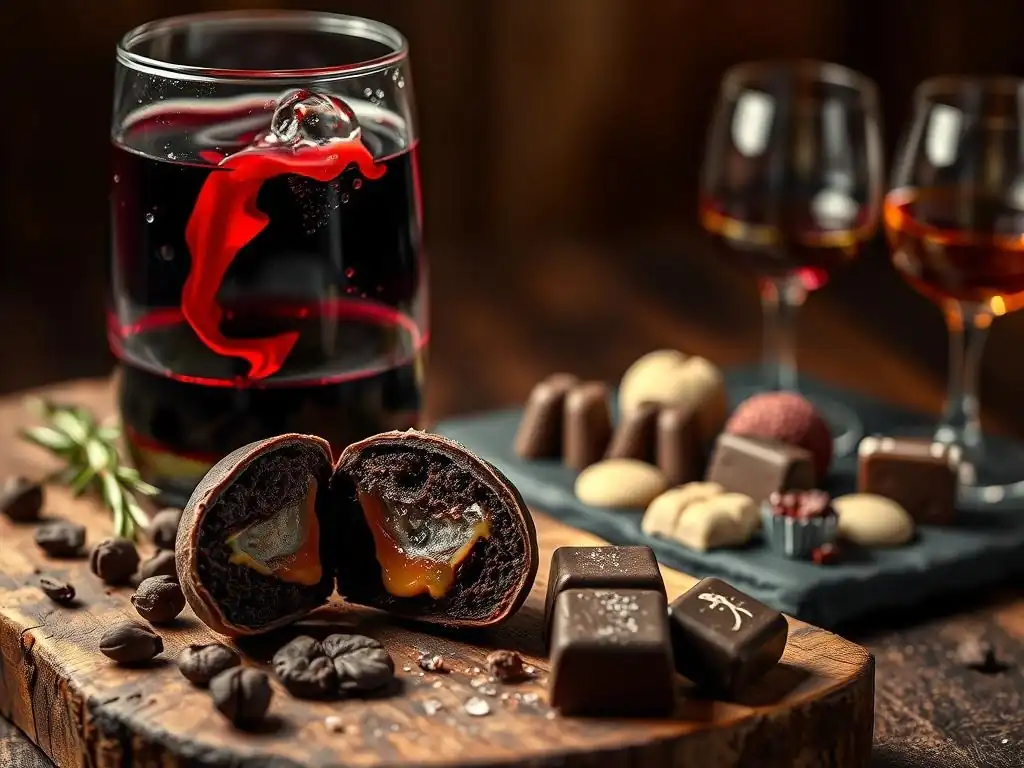
Welcome to BakeWithEase, your portal to unlocking the sweet secrets of the baking world! Ever wondered how to elevate the rich indulgence of chocolate to new heights? Dive into our guide on Chocolate Pairing Wine Recipes and discover the exquisite harmony that awaits. Get ready to embark on a flavorful journey where every sip and bite tells a story, transforming your baking experiences into unforgettable moments. What's the perfect vintage to complement your decadent creations? Let's find out!
Chocolate tours offer a delightful journey into the world of cacao, from bean to bar. While the focus is undoubtedly on the diverse flavors and textures of chocolate itself, many premier tours elevate the experience by introducing the art of pairing. Among the most classic and rewarding pairings is that of chocolate and wine.
Understanding how these two sensory powerhouses interact can transform a simple tasting into a profound exploration of flavor. This guide dives into the fascinating world of chocolate pairing wine recipes and techniques, helping you prepare for or even recreate the magic of a professional chocolate tour.
- Unlocking the Flavor: A Guide to Chocolate Pairing Wine Recipes
- Mastering Chocolate Pairing Wine: A Step-by-Step Guide
- Top Chocolate Pairing Wine Recipes & Recommendations for Your Tour
- Beyond Wine: Alternative Chocolate Pairing Beverages
- Preparing for Your Chocolate Tasting Tour: Essential Tips
- Chocolate Pairing Wine: Maximizing Your Senses on a Guided Tour
- Elevate Your Chocolate Journey: Creating Your Own Pairing Experience at Home
- Conclusion: Savor the Sweet Symphony of Chocolate and Wine
- Frequently Asked Questions
- Final Reflection: The Enduring Allure of Chocolate and Wine
- Unlock Your Inner Chocoholic: Plan Your Dream Chocolate Tour!
Unlocking the Flavor: A Guide to Chocolate Pairing Wine Recipes
The magic of pairing chocolate and wine lies in finding balance. Just as a well-crafted recipe brings together disparate ingredients into a harmonious dish, the right wine can highlight specific notes in chocolate – be it fruity, nutty, floral, or even earthy – while the chocolate can temper certain characteristics of the wine, like acidity or tannins. It's a dance of complementary and contrasting flavors that, when executed well, creates a synergy greater than the sum of its parts. Many enthusiasts seek out chocolate pairing wine recipes to explore these combinations at home.
Why Chocolate and Wine? Exploring the Art of Sensory Harmony
The connection between chocolate and wine runs deeper than just shared enjoyment. Both are complex agricultural products influenced by terroir, fermentation, and aging processes. Wine boasts hundreds of aromatic compounds, while chocolate contains over 600. When tasted together, these compounds interact on the palate and in the olfactory system, creating new sensory experiences. For instance, the tannins in a robust red wine can interact with the fats in chocolate, altering the perceived texture and intensity of both. Mastering chocolate pairing wine recipes allows you to explore these intricate interactions.
Consider the science behind it: phenolic compounds found in both chocolate and wine play a significant role. Dark chocolate, rich in polyphenols, can soften the astringency of tannins in red wine, making it taste smoother. Conversely, the sweetness and acidity in certain wines can cut through the richness of chocolate, cleansing the palate and preparing it for the next bite. This complex interplay is why many structured chocolate tours dedicate significant time to exploring various chocolate pairing wine recipes.
BakeWithEase's Guide to Elevating Your Chocolate Tasting Experience
At BakeWithEase, we believe that understanding the fundamentals enhances appreciation. Elevating your chocolate tasting experience, whether on a tour or at home, starts with mindfulness. Pay attention to the chocolate's aroma before tasting – is it fruity, nutty, or floral? Then, note its texture as it melts. When pairing with wine, take a sip of the wine first, note its characteristics, then take a small piece of chocolate, let it melt slightly, and finally, take another sip of the wine. This sequence allows you to experience the individual components before the combined effect.
We encourage experimenting with different chocolate pairing wine recipes. Don't be afraid to break traditional rules. While common wisdom suggests pairing dark chocolate with red wine, you might discover a fascinating combination pairing it with a sparkling wine that cuts through the intensity. Remember that personal preference is key. A guided tour provides expert insights, but your own palate is the ultimate judge of what truly sings.
Mastering Chocolate Pairing Wine: A Step-by-Step Guide
Mastering the art of chocolate pairing wine involves understanding both sides of the equation: the chocolate and the wine. It's not about finding one perfect match for all chocolates, but rather identifying combinations that highlight the best characteristics of each. This requires a bit of knowledge about flavor profiles and how they interact.
Identifying Key Flavor Profiles for Successful Chocolate and Wine Combinations
The foundation of successful chocolate and wine pairing lies in recognizing the dominant flavors and characteristics of each. Is the chocolate intensely bitter, subtly sweet, fruity, or nutty? Is the wine dry, sweet, acidic, tannic, or aromatic? By identifying these profiles, you can begin to predict how they might interact. This is crucial whether you are developing your own chocolate pairing wine recipes or simply enjoying a guided tour.
Understanding Chocolate Intensity: From White to Dark
Chocolate intensity is primarily determined by the percentage of cacao solids. White chocolate, containing no cacao solids (only cocoa butter, sugar, and milk solids), is sweet and creamy, requiring a lighter, often sweeter wine. Milk chocolate, with added milk solids and sugar, is sweeter and less intense than dark chocolate, pairing well with medium-bodied wines or those with some residual sweetness.
Dark chocolate, ranging from 50% to 100% cacao, offers a spectrum of flavors from fruity and acidic to intensely bitter and earthy. The higher the cacao percentage, the more robust the wine pairing needs to be. For instance, a 70% dark chocolate might pair beautifully with a Zinfandel, while an 85% dark chocolate might call for a more powerful Cabernet Sauvignon or even a fortified wine.
Recognizing Wine Characteristics: Sweetness, Acidity, and Tannins
Sweetness in wine, measured in residual sugar, is a critical factor when pairing with sweet foods like chocolate. Generally, the wine should be at least as sweet, if not sweeter, than the chocolate to prevent the wine from tasting bitter or overly acidic. Acidity in wine provides freshness and can cut through the richness of chocolate, balancing the sweetness. Wines with high acidity, like Sauvignon Blanc or certain sparkling wines, can be excellent palate cleansers.
Tannins, found primarily in red wines (derived from grape skins, seeds, and stems, and oak aging), create a drying sensation on the palate. Tannic wines often pair well with dark chocolate, as the fat in the chocolate can soften the tannins, making the wine taste smoother. Understanding these characteristics is key to developing effective chocolate pairing wine recipes.
The Importance of Quality Ingredients in Chocolate and Wine Pairings
Just as a baker knows that using high-quality flour makes a significant difference in bread, the quality of both the chocolate and the wine is paramount in pairing. A mass-produced chocolate bar with artificial flavors will not offer the same depth and complexity as a single-origin artisan chocolate. Similarly, a poorly made wine will likely clash rather than complement. Investing in quality ingredients elevates the entire tasting experience and is a hallmark of reputable chocolate tours.
Choosing Artisan Chocolates for a Premium Experience
Artisan chocolates, often made in small batches with carefully sourced cacao beans, offer nuanced flavors that reflect their origin and processing. Look for single-origin chocolates, which showcase the unique characteristics of beans from a specific region like Madagascar (often fruity notes) or Venezuela (often nutty or caramel notes). Bean-to-bar makers often list ingredients simply as cacao beans, sugar, and cocoa butter, ensuring purity of flavor. On a chocolate tour, you are likely to encounter such premium chocolates, providing an ideal canvas for exploring chocolate pairing wine recipes.
For example, a bar made with Ecuadorian Arriba Nacional beans might present floral or spicy notes, requiring a different wine pairing than a bar made with Ghanian Forastero beans known for classic chocolatey, slightly earthy flavors. Many artisan producers provide tasting notes that can guide your pairing choices.
Selecting Fine Wines to Complement Your Chocolate
Selecting fine wines doesn't necessarily mean expensive wines, but rather wines that are well-made and express their varietal and terroir. For pairing with chocolate, consider wines that have balanced acidity and sweetness (if applicable) and whose flavor profile aligns with the chocolate. For instance, a wine with red berry notes might complement a chocolate with similar fruity notes. A fortified wine like Port, known for its richness and dark fruit flavors, is a classic partner for dense chocolate desserts.
Tour operators curate wine selections based on their expertise, often choosing wines from reputable vineyards known for quality and consistency. When creating your own chocolate pairing wine recipes at home, seeking advice from a local wine merchant can be invaluable in finding suitable bottles.
Top Chocolate Pairing Wine Recipes & Recommendations for Your Tour
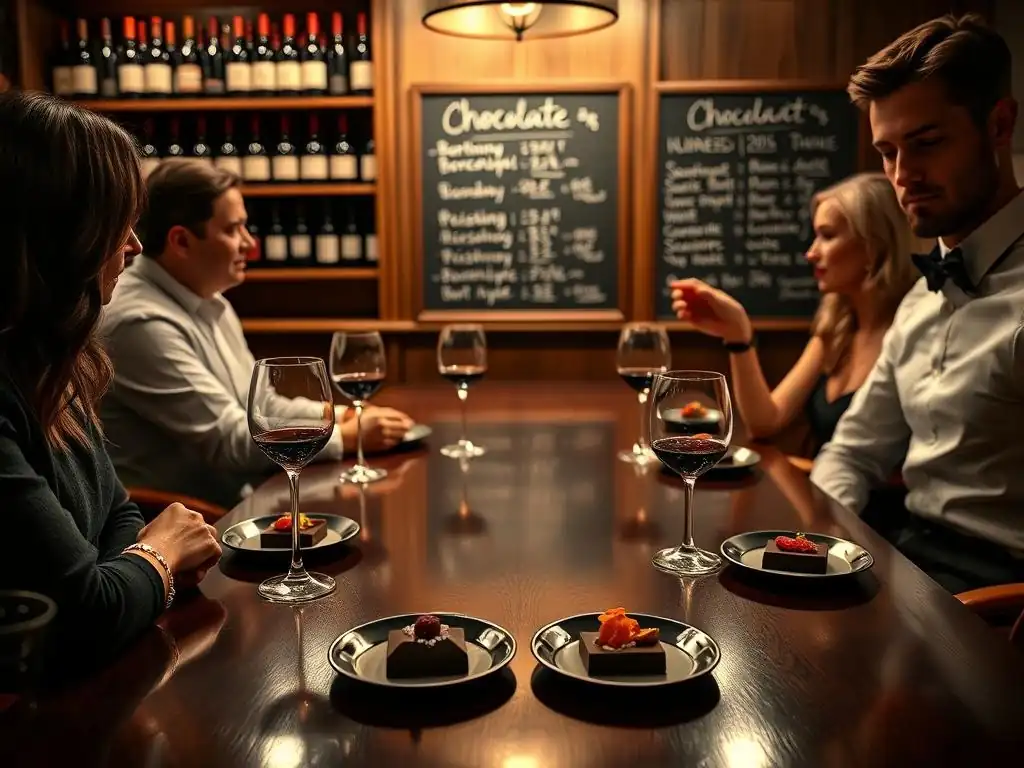
Exploring specific chocolate pairing wine recipes provides concrete examples of how different chocolates and wines can harmonize. These recommendations are often featured on guided tours and can be easily recreated at home.
Light and Delicate: Pairing White Chocolate and Moscato d'Asti
White chocolate, with its creamy texture and sweet vanilla notes, pairs beautifully with light, slightly sweet, and effervescent wines. Moscato d'Asti, from the Piedmont region of Italy, is an excellent choice due to its low alcohol content (typically around 5-6%), gentle sweetness, and bright, peachy, and floral aromas. The bubbles and acidity cut through the richness of the cocoa butter, while the sweetness matches that of the chocolate.
Recipe: White Chocolate Bark with Pistachios and Cranberries
This simple recipe highlights the creamy texture of white chocolate, providing a perfect base for the crispness of pistachios and the tartness of dried cranberries.
- Melt 1 pound high-quality white chocolate gently over a double boiler or in the microwave in 30-second intervals, stirring until smooth.
- Stir in 1/2 cup chopped pistachios and 1/2 cup dried cranberries.
- Spread the mixture onto a baking sheet lined with parchment paper, about 1/4 inch thick.
- Sprinkle with a pinch of sea salt, if desired.
- Refrigerate for at least 1 hour until firm. Break into pieces.
Wine Recommendation: Saracco Moscato d'Asti
Paolo Saracco's Moscato d'Asti is a widely acclaimed example, known for its vibrant freshness, aromatic complexity (notes of peach, apricot, and honeysuckle), and perfect balance of sweetness and acidity. Its light effervescence provides a refreshing counterpoint to the rich white chocolate bark.
Milk Chocolate and Pinot Noir: A Classic Combination
Milk chocolate, sweeter and less intense than dark chocolate, often has notes of caramel, malt, or nuts. It pairs wonderfully with medium-bodied red wines that have red fruit characteristics and softer tannins. Pinot Noir, known for its delicate fruitiness (cherry, raspberry, strawberry) and silky texture, is a superb match. The wine's acidity and fruit notes complement the sweetness and creaminess of the milk chocolate without being overpowering.
Recipe: Milk Chocolate Lava Cakes
These individual cakes have a gooey, molten milk chocolate center, offering a rich, warm dessert perfect for pairing.
- Preheat oven to 400°F (200°C). Butter and flour four 6-ounce ramekins.
- Melt 1 cup (2 sticks) unsalted butter and 12 ounces high-quality milk chocolate, chopped, in a heatproof bowl set over a pot of simmering water, stirring until smooth. Remove from heat.
- In a separate bowl, whisk together 2 large eggs, 2 large egg yolks, 1/2 cup granulated sugar, and 1 teaspoon vanilla extract until pale and slightly thickened.
- Whisk the egg mixture into the melted chocolate mixture until combined.
- Whisk in 1/2 cup all-purpose flour until just combined.
- Divide batter among prepared ramekins. Place ramekins on a baking sheet.
- Bake for 12-14 minutes, or until the edges are set but the center is still soft.
- Let stand for 1 minute before inverting onto dessert plates.
Wine Recommendation: Erath Pinot Noir
Erath Vineyards in Oregon's Willamette Valley produces consistently excellent Pinot Noir. Their wines typically exhibit bright red fruit flavors, subtle earthy undertones, and a smooth finish, making them an approachable and delightful pairing for milk chocolate lava cakes. The wine's acidity helps balance the richness of the dessert.
Dark Chocolate and Cabernet Sauvignon: A Bold and Decadent Pairing
Dark chocolate, especially those with 70% cacao or higher, demands a wine with structure and intensity to stand up to its bitterness and complex flavors (which can range from fruity and floral to earthy and roasted). Cabernet Sauvignon, with its firm tannins, full body, and notes of blackcurrant, plum, and sometimes hints of spice or tobacco, is a classic, powerful pairing. The tannins in the wine are softened by the fat in the chocolate, resulting in a smoother texture for both.
Recipe: Dark Chocolate Truffles with Sea Salt
Rich, intensely flavored dark chocolate truffles offer a concentrated chocolate experience that pairs wonderfully with a robust red wine. Adding sea salt enhances the chocolate's depth.
- Finely chop 8 ounces high-quality dark chocolate (70-80% cacao). Place in a heatproof bowl.
- Heat 1/2 cup heavy cream in a small saucepan until just simmering.
- Pour hot cream over the chopped chocolate. Let stand for 5 minutes, then whisk gently until smooth and glossy.
- Stir in 1 tablespoon unsalted butter, cut into small pieces, until melted.
- Add 1/4 teaspoon sea salt and stir to combine.
- Cover and refrigerate for at least 2 hours, or until firm enough to scoop.
- Using a small scoop or spoon, form mixture into small balls. Roll in cocoa powder or finely chopped nuts, if desired.
- Refrigerate until ready to serve.
Wine Recommendation: Caymus Cabernet Sauvignon
Caymus Vineyards, based in Napa Valley, California, is renowned for its lush, approachable Cabernet Sauvignon. Their wines are typically full-bodied with ripe dark fruit flavors, hints of vanilla and oak from aging, and substantial but well-integrated tannins. A glass of Caymus Cabernet Sauvignon alongside a dark chocolate truffle with sea salt is a truly decadent experience, a prime example of a successful chocolate pairing wine recipe.
Spicy Chocolate and Zinfandel: An Unexpected Delight
Adding a touch of spice, like chili or cinnamon, to chocolate introduces a new dimension that requires careful wine pairing. A wine with some fruitiness and a touch of spice itself can work well. Zinfandel, particularly from California, often exhibits jammy fruit flavors (blackberry, raspberry) along with notes of black pepper or spice. Its moderate tannins and often higher alcohol content can stand up to the heat of spicy chocolate, while its fruitiness complements the sweetness.
Recipe: Mexican Hot Chocolate Cookies with Cinnamon
These cookies are rich with dark chocolate and have a warming kick from cinnamon and a pinch of cayenne pepper, inspired by traditional Mexican hot chocolate.
- Preheat oven to 350°F (175°C). Line baking sheets with parchment paper.
- In a medium bowl, whisk together 1 1/2 cups all-purpose flour, 1/2 cup unsweetened cocoa powder, 1 teaspoon baking soda, 1 teaspoon ground cinnamon, 1/4 teaspoon cayenne pepper, and 1/4 teaspoon salt.
- In a large bowl, cream together 1/2 cup (1 stick) unsalted butter, softened, and 1 cup granulated sugar until light and fluffy.
- Beat in 1 large egg and 1 teaspoon vanilla extract.
- Gradually add the dry ingredients to the wet ingredients, mixing until just combined.
- Stir in 1 cup dark chocolate chips or chunks.
- Drop rounded spoonfuls of dough onto prepared baking sheets, leaving about 2 inches between cookies.
- Bake for 10-12 minutes, or until edges are set and centers are still slightly soft.
- Let cool on baking sheets for a few minutes before transferring to a wire rack to cool completely.
Wine Recommendation: Ridge Zinfandel
Ridge Vineyards is celebrated for its single-vineyard Zinfandels from California, known for their balance, complexity, and structure. A Lytton Springs or Geyserville Zinfandel from Ridge, with its concentrated dark fruit, earthy notes, and peppery finish, can beautifully complement the spice and richness of Mexican hot chocolate cookies, creating an intriguing chocolate pairing wine recipe experience.
Chocolate and Port Wine: The Ultimate Dessert Pairing
When it comes to pairing chocolate desserts, especially those that are dense, rich, or intensely flavored, fortified wines like Port are often considered the gold standard. Port, particularly Tawny Port or Vintage Port, offers concentrated fruit flavors, notes of caramel, nut, or spice (depending on the style), and a higher alcohol content that provides structure. Its sweetness provides a natural bridge to sweet chocolate dishes.
Recipe: Flourless Chocolate Cake
A classic flourless chocolate cake is incredibly rich, moist, and intensely chocolatey, making it an ideal partner for the depth and sweetness of Port.
- Preheat oven to 350°F (175°C). Butter and flour a 9-inch round cake pan. Line the bottom with parchment paper.
- Finely chop 1 pound high-quality bittersweet chocolate (60-70% cacao).
- In a large heatproof bowl set over a pot of simmering water, melt the chopped chocolate and 1 cup (2 sticks) unsalted butter, stirring until smooth. Remove from heat and let cool slightly.
- In a separate bowl, whisk together 1 1/2 cups granulated sugar and 6 large eggs until well combined.
- Gradually whisk the egg mixture into the cooled chocolate mixture until smooth.
- Pour batter into the prepared cake pan.
- Bake for 45-55 minutes, or until the edges are set and a toothpick inserted into the center comes out with moist crumbs (it will still seem very soft in the center).
- Let cool completely in the pan on a wire rack. The cake will sink slightly as it cools.
Wine Recommendation: Taylor Fladgate 20 Year Tawny Port
Taylor Fladgate is one of the oldest and most respected Port houses. Their 20 Year Tawny Port is a blend of wines aged in oak casks, resulting in complex aromas and flavors of dried fruits, nuts, caramel, and spice. Its smooth, mellow character and lingering finish make it a sublime pairing for a rich flourless chocolate cake, showcasing a truly classic chocolate pairing wine recipe.
Beyond Wine: Alternative Chocolate Pairing Beverages
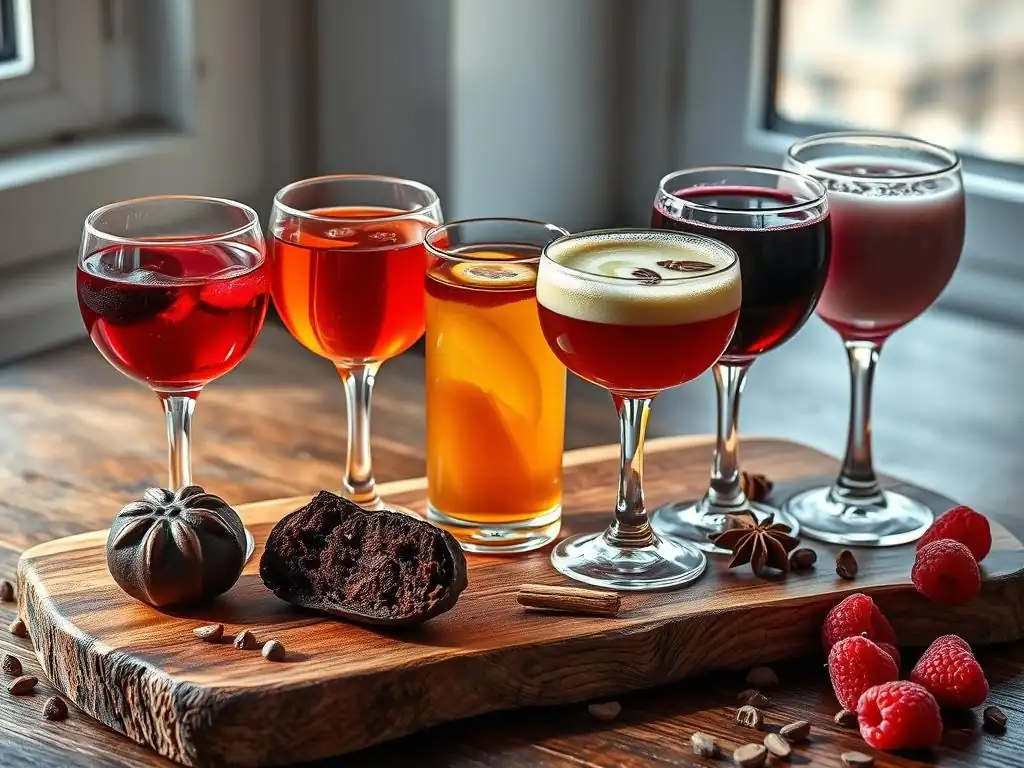
While wine is a popular choice, the world of chocolate pairing extends far beyond the grape. Many chocolate tours also explore pairings with other beverages, offering unique and equally compelling sensory experiences.
Coffee Pairings: Enhancing Chocolate's Bitterness and Aroma
Coffee and chocolate share many flavor compounds, making them natural partners. The bitterness of coffee can balance the sweetness of chocolate, while coffee's acidity can cut through richness. Pairing depends on the roast and origin of the coffee and the intensity of the chocolate. A light roast with bright acidity might pair well with a fruity dark chocolate, while a dark roast with bold, roasty notes could complement a rich milk chocolate or a high-cacao dark chocolate.
Recommendation: Intelligentsia Black Cat Classic
Intelligentsia's Black Cat Classic Espresso is a popular choice for its balance and notes of dark chocolate and cherry. Served as a drip coffee, its inherent chocolatey notes can echo and enhance similar characteristics in a milk or semi-sweet chocolate.
Tea Pairings: Complementing Chocolate's Nuances
Tea offers a delicate and nuanced pairing option. Green teas, with their grassy or vegetal notes and slight astringency, can pair surprisingly well with white or milk chocolate, offering a refreshing contrast. Black teas, with malty or fruity profiles and tannins, can stand up to darker chocolates. Herbal teas, like peppermint or chamomile, offer aromatic complements. The warmth of the tea also aids in melting the chocolate, releasing its flavors.
Recommendation: Harney & Sons Hot Cinnamon Spice Tea
This black tea blend, infused with cinnamon, clove, and orange peel, offers warmth and spice that can wonderfully complement a milk chocolate or even a dark chocolate with similar spice notes. The sweetness and spice of the tea resonate with the chocolate's profile.
Craft Beer Pairings: Adding Complexity and Depth
Craft beer offers a vast spectrum of flavors that can create exciting chocolate pairings. Stouts and Porters, with their roasted malt notes often reminiscent of coffee or dark chocolate, are classic partners for dark chocolate. Fruit beers, like raspberry lambic, can pair with fruity chocolates. Even some IPAs, with their hop bitterness, can create an intriguing contrast with sweet chocolates.
Recommendation: Guinness Draught Stout
Guinness Draught Stout, with its creamy texture and notes of roasted barley, coffee, and dark chocolate, is a surprisingly effective pairing for milk or dark chocolate. The slight bitterness of the stout balances the sweetness of the chocolate, while the roasted notes echo the chocolate's own profile.
Preparing for Your Chocolate Tasting Tour: Essential Tips
A chocolate tasting tour is a sensory adventure. Being prepared can help you maximize your enjoyment and learning. Knowing what to expect and how to engage your senses is key, especially when exploring chocolate pairing wine recipes.
What to Expect on a Guided Chocolate Tour
Guided chocolate tours vary widely, but typically involve visiting chocolate makers, chocolatiers, or specialized tasting rooms. You might learn about the history of cacao, the chocolate-making process (from bean selection to tempering), and, of course, participate in structured tastings. Many tours include specific chocolate pairing wine sessions, demonstrating how different combinations work. Expect to sample a variety of chocolates, often starting with white or milk and moving towards darker percentages. Palate cleansers, like water or plain crackers, are usually provided.
How to Taste Chocolate Like a Pro
Tasting chocolate involves more than just eating it. Start by observing the chocolate's appearance – is it glossy? Does it have a consistent color? Snap a piece and listen – a good quality bar should snap cleanly. Next, smell the chocolate – inhale deeply and note the aromas.
Then, place a small piece in your mouth and let it melt slowly on your tongue, noting the texture (creamy, smooth, grainy?) and the evolving flavors. Finally, consider the finish – how long do the flavors linger? On a tour, especially during chocolate pairing wine segments, you'll repeat this process, adding sips of wine or other beverages.
Essential Tools for the Perfect Chocolate Tasting Experience
While a guided tour provides everything you need, enhancing your experience, whether on the tour or recreating it at home with chocolate pairing wine recipes, can be aided by a few simple tools.
Recommendation: Tasting Journal for Notes
Keeping a small journal or notebook allows you to jot down your impressions of each chocolate and pairing. Note the chocolate's origin, cacao percentage, and flavor notes. For the wine, note the varietal, region, and your sensory observations. How did the pairing taste? What flavors emerged or changed? This helps solidify your learning and remember your favorite chocolate pairing wine recipes.
Recommendation: Carr's Water Table Crackers
Plain, unsalted crackers like Carr's Water Table crackers are excellent palate cleansers between chocolate and wine pairings. Their neutral flavor and dry texture help reset your taste buds, allowing you to fully appreciate the nuances of the next combination without residual flavors interfering.
Chocolate Pairing Wine: Maximizing Your Senses on a Guided Tour
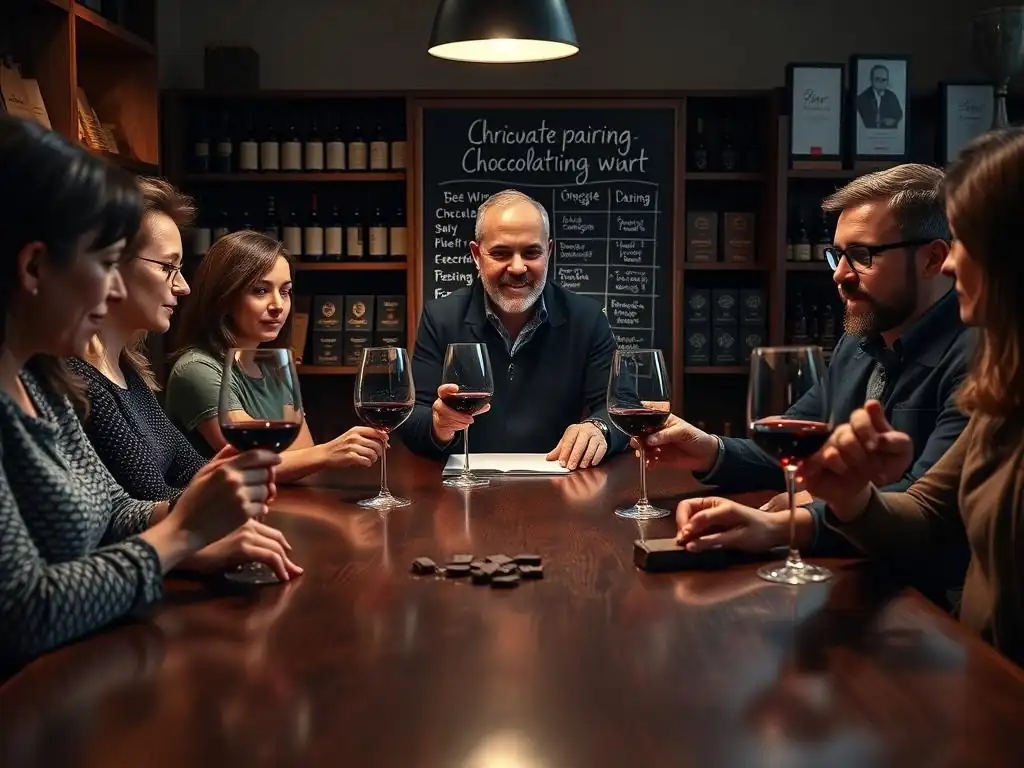
A guided tour is an opportunity to fully engage your senses under expert guidance, particularly during chocolate pairing wine segments. The environment is often curated to minimize distractions and optimize the tasting experience.
The Art of the Palate: Cleansing and Preparing for the Next Pairing
Proper palate cleansing is crucial in any tasting, but especially when moving between different chocolates and wines. Residual sweetness from one pairing can affect the perception of the next. Tours typically provide water, sometimes lukewarm, as it's considered best for rinsing the palate without introducing temperature shock. Plain crackers absorb residual flavors and textures. Taking a moment between pairings to cleanse your palate allows you to approach the next combination with fresh sensitivity, essential for appreciating diverse chocolate pairing wine recipes.
Aromas play a significant role in taste perception. On a tour, guides often emphasize the importance of smelling both the chocolate and the wine before tasting and again during the pairing. Swirling the wine in the glass releases aromatic compounds.
Breaking the chocolate releases its volatile compounds. Bringing the glass or chocolate close to your nose and inhaling deeply can reveal subtle notes that might not be immediately apparent on the palate. Learning to identify aromas like "red fruit" in a Pinot Noir or "floral" in a particular dark chocolate enhances your ability to understand why certain chocolate pairing wine recipes work.
Elevate Your Chocolate Journey: Creating Your Own Pairing Experience at Home
The knowledge gained on a chocolate tour, especially regarding chocolate pairing wine recipes, can be a springboard for further exploration at home. Recreating favorite pairings or experimenting with new combinations allows you to continue honing your palate and deepen your appreciation for both chocolate and wine.
Recreate Your Favorite Tour Pairings at Home
After a tour, you'll likely have discovered a few favorite pairings. Look for the specific chocolates and wines you tasted. Many artisan chocolate makers and wineries have websites or stockists where you can purchase their products. Use the chocolate pairing wine recipes and recommendations from the tour as a starting point for your own tasting session. Gather friends and share the experience, comparing notes and discussing your perceptions.
BakeWithEase's Chocolate Pairing Wine Recipe Book: Decadent Pairings
For those who love to bake and pair, our upcoming BakeWithEase's Chocolate Pairing Wine Recipe Book will offer curated recipes for chocolate desserts and confections specifically designed to be paired with recommended wines. This resource will provide detailed guidance on ingredient selection, baking techniques, and expert pairing notes, allowing you to create truly decadent chocolate pairing wine recipes and experiences in your own kitchen.
Conclusion: Savor the Sweet Symphony of Chocolate and Wine
A chocolate tour is more than just sampling sweets; it's an educational and sensory experience that reveals the complexity and artistry behind chocolate making. When combined with the world of wine, as explored through various chocolate pairing wine recipes, the journey becomes even richer. Understanding the fundamentals of pairing, from identifying flavor profiles to appreciating quality ingredients, allows you to unlock a deeper level of enjoyment.
Continuing Your Chocolate Exploration with BakeWithEase
Whether you're planning your first chocolate tour or looking to recreate the magic at home using chocolate pairing wine recipes, BakeWithEase is here to support your passion. Our resources, from baking guides to pairing tips, are designed to empower you on your culinary adventures. Keep exploring, keep tasting, and keep savoring the delightful symphony that is chocolate and wine.
Frequently Asked Questions
What kind of wines generally pair well with chocolate?
Generally, richer, sweeter wines like port, sherry, or late-harvest Zinfandel are recommended. The wine's sweetness should complement, not be overpowered by, the chocolate.
Does the type of chocolate affect the wine pairing?
Absolutely! Dark chocolate pairs best with robust, full-bodied wines, while milk chocolate often works with lighter, fruitier options. White chocolate is versatile, pairing well with crisp, acidic wines.
What are some specific wine recommendations for a chocolate tasting tour?
Consider offering ruby port with dark chocolate truffles, cream sherry alongside milk chocolate caramels, and Moscato d'Asti with white chocolate-covered strawberries. Vary the intensity of flavor for optimal enjoyment.
Are there any red wines that don't pair well with chocolate?
Avoid dry, tannic red wines, like Cabernet Sauvignon or Merlot, unless paired with exceptionally bitter dark chocolate. The tannins in the wine can clash with the chocolate's sweetness.
Can I pair sparkling wine with chocolate?
Yes! Sparkling rosé or Prosecco can be a refreshing pairing, especially with lighter chocolates or those containing fruit or nuts. The bubbles cleanse the palate, enhancing the experience.
Final Reflection: The Enduring Allure of Chocolate and Wine
The perfect pairing of chocolate and wine transcends a simple culinary experience; it's a journey of sensory exploration that continues to captivate palates worldwide. This article has explored the nuanced world of chocolate and wine pairings, highlighting the intricate dance between bitter, sweet, and fruity notes, and how the right wine can elevate the chocolate experience to new heights. The sheer variety of possibilities, from the robust tannins of a Cabernet Sauvignon complementing dark chocolate to the bright acidity of a Pinot Noir enhancing milk chocolate's creamy texture, underscores the endless potential for discovery.
The impact of this pairing extends beyond individual enjoyment; it reflects a growing appreciation for mindful consumption and the artistry of food and beverage combinations. It's a testament to the power of sensory experiences to connect us to both the natural world and the rich cultural heritage embedded in both chocolate and winemaking. The pleasure of tasting is more than just a matter of taste; it is a matter of memory, of association, of emotion.
This quote perfectly encapsulates the emotional resonance of a truly successful pairing, transforming a simple act of eating and drinking into a memorable experience.
Now, it's your turn. Consider the next time you indulge in a piece of chocolate. Don't just savor the sweetness; explore the possibilities. Experiment with different wines, noting the subtle shifts in flavor and texture. Let this article be a springboard for your own culinary adventures, a guide to unlocking the hidden harmonies waiting to be discovered in the world of chocolate and wine pairings. Embrace the journey, and savor the perfection.
Unlock Your Inner Chocoholic: Plan Your Dream Chocolate Tour!
Thanks for joining us on this delicious journey through the world of chocolate! We hope you've discovered some exciting new pairings and ideas to tantalize your taste buds. Now it's time to put your newfound knowledge to the test.
- Craft Your Own Chocolate Tasting Menu: Based on our suggestions, design a personalized tasting menu featuring your favorite chocolate types and pairings. Imagine the possibilities!
- Share Your Chocolate Adventures: Tell us about your favorite pairings – or share photos of your own chocolate creations inspired by the article! Use #BakeWithEaseChocolate on social media to connect with other chocolate lovers.
- Explore Local Chocolate Makers: Find a local chocolatier or artisan shop near you and embark on a real-life chocolate tasting adventure!
Ready to elevate your chocolate experience? What unique pairing will you try first?