
Authentic German Bread: Understanding the Craft and Tradition

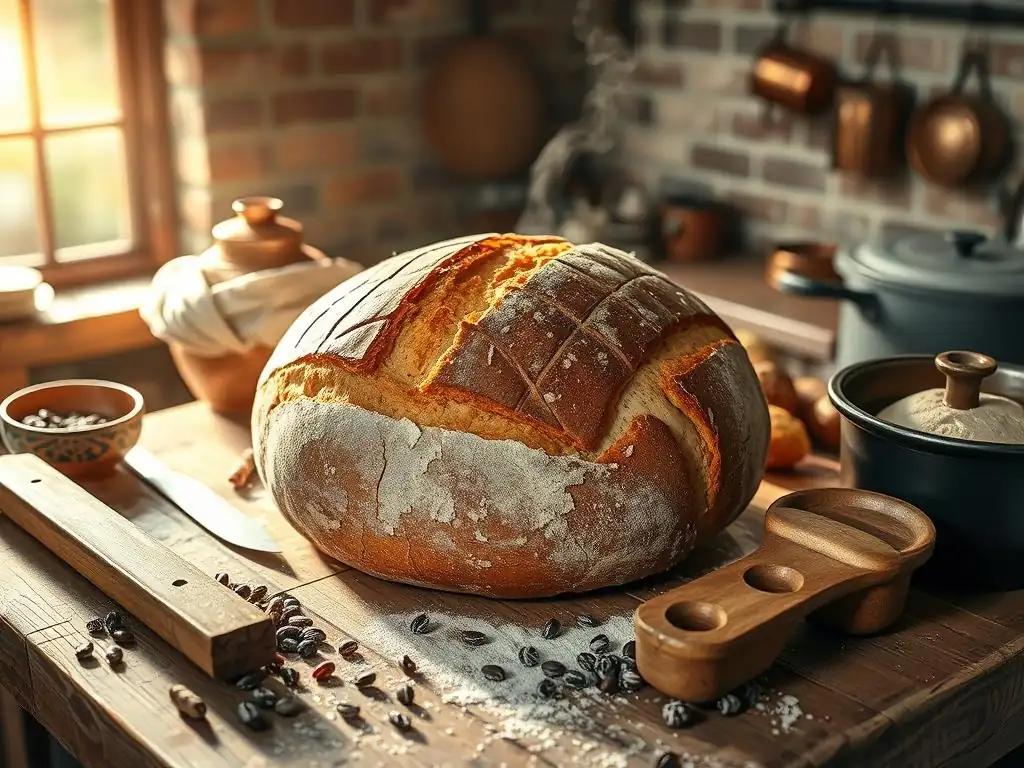
Welcome to BakeWithEase, where baking becomes an approachable and joyful experience! Ever wondered about the secrets behind authentic German bread? This article dives deep into the rich tradition of German sourdough bread, offering an easy-to-follow recipe that will transport your kitchen to the heart of Germany. But that's just the beginning... Discover the cultural significance and unique techniques that set this bread apart. Are you ready to unlock the secrets of a truly exceptional loaf?
- Exploring the World of German Breads and Baking Traditions
- Unlocking the Secrets: The German Sourdough Bread Recipe Easy Guide
- The Easy German Sourdough Bread Recipe: A Step-by-Step Guide
- Exploring Regional German Bread Varieties
- Beyond the Recipe: Embracing German Baking Culture
- Mastering the Craft: Tips and Tricks for Perfect German Sourdough
- Conclusion: Bake Your Own Authentic German Bread with Ease
-
Frequently Asked Questions
- What makes German sourdough bread different from other sourdough breads?
- Is it difficult to make German sourdough bread at home?
- What are some common ingredients in a German sourdough bread recipe easy to follow?
- How long does it typically take to make German sourdough bread?
- Where can I find a reliable German sourdough bread recipe easy to follow?
- Final Reflection: The Enduring Power of Simple, Authentic Bread
- Unleash Your Inner Bäcker: Bake Authentic German Bread!
Exploring the World of German Breads and Baking Traditions
Germany boasts a rich and diverse bread culture, often considered the heart of its culinary identity. With over 300 basic types of bread and more than 1,000 small bread rolls and baked goods, the sheer variety is astounding. This tradition isn't just about sustenance; it's deeply woven into the social fabric, with bakeries serving as community hubs and specific breads marking different holidays and occasions. Unlike many other countries where white bread dominates, German bread culture celebrates whole grains, especially rye, and embraces the complexity and depth of flavor that comes from sourdough fermentation.
The historical roots of German baking run deep, influenced by geography and agriculture. Rye, being a hardy grain suited to cooler climates, became a staple, leading to the development of dark, dense, and nutritious rye breads. Sourdough, or Sauerteig, was the natural leavening method before commercial yeast became widespread, and it remains central to achieving the characteristic tangy flavor and keeping quality of many German loaves. Exploring this world reveals not just recipes, but a centuries-old craft passed down through generations, a testament to the German dedication to quality and tradition in baking.
Unlocking the Secrets: The German Sourdough Bread Recipe Easy Guide
What Makes German Sourdough Bread Unique?
German sourdough bread stands apart due to its reliance on rye flour, often in significant proportions, and the specific characteristics imparted by the sourdough starter. While many sourdoughs globally use predominantly wheat, German tradition frequently incorporates rye, which behaves very differently in dough. Rye has less gluten than wheat, resulting in a denser crumb structure and a unique, earthy flavor profile. The acidity from the sourdough fermentation is crucial when working with high percentages of rye, as it helps to manage enzymes that would otherwise break down the dough structure.
Furthermore, the texture of German sourdough bread is typically heartier and moister than its wheat-based counterparts. This isn't a light, airy loaf; it's substantial, with a robust crust and a dense, chewy interior perfect for holding toppings. The fermentation process is often longer and cooler, allowing complex flavors to develop. Mastering a German sourdough bread recipe easy approach means simplifying the process while respecting these fundamental principles of working with rye and sourdough to achieve that authentic taste and texture.
Essential Ingredients for Authentic German Sourdough
To bake a truly authentic loaf, understanding the role of each ingredient is key. A German sourdough bread recipe easy for beginners will focus on a few core components, primarily different types of flour and a lively sourdough starter. The quality of these ingredients directly impacts the final bread's flavor, texture, and keeping quality.
- German Rye Flour (Roggenmehl): This is the cornerstone of many German breads. Rye flour is categorized by type numbers (e.g., Type 997, Type 1150), indicating the mineral content. Higher numbers mean darker flour with more bran and nutrients, contributing to a stronger flavor and denser crumb. Using a medium or dark rye is typical for a classic German loaf.
- Wheat Flour (Weizenmehl): While rye is prominent, wheat flour (often Type 550 or Type 1050, similar to bread flour or whole wheat) is frequently used alongside rye in Mischbrot (mixed bread) to add gluten structure, making the dough easier to handle and giving the loaf a slightly lighter texture than pure rye breads. The ratio of rye to wheat dictates the bread type.
- Sourdough Starter (Sauerteig): This is the leavening agent and flavor builder. A healthy, active rye or mixed rye/wheat starter is essential. The starter's activity and maturity directly influence the rise and the characteristic tangy flavor. Maintaining a vigorous starter is perhaps the most crucial element for success in any German sourdough bread recipe easy or complex.
- Water, Salt, and Optional Ingredients: Water hydrates the flour and activates the starter. Salt is vital for flavor and regulating fermentation. Some recipes might include caraway seeds, coriander, or other spices for added depth, or ingredients like molasses or malt syrup to enhance color and flavor, though a basic German sourdough bread recipe easy often sticks to the core four.
The Easy German Sourdough Bread Recipe: A Step-by-Step Guide
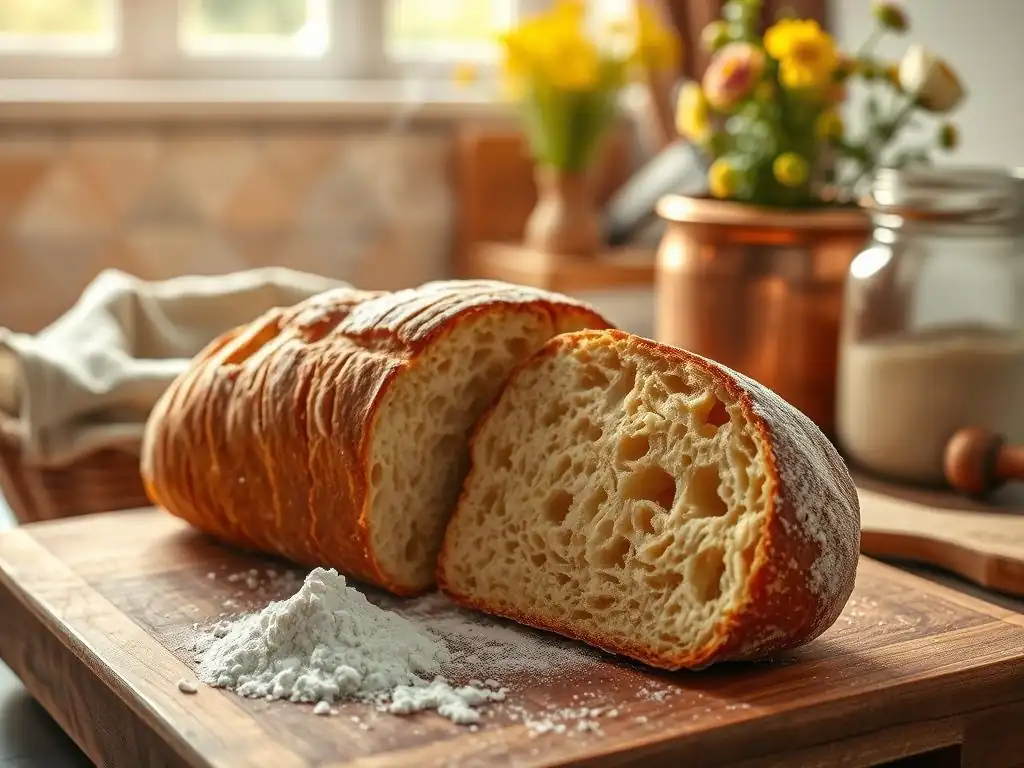
Baking German sourdough bread might seem intimidating, but breaking it down into manageable steps makes it accessible. This easy German sourdough bread recipe focuses on a straightforward process suitable for home bakers. The key is patience and attention to detail at each stage.
Step 1: Preparing the Sourdough Starter (Levain)
The first step involves ensuring your sourdough starter, or Sauerteig, is active and ready. This usually means feeding your starter 4-12 hours before you plan to mix the dough. Take a small amount of your mature starter and mix it with fresh flour (the type used in your recipe, often rye or a mix) and water according to your starter's feeding ratio.
Let it sit at room temperature until it has doubled or tripled in size and is bubbly and vigorous. A float test (dropping a small bit into water) can indicate readiness if it floats, though visual cues and smell are often sufficient for an easy German sourdough bread recipe.
This refreshed starter, sometimes called the levain or preferment, is the engine of your bread. Using it at its peak activity ensures a good rise and proper fermentation. If your starter is sluggish, it might need a few consecutive feedings to build strength before you attempt to bake. Patience here is key – a weak starter will result in a dense, heavy loaf, undermining the goal of an easy German sourdough bread recipe.
Step 2: Mixing the Dough (Hauptteig)
Once your starter is active, you'll combine it with the flours, water, and salt to form the main dough, or Hauptteig. In a large mixing bowl, weigh out your active starter, flours (rye and wheat), and water. Mix these together until just combined and no dry flour remains. This initial mixing doesn't need to be long or vigorous; simply hydrate everything. Depending on the recipe and flour hydration, the dough might be quite sticky, especially with high rye content.
After this initial mix, let the dough rest for 20-30 minutes. This is called the autolyse (or rest period) and allows the flour to fully absorb the water and gluten development to begin naturally, even in lower-gluten rye doughs. After the rest, add the salt and any optional ingredients (like seeds). Knead the dough, either by hand or machine, for several minutes until the salt is fully incorporated and the dough has some initial structure. Don't expect a smooth, elastic dough like pure wheat bread; rye dough will remain somewhat sticky and less extensible.
Step 3: Bulk Fermentation (Teigruhe)
Bulk fermentation is the period where the main dough rises as a single mass. Place the mixed dough in a lightly oiled container. For a German sourdough bread recipe easy approach, this stage might involve a single long rise or a few simple folds. Over the next 2-4 hours (or longer if using a cooler environment), the dough will slowly increase in volume, develop flavor, and gain strength. Rye dough typically doesn't double in size like wheat dough; a 30-50% increase is more common.
During this time, you might perform one or two "stretch and folds" or "coil folds" if the recipe calls for it, especially if wheat flour is included. This helps build structure. However, for pure or high-rye doughs, minimal handling is best. The duration of bulk fermentation depends heavily on the temperature of your kitchen and the strength of your starter. Watch the dough, not the clock. It should look slightly puffy and feel alive.
Step 4: Shaping the Loaf (Formen)
Shaping rye-heavy dough requires a slightly different technique than shaping wheat bread. Because rye has less gluten, it's less elastic and can be stickier. For an easy German sourdough bread recipe, a simple shape like a boule (round) or batard (oval) works well. Lightly flour your work surface and your hands. Gently coax the dough out of its container.
Handle the dough minimally to avoid degassing it too much. For a boule, gently pull the edges towards the center to create tension on the surface. For a batard, shape it into a rough rectangle, fold the top third down, the bottom third up, and then fold it in half lengthwise, sealing the seam. Place the shaped loaf seam-side up into a floured proofing basket (banneton) or a bowl lined with a floured linen cloth. This provides support during the final rise.
Step 5: Baking (Backen)
Baking is where the magic happens, transforming the shaped dough into a crusty loaf. For an easy German sourdough bread recipe, baking in a preheated Dutch oven or on a baking stone with steam is highly recommended. Preheat your oven to a high temperature, typically between 230-250°C (450-480°F), with your baking vessel or stone inside, for at least 30-60 minutes.
Carefully transfer the shaped loaf from the proofing basket onto parchment paper (if using a stone) or directly into the hot Dutch oven. Score the top of the loaf with a sharp knife or razor blade; this allows the bread to expand predictably during baking. If using a Dutch oven, bake covered for the first 20-25 minutes to trap steam, which helps the crust expand before hardening.
If using a stone, create steam by placing a tray of hot water or ice cubes in the bottom of the oven. After the initial steaming period, remove the lid (Dutch oven) or steam tray and continue baking for another 20-30 minutes, or until the crust is deep brown and the internal temperature reaches around 95-100°C (205-210°F).
Step 6: Cooling and Slicing (Abkühlen und Schneiden)
Perhaps the most challenging step for eager bakers is waiting for the bread to cool completely. Freshly baked German rye bread is dense and moist inside, and the interior structure is still setting. Slicing it too early will result in a gummy texture and can ruin the crumb. Place the baked loaf on a wire rack to cool, allowing air circulation around the entire loaf.
Depending on the size and density of the loaf, cooling can take anywhere from 2 to 4 hours, or even longer for very large or dark rye breads like Pumpernickel. Resist the temptation to slice it until it is fully cooled. Once cooled, use a serrated knife to slice the bread. This final step completes your easy German sourdough bread recipe journey, leaving you with a delicious, homemade loaf ready to enjoy.
Exploring Regional German Bread Varieties
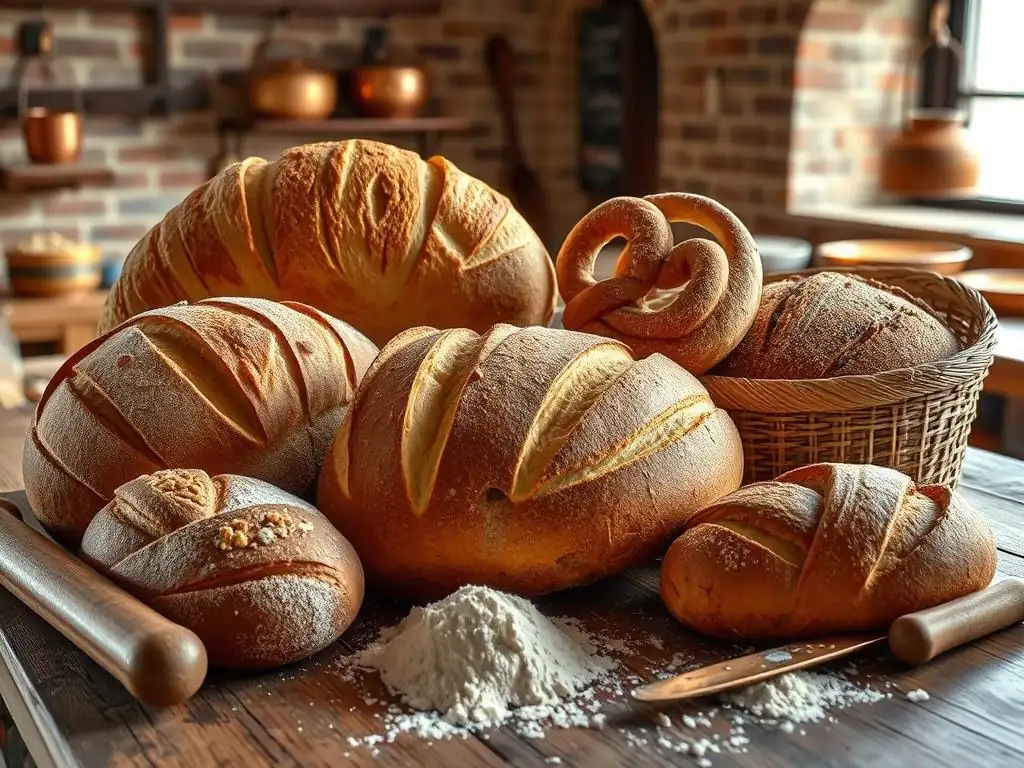
Beyond the basic principles of a German sourdough bread recipe easy to follow, Germany offers a fascinating array of regional bread specialties, each with its own history and characteristics. These varieties showcase the diversity of grains used and the unique techniques employed by local bakers.
Pumpernickel: The Dark and Flavorful Rye Bread
Pumpernickel is one of Germany's most iconic dark rye breads, originating from the Westphalia region. It is traditionally made with coarse rye meal and uses a long, slow baking process at low temperatures (sometimes as low as 120°C or 250°F) for up to 16-24 hours. This unique baking method, often in sealed containers or steam ovens, causes the starches in the rye to caramelize, giving Pumpernickel its characteristic deep brown color and slightly sweet, malty flavor.
The texture of Pumpernickel is very dense and moist, with a long shelf life. It's not a leavened bread in the conventional sense; while it often contains sourdough, the rise is minimal. It's more about the slow conversion of starches and the development of complex flavors. Pumpernickel is typically sliced very thinly and is a staple for open-faced sandwiches, often paired with smoked meats, cheese, or fish. Its intense flavor profile makes it distinct from other German rye breads.
Vollkornbrot: The Whole Grain Powerhouse
Vollkornbrot, meaning "whole grain bread," is a broad category of German breads made predominantly or entirely from whole grains, most commonly rye and/or wheat. The term is legally defined in Germany, requiring that the flour used must be made from 90% or more of the grain's original weight. This ensures that the bread is rich in fiber, vitamins, and minerals, living up to its name as a "powerhouse" bread.
Vollkornbrot can vary in texture and density depending on the grind of the grain (from coarse meal to finer flour) and the specific grains used. It's almost always leavened with sourdough, contributing to its hearty texture and tangy taste. Often, seeds (like sunflower, pumpkin, or sesame) or cracked grains are added for extra texture and nutrition. A slice of Vollkornbrot is substantial and satisfying, making it a popular choice for a healthy breakfast or a sturdy base for savory toppings.
Roggenmischbrot: The Classic Rye Mix Bread
Roggenmischbrot, or "rye mixed bread," is perhaps the most common type of bread found across Germany, accounting for a large percentage of daily bread consumption. As the name suggests, it's made from a mix of rye and wheat flour, with the rye content typically ranging from 50% to 90%. This blend offers a compromise between the dense structure of pure rye and the lighter texture achievable with more wheat.
The exact ratio of rye to wheat varies regionally and by bakery, leading to a wide spectrum of Roggenmischbrot types, from those leaning heavily towards rye (darker, denser) to those with a more balanced mix (lighter crumb, less tangy). Sourdough is almost always used to leaven Roggenmischbrot, providing the characteristic flavor and improving the structure of the rye component. This versatility makes it a perfect everyday bread, suitable for sandwiches, toast, or simply enjoyed with butter.
Beyond the Recipe: Embracing German Baking Culture
Baking German bread is more than just following a German sourdough bread recipe easy guide; it's about connecting with a rich cultural heritage. Understanding the context in which these breads are made and enjoyed enhances the baking experience and the appreciation for the final product.
Visiting Traditional German Bakeries: A Baker's Tourism Guide
Exploring Germany's bread culture is a fantastic experience for any baking enthusiast. Traditional bakeries, or Bäckereien, are found on nearly every street corner, especially outside major city centers. These aren't just places to buy bread; they are often where locals gather, and they showcase the incredible variety and freshness of regional specialties. Visiting a Bäckerei allows you to see the sheer scale of production and the artistry involved in shaping and baking dozens of different types of bread daily.
Many bakeries still use traditional methods and long fermentation times, often baking throughout the night to have fresh bread ready in the morning. Some offer guided tours or baking classes, providing a deeper insight into the craft. Trying regional breads directly from the source, perhaps a specific type of Mischbrot unique to a town or a specialty roll ( Brötchen), is an excellent way to appreciate the nuances of German baking and inspire your own baking efforts, perhaps even trying a regional variation on your easy German sourdough bread recipe at home.
The Art of Brotzeit: Enjoying German Bread
Brotzeit, literally "bread time," is a meal or snack centered around bread, typically enjoyed in the afternoon or evening, particularly in Bavaria. It's not just a simple sandwich; it's a spread featuring a variety of cold cuts (like ham, sausage, and salami), cheeses, pickles, radishes, and spreads, all served alongside a selection of hearty German breads, often including various Mischbrot and Vollkornbrot.
Brotzeit embodies the German appreciation for bread as a centerpiece of a meal. It highlights how the dense, flavorful, and sturdy nature of German breads makes them the perfect vehicle for a wide array of accompaniments. Preparing your own Brotzeit using a loaf baked from your easy German sourdough bread recipe is a wonderful way to share your baking achievement and fully immerse yourself in the German culinary tradition.
Mastering the Craft: Tips and Tricks for Perfect German Sourdough
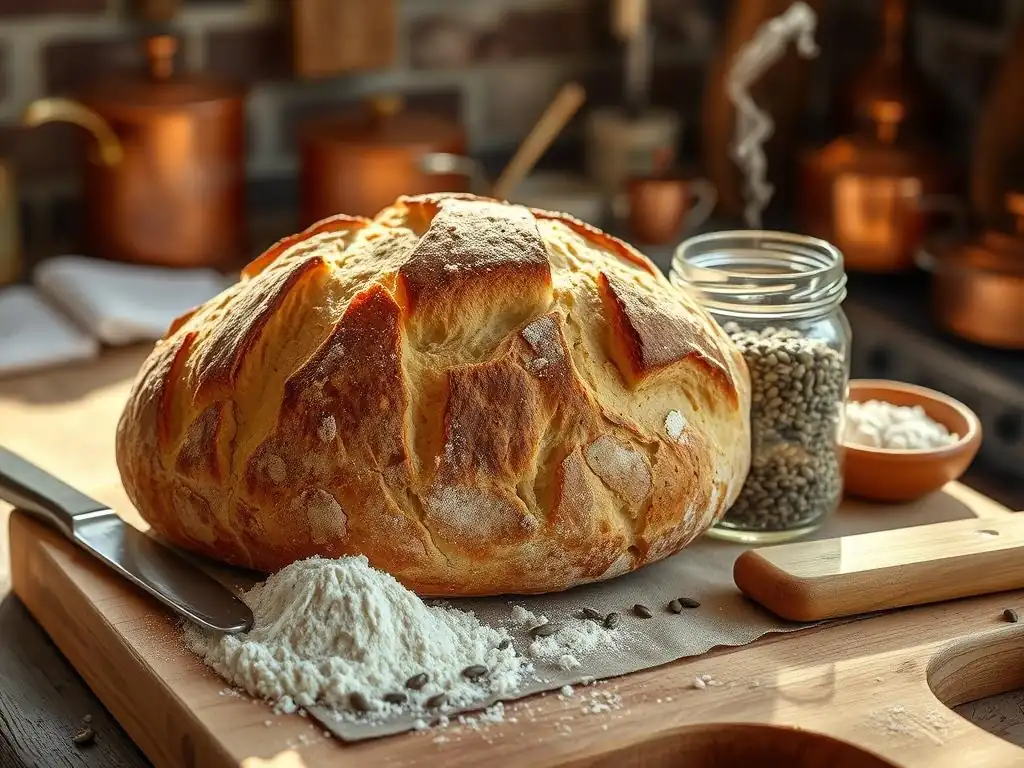
Achieving perfect results with your German sourdough bread recipe easy version requires understanding a few key principles specific to working with rye and sourdough. These tips can help troubleshoot common issues and elevate your baking.
- Hydration Levels: Rye flour absorbs water differently than wheat. High-rye doughs are often high-hydration but will still feel sticky and less developed than wheat doughs. Don't be tempted to add too much extra flour during mixing or shaping, as this will result in a dry, dense loaf. Embrace the stickiness and use a wet hand or bench scraper.
- Sourdough Starter Activity: A robust, active starter is paramount. If your starter is weak, your bread will be flat and dense. Ensure your starter is doubling or tripling predictably after feeding before you bake. The tangy flavor comes from the acids produced by the starter, so a healthy culture is vital for authentic taste.
- Minimal Handling for Rye: Rye dough benefits from less handling than wheat dough. Over-kneading can break down the weak gluten structure. Stick to gentle mixing and minimal folds during bulk fermentation, especially for doughs with 50% or more rye.
- Proofing Time: Rye dough proofs faster than pure wheat sourdough. Watch the dough, not the clock. Over-proofing can cause the loaf to collapse in the oven. The dough should look slightly puffy and feel airy, but not overly expanded. A poke test should leave a small indentation that slowly springs back, but not completely.
- Baking with Steam: Steam is crucial in the initial phase of baking to allow the crust to expand before it hardens. Using a Dutch oven is an easy way to achieve this at home. Baking on a stone requires creating steam manually with water or ice. This helps achieve a beautiful crust and better oven spring.
- Cooling Patience: This cannot be stressed enough! Slicing warm rye bread leads to a gummy interior. Allow the bread to cool completely on a wire rack for several hours. This allows the internal structure to set and the moisture to distribute evenly.
- [ ] Ensure starter is active before mixing.
- [ ] Use a scale for accurate ingredient measurements.
- [ ] Don't over-knead rye dough.
- [ ] Watch dough activity, not just the clock, during proofing.
- [ ] Use sufficient steam during baking.
- [ ] Cool bread completely before slicing.
Following these tips will significantly improve your results when working with any German sourdough bread recipe easy or advanced, helping you bake loaves with excellent flavor, texture, and crust.
Conclusion: Bake Your Own Authentic German Bread with Ease
Frequently Asked Questions
What makes German sourdough bread different from other sourdough breads?
German sourdough bread often utilizes a higher percentage of rye flour alongside wheat, contributing to its distinctive flavor and texture. It also commonly incorporates ingredients like caraway seeds.
Is it difficult to make German sourdough bread at home?
While sourdough baking requires patience, a German sourdough bread recipe easy to follow can make the process manageable. Focusing on key techniques and using a reliable starter is essential.
What are some common ingredients in a German sourdough bread recipe easy to follow?
Besides sourdough starter, key ingredients include rye flour, wheat flour, water, salt, and sometimes caraway seeds. Some variations may also include other grains or seeds.
How long does it typically take to make German sourdough bread?
The entire process, including starter activation, mixing, proofing, and baking, can take several days. However, the hands-on time is relatively short, with most of the time spent waiting for the dough to rise.
Where can I find a reliable German sourdough bread recipe easy to follow?
BakeWithEase.com offers step-by-step guides and easy-to-find ingredients for various baking recipes, including German sourdough bread. Look for recipes specifically designed for beginners.
Final Reflection: The Enduring Power of Simple, Authentic Bread
The resurgence of sourdough baking during recent years highlights a growing desire for authenticity and connection to traditional foodways. This renewed interest isn't just a fleeting trend; it represents a deeper yearning for quality ingredients, mindful processes, and the satisfaction of creating something delicious and meaningful with our own hands. The seemingly simple act of baking bread becomes a powerful act of reclaiming control over our food and our lives.
The enduring appeal of German bread, particularly its sourdough variations, lies in its rich history and the unwavering commitment of bakers to time-honored techniques. These aren't just recipes; they are stories passed down through generations, reflecting a deep cultural heritage. The satisfying tang of a properly fermented sourdough, the satisfying crust, the airy crumb – these are sensory experiences that connect us to something larger than ourselves. Bread is the staff of life,
a simple phrase, yet it encapsulates the profound significance of this staple food in human history. This simple truth resonates deeply as we explore the craft and tradition behind authentic German bread.
Now, consider your own kitchen. Imagine the aroma of freshly baked bread filling your home, the warmth of the process, the pride in creating something delicious and nourishing from simple ingredients. Don't be intimidated by the seemingly complex process; embrace the journey. Start with a simple German sourdough recipe, experiment with different flours and techniques, and discover the joy of connecting with this ancient craft. The reward is not just a loaf of bread, but a deeper understanding of food, tradition, and yourself.
Unleash Your Inner Bäcker: Bake Authentic German Bread!
Thanks for exploring the world of authentic German bread with us! We hope you now appreciate the rich history and meticulous techniques behind these incredible loaves. Ready to take your baking to the next level?
- Try baking a simple German bread this week: Start with a classic like a Bauernbrot (farmer's bread) – the recipe is simpler than you think!
- Share your baking journey: Post a picture of your creation on social media and tag us – we'd love to see your results!
- Explore regional variations: Dive deeper into the diverse world of German bread—from rye to pretzels, the possibilities are endless!
What German bread will you tackle first, and what unique ingredients are you excited to experiment with?