
Ingredient Deep Dives
Unlock the secrets behind your favorite bakes with our Ingredient Deep Dives—the ultimate resource for understanding how each component transforms flour, sugar, and heat into magic. From the rich, complex world of chocolate in baking (learn how couverture vs. compound affects snap and shine) to the subtle art of choosing between vanilla bean vs. extract for the perfect aromatic depth, we break down the science and craft behind every staple. Explore how fresh fruit behaves in batters, the toasty crunch that nuts and seeds bring to crusts and fillings, and the warm, layered profiles of spices for baking that elevate simple loaves into signature creations. Whether you’re a beginner seeking clarity or a seasoned baker perfecting your sourdough, these guides help you choose the right ingredient, understand its role, and troubleshoot like a pro. With practical tips, substitution charts, and flavor pairing ideas, you’ll bake with confidence—and better results—every single time. Dive in and start building your foundation for truly exceptional pastries, breads, cakes, and cookies.
 Vanilla Bean vs. Extract
 Spices for Baking
 Baking with Nuts & Seeds
 Baking with Fresh Fruit
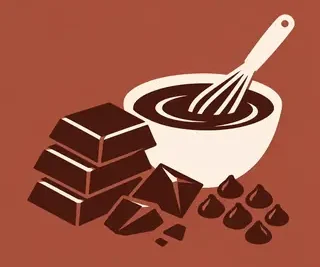 All About Chocolate in Baking
Ingredient Deep Dives at BakeWithEase
Understanding your ingredients is the secret to exceptional baking. Our Ingredient Deep Dives category breaks down the science and soul of key baking components, helping you choose, store, and use them like a pro. From the type of chocolate that melts perfectly to the right spice blend for a cozy loaf, these guides elevate your recipes with confidence and flavor.
🍫 All About Chocolate in Baking
Chocolate is not a single ingredient—it’s a spectrum of cacao percentages, cocoa butter levels, and sugar content that dramatically affects texture and taste. Our deep dive explains the differences between unsweetened, bittersweet, semisweet, and dark chocolate, plus why couverture matters for ganache and tempering. You’ll learn how to avoid seized chocolate, choose the right chips for cookies, and store bars to prevent bloom. Whether you’re making fudgy brownies or silky mousse, this guide ensures your chocolate behaves exactly as you need.
🍓 Baking with Fresh Fruit
Fresh fruit brings moisture, acidity, and natural sweetness—but it can also turn your batter gummy or your crust soggy if mishandled. We cover the best fruits for baking (berries, stone fruits, apples, pears), how to macerate, and why some fruits need pre-cooking to release excess water. You’ll also find tips for adjusting sugar and thickeners for juicy fillings, plus how to swap seasonal fruit in any recipe. From summer tarts to winter crisps, master the art of balanced fruit baking without the dreaded watery bottom crust.
🌰 Baking with Nuts & Seeds
Nuts and seeds add crunch, healthy fats, and complex, roasted flavors—but they also burn quickly and can go rancid. Our breakdown explains how to toast nuts perfectly, whether to use whole, chopped, or ground forms (like almond flour), and how to incorporate them into doughs and batters without overworking gluten. We also highlight seeds like poppy, sesame, and flax for texture and binding. Learn storage tricks to keep them fresh, and see why a nutty, toasty pre-bake step can transform your muffins, cakes, and breads.
✨ Spices for Baking
Spices are the quiet heroes of baking—they provide warmth, depth, and personality to everything from gingerbread to chai cupcakes. This section guides you through essential baking spices (cinnamon, nutmeg, cloves, allspice, cardamom, ginger) and their flavor profiles. You’ll learn how to grind whole spices for maximum aroma, when to add them early or late, and how to balance sweet and savory notes. We also share substitution rules for when you run out mid-recipe. Elevate your pantry with a foolproof spice shopping list and pairing suggestions for classic desserts.
🌿 Vanilla Bean vs. Extract
Vanilla is the most common flavor in baking, yet many bakers don’t know the real differences between using whole beans, extract, paste, or powder. This deep dive compares cost, potency, and flavor complexity—beans offer tiny flecks and a floral, aromatic profile, while extract is convenient and consistent. We explain when to splurge on a bean (custards, ice cream, whipped cream) versus when extract works perfectly (cookies, cakes). You’ll also get a conversion chart and tips for making your own vanilla extract at home. Say goodbye to one-note vanilla forever.
Frequently Asked Questions
What is the best chocolate for melting in baking?
Use couverture or high-quality baking bars with 60–70% cacao, containing cocoa butter. Chips are less ideal because they’re formulated to hold shape. Chop bars into even pieces, melt slowly over a double boiler, and never let water touch the chocolate—it will seize into a grainy mess.
How do I keep berries from sinking in cake batter?
Toss fresh or frozen berries in a tablespoon of flour or cornstarch before folding into the batter. This coats them lightly, preventing them from sinking to the bottom. Also avoid overmixing, and use a thicker batter. Frozen berries should be added without thawing to reduce bleeding.
Can I substitute almond flour for all-purpose flour in any recipe?
No. Almond flour is gluten-free and much higher in fat and moisture, so it changes structure and baking time. Use recipes specifically designed for almond flour, or blend it with other flours and add a binder like xanthan gum. For cookies, some recipes work with a 1:1 swap, but cakes and breads will not.
How can I make my freshly ground spices last longer?
Store whole spices in an airtight container in a cool, dark, dry cupboard. Grind only what you need just before use. Ground spices lose potency in 6–12 months, while whole spices can last up to 3 years. Smell them before baking—if aroma is weak, buy new.
Is vanilla extract a good substitute for a vanilla bean?
Yes, but use 1 tablespoon of extract per 1 whole bean, and adjust liquid slightly. Extract adds alcohol which can affect delicate custards. For a closer match, use vanilla paste (which contains seeds) or scrape a bean into warm liquid. In baked goods, extract works perfectly—save beans for custards on top.