Best Baking Temps for FruitFilled Goodies
😊 Discover the essential Fruitfilled pastry baking temperatures to ensure perfectly golden, delicious treats every time. BakeWithEase.com provides expert tips and techniques…
Read article
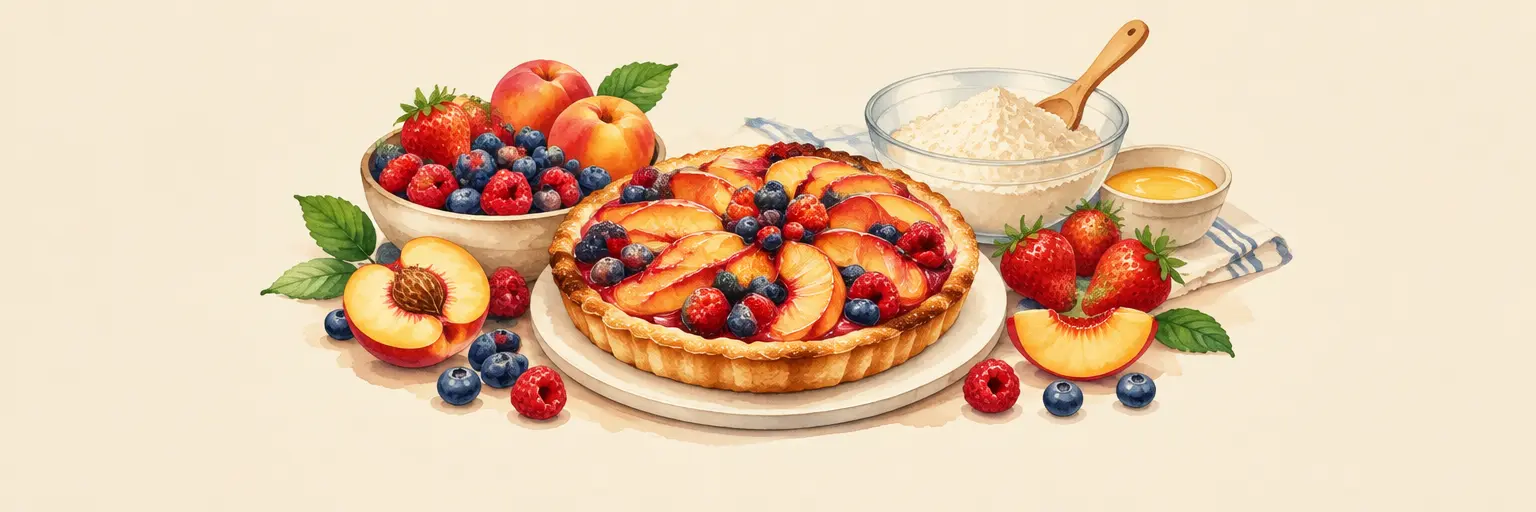
Unlock the secret to irresistibly moist cakes, vibrant tarts, and jammy crumbles with baking with fresh fruit—the ultimate game-changer for your homemade treats. 🍓🍋 Whether you’re folding juicy berries into a classic sponge, roasting peaches for a rustic galette, or balancing tart apples in a spiced loaf, fresh fruit adds natural sweetness, bright acidity, and tender texture that no extract can replicate. This deep dive covers essential techniques like macerating to release juices, coating fruit in flour to prevent sinking, and adjusting sugar levels for peak ripeness. From stone fruits and citrus to soft berries, you’ll learn how to pair flavors, manage moisture, and achieve picture-perfect results every time. Say goodbye to soggy bottoms and bland bakes—master the art of seasonal fruit integration with foolproof tips, pro ratios, and storage hacks that keep your creations fresh and flavorful. Perfect for beginners and pros alike, transform everyday ingredients into bakery-worthy masterpieces that burst with real fruit goodness. 🍑✨
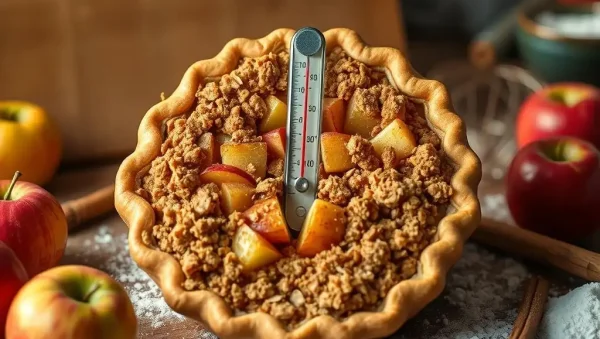
😊 Discover the essential Fruitfilled pastry baking temperatures to ensure perfectly golden, delicious treats every time. BakeWithEase.com provides expert tips and techniques…
Read article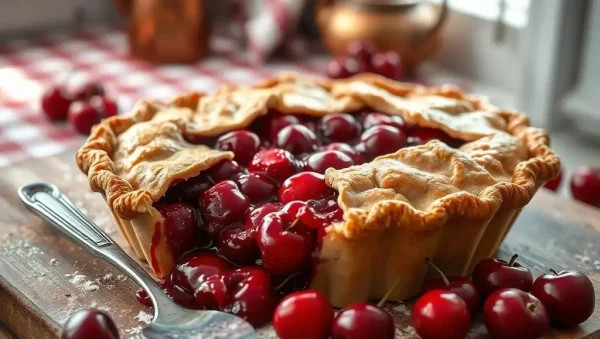
🍒 Discover the secrets to making an easy fresh cherry pie with simple steps and fresh cherries. BakeWithEase.com guides you through every…
Read article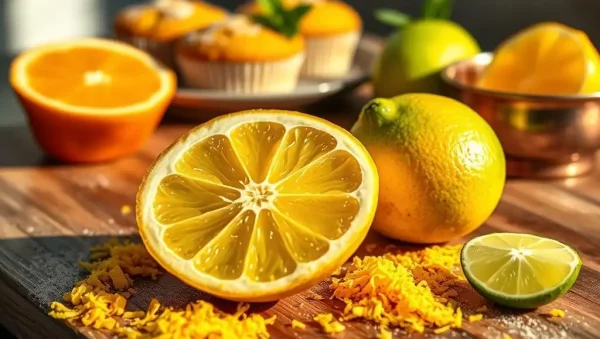
🌟 Discover how adding citrus zest and juice can elevate your baked creations. Our easy citrus baked goods recipe brings brightness and…
Read article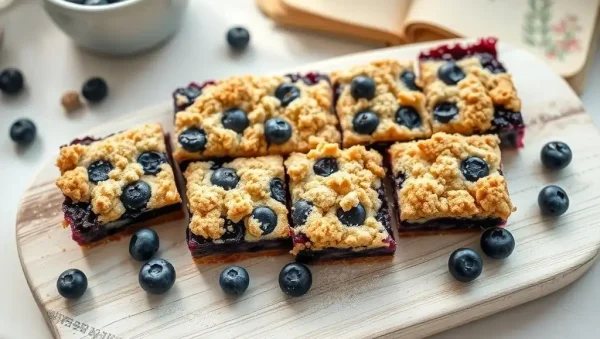
😊 Discover the joys of baking with our Easy Blueberry Crumble Bars Recipe, perfect for beginners. BakeWithEase.com offers simple steps and tips…
Read article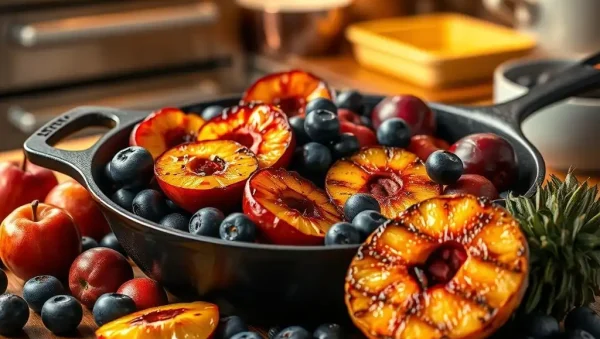
🌟 Discover how roasting fruit before baking enhances flavor and depth in your desserts. BakeWithEase.com guides you through simple techniques to elevate…
Read article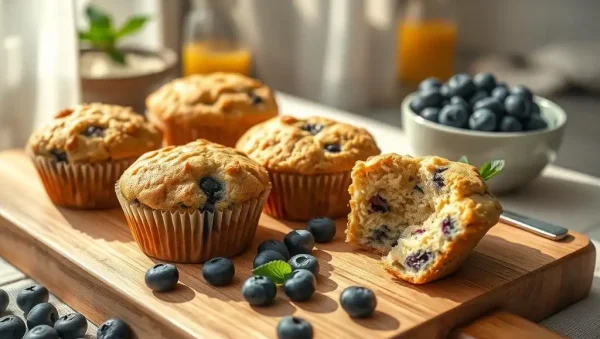
🍓 Discover the joy of mornings with our Easy Fruit Muffins Recipe from BakeWithEase.com, perfect for breakfast or anytime. Simple, delicious, and…
Read article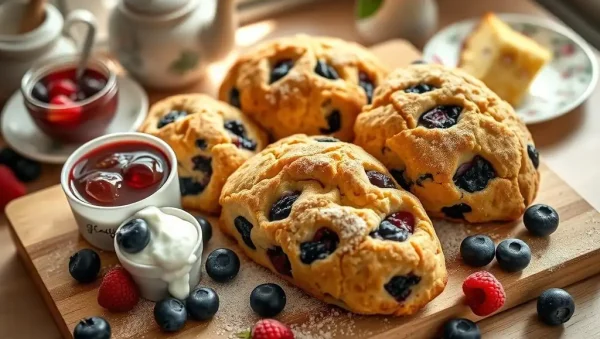
😊 Discover how to make delicious, flaky easy fruit scones with our quick recipe that’s ready in under 30 minutes. Perfect for…
Read article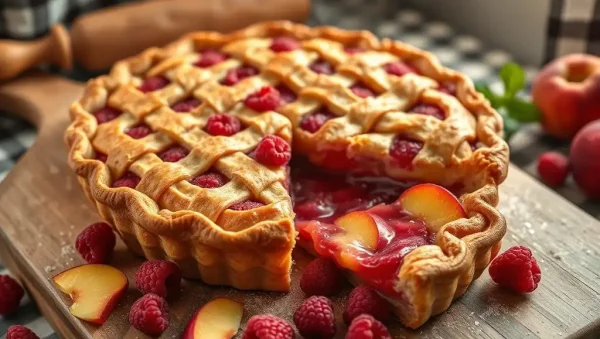
😊 Discover the delightful simplicity of our easy peach raspberry pie recipe, perfect for summer baking. At BakeWithEase.com, we provide step-by-step guidance…
Read article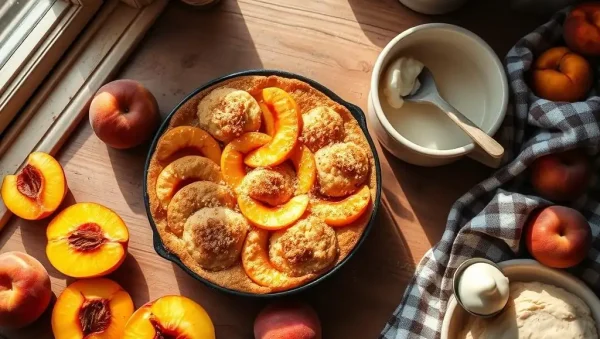
🌟 Discover how to transform ripe peaches into delicious treats with our easy guide to ripe peaches baking recipes easy. Perfect for…
Read article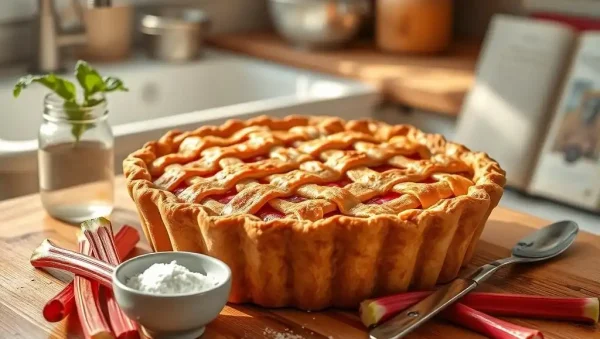
🍰 Discover the delightful balance of sweet and tart in baking with rhubarb. Our "Rhubarb pie recipe easy" guide simplifies creating perfect,…
Read article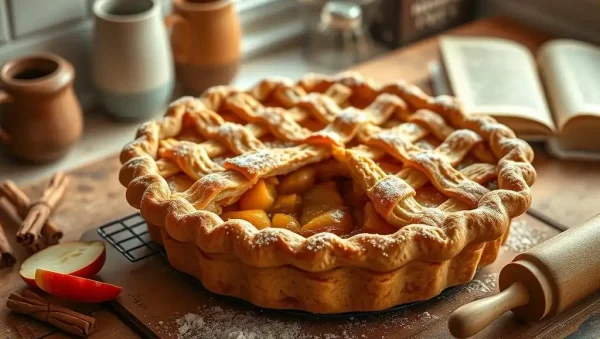
😊 Discover how to create your first delicious fruit pie with our easy fruit pie recipe at BakeWithEase.com. This beginner-friendly guide offers…
Read article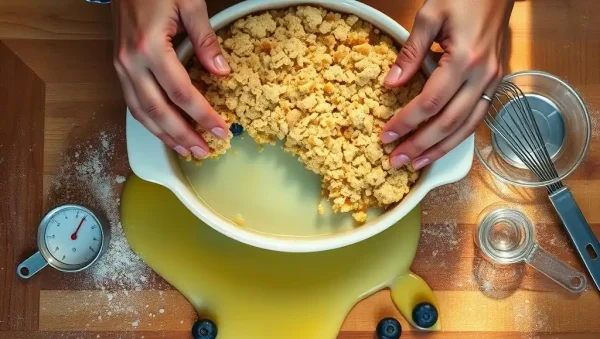
🌟 Struggling with runny fruit desserts? Discover simple, expert tips on how to fix runny desserts and achieve perfect, stable textures every…
Read articleBaking with fresh fruit transforms ordinary desserts into spectacular, juicy masterpieces. At BakeWithEase.com, we dive deep into the science and art of using seasonal berries, stone fruits, citrus, and orchard favorites. This subcategory of our Ingredient Deep Dives is dedicated to helping you navigate moisture levels, natural sweetness, and flavor pairings. Whether you are a beginner or a seasoned sourdough enthusiast, mastering fresh fruit in batters, crusts, and fillings will elevate your baking game. Expect practical tips, troubleshooting advice, and creative inspiration for every fruit-filled treat you can imagine.
Berries like strawberries, blueberries, and raspberries are bursting with water, which can make batters soggy or sink to the bottom. The secret lies in proper flour coating and understanding pectin behavior. When you toss berries in a light dusting of flour before folding them in, you create a barrier that prevents them from sinking and reduces excess moisture release. Additionally, reducing liquid in your recipe by a tablespoon or two when using very ripe berries helps maintain structure.
For optimal results, always use cold berries straight from the fridge, and never thaw frozen berries without draining them. In quick breads and muffins, this technique ensures a tender crumb with every berry intact and juicy. Expect your cakes to be more evenly textured, with no soggy streaks at the bottom. Our step-by-step guides break down how to adjust baking times and temperatures, so your blueberry muffins or strawberry shortcake come out golden and light, not dense or gummy.
Stone fruits offer a delightful sweet-tart balance, but their high sugar and moisture content can lead to runny fillings. The key is to macerate them with sugar and a thickener like cornstarch or tapioca flour before assembling your tart or cobbler. This process draws out excess juice, allowing the thickener to bind it into a glossy, luscious syrup rather than a watery mess. For fruit leather-like intensity, roast your peaches or plums briefly before adding them to the mix.
When baking with cherries, consider using a mix of sweet and tart varieties for complexity. Pitting them fresh makes a difference in texture—frozen pits release bitter flavors. Expect your cobbler to hold its shape when scooping, and your tart crust to stay crisp, not soggy. We provide precise ratios for thickeners based on fruit ripeness, ensuring your chocolate-cherry bread or peach galette has a professional finish every time. Bold tip: add a pinch of almond extract to enhance stone fruit flavors naturally.
Apples and pears are baking staples, but their firmness and moisture vary widely by variety. For pies, you should choose a blend of firm tart apples (like Granny Smith) and sweet softer ones (like Honeycrisp) to achieve a perfect balance of texture and flavor. Pears add a buttery, delicate taste, but they can become mushy if overheated. The trick is to pre-cook the filling slightly on the stovetop to release and reduce the liquid before baking.
Use tapioca starch rather than flour for clearer, glossy juices that won't turn cloudy. Also, remember to adjust sugar downward for sweeter fruit varieties to avoid an overly cloying dessert. Expect your apple crisp to have firm, tender chunks rather than applesauce, and your pear tarte Tatin to caramelize beautifully without falling apart. Our guides include a varietal chart, so you can confidently select the exact fruit for your pie, turnover, or coffee cake.
Citrus fruits like lemons, limes, and oranges bring vibrant acidity that can cut through rich, buttery baked goods. The essential oils in the zest are more potent than juice, so always add zest for aroma and use juice sparingly to maintain pH balance in your leavening agents. Too much lemon juice can deactivate baking soda, resulting in a flat cake. A simple rule: replace up to ¼ cup of liquid in your recipe with citrus juice and add a teaspoon of zest for every 2 cups of flour.
For glazes, make a reduction of citrus juice and sugar to achieve a shiny, thin coating with intense flavor, as opposed to a frosting that is watery. When baking with citrus, consider using a microplane to remove only the colored part of the peel—the white pith is bitter. Expect your lemon poppyseed muffins to be tender with a fragrant kick, and your orange olive oil cake to be perfectly moist with no acidic aftertaste. We also cover how to candy citrus slices for elegant garnishes.
Fresh pineapple and mango contain bromelain and enzymes that can break down gluten and gelatin, causing baked goods to become mushy. The solution is to briefly cook these fruits in a pan with sugar before adding to batters, which neutralizes the enzymes. Bananas, on the other hand, need to be perfectly ripe—speckled with brown spots—to provide maximum sweetness and moisture. For a deep flavor, roast bananas in their skins until they turn black, then mash.
Mango works beautifully in quick breads and crumbles, but avoid overmixing, as its fibers can toughen your crumb. Pineapple is excellent in upside-down cakes but requires a dry surface to caramelize properly—pat it dry with paper towels. Expect your tropical upside-down cake to release perfectly from the pan, and your banana bread to be silky-dark and infamously moist. We share hacks for adjusting pan sizes and baking times for these heavier fruits, ensuring you get a perfect rise every time without a soggy center.
This is usually due to the fruit being too heavy or wet. Toss your fresh fruit in 1-2 tablespoons of flour or cornstarch before folding into the batter. Also, ensure your batter is thick enough to suspend the fruit. Use cold fruit and gently fold them in just until combined, then bake immediately. For large chunks, reduce size and dust well.
Yes, but you must adjust. Thaw frozen fruit fully, drain all excess juice, and pat dry with paper towels. Then increase your thickener (cornstarch or tapioca) by about 30% because frozen fruit releases more liquid. Reduce baking time by 5-8 minutes as thawed fruit can make the batter cook faster. Toss with flour as you would fresh fruit.
Use a combination of instant clearjel, cornstarch, or tapioca starch. For fresh fruit, macerate with sugar for 20-30 minutes, drain off the juice, and cook that juice with the thickener until glossy. Return the fruit to the reduced syrup. Also, add a sprinkle of quick-cooking tapioca to the bottom crust before pouring the filling.
Meyer lemons are sweeter and less acidic, making them ideal for cakes and shortbread, while regular lemons work best for glazes and curds where you need tartness. Oranges with thin skins, like Valencia, are good for juicing, while navel oranges are better for zest. Always buy organic citrus if you plan to use the zest heavily.
It depends on texture and dish. For rustic crisps and cobblers, peels are fine and add fiber, but for smooth purees or elegant tarts, peel to avoid stringy bits. Peaches and pears slip easily if blanched for 60 seconds. For apples, honeycrisp or such peels soften well, but for pies, peeling gives a nicer mouthfeel.