The Magic of Baking with Bittersweet Chocolate
✨ Discover the enchanting world of bittersweet chocolate baking recipes at BakeWithEase.com, where simple techniques and delicious ideas help bakers of all…
Read article
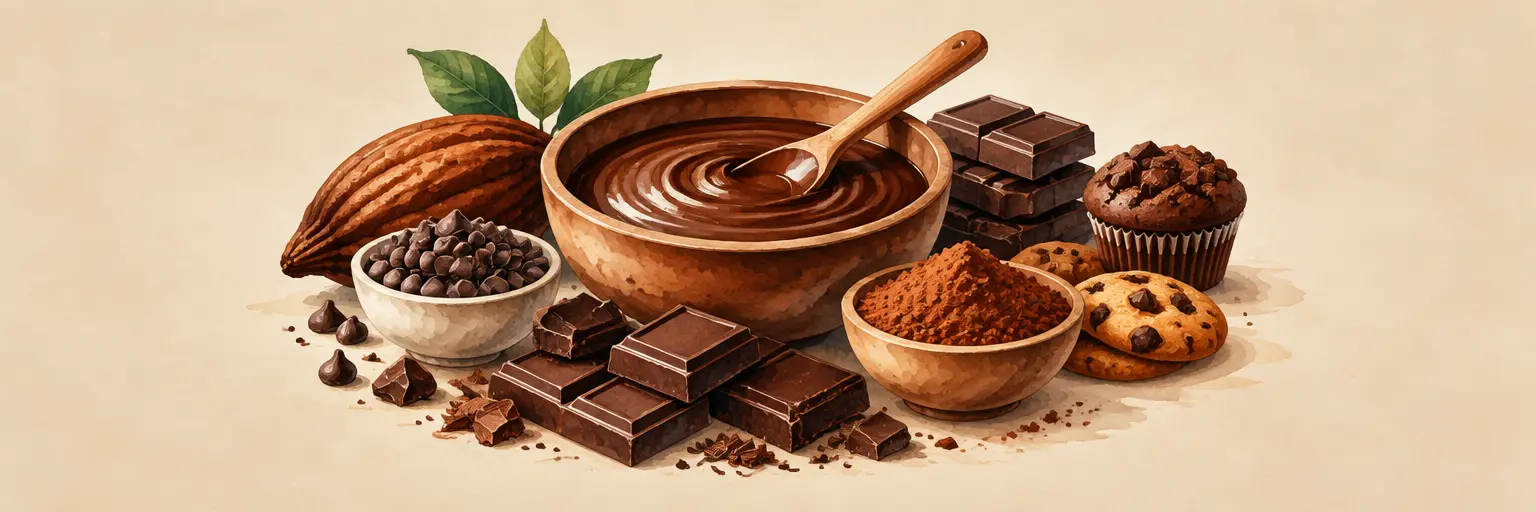
Chocolate is the heart and soul of countless beloved bakes—from fudgy brownies and molten lava cakes to silky ganaches and delicate mousses. In this deep dive, you’ll discover the differences between cocoa powder, baking chocolate, and chocolate chips, plus how each behaves when melted, tempered, or folded into batter. Learn why dark chocolate with 60-70% cacao offers the richest flavor for cakes, while white chocolate requires gentler heat to avoid seizing. We’ll break down the science of blooming, tempering, and emulsification, and share simple swaps for dairy-free or sugar-free alternatives. Whether you’re a weekend baker or a pastry perfectionist, mastering chocolate’s quirks—like its reaction to humidity or overmixing—will elevate every cookie, tart, and layered cake you create. With practical tips on choosing the right chocolate for the right bake and avoiding common pitfalls like grainy ganache or cakey brownies, this guide turns you into a confident chocolate whisperer.
✨ Discover the enchanting world of bittersweet chocolate baking recipes at BakeWithEase.com, where simple techniques and delicious ideas help bakers of all…
Read article
🌟 Unlock the secrets of cacao percentage chocolate recipes to elevate your baking. Learn how different cacao levels influence flavor and richness,…
Read article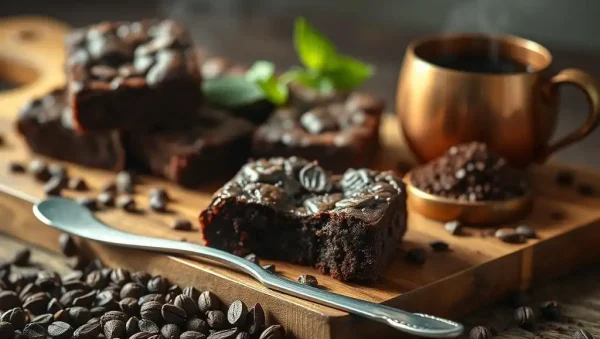
🌟 Elevate your baking with cocoa nibs baking recipes that add irresistible crunch and deep, intense flavor. Discover simple techniques and delicious…
Read article
🍫 Unlock the secrets of chocolate baking with our essential Chocolate Baking Ingredient Guide, helping bakers of all levels understand labels, quality,…
Read article
🍫 Discover how to make an irresistible, easy homemade chocolate sauce with simple steps on BakeWithEase.com. Perfect for bakers of all levels,…
Read article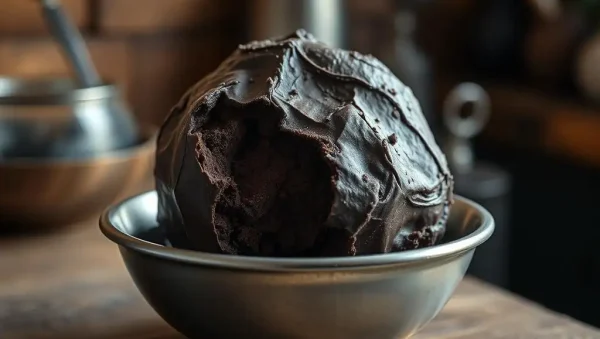
😊 Discover quick and easy tips to fix seized chocolate baking at BakeWithEase.com. Learn how to rescue your chocolate and ensure your…
Read article
🍫 Discover why high quality baking chocolate elevates your baked goods, enhancing flavor, texture, and overall success. At BakeWithEase.com, learn how choosing…
Read article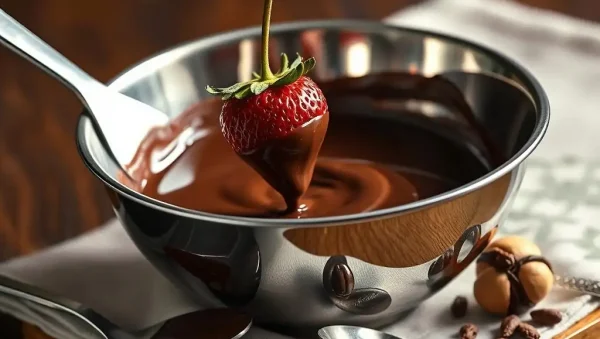
😊 Unlock the secrets to flawless treats with BakeWithEase.com. Discover essential perfect chocolate dipping consistency tips to elevate your baking game—whether you're…
Read article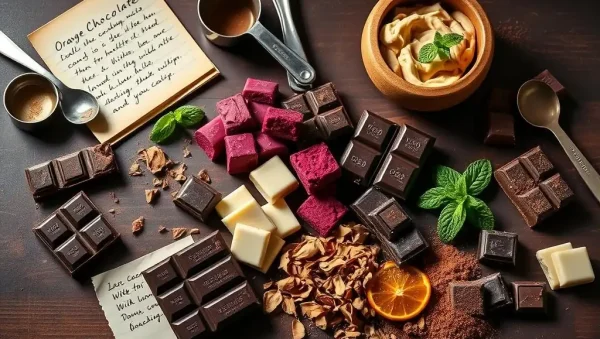
😊 Discover the ultimate Chocolate Substitution Guide Recipes at BakeWithEase.com, your go-to resource for effortlessly swapping chocolate types in any recipe. Perfect…
Read article
😊 Discover the secrets of easy chocolate curl decorating with our simple step-by-step guide. Perfect for bakers of all levels, this technique…
Read article
😊 Discover the ultimate dry chocolate cake fix with BakeWithEase.com! Learn expert tips and simple techniques to restore moisture and achieve perfect…
Read article
😊 Discover how to create irresistibly smooth and glossy desserts with our easy chocolate glaze recipes simple to make. Perfect for bakers…
Read articleChocolate is the heart of countless beloved bakes, from fudgy brownies to airy mousses. Yet, its behavior in the oven can feel mysterious—why does one batch seize while another turns glossy? This subcategory demystifies chocolate’s science, types, and techniques so you can bake with confidence. Whether you’re a novice or a seasoned sourdough whisperer, mastering chocolate elevates cakes, cookies, and pastries from good to unforgettable. Expect practical, tested advice on melting, tempering, choosing the right cocoa percentage, and troubleshooting common failures—all tailored for home bakers using everyday ingredients.
Not all chocolate bakes the same. Dark, milk, white, and ruby chocolates contain varying amounts of cocoa solids, cocoa butter, sugar, and milk powder, which directly affect melt, structure, and flavor. For baking, choose high-quality couverture with at least 60% cocoa for intense depth, while milk chocolate (30-40%) adds creaminess but less structure. White chocolate lacks cocoa solids entirely, so it behaves like a fat—great for ganache but prone to scorching. Cocoa percentage also dictates sweetness; adjusting sugar in recipes is key when swapping types.
When a recipe specifies “bittersweet” or “semisweet,” it’s about cocoa solids, not taste. Bittersweet (70%+) yields a robust, less sweet crumb, while semisweet (50-60%) balances flavor. For cookies, higher cocoa content reduces spread and increases chewiness. For cakes, lower percentages keep crumb tender. Always read the label—some chips contain stabilizers that prevent melting smoothly. For best results, use chopped bars or couverture discs, which melt uniformly and blend seamlessly into batters.
Melting chocolate is a delicate dance with humidity and heat. Use a double boiler or microwave in short bursts, never exceeding 120°F (49°C) for dark or 110°F (43°C) for milk and white. Seizing occurs when even a drop of water contacts melted chocolate—the sugar clumps into a thick, grainy paste. To rescue seized chocolate, stir in warm cream or butter (1 tablespoon per 3 ounces) to create a smooth ganache instead. For coatings and decorations, tempering is essential to achieve that shiny snap—heat to 115°F, cool to 84°F, then reheat to 88-90°F for dark chocolate.
If you skip tempering, your dipped strawberries will bloom with gray streaks—still edible but less pretty. For practical bakes like brownies or cakes, untempered melted chocolate works perfectly because structure comes from eggs and flour. But for molded candies or dipped truffles, invest in a thermometer and a marble slab or cold-water bath. Quick tip: add a tiny amount of cocoa butter (not oil) to thin chocolate without breaking temper. Store melted chocolate in a dry, cool place, and avoid refrigerating, which encourages condensation and bloom.
Cocoa powder is not a one-size-fits-all ingredient. Natural cocoa is acidic (pH 5-6) and reacts with baking soda to produce lift—ideal for classic chocolate cakes and cookies that spread. Dutch-processed cocoa is alkalized to neutralize acid (pH 7-8), giving a darker color and milder flavor; it requires baking powder for leavening. Substituting one for the other without adjusting leaveners results in dense, flat bakes or a metallic aftertaste. Check your recipe: if it calls for baking soda, use natural; if baking powder, use Dutch-processed.
For recipes with both leaveners, make an educated swap: replace 1/4 teaspoon baking soda with 1 teaspoon baking powder when switching from natural to Dutch-processed. The flavor difference is subtle—Dutch-processed is smoother and less bitter, while natural has a fruity, sharp tang. For red velvet cake, natural cocoa enhances the red reaction with buttermilk. For ultra-dark cookies, try “black cocoa” (highly alkalized) for a Oreo-like hue. Always sift cocoa to avoid lumps, and remember that cocoa absorbs more liquid than flour, so you may need to tweak hydration.
Baking with chocolate is about balance—fat, sugar, and moisture. In batters, melted chocolate adds fat and richness, but too much can make cakes greasy or collapse. For every ounce of chocolate, reduce butter by about 1 tablespoon to keep structure. Ganache, a 1:1 ratio of chocolate to heavy cream, is the ultimate chameleon: use it warm as a glaze, cooled as a filling, or whipped as a frosting. For a firmer truffle center, use 2 parts chocolate to 1 part cream. For a pourable sauce, reverse to 1 part chocolate to 2 parts cream.
In cookie dough, add chopped chocolate instead of chips for melty pools—chips hold shape due to stabilizers. For brownies, melted chocolate plus cocoa powder gives a fudgy, crackly top; whisking vigorously after adding eggs creates that shiny crust. Don’t overmix batter once flour is added—chocolate batters develop gluten quickly, making them tough. For muffins or quick breads, fold in chocolate chunks last to avoid sinking. If your chocolate seizes within a batter, it’s often due to cold eggs—temper them first. And always test doneness with a toothpick: slightly moist crumbs mean perfectly baked chocolate.
Running out of a specific chocolate type? Smart swaps save your bake. For 1 ounce of unsweetened chocolate, use 3 tablespoons cocoa powder plus 1 tablespoon butter or oil. For semisweet, use 1 ounce unsweetened plus 1 tablespoon sugar. White chocolate can be replaced with a mix of cocoa butter, powdered sugar, and milk powder, but it’s easier to just buy dairy-free chips. For dairy-free needs, choose dark chocolate with 70%+ cocoa—most are naturally vegan. For egg-free recipes, chocolate-based cakes often rely on applesauce or silken tofu for structure; the chocolate’s fat helps compensate.
If you’re gluten-free, chocolate is your friend—it contains no gluten, but watch for cross-contamination in flavored bars. For sugar-free baking, use unsweetened chocolate and add your preferred sweetener; erythritol works but may cause a cooling aftertaste. Carob is not a true substitute (different flavor), but for allergies to cocoa, use melted carob chips with slightly less sugar. Always check that baking chocolate is labeled “dairy-free” if needed, as many premium brands add milk fat. When in doubt, taste a small piece first—chocolate should be smooth, not gritty or waxy.
Add warm liquid (cream, milk, or water) approximately 1 tablespoon per 3 ounces of seized chocolate, then stir gently until smooth. This turns it into a ganache-like sauce, not suitable for dipping but perfect for frosting or filling. If you have only dry ingredients, whisk in a bit of vegetable oil—it won’t restore temper but will rescue the texture for batters.
Yes, but you must adjust fat and sugar. For 1 ounce of unsweetened chocolate, use 3 tablespoons unsweetened cocoa powder plus 1 tablespoon butter or oil. For semisweet, add 1 tablespoon sugar. This swap works best in cakes and cookies, not for coatings or ganache, because the cocoa powder lacks the smooth mouthfeel of melted chocolate.
Chips contain stabilizers like soy lecithin and less cocoa butter, so they hold shape at high temperatures. To get melty pools, chop a dark chocolate bar into chunks instead. For a softer chip, reduce oven time slightly and let cookies cool on the pan—residual heat melts chips further.
Use dark chocolate with 55-65% cocoa—it provides enough fat for tenderness without overwhelming bitterness. Melted chocolate plus a bit of cocoa powder (about 1 tablespoon per 4 ounces) intensifies flavor without adding extra sugar. Also, include sour cream or buttermilk to keep crumb moist.
Yes, but quality matters—standard chips contain less cocoa butter, making ganache slightly thicker and less silky. Use a ratio of 1.5 parts chips to 1 part cream for a smooth texture. Melt gently and strain through a sieve if any lumps remain, then allow to cool as usual.