
Quick Guide to Substituting Chocolate Types in Any Recipe

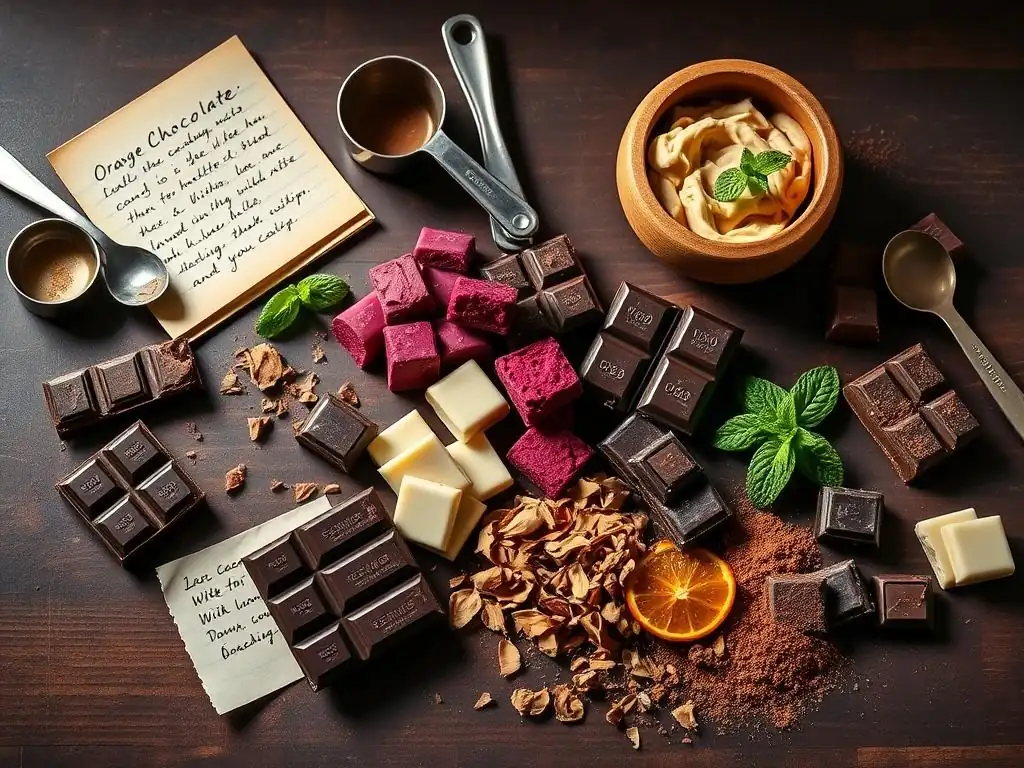
Welcome to BakeWithEase, your trusted companion in the delightful world of baking! Ever found yourself halfway through a recipe and realized you're short on a specific type of chocolate? Don't despair! In this article, we'll dive deep into our Chocolate Substitution Guide, unlocking the secrets to seamlessly swapping chocolate types in any recipe. Discover the perfect substitutions to keep your baking dreams alive, and perhaps even elevate your creations! Intrigued? Let's get baking!
- Quick Guide to Substituting Chocolate Types in Any Recipe - BakeWithEase.com
- Understanding Chocolate Types for Baking Success
- The Ultimate Chocolate Substitution Guide for Recipes
- Chocolate Substitution Chart: Find the Perfect Alternative
- Recipe-Specific Chocolate Substitution Tips
- Common Mistakes to Avoid When Substituting Chocolate
- Mastering Chocolate Substitution: Elevate Your Baking
-
Frequently Asked Questions
- How can I easily substitute dark chocolate for milk chocolate in a recipe?
- What are some common substitutes for unsweetened chocolate?
- Does the fat content of different chocolates impact the recipe outcome when substituting?
- Can I substitute chocolate chips for baking chocolate, and if so, how?
- What should I consider when substituting white chocolate for another type of chocolate?
- Final Reflection: The Enduring Allure of Chocolate, Perfectly Substituted
- Unlock Your Chocolate Creativity!
Quick Guide to Substituting Chocolate Types in Any Recipe - BakeWithEase.com
Understanding Chocolate Types for Baking Success
Decoding Chocolate Percentages: A Baker's Guide
Chocolate percentage refers to the total amount of cocoa solids (cocoa mass and cocoa butter) in the chocolate. A higher percentage means less sugar and often a more intense, less sweet chocolate flavor. For instance, a dark chocolate labeled 70% cacao contains 70% cocoa solids and 30% other ingredients, primarily sugar and perhaps vanilla and lecithin.
This contrasts sharply with milk chocolate, which typically contains around 30-40% cocoa solids, plus milk solids and significantly more sugar. White chocolate contains no cocoa solids from the cocoa bean itself, only cocoa butter (usually 20-35%), sugar, milk solids, and flavorings. Understanding these percentages is crucial because they dictate not only flavor but also texture and melting properties.
When a recipe calls for a specific percentage of chocolate, it's usually for a reason related to the balance of flavors and the structure of the finished product. For example, a recipe for a rich chocolate cake might specify 60% dark chocolate.
Using 80% dark chocolate instead would result in a less sweet, potentially more bitter cake, while using 40% milk chocolate would make it considerably sweeter and might affect the crumb structure due to the added milk solids and lower cocoa solid content. Paying attention to these numbers is the first step in successfully navigating a chocolate substitution guide recipes.
Exploring Different Forms of Chocolate: Bars, Chips, Powder, and More
Chocolate comes in various forms, each suited for different baking applications and possessing unique characteristics. Bar chocolate, often labeled as baking chocolate or couverture, is typically high quality and designed to melt smoothly due to its higher cocoa butter content. It's sold in bars or blocks and is ideal for melting, tempering, ganaches, and sauces.
Chocolate chips, while convenient, often contain stabilizers (like less cocoa butter or added vegetable fats) to help them hold their shape during baking. This means they don't melt as smoothly as bar chocolate, which can be a factor when substituting in recipes requiring melted chocolate.
Cocoa powder, on the other hand, is essentially dried, ground cocoa solids with most of the cocoa butter removed. It provides intense chocolate flavor without adding significant fat or structure like solid chocolate does. There are two main types: natural cocoa powder (acidic, common in recipes using baking soda) and Dutch-process cocoa powder (neutralized with alkali, darker, less acidic, often used with baking powder). Understanding these forms and their properties is vital when consulting a chocolate substitution guide recipes, as substituting cocoa powder for solid chocolate, or vice versa, requires adjustments to fat, sugar, and liquid.
The Ultimate Chocolate Substitution Guide for Recipes
Mastering Chocolate Swaps: A Simple Framework
Substituting chocolate types in baking recipes involves more than just swapping one type of chocolate for another by weight or volume. It requires considering the impact on flavor, sweetness, fat content, and even leavening. A simple framework involves asking: 1) What is the primary role of the chocolate in the recipe (flavor, structure, moisture)?
2) What are the key differences between the original chocolate and the substitute (percentage, form, added ingredients like milk solids or stabilizers)? 3) What adjustments are needed to compensate for these differences (sugar, fat, liquid, leavening)? For instance, substituting dark chocolate (higher cocoa solids, less sugar) for milk chocolate (lower cocoa solids, more sugar, milk solids) means you'll likely need to decrease sugar elsewhere in the recipe and potentially add a little more liquid or fat to maintain moisture and texture.
This thoughtful approach helps prevent common baking mishaps. Simply swapping 100 grams of 70% dark chocolate for 100 grams of milk chocolate (around 35% cocoa solids) in a brownie recipe will drastically change the outcome. The dark chocolate version will be less sweet, potentially drier, and have a more intense, less creamy chocolate flavor compared to the milk chocolate version, which will be sweeter, possibly softer, and have a milder, creamier taste. Using a systematic approach, as outlined in this chocolate substitution guide recipes, ensures you anticipate and manage these changes effectively.
Why Substitute Chocolate in Recipes? Considerations & Reasons
Bakers choose to substitute chocolate for various reasons, ranging from dietary needs and ingredient availability to personal preference and desired flavor profiles. Perhaps a recipe calls for dark chocolate, but you only have milk chocolate on hand, or a guest has a dairy allergy requiring a switch to dairy-free dark or white chocolate. Sometimes, it's about adjusting the sweetness level; a recipe might be too sweet for your taste, prompting a switch from milk chocolate to a higher-percentage dark chocolate. Conversely, if a recipe is too intense, swapping dark for milk chocolate can mellow the flavor.
Availability is a common driver for consulting a chocolate substitution guide recipes. Specific types or percentages of chocolate, like high-quality couverture or a very specific percentage like 85%, might not be readily available at your local grocery store. Knowing how to effectively substitute with more common varieties like standard baking bars or chips opens up more recipes. Furthermore, substituting can be an intentional creative choice to experiment with different flavor combinations, such as using a flavored chocolate or swapping white chocolate for dark to create a different visual and flavor profile in a dessert.
Chocolate Substitution Chart: Find the Perfect Alternative
Substituting Dark Chocolate: Options and Considerations
Dark chocolate is defined by its high percentage of cocoa solids and lower sugar content compared to milk chocolate. When a recipe calls for dark chocolate (often in the 60-75% range), the best substitutes are typically other dark chocolates within a similar percentage range if possible. However, if you need to substitute with a different type, semisweet chocolate is often the closest option.
Using Semisweet Chocolate as a Dark Chocolate Substitute
Semisweet chocolate generally falls into the 40-55% cocoa solid range, making it sweeter than most dark chocolates specified in baking recipes. When substituting semisweet for dark chocolate (e.g., swapping 50% semisweet for 70% dark), you can usually swap it 1:1 by weight. However, be prepared for a sweeter result.
For example, if a recipe uses 100g of 70% dark chocolate, substituting 100g of semisweet will add approximately 15-20 grams more sugar to the recipe. This extra sugar might require a slight reduction in other added sugars in the recipe, though for many home baking scenarios, a direct swap is acceptable if a sweeter outcome is desired.
Adjusting Sugar Levels when Substituting Dark Chocolate
When using a sweeter substitute like semisweet chocolate for dark chocolate, or even milk chocolate, it's often necessary to reduce the amount of added sugar elsewhere in the recipe to maintain the intended sweetness balance. For every ounce (approx. 28g) of chocolate you substitute that has a significantly lower cocoa percentage (and thus higher sugar) than the original, consider reducing granulated sugar by about 1-2 teaspoons.
For example, if a recipe calls for 4 ounces (approx. 112g) of 70% dark chocolate and you use 50% semisweet instead, you might reduce the total granulated sugar in the recipe by 4-8 teaspoons (about 1-2 tablespoons). This adjustment is particularly important in recipes where sweetness is a critical component, like fudges or ganaches.
Swapping Milk Chocolate: Best Practices and Alternatives
Milk chocolate is characterized by its lower cocoa solid percentage (typically 30-40%), the addition of milk solids, and higher sugar content. It provides a creamy texture and milder, sweeter flavor compared to dark chocolate. Substituting milk chocolate often aims to either replicate this creamy sweetness or replace it with a different flavor profile while maintaining texture.
Substituting White Chocolate for Milk Chocolate: Flavor Profiles
Substituting white chocolate for milk chocolate is a significant flavor departure, as white chocolate contains no cocoa solids, only cocoa butter, sugar, and milk solids (usually 20-35% cocoa butter). While both contain milk and sugar, the flavor profile shifts from creamy chocolate to creamy, vanilla-like sweetness. A 1:1 weight substitution is often possible regarding fat and milk solids, but the sweetness level might differ depending on the specific brands.
For instance, 100g of milk chocolate might have around 45-50g of sugar, while 100g of white chocolate could have 45-55g or even more. This swap is best suited for recipes where the primary role is sweetness and creaminess, and a chocolate flavor is not essential, like certain cookies or frostings.
Using Cocoa Powder to Mimic Milk Chocolate Flavor
Mimicking milk chocolate flavor using cocoa powder is tricky because cocoa powder lacks the fat and milk solids of solid chocolate. However, you can create a chocolatey flavor base that approximates the sweetness and richness of milk chocolate in certain applications like sauces or drinks. A common approximation involves using about 3 tablespoons (approx.
20-25g) of cocoa powder mixed with 1 tablespoon (approx. 14g) of a neutral fat like butter or oil, and then adding extra sugar (perhaps 3-4 teaspoons) and a splash of milk or cream (1-2 tablespoons) to achieve a consistency and sweetness similar to melted milk chocolate. This method is less suitable for baked goods where solid chocolate provides structure.
White chocolate is the sweetest and softest of the three main types due to its high sugar and cocoa butter content and lack of cocoa solids. Substituting white chocolate requires finding ingredients that can replicate its sweetness, creaminess, and melting characteristics. Options are limited if you need a direct flavor match, but substitutes can work if the goal is sweetness and texture.
Vegan White Chocolate Substitutes: Considerations for Plant-Based Baking
For vegan baking, traditional white chocolate (which contains milk solids) is not an option. Fortunately, many vegan white chocolate alternatives are now available, made with cocoa butter, sugar, and plant-based milk powders (like rice or soy). These can often be substituted 1:1 by weight for dairy white chocolate in recipes.
However, the melting properties can vary between brands, and some may contain different types of fats or stabilizers. It's wise to test a small amount first, especially for applications like ganache or tempering. For example, substituting 100g of dairy white chocolate with 100g of a rice-based vegan white chocolate might slightly alter the firmness of a ganache due to differences in fat composition.
Cocoa Powder Substitutions: Dutch Process vs. Natural
Cocoa powder is a concentrated flavor source used differently than solid chocolate. Its acidity is a key factor. Natural cocoa powder is acidic and reacts with alkaline baking soda to produce leavening. Dutch-process cocoa powder is treated to be neutral and is typically paired with baking powder.
Adjusting Leavening Agents When Substituting Cocoa Powder
Swapping natural cocoa for Dutch-process cocoa (or vice versa) requires careful adjustment of leavening agents. If a recipe uses natural cocoa powder and baking soda, substituting Dutch-process cocoa (which is neutral) means the baking soda won't have enough acid to react with, resulting in poor leavening.
You would need to swap the baking soda for baking powder (which contains its own acid) or add an acidic ingredient like cream of tartar or vinegar. Conversely, substituting natural cocoa for Dutch-process cocoa in a recipe using baking powder might make the batter too acidic, leading to a bitter taste and potentially affecting texture.
A common adjustment is to replace baking powder with a mix of baking soda and baking powder, or add a small amount of baking soda (e.g., 1/4 teaspoon per cup of flour) and potentially reduce the baking powder slightly. This is a critical point in any comprehensive chocolate substitution guide recipes.
Recipe-Specific Chocolate Substitution Tips
Substituting Chocolate in Cakes: Achieving the Right Moisture and Texture
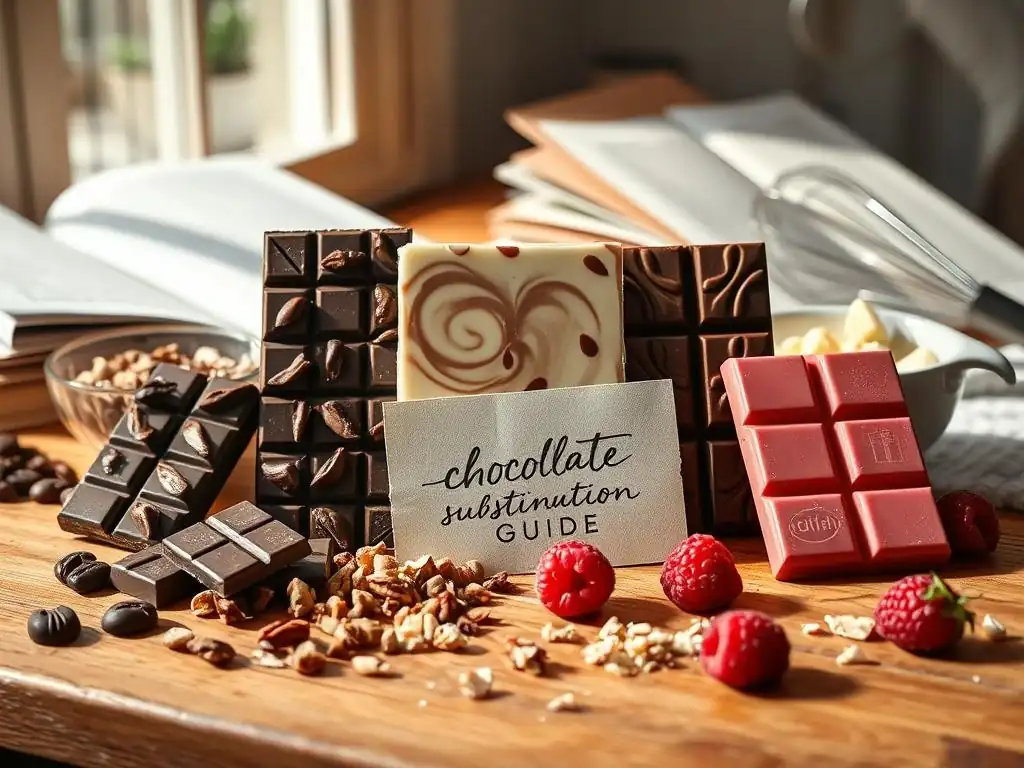
Substituting chocolate in cakes impacts flavor, color, and crucially, moisture and texture due to the fat content of the chocolate. When swapping solid chocolate for cocoa powder, you remove fat, which can result in a drier cake. For example, replacing 2 ounces (approx. 56g) of melted dark chocolate (which contains significant cocoa butter) with just cocoa powder will remove about 10-15g of fat from the recipe.
To compensate, you'll need to add extra fat, typically 1 tablespoon (approx. 14g) of butter or oil, and potentially a tablespoon or two of extra liquid for every ounce of solid chocolate replaced with cocoa powder. This helps maintain the cake's moist crumb.
In cookies, chocolate chips or chunks are often used for texture and pockets of melted chocolate. Substituting different types of chocolate chips affects both flavor and spread. Using dark chocolate chips instead of milk chocolate chips results in a less sweet cookie with a more intense chocolate flavor.
Swapping chips for chopped bar chocolate usually leads to more spread and smoother puddles of melted chocolate because bar chocolate has higher cocoa butter content and lacks the stabilizers in chips. For example, replacing 1 cup (approx. 6 oz or 170g) of chocolate chips with the same weight of chopped bar chocolate will add more cocoa butter, causing cookies to spread more during baking.
Adjusting Chocolate in Brownies: Fudgy vs. Cakey Results
Brownies are particularly sensitive to chocolate type and fat content, which heavily influence whether they turn out fudgy or cakey. More fat (from butter and chocolate) and less flour contribute to a fudgy texture, while more flour and reliance on cocoa powder for flavor often result in a cakey texture. Substituting a high-fat dark chocolate (like 70%+) for a lower-fat semisweet or milk chocolate in a fudgy brownie recipe will yield a richer, denser, potentially more fudgy result.
Conversely, using less chocolate or substituting some solid chocolate with cocoa powder (without adding back fat) will lean towards a more cakey texture. For instance, a recipe calling for 8 ounces (approx. 225g) of 60% dark chocolate will yield fudgier brownies than one using the same weight of 40% milk chocolate due to the higher cocoa solid and potentially higher cocoa butter content in the dark chocolate.
Chocolate Substitution in Frosting and Ganache: Achieving the Perfect Consistency
Frostings and ganaches rely heavily on the fat and sugar content of chocolate for their texture and consistency. Ganache, a simple mixture of chocolate and cream, is particularly sensitive to the type of chocolate used. The ratio of chocolate to cream determines its thickness, and this ratio depends on the cocoa butter content of the chocolate. For a pourable ganache, a common ratio for dark chocolate (60-75% cacao) might be 1:1 (chocolate to cream by weight).
For milk chocolate (30-40% cacao), which has less cocoa butter, a ratio of 1.5:1 or 2:1 chocolate to cream is needed to achieve a similar pourable consistency. White chocolate (20-35% cocoa butter) requires an even higher ratio, often 2.5:1 or 3:1, due to its lower cocoa butter percentage relative to its total weight (compared to dark chocolate) and high sugar content. Substituting types requires adjusting this ratio accordingly.
Common Mistakes to Avoid When Substituting Chocolate
Overlooking Sugar Content Adjustments
One of the most frequent errors when substituting chocolate is failing to account for the difference in sugar content between types. As discussed, dark chocolate has significantly less sugar than milk or white chocolate. Substituting a sweeter chocolate for a less sweet one, or vice versa, without adjusting other added sugars in the recipe can throw off the entire sweetness balance.
For example, replacing 100g of 85% dark chocolate (very low sugar) with 100g of white chocolate (very high sugar) in a cookie recipe without reducing the granulated sugar will likely result in excessively sweet cookies. Always consider the percentage and adjust sugar levels accordingly when using a chocolate substitution guide recipes.
Mismatching Flavor Profiles: Choosing Complementary Substitutes
While this chocolate substitution guide for recipes provides technical swaps, it's also crucial to consider flavor compatibility. Substituting a strong, bitter dark chocolate into a delicate white chocolate mousse recipe will fundamentally change the dessert's intended flavor. Similarly, using milk chocolate in a recipe designed to showcase the intense, complex notes of high-quality dark chocolate will result in a milder, creamier, and potentially less sophisticated flavor. Consider the dominant flavors of your recipe and choose a substitute that either complements or doesn't clash with those elements.
Solid chocolate contributes fat and structure to baked goods. Substituting forms of chocolate without considering their fat content and melting properties can lead to significant textural changes. A classic example is substituting cocoa powder for melted solid chocolate without adding back fat, which results in dry, less rich brownies or cakes. Another common mistake is substituting pure cocoa butter for chocolate chips in cookies, expecting the same result.
While cocoa butter is the fat in chocolate, chips contain stabilizers and less overall fat than pure cocoa butter or baking bars relative to their volume or weight, which helps them hold their shape. Using pure cocoa butter will cause cookies to spread excessively thin, resulting in a greasy, flat texture, unlike the desired chewy center and slightly crisp edge achieved with chips or chopped bar chocolate. Always think about the role of the chocolate in the recipe's texture.
Mastering Chocolate Substitution: Elevate Your Baking
Experimenting with Flavors and Textures: Substituting Espresso Powder for Some Dark Chocolate for Mocha Flavor
Beyond simple like-for-like swaps, mastering chocolate substitution guide recipes involves creative experimentation to develop new flavor profiles and textures. One popular technique is adding other complementary flavors when substituting. For instance, when using dark chocolate, you can enhance its depth by adding a small amount of espresso powder.
Substituting just a few grams (e.g., 5-10g) of the total dark chocolate weight with instant espresso powder in a brownie or cake recipe won't significantly alter the structure but will introduce a subtle mocha note that pairs beautifully with the intense chocolate. This kind of thoughtful addition goes beyond basic substitution and allows bakers to customize recipes.
Resources for Further Chocolate Baking Knowledge: [Links to Relevant Articles on BakeWithEase.com]
Frequently Asked Questions
How can I easily substitute dark chocolate for milk chocolate in a recipe?
You can generally substitute dark chocolate for milk chocolate in a 1:1 ratio. However, be aware that dark chocolate is less sweet, so you might want to add a small amount of sugar to balance the flavor.
What are some common substitutes for unsweetened chocolate?
A common substitute involves using a mix of cocoa powder and butter or oil. A general rule is to use 3 tablespoons of cocoa powder plus 1 tablespoon of butter (or oil) for every ounce of unsweetened chocolate.
Does the fat content of different chocolates impact the recipe outcome when substituting?
Yes, the fat content varies between different types of chocolate, and this can impact the texture of your baked goods. Adjust the amount of other fats in the recipe accordingly, if needed.
Can I substitute chocolate chips for baking chocolate, and if so, how?
Yes, you can, but be mindful of the stabilizers in chocolate chips. Baking chocolate melts more smoothly. Consider slightly reducing the oven temperature to prevent burning.
What should I consider when substituting white chocolate for another type of chocolate?
White chocolate doesn't contain cocoa solids, so it's essentially cocoa butter, sugar, and milk solids. The flavor will be significantly different, and the texture may require recipe adjustments.
Final Reflection: The Enduring Allure of Chocolate, Perfectly Substituted
The quest for the perfect chocolate experience transcends mere indulgence; it's a journey of flavor exploration and culinary creativity. Understanding the nuances of different chocolate types and mastering their substitution unlocks a world of possibilities for bakers and chocolate enthusiasts alike. This guide, designed to help navigate the complexities of chocolate substitutions, remains incredibly relevant in a culinary landscape increasingly focused on both experimentation and resourcefulness.
The impact of chocolate on our cultural and social fabric is undeniable. From celebratory cakes to comforting hot cocoa, chocolate has woven itself into the very tapestry of our lives. Its versatility, as explored throughout this guide, only amplifies its significance. Chocolate is a perfect food. It is beneficial to health, and it is a pleasure to the palate.
- This sentiment, though perhaps slightly hyperbolic, speaks to the enduring appeal of chocolate and the importance of understanding how to best utilize its diverse forms. The ability to confidently substitute one type for another empowers us to create unique and delicious experiences, regardless of ingredient availability.
Now, consider your own chocolate journey. What new recipes will you dare to create, armed with this newfound knowledge? Will you experiment with bolder flavor profiles, substituting dark chocolate for milk in your favorite brownie recipe? Or perhaps you'll embrace the lighter touch of white chocolate in an unexpected savory dish? The possibilities are as rich and varied as the chocolate itself. Embrace the adventure, experiment fearlessly, and savor the delicious results. The world of chocolate awaits your creative touch.
Unlock Your Chocolate Creativity!
Thanks for diving into the world of chocolate substitutions with us! We hope you now feel confident tackling any recipe, no matter the chocolate challenge. Ready to put your new knowledge into practice?
- Master the art of chocolate swaps: Try substituting the chocolate type mentioned in today's article in your next baking project. Pay close attention to the flavor profile changes!
- Share your delicious creations: Show us your chocolate masterpieces on social media using #BakeWithEaseChocolateSwaps! We’d love to see what you bake.
- Explore our other guides: Discover more baking tips and tricks on our website; we have tons of resources to help you become a baking pro!
What unique chocolate substitution are you most excited to try in your next recipe?