The Magic of Vanilla Bean: Why Those Little Black Specks Matter in Your Baking
🌟 Discover the enchanting world of vanilla bean baking recipes and learn why those tiny black specks elevate your baked goods. At…
Read article

Vanilla bean vs. extract—it’s the age-old baker’s dilemma that can transform your desserts from simple to sublime. While both bring that warm, aromatic magic, they differ in intensity, cost, and flavor complexity. Vanilla beans offer a rich, floral, and visually striking profile with tiny seeds that speckle your créme brûlée or ice cream, while pure vanilla extract delivers a convenient, consistent, and deeply concentrated punch perfect for everyday cakes and cookies. Whether you’re chasing a luxurious, artisanal touch or a practical, budget-friendly staple, understanding when to reach for each will elevate your baking confidence. Dive in to learn the subtle science, substitution ratios, and pro tips that make every vanilla choice a winning one.
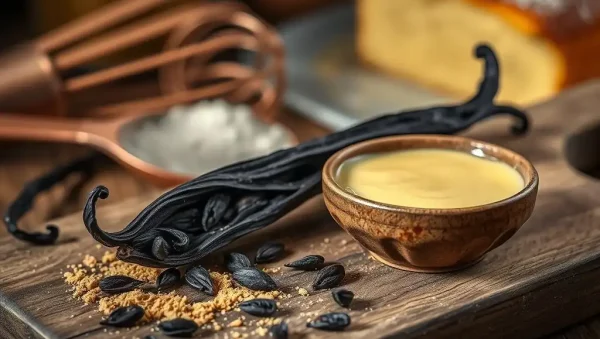
🌟 Discover the enchanting world of vanilla bean baking recipes and learn why those tiny black specks elevate your baked goods. At…
Read article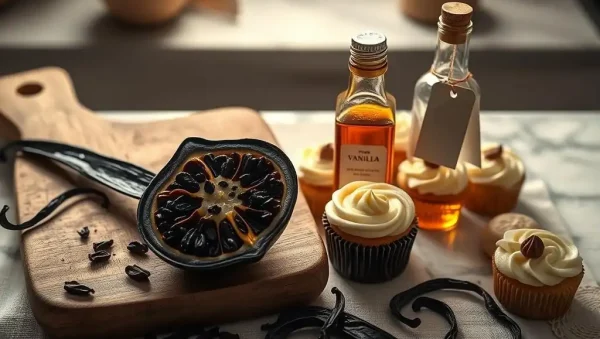
🌟 Discover the key differences in our Vanilla Bean vs Extract cheat sheet, perfect for beginner bakers. Learn how each form enhances…
Read article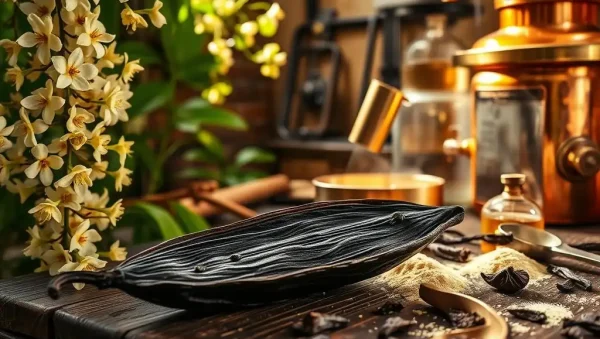
🌍 Discover the fascinating journey of vanilla, from its rich bean origins to the basics of extraction. BakeWithEase.com guides you through understanding…
Read article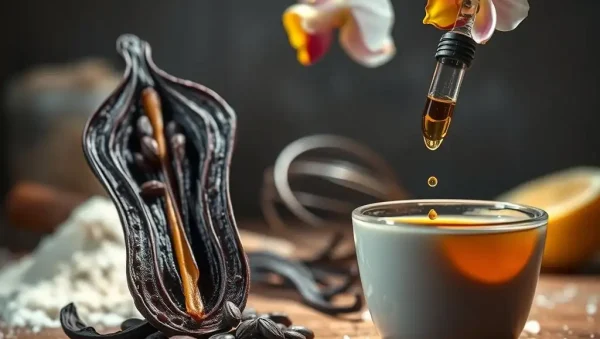
🌟 Unlock the true potential of your baked goods by understanding vanilla bean vs extract. Discover how each enhances flavor differently, helping…
Read article
🌟 Discover the world of vanilla and unlock the perfect vanilla extract recipe for beginners. BakeWithEase.com guides you through understanding vanilla beans,…
Read article
🌟 Discover the key differences between vanilla beans and extract, focusing on vanilla bean shelf life and potency. Learn how storage impacts…
Read article
🌟 Discover the key differences between vanilla bean and vanilla extract with our comprehensive guide on BakeWithEase.com, helping you elevate your baking…
Read article
✨ Discover the key differences in "Vanilla bean vs. extract" to elevate your baking. BakeWithEase.com guides you through choosing the best vanilla…
Read article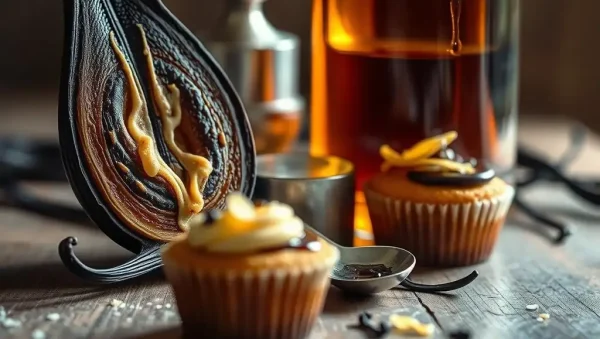
🌟 Dive into the vanilla debate! Discover whether vanilla extract or vanilla bean offers a richer flavor for your baked creations. BakeWithEase.com…
Read article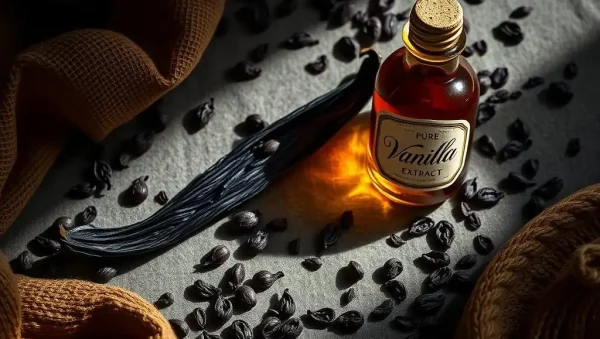
🌟 Discover key vanilla bean quality indicators to ensure premium flavor in your baked goods. Learn how to distinguish between vanilla bean…
Read article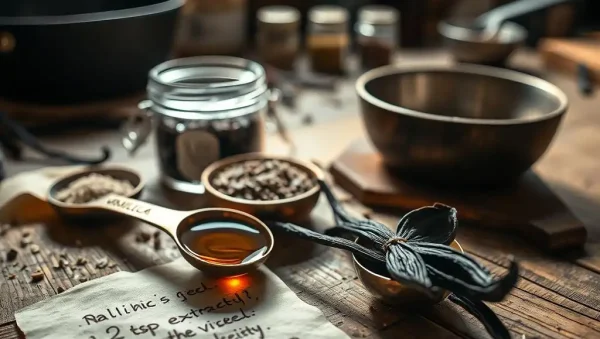
🌟 Discover essential vanilla bean extract substitution tips in our step-by-step guide, perfect for bakers seeking to enhance their recipes. BakeWithEase.com empowers…
Read article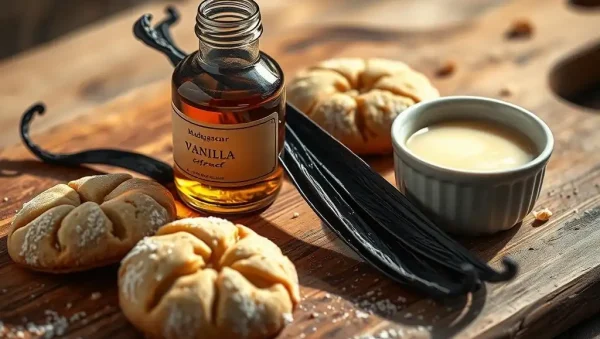
🌟 Discover the differences in our Vanilla Bean Flavor Guide, helping you choose between vanilla bean and extract to elevate your baked…
Read articleWhen you’re standing in the baking aisle, the decision between a plump vanilla bean pod and a bottle of pure vanilla extract can feel surprisingly high-stakes. At BakeWithEase, we believe that understanding your ingredients is the first secret to better baking. This deep dive will walk you through the flavor profiles, cost implications, and proper usage of both forms of vanilla, helping you decide which one fits your recipe, your budget, and your time. Whether you are making a simple batch of sugar cookies or an elaborate crème brûlée, knowing when to use each type is the mark of a truly confident baker.
The most significant difference lies in the taste. A vanilla bean offers a complex, floral, and slightly fruity aroma with tiny black seeds that provide visual speckles in your final product. The flavor is more delicate and layered, with hints of cherry and chocolate that develop slowly on the palate. In contrast, vanilla extract—which is made by macerating beans in alcohol and water—delivers a more robust, immediate, and concentrated vanilla punch, often with a slight alcoholic bite that dissipates during baking.
For recipes where vanilla is the star, such as a panna cotta or a simple vanilla bean ice cream, the bean’s nuanced profile shines. However, in heavily spiced or chocolate-based bakes, the stronger extract often holds its own better. Your choice should depend on whether you want a whisper or a bold statement of vanilla flavor.
There is no sugarcoating it: vanilla beans are expensive, often costing several dollars per pod, while a good bottle of pure extract offers dozens of servings for the same price. However, consider that one bean typically equals about three teaspoons of extract in flavor intensity. For a home baker, keeping a bottle of extract on hand is a smart default, while buying beans on special occasions (like a birthday cake) can make the investment feel worthwhile.
Storage also plays a role. Vanilla extract, with its high alcohol content, has an almost indefinite shelf life and will not spoil if kept in a cool, dark cabinet. Vanilla beans, conversely, are perishable. They need to be stored in an airtight container in a cool place—not the fridge, which can dry them out—and are best used within 6 to 12 months. If you find dried-out beans, you can revive them by soaking in alcohol, which essentially creates a homemade extract.
When a recipe calls for one, you can usually swap the other, but precision matters. For substituting extract for a bean, use 1 to 1.5 teaspoons of pure extract for every 2-inch bean specified. For the reverse, if you only have beans, scrape the seeds from one bean to replace 1 teaspoon of extract. Remember to remove the empty pod and use it to infuse milk or cream for an extra layer of flavor—this is a pro tip we love.
The method of adding them differs too. Extract is simply stirred into your wet ingredients at the end. A vanilla bean requires a little more work: split it lengthwise with a sharp knife, use the back of the knife to scrape out the tiny seeds, and then add both seeds and pod to your warm liquid (like milk or cream) to steep. This technique releases the aroma most effectively, especially in custards and sauces.
Choose real vanilla bean when appearance matters and when the recipe is light and delicate. The signature black specks are a visual cue of quality in white cakes, custards, crème anglaise, panna cotta, and ice creams. These applications are perfect because the milk or cream base has time to steep with the pod, drawing out the full, aromatic depth that extract cannot replicate. If you are serving something to impress, the visual of tiny seeds is an easy indicator of high-end, scratch-made baking.
Additionally, for no-bake desserts like pastry cream or ganache, the alcohol in extract can sometimes leave a slightly sharp, bitter note. The bean’s natural sweetness and low bitterness make it a safer choice for mousses and delicate French buttercreams. In short, save your beans for desserts with a short ingredient list where vanilla can truly take center stage.
For 95% of your daily baking—cookies, brownies, quick breads, and cakes—pure vanilla extract is the efficient and reliable workhorse. It dissolves instantly into batter and provides a consistent flavor every time, making it optimal for baking large batches where the cost of beans would be prohibitive. The alcohol also acts as a flavor enhancer, helping to carry other aromatic compounds in your recipe, which is particularly beneficial in doughs that have a long rise or proofing period, like brioche.
Furthermore, extract is excellent in applications where you do not want the texture of seeds, such as in a smooth buttercream frosting or a clear fruit glaze. It also works wonderfully in recipes that are already rich, like a roux-based cheese sauce where you certainly won’t miss the flecks. For everyday convenience and when baking with children, extract is definitely your best friend.
Yes, you can, but the flavor will be less aromatic and you will miss the beautiful black specks. For a classic vanilla ice cream, use 1.5 teaspoons of extract for the best result. For an even deeper flavor without the bean, steep a split pod in the milk for 30 minutes and then add just a teaspoon of extract for a boost.
We recommend avoiding imitation vanilla. It is made from synthetic vanillin, which gives a one-dimensional, often harsher flavor with a chemical aftertaste when heated. Pure extract costs a little more but provides a rounded, sweet, and woodsy profile that is essential for high-quality baked goods, and you will taste the difference in your finished treats.
Place the bean flat on your cutting board. Use a sharp paring knife to press down and slice open the pod lengthwise from top to bottom, but do not cut through the other side. Then, use the blunt edge of your knife or a small spoon to scrape the sticky pulp and seeds out gently. You can also use your fingers to rub the inside to release every last bit.
Absolutely! Do not throw away the empty pod. The pod still contains significant flavor. Rinse it briefly, dry it, and then place it in a jar of sugar to create vanilla sugar, or store it in a bottle of vodka to make your own extract. Alternatively, you can dry it and grind it into a fine powder to use for a boost in cookie dough.
Yes, quality matters. Look for “pure vanilla extract” that lists alcohol and vanilla beans as the only ingredients. Avoid cheaper versions that add corn syrup or coloring. While a standard Madagascar Bourbon extract is a great all-rounder, you can experiment with Mexican or Tahitian varieties for different floral or woody notes, though these are best used in creams and sauces rather than high-heat baking.