
The Great Vanilla Debate: Bean vs. Extract Which Wins for Flavour?

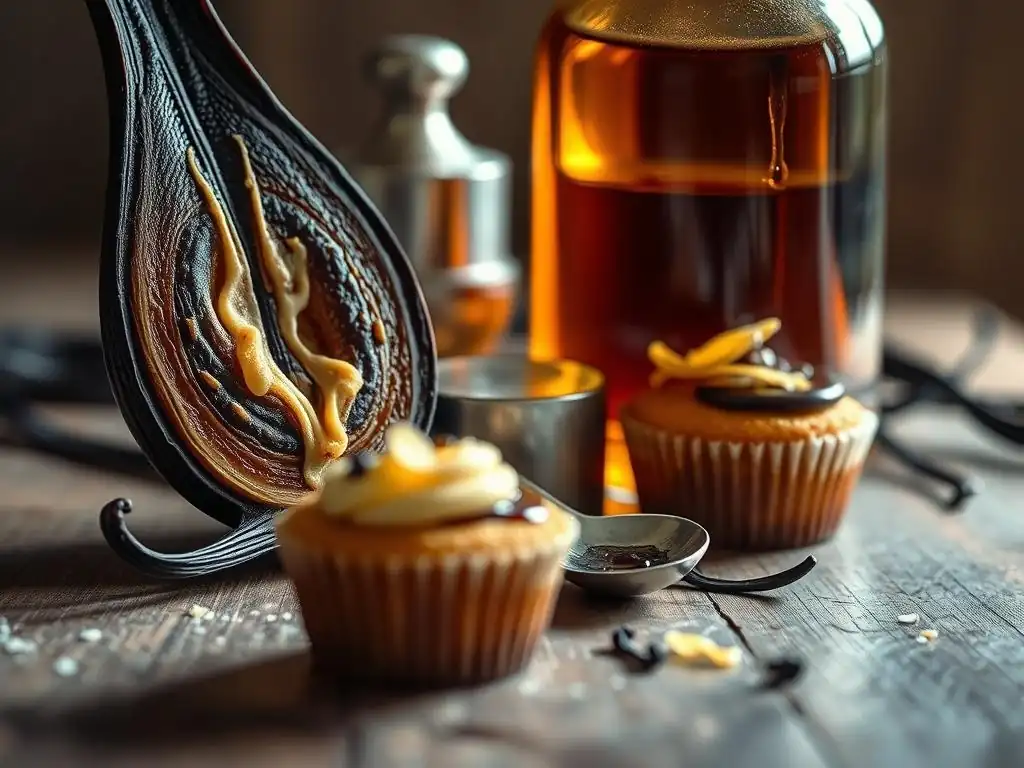
Welcome to BakeWithEase, your haven for baking bliss! Ever wondered if that bottle of vanilla extract truly holds its own against the pure, unadulterated flavour of a vanilla bean? Join us as we delve into The Great Vanilla Debate: Bean vs. Extract, uncovering the secrets behind each and revealing which truly reigns supreme in the world of flavour! Prepare to be surprised – and maybe rethink your next baking project.
- Vanilla Bean vs. Vanilla Extract: Understanding the Key Differences
- Flavor Profile Showdown: Vanilla Bean vs. Extract – A Taste Test
- Baking Applications: Where Each Vanilla Shines
- Cost Comparison: Is Vanilla Bean Worth the Investment?
- Ease of Use: Vanilla Bean vs. Extract in the Kitchen
- Vanilla Extract Quality: Choosing the Best for Baking
- Vanilla Bean Quality: Selecting the Perfect Pod
- Vanilla Bean Substitutes: Alternatives When Beans Are Unavailable
- Storing Vanilla: Maintaining Flavor and Freshness
- The Verdict: Which Vanilla is Best for Your Baking?
- Recipes Using Vanilla Bean (BakeWithEase)
- Recipes Using Vanilla Extract (BakeWithEase)
-
Frequently Asked Questions
- What is the main difference between vanilla extract and vanilla bean?
- Which option, vanilla extract or bean, is generally more cost-effective?
- How does the flavor profile differ between vanilla extract and vanilla bean?
- When should I use vanilla bean instead of vanilla extract in a recipe?
- How do I properly use a vanilla bean in my baking?
- Final Reflection: The Enduring Allure of Authentic Vanilla
- Unlock Your Vanilla Potential: Taste the Difference!
Vanilla Bean vs. Vanilla Extract: Understanding the Key Differences
What is Vanilla Bean? A Deep Dive into the Pod
A vanilla bean, scientifically known as Vanilla planifolia, is the fruit of a specific type of orchid. These beans are cultivated primarily in tropical regions around the world, with major producers including Madagascar, Indonesia, China, Mexico, and Tahiti. The process from flower to finished bean is incredibly labor-intensive, involving hand-pollination of each individual flower and a lengthy curing process that can take several months. This meticulous work contributes significantly to the higher cost of vanilla beans compared to other forms of vanilla.
The vanilla bean itself is a long, slender pod, typically dark brown or black, and slightly wrinkled when properly cured. Inside the pod are thousands of tiny, black seeds, often referred to as "vanilla caviar." These seeds, along with the oily substance surrounding them within the pod, contain the full spectrum of aromatic compounds that give vanilla its complex flavor. While vanillin is the most prominent compound, hundreds of others contribute to the nuanced aroma and taste profile unique to the whole bean.
What is Vanilla Extract? The Science Behind the Flavor
Vanilla extract is made by macerating chopped vanilla beans in a solution of alcohol and water. This process extracts the flavor compounds from the beans into the liquid. The primary flavor compound, vanillin, is highly soluble in alcohol, making it an effective solvent for capturing the essence of vanilla. According to the U.S. Food and Drug Administration (FDA) standard, pure vanilla extract must contain at least 35% alcohol and be made using not less than 13.35 ounces of vanilla beans per gallon of extract.
The extraction process concentrates the vanillin and other soluble compounds, resulting in a liquid that carries the characteristic vanilla flavor. While pure vanilla extract captures many of the notes found in the bean, it typically lacks the subtle nuances and complexity provided by the less soluble compounds and the physical seeds themselves. This is why the flavor profile often differs subtly from that of a whole bean. Imitation vanilla extract, on the other hand, is primarily synthetic vanillin dissolved in alcohol and water, offering a simpler, less complex flavor profile at a much lower cost.
Flavor Profile Showdown: Vanilla Bean vs. Extract – A Taste Test
Vanilla Bean Flavor Characteristics: Richness and Complexity
Using vanilla bean in your baking introduces a flavor experience that is deeply rich, complex, and multi-layered. Beyond the dominant note of vanillin, the whole bean contains hundreds of other volatile organic compounds, including phenols, phenolic ethers, alcohols, carbonyls, acids, esters, lactones, and aliphatic and aromatic carbohydrates. These compounds interact to create subtle notes that can range from smoky and woody to floral, fruity, and even spicy. Imagine the difference between a single musical note and a full chord; that's similar to the difference between extract and bean.
When you use a vanilla bean, especially in recipes where the vanilla flavor is prominent and not masked by other strong ingredients, you get a more authentic and nuanced taste. The tiny seeds within the bean also contribute a visual appeal and a slight textural element, often seen as desirable in high-end desserts like crème brûlée or panna cotta. The flavor develops more slowly and lingers beautifully, offering a truly luxurious vanilla experience that is hard to replicate with extract alone.
Vanilla Extract Flavor Characteristics: Convenience and Versatility
Vanilla extract provides a consistent and reliable vanilla flavor that is easy to incorporate into a wide variety of baked goods. Its liquid form allows it to disperse evenly throughout batters and doughs, ensuring every bite has a uniform vanilla note. While pure vanilla extract does contain compounds beyond just vanillin, its flavor profile is generally more straightforward and pronounced in the main vanilla note compared to the complexity of the whole bean.
The primary advantage of vanilla extract lies in its convenience and efficiency. It requires no scraping or infusion; you simply measure and add it to your mixture. This makes it ideal for recipes like cakes, cookies, and muffins where you need a consistent vanilla presence but the subtle notes of the bean might be less noticeable or desired. The flavor is readily available and integrates seamlessly, making it a staple in virtually every baker's pantry for its ease of use and dependable results.
Baking Applications: Where Each Vanilla Shines
Best Uses for Vanilla Bean in Baking: Custards, Ice Cream, and Infusions
Vanilla bean truly shines in applications where its delicate, complex flavor and visual appeal can take center stage. Custards, such as crème brûlée, pastry cream, and panna cotta, are prime examples. The slow cooking process allows the nuanced flavors from the bean to infuse deeply into the dairy base, resulting in a luxurious, flavorful dessert often flecked with those signature black seeds. Similarly, homemade ice cream benefits immensely from the use of vanilla bean, yielding a rich, creamy base with an unparalleled vanilla depth that artificial flavors simply cannot match.
Infusing liquids, like milk, cream, or simple syrups, with vanilla bean is another excellent use. You can split a bean, scrape out the seeds, add both the seeds and the pod to the liquid, and gently heat it. This process extracts the maximum flavor from the bean, creating a highly aromatic base for sauces, glazes, or drinks. Think of a vanilla bean simple syrup for cocktails or a vanilla-infused cream for whipping – these applications highlight the bean's ability to impart sophisticated flavor.
Vanilla extract is the workhorse of the baking world, perfect for adding reliable vanilla flavor to a vast array of recipes. Its liquid form integrates easily into batters and doughs, making it ideal for cakes, cookies, muffins, brownies, and quick breads. In these applications, the vanilla extract provides a foundational flavor that complements other ingredients without overpowering them. A teaspoon or two can elevate a simple sugar cookie or add depth to a chocolate cake.
Because the flavor of vanilla extract is primarily concentrated vanillin, it holds up well during baking, providing a consistent vanilla note throughout the finished product. It's particularly useful in recipes where you don't want the visual presence of the vanilla seeds or where the cooking time is shorter, not allowing enough time for a bean to fully infuse. For most everyday baking projects, vanilla extract offers the perfect balance of flavor, convenience, and cost-effectiveness.
Cost Comparison: Is Vanilla Bean Worth the Investment?
The Price of Vanilla Beans: Factors Affecting Cost
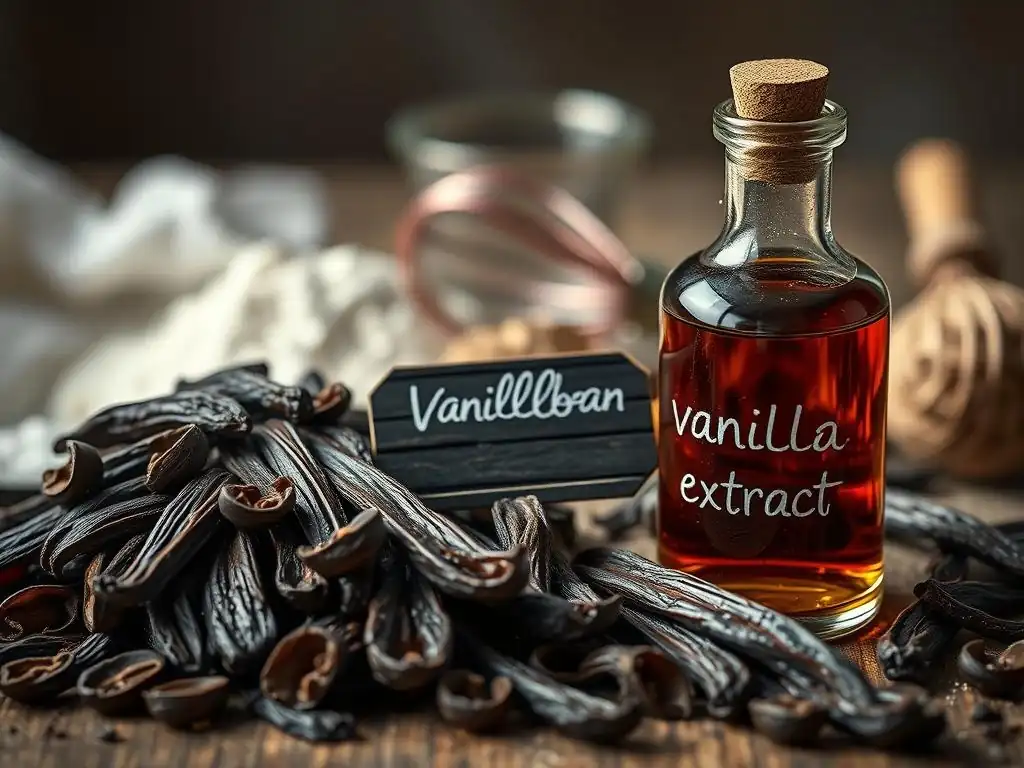
Vanilla beans are significantly more expensive than vanilla extract, and their price can fluctuate dramatically based on global supply and demand, weather conditions in growing regions, and the quality of the harvest. As of late 2023 and early 2024, high-quality Grade A vanilla beans from Madagascar, for instance, might retail anywhere from $5 to $10 or more per bean, depending on size, weight, and vendor. Tahitian vanilla, which has a different flavor profile, can also command high prices.
Several factors contribute to this high cost. As mentioned, the cultivation and curing of vanilla are incredibly labor-intensive, requiring manual pollination and a months-long curing process. The vanilla orchid is susceptible to disease and requires specific climatic conditions. Furthermore, market speculation and natural disasters in key growing areas can cause prices to spike. This makes vanilla beans a premium ingredient, often reserved for recipes where their unique qualities will truly stand out.
The Affordability of Vanilla Extract: Budget-Friendly Baking
Vanilla extract, particularly pure vanilla extract, is considerably more affordable than vanilla beans, making it the more budget-friendly option for most bakers. A standard 4-ounce bottle of pure vanilla extract from a reputable brand might cost anywhere from $8 to $20, depending on the brand and store. Considering that a single bean might cost $5-$10, and you might need multiple beans for certain recipes, the extract offers significantly more vanilla flavor per dollar for general use.
Imitation vanilla extract is even cheaper, sometimes costing only a few dollars for the same size bottle. While it lacks the complexity of pure vanilla, its low cost makes it accessible for bakers on a very tight budget or for applications where the vanilla flavor is not critical or is masked by strong flavors. For routine baking, the cost-effectiveness of vanilla extract makes it the go-to choice for the vast majority of recipes.
Ease of Use: Vanilla Bean vs. Extract in the Kitchen
Working with Vanilla Beans: Scraping, Infusion, and More
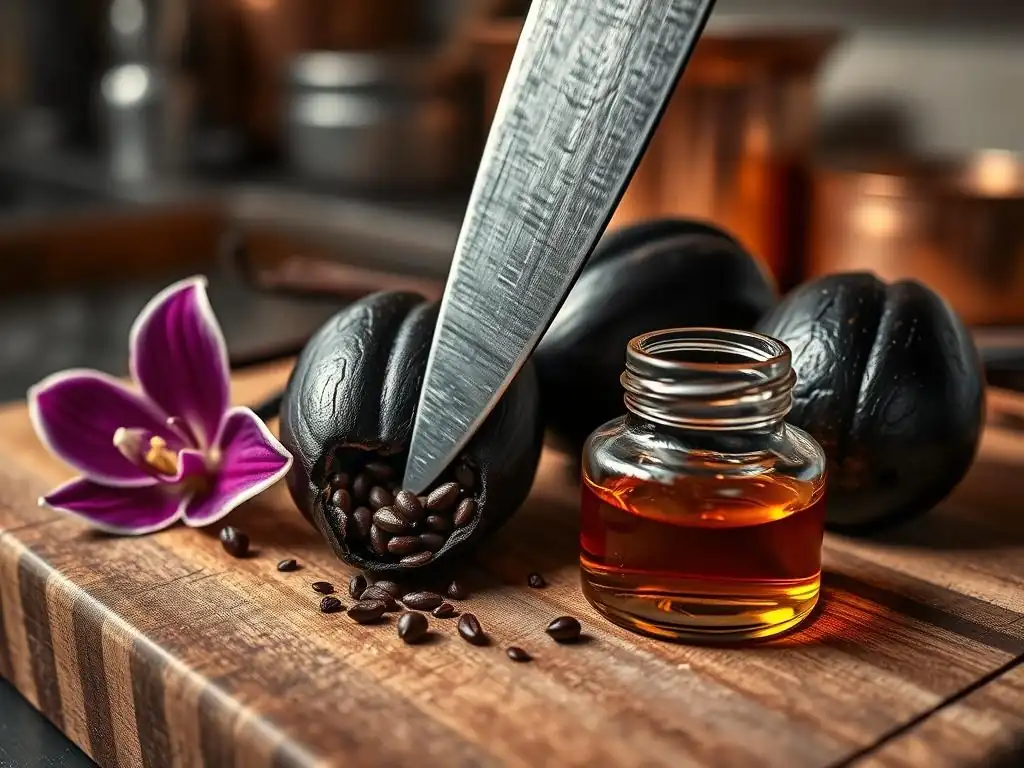
Working with vanilla beans requires a bit more effort than simply measuring a liquid. To access the flavorful seeds (the "caviar"), you typically need to split the bean lengthwise with a sharp knife and then use the back of the knife or a spoon to scrape out the paste inside. This requires a steady hand and can be a bit messy. The scraped-out seeds and the pod itself are then added to the recipe, often by infusing them in a liquid first to maximize flavor extraction.
For infusion, the pod and seeds are heated gently in a liquid (like milk or cream) and then often steeped off the heat for a period before the pod is removed. This process adds an extra step and requires planning. While not difficult, it is more involved than simply pouring from a bottle. However, many bakers find the ritual of working with a vanilla bean part of the joy of creating a special dessert.
Using Vanilla Extract: Simple and Straightforward
Using vanilla extract is incredibly simple, which is one of its major advantages. You just need a measuring spoon and the bottle. The liquid extract is easily measured and poured directly into your batter, dough, or liquid mixture. It integrates quickly and evenly with minimal effort. There's no scraping, no infusing, and no messy pods to discard (though spent vanilla beans can be used to make vanilla sugar! ).
This ease of use makes vanilla extract perfect for busy bakers or for recipes where speed and simplicity are desired. It's the default choice for most everyday baking tasks, from whipping up a batch of chocolate chip cookies to mixing a quick cake batter. The straightforward application ensures consistent results without requiring any special techniques or equipment beyond basic measuring tools.
Vanilla Extract Quality: Choosing the Best for Baking
Understanding Vanilla Extract Grades: Pure vs. Imitation
When choosing vanilla extract, the most important distinction is between "pure vanilla extract" and "imitation vanilla extract." As mentioned, pure vanilla extract is made from real vanilla beans extracted with alcohol and water and must meet specific government standards (like the FDA standard in the US). It contains a complex blend of compounds from the bean.
Imitation vanilla extract, conversely, is primarily made from synthetic vanillin, often derived from petrochemicals or wood pulp. It lacks the hundreds of other compounds found in real vanilla beans. While it provides a recognizable vanilla flavor, it is much simpler and can sometimes have a slightly chemical or artificial note compared to pure extract. For the best flavor in your baking, choosing pure vanilla extract is highly recommended.
What to Look for in a High-Quality Vanilla Extract
Beyond choosing "pure," the quality of vanilla extract can vary based on the type of beans used (e.g., Madagascar, Mexican, Tahitian), the concentration (single fold is standard, double fold is more concentrated), and the extraction process. A high-quality pure vanilla extract should have a rich, complex aroma and flavor that reflects the beans it was made from. Look for extracts that specify the origin of the beans, as this can give you an idea of the flavor profile (Madagascar is classic and creamy, Mexican is smoky/spicy, Tahitian is floral/fruity).
While "single fold" is the standard strength, some brands offer "double fold" or "extra strength" extracts, which contain more vanilla flavor per volume. These are often used by professionals or for applications where a very intense vanilla flavor is desired. Reading reviews and choosing reputable brands known for quality ingredients can also help ensure you're getting a good pure vanilla extract for your baking projects.
Vanilla Bean Quality: Selecting the Perfect Pod
Identifying High-Quality Vanilla Beans: Appearance, Aroma, and Texture
Selecting high-quality vanilla beans is crucial for getting the best flavor. A good vanilla bean should be plump, moist, and flexible – you should be able to gently bend it without it breaking. Avoid beans that appear dry, brittle, or shriveled, as these have likely lost much of their volatile flavor compounds. The color should be a deep, consistent dark brown or black.
A high-quality bean will also have a strong, rich aroma. Smell the bean; it should have that unmistakable sweet, complex vanilla fragrance. Some beans might even have visible vanillin crystals on the surface, which look like tiny, sparkling white or yellowish dots – this is a sign of excellent quality and proper curing. The texture should feel slightly oily or waxy, indicating that the bean is fresh and hasn't dried out.
Vanilla Bean Varieties: Madagascar, Tahitian, and Mexican
Just like coffee beans or wine grapes, vanilla beans have distinct varieties that offer different flavor profiles. Madagascar Bourbon vanilla ( Vanilla planifolia) is the most common and widely used, known for its classic, creamy, and sweet vanilla flavor with notes of caramel. It's a versatile all-rounder.
Tahitian vanilla ( Vanilla tahitensis) has a more floral, fruity, and slightly cherry-like aroma and flavor. It's often preferred for lighter desserts, fruit-based recipes, or perfumery. Mexican vanilla ( Vanilla planifolia) is typically described as having a smoky, spicy, and woody profile, sometimes with notes of clove or nutmeg. These different varieties offer bakers the opportunity to experiment and match the vanilla flavor to the specific characteristics of their recipe.
Vanilla Extract Substitutes: Vanilla Paste, Vanilla Powder
If you don't have vanilla beans on hand but a recipe calls for them, there are a few viable substitutes, though the results may differ slightly in flavor complexity and visual appearance. Vanilla paste is an excellent alternative. It's a thick, syrupy mixture made from vanilla extract and vanilla bean seeds. It offers a concentrated vanilla flavor similar to extract but includes the visible seeds, providing some of the aesthetic appeal of the bean. A common substitution ratio is 1 teaspoon of vanilla paste for 1 vanilla bean.
Another option is vanilla powder, which is made from ground, dried vanilla beans. It contains the full flavor profile of the bean but in a powder form. Vanilla powder is less common but can be useful in dry mixes or as a finishing sprinkle. A typical substitution is 1/2 teaspoon of vanilla powder for 1 vanilla bean, though this can vary. While these substitutes capture some aspects of the bean, they may not perfectly replicate the fresh, nuanced flavor of using a whole, moist vanilla bean.
Storing Vanilla: Maintaining Flavor and Freshness
Proper Storage of Vanilla Beans: Preventing Drying
Proper storage is essential to maintain the quality and freshness of expensive vanilla beans. The worst thing you can do is let them dry out, as this causes them to lose their volatile flavor compounds and become brittle. Vanilla beans should be stored in an airtight container, such as a glass tube or a sealed plastic bag, in a cool, dark place at room temperature. Avoid storing them in the refrigerator, as this can dry them out and potentially cause mold.
Some bakers recommend wrapping beans in plastic wrap before placing them in an airtight container for extra protection against drying. If your beans do start to dry out, you can sometimes revitalize them slightly by placing them in a warm, humid environment for a short time, but prevention is key. Stored correctly, high-quality vanilla beans can maintain their potency for many months.
Proper Storage of Vanilla Extract: Preserving Potency
Storing vanilla extract is much simpler than storing beans, but it's still important to do it correctly to preserve its flavor and potency. Vanilla extract should be stored in a cool, dark place, away from direct sunlight and heat. A pantry or cupboard is ideal. The alcohol content in pure vanilla extract acts as a preservative, giving it a very long shelf life.
Unlike many other ingredients, vanilla extract does not typically expire in a way that makes it unsafe to use. However, over time, especially if not stored properly (e.g., exposed to heat or light), some of the volatile flavor compounds can degrade, resulting in a weaker or less complex flavor. Storing it in its original dark glass bottle helps protect it from light. While it won't go "bad," using extract within a few years of purchase is generally recommended for optimal flavor in your baking.
The Verdict: Which Vanilla is Best for Your Baking?
Factors to Consider: Budget, Flavor Preference, and Recipe Requirements
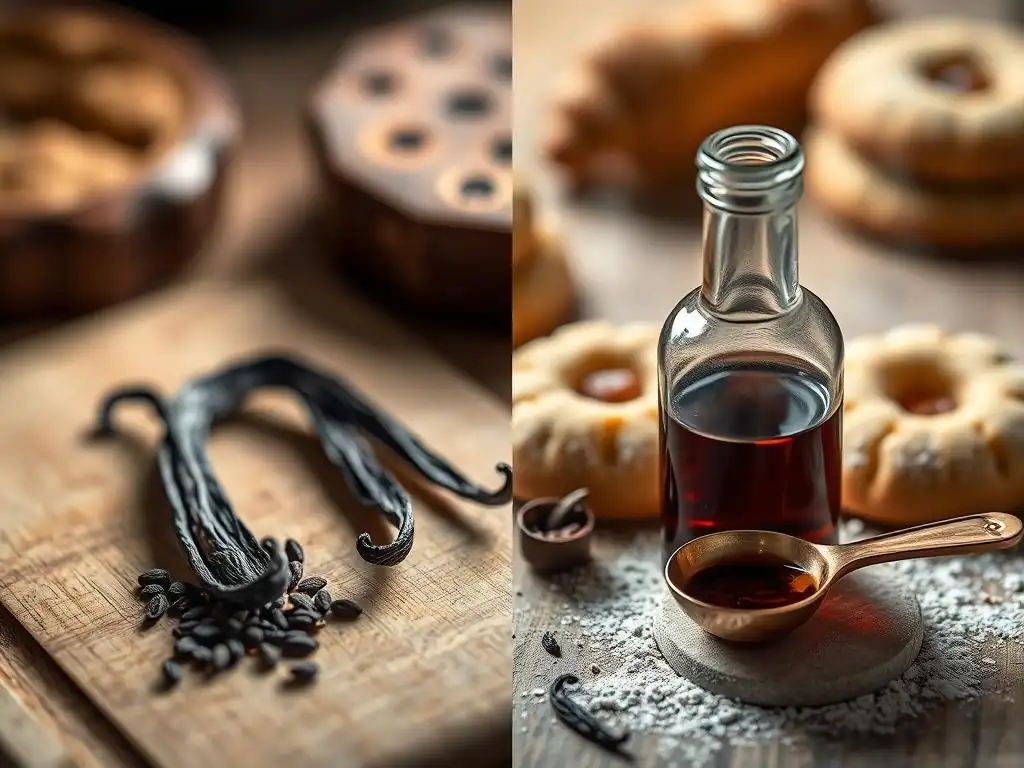
Deciding between vanilla bean and vanilla extract ultimately comes down to several factors tailored to your specific baking project and personal preferences. Your budget is a key consideration; vanilla beans are significantly more expensive than extract, making them a luxury item for many bakers. Consider how much you're willing to spend on the ingredient.
Your flavor preference also plays a role. Do you seek the complex, nuanced flavor and visual appeal of the bean, or is the consistent, classic flavor of extract sufficient? Finally, consider the recipe requirements. For delicate custards or ice cream where vanilla is the star, the bean offers an unparalleled depth. For cookies, cakes, or muffins where vanilla is a supporting player, extract is often perfectly suitable and more convenient.
BakeWithEase's Recommendation: Choosing the Right Vanilla for Every Baking Project
At BakeWithEase, we believe there's a place for both vanilla bean and vanilla extract in the baker's pantry. For those special occasions or recipes where you want to showcase the pure, complex essence of vanilla – think homemade ice cream, crème brûlée, or panna cotta – investing in a high-quality vanilla bean is absolutely worth it. The difference in flavor and presentation is undeniable and elevates the dessert to a new level.
For everyday baking, convenience, and cost-effectiveness, pure vanilla extract is your best friend. It provides reliable, delicious vanilla flavor for everything from sugar cookies and chocolate chip cookies to cakes, brownies, and muffins. Having a good quality pure vanilla extract on hand ensures you can add that essential vanilla note to virtually any recipe with ease. Ultimately, the "best" vanilla is the one that fits your recipe, your budget, and your desired outcome for that particular bake.
Recipes Using Vanilla Bean (BakeWithEase)
Vanilla Bean Crème brûlée
A classic dessert where the rich, complex flavor and visual specks of vanilla bean truly shine. The slow baking of the custard allows the delicate notes of the bean to infuse deeply into the cream and egg base, creating a luxurious texture and unforgettable taste.
Homemade Vanilla Bean Ice Cream
Making ice cream from scratch is a rewarding process, and using a real vanilla bean elevates it significantly. Infusing the milk and cream base with a split vanilla bean imparts a deep, creamy vanilla flavor that store-bought versions often lack. The resulting ice cream is incredibly smooth and flavorful.
Recipes Using Vanilla Extract (BakeWithEase)
Vanilla extract is essential in classic sugar cookies, providing a sweet, aromatic base flavor that complements the butter and sugar. It helps to balance the sweetness and adds depth without overpowering the simple ingredients. A good pure vanilla extract ensures these cookies are perfectly flavored.
Vanilla Bean Cupcakes
While the title might suggest beans, many excellent cupcake recipes call for vanilla extract. The extract integrates seamlessly into the batter, providing consistent vanilla flavor throughout the cake. It helps to enhance the overall sweetness and aroma of the cupcakes, pairing wonderfully with various frostings like classic vanilla buttercream.
Frequently Asked Questions
What is the main difference between vanilla extract and vanilla bean?
Vanilla extract is a liquid infusion of vanilla beans in alcohol, while a vanilla bean is the whole seed pod of the vanilla orchid. The bean offers a more intense and complex flavor.
Which option, vanilla extract or bean, is generally more cost-effective?
Vanilla extract is typically more cost-effective for everyday baking. Vanilla beans are significantly more expensive, especially high-quality varieties.
How does the flavor profile differ between vanilla extract and vanilla bean?
Vanilla beans provide a richer, more nuanced flavor with subtle notes, while vanilla extract offers a more straightforward and consistent vanilla taste.
When should I use vanilla bean instead of vanilla extract in a recipe?
Use vanilla bean when you want a distinctive and luxurious vanilla flavor to shine through, such as in custards, ice cream, or recipes where vanilla is the star.
How do I properly use a vanilla bean in my baking?
Split the bean lengthwise and scrape out the seeds (vanilla caviar). Add the seeds directly to your recipe. You can also infuse the empty pod in milk or cream for added flavor.
Final Reflection: The Enduring Allure of Authentic Vanilla
The quest for the perfect vanilla flavor remains a vibrant pursuit, a testament to the enduring power of this simple yet complex ingredient. The debate between vanilla bean and extract highlights not just a difference in taste, but a fundamental divergence in approach to food and flavor – one prioritizing authenticity and experience, the other convenience and consistency. This choice, seemingly small, reflects a larger conversation about our relationship with food and the value we place on quality versus accessibility.
The impact of this "Great Vanilla Debate" extends far beyond the kitchen. It speaks to a broader cultural shift towards appreciating artisanal products and understanding the provenance of our ingredients. We are increasingly aware of the journey our food takes from farm to table, and this awareness fuels a desire for authenticity. The best things in life are worth waiting for,
a sentiment that resonates deeply when considering the nuanced complexity of a high-quality vanilla bean compared to the more uniform profile of an extract. This desire for authenticity isn't just a fleeting trend; it's a growing movement that demands transparency and quality in everything we consume.
So, what does this mean for you? Consider your own relationship with vanilla. Do you prioritize convenience, or are you willing to invest the time and effort to unlock the full potential of a vanilla bean?
Perhaps this exploration has inspired you to experiment, to try both and discover your own preference. Ultimately, the "winner" of this debate is subjective, but the journey of discovery, the appreciation for the nuances of flavor, and the understanding of the process behind your ingredients – these are the true rewards. Embrace the exploration, savor the experience, and let the aroma of authentic vanilla guide you.
Unlock Your Vanilla Potential: Taste the Difference!
Thanks for diving into the world of vanilla with us! You've now got the knowledge to make informed choices for richer, more flavorful baking. Ready to put your new skills to the test?
- Experiment with both bean and extract: Try a recipe using vanilla bean paste in one batch and vanilla extract in another to directly compare the flavour profiles. Note the differences in intensity and complexity. This is your primary action!
- Share your results: Post your baking creations on social media and tag us @BakeWithEase – we’d love to see your vanilla masterpieces!
- Explore our other flavor guides: Deepen your baking expertise with our guides on other essential ingredients.
So, which vanilla reigns supreme in your kitchen? Let us know in the comments below!