
Building the Perfect Tart: Nutty Crusts and Fillings

Welcome to BakeWithEase!
Ever wondered how to achieve that perfect, melt-in-your-mouth tart? We're diving deep into the secrets of crafting an unforgettable dessert, starting with the foundation: the crust. This week, we're exploring the delightful world of nutty tart crust filling, uncovering tips and tricks to elevate your baking game. Ready to transform your tarts from good to extraordinary? Let's get baking!
- Building the Perfect Tart: Nutty Crusts and Fillings for BakeWithEase
- Introduction to Nutty Tarts: Elevating Your Baking Game
- Mastering the Nutty Tart Crust: A Step-by-Step Guide
- Exploring Delicious Nutty Tart Fillings: From Classic to Creative
- Combining Nutty Crusts and Fillings: Flavor Pairings and Combinations
- Tips and Tricks for Baking the Ultimate Nutty Tart
- Nutty Tart Recipe Variations: Adaptable to Dietary Needs
- Conclusion: Enjoying Your Homemade Nutty Tart Masterpiece
- Frequently Asked Questions
- Final Reflection: The Enduring Allure of the Nutty Tart
- Unleash Your Inner Pastry Chef!
Building the Perfect Tart: Nutty Crusts and Fillings for BakeWithEase
Introduction to Nutty Tarts: Elevating Your Baking Game
Why Choose Nutty Tarts? Flavor and Texture Explained
Nutty tarts offer a delightful departure from traditional pastry, bringing a unique depth of flavor and an exciting textural contrast. The addition of nuts, whether finely ground into the dough or featured prominently in the filling, infuses the tart with rich, often toasted notes that complement both sweet and savory applications.
Think of the warm, earthy aroma of toasted pecans or the subtle, sweet undertones of almonds – these flavors become the backbone of a truly memorable dessert. Beyond flavor, nuts contribute a wonderful crunch or a delicate crumbly texture, creating layers of sensation in every bite that a plain pastry simply can't replicate.
The textural interplay is particularly crucial when building the perfect nutty tart crust filling combination. A crisp, slightly brittle nutty crust provides a sturdy yet yielding base, contrasting beautifully with a smooth, creamy, or even slightly gooey filling. This combination isn't just about taste; it's about the overall sensory experience.
For example, a blind-baked hazelnut crust can offer a delightful snap against a soft chocolate ganache filling, while a more tender almond crust might perfectly cradle a delicate frangipane. Understanding how different nuts behave when baked – some release more oil, affecting flakiness, while others become more brittle – is key to mastering both the nutty tart crust and the delicious fillings they hold.
BakeWithEase's Guide to Nutty Tart Perfection
At BakeWithEase, we believe that baking the perfect nutty tart is an achievable goal for anyone, regardless of their experience level. This guide is designed to walk you through every step, from selecting the best nuts for your crust to crafting exquisite fillings and achieving that flawless finish. We'll demystify the process, providing clear instructions and helpful tips to ensure your success. Whether you're aiming for a classic pecan pie tart or experimenting with a unique pistachio cream filling in an almond crust, we're here to help you elevate your baking skills and confidence.
Our approach focuses on understanding the fundamentals – the science behind ingredients, the importance of technique, and the joy of creative flavor pairings. We'll share insights on achieving a perfectly flaky nutty tart crust, preventing common pitfalls like shrinkage or burning, and developing fillings that are both delicious and structurally sound. From the initial mixing of the dough to the final moments of baking, we'll provide the guidance you need to create nutty tarts that look as stunning as they taste, making you the star of your next gathering.
Mastering the Nutty Tart Crust: A Step-by-Step Guide
Choosing the Right Nuts for Your Tart Crust: Almonds, Pecans, and More
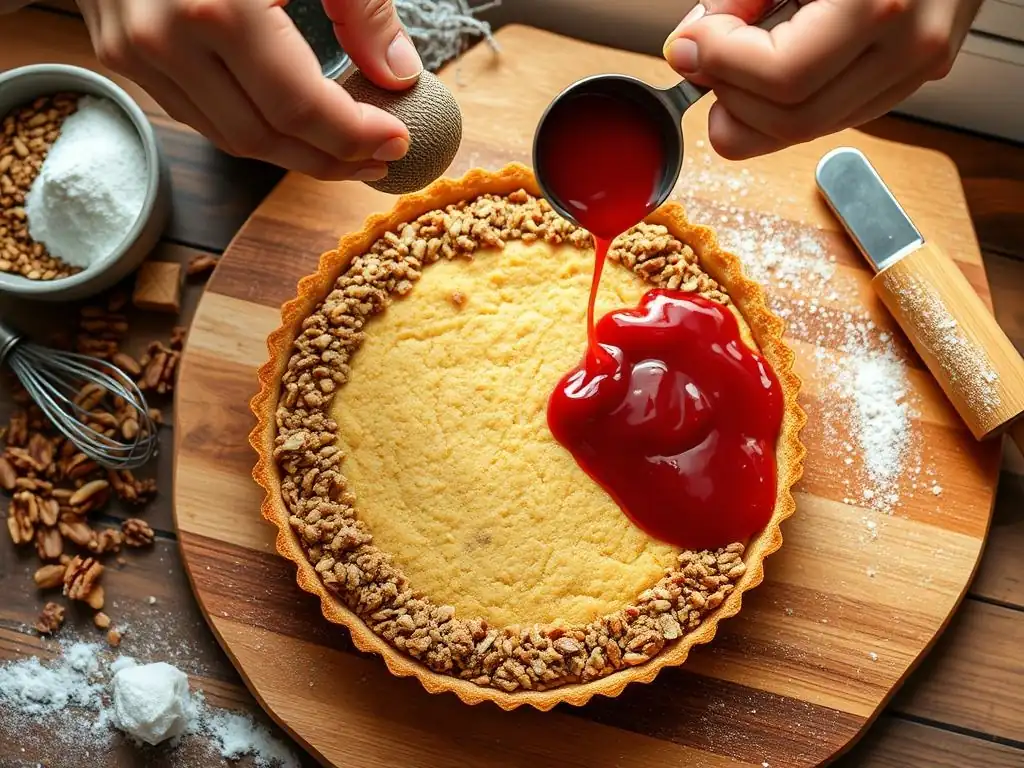
Selecting the appropriate nuts is the first crucial step in crafting a remarkable nutty tart crust. Different nuts bring distinct flavors, textures, and fat content to the dough, all of which impact the final result. Almonds, particularly blanched almond flour or finely ground whole almonds, are incredibly popular due to their mild, slightly sweet flavor and relatively low oil content, which helps create a tender, shortbread-like crust.
Pecans, on the other hand, are richer and oilier, lending a deeper, buttery flavor and a slightly more fragile texture when ground into a crust. Walnuts offer a more robust, slightly bitter note that pairs wonderfully with certain fillings like maple or chocolate.
Other nuts like hazelnuts, pistachios, or even macadamias can also be used, each contributing its unique characteristics. Hazelnuts, often toasted before grinding, provide a warm, earthy flavor profile that's a natural fit for chocolate or coffee-based fillings. Pistachios offer a vibrant color and a delicate, slightly sweet taste.
When choosing nuts, consider the flavor profile of your intended nutty tart crust filling – a light lemon filling might pair better with a subtle almond crust, while a rich caramel would be stunning with a pecan or walnut base. Grinding the nuts very finely is essential for a smooth dough texture, but be careful not to over-process them into a paste, which can happen quickly due to their oil content.
The Key to a Flaky Nutty Crust: Ingredients and Techniques
Achieving a flaky nutty tart crust relies on the same principles as traditional pastry, with the added complexity of the ground nuts. The fundamental ingredients typically include flour, cold fat (like butter or shortening), a binder (often eggs or egg yolks), a little sugar for sweetness and browning, and the star ingredient – finely ground nuts. Keeping the fat and liquid ingredients very cold is paramount.
Cold butter, cut into small pieces or grated, creates pockets within the dough that expand and separate during baking, resulting in layers and flakiness. Overworking the dough is the enemy of flakiness; the goal is to mix just until the ingredients are combined and the dough comes together.
Incorporating the ground nuts requires careful consideration. If using almond flour, it can often replace a portion of the wheat flour directly. If grinding whole nuts, ensure they are very fine and dry (toasting can help with this and enhance flavor). The ratio of nuts to flour can vary, but starting with nuts making up about 25-30% of the total dry ingredients is a good benchmark for noticeable flavor and texture without compromising the crust's structure too much.
Chilling the dough thoroughly before rolling is another non-negotiable step. This allows the gluten to relax and the fat to firm up, making the dough easier to handle and promoting flakiness during baking. A typical nutty tart crust recipe might use roughly 1 ½ cups of flour, ¾ cup finely ground nuts, ½ cup cold butter, and 1-2 tablespoons of ice water or egg yolk.
Achieving the Ideal Fat-to-Flour Ratio for a Tender Crust
The ratio of fat to flour is critical for a tender, melt-in-your-mouth nutty tart crust. A classic shortcrust pastry often uses a fat-to-flour ratio of around 1:2 by weight (e.g., 100g butter to 200g flour). When adding ground nuts, which contain their own fat, you need to adjust this ratio. Including ground nuts effectively increases the overall fat content of the dry ingredients.
If using a recipe that calls for 1 ½ cups flour (approx. 180g) and ¾ cup ground nuts (approx. 75g), the total dry weight is around 255g. To maintain tenderness, the butter (say, 115g or ½ cup) should still be a significant portion, creating a ratio where the total fat (butter fat + nut fat) is well-integrated.
A common method is to replace some of the flour with ground nuts while keeping the butter amount relatively high compared to the remaining flour. For instance, a successful nutty crust might use 1 cup all-purpose flour (120g), ¾ cup ground almonds (75g), and ½ cup (115g) cold butter. Here, the total dry ingredients are 195g, and the butter is 115g, a ratio closer to 1:1.7, which is richer than a standard pastry and contributes to tenderness, especially since the nuts add additional fat.
The key is to incorporate the cold fat into the flour and nut mixture until it resembles coarse meal with some pea-sized pieces remaining. This technique, often called 'cutting in the fat,' is what creates those desirable layers of flakiness and ensures a tender crumb that complements a rich nutty tart crust filling.
Blind Baking Your Nutty Tart Crust: Preventing Soggy Bottoms
Blind baking is an essential technique for many nutty tarts, especially those with wet or creamy fillings that aren't baked for a long time or at a high temperature. It involves partially or fully baking the tart crust before adding the filling. This pre-baking sets the base, preventing it from becoming soggy when the filling is added.
A soggy bottom is a common pitfall in tart making, and blind baking is the most effective defense. The process typically involves lining the chilled, unbaked crust with parchment paper and filling it with pie weights, dried beans, or rice to hold its shape and prevent shrinkage during baking.
For a partially blind-baked crust, you might bake it at 375°F (190°C) for about 15-20 minutes until the edges are set and lightly golden. Then, remove the weights and parchment and bake for another 5-10 minutes until the bottom looks dry but not fully browned. This is ideal for fillings that require further baking.
For a fully blind-baked crust, needed for no-bake fillings like ganache or pastry cream, you'd continue baking after removing the weights for an additional 10-15 minutes until the crust is golden brown all over. Cooling the crust completely before adding the nutty tart crust filling is vital to prevent the residual heat from prematurely cooking or melting the filling.
Troubleshooting Common Nutty Crust Problems: Cracking, Shrinking, and Burning
Even experienced bakers can encounter issues with nutty tart crusts. Cracking is often caused by overworking the dough, insufficient chilling time, or rolling the dough too thin. Overworked dough develops too much gluten, making it elastic and prone to tearing. Insufficient chilling means the fat isn't firm enough to hold the structure during rolling and transfer. To fix cracks, you can often patch them with scraps of dough before or during blind baking. If cracks appear during baking, you can sometimes press them together gently with the back of a spoon.
Shrinking is another common problem, typically resulting from the dough not being properly rested and chilled, allowing the gluten to relax. When the dough goes into the oven cold, the gluten is relaxed, and the fat melts, setting the structure before the dough can pull back significantly. Ensure you chill the dough for at least 30-60 minutes before rolling and another 30 minutes after fitting it into the tart pan. Pressing the dough firmly into the corners of the pan also helps.
Burning, particularly the nuts, can occur if the oven temperature is too high or the crust bakes too long. Nuts can brown quickly. If the crust edges are browning too fast during blind baking, you can use aluminum foil strips to shield them. Monitoring closely is key, especially in the final stages of baking the nutty tart crust.
Exploring Delicious Nutty Tart Fillings: From Classic to Creative
Frangipane Filling: The Almond Classic
Frangipane is a classic nutty tart crust filling, a rich almond cream that bakes up into a moist, cake-like layer, often paired with fruit like pears, berries, or apples. It's a staple in French patisserie and incredibly versatile. The basic frangipane consists of four main components, typically in roughly equal weights: softened butter, granulated sugar, ground almonds (almond flour), and eggs.
A standard recipe might call for 100g softened butter, 100g sugar, 100g almond flour, and 2 large eggs. Some recipes also include a small amount of flour (around 1-2 tablespoons) or cornstarch for structure, or a splash of extract like vanilla or almond.
Making frangipane is straightforward: cream the softened butter and sugar together until light and fluffy, then beat in the eggs one at a time, ensuring each is fully incorporated before adding the next. Finally, fold in the ground almonds and any optional flour or flavorings. The mixture should be smooth and spreadable.
It's typically spread into a partially blind-baked nutty tart crust and then baked until set and golden brown, usually alongside the fruit it accompanies. The almond flavor of the frangipane makes it a natural partner for an almond nutty tart crust, creating a harmonious blend of textures and flavors.
Enhancing Frangipane with Citrus Zest and Liqueurs
While classic frangipane is delicious on its own, it serves as an excellent base for incorporating additional flavors. Citrus zest, such as lemon, orange, or even lime, can add a bright, aromatic counterpoint to the richness of the almond cream. Just a teaspoon or two of finely grated zest, folded in with the almond flour, can significantly lift the flavor profile. For example, a pear and almond tart with a hint of lemon zest in the frangipane is a classic combination that feels both comforting and elegant.
Liqueurs offer another fantastic way to infuse frangipane with complexity. A tablespoon or two of a complementary spirit can add depth and sophistication. Amaretto, an almond-flavored liqueur, naturally enhances the almond flavor. Dark rum or bourbon can add warmth, pairing well with fruit like apples or bananas.
Grand Marnier or Cointreau (orange liqueurs) work beautifully with citrus fruits or chocolate. When adding liqueur, simply stir it into the mixture after the eggs are incorporated. Be mindful that adding too much liquid can affect the texture, so start with a small amount and adjust to taste. This simple step can transform a standard nutty tart crust filling into something truly special.
Pecan Pie Filling: A Southern Comfort
Pecan pie filling is a beloved classic, known for its sweet, gooey texture studded with crunchy pecans. It's traditionally baked in a pastry crust, but it's equally stunning as a nutty tart crust filling, especially when paired with a complementary nutty crust like pecan or even a buttery shortbread.
The core ingredients include pecans, eggs (which provide structure and richness), sugar (often a mix of granulated and brown sugar for depth), corn syrup or maple syrup (for that signature gooeyness and sweetness), melted butter, and vanilla extract. A typical filling for a 9-inch tart might use 1 ½ to 2 cups of pecan halves or pieces, 3-4 large eggs, 1 cup corn syrup, ½ cup sugar, ¼ cup melted butter, and 1 teaspoon vanilla.
The process is straightforward: whisk together the eggs, sugars, syrup, melted butter, and vanilla until well combined. Stir in the pecans. Pour the mixture into the unbaked or partially blind-baked nutty tart crust. The filling will look quite liquid. As it bakes, the eggs will set, and the sugars and syrup will caramelize, creating the characteristic gooey texture. Baking usually takes place at a moderate temperature, around 350-375°F (175-190°C), for 40-60 minutes, until the edges are set but the center is still slightly wobbly. Cooling is crucial for the filling to fully set.
Incorporating Bourbon and Chocolate into Pecan Pie Filling
Elevating the classic pecan pie nutty tart crust filling is easy with additions like bourbon and chocolate. Bourbon adds a wonderful warmth and depth that complements the caramel notes of the filling and the richness of the pecans. A tablespoon or two of good quality bourbon stirred into the filling mixture before adding the pecans can make a significant difference. The alcohol evaporates during baking, leaving behind a complex, nuanced flavor. This works particularly well when using a pecan nutty tart crust, enhancing the overall nutty profile.
Chocolate is another natural partner for pecans. You can incorporate chocolate in several ways. Stirring ½ to ¾ cup of chocolate chips (dark, milk, or semi-sweet, depending on preference) into the filling mixture adds pockets of melted chocolate.
Alternatively, you can spread a thin layer of melted chocolate over the bottom of the partially blind-baked nutty tart crust before adding the pecan filling. This creates a solid layer of chocolate that melts slightly into the filling during baking, adding richness and a delightful contrast to the sweet pecan mixture. These simple additions transform a classic into a truly decadent nutty tart crust filling experience.
Walnut and Maple Filling: A Rich and Decadent Treat
Walnut and maple filling offers a sophisticated and rich flavor profile, pairing the earthy, slightly bitter notes of walnuts with the deep, complex sweetness of maple syrup. This filling is often similar in structure to pecan pie filling but uses walnuts and emphasizes maple syrup as the primary sweetener.
Key ingredients typically include walnuts, eggs, maple syrup (preferably dark or very dark for robust flavor), brown sugar, butter, and vanilla. A recipe for a standard tart might use 1 ½ cups walnuts, 3 large eggs, 1 cup pure maple syrup, ¼ cup brown sugar, ¼ cup melted butter, and 1 teaspoon vanilla.
Preparing the filling involves whisking together the eggs, maple syrup, brown sugar, melted butter, and vanilla until smooth. The walnuts are then stirred in. This mixture is poured into an unbaked or partially baked nutty tart crust, such as one made from walnuts or even a neutral shortcrust. Baking is similar to pecan pie, typically at 350-375°F (175-190°C) for 40-55 minutes, until the filling is set around the edges but still slightly soft in the center. The resulting tart is wonderfully moist and flavorful, with the distinct taste of maple and walnuts shining through.
Balancing Sweetness with a Pinch of Sea Salt in Walnut Maple Filling
The inherent sweetness of maple syrup and brown sugar in a walnut and maple nutty tart crust filling can sometimes be overwhelming. Adding a pinch of sea salt is a simple yet incredibly effective way to balance this sweetness and enhance the overall flavor complexity. Just ¼ to ½ teaspoon of flaky sea salt stirred into the filling mixture before baking can make a world of difference. The salt doesn't make the tart taste salty; instead, it brightens the other flavors, making the maple taste richer and the walnuts more prominent.
Consider using flaky sea salt as a finishing touch as well. Sprinkling a few flakes over the top of the baked and cooled tart just before serving adds a delightful textural contrast and bursts of salty flavor that cut through the richness. This small addition elevates the walnut and maple nutty tart crust filling from merely sweet to truly balanced and sophisticated. It's a technique often used in professional baking to refine sweet dishes and is particularly effective with caramel, chocolate, and nut-based fillings.
Beyond the Basics: Unique Nutty Tart Filling Ideas
While classics like frangipane and pecan are wonderful, the world of nutty tart crust filling possibilities is vast and exciting. Don't be afraid to experiment with different nuts and flavor combinations. One delightful option is a hazelnut praline filling. Praline is made by caramelizing sugar and nuts, then grinding the mixture into a paste or leaving it chunky. A filling can be made by incorporating hazelnut praline paste into a pastry cream or a simple custard base, or even folding crunchy praline pieces into a chocolate ganache. This offers intense nutty flavor and often a lovely textural element.
Another unique idea is a pistachio cream filling. This can be created by making a pastry cream and folding in a significant amount of finely ground pistachios or pistachio paste. Pistachio paste, made from puréed pistachios, provides a vibrant green color and concentrated flavor.
This type of filling pairs beautifully with a nutty tart crust made from almonds or pistachios themselves. Imagine a pistachio cream filling in a delicate almond crust, perhaps topped with fresh raspberries or a light white chocolate ganache. These creative nutty tart crust filling ideas allow you to move beyond traditional recipes and craft truly unique desserts.
Hazelnut Praline Filling and Pistachio Cream Filling
Delving deeper into hazelnut praline filling, the process typically involves making a caramel with sugar and water, adding toasted hazelnuts, pouring it onto a silpat or parchment to cool, and then breaking it up and processing it in a food processor until it reaches a paste consistency (for praline paste) or remains slightly chunky (for praline pieces). This praline can then be used as the base for the nutty tart crust filling.
For a praline cream, you might whisk 50-100g of hazelnut praline paste into a batch of classic pastry cream (made with milk, sugar, egg yolks, and cornstarch/flour). For a praline crunch filling, you could fold 1 cup of roughly chopped praline pieces into a set chocolate ganache or a caramel filling.
Pistachio cream filling offers a delicate yet distinct flavor. To make a vibrant and flavorful pistachio cream, start with a standard pastry cream recipe. Once the pastry cream is cooked and cooled slightly, whisk in 50-75g of high-quality pistachio paste. Ensure the paste is made from 100% pistachios with no added sugar or oil for the purest flavor and color.
The amount can be adjusted based on desired intensity. The resulting cream will be pale green and wonderfully nutty. This nutty tart crust filling works best in a blind-baked crust, as the filling itself does not require further baking to set. Pairing it with a light, crisp almond nutty tart crust allows the subtle pistachio flavor to shine.
Combining Nutty Crusts and Fillings: Flavor Pairings and Combinations
The Perfect Match: Pairing Specific Nuts with Complementary Flavors
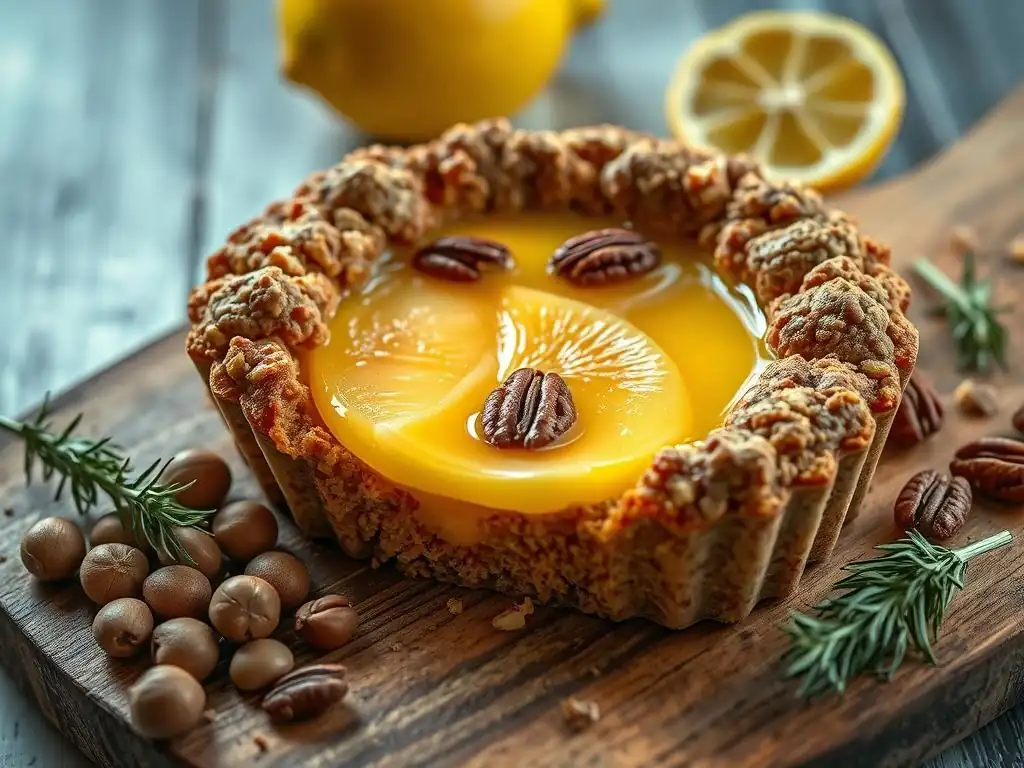
Creating the perfect nutty tart is often about finding the ideal synergy between the nutty tart crust and filling. Certain nuts naturally pair well with specific flavors. Almonds, with their mild, slightly sweet profile, are incredibly versatile. They pair beautifully with fruits like berries, cherries, pears, and apples, as seen in classic frangipane tarts. Almonds also complement chocolate, coffee, and citrus flavors. A blind-baked almond nutty tart crust is a perfect base for a lemon curd or a rich chocolate ganache.
Pecans, with their rich, buttery, and slightly caramel-like notes, are a natural fit for flavors like caramel, chocolate, maple, and bourbon. A pecan nutty tart crust is the obvious choice for a pecan pie filling, but it also works wonderfully with a salted caramel or a chocolate caramel ganache. Walnuts, with their more robust and slightly earthy or bitter undertones, pair exceptionally well with maple, coffee, chocolate, and certain fruits like dates or figs.
A walnut crust can provide a grounding flavor for a sweet maple filling or a dark chocolate mousse. Consider the intensity of both the nut and the filling when planning your combination.
Creating a Balanced Nutty Tart: Sweetness, Acidity, and Texture
A truly exceptional nutty tart achieves balance across several dimensions: sweetness, acidity, and texture. Sweetness is inherent in most tart fillings, but it needs to be managed. Techniques like adding a pinch of salt (as discussed with walnut maple filling) or incorporating an acidic element can prevent the tart from being cloying. Fruit fillings often provide natural acidity, but a squeeze of lemon juice in a cream filling or a layer of tart jam under a frangipane can also achieve this.
Texture is equally important. The contrast between a crisp nutty tart crust and a smooth or creamy filling is fundamental. Consider adding textural elements within the filling or as a topping. Chopped toasted nuts, crunchy praline pieces, fresh fruit, or a drizzle of ganache can add interest.
For example, a smooth chocolate nutty tart crust filling could be topped with roasted hazelnut pieces for crunch. Similarly, a delicate frangipane can be baked with sliced fruit for a softer texture variation. The goal is a harmonious blend where no single element overwhelms the others, creating a delightful experience in every bite.
Almond Crust with Raspberry Frangipane Filling
One classic and delightful nutty tart crust filling combination is an almond crust paired with raspberry frangipane. The delicate, slightly sweet flavor and tender crumb of the almond crust provide a perfect base that doesn't compete with the frangipane. The frangipane itself, an almond cream, intensifies the nutty flavor profile initiated by the crust. Incorporating raspberries, either fresh or frozen, adds bursts of bright, tart flavor that cut through the richness of the frangipane and complement the almonds beautifully.
To create this, a standard almond nutty tart crust is partially blind-baked. The frangipane mixture, perhaps enhanced with a touch of almond extract or lemon zest, is spread into the pre-baked shell. Fresh or frozen raspberries are then scattered over the top before baking. As the tart bakes, the frangipane sets and turns golden, while the raspberries soften and release some of their juices, creating lovely pockets of tartness within the creamy almond filling. This nutty tart crust filling pairing is a testament to how complementary flavors and textures create a harmonious and delicious dessert.
Pecan Crust with Salted Caramel Filling
For a richer, more decadent nutty tart, consider pairing a pecan crust with a salted caramel filling. A pecan nutty tart crust, with its buttery depth and slight chewiness from the ground nuts, provides a sturdy and flavorful foundation that stands up to the intensity of caramel. The salted caramel filling, made from sugar caramelized with butter and cream and finished with sea salt, offers a luxurious texture and a balance of sweet and salty notes that are incredibly addictive.
To prepare this, a pecan nutty tart crust is typically fully blind-baked to ensure it stays crisp under the moist caramel. The salted caramel filling is then poured into the cooled crust. This filling is usually made by melting sugar until it caramelizes to a deep amber color, whisking in warm butter and cream (carefully, as it will steam!
), and then stirring in sea salt. It's crucial to let the caramel cool slightly before pouring it into the crust so it doesn't melt the pastry. The combination of the crunchy pecan crust and the smooth, rich, sweet-and-salty caramel filling is utterly irresistible and a fantastic example of a successful nutty tart crust filling pairing.
Tips and Tricks for Baking the Ultimate Nutty Tart
Ensuring Even Baking: Oven Temperature and Placement
Achieving even baking is key to a perfectly cooked nutty tart, preventing burnt edges or undercooked centers. Oven temperature plays a critical role. Most tarts bake best at moderate temperatures, typically between 325°F and 375°F (160°C and 190°C), depending on the filling. A lower temperature is often preferred for fillings that require gentle setting, like custards or frangipane, allowing them to cook through without curdling or over-browning the crust. Higher temperatures might be used for blind baking or for fillings that set quickly.
Oven placement is also important. For even heat circulation, place the tart on a rack in the center of the oven. If your oven has hot spots, you may need to rotate the tart halfway through the baking time.
Using a baking stone or steel on the rack below the tart can help conduct heat to the bottom of the crust, ensuring a crisp base, especially important for preventing a soggy nutty tart crust filling interface. Always preheat your oven fully before putting the tart in – this ensures the temperature is stable and accurate from the start of baking.
Achieving a Glossy Finish: Egg Wash Techniques
An egg wash is a simple yet effective way to give your nutty tart crust a beautiful, glossy, golden-brown finish. It's typically applied to the edges of the crust before or during blind baking, and sometimes over the entire crust before adding a filling that doesn't require a long bake. A basic egg wash is made by whisking one egg with a tablespoon or two of milk, cream, or water. The liquid helps make the wash thinner and easier to apply evenly.
For a very shiny finish, use only the egg yolk mixed with a little liquid. For a softer sheen, use a whole egg with liquid. Applying the wash with a pastry brush in light, even strokes ensures a consistent color.
Be careful not to let the wash pool in the crimped edges, as this can lead to uneven browning. Applying the egg wash towards the end of the blind baking process (after removing weights) can also help achieve a rich, golden color without the wash burning before the crust is cooked. This simple step elevates the visual appeal of your nutty tart crust significantly.
Storing Your Nutty Tart: Maintaining Freshness and Flavor
Proper storage is essential to keep your homemade nutty tart tasting its best. The method depends largely on the type of nutty tart crust filling. Tarts with creamy fillings like frangipane, pastry cream, or fruit fillings should generally be stored in the refrigerator due to their perishable ingredients. Cover the tart loosely with plastic wrap or store it in an airtight container to prevent it from drying out or absorbing odors from the fridge. Most refrigerated tarts are best consumed within 3-4 days.
Tarts with fillings like pecan or walnut/maple that are primarily sugar and nuts can often be stored at cool room temperature for a day or two, especially if they don't contain dairy cream that requires refrigeration. However, for longer storage or in warm climates, refrigeration is recommended. To prevent condensation from making the crust soggy, you can place a paper towel under the tart in its container. For longer storage, many tarts can be frozen, either whole or in slices.
Wrap the cooled tart tightly in plastic wrap and then in foil. Thaw in the refrigerator before serving. A nutty tart crust may lose some crispness after freezing, but the flavor of the nutty tart crust filling will remain largely intact.
Nutty Tart Recipe Variations: Adaptable to Dietary Needs
Gluten-Free Nutty Tart Crust Options
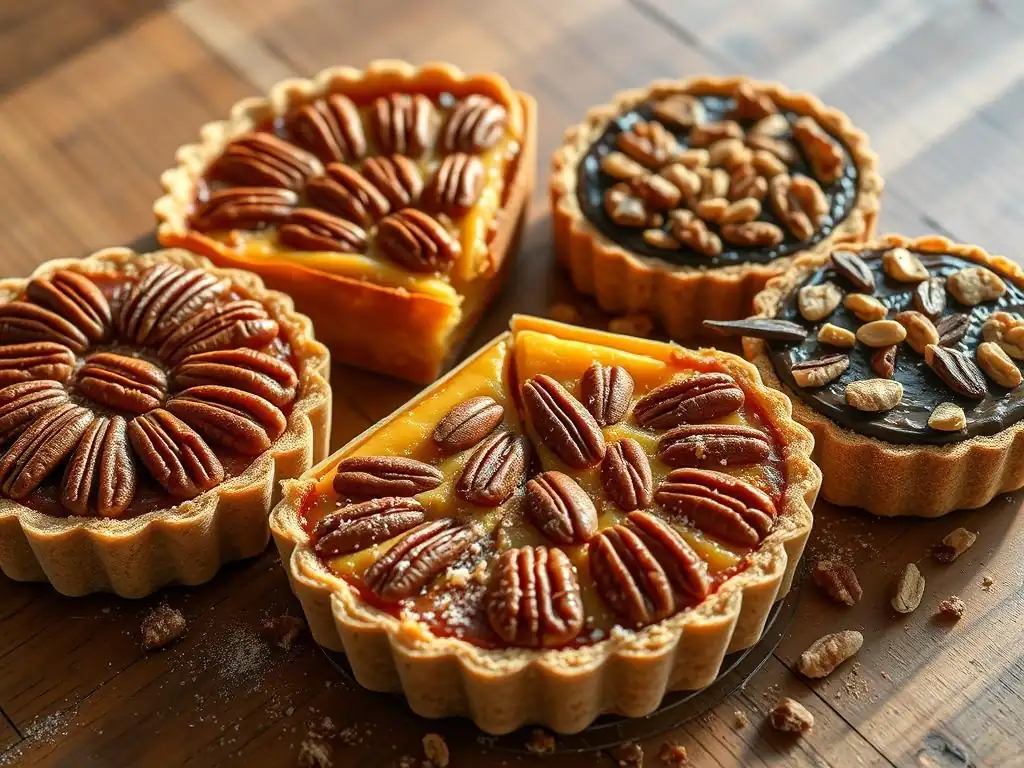
Creating a delicious nutty tart is possible even for those following a gluten-free diet. The presence of nuts in the crust naturally lends itself to gluten-free adaptations. Gluten-free nutty tart crusts typically use a blend of gluten-free flours (like rice flour, almond flour, or a commercial gluten-free blend) combined with finely ground nuts. Almond flour is a popular choice, often making up a significant portion of the 'flour' component alongside other gluten-free starches. For example, a gluten-free almond crust might use 1 cup almond flour, ½ cup gluten-free all-purpose flour blend, ½ cup cold butter, and 1 egg yolk.
The technique for gluten-free nutty crusts is similar to traditional methods: keep ingredients cold, work quickly, and chill the dough thoroughly. Because gluten-free dough can be more fragile, it's sometimes easier to press it directly into the tart pan rather than rolling it out.
Using a recipe specifically designed for gluten-free baking is recommended to ensure the correct balance of flours and binders (like xanthan gum, often included in GF blends) for structure. A well-made gluten-free nutty tart crust can be just as tender and flavorful as its traditional counterpart, providing a fantastic base for any nutty tart crust filling.
Vegan Nutty Tart Filling Alternatives
Many classic nutty tart crust fillings can be adapted to be entirely vegan, ensuring everyone can enjoy these delicious desserts. Frangipane, for instance, can be made vegan by replacing butter with vegan butter or coconut oil, and eggs with a combination of plant-based milk (like almond or soy), cornstarch or flour for thickening, and perhaps a little turmeric for color or apple sauce/flax egg for binding. A vegan frangipane might use 100g vegan butter, 100g sugar, 100g almond flour, 2-3 tbsp plant milk, and 1 tbsp cornstarch.
Pecan and walnut/maple fillings, which traditionally rely on eggs for setting, can be made vegan using alternatives like cornstarch, arrowroot starch, or agar-agar as thickeners. Silken tofu or cashew cream can also provide richness and structure. Vegan butter and plant-based milk or cream replace dairy. A vegan pecan nutty tart crust filling might use pecans, maple syrup, brown sugar, vegan butter, vanilla, and cornstarch whisked with plant milk to create a thick base that sets upon baking. These vegan adaptations allow the delightful flavors of a nutty tart crust filling to be accessible to a wider audience.
Reducing Sugar in Your Nutty Tart Recipes
For those looking to reduce sugar intake, it is possible to modify nutty tart recipes, though it requires careful adjustment as sugar contributes to texture, browning, and structure as well as sweetness. In nutty tart crusts, sugar often aids in browning and tenderness. You can often slightly reduce the sugar amount (by 15-25%) without drastically affecting the outcome, though the crust may be less golden. Using alternative sweeteners can also work, but be aware that they may affect texture and browning differently.
For nutty tart crust fillings, reducing sugar is more complex, especially in recipes like pecan pie where sugar is fundamental to the texture. In fillings like frangipane or creamy custards, you can often reduce the sugar by 20-30% without completely compromising the structure, relying more on the natural sweetness of the nuts or accompanying fruit. Using unsweetened almond flour or nuts in the crust and a less sweet filling allows the natural nutty flavor to come forward. Experimentation is key when reducing sugar, starting with small adjustments and noting the results.
Conclusion: Enjoying Your Homemade Nutty Tart Masterpiece
You've journeyed through the process of building the perfect nutty tart, from selecting the right nuts for your crust to exploring a variety of delicious nutty tart crust filling options and mastering essential techniques. Whether you chose a classic almond frangipane or ventured into unique combinations like pecan and salted caramel, you now have the knowledge and confidence to create a truly stunning dessert. The interplay of textures and flavors in a nutty tart – the crisp, flavorful crust yielding to a rich, complementary filling – is a delight that makes the effort incredibly rewarding.
Baking a nutty tart is more than just following a recipe; it's an opportunity to explore ingredients, refine techniques, and express your creativity in the kitchen. Each tart you bake will teach you something new, helping you perfect your craft. So, take pride in your homemade nutty tart masterpiece. Share it with friends and family, or simply savor a slice yourself with a cup of tea or coffee. The satisfaction of creating something so delicious from scratch is immense, and we hope this guide has empowered you to dive into the wonderful world of nutty tarts.
BakeWithEase: Your Partner in Baking Success
At BakeWithEase, our mission is to make baking accessible, enjoyable, and successful for everyone. We strive to provide clear, detailed guides and resources to help you master new techniques and expand your baking repertoire. Building the perfect nutty tart, with its intricate balance of nutty tart crust and filling, is a rewarding challenge, and we are here to support you every step of the way.
We encourage you to revisit this guide, experiment with different nutty tart crust filling combinations, and adapt recipes to suit your taste and dietary needs. Baking is a journey of continuous learning and delicious discovery. Keep practicing, keep exploring, and most importantly, keep baking with ease and joy!
Frequently Asked Questions
How do I ensure my nutty tart crust doesn't become soggy?
Preventing a soggy crust involves blind baking the crust first and using a fat barrier, like melted chocolate, between the crust and filling. This creates a protective layer.
What are some good nut options for a nutty tart crust?
Popular choices include almonds, walnuts, and pecans. Consider toasting them first to enhance their flavor and create a deeper, richer taste in the crust.
Can I use a store-bought crust for a nutty tart?
While possible, a homemade nutty crust offers a superior flavor and texture. If using store-bought, be sure it's a high-quality brand that complements the filling.
What type of filling works best with a nutty tart crust?
Fillings like chocolate ganache, caramel, or fruit curds pair exceptionally well. The nutty flavor complements both sweet and tangy fillings perfectly.
How do I prevent the filling from cracking while baking?
Bake the tart at a low temperature, and use a water bath if necessary. Letting the tart cool slowly also helps prevent temperature shock and cracking.
Final Reflection: The Enduring Allure of the Nutty Tart
The perfect nutty tart is more than just a delicious dessert; it's a testament to the power of simple ingredients elevated by skillful technique. From the satisfying crunch of the crust to the rich, nuanced flavors of the filling, each bite tells a story of careful craftsmanship and culinary passion. This journey through nutty tart variations highlights the surprising versatility of nuts, showcasing their ability to transform a simple pastry into a truly unforgettable experience.
The influence of nuts in baking, and specifically in tarts, transcends mere culinary trends; it speaks to a deep-seated human appreciation for natural flavors and textures. Nuts have been a staple ingredient across cultures for centuries, symbolizing abundance and prosperity. Their incorporation into desserts like the tart elevates them from simple snacks to sophisticated culinary creations. The best things in life are simple,
a common adage, rings particularly true when considering the elegant simplicity and profound satisfaction derived from a perfectly executed nutty tart.
Now, consider your own culinary adventures. What nutty combinations excite your palate? What textures and flavors resonate most deeply with you? I encourage you to experiment, to embrace the imperfections, and to discover the joy of creating your own signature nutty tart. Let the knowledge gained from this exploration inspire you to venture beyond the familiar, to push your culinary boundaries, and to share the delicious results with those you love. The perfect nutty tart awaits your creation.
Unleash Your Inner Pastry Chef!
Thanks for joining us on this delicious journey into the world of tarts! We hope you’ve gained some inspiration and new techniques for creating truly exquisite desserts. Ready to put your newfound knowledge to the test?
- Master the nutty crust: Try baking one of the crust recipes from the article – the pecan version is a particular favorite! Let us know how it turns out.
- Share your tart triumphs: Post a picture of your creation on social media using #BakeWithEaseTart and tag us – we'd love to see your beautiful bakes!
- Explore more nutty recipes: Dive deeper into our recipe archives for even more delicious nutty creations beyond tarts.
What unique twist will you add to your next nutty tart masterpiece?