
Beyond Bread: Creative Ways to Use Sunflower Seeds in Baking

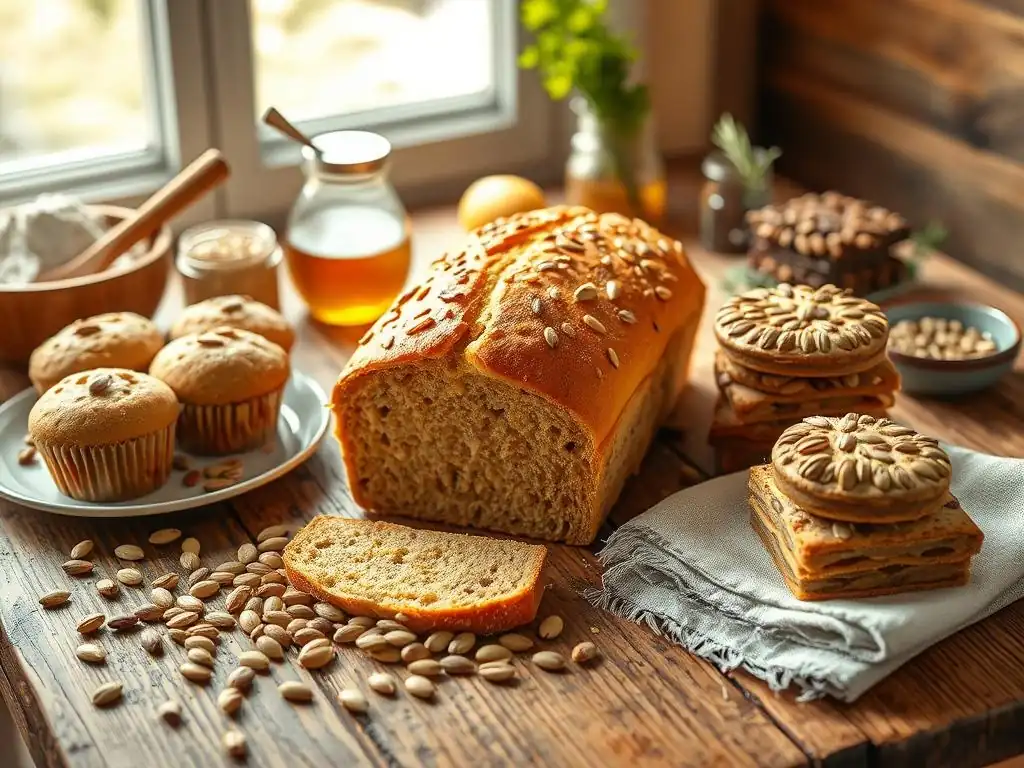
Welcome to BakeWithEase, your trusted guide to the delicious world of baking!
Ready to elevate your baking game beyond the ordinary? This week, we're diving deep into a surprising and versatile ingredient: sunflower seeds. Forget just sprinkling them on top – discover truly creative and flavorful sunflower seeds baking recipes that will transform your pastries, breads, and more. Curious to see how these little seeds can unlock a whole new dimension of taste and texture? Let's get baking!
- Beyond Bread: Creative Ways to Use Pumpkin Seeds in Baking
- Introduction to Baking with Pumpkin Seeds
- Pumpkin Seed Baking Recipes: A Deep Dive
- Creative Pumpkin Seed Baking Ideas
- Tips and Tricks for Successful Pumpkin Seed Baking
- Elevating Your Baking with Pumpkin Seeds: Advanced Techniques
- Conclusion: Unleashing the Potential of Pumpkin Seeds in Your Baking
-
Frequently Asked Questions
- How can sunflower seeds enhance the texture of baked goods?
- What are some creative ways to incorporate sunflower seeds beyond just adding them as a topping?
- Are there specific types of sunflower seeds best suited for baking?
- Can sunflower seeds be used as a substitute for other nuts in baking recipes?
- How should sunflower seeds be stored to maintain their freshness for baking?
- Final Reflection: Unlocking the Sunny Potential of Sunflower Seeds
- Unleash Your Inner Seed-Sational Baker!
Beyond Bread: Creative Ways to Use Pumpkin Seeds in Baking
Introduction to Baking with Pumpkin Seeds
Why Pumpkin Seeds are a Baker's Best Friend
Pumpkin seeds, often overlooked beyond their role as a festive snack, hold incredible potential in the world of baking. Their unique characteristics make them a versatile ingredient, capable of enhancing both the texture and flavor of countless baked goods. From adding a satisfying crunch to a rustic loaf to contributing a subtle, earthy nuttiness to sweet treats, pumpkin seeds can elevate your baking creations in unexpected ways. They are particularly valuable for the textural contrast they provide against softer crumb structures, whether sprinkled on top, folded into batter, or incorporated into a crust.
Beyond their sensory appeal, pumpkin seeds are remarkably adaptable. They can be used whole, chopped, ground into flour, or even transformed into butter. This flexibility means they can feature in everything from hearty breads and muffins to delicate cookies and cakes. Their vibrant green color, especially noticeable when used whole or roughly chopped, also adds a visual appeal to baked goods, making them look as good as they taste. Whether you're aiming for a wholesome, seedy texture or a fine, nutty flavor, pumpkin seeds offer a range of possibilities for the adventurous baker exploring new pumpkin seeds baking recipes.
Exploring the Nutritional Benefits of Pumpkin Seeds in Baked Goods
Incorporating pumpkin seeds into your baking isn't just about flavor and texture; it also boosts the nutritional profile of your treats. These small seeds are packed with beneficial nutrients. They are a good source of magnesium, a mineral crucial for bone health and muscle function, offering approximately 156 milligrams per ounce (about 28 grams). They also contain zinc, important for immune function and cell growth, providing around 2.5 milligrams per ounce. These micronutrients are retained through the baking process, adding valuable dietary support to your favorite muffins, breads, and cookies.
Furthermore, pumpkin seeds are rich in healthy fats, including omega-6 fatty acids, and are a decent source of plant-based protein, with about 5-7 grams per ounce. They also contribute dietary fiber, aiding digestion and promoting a feeling of fullness. While baking can slightly alter some nutrient profiles, the core benefits of healthy fats, protein, fiber, and minerals largely remain. Adding a handful of pumpkin seeds to your pumpkin seeds baking recipes can transform a simple baked good into a more nutrient-dense option, making your indulgence a little healthier.
Pumpkin Seed Baking Recipes: A Deep Dive
Pumpkin Seed Flour: A Gluten-Free Baking Alternative
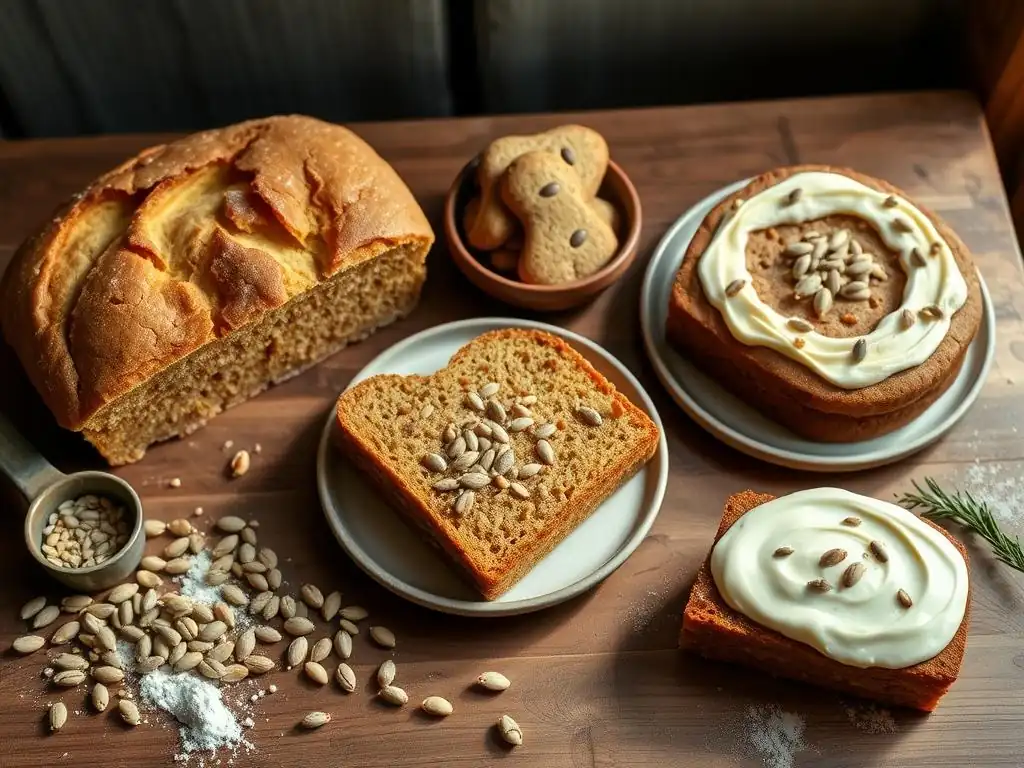
Pumpkin seed flour is a fantastic gluten-free alternative that brings a unique flavor and nutritional punch to baked goods. It's made by grinding raw or lightly toasted pumpkin seeds into a fine meal. Unlike traditional wheat flour, it contains no gluten, making it suitable for individuals with celiac disease or gluten sensitivity.
Its texture is slightly coarser than wheat flour, and it imparts a noticeable nutty, earthy flavor and a subtle green hue to the finished product. When using pumpkin seed flour, it's important to remember that it behaves differently than wheat flour; it often requires adjustments to liquid content and may benefit from combining with other gluten-free flours for optimal structure in pumpkin seeds baking.
Using pumpkin seed flour is particularly effective in recipes where a dense, moist crumb is desired, such as muffins, quick breads, and certain types of cookies. It can also be used as a partial substitute for wheat flour in some traditional recipes to add flavor and nutrition, typically replacing 1/4 to 1/2 of the wheat flour. Because it lacks gluten, which provides structure, using it as a sole flour requires recipes specifically developed for gluten-free baking. Experimenting with different ratios in your pumpkin seeds baking is key to finding the perfect balance of flavor, texture, and structure.
Toasted Pumpkin Seeds: Enhancing Flavor and Texture
Toasting pumpkin seeds is a simple yet transformative step that unlocks their full flavor potential and enhances their crunchy texture, making them ideal for pumpkin seeds baking. The heat of toasting causes the natural oils within the seeds to warm and release more aromatic compounds, resulting in a deeper, nuttier, and more complex flavor profile compared to raw seeds.
The process also makes the seeds delightfully crisp, adding a satisfying bite to baked goods that might otherwise be soft or uniform in texture. Toasting can be done dry in a skillet or oven, or with a little oil for added richness.
The best way to toast pumpkin seeds for baking is often in a preheated oven at a moderate temperature, around 300-325°F (150-160°C), for 10-15 minutes, stirring occasionally. You'll know they're ready when they become fragrant and turn a slightly deeper shade of green or brown. Avoid high heat, which can burn them quickly.
Toasted seeds are perfect for sprinkling on top of muffins, breads, or cakes before baking, adding into granola bars for extra crunch, or incorporating into cookie dough or batters for textural interest throughout. They are a simple addition that significantly enhances the quality of your pumpkin seeds baking.
Creative Pumpkin Seed Baking Ideas
Pumpkin Seed Bread: A Rustic and Flavorful Loaf
Adding pumpkin seeds to bread creates a loaf that is both visually appealing and wonderfully textured. The seeds can be incorporated directly into the dough, where they soften slightly during baking but still provide little pockets of chewiness and nutty flavor. Alternatively, they can be generously sprinkled on the crust, providing a delightful crunch and a beautiful speckled appearance. This type of bread works well in both savory and slightly sweet contexts, pairing wonderfully with soups, salads, or simply enjoyed with butter.
Pumpkin seed bread often boasts a rustic quality, especially when made with whole wheat or a blend of flours. The seeds contribute not just texture and flavor, but also a touch of nutritional value to each slice. Whether you're making a classic yeast-leavened loaf, a quick soda bread, or a tangy sourdough, pumpkin seeds are a welcome addition. They integrate well into the dough, providing structure and moisture retention while ensuring every bite offers that satisfying seedy element that makes pumpkin seeds baking so enjoyable.
Recipe: Classic Pumpkin Seed Bread with Rosemary
This recipe focuses on a rustic, savory loaf where pumpkin seeds are incorporated into the dough and generously sprinkled on top. The addition of fresh rosemary complements the earthy flavor of the seeds beautifully. Expect a loaf with a hearty crumb and a crunchy, aromatic crust, perfect for slicing and serving alongside a meal or toasting for a flavorful snack. The seeds within the loaf add a subtle chew, while those on the crust provide a satisfying pop.
Pumpkin seeds can bring an exciting textural dimension and a unique flavor profile to cookies, whether you prefer them sweet or savory. In sweet cookies, they pair wonderfully with ingredients like chocolate chips, dried fruit, or warm spices, adding a contrasting crunch to chewy or crisp textures. Their mild, nutty flavor doesn't overpower other ingredients but adds a pleasant depth. For savory cookies or crackers, pumpkin seeds contribute to a satisfyingly crunchy bite and a distinct, earthy taste that complements herbs and cheeses.
Using pumpkin seeds in cookies is straightforward – they can be folded directly into the dough, used as a topping before baking, or even partially ground and mixed with flour. Toasted seeds are particularly good for adding maximum flavor and crunch. Whether you're making classic drop cookies, slice-and-bake logs, or rolled and cut shapes, pumpkin seeds are a simple way to elevate your cookie game and add a touch of wholesome goodness to your pumpkin seeds baking repertoire.
Recipe: Chewy Pumpkin Seed and Chocolate Chip Cookies
Imagine a classic chocolate chip cookie elevated with the addition of crunchy pumpkin seeds. This recipe yields cookies that are delightfully chewy in the center with slightly crisp edges, studded with both gooey chocolate chips and satisfyingly firm pumpkin seeds. The combination of sweet chocolate and the earthy nuttiness of the seeds creates a complex and appealing flavor profile. The seeds add a perfect textural contrast to the soft cookie dough.
Pumpkin Seed Muffins: A Nutritious Breakfast Option
Muffins are a fantastic vehicle for incorporating nutritious ingredients like pumpkin seeds, making them an ideal breakfast or snack option. Pumpkin seeds add a lovely texture to the muffin crumb and a subtle nutty flavor. They can be mixed directly into the batter or sprinkled generously on top before baking for added crunch and visual appeal. Paired with ingredients like fruit, spices, or whole grains, pumpkin seeds help create a more wholesome and satisfying muffin.
The structure of muffins is very forgiving, making it easy to experiment with adding various amounts of pumpkin seeds. Whether you're making light and fluffy muffins or denser, more cake-like versions, pumpkin seeds integrate seamlessly. They contribute healthy fats and fiber, turning a simple baked good into a more substantial and beneficial treat. Adding pumpkin seeds to your muffin recipes is a simple step towards more nutritious and textured pumpkin seeds baking.
Recipe: Spiced Pumpkin Seed and Cranberry Muffins
These muffins are a delightful combination of warm spices, tart cranberries, and crunchy pumpkin seeds. The batter is infused with cinnamon, nutmeg, and ginger, creating a comforting aroma as they bake. Tart dried cranberries provide bursts of bright flavor, while pumpkin seeds mixed into the batter and sprinkled on top add texture and a nutty undertone. The result is a moist, flavorful muffin with a delightful crunch, perfect for a cozy morning.
Pumpkin Seed Granola Bars: Homemade Energy Boosters
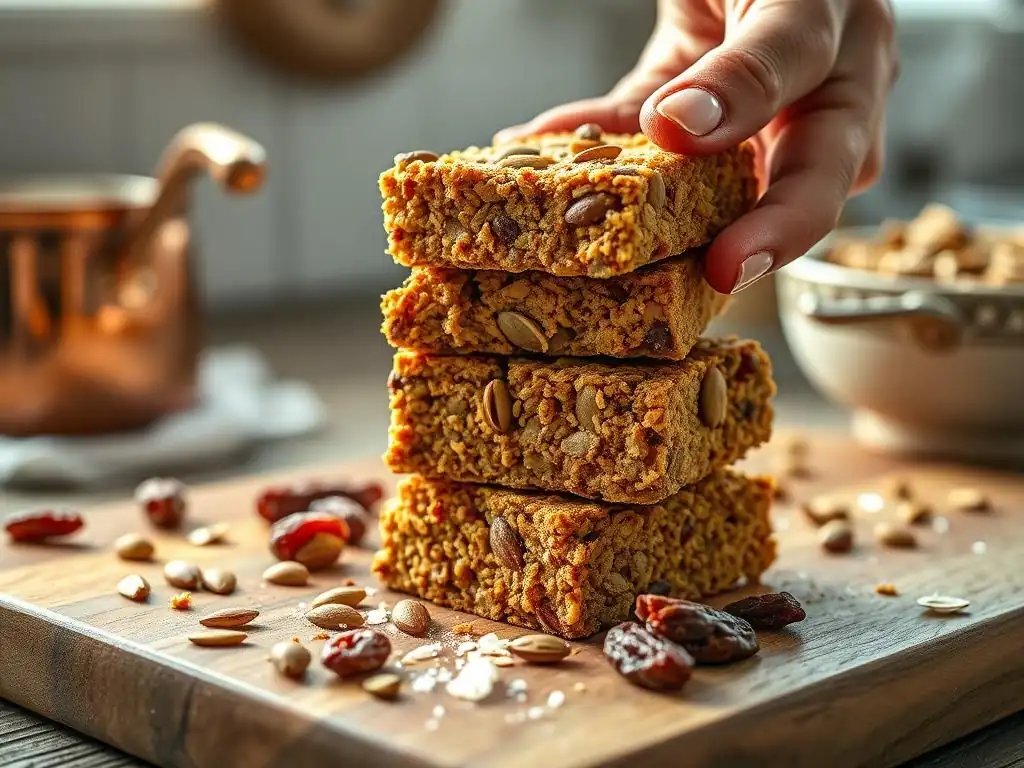
Homemade granola bars are a perfect opportunity to load up on nutritious seeds, and pumpkin seeds are an excellent choice. They contribute significant crunch and a good dose of healthy fats and protein, making these bars genuinely energizing. Mixed with oats, other seeds, nuts, and dried fruit, and bound together with ingredients like honey, maple syrup, or nut butter, pumpkin seeds help create a satisfyingly chewy and crunchy bar.
Making your own granola bars allows you to control the ingredients and sweetness level. Pumpkin seeds are a key component for achieving that desirable texture – they don't just blend in; they stand out, providing distinct bites of crunch. Whether baked for a firmer bar or simply mixed and pressed for a softer texture, pumpkin seeds are essential for delicious and effective energy-boosting pumpkin seeds baking.
Recipe: Maple and Pumpkin Seed Granola Bars
These granola bars are a delightful mix of rolled oats, pumpkin seeds, and other wholesome ingredients, bound together with the rich sweetness of maple syrup. They are designed to be chewy yet firm, packed with texture from the seeds and oats. A hint of vanilla or cinnamon can enhance the flavor profile. Perfect for a quick breakfast on the go or a sustained energy boost during the day.
Pumpkin Seed Cake: Adding a Unique Twist to Dessert
While perhaps less common than in bread or muffins, pumpkin seeds can add a surprising and delightful twist to cakes. They can be ground and incorporated into the cake batter, adding moisture and a subtle nutty flavor, similar to using almond meal. Alternatively, toasted pumpkin seeds can be folded into the batter for textural contrast or used as a crunchy topping or garnish for frostings and glazes.
Adding pumpkin seeds to cake recipes opens up new flavor pairing possibilities. They work well with warm spices, citrus zest, caramel, and even chocolate. Whether you're baking a simple loaf cake, a bundt cake, or layered celebration cake, pumpkin seeds can provide an unexpected element of flavor and texture. They offer a more unique alternative to traditional nuts in pumpkin seeds baking for desserts.
Recipe: Brown Butter Pumpkin Seed Cake with Salted Caramel
This cake is a sophisticated dessert featuring the rich, nutty flavor of brown butter paired with the earthy crunch of pumpkin seeds. The cake batter is infused with brown butter, creating a deep, caramelized base flavor. Toasted pumpkin seeds are folded into the batter for texture and sprinkled on top. The cake is then finished with a luscious salted caramel drizzle, which provides a sweet and salty counterpoint to the nutty seeds and brown butter.
Tips and Tricks for Successful Pumpkin Seed Baking
Roasting Pumpkin Seeds for Optimal Flavor
Roasting pumpkin seeds before adding them to your baked goods is one of the simplest ways to significantly improve their flavor. Raw pumpkin seeds are fine, but roasting brings out a deeper, nuttier, and more complex taste profile. The process involves heating the seeds, causing their natural oils to release their aromas and the seeds themselves to undergo the Maillard reaction, which creates those desirable browning flavors. This step is crucial for maximizing the impact of seeds in your pumpkin seeds baking.
To roast, spread a single layer of raw pumpkin seeds (pepitas) on a baking sheet. You can roast them dry or toss them with a tiny amount of oil (like olive or coconut oil) and maybe a pinch of salt if desired. Bake in a preheated oven at a moderate temperature, typically between 300°F and 325°F (150°C and 160°C), for about 10 to 15 minutes.
Stir them halfway through to ensure even toasting. Keep a close eye on them as they can burn quickly; they're done when they are fragrant and slightly darker. Let them cool completely before using them in your pumpkin seeds baking recipes.
Grinding Pumpkin Seeds for Flour: A Step-by-Step Guide
Making your own pumpkin seed flour at home is straightforward and allows you to control the texture. You'll need raw or lightly toasted pumpkin seeds and a food processor or high-powered blender. The goal is to grind the seeds into a fine, flour-like consistency without over-processing them into a butter or paste. This homemade flour can then be used in various pumpkin seeds baking applications, particularly gluten-free ones.
- Start with completely dry pumpkin seeds. If you toasted them, ensure they are fully cooled.
- Place the seeds in your food processor or blender.
- Pulse the seeds in short bursts, about 5-10 seconds at a time.
- Stop frequently to check the consistency and scrape down the sides.
- Continue pulsing until the seeds reach the desired fineness – a coarse meal or a finer flour, depending on your recipe.
- Be careful not to process for too long continuously, as the heat generated can release oils and turn the mixture into a butter.
- Use the flour immediately or store it properly. This process makes pumpkin seeds baking with homemade flour accessible.
Storing Pumpkin Seeds to Maintain Freshness
Proper storage is essential to keep your pumpkin seeds fresh and prevent them from going rancid, which can ruin the flavor of your baked goods. Pumpkin seeds are relatively high in healthy fats, and like all nuts and seeds, these fats can oxidize and develop off-flavors when exposed to air, light, and heat. Storing them correctly ensures they retain their fresh, nutty taste and crunchy texture, vital for quality pumpkin seeds baking.
For short-term storage (a few weeks), keep pumpkin seeds in an airtight container in a cool, dark pantry. For longer storage (several months up to a year), transfer them to an airtight container and store them in the refrigerator or freezer. Freezing is the best option for extending their shelf life significantly. Whether stored in the pantry, fridge, or freezer, always ensure the container is sealed tightly to prevent moisture absorption and exposure to air and odors. Bringing them to room temperature before using in pumpkin seeds baking is usually recommended.
Combining Pumpkin Seeds with Complementary Flavors
Pumpkin seeds have a versatile flavor profile that pairs well with a wide range of ingredients, allowing for diverse pumpkin seeds baking creations. Their earthy nuttiness complements warm spices like cinnamon, nutmeg, cloves, and ginger, making them a natural fit for autumnal baked goods. They also pair beautifully with fruits such as apples, cranberries, oranges, and dried apricots, adding texture and balancing sweetness.
Beyond classic pairings, pumpkin seeds work surprisingly well with savory flavors like rosemary, sage, and cheese in breads and crackers. For sweet applications, they are excellent alongside chocolate (especially dark chocolate), caramel, maple syrup, and brown butter. Experimenting with these combinations can lead to exciting new pumpkin seeds baking recipes, enhancing both the flavor complexity and overall enjoyment of your baked goods.
Elevating Your Baking with Pumpkin Seeds: Advanced Techniques
Pumpkin Seed Butter: A Versatile Baking Ingredient
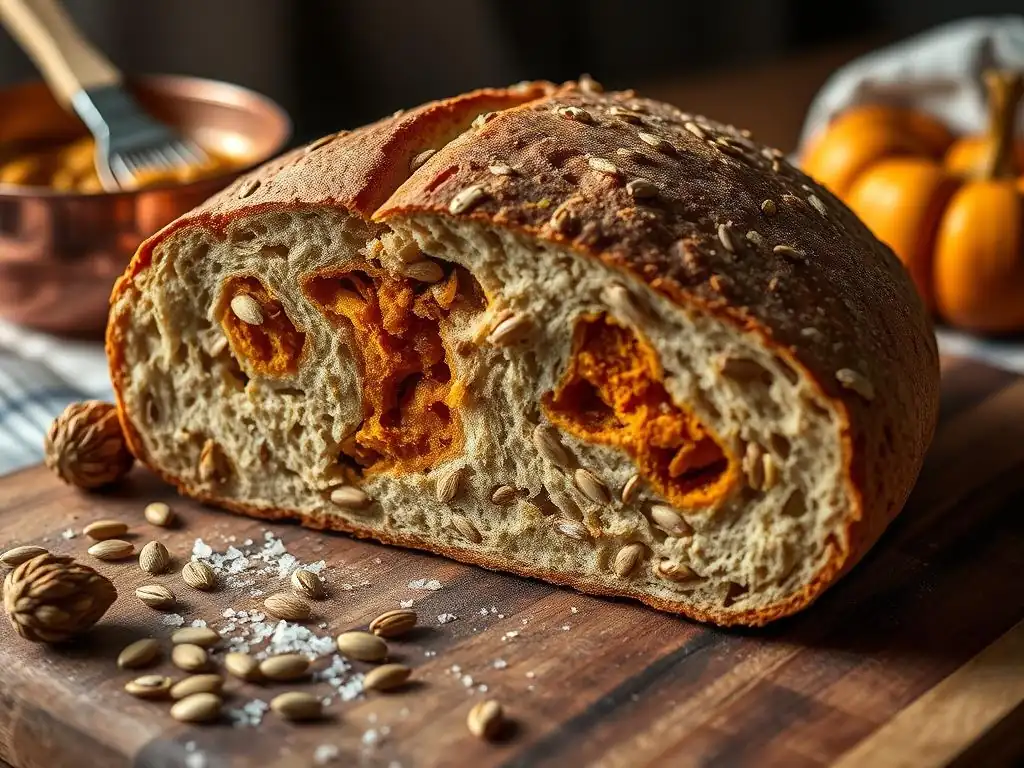
Pumpkin seed butter, similar to peanut or almond butter, is made by grinding pumpkin seeds into a smooth paste. It offers a rich, slightly earthy, and nutty flavor profile that can be a unique addition to various baked goods. This butter can be used as a spread, but it also functions wonderfully as a baking ingredient. It can partially replace other fats like butter or oil in cookies and bars, adding moisture and a distinct flavor.
Beyond simply replacing fat, pumpkin seed butter can be swirled into brownie batter, mixed into frosting for cakes and cupcakes, or used as a filling for tarts and pastries. Its texture and flavor make it a versatile component in pumpkin seeds baking, offering a dairy-free and nut-free (for those with nut allergies, though sensitivities vary) option that adds depth and richness to recipes. Making your own allows you to control the texture, from smooth to slightly crunchy.
Pumpkin Seed Brittle: A Sweet and Crunchy Confection
Pumpkin seed brittle is a delightful candy made by incorporating toasted pumpkin seeds into caramelized sugar. This creates a thin, crunchy confection that is not only delicious on its own but can also be used to elevate baked goods. Crumbled pumpkin seed brittle adds a fantastic sweet crunch when sprinkled over the top of cakes, muffins, or cupcakes, providing both texture and a burst of caramelized sugar flavor.
You can also break the brittle into larger shards to use as decorative elements on desserts. Incorporating small pieces of brittle into cookie dough or brownie batter before baking can add unexpected pockets of sweetness and crunch. This technique takes pumpkin seeds baking to a more advanced level, transforming the seeds into a separate component that adds complexity and excitement to finished desserts.
Pumpkin Seed and Apple Cake with Streusel Topping
This advanced recipe showcases the versatility of pumpkin seeds by combining them with classic flavors and textures. A moist cake batter is made with fresh or baked apple pieces and perhaps a touch of warm spice. Pumpkin seeds are added to the batter for subtle texture and flavor. The cake is then topped with a generous streusel crumble made from flour, sugar, butter, and often more pumpkin seeds, which bakes into a golden, crunchy layer.
The combination of the soft, moist apple cake, the slight chew/crunch from the pumpkin seeds within, and the buttery, crisp streusel topping creates a multi-layered sensory experience. This type of cake demonstrates how pumpkin seeds can be integrated into complex recipes, contributing to both the internal structure and the external texture and flavor profile, showcasing sophisticated pumpkin seeds baking.
Conclusion: Unleashing the Potential of Pumpkin Seeds in Your Baking
The Versatility of Pumpkin Seeds in Baking: A Recap
We've explored numerous ways pumpkin seeds can transform your baked goods, proving they are far more versatile than just a bread topping. From being ground into a useful gluten-free flour to being toasted to enhance flavor and texture, their applications are wide-ranging. They can be seamlessly incorporated into doughs and batters for breads, muffins, cookies, and cakes, adding nutritional value, delightful crunch, and a unique nutty flavor.
Beyond basic inclusions, pumpkin seeds can be turned into versatile ingredients like pumpkin seed butter or integrated into confections like brittle to add sophisticated layers of flavor and texture to desserts. Their ability to pair well with both sweet and savory ingredients, coupled with their pleasant texture and nutritional benefits, makes them a valuable asset in any baker's pantry. Embracing pumpkin seeds in your baking opens up a world of creative possibilities.
Encouragement to Experiment with Pumpkin Seeds in Baking
Now that you've learned about the many creative ways to use pumpkin seeds, it's time to get into the kitchen and start experimenting! Don't be afraid to try adding a handful of toasted seeds to your favorite muffin recipe, swapping some flour for pumpkin seed flour in a quick bread, or developing a new cookie recipe featuring their unique crunch. Start small, perhaps by adding them as a topping, and then work your way up to incorporating them into the dough or batter.
Baking with pumpkin seeds is a rewarding experience that adds both flavor and nutritional benefits to your creations. The distinct texture and subtle nutty taste can elevate even simple recipes. So, grab a bag of pumpkin seeds (pepitas) and start exploring! You might just discover your new favorite ingredient for pumpkin seeds baking. Happy baking!
Frequently Asked Questions
How can sunflower seeds enhance the texture of baked goods?
Sunflower seeds add a delightful crunchy texture and nutty flavor to baked goods. They can be incorporated whole, chopped, or even ground into a flour.
What are some creative ways to incorporate sunflower seeds beyond just adding them as a topping?
Beyond toppings, sunflower seeds can be blended into cookie doughs, mixed into bread batters, or used as a coating for muffins. They can also be toasted for an even richer flavor.
Are there specific types of sunflower seeds best suited for baking?
Both hulled and unhulled sunflower seeds can be used, but hulled are generally preferred for ease of use and better texture. Ensure they are fresh for the best flavor.
Can sunflower seeds be used as a substitute for other nuts in baking recipes?
Yes, sunflower seeds are a great nut-free alternative! They provide a similar texture and nutritional value, making them suitable for those with nut allergies.
How should sunflower seeds be stored to maintain their freshness for baking?
Store sunflower seeds in an airtight container in a cool, dark, and dry place. Refrigeration can also extend their shelf life and prevent them from going rancid.
Final Reflection: Unlocking the Sunny Potential of Sunflower Seeds
The humble sunflower seed, often relegated to a simple snack, holds a surprising versatility that extends far beyond the bird feeder and trail mix bag. Its nutty flavor and satisfying crunch offer a unique and delicious dimension to the world of baking, a potential largely untapped by many home bakers. This exploration into creative sunflower seed applications in baking reveals not just a wealth of recipes, but a gateway to culinary innovation and sustainability.
The journey through these recipes has highlighted the surprising adaptability of sunflower seeds, their ability to seamlessly integrate into both sweet and savory baked goods. Their nutritional value adds another layer of appeal, offering a healthier alternative to traditional ingredients without compromising on taste. The best things in life are simple,
a phrase often used, rings especially true when considering the transformative power of a humble ingredient like the sunflower seed. It's a testament to the beauty of finding extraordinary possibilities within the ordinary.
Now, it's your turn to embrace the sunny potential of sunflower seeds. Experiment with the recipes presented, adapt them to your own tastes, and discover the joy of creating unique and delicious baked goods. Don't be afraid to get creative – let the nutty flavor and satisfying crunch of the sunflower seed inspire your next baking adventure. The possibilities are as limitless as the summer sky.
Unleash Your Inner Seed-Sational Baker!
Thanks for joining us on this sunflower seed baking adventure! We hope you’ve discovered a world of delicious possibilities beyond the usual bread. Ready to put your newfound knowledge into action?
- Experiment with a Sunflower Seed Crust: Try adding sunflower seeds to your next pie or tart crust for a nutty, textured surprise. It’s easier than you think!
- Share your creations: Show us your sunflower seed baking masterpieces! Tag us on social media with #SunflowerSeedBaking.
- Dive deeper: Explore our extensive recipe collection for more exciting ways to incorporate sunflower seeds into your baking.
What unexpected sunflower seed baking creation will you whip up first?