
Nuts & Seeds in Delicate Pastries: Techniques for Success

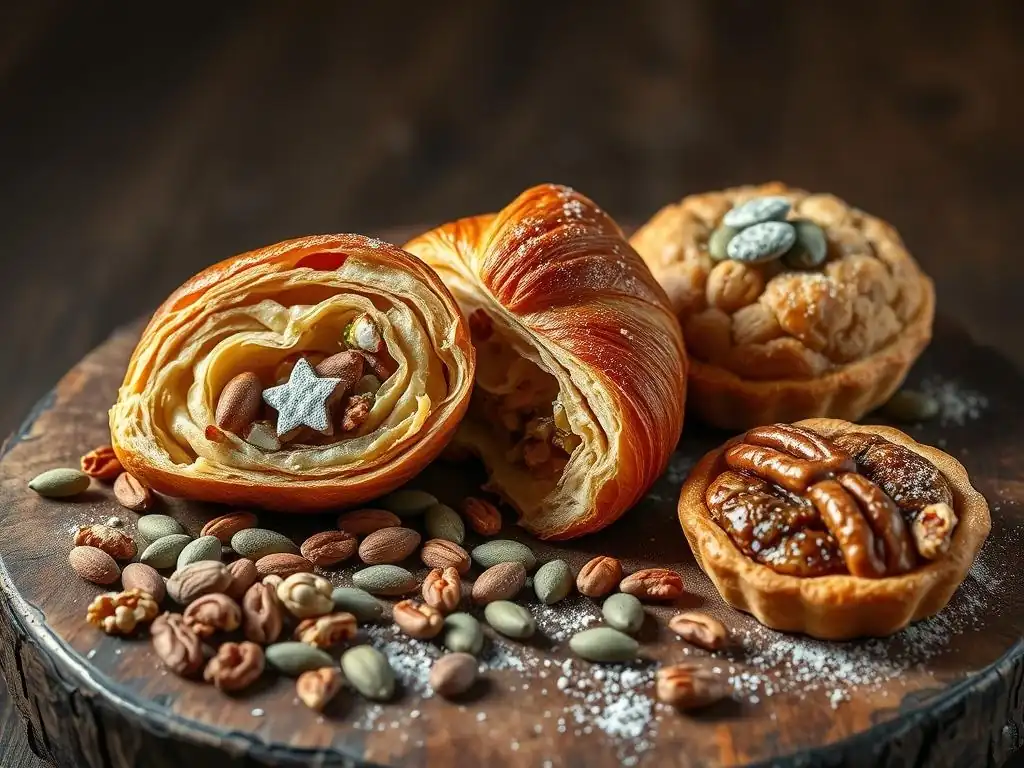
Welcome to BakeWithEase, where the joy of baking meets effortless execution! Ever wondered how to elevate your pastries with the delightful crunch and flavor of nuts and seeds? This week, we're diving deep into the art of perfecting nut seed pastry techniques, unlocking secrets to create truly exquisite and memorable treats. Get ready to transform your baking and discover a world of textural wonders – the journey to perfectly balanced pastries starts now!
Incorporating Nuts and Seeds into Shortcrust Pastry
Adding nuts and seeds to shortcrust pastry introduces wonderful flavor and texture, but it also presents unique challenges in achieving that coveted tender, flaky result. The key lies in how you incorporate these ingredients without disrupting the delicate balance of flour and fat. Using finely ground nuts or small seeds helps distribute them evenly, minimizing gluten development. For instance, substituting about 10-15% of the flour with finely ground almonds or pecans can add richness without making the dough too heavy.
Keeping all ingredients, especially the fat (like butter or lard), very cold is paramount. This ensures the fat remains in small pieces, creating steam pockets during baking that yield flakiness. Overheating the ingredients or handling the dough too much can melt the fat, leading to a dense, tough crust instead of the desired light and flaky texture.
Furthermore, the hydration level needs careful adjustment when incorporating nuts and seeds. Nuts, particularly ground nuts, absorb moisture differently than flour. You may find you need slightly less liquid than a standard recipe calls for, or you might add the liquid very gradually until the dough just comes together.
A common mistake is adding too much water initially, resulting in a sticky dough that requires more flour and handling, which inevitably develops gluten and toughens the pastry. Perfecting nut seed pastry techniques for shortcrust involves a gentle touch and a keen eye on the dough's consistency, aiming for a mixture that holds together when pressed but isn't wet or crumbly. Rest assured, with practice, achieving a tender and flaky nutty shortcrust is well within reach.
Achieving a Tender and Flaky Nutty Shortcrust
To achieve a tender and flaky shortcrust when incorporating nuts or seeds, focus on keeping the fat cold and minimizing gluten development. Start by cutting very cold butter or other solid fat into your flour (and finely ground nut/seed mix, if using) until it resembles coarse crumbs with some pea-sized pieces. This helps create layers of fat within the dough.
For example, using 125g of cold butter cut into 250g of flour and 50g of finely ground hazelnuts works well for a standard tart crust. Introduce ice-cold water, usually just a few tablespoons at a time, mixing until the dough just comes together. The goal is to hydrate the flour and nuts just enough to form a cohesive dough without activating too much gluten.
Once the dough is formed, flatten it into a disc, wrap tightly in plastic wrap, and chill it thoroughly in the refrigerator for at least 30 minutes, or even up to 2 days. This chilling period is crucial; it allows the fat to firm up, the gluten (what little has developed) to relax, and the moisture to distribute evenly. Rolling out chilled dough requires less flour and handling, further contributing to tenderness.
When rolling, work quickly on a lightly floured surface, rotating the dough frequently to prevent sticking. This meticulous approach to chilling and handling is key to perfecting nut seed pastry techniques for a beautifully tender and flaky result every time.
Preventing a Tough Nut Seed Shortcrust
Preventing a tough nut seed shortcrust primarily involves avoiding actions that promote gluten development. Overworking the dough is the most common culprit. Once the liquid is added, mix only until the ingredients are just combined.
Don't knead or mix vigorously. For instance, if making a batch using 200g flour and 80g ground walnuts, combine the dry ingredients and cut in the fat, then add liquid sparingly and mix with a fork or pastry blender until it just forms clumps that can be pressed together. Excessive mixing develops the gluten proteins in the flour, creating a strong, elastic network that results in a tough pastry.
Another significant factor in preventing toughness is the temperature during mixing and baking. Warm ingredients or a warm environment cause the fat to melt prematurely, leading to a greasy dough that bakes up hard. Ensure your butter is straight from the fridge, your water is ice-cold, and ideally, work in a cool kitchen.
Baking temperature also plays a role; generally, shortcrust pastries benefit from a relatively high initial temperature (around 200°C or 400°F) for the first 10-15 minutes to set the crust and create steam, followed by a lower temperature to cook through. This initial blast helps lock in the structure before the fat fully melts. By being mindful of mixing time, temperature, and handling, you can successfully avoid a tough crust and master perfecting nut seed pastry techniques.
- How do I prevent nuts and seeds from burning when baking delicate pastries?
- What types of nuts and seeds work best in pastries?
- How should I prepare nuts and seeds before incorporating them into pastry dough?
- Can I substitute different nuts and seeds in pastry recipes?
- What are some common mistakes to avoid when using nuts and seeds in pastries?
Frequently Asked Questions
How do I prevent nuts and seeds from burning when baking delicate pastries?
To avoid burning, toast nuts and seeds lightly before adding them and monitor the baking time closely. You may also need to lower the oven temperature slightly.
What types of nuts and seeds work best in pastries?
Almonds, walnuts, pecans, hazelnuts, sesame seeds, poppy seeds, and sunflower seeds are all popular choices. The best choice depends on the desired flavor and texture of your pastry.
How should I prepare nuts and seeds before incorporating them into pastry dough?
Toasting enhances their flavor. You can also chop, grind, or leave them whole, depending on the recipe's needs and the desired texture.
Can I substitute different nuts and seeds in pastry recipes?
Yes, you can often substitute them, but be mindful of flavor profiles. For example, walnuts have a stronger flavor than almonds, so adjust accordingly.
What are some common mistakes to avoid when using nuts and seeds in pastries?
Using too many nuts/seeds can make the pastry dense. Also, ensure they are fresh to avoid a rancid flavor and store your nuts and seeds properly.
Final Reflection: The Enduring Allure of Perfectly Crafted Nut & Seed Pastries
The delicate dance between nutty, earthy flavors and flawlessly crisp pastry is a testament to culinary artistry, and its relevance today is undeniable. In a world increasingly focused on artisanal food and mindful consumption, the pursuit of perfecting nut and seed pastry techniques represents a commitment to quality, craftsmanship, and the simple pleasure of well-made food. The demand for these treats, from sophisticated patisseries to home kitchens, continues to grow, highlighting the enduring appeal of this seemingly simple yet technically challenging art.
The journey of mastering nut and seed pastry techniques is more than just acquiring skills; it's about understanding the nuances of ingredient interaction, the importance of precision, and the profound satisfaction of creating something beautiful and delicious. The best things in life are simple, but not easy.
This quote perfectly encapsulates the essence of this culinary pursuit. The subtle differences in texture, achieved through careful attention to detail, speak volumes about the baker's dedication and passion. This dedication resonates deeply with consumers who appreciate the time and care invested in creating truly exceptional pastries.
Now, consider your own baking journey. What techniques have you mastered? What challenges still await? I invite you to embrace the ongoing learning process, to experiment with different nuts and seeds, and to strive for that perfect balance of flavor and texture.
Don't be afraid to fail; each attempt brings you closer to understanding the intricacies of this craft. The reward? The joy of creating something exquisite, the satisfaction of mastering a skill, and the pleasure of sharing your creations with others. Let the pursuit of perfecting nut and seed pastry techniques be a source of ongoing inspiration and culinary delight.
Unlock the Secrets to Exquisite Nut & Seed Pastries!
Thank you for taking the time to explore the art of incorporating nuts and seeds into your delicate pastries! We hope you've gained valuable insights and inspiration for creating truly unforgettable treats. Now it's time to put your newfound knowledge into action.
- Master the Perfect Nut Paste: Try making your own nut paste this week – the flavor difference is incredible! Experiment with different nut combinations and let us know your favorite.
- Share your baking journey: Post a photo of your creations on social media using #BakeWithEaseNutPastries and tag us! We'd love to see your masterpieces.
- Explore new flavor combinations: Take the techniques you've learned and apply them to a recipe you already love. What creative twists can you add?
What unexpected flavor combination are you excited to try in your next pastry creation? Let's discuss in the comments below!