
Baking with Ground Nuts: Exploring Nut Flours and Meal

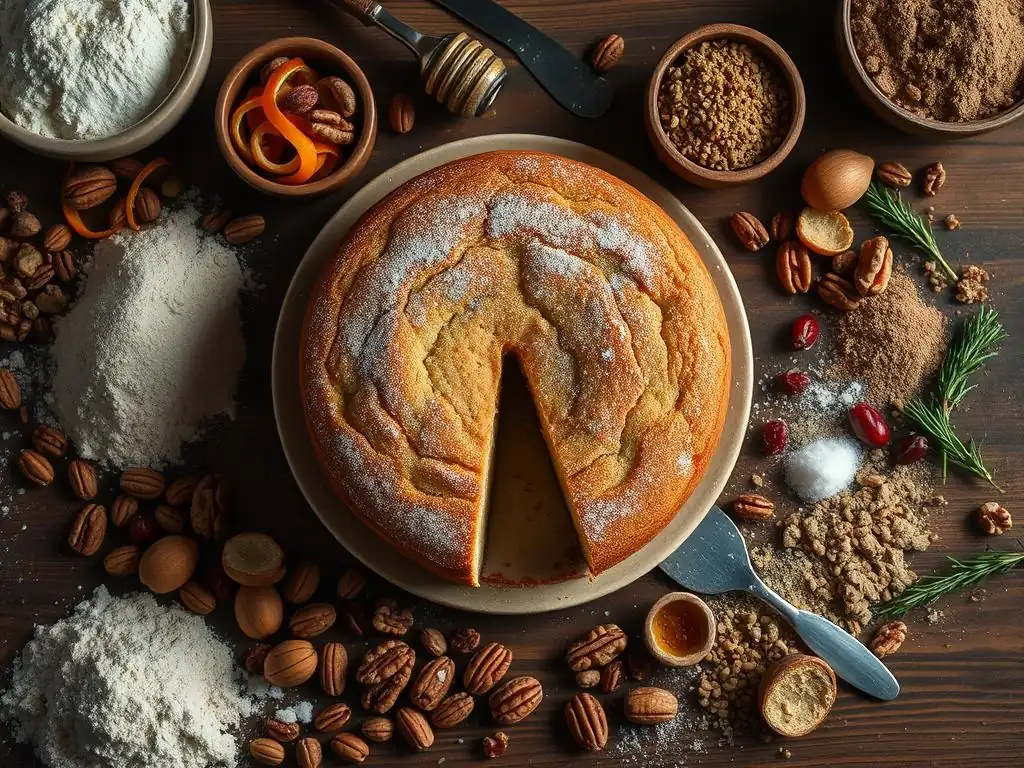
Welcome to BakeWithEase, where baking becomes a joy, not a chore! Are you ready to unlock a world of flavor and texture in your baked goods? This week, we're diving deep into the fascinating realm of nut flour baking recipes. Prepare to be amazed by the versatility and delicious results you can achieve with these naturally gluten-free alternatives. Intrigued? Let's explore the secrets of nut flours and elevate your baking game!
- Baking with Nut Flours and Meals
- Introduction to Baking with Nut Flours
- Exploring Different Types of Nut Flours
- Nut Flour Baking Techniques
- Troubleshooting Nut Flour Baking
- Nut Flour Baking Recipes
- Purchasing Nut Flours and Meals
- Conclusion: The Possibilities of Nut Flour Baking
-
Frequently Asked Questions
- How does baking with nut flour differ from baking with traditional wheat flour?
- What are some common types of nut flours and meals used in baking?
- Can I substitute nut flour directly for wheat flour in any recipe?
- What are the benefits of using nut flours in baking?
- How should I store nut flours to maintain their freshness?
- Final Reflection: The Enduring Allure of Nut Flour Baking
- Unlock Your Baking Potential: Discover the World of Nut Flours!
Baking with Nut Flours and Meals
Introduction to Baking with Nut Flours
Understanding Nut Flours and Meals
Nut flours and meals are essentially ground nuts, but they differ slightly in texture and how they are processed. Nut meal is typically made from whole nuts, often with skins intact, resulting in a coarser texture. Think of almond meal, which often still has visible brown flecks from the almond skins. This coarser texture can add delightful structure and rustic charm to baked goods like muffins, quick breads, and cookies.
Nut flour, on the other hand, is usually made from blanched nuts (skins removed) and ground more finely. Almond flour is the most common example, known for its light color and powdery consistency. This finer grind makes nut flour suitable for more delicate pastries, such as macarons or light cakes, where a smooth texture is desired. While both are ground nuts, understanding this textural difference is key to achieving the desired outcome in your nut flour baking recipes.
Benefits of Baking with Nut Flours: Flavor and Nutrition
Incorporating nut flours into your baking introduces wonderful depth of flavor that wheat flour simply can't provide. Each nut flour brings its unique profile – almonds offer a delicate, slightly sweet note; hazelnuts provide a rich, toasted aroma; walnuts lend an earthy, slightly bitter edge; and pecans contribute a sweet, buttery depth. These distinct flavors can transform a simple recipe into something truly special, adding complexity and interest to everything from cookies to cakes.
Beyond flavor, baking with nut flours significantly boosts the nutritional value of your treats. Nut flours are generally lower in carbohydrates than wheat flour and higher in protein, healthy fats, and fiber. For example, a quarter cup of almond flour contains roughly 6 grams of protein and 3 grams of fiber, compared to about 3 grams of protein and 1 gram of fiber in the same amount of all-purpose wheat flour. This makes nut flour baking recipes a popular choice for those seeking gluten-free options or simply looking to add more nutrients to their diet.
Selecting the Right Nut Flour
Choosing the appropriate nut flour depends largely on the desired flavor, texture, and dietary needs of your recipe. For light, airy cakes and delicate pastries like French macarons, finely ground blanched almond flour is often the top choice due to its smooth texture and neutral-sweet flavor. If you're aiming for a richer, nuttier taste in cookies, muffins, or tarts, a coarser almond meal or flours from nuts like hazelnuts, walnuts, or pecans can provide that extra dimension and pleasant chewiness.
Consider the fat content as well; some nut flours, like pecan or walnut, have higher fat content than almond. This can affect the moisture and structure of your baked goods, sometimes requiring minor adjustments in liquid or fat in your nut flour baking recipes. Experimenting with different nut flours is part of the fun! Don't hesitate to try substituting one nut flour for another in a recipe you're familiar with to see how it changes the outcome.
Exploring Different Types of Nut Flours
Almond Flour: A Versatile Choice
Almond flour is arguably the most popular nut flour in the baking world, prized for its versatility and relatively neutral flavor profile that complements both sweet and savory dishes. Made from blanched, finely ground almonds, it provides a tender crumb and a slightly sweet, nutty taste that works beautifully in a vast array of nut flour baking recipes, from delicate pastries to hearty breads. Its fine texture makes it an excellent substitute for a portion of wheat flour or as the primary flour in gluten-free applications.
Its widespread availability and ease of use have made almond flour a staple for many bakers exploring alternative flours. It performs well in cookies, cakes, muffins, and as a coating for meats or vegetables. While it doesn't provide the same gluten structure as wheat flour, its fat content helps create moist and rich baked goods. Many classic recipes have been successfully adapted into delicious almond flour baking recipes, opening up new possibilities for those with dietary restrictions or simply seeking to try something new.
Almond Flour vs. Almond Meal
The primary difference between almond flour and almond meal lies in their texture and whether the almond skins are included. Almond flour is made from blanched almonds (skins removed) that are ground into a very fine, powdery consistency. It's light in color and feels similar to cornstarch or powdered sugar, making it ideal for delicate baked goods where a smooth texture is crucial, such as macarons or fine cakes.
Almond meal, conversely, is typically made from whole, unblanched almonds, including the skins. It has a coarser, more rustic texture with visible brown flecks from the skins. Almond meal is wonderful in recipes where a bit of texture is desired, like muffins, quick breads, tarts, or cookies. While they are often used interchangeably in some recipes, the final texture of your nut flour baking recipes will differ depending on whether you use fine almond flour or coarser almond meal.
Almond Flour Baking Recipes: Almond Macarons
Almond flour is the quintessential ingredient for creating beautiful, delicate French macarons. The fine, dry texture of blanched almond flour is absolutely essential for achieving the smooth shell, the characteristic "foot," and the slightly chewy interior of a perfect macaron. Using any other flour, or even coarse almond meal, would result in a completely different, likely unsuccessful, outcome for this specific pastry.
A typical macaron recipe relies on a precise ratio of finely ground almond flour and powdered sugar, combined with whipped egg whites. The quality and fineness of the almond flour directly impact the texture of the macaron shell. Successful almond flour baking recipes for macarons require careful sifting of the flour mixture to remove any larger particles, ensuring a smooth, glossy batter that bakes up into those iconic, airy cookies.
Hazelnut Flour: Rich and Aromatic
Hazelnut flour, made from finely ground hazelnuts, brings a wonderfully rich, toasted, and slightly sweet flavor profile to baking. It pairs exceptionally well with chocolate, coffee, and fruits like berries and cherries, making it a fantastic addition to cakes, cookies, tarts, and pastries. Its distinctive aroma can elevate simple nut flour baking recipes into gourmet delights, adding a touch of European elegance.
While hazelnut flour can be used on its own or combined with other flours, its strong flavor means it often works best when used in conjunction with other flours or in recipes where its nutty taste is intended to be prominent. Like other nut flours, it's lower in carbs and higher in fat and protein compared to wheat flour. Using toasted hazelnuts before grinding can further intensify its already delightful aroma and flavor in your baked goods.
Enhancing Flavor with Hazelnut Flour
Toasting hazelnuts before grinding them into flour significantly enhances their natural oils and deepens their flavor, resulting in a more aromatic and intensely nutty flour. This simple step can make a big difference in the final taste of your nut flour baking recipes. Spread whole or chopped hazelnuts on a baking sheet and toast them in a preheated oven at around 300-325°F (150-160°C) for 10-15 minutes, or until fragrant and lightly browned.
Once toasted and cooled, the hazelnuts can be ground into flour in a food processor or blender. Be careful not to over-process, or you'll end up with hazelnut butter! This toasted hazelnut flour can then be used in your recipes, adding a layer of rich, complex flavor that un-toasted hazelnut flour might lack. It's particularly effective in chocolate cakes, brownies, or as a base for tarts and cookies.
Hazelnut Flour Baking Recipes: Hazelnut Financiers
Hazelnut financiers are a classic example of a pastry where hazelnut flour truly shines. These small, moist cakes originated in France and are traditionally made with brown butter and almond flour, but substituting a portion or all of the almond flour with hazelnut flour creates a wonderfully rich and aromatic version. The nutty, toasted flavor of the hazelnut complements the deep, caramelized notes of the brown butter beautifully.
In hazelnut financier nut flour baking recipes, the ground hazelnut provides structure while contributing its signature taste. The high fat content of the nuts also helps keep the financiers incredibly moist and tender. Often baked in small rectangular molds, these delightful treats showcase how a specific nut flour can define the character of a classic pastry, offering a delicious variation on a traditional theme.
Walnut Flour: Earthy and Flavorful
Walnut flour, made from ground walnuts, offers an earthy, slightly tannic, and robust flavor profile that pairs wonderfully with ingredients like coffee, chocolate, spices (cinnamon, nutmeg), and fruits like apples and bananas. While it has a higher fat content and can be more challenging to grind finely than almonds, it brings a unique depth to baked goods, especially in rustic breads, muffins, and certain cakes.
Due to its higher fat content and bolder flavor, walnut flour is often used in combination with other flours rather than as a complete substitute in nut flour baking recipes. It's a fantastic addition to banana bread, carrot cake, or spice muffins, where its distinct taste can complement other strong flavors. Grinding walnuts yourself at home allows you to control the texture, from a coarser meal perfect for topping or adding crunch to a slightly finer flour for incorporating into batters.
Incorporating Walnut Flour
When incorporating walnut flour into your baking, it's often best to start by substituting a portion of the wheat or other nut flour, perhaps 25-50%. Walnuts have a higher oil content than almonds, which can make batters and doughs softer and potentially greasier. Adjusting liquid or fat content in your nut flour baking recipes might be necessary depending on the proportion of walnut flour used.
Walnut flour's rich flavor is a natural fit for autumnal and spiced baked goods. Consider adding it to pumpkin muffins, apple crumble toppings, or even savory quick breads. To enhance the flavor and reduce potential bitterness, lightly toasting the walnuts before grinding can be beneficial. Store walnut flour in the refrigerator or freezer to prevent the oils from becoming rancid due to their high polyunsaturated fat content.
Walnut Flour Baking Recipes: Walnut Scones
Walnut flour can add fantastic flavor and texture to scones, giving them a richer, more complex profile than those made solely with wheat flour. Substituting about a quarter to a third of the all-purpose flour with walnut flour introduces an earthy, nutty depth that pairs wonderfully with classic scone additions like berries, chocolate chips, or cheese and herbs in savory versions.
In walnut scone nut flour baking recipes, the ground walnuts contribute to a slightly denser, moister crumb compared to an all-wheat scone, while also adding pleasant little pockets of nutty flavor. The fat from the walnuts also helps create tenderness. These scones are particularly delightful served warm with butter or cream, allowing the rich walnut flavor to truly shine.
Pecan Flour: Sweet and Buttery
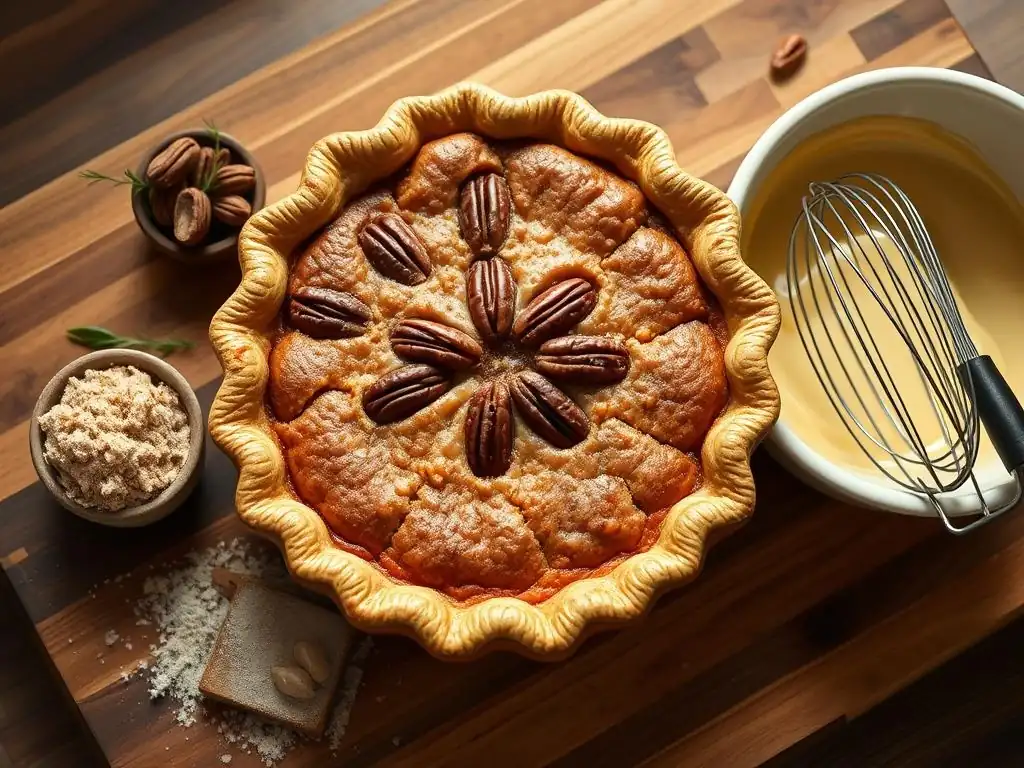
Pecan flour, made from ground pecans, offers a distinctly sweet, buttery, and rich flavor that is less earthy than walnut. It's a natural fit for classic Southern-inspired desserts and anything involving caramel, maple, or chocolate. Like walnut flour, pecans have a high fat content, contributing to moistness but requiring careful handling to avoid an oily texture in baked goods.
Using pecan flour in your nut flour baking recipes is an excellent way to add a touch of indulgence and a unique flavor dimension. It works well in cookies, tarts, cakes, and as a crust for pies. Its sweetness means you might even be able to slightly reduce the amount of added sugar in some recipes, depending on your preference. Pecan flour can be purchased or easily made at home by grinding pecans in a food processor.
Baking with Pecan Flour
When baking with pecan flour, its high fat content is the primary characteristic to consider. It can make doughs and batters quite soft and sometimes crumbly. For this reason, it's often used in combination with other flours, particularly in recipes that require some structure. Substituting around 25-50% of the main flour with pecan flour is a good starting point for many nut flour baking recipes.
Pecan flour is particularly suited for recipes where a tender, moist crumb is desired, such as muffins, quick breads, and certain types of cookies like shortbread. It also makes an excellent base for gluten-free pie crusts or tart shells, providing a rich flavor and sandy texture. Ensure your pecans are fresh before grinding, as the high fat content makes them susceptible to becoming rancid if stored improperly or for too long.
Pecan Flour Baking Recipes: Pecan Shortbread
Pecan flour is a wonderful addition to shortbread, enhancing its classic buttery richness with a sweet, nutty depth. Traditional shortbread is simple – butter, sugar, and flour – and adding finely ground pecans elevates it to a new level of flavor and tenderness. The fat from the pecan flour complements the butter, contributing to a melt-in-your-mouth texture.
In pecan shortbread nut flour baking recipes, the ground pecans (either as flour or meal) are typically added alongside the wheat flour. The ratio can vary, but substituting about a quarter of the flour with pecan flour adds noticeable flavor without compromising the shortbread's characteristic crispness. The resulting cookies have a delightful nutty aroma and a sweet, buttery taste that is utterly irresistible.
Other Nut Flours: Cashew and Pistachio
Beyond the more common almond, hazelnut, walnut, and pecan, flours made from other nuts like cashews and pistachios offer exciting possibilities for nut flour baking recipes. Cashew flour, made from ground cashews, is relatively neutral and slightly creamy, making it a good option for adding richness without a strong nutty flavor. It works well in cookies, cakes, and even savory applications.
Pistachio flour, ground from shelled pistachios, is vibrant green and possesses a unique, subtly sweet, and slightly floral flavor. It's fantastic in pastries, cakes, and cookies where its color and distinct taste can be showcased. Due to their higher cost, cashew and pistachio flours are often used in smaller quantities or for special occasion nut flour baking recipes, adding luxury and unique flavor notes.
Nut Flour Baking Techniques
Adapting Recipes for Nut Flour
Adapting traditional wheat-based recipes to use nut flours requires understanding the fundamental differences between these ingredients. Wheat flour contains gluten, which provides structure and elasticity. Nut flours are gluten-free and lack this structural component. This means you often can't simply swap nut flour 1:1 for wheat flour in most recipes, especially those relying heavily on gluten development like yeast breads.
Successful adaptation of nut flour baking recipes often involves adjusting liquid amounts, adding binders (like eggs, xanthan gum, or psyllium husk) to compensate for the lack of gluten, and sometimes combining nut flour with other gluten-free flours (like rice flour, tapioca starch, or oat flour) to achieve the desired texture. For simple recipes like cookies or muffins, substituting a portion (25-50%) of the wheat flour with nut flour is often a good starting point. For recipes like cakes or quick breads, a higher substitution rate might work, but expect a denser, moister crumb.
Gluten-Free Baking with Nut Flours
Nut flours are naturally gluten-free, making them a cornerstone of gluten-free baking. For individuals with celiac disease or gluten sensitivity, nut flour baking recipes provide a delicious and nutritious alternative to traditional baked goods. However, simply using 100% nut flour often results in a dense or crumbly texture due to the absence of gluten's binding properties.
To achieve successful gluten-free baked goods using nut flours, it's common practice to blend nut flour with other gluten-free flours or starches. For example, a mix of almond flour, rice flour, and tapioca starch, along with a binder like xanthan gum, can mimic the properties of wheat flour more closely in certain recipes. Exploring specific gluten-free nut flour baking recipes designed for these blends is often the easiest way to start.
Nut Flour Ratios and Moisture
The ideal ratio of nut flour to other ingredients, and its impact on moisture, is a key consideration in nut flour baking recipes. Nut flours, especially those from higher-fat nuts like walnuts and pecans, contain significant natural oils. This contributes to moistness but can also make batters and doughs softer and more prone to spreading.
Recipes designed specifically for nut flours will have balanced ratios. When adapting, you might find you need slightly less added fat (butter, oil) or liquid than in a traditional recipe. Conversely, because nut flours don't absorb liquid in the same way wheat flour does, some recipes might require slightly more liquid to prevent dryness, particularly if using a very fine, dry almond flour. Pay attention to the consistency of your batter or dough and adjust as needed – experience with different nut flour baking recipes will help you develop an intuition for this.
Storing Nut Flours
Proper storage is crucial for maintaining the freshness and quality of nut flours, especially given their high fat content which makes them susceptible to rancidity. Oxygen, light, and heat are the enemies of nut flours. Storing them improperly can lead to off-flavors that will ruin your nut flour baking recipes.
The best place to store nut flours is in an airtight container in the refrigerator or freezer. Storing in the refrigerator is suitable for flour you plan to use within a few weeks, while the freezer is ideal for longer-term storage, keeping the flour fresh for several months. Always allow frozen nut flour to come to room temperature before using it in your nut flour baking recipes to ensure accurate measurement and proper incorporation into the batter.
Toasting Nut Flour for Deeper Flavor
Toasting nuts before grinding them into flour, or lightly toasting the nut flour itself, is an excellent technique to enhance the flavor of your baked goods. Toasting brings out the natural oils and deepens the nutty aroma, adding a layer of complexity that can elevate simple nut flour baking recipes. This is particularly effective with hazelnuts, walnuts, and pecans.
To toast nut flour, spread it in a thin layer on a dry baking sheet. Bake in a preheated oven at a low temperature, around 300°F (150°C), for 5-10 minutes, stirring occasionally, until fragrant and lightly colored. Alternatively, you can toast it gently in a dry skillet over medium-low heat, stirring constantly. Be vigilant, as nut flour can burn quickly! Allow the toasted flour to cool completely before using it in your nut flour baking recipes.
Troubleshooting Nut Flour Baking
Addressing Dryness in Baked Goods
One common issue when starting with nut flour baking recipes is ending up with baked goods that are too dry. This can happen if the recipe isn't properly balanced for the specific nut flour used, or if the nut flour itself is too dry (e.g., defatted almond flour or stale flour). Nut flours absorb liquid differently than wheat flour, and while their natural fats add moisture, they lack gluten's ability to trap steam and create a light structure that retains moisture.
To combat dryness in nut flour baking recipes, ensure you are using fresh, properly stored nut flour. You might need to increase the liquid content slightly (milk, yogurt, oil, or eggs) compared to a wheat-based recipe. Adding ingredients known for moisture, such as mashed banana, applesauce, yogurt, or extra eggs, can also help. Using coarser nut meal instead of fine flour can sometimes contribute to a moister texture as well.
Achieving Lightness with Nut Flours
Achieving a light and airy texture can be a challenge in nut flour baking recipes due to the absence of gluten. Nut flours tend to produce denser, more compact baked goods compared to those made with wheat flour. Overcoming this requires specific techniques and sometimes the addition of leavening agents or binders.
Proper aeration is key. Ensure your leavening agents (baking soda, baking powder) are fresh. Whipping eggs well, especially egg whites, can incorporate air and contribute to lift, as seen in recipes like almond flour cakes or meringues. Combining nut flour with lighter gluten-free starches (like tapioca or arrowroot) can also help. Some nut flour baking recipes benefit from adding a binder like xanthan gum or psyllium husk to help create a more cohesive structure that holds air better.
Preventing Over-Browning
Nut flours, particularly those made from blanched nuts like almond flour, can brown much faster than wheat flour due to their sugar and protein content. This can lead to baked goods that are dark on the outside but not fully cooked through in the center. This is a common issue when using nut flour baking recipes adapted from traditional ones without adjusting baking time or temperature.
To prevent over-browning, you can try reducing the oven temperature by 25°F (about 15°C) and baking for a slightly longer time. If the tops or edges of your baked goods are browning too quickly, you can loosely tent them with aluminum foil during the last portion of the baking time. Using parchment paper on baking sheets can also help prevent the bottoms of cookies or scones from burning. Monitor your nut flour baking recipes closely as they approach the end of their baking time.
Managing Oily Textures in Nut Flour Baking
High-fat nut flours like walnut and pecan flour can sometimes result in baked goods with an oily texture. This happens when the natural oils from the nuts leach out during baking, particularly if the batter is overmixed, the oven temperature is too high, or the proportions in the nut flour baking recipes aren't balanced.
To manage oily textures, ensure you are using fresh nut flour, as stale flour can release oils more readily. Avoid overmixing the batter once the nut flour is added; mix just until combined. Lowering the baking temperature slightly can also help prevent the oils from separating. In some nut flour baking recipes, slightly increasing the dry ingredients or decreasing the added fat might be necessary to absorb the excess oil from the flour itself.
Nut Flour Baking Recipes
These almond flour chocolate chip cookies offer a delightful twist on a classic favorite, providing a gluten-free option that doesn't compromise on taste or texture. Using almond flour results in cookies that are wonderfully tender and moist with a slightly crisp edge, a delightful contrast to the chewier texture of traditional wheat-based cookies. The subtle sweetness of the almond flour complements the rich chocolate chips beautifully.
Creating delicious almond flour baking recipes for chocolate chip cookies involves a simple mix of almond flour, leavening, salt, butter, sugar (often a mix of granulated and brown), eggs, vanilla, and plenty of chocolate chips. The dough might be softer than traditional cookie dough, so chilling it before baking is often recommended to prevent excessive spreading. Baked until golden brown, these cookies are a testament to the versatility and deliciousness of baking with nut flours.
Hazelnut Flour Cake with Chocolate Glaze
A hazelnut flour cake with chocolate glaze is a sophisticated dessert that showcases the rich, aromatic flavor of hazelnut. The finely ground hazelnut flour creates a tender, moist crumb with a distinctive nutty taste that pairs perfectly with the intensity of chocolate. This type of nut flour baking recipe is ideal for special occasions or when you want to impress with a unique flavor combination.
Often, these cakes use a combination of hazelnut flour and another flour (like almond or wheat flour) to achieve the desired structure. The cake batter typically includes eggs, sugar, butter, and leavening, with the hazelnut flour providing both flavor and structure. A simple ganache or chocolate glaze poured over the cooled cake enhances the hazelnut flavor, resulting in a truly decadent treat that highlights the delightful possibilities of hazelnut flour baking recipes.
Walnut Flour Banana Muffins
Adding walnut flour to banana muffins enhances their natural sweetness and moistness while introducing a wonderful earthy, nutty flavor. Banana muffins are already known for their tender crumb, and the inclusion of walnut flour (or meal) takes them to a new level, providing both flavor complexity and nutritional benefits. This is a fantastic way to use up ripe bananas and explore nut flour baking recipes.
These walnut flour banana muffins typically combine mashed bananas, eggs, oil or butter, sugar, leavening, spices like cinnamon, and a mix of flours, often including a significant portion of walnut flour. The moisture from the bananas works well with the fat in the walnut flour to create incredibly tender and flavorful muffins. Adding chopped walnuts alongside the flour can also provide extra texture and crunch, making these nut flour baking recipes a hearty and delicious breakfast or snack option.
Pistachio Flour Cake with Rosewater Buttercream
A pistachio flour cake with rosewater buttercream is an elegant and uniquely flavored dessert. The vibrant green color of the pistachio flour makes the cake visually stunning, while its subtle, slightly sweet flavor is beautifully complemented by the fragrant, delicate taste of rosewater in the buttercream. This combination is popular in Middle Eastern and Mediterranean inspired nut flour baking recipes.
Creating this cake involves using finely ground pistachio flour, often in combination with other flours like almond flour or a gluten-free blend, to achieve a tender crumb. The cake batter is usually relatively simple, allowing the distinct pistachio flavor to shine. The rosewater buttercream, made with butter, powdered sugar, and a touch of rosewater, provides a creamy, aromatic topping that enhances the cake's unique profile. These pistachio flour baking recipes are perfect for those seeking something truly different and memorable.
Purchasing Nut Flours and Meals
Recommended Brands and Suppliers
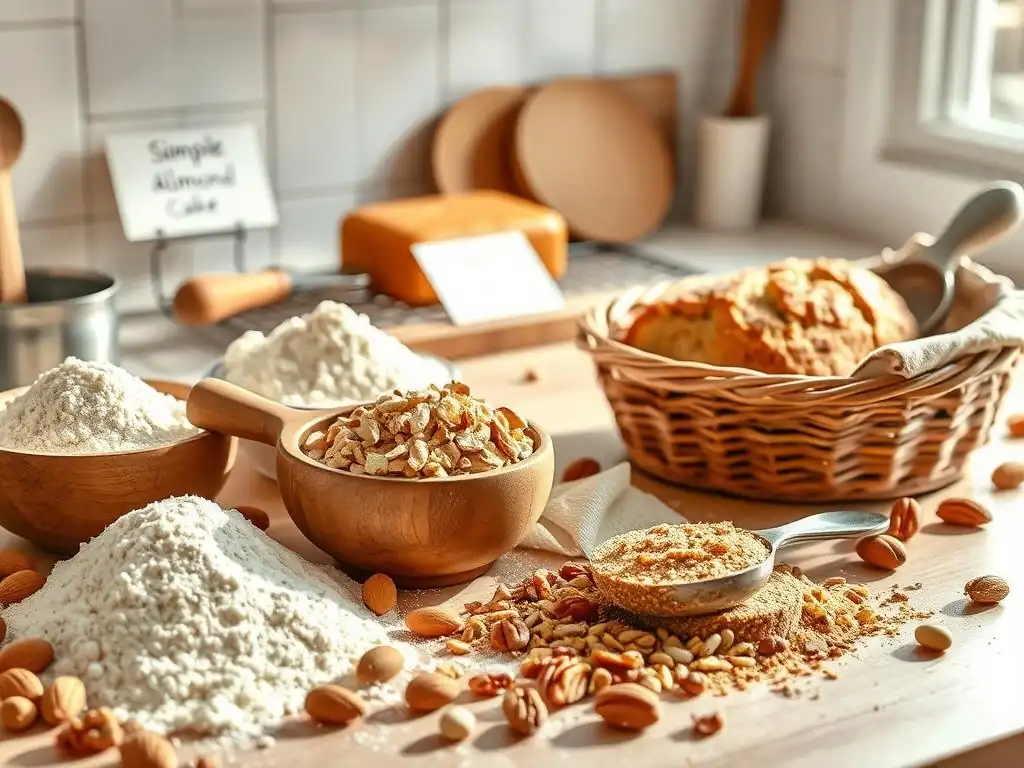
When purchasing nut flours and meals, quality and freshness are paramount. Look for brands that specialize in alternative flours or gluten-free baking ingredients, as they often have better quality control and faster product turnover, ensuring the flour is fresh. Reputable brands commonly found in grocery stores or online include Bob's Red Mill, King Arthur Baking Company (for almond flour), and Nature's Eats.
For specific or less common nut flours like pecan or walnut flour, you might need to look for specialty stores or online suppliers. Consider the texture description – "fine" for delicate work like macarons, "meal" or "coarse" for more rustic baked goods. Buying from suppliers with high turnover helps ensure the flour hasn't been sitting on the shelf for too long, reducing the risk of rancidity and ensuring the best results in your nut flour baking recipes.
DIY Nut Flour: A Simple Guide
Making your own nut flour or meal at home is a simple process and ensures you have the freshest possible product for your nut flour baking recipes. All you need are raw or lightly toasted nuts and a food processor or high-powered blender. This method is particularly useful if you need a small quantity or can't find a specific type of nut flour locally.
To make nut flour, start with blanched nuts (skins removed, like almonds) for fine flour, or whole nuts (like almonds, walnuts, or pecans) for meal. Place the nuts in the food processor and pulse repeatedly in short bursts (10-15 seconds at a time). Stop frequently to scrape down the sides and check the consistency.
Continue pulsing until you reach the desired texture – fine and powdery for flour, or coarser with small chunks for meal. Be very careful not to over-process, or you will end up with nut butter! Store your homemade nut flour in an airtight container in the refrigerator or freezer.
Conclusion: The Possibilities of Nut Flour Baking
Exploring nut flour baking recipes opens up a world of delicious possibilities, adding unique flavors, textures, and nutritional value to your baked goods. Whether you're seeking gluten-free alternatives, aiming to boost the protein and fiber in your treats, or simply looking to experiment with new tastes, nut flours offer a versatile and rewarding avenue for home bakers. From delicate almond macarons to rich hazelnut cakes and hearty walnut muffins, there's a nut flour out there to enhance almost any recipe.
Embracing nut flours means learning new techniques and understanding how these ingredients behave differently from traditional wheat flour. While there might be a slight learning curve in adapting recipes and troubleshooting common issues like dryness or density, the results are well worth the effort. With a little practice and adventurous spirit, you'll master the art of using various nut flours, creating delectable and wholesome nut flour baking recipes that will delight everyone who tries them.
Frequently Asked Questions
How does baking with nut flour differ from baking with traditional wheat flour?
Nut flours are gluten-free and generally have a higher fat content than wheat flour. This can result in a moister and denser baked good.
What are some common types of nut flours and meals used in baking?
Popular choices include almond flour/meal, walnut flour, pecan flour, and hazelnut flour. The difference between flour and meal often lies in the fineness of the grind.
Can I substitute nut flour directly for wheat flour in any recipe?
Generally, a direct substitution isn't recommended. Nut flours often require binding agents like eggs or xanthan gum due to the lack of gluten. It's best to use recipes specifically designed for nut flours.
What are the benefits of using nut flours in baking?
Nut flours offer a gluten-free alternative and add a nutty flavor and texture to baked goods. They are also generally lower in carbohydrates than wheat flour.
How should I store nut flours to maintain their freshness?
Due to their high fat content, nut flours are prone to rancidity. It's best to store them in an airtight container in the refrigerator or freezer to extend their shelf life.
Final Reflection: The Enduring Allure of Nut Flour Baking
The rise of nut flours in baking isn't just a fleeting trend; it's a testament to our growing desire for healthier, more flavorful, and often allergy-friendly alternatives. This shift reflects a conscious effort towards mindful eating and a deeper appreciation for the versatility of ingredients often overlooked in traditional baking. The possibilities are truly endless, from delicate cakes to hearty breads, showcasing the unique properties each nut flour brings to the table.
The journey of exploring nut flours has been a personal revelation, highlighting not only their culinary potential but also their connection to sustainable food practices. Many nut flours are sourced from smaller producers, supporting local economies and reducing the environmental impact associated with large-scale agriculture. This resonates deeply with my own values, and I believe it's a crucial aspect of the broader movement towards conscious consumption. The best things in life are simple, and good food should be no exception.
This quote perfectly encapsulates the joy and satisfaction derived from baking with these humble yet powerful ingredients.
Now, it's your turn to embark on this delicious adventure. Experiment with different nut flours, explore new recipes, and discover the unique textures and flavors each one offers. Don't be afraid to get creative, to adapt recipes, and to embrace the unexpected results. The world of nut flour baking is vast and waiting to be explored – let your culinary curiosity be your guide, and savor every delicious moment.
Unlock Your Baking Potential: Discover the World of Nut Flours!
Thanks for joining us on this nutty adventure! We hope you've gained a deeper appreciation for the versatility and deliciousness of nut flours and meals. Ready to put your newfound knowledge into practice?
- Bake your first nut-flour masterpiece! Choose a recipe from the article or try experimenting with your favorite nut flour – the possibilities are endless!
- Share your baking journey! Post a picture of your creation on social media and tag us – we'd love to see your results.
- Explore different nut flours: Try substituting almond flour with hazelnut or walnut flour in your next baking project and see how the flavor profile changes!
What unique nut flour combination will you try next? Let us know in the comments!