
Unlocking Sesame's Deep Flavor in Sweet & Savory Baking

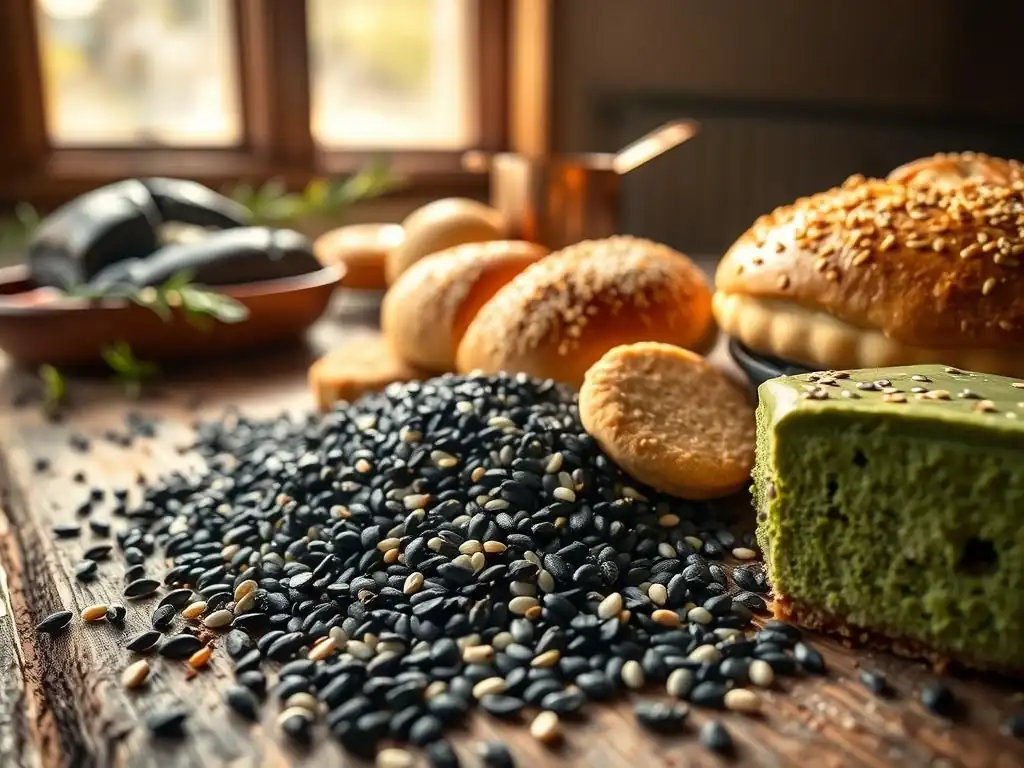
Welcome to BakeWithEase, where we believe anyone can create delicious baked goods! Ever wondered how to elevate your baking with a single, versatile ingredient? Dive into our latest exploration of the often-overlooked, yet incredibly complex, world of sesame flavor. Discover our collection of Sesame flavor baking recipes, from sweet to savory, and learn how to unlock its nutty depth in every bite. Intrigued? Keep reading to find out how this tiny seed can transform your next baking project!
- Introduction to Sesame Flavor in Baking: BakeWithEase's Guide
- Understanding Sesame Seeds: A Baker's Primer
- Enhancing Sesame Flavor in Baking Recipes: Techniques and Tips
- Savory Sesame Baking Recipes: Explore the Possibilities
- Sweet Sesame Baking Recipes: A Delightful Surprise
- Sesame in Baking: Troubleshooting and Common Mistakes
- Advanced Sesame Baking Techniques: Elevate Your Skills
- Conclusion: Mastering Sesame Flavor Baking Recipes with BakeWithEase
- Frequently Asked Questions
- Final Reflection: The Enduring Allure of Sesame, Beyond the Seed
- Unlock Sesame's Magic: Elevate Your Baking Today!
Introduction to Sesame Flavor in Baking: BakeWithEase's Guide
Welcome to BakeWithEase, where we explore unique ingredients to elevate your baking. Today, we're diving deep into the world of sesame and its incredible potential to add depth, richness, and a delightfully nutty character to both sweet and savory baked goods. Often overlooked in Western baking traditions, sesame is a staple in many global cuisines, celebrated for its versatile flavor and texture. From the humble sesame seed sprinkled on a bun to the intense richness of tahini, understanding how to harness sesame's power can transform your baking repertoire.
Mastering sesame flavor baking recipes opens up a new dimension of taste and aroma. Whether you're aiming for a subtle nuttiness in a cookie or a bold, earthy note in a loaf of bread, this guide will walk you through the nuances of using different forms of sesame. We'll cover everything from selecting the right seeds to incorporating pastes and oils, ensuring you can confidently create delicious treats that stand out. Get ready to discover why sesame deserves a prime spot in your pantry for all your baking adventures.
Understanding Sesame Seeds: A Baker's Primer
Sesame seeds, derived from the Sesamum indicum plant, are one of the oldest cultivated oilseed crops, dating back thousands of years. These tiny seeds pack a punch of flavor and nutrition, making them a valuable addition to any baker's ingredient list. Understanding the different types and forms of sesame available is key to unlocking their full potential in your kitchen. Their unique composition, rich in oils and lignans like sesamin and sesamolin, contributes not only to their distinctive taste but also to their stability and health benefits.
For bakers, sesame seeds offer more than just a garnish; they provide texture, aroma, and a complex flavor profile that pairs well with a wide range of ingredients. Whether used whole, ground, as a paste, or as oil, each form brings something unique to the table. Learning how each type behaves under heat and interacts with other ingredients is fundamental to successfully incorporating sesame into your favorite baked goods, leading to truly exceptional sesame flavor baking recipes.
Types of Sesame Seeds for Baking: White, Black, and Toasted
The most common types of sesame seeds encountered in baking are white (hulled), black (unhulled), and toasted. White sesame seeds, having had their hulls removed, are lighter in color and offer a milder, slightly sweet, nutty flavor. They are often used as a topping for breads and rolls, providing a delicate crunch and visual appeal. Approximately 90% of the sesame seeds consumed globally are white or off-white varieties.
Black sesame seeds, on the other hand, retain their hull and boast a more intense, slightly bitter, and earthy flavor compared to white seeds. They are also richer in calcium and antioxidants.
Black sesame is popular in Asian baking, often ground into a paste for fillings or used whole for dramatic visual contrast and deeper flavor in items like mochi or black sesame buns. Toasted sesame seeds, regardless of whether they started as white or black, have been heated to enhance their natural oils and deepen their flavor profile, resulting in a significantly nuttier and more aromatic seed, ideal for adding a burst of flavor directly into doughs or batters.
The Unique Flavor Profile of Sesame: Nutty, Earthy, and Toasty
Sesame's flavor is complex and depends heavily on whether the seeds are raw, toasted, or processed into oil or paste. Raw sesame seeds possess a subtle, slightly bitter, and mild nutty taste. This flavor intensifies dramatically upon toasting, transforming into a rich, deeply nutty, and aromatic profile with hints of earthiness and caramelization. The toasting process unlocks volatile compounds within the seed oils, significantly boosting their fragrance and taste.
Tahini, a paste made from ground sesame seeds, offers another dimension. Tahini from hulled (white) seeds is creamy and has a smooth, rich, slightly bitter, and nutty flavor, often used in both sweet and savory applications. Tahini from unhulled (black or brown) seeds is more robust, intensely earthy, and can be quite bitter.
Sesame oil, especially dark (toasted) sesame oil, provides a powerful, concentrated nutty and smoky flavor that is typically used sparingly as a finishing oil or flavor enhancer rather than a primary cooking fat in baking. Understanding these variations is crucial for crafting balanced and delicious sesame flavor baking recipes.
Sesame's Nutritional Benefits for Health-Conscious Baking
Beyond its delightful flavor, sesame seeds are a nutritional powerhouse, offering several benefits that appeal to health-conscious bakers. They are an excellent source of healthy fats, primarily polyunsaturated and monounsaturated fats, which contribute to heart health. A quarter cup (about 36 grams) of sesame seeds contains approximately 20 grams of fat, with roughly 3 grams of saturated fat. They also provide about 5 grams of protein and 4 grams of dietary fiber per serving.
Sesame seeds are particularly rich in minerals, including calcium (especially unhulled seeds, though absorption can vary), magnesium, zinc, iron, and copper. They also contain lignans like sesamin and sesamolin, which are antioxidants and may have anti-inflammatory properties. Incorporating sesame into baking adds these nutrients, potentially enhancing the nutritional profile of treats like breads, muffins, or energy bars, making your sesame flavor baking recipes not just tasty but also more nourishing.
Enhancing Sesame Flavor in Baking Recipes: Techniques and Tips
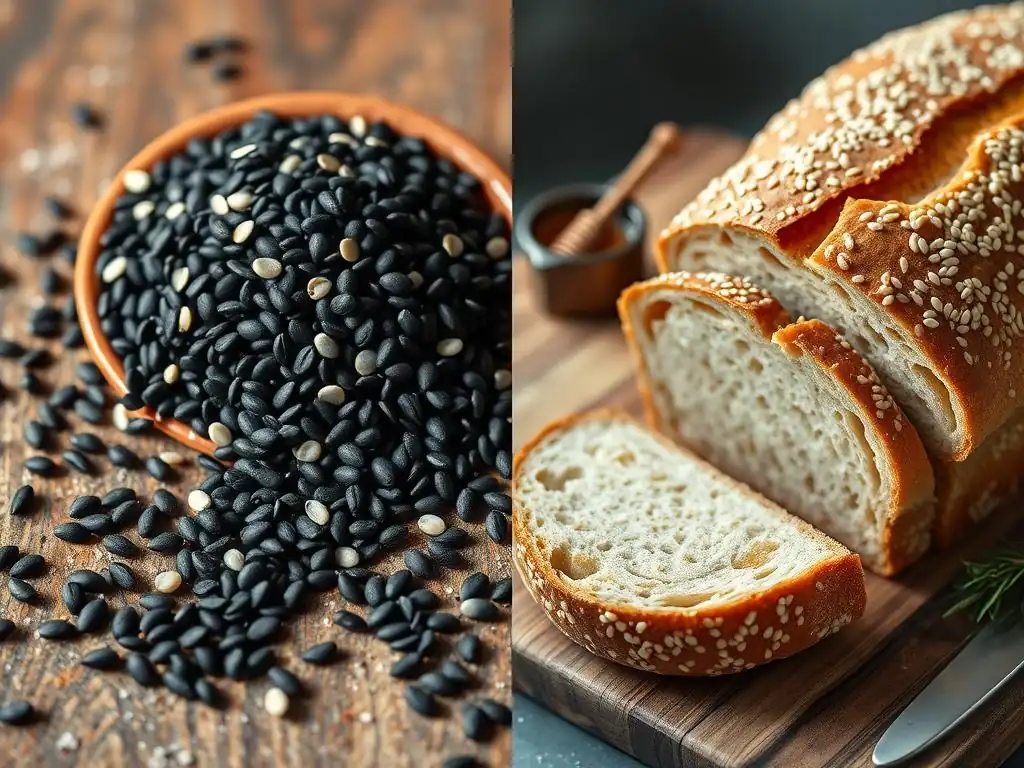
Simply adding raw sesame seeds to a recipe might give you some texture and visual appeal, but to truly unlock the deep, complex flavor of sesame, specific techniques are required. The way you prepare and incorporate sesame can dramatically impact the final taste of your baked goods. From heat treatment to choosing the right form (seeds, oil, or paste), understanding these methods is key to maximizing sesame's potential.
Effective use of sesame involves considering how its flavor interacts with other ingredients and the overall structure and texture of the bake. For instance, adding toasted seeds to a dough provides a textural element and distributes flavor throughout, while using tahini can add richness and moisture. Experimenting with different techniques allows you to fine-tune the intensity and character of the sesame flavor in your baking recipes.
Toasting Sesame Seeds: Maximizing Aroma and Depth of Flavor
Toasting is perhaps the most critical step in unlocking sesame's full flavor potential. Raw sesame seeds contain oils and compounds that are relatively dormant. Gentle heat activates these oils and initiates the Maillard reaction, developing complex nutty, smoky, and roasted notes that are far more pronounced than in raw seeds. This process significantly enhances the aroma and depth of the seeds.
To toast sesame seeds, spread them in a single layer on a dry skillet over medium heat or on a baking sheet in a preheated oven (around 300-325°F or 150-160°C). Stir or shake frequently. The seeds are ready when they are fragrant, slightly darker in color (especially white seeds), and pop occasionally, which usually takes 5-10 minutes on the stovetop or 8-15 minutes in the oven.
Be careful not to burn them, as burnt sesame is bitter. Once toasted, immediately transfer them to a cool plate to stop the cooking process. Properly toasted seeds are essential for standout sesame flavor baking recipes.
Sesame Oil in Baking: Choosing the Right Type and Amount
Sesame oil comes in two main varieties for culinary use: light (or untoasted) and dark (or toasted). Light sesame oil is pressed from raw seeds and has a neutral flavor, similar to other vegetable oils, making it suitable for general cooking where you need fat but not a strong sesame taste. Dark sesame oil, however, is made from toasted sesame seeds and possesses a very strong, distinctive nutty and smoky flavor.
In baking, dark sesame oil is typically used in small quantities as a flavoring agent rather than the primary fat source, especially in savory or certain sweet applications where its bold profile is desired. A teaspoon or two can add a significant depth of flavor to marinades for savory pastries or doughs, or even a subtle note in some cookie or cake recipes.
Using too much can overpower other flavors and potentially make the baked good greasy. Light sesame oil can be used like any other neutral oil if the recipe calls for it, but it won't contribute the characteristic sesame flavor.
Sesame Paste (Tahini) in Baking: Adding Creaminess and Intense Flavor
Tahini, a paste made from ground sesame seeds, is a versatile ingredient that adds both creaminess and intense sesame flavor to baked goods. Made from hulled sesame seeds, tahini has a smooth, pourable consistency similar to peanut butter and a rich, slightly bitter, and nutty taste. It's a staple in Middle Eastern and Mediterranean cuisine but is increasingly finding its way into diverse baking recipes.
Incorporating tahini into batters and doughs adds moisture, richness, and a unique earthy nuttiness. It can replace a portion of the butter or oil in recipes for cookies, cakes, brownies, and even bread. For example, substituting 1/4 to 1/2 of the fat with tahini in a cookie recipe can yield a wonderfully chewy texture and a pronounced sesame flavor. Tahini can also be used in glazes, fillings, or swirled into batters for added visual appeal and flavor pockets, making it a fantastic component for developing innovative sesame flavor baking recipes.
Combining Sesame with Other Flavors: Honey, Ginger, Soy Sauce, Citrus
Sesame's nutty and earthy profile pairs beautifully with a variety of other flavors, creating complex and harmonious taste combinations in baking. One classic pairing, especially in Middle Eastern and Mediterranean sweets, is sesame with honey or dates, where the sweetness balances sesame's slight bitterness. Think of sesame halva or tahini-date bars.
In savory baking, sesame marries exceptionally well with ingredients commonly found in Asian cuisine, such as soy sauce, ginger, garlic, and chili. These combinations can be found in savory sesame crackers, breadsticks, or even incorporated into doughs for savory buns. Citrus flavors, particularly lemon and orange, also complement sesame, adding brightness that cuts through its richness. A lemon-tahini glaze on a cake or cookies is a delightful example. Experimenting with these pairings allows you to create truly unique and memorable sesame flavor baking recipes.
Savory Sesame Baking Recipes: Explore the Possibilities
Sesame is a natural fit for savory baking, adding depth, texture, and a distinct nutty aroma to breads, crackers, and pastries. Its ability to complement herbs, spices, and salty flavors makes it incredibly versatile in this realm. From simple seed toppings to incorporating sesame paste or oil into the dough itself, the possibilities for savory sesame creations are vast and delicious.
Exploring savory sesame flavor baking recipes allows you to move beyond the sweet treats and create satisfying snacks, appetizers, or accompaniments to meals. The crunch of toasted seeds or the rich earthiness of tahini can elevate even the simplest savory bake into something special.
Sesame Seed Bread Recipe: A Classic Savory Bake
Sesame seed bread is a timeless classic, beloved for its crust coated in fragrant, toasted sesame seeds. The seeds not only provide a delightful crunch but also infuse the crust with a rich, nutty aroma as it bakes. This type of bread can range from simple sandwich loaves to rustic boules or even savory rolls.
A typical recipe might involve incorporating a small amount of toasted sesame seeds directly into the dough for flavor throughout, and then generously coating the exterior of the shaped loaf with more seeds just before baking. The high heat of the oven helps to further toast the exterior seeds, intensifying their flavor.
Using a mix of white and black sesame seeds can add visual interest and a slightly more complex flavor profile to the crust. Baking at around 400°F (200°C) for 25-40 minutes, depending on the loaf size, usually yields a golden crust and a soft interior, perfect for enjoying with meals or simply sliced with butter.
Sesame Crackers Recipe: Crispy and Flavorful
Homemade sesame crackers are a wonderfully addictive savory snack, offering a crisp texture and a burst of nutty flavor. They are relatively simple to make and can be customized with various herbs and spices. The key to great sesame crackers lies in a thin dough and ample sesame seeds.
A basic recipe often uses flour, water, oil (sometimes sesame oil for extra flavor), salt, and a generous amount of toasted sesame seeds mixed into the dough. The dough is rolled out very thinly, cut into shapes, and often sprinkled with more seeds before baking. Baking at a moderate temperature, around 350-375°F (175-190°C), for 12-20 minutes, until golden brown and crisp, ensures a perfect crunch. Adding flavors like black pepper, garlic powder, or dried herbs like rosemary or thyme can enhance the savory profile, making these crackers a versatile base for cheeses or dips.
Sesame Bagels Recipe: A Delicious Twist on a Classic
Sesame bagels are a beloved breakfast staple, featuring a chewy interior and a generously seeded crust. While plain bagels are common, the addition of sesame seeds elevates them with extra flavor and texture. The process involves boiling the shaped dough before baking, which contributes to the unique chewy texture.
For sesame bagels, the dough is formed into rings, boiled briefly in water (sometimes with a touch of barley malt or honey), and then drained. While still damp, the bagels are pressed into a shallow dish filled with toasted sesame seeds, ensuring a thick coating. They are then baked at a high temperature, typically 400-425°F (200-220°C), for 18-25 minutes until golden brown. The combination of the chewy dough and the nutty, slightly crunchy sesame crust is what makes these bagels so satisfying.
Sesame Pretzels Recipe: A Savory and Crunchy Snack
Adding sesame seeds to homemade pretzels is a fantastic way to introduce a nutty layer to this classic savory snack. Whether you're making soft pretzels or crunchy pretzel knots, sesame seeds adhere well to the dough after its traditional dip in a baking soda solution.
After shaping the pretzel dough and giving it a quick dip in a hot baking soda bath (which helps with browning and texture), the wet surface is perfect for coating with toasted sesame seeds. A generous sprinkle ensures every bite includes the nutty flavor. Baking at around 400-450°F (200-230°C) until deeply browned and crunchy (for hard pretzels) or golden and soft (for soft pretzels) brings out the best in the sesame seeds and the dough. The combination of the slightly alkaline crust and the nutty sesame is particularly appealing in sesame flavor baking recipes like this.
Sweet Sesame Baking Recipes: A Delightful Surprise
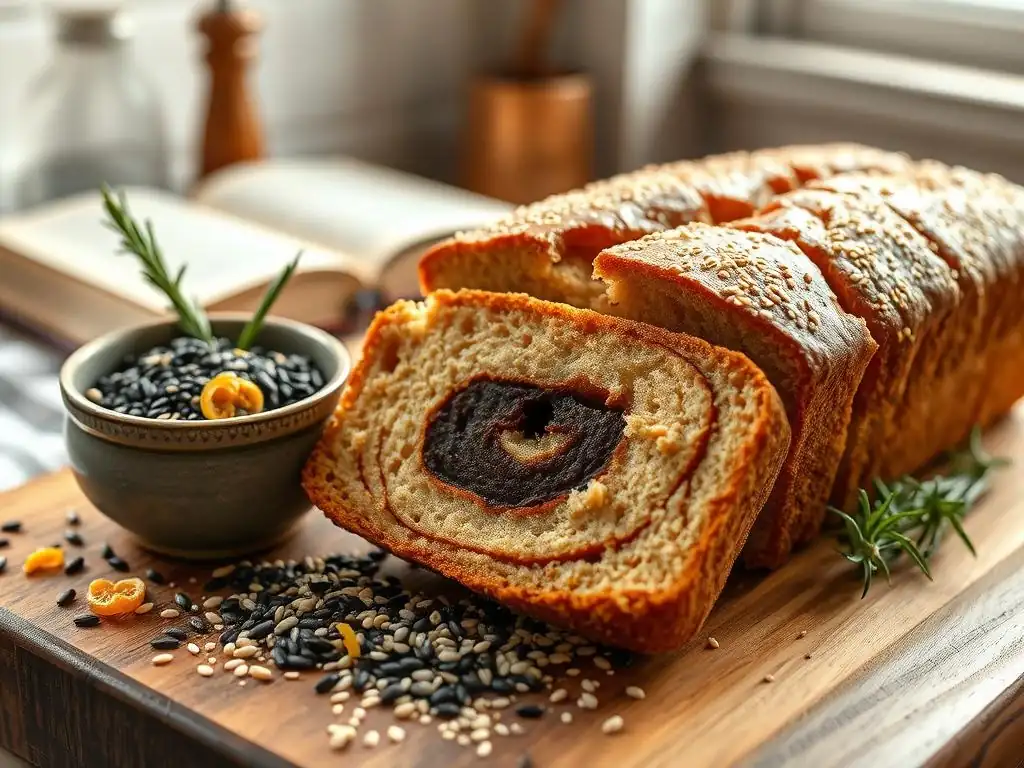
While savory applications of sesame are common, its use in sweet baking offers a delightful and often unexpected twist. The nutty, slightly earthy flavor of sesame, especially when toasted or in the form of tahini, pairs wonderfully with ingredients like chocolate, caramel, fruit, and various spices. Incorporating sesame into sweet treats adds complexity and sophistication, moving beyond traditional dessert flavors.
Exploring sweet sesame flavor baking recipes allows for creativity and introduces unique textures and aromas to cookies, cakes, candies, and more. From the subtle crunch of seeds in a cookie to the rich depth of tahini in a cake, sesame can transform familiar sweets into exciting new experiences.
Sesame cookies are incredibly versatile, ranging from thin, crisp wafers coated in seeds to chewy cookies with tahini mixed into the dough. The addition of sesame seeds provides a pleasant crunch and a distinct nutty flavor that makes them highly addictive.
A common approach is to roll cookie dough balls in toasted sesame seeds before baking. As the cookies spread, the seeds form a beautiful, flavorful crust. Another popular method is to incorporate tahini into the cookie dough itself, replacing some of the butter or oil. For example, a simple tahini cookie might use 1/2 cup of tahini with 1/4 cup of butter and 1 cup of sugar, resulting in a tender, slightly chewy cookie with a pronounced sesame flavor. Baking at around 350°F (175°C) for 10-15 minutes usually yields perfect sesame cookies.
Sesame Cake Recipe: A Unique and Elegant Dessert
Sesame, particularly in the form of tahini or ground black sesame, can add a unique depth and elegance to cakes. Tahini contributes moisture and a rich, slightly earthy nuttiness that pairs well with flavors like honey, lemon, or chocolate. Black sesame paste adds a dramatic color and an intense, slightly bitter, and earthy flavor.
A tahini cake might replace a portion of the oil or butter with tahini, perhaps using 1/2 cup of tahini for every cup of flour. This results in a moist crumb with a subtle, sophisticated flavor. Black sesame cakes, popular in some parts of Asia, often use a paste made from finely ground black sesame seeds mixed with sugar or honey, incorporated directly into a sponge or butter cake batter.
Baking time and temperature will vary depending on the cake size and type, but typically around 325-350°F (160-175°C) for 30-45 minutes for a loaf cake or longer for a larger cake. The resulting cake is moist, flavorful, and visually striking if using black sesame.
Sesame Caramel Recipe: A Sweet and Nutty Delight
Adding sesame, either as toasted seeds or tahini, to caramel creates a sweet and nutty confection that is both sophisticated and delicious. The nutty notes of sesame balance the sweetness of the caramel, resulting in a more complex flavor profile.
A sesame caramel sauce can be made by stirring toasted sesame seeds or tahini into finished caramel sauce. For example, adding 2-3 tablespoons of tahini to a standard batch of caramel (made from sugar, butter, and cream) creates a rich, slightly earthy, and nutty sauce perfect for drizzling over cakes, ice cream, or using as a dip. Alternatively, toasted sesame seeds can be stirred into caramel just before it sets to create sesame brittle or caramels with a delightful crunch. The sesame adds a layer of flavor that elevates simple caramel into something truly special.
Sesame Mochi Recipe: A Chewy and Flavorful Treat
Mochi, a traditional Japanese rice cake, takes on a delightful nutty dimension when filled with or coated in sesame. Black sesame is particularly popular in mochi preparations, offering both intense flavor and a striking dark color.
One common approach is to create a sweet black sesame paste filling for mochi. This involves grinding toasted black sesame seeds with sugar and a small amount of liquid (like water or milk) to form a thick paste. This paste is then enclosed within the chewy mochi dough. Alternatively, mochi can be rolled in kinako (toasted soybean flour) mixed with ground toasted sesame seeds and sugar for a nutty coating. The chewy texture of the mochi paired with the rich, sweet, and earthy flavor of sesame is a harmonious combination found in many sesame flavor baking recipes from Japan.
Sesame in Baking: Troubleshooting and Common Mistakes
While sesame is a rewarding ingredient to work with, there are a few potential pitfalls that bakers should be aware of. Avoiding common mistakes ensures that you get the best possible flavor and texture from your sesame ingredients, leading to successful sesame flavor baking recipes every time.
Understanding how factors like heat, storage, and substitutions affect sesame is key to troubleshooting issues that might arise. Addressing potential bitterness or ensuring freshness will help you achieve optimal results and truly unlock sesame's delicious potential.
Avoiding Bitterness: Tips for Perfect Sesame Flavor
Bitterness in sesame baked goods often stems from two main sources: over-toasting the seeds or using old, rancid sesame products. Sesame seeds, especially black seeds or tahini made from unhulled seeds, can naturally have a slight bitterness, but this should be balanced by nuttiness and sweetness in a well-made product.
To prevent bitterness, carefully monitor sesame seeds while toasting; they should be fragrant and lightly colored, not dark brown or smoking. When using tahini, taste it first – fresh tahini should be creamy and nutty with only a hint of bitterness, not overwhelmingly bitter or acrid. Rancid sesame oil or seeds will have a harsh, unpleasant smell and taste; always use fresh ingredients. Storing sesame products correctly (see below) also helps prevent rancidity, ensuring your sesame flavor baking recipes taste their best.
Storing Sesame Baked Goods for Optimal Freshness
Like many baked goods, items containing sesame are best stored properly to maintain their freshness, texture, and flavor, particularly the delicate nutty aroma of the sesame. Exposure to air, light, and heat can cause the oils in sesame to oxidize, leading to staling and off-flavors.
Baked goods containing whole sesame seeds are generally best stored in an airtight container at room temperature for 2-4 days. Breads can be wrapped tightly. Items with high moisture content, like cakes or muffins containing tahini, might benefit from refrigeration if not consumed within a couple of days, extending their life to about a week. For longer storage, most sesame baked goods can be frozen for 2-3 months when wrapped properly to prevent freezer burn. Always ensure baked goods are completely cooled before storing.
Substituting Sesame Seeds in Baking Recipes: Sunflower Seeds, Chia Seeds
While sesame has a unique flavor, sometimes substitutions are necessary due to allergies or availability. Finding a perfect one-to-one substitute for sesame flavor is challenging, but you can often replace the texture or visual aspect with other seeds.
For textural and visual substitution in toppings or mixed into doughs, sunflower seeds (shelled and sometimes chopped), poppy seeds, or chia seeds can work. Sunflower seeds offer a nutty flavor, though different from sesame. Poppy seeds provide a similar small size and crunch but lack nuttiness.
Chia seeds add texture and absorb moisture differently. For tahini substitutions where creaminess and nuttiness are needed, some recipes might suggest using other nut or seed butters like cashew butter or sunflower seed butter, but be aware the flavor profile will change significantly. These substitutions won't replicate the exact sesame flavor but can provide alternative textures and visual appeal in sesame flavor baking recipes.
Advanced Sesame Baking Techniques: Elevate Your Skills
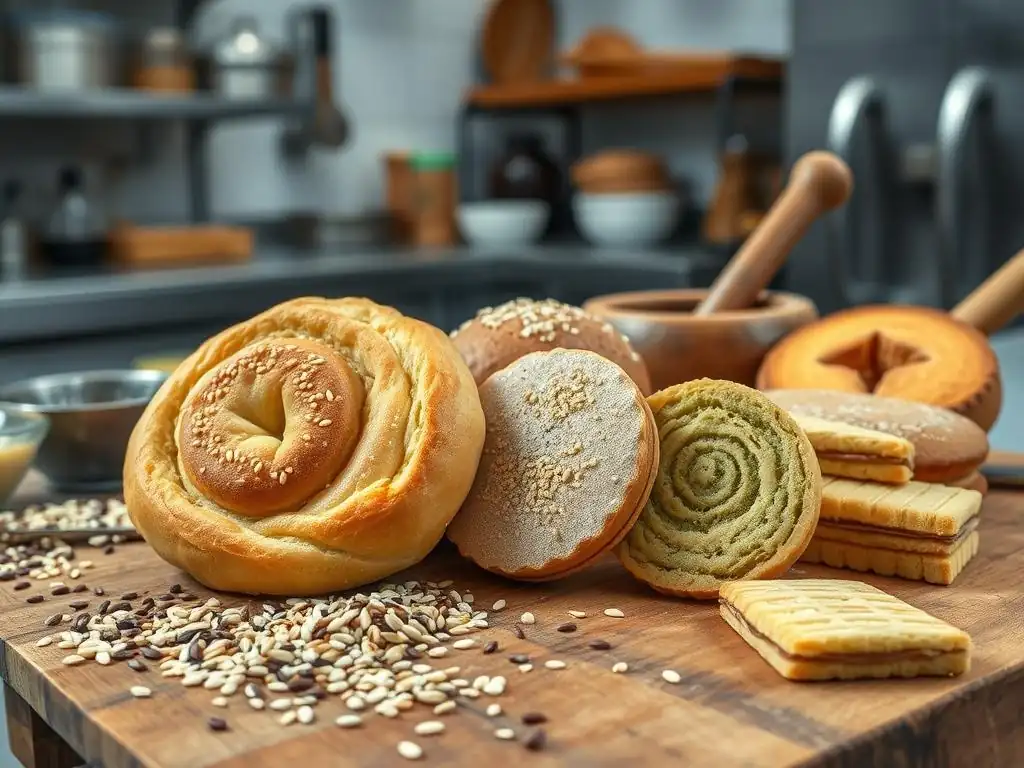
Once you've mastered the basics of using sesame seeds, oil, and tahini, you can explore more advanced techniques to further integrate and showcase this versatile ingredient in your baking. These methods allow for a deeper infusion of flavor and can introduce new textures and visual elements.
Moving into advanced techniques involves working with different forms of sesame and understanding how to create specific textures and applications, such as glazes, flours, or concentrated pastes for specific flavor profiles. These techniques are perfect for pushing the boundaries of your sesame flavor baking recipes.
Creating Sesame Glazes and Coatings for Baked Goods
Sesame glazes and coatings add a final layer of flavor and visual appeal to baked goods. A simple glaze can be made by whisking together tahini with a liquid sweetener (like honey or maple syrup) and a bit of water or citrus juice to achieve a pourable consistency. This glaze is wonderful drizzled over cakes, muffins, or cookies.
For a crunchy coating, toasted sesame seeds can be mixed with sugar (sometimes caramelized) to create a praline-like texture, or simply sprinkled generously over wet glazes or sticky surfaces before baking. Another technique involves making a sesame brittle and breaking it into pieces to use as a garnish or incorporate into other elements. These applications allow the sesame flavor to be prominent on the surface of the bake.
Using Sesame Flour in Gluten-Free Baking
Sesame flour, made from ground sesame seeds (often after the oil has been extracted), is a nutritious and flavorful option for gluten-free baking. It is lower in carbohydrates than traditional flours and provides a nutty flavor and unique texture.
Sesame flour can be used in combination with other gluten-free flours (like almond flour, rice flour, or tapioca starch) in recipes for breads, muffins, cookies, and crackers. It adds protein, fiber, and minerals. Due to its high oil content and lack of gluten, sesame flour typically needs to be blended with other flours for structure and texture; substituting more than 15-25% of the total flour with sesame flour can sometimes result in a dense or crumbly texture. It's essential to follow specific gluten-free sesame flavor baking recipes designed to use sesame flour effectively.
Exploring Black Sesame Paste for Intense Flavor and Color
Black sesame paste, made from ground unhulled black sesame seeds, offers a more intense flavor and a dramatic dark color compared to tahini made from white seeds. Its flavor is deeper, earthier, and slightly more bitter, making it a striking ingredient for specific applications.
Black sesame paste is widely used in Asian desserts, providing a rich, nutty, and slightly savory contrast to sweetness. It can be used to make fillings for buns, pastries, or mochi, or incorporated directly into cake batters, ice cream bases, or puddings for both flavor and color. Because its flavor is quite potent, it is often balanced with sugar, honey, or other sweet elements. Using black sesame paste is an excellent way to create visually stunning and intensely flavored sesame flavor baking recipes.
Conclusion: Mastering Sesame Flavor Baking Recipes with BakeWithEase
Exploring sesame in baking opens up a world of rich, nutty, and aromatic possibilities for both sweet and savory creations. From the simple elegance of toasted seeds on bread to the deep complexity of tahini in a cake or black sesame paste in mochi, sesame offers a versatile palette for bakers of all levels. Understanding the different types of sesame, the impact of toasting, and how to use sesame oil and paste effectively are key steps in harnessing its unique flavor profile.
We've covered techniques for enhancing sesame flavor, explored classic and innovative sesame flavor baking recipes, and discussed troubleshooting tips to ensure your bakes are always delicious. With the knowledge gained from this BakeWithEase guide, you are well-equipped to experiment confidently with sesame and add a distinctive touch to your baking repertoire. So grab your sesame seeds, tahini, or oil, and start creating some truly exceptional sesame flavor baking recipes today!
Frequently Asked Questions
How can I enhance the sesame flavor in my baking recipes?
To boost the sesame flavor, try toasting your sesame seeds before adding them. Also, consider using sesame oil or tahini in your recipes.
What types of baking recipes benefit most from sesame flavor?
Sesame works well in both sweet and savory dishes. Think Asian-inspired breads, cookies with nutty undertones, and even savory pastries.
Where can I find high-quality sesame seeds for baking?
Look for sesame seeds at Asian grocery stores, health food stores, or the baking section of your local supermarket. Opt for hulled or unhulled seeds based on your preference.
What are some common mistakes to avoid when baking with sesame?
Avoid over-baking, which can make the sesame seeds bitter. Also, be mindful of sesame oil's strong flavor; use it sparingly at first.
Are there any substitutes for sesame seeds in baking?
While not a perfect match, sunflower seeds or poppy seeds can offer a similar textural element and nutty flavor. However, the unique sesame taste will be missing.
Final Reflection: The Enduring Allure of Sesame, Beyond the Seed
The subtle yet profound flavor of sesame, once a culinary niche, is experiencing a well-deserved renaissance in both sweet and savory baking. Its versatility, from the nutty depth of tahini to the delicate crunch of toasted seeds, is transforming how we approach flavor profiles in the kitchen. This isn't just a trend; it's a rediscovery of an ingredient with a rich history and a future brimming with possibilities.
The journey through sesame's multifaceted culinary landscape has been a personal one, revealing the surprising ways this humble seed can elevate even the simplest recipes. I've been continually amazed by the spectrum of flavors it unlocks, from the delicate floral notes in a sesame-infused shortbread to the robust earthiness in a black sesame chocolate cake. The best things in life are simple,
a phrase often repeated, rings especially true when considering the transformative power of a single, carefully chosen ingredient. The impact of sesame extends beyond mere taste; it speaks to a growing appreciation for global flavors and a renewed focus on the quality and provenance of our ingredients.
Now, it's your turn to explore. Don't be afraid to experiment! Try incorporating sesame into your favorite recipes, whether it's a sprinkle of toasted seeds on your morning muffin or a generous swirl of tahini in your next brownie batter. Let the versatility of sesame inspire you to create your own unique culinary masterpieces. Embrace the unexpected, savor the journey, and unlock the deep, resonant flavor of sesame in your own baking adventures.
Unlock Sesame's Magic: Elevate Your Baking Today!
Thanks for exploring the wonderful world of sesame seeds with us! We hope you've discovered new ways to infuse your baking with unique depth and flavor. Ready to put your newfound knowledge into practice?
- Bake your best sesame creation yet! Try one of the recipes featured in the article, or experiment with your own variations. Let the nutty aroma and rich taste transform your next batch of cookies, bread, or even savory pastries.
- Share your sesame-infused masterpiece! Show us your baking triumphs on social media using #BakeWithEaseSesame. We can’t wait to see what you create!
- Explore other unique baking ingredients on BakeWithEase.com – we have plenty of inspiration waiting for you.
What exciting sesame-based recipe will you bake first? Let us know in the comments!