
Decorate Like a Pro: Using Nuts & Seeds Creatively

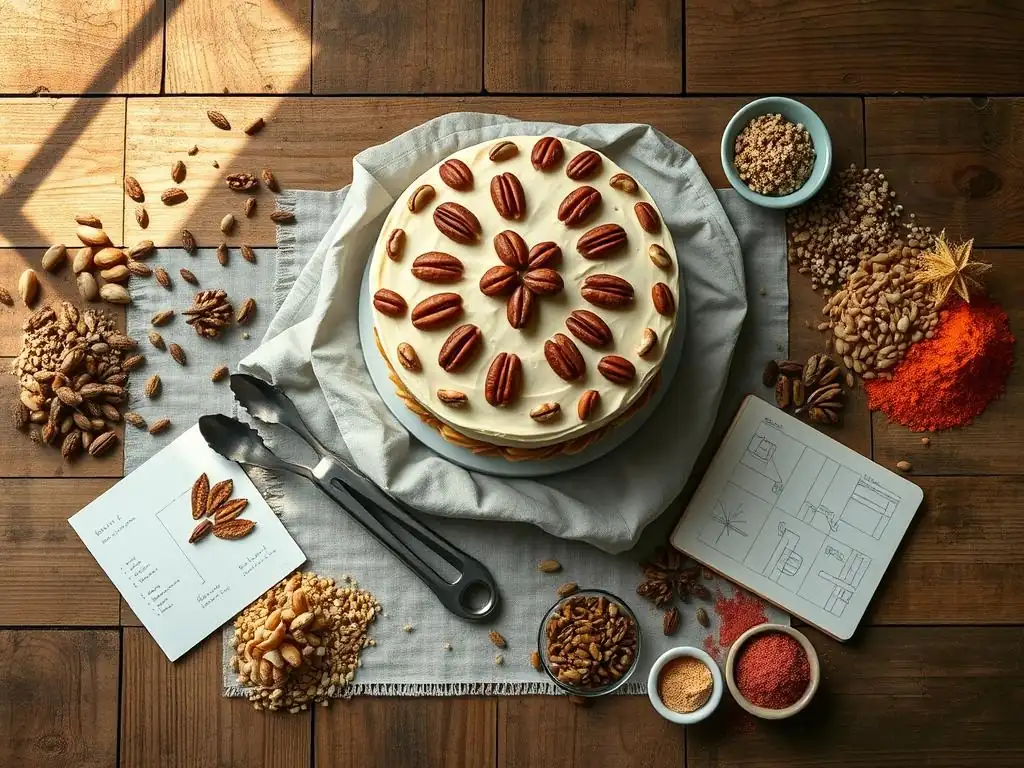
Welcome to BakeWithEase, your passport to baking brilliance! Are you ready to transform your baked goods into edible masterpieces? This week, we're diving deep into the delicious world of nut and seed decorating – an easy way to add texture, flavor, and visual appeal to your creations. Discover how to elevate your pastries, breads, and more with these simple, natural ingredients. Intrigued? Let's unlock the secrets to easy nut seed decorating and turn your baking dreams into stunning realities!
- Introduction to Nut & Seed Decorating for Baking
- Mastering Nut & Seed Decorating Techniques
- Best Nuts for Baking Decoration
- Best Seeds for Baking Decoration
- Nut & Seed Decorating Ideas for Different Baked Goods
- Tips for Storing Decorated Baked Goods
- Advanced Nut & Seed Decorating Techniques
- Troubleshooting Common Nut & Seed Decorating Problems
- Conclusion: Unleash Your Creativity with Nut & Seed Decorating
-
Frequently Asked Questions
- What are some easy nuts and seeds to use for decorating baked goods?
- How can I make nuts and seeds stick to frosting or icing?
- Is it necessary to toast nuts and seeds before using them for decoration?
- What are some creative ways to arrange nuts and seeds on a cake or pastry?
- Can I use nuts and seeds for decorating savory baked goods, like breads or crackers?
- Final Reflection: Unlocking Nature's Tiny Treasures
- Unleash Your Inner Artisan: Craft Stunning Decorations!
Introduction to Nut & Seed Decorating for Baking
Elevate Your Bakes with Nut & Seed Embellishments
Adding nuts and seeds to the exterior of your baked goods is one of the simplest yet most effective ways to transform them from ordinary to extraordinary. It's not just about making something look pretty; these natural elements add layers of texture, flavor, and even nutritional value. Think about a simple scone topped with coarse sugar and sunflower seeds, or a rich chocolate cake adorned with toasted pecans. These small touches make a big difference in the overall sensory experience.
Mastering easy nut seed decorating opens up a world of possibilities for home bakers. You can create rustic charm, elegant finishes, or playful patterns depending on the type of nut or seed you choose and how you apply it. It's a technique that requires minimal special equipment but offers maximum visual and gustatory impact, making it perfect for anyone looking to enhance their baking skills without complexity.
Why Choose Nuts & Seeds for Decoration?
Nuts and seeds offer a unique combination of benefits that make them ideal for decorating baked goods. Firstly, they provide fantastic textural contrast. A soft cake or chewy cookie paired with the crunch of a nut or seed creates a more dynamic bite. This textural interplay is highly appealing and can elevate even the simplest recipe.
Secondly, nuts and seeds contribute wonderful flavors that complement a wide range of baked goods, from sweet to savory. Toasting them beforehand can deepen their flavor profiles significantly. Almonds pair beautifully with fruit tarts, walnuts enhance banana bread, and sesame seeds add a lovely nutty note to bread rolls. This dual function of adding both visual appeal and delicious flavor makes easy nut seed decorating a go-to technique for savvy bakers.
Mastering Nut & Seed Decorating Techniques
Simple Seed Sprinkling Techniques
Sprinkling seeds is perhaps the most straightforward method for easy nut seed decorating. It requires little skill but yields great results, especially on items like bread, rolls, muffins, or even the edges of cookies. You can sprinkle seeds before baking, allowing them to adhere directly to the dough or batter, or after applying a wash (like egg wash or milk) to the surface.
For an even coating, place the seeds in a shallow dish and dip the item's surface directly into the seeds. For a more controlled sprinkle, use your fingers or a small spoon. Common seeds used include sesame seeds (white, black, or mixed), poppy seeds, chia seeds, and flax seeds. A light misting of water or a brush of egg white before sprinkling helps the seeds stick firmly during baking.
Creating patterns with nuts adds a touch of sophistication. For cakes, chopped nuts like pecans or walnuts can be pressed gently into the sides of frosted cakes or arranged in decorative borders on top. On cookies, you can place nut halves or pieces before baking to create specific designs, such as a single almond in the center of a thumbprint cookie or a row of pecan halves along the edge of a shortbread.
Consider the size and shape of the nuts when planning your pattern. Slivered almonds can create delicate lines, while larger pieces like walnut halves make a bolder statement. Pressing them slightly into the dough or frosting ensures they stay in place. This technique allows for creative expression while still being relatively easy nut seed decorating.
Achieving Perfect Nut & Seed Adhesion: Tips and Tricks
Proper adhesion is key to ensuring your nut and seed decorations stay put and don't fall off after baking or cooling. For items baked with the nuts/seeds on top, applying a wash is crucial. An egg wash (egg beaten with a little water or milk) is classic for breads and pastries, giving a golden color and excellent stickiness.
A simple milk or cream wash also works, as does brushing with melted butter or oil. For items where nuts/seeds are applied after baking, such as cakes or frosted cookies, soft frosting, melted chocolate, caramel, or a thin layer of jam or syrup can act as the adhesive.
- For Baking:
- Apply egg wash, milk wash, or melted butter/oil.
- Press nuts/seeds gently into the dough/batter.
- Bake at the correct temperature; excessive heat can scorch nuts.
- For Post-Baking:
- Use frosting, melted chocolate, caramel, or syrup.
- Apply adhesive before the surface sets.
- Gently press nuts/seeds onto the sticky surface.
Using slightly crushed or chopped nuts often adheres better than whole nuts due to increased surface area.
Best Nuts for Baking Decoration
Almonds: Versatile Decorations
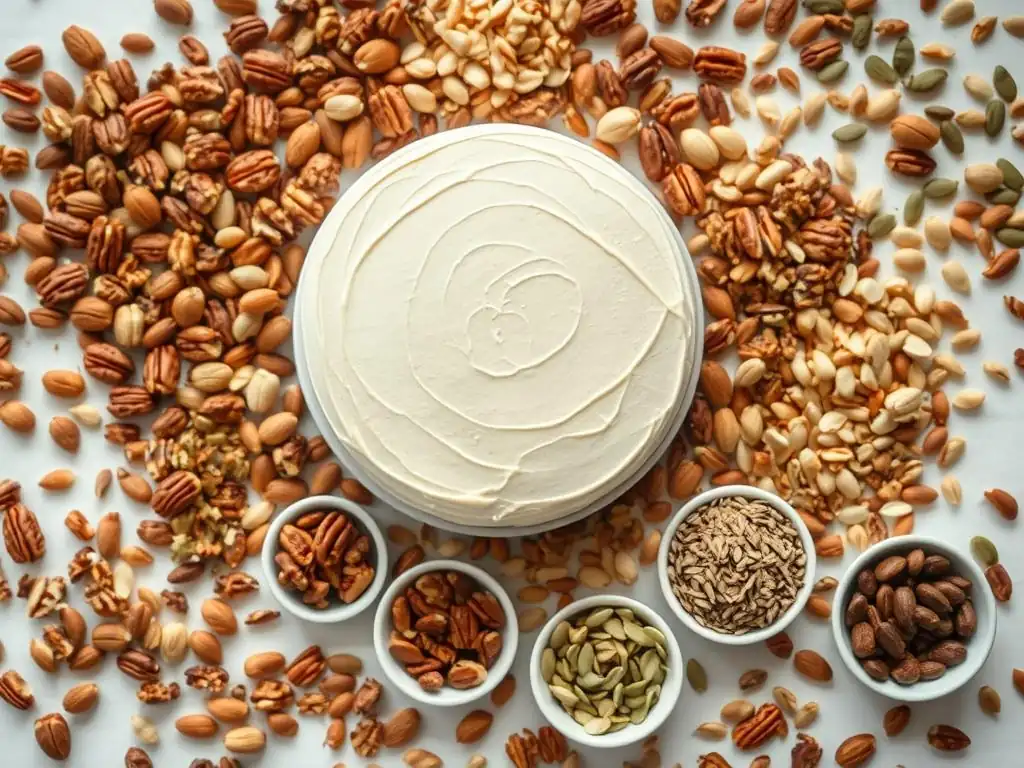
Almonds are incredibly versatile for easy nut seed decorating. Available in various forms – whole, slivered, sliced, blanched, or with skin – they can be used in numerous ways. Slivered almonds are perfect for decorating the sides of cakes or creating delicate patterns on cookies and pastries. Sliced almonds toast beautifully and add a lovely golden finish and subtle crunch to tarts and coffee cakes.
Whole blanched almonds can be placed strategically on cakes or cookies. Almonds have a relatively mild flavor that pairs well with fruits, chocolate, and vanilla. They also crisp up nicely when baked. A layer of toasted sliced almonds on top of a berry crumble adds both visual appeal and a delightful texture contrast.
Walnuts: Adding Texture and Flavor
Walnuts are known for their distinctive, slightly bitter flavor and craggy texture, making them excellent for rustic and rich baked goods. Chopped walnuts are commonly mixed into batters but are also fantastic for decorating tops of muffins, quick breads, and brownies. Walnut halves are ideal for creating more deliberate decorations, such as bordering a cake or topping individual cupcakes.
Toasting walnuts before using them for decoration enhances their flavor significantly. They pair exceptionally well with chocolate, coffee, and spices like cinnamon and nutmeg. Using walnut pieces pressed into the top of a banana bread before baking gives it that classic, homemade look and a satisfying crunch in every slice.
Pecans: Creating Elegant Designs
Pecans offer a sweeter, buttery flavor compared to walnuts and are often associated with classic American desserts like pecan pie. Their smooth, elegant halves and pieces make them perfect for creating sophisticated decorations. Pecan halves can be arranged in beautiful patterns on top of pies, tarts, or cakes. Chopped pecans add a wonderful texture to cookie edges or muffin tops.
Like walnuts, toasting pecans brings out their best flavor. They complement caramel, chocolate, maple, and brown sugar beautifully. Arranging pecan halves in concentric circles on a cheesecake or pressing chopped pecans into the sides of a frosted carrot cake provides a touch of elegance and a delightful buttery crunch.
Hazelnuts: Rich Flavor and Rustic Appeal
Hazelnuts have a rich, nutty flavor that is particularly popular in European pastries and confectionery, famously pairing with chocolate. Often used skinned and lightly toasted, whole or roughly chopped hazelnuts provide a rustic, artisanal look when used for decoration. They are excellent for topping tarts, cakes, and cookies, especially those featuring chocolate or coffee.
Toasting hazelnuts intensifies their flavor and makes removing their skins easier, though leaving some skin on can enhance the rustic aesthetic. Pressing whole toasted hazelnuts into the top of a chocolate loaf cake before baking or scattering chopped hazelnuts over a coffee cake provides a sophisticated flavor and a pleasing crunch. Their distinct shape adds visual interest to easy nut seed decorating projects.
Best Seeds for Baking Decoration
Sesame Seeds: Subtle Crunch and Visual Appeal
Sesame seeds are a staple for easy nut seed decorating, particularly on savory or semi-sweet baked goods like bread, rolls, crackers, and buns. They offer a subtle crunch and a beautiful visual finish, available in white, black, or a mix for contrast. White sesame seeds are classic on hamburger buns, while black sesame seeds provide a striking visual contrast on lighter doughs.
Toasting sesame seeds before use can enhance their nutty flavor, though they are often used untoasted on doughs that will bake at high temperatures. Applying an egg wash or milk wash to the dough surface ensures the seeds adhere well during baking. A generous sprinkle of mixed sesame seeds on a focaccia before baking adds texture, flavor, and a professional appearance.
Poppy Seeds: Delicate Patterns
Poppy seeds are tiny but mighty when it comes to adding visual interest and a delicate, unique texture. Their small size makes them perfect for creating intricate patterns or providing an even, speckled coating on surfaces. They are commonly used on bagels, rolls, muffins, and lemon cakes.
While they offer a subtle nutty flavor, poppy seeds are primarily used for their aesthetic appeal and slight crunch. They adhere well to sticky surfaces like egg wash or glaze. Rolling the edge of a cookie dough log in poppy seeds before slicing and baking creates a beautiful, delicate border. A sprinkle of poppy seeds on top of a lemon poppy seed muffin is both traditional and visually appealing.
Sunflower Seeds: Nutritious and Attractive
Sunflower seeds, especially hulled ones (kernels), are larger than sesame or poppy seeds and offer a satisfying crunch and a good source of nutrients. They are excellent for decorating the tops of hearty breads, rolls, muffins, and even some cookies. Their size makes them visually prominent and adds a rustic, wholesome appeal.
Sunflower seeds can be used raw or lightly toasted before application. They adhere well to doughs treated with a wash or pressed into softer batters. Scattering sunflower seeds over the top of a multi-grain bread loaf before baking adds a hearty texture and a beautiful golden-brown finish as they toast. They are also great pressed into the top of a carrot cake muffin.
Pumpkin Seeds (Pepitas): Vibrant Color and Texture
Pumpkin seeds, often referred to as pepitas, are known for their vibrant green color (when hulled) and distinct shape. They add both visual flair and a pleasant chewiness and crunch. They are fantastic for decorating seasonal bakes like pumpkin bread or muffins, as well as savory items like crackers and bread.
Pepitas can be used raw or toasted. Toasting enhances their flavor and makes them even crunchier. Their flat shape makes them easy to press into dough or batter surfaces. Arranging pepitas in a pattern on top of a pumpkin pie before baking, or simply scattering them over a rustic loaf, adds a pop of color and a delightful texture. They are a wonderful option for easy nut seed decorating that adds a touch of vibrancy.
Nut & Seed Decorating Ideas for Different Baked Goods
Decorating Cakes with Nuts & Seeds
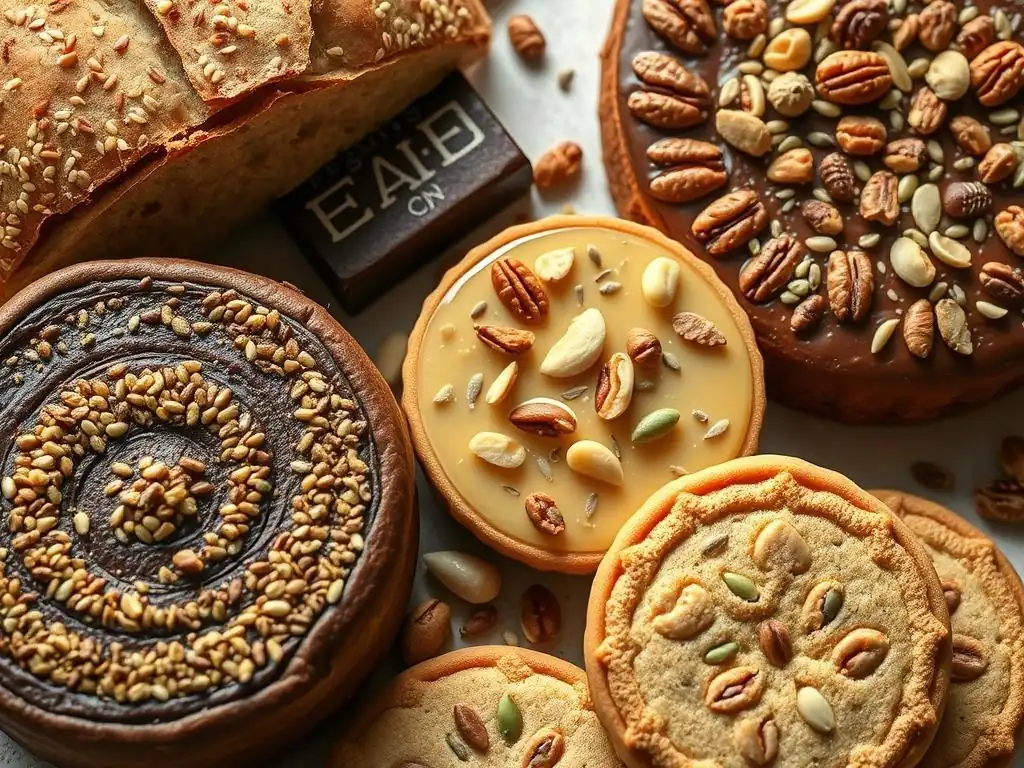
Cakes offer a large canvas for nut and seed decoration. Chopped or slivered nuts can be pressed into the sides of a frosted cake for a classic look. Nut halves (walnuts, pecans) can be arranged in elegant patterns on top of frosted or glazed cakes. For a more natural look, sprinkle chopped nuts or seeds around the base or top edge.
- Ideas:
- Press toasted pecan pieces into the sides of a chocolate cake with caramel frosting.
- Arrange slivered almonds in a radial pattern on top of a round almond cake.
- Scatter toasted chopped hazelnuts and chocolate shavings over a ganache-topped cake.
- Use pepitas and sunflower seeds for a rustic, natural look on a spice cake.
Consider the flavor profile of the cake when choosing nuts or seeds. An apple cake pairs well with walnuts or pecans, while a lemon cake might be enhanced by poppy seeds or slivered almonds.
Cookies are perfect for incorporating easy nut seed decorating. Nuts or seeds can be pressed into the dough before baking, used as a border, or sprinkled on top of frosting or glaze after baking. Their texture provides a delightful contrast to the cookie itself.
- Ideas:
- Press a walnut half into the center of each shortbread cookie before baking.
- Roll the edges of sugar cookie dough logs in chopped pistachios or slivered almonds.
- Sprinkle sesame seeds or poppy seeds over savory cheese crackers before baking.
- Decorate iced cookies by pressing chopped nuts or seeds into the wet icing.
The size of the cookie often dictates the size of the nut or seed piece. Smaller seeds work well on delicate cookies, while larger nuts can be used on more substantial ones.
Adding Crunch and Visual Appeal to Breads with Seeds
Adding seeds to bread is a time-honored tradition that enhances both texture and appearance. Seeds can be incorporated into the dough, but sprinkling them on the exterior provides a more pronounced crunch and visual appeal. This is a fundamental aspect of easy nut seed decorating for bakers.
- Techniques:
- Brush the loaf or rolls with water, milk, or egg wash, then roll or sprinkle with seeds (sesame, poppy, sunflower, pumpkin).
- Press larger seeds (sunflower, pepitas) directly into the top of the proofed dough.
- Create patterns or cover the entire surface.
Seed coatings are particularly effective on rustic loaves, rolls, and buns, providing a satisfying bite and making each piece look artisanal.
Creative Nut & Seed Decorations for Muffins and Scones
Muffins and scones benefit greatly from the addition of nuts and seeds, both inside and out. Sprinkling nuts or seeds on top before baking adds texture and signals the flavors within. This is a quick and easy nut seed decorating method.
- Ideas:
- Sprinkle chopped walnuts or pecans over banana or pumpkin muffins.
- Top blueberry muffins with a streusel that includes chopped almonds or pecans.
- Press a few sunflower seeds or pepitas into the top of savory scones.
- Scatter poppy seeds over lemon or orange scones.
The heat of the oven helps the nuts and seeds adhere and toast, enhancing their flavor and crunch, making muffins and scones even more appealing.
Tips for Storing Decorated Baked Goods
Preventing Rancidity
Nuts and seeds contain oils that can go rancid over time, especially when exposed to air and light. This is a key consideration when using them for decoration. To minimize the risk:
- Use fresh nuts and seeds.
- Store unused nuts and seeds in airtight containers in a cool, dark place, or even the refrigerator or freezer for longer storage.
- If toasting nuts/seeds for decoration, allow them to cool completely before applying, especially to items that won't be baked further.
- For baked goods decorated with nuts/seeds, store them in airtight containers at room temperature if they are meant to be eaten within a few days. For longer storage, consider refrigeration or freezing, although this can sometimes affect texture.
Proper storage helps maintain the quality and flavor of your easy nut seed decorating efforts.
Maintaining Visual Appeal
Humidity and handling can affect the appearance of nut and seed decorations. To keep them looking their best:
- Allow baked goods to cool completely before storing to prevent condensation inside the container, which can make nuts/seeds soggy.
- Store decorated items in a single layer if possible, or separate layers with parchment paper to prevent decorations from being knocked off.
- Avoid storing decorated items in overly humid environments.
- If the decoration is applied with frosting or glaze, ensure the adhesive is fully set before storing.
By following these simple storage tips, your beautifully decorated bakes will look and taste great for as long as possible.
Advanced Nut & Seed Decorating Techniques
Creating Nut & Seed Mosaics
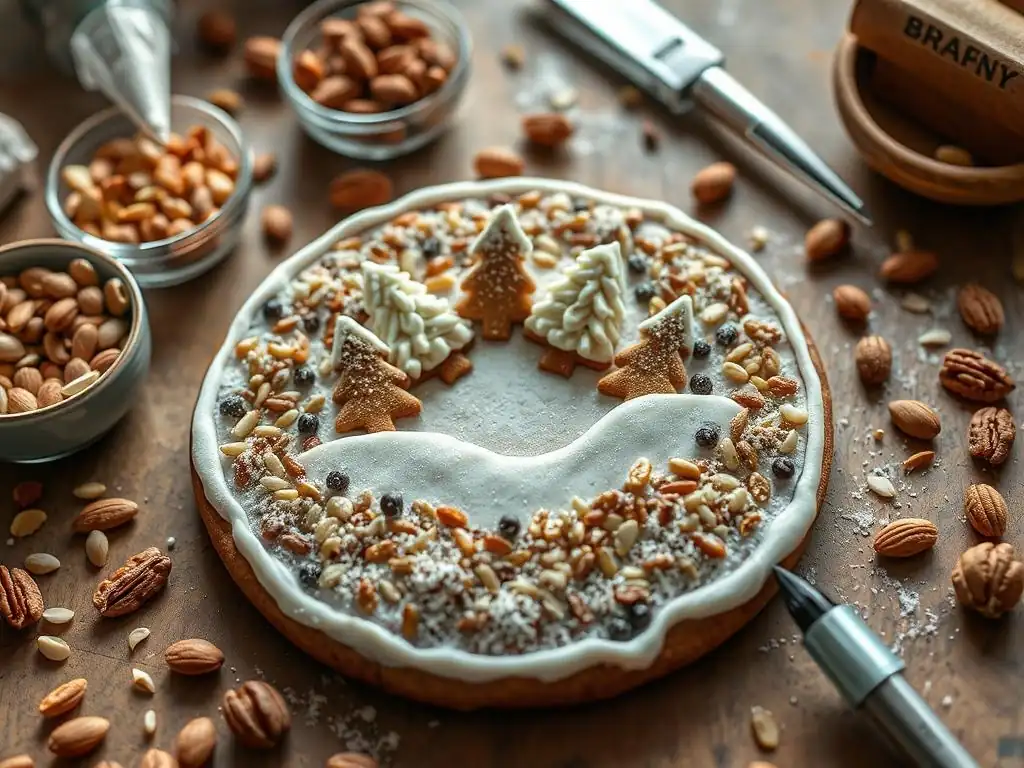
For a truly impressive look, consider creating mosaics or intricate patterns using various nuts and seeds. This technique involves arranging different types and colors (like white sesame, black sesame, pepitas, slivered almonds) in specific designs on the surface of bread dough or cakes.
- Process:
- Prepare the surface (e.g., apply an egg wash to bread dough).
- Carefully arrange the nuts and seeds using tweezers or a small brush to guide them into place.
- For bread, ensure the design is pressed gently into the dough. For cakes, apply to a sticky surface like buttercream or ganache.
This requires patience and precision but results in stunning, edible artwork that goes beyond simple easy nut seed decorating.
Using Candied Nuts and Seeds
Candied nuts and seeds add sweetness, crunch, and sparkle to decorations. Nuts like pecans, walnuts, or almonds, and seeds like pumpkin seeds, can be coated in a sugar syrup and baked until crunchy.
- Method:
- Simmer sugar and a little water until dissolved.
- Add nuts/seeds and stir to coat.
- Spread on a baking sheet lined with parchment paper and bake at a low temperature (around 300°F / 150°C) until golden and crunchy, stirring occasionally.
- Let cool completely before handling.
Candied nuts can be used whole, chopped, or crushed to decorate cakes, cupcakes, or tarts, adding both flavor and a delightful texture.
Making Nut & Seed Brittle for Decorations
Nut and seed brittle is a crunchy confection that can be broken into pieces and used as dramatic decoration on cakes or desserts. It typically involves cooking sugar to a caramel stage and adding nuts/seeds before cooling and breaking.
- Basic Brittle Steps:
- Melt sugar in a saucepan (sometimes with butter or corn syrup).
- Cook until caramelized to an amber color.
- Stir in nuts and/or seeds (like peanuts, pecans, pumpkin seeds).
- Pour onto a parchment-lined baking sheet and spread thinly.
- Let cool completely and harden.
- Break into desired pieces.
Brittle shards can be inserted into frosting or placed on top of desserts to add height, texture, and intense flavor, offering a more advanced take on easy nut seed decorating concepts.
Troubleshooting Common Nut & Seed Decorating Problems
Preventing Burning
Nuts and seeds can burn easily due to their high oil content, especially small seeds or thin slices.
- Solutions:
- If baking with decorations on top, monitor closely, especially in the last 10-15 minutes.
- Consider toasting nuts/seeds before adding them to items that bake for a short time, or use them raw on items that bake longer, as they will toast in the oven.
- Use a slightly lower oven temperature if nuts/seeds are browning too quickly.
- Cover the top of the baked good loosely with foil if the nuts/seeds are done but the rest of the item still needs to bake.
Proper temperature control is crucial for ensuring your easy nut seed decorating results are perfectly toasted, not burnt.
Fixing Uneven Distribution
Sometimes, sprinkles or patterns end up looking patchy or uneven.
- Solutions:
- For sprinkles, ensure the adhesive wash (egg wash, etc.) is applied evenly over the entire surface you wish to cover.
- Use a shallow dish wider than the item's surface when dipping to get a full, even coating.
- When sprinkling by hand, hold your hand higher above the item for a wider, more dispersed sprinkle, or closer for a more concentrated area.
- For patterns, pre-arrange the design on a piece of parchment paper the size of your cake/cookie top, then carefully transfer it.
Practice makes perfect with even distribution, but these tips can help achieve a more professional finish for your easy nut seed decorating projects.
Addressing Adhesion Issues
Decorations falling off is a common frustration.
- Solutions:
- Ensure the surface you are applying nuts/seeds to is sufficiently sticky. For baked goods, apply washes just before putting them in the oven. For frosted items, apply while the frosting is still soft.
- Gently press the nuts or seeds into the surface to ensure good contact.
- Avoid touching the decorated surface excessively after application.
- If using a glaze or syrup as adhesive, ensure it's the right consistency – not too thin to run off, not too thick to apply evenly.
Reliable adhesion is key to making your easy nut seed decorating efforts last.
Conclusion: Unleash Your Creativity with Nut & Seed Decorating
Transform Your Baking with Delicious Decorations
As you've seen, incorporating nuts and seeds into your baking decorations is a simple yet powerful way to enhance the look, texture, and flavor of your homemade treats. From basic sprinkling techniques to more intricate mosaics or brittle shards, there are methods suitable for every skill level. This guide provides the foundation for you to confidently explore easy nut seed decorating and beyond.
Don't hesitate to experiment with different types of nuts and seeds, try various application methods, and combine them with other decorations like chocolate or sugar. Each nut and seed brings its own unique character, allowing you to customize your baked goods perfectly. Embrace the ease and effectiveness of using these natural ingredients, and watch as your cakes, cookies, breads, and pastries become even more delightful and impressive.
Frequently Asked Questions
What are some easy nuts and seeds to use for decorating baked goods?
Common choices for easy nut seed decorating include almonds (sliced, slivered, or whole), walnuts, pecans, pumpkin seeds (pepitas), sunflower seeds, and sesame seeds. These are readily available and offer a variety of textures and flavors.
How can I make nuts and seeds stick to frosting or icing?
For best results, gently press the nuts and seeds onto the frosting immediately after it's applied. A light coating of melted chocolate or simple syrup can also act as a "glue" before adding your nut seed decorations.
Is it necessary to toast nuts and seeds before using them for decoration?
Toasting nuts and seeds is highly recommended as it enhances their flavor and adds a pleasant crunch. Toasting brings out the natural oils and provides a more intense nutty flavor.
What are some creative ways to arrange nuts and seeds on a cake or pastry?
Consider creating patterns, borders, or even entire designs using different types of nuts and seeds. You could use a stencil, arrange them in concentric circles, or create a mosaic-like effect for a visually appealing decoration.
Can I use nuts and seeds for decorating savory baked goods, like breads or crackers?
Absolutely! Nuts and seeds add flavor and texture to savory baked goods. Consider using them on top of focaccia, crackers, or even savory scones for a delicious and visually interesting finish. Sesame seeds are a classic choice.
Final Reflection: Unlocking Nature's Tiny Treasures
The art of decorating with nuts and seeds isn't just a whimsical hobby; it's a sustainable and surprisingly versatile approach to crafting beautiful, unique pieces. From rustic autumnal wreaths to elegant holiday ornaments, the possibilities are as limitless as nature's bounty itself. This simple, accessible craft offers a pathway to creativity that's both environmentally conscious and deeply satisfying.
The enduring appeal of natural materials in crafting reflects a growing desire to connect with the earth and create meaningful objects. We're increasingly seeking authenticity and handmade charm in a world dominated by mass production. This trend speaks to a deeper longing for connection – a connection to nature, to our creativity, and even to our heritage. The best things in life are the people we love, the places we've been, and the memories we've made along the way.
While this quote doesn't directly address nuts and seeds, it captures the essence of the joy and lasting value found in creating something beautiful with your own hands, using readily available, natural resources.
So, as you gather your walnuts, pecans, and sunflower seeds, remember that you're not just decorating; you're engaging in a mindful practice. You're embracing a sustainable approach to crafting, celebrating the beauty of nature's simple gifts, and creating lasting memories. Let the simple act of arranging these tiny treasures inspire you to explore your own creativity and find joy in the process. Don't be afraid to experiment, to let your imagination run wild, and to discover the unique beauty that lies within the seemingly ordinary. Start crafting today!
Unleash Your Inner Artisan: Craft Stunning Decorations!
Thanks for joining us on this nutty and seedy adventure! We hope you've discovered a whole new world of creative possibilities for decorating your culinary masterpieces. Now it's time to put your newfound knowledge into practice.
- Embark on your first seed-and-nut decorating project: Choose your favorite recipe and try one of the techniques we explored. Let your imagination run wild!
- Share your creations: Show off your amazing handiwork on social media and tag us! We'd love to see what you come up with.
- Explore our other decorating guides: Dive deeper into the world of edible artistry with more tips and tricks from BakeWithEase.
What unique design will you create with nuts and seeds this week?