
Smart Substitutions: Swapping Nuts & Seeds in Recipes

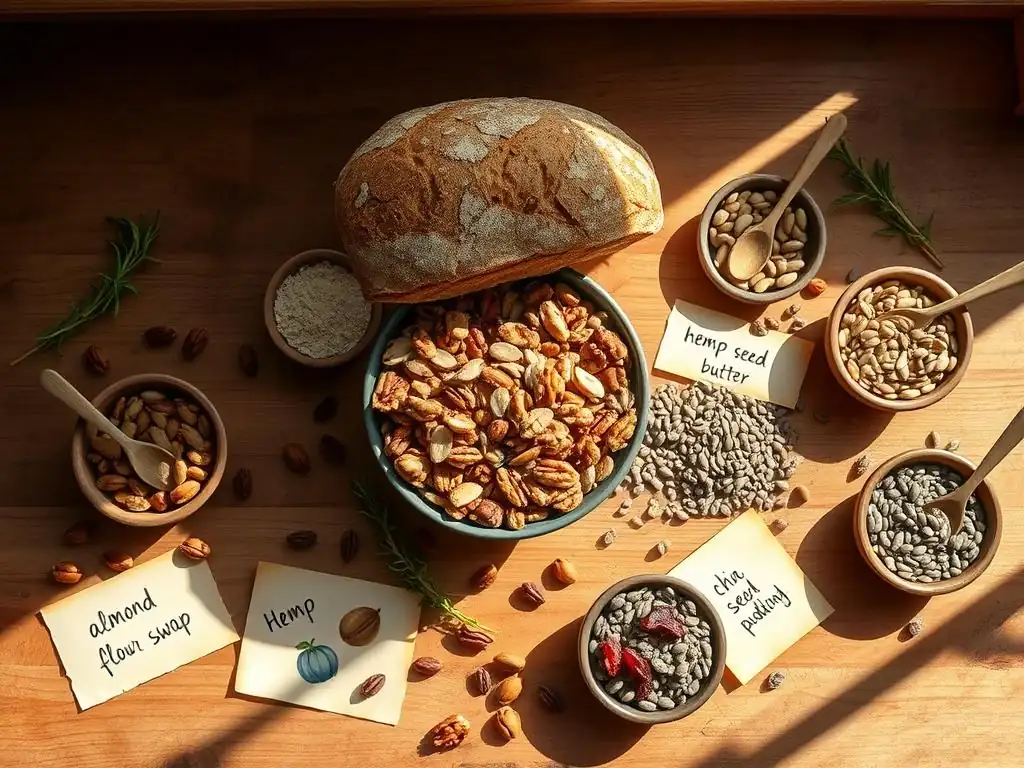
Welcome to BakeWithEase, where even the most intricate baking feats become wonderfully achievable! Ever found yourself halfway through a recipe only to realize you're missing a key ingredient? Don't fret! Our guide to easy nut and seed substitutions will empower you to confidently adapt your favorite recipes, unlocking a world of flavor possibilities and dietary considerations. Curious how to flawlessly swap walnuts for pecans or chia seeds for flax? Read on to discover the secrets!
- Smart Substitutions: Swapping Nuts & Seeds in Recipes - BakeWithEase.com
- Baking with Nuts & Seeds: Easy Nut & Seed Substitutions Guide
- Why Substitute Nuts and Seeds in Baking?
-
Understanding Common Baking Nuts and Seeds
- Almonds: Uses and Best Substitutes
- Walnuts: Flavor Profile and Replacement Options
- Pecans: Finding Similar Textures and Flavors
- Sunflower Seeds: Versatile Baking Seed and Alternatives
- Pumpkin Seeds (Pepitas): Swapping for Other Seeds or Nuts
- Chia Seeds: When and How to Substitute Chia Seeds
- Flax Seeds: Flaxseed as a Substitute for Nuts
- The Ultimate Guide to Easy Nut Seed Substitutions in Baking
- Specific Recipe Substitutions: Practical Examples
- Considerations for Successful Nut and Seed Substitutions
- Tips and Tricks for Nut & Seed Swaps in Baking
- Conclusion: Enjoying Baking with Smart Substitutions
-
Frequently Asked Questions
- What are some common reasons for substituting nuts and seeds in baking recipes?
- Can I substitute any nut for any seed in a recipe and expect the same results?
- How do I adjust baking times or temperatures when using nut or seed substitutions?
- What are some good nut-free and seed-free alternatives for adding texture and flavor to baked goods?
- Where can I find reliable information about specific nut and seed substitutions for different types of baked goods?
- Final Reflection: Unlocking Culinary Creativity Through Smart Substitutions
- Unlock Your Baking Potential: Mastering Nut & Seed Swaps!
Smart Substitutions: Swapping Nuts & Seeds in Recipes - BakeWithEase.com
Baking with Nuts & Seeds: Easy Nut & Seed Substitutions Guide
Baking with nuts and seeds adds wonderful texture, flavor, and nutritional value to everything from cookies and cakes to breads and muffins. However, sometimes you need to make a swap. Whether it's due to allergies, a missing ingredient, or just a desire to experiment, understanding how to make easy nut seed substitutions can open up a world of possibilities in your kitchen. This guide will walk you through the why and how of swapping nuts and seeds effectively in your favorite baking recipes.
Making smart ingredient swaps isn't just about necessity; it's also about creativity. Learning which nuts and seeds can stand in for others, or what non-nut/seed alternatives work best, empowers you to adapt recipes on the fly. It ensures your baking is inclusive for those with dietary restrictions and allows you to put your own unique spin on classic baked goods, making easy nut seed substitutions a core skill for any flexible baker.
Why Substitute Nuts and Seeds in Baking?
Allergies and Dietary Restrictions: Finding Nut-Free and Seed-Free Alternatives
One of the most critical reasons for making easy nut seed substitutions is managing allergies and dietary restrictions. Nut allergies, particularly to peanuts and tree nuts (like walnuts, almonds, pecans), are common and can be severe, affecting millions globally. Similarly, allergies to seeds like sesame or sunflower are also a concern for some individuals. When baking for someone with such an allergy, cross-contamination is a serious risk, and finding safe, nut-free or seed-free alternatives is paramount.
Creating delicious baked goods that are safe for everyone requires careful consideration of ingredients. For instance, if a recipe calls for chopped walnuts, an easy nut seed substitution for someone with a nut allergy might involve using roasted pumpkin seeds (pepitas) or sunflower seeds instead. These offer a similar crunch and visual appeal without the allergenic protein. Always ensure that any substitute ingredients and the facility they were processed in are safe for the specific allergy you are avoiding to truly make it an easy nut seed substitution that prioritizes health.
Flavor Profiles: Experimenting with Different Tastes in Your Baked Goods
Substituting nuts and seeds also allows you to play with the flavor profile of your baked goods. Different nuts and seeds bring distinct tastes to a recipe. For example, walnuts often have an earthy, slightly bitter note, while pecans are sweeter and more buttery. Almonds are relatively mild and sweet, and sunflower seeds offer a gentle, slightly nutty flavor. By making easy nut seed substitutions, you can subtly or dramatically change the overall taste experience of your creation.
Consider swapping the traditional walnuts in a banana bread for toasted pecans to add a richer, sweeter depth, or replacing almonds in a cookie with macadamia nuts for a more buttery and less crunchy texture. Even changing from black sesame seeds to white sesame seeds can slightly alter the flavor intensity and visual appeal. Experimenting with these easy nut seed substitutions is a fun way to personalize recipes and discover new favorite flavor combinations.
Availability and Cost: Making Budget-Friendly Baking Choices
Sometimes, the nuts or seeds specified in a recipe might not be readily available in your pantry or local store, or they might be prohibitively expensive. Prices for nuts like pine nuts or macadamias can be significantly higher than more common options like peanuts or sunflower seeds. Making easy nut seed substitutions based on what you have on hand or what's more affordable is a practical aspect of baking.
Opting for a more budget-friendly or accessible alternative doesn't mean compromising on quality or taste. For instance, if a recipe requires expensive pine nuts, toasted sunflower seeds can often provide a similar crunch and mild flavor at a fraction of the cost, making it a very easy nut seed substitution. Similarly, if you're out of pecans, walnuts are often a good stand-in in many recipes. Being flexible with your ingredients through smart, easy nut seed substitutions helps you bake more often without stress about specific items.
Understanding Common Baking Nuts and Seeds
Almonds: Uses and Best Substitutes
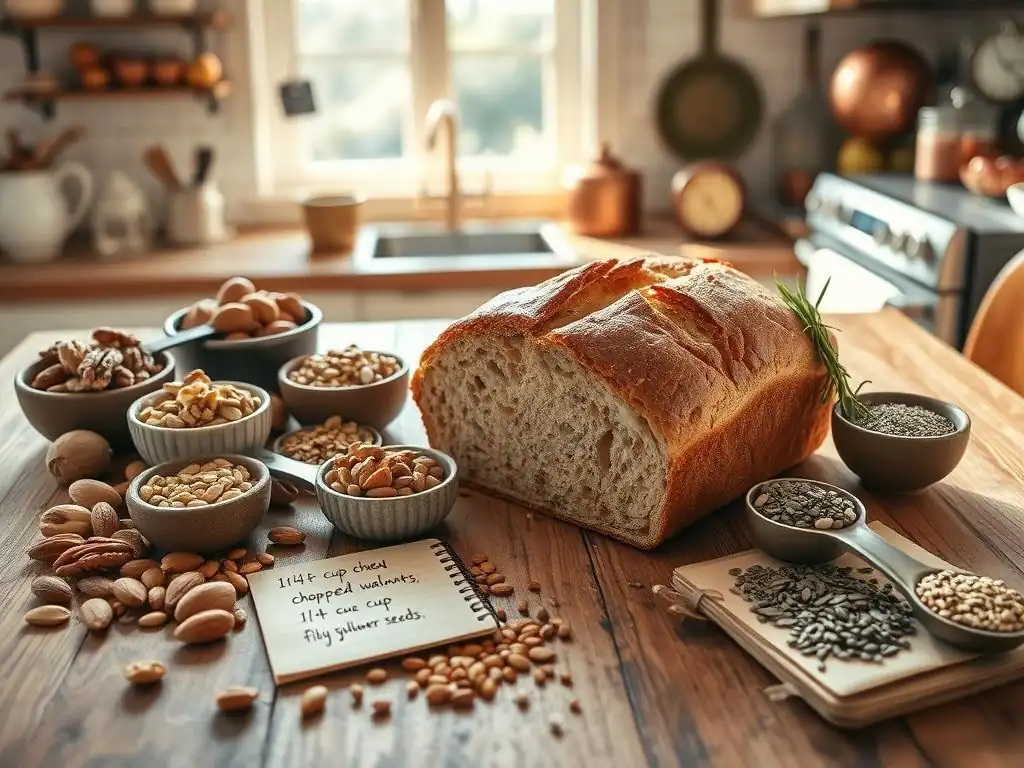
Almonds are incredibly versatile in baking, used whole, slivered, chopped, or ground into flour. They offer a mild, slightly sweet flavor and a pleasant crunch. Whole or slivered almonds are often used as toppings on cakes, pastries, or cookies, while chopped almonds are folded into batters. Almond flour is a popular gluten-free option for cakes, macarons, and tarts, providing a tender crumb.
When looking for easy nut seed substitutions for almonds, consider the form they are used in. For chopped almonds mixed into batter, chopped pecans or walnuts can work, though they will impart a different flavor. For a nut-free option, toasted sunflower seeds or pumpkin seeds can provide a similar crunch. If substituting almond flour, superfine oat flour or a combination of other gluten-free flours might be necessary, as almond flour's fat content and texture are unique. A direct 1:1 swap with wheat flour is usually not possible due to differences in absorption and structure.
Walnuts: Flavor Profile and Replacement Options
Walnuts are known for their distinctive earthy and slightly bitter flavor, which pairs wonderfully with chocolate, coffee, and fruits like bananas and apples. They are typically used chopped in batters for breads, muffins, and cookies, or as a crunchy topping. The texture of walnuts is softer than almonds but still provides a good bite.
For easy nut seed substitutions for walnuts, pecans are a very common and effective swap, especially in recipes like banana bread or pecan pie (though the flavor will be sweeter). If you need a nut-free alternative, toasted pumpkin seeds or sunflower seeds can mimic the chopped texture and add a pleasant crunch. For recipes where the distinct walnut flavor is key, replicating it fully is difficult, but these substitutes provide textural similarity and a complementary taste.
Pecans: Finding Similar Textures and Flavors
Pecans offer a rich, buttery, and sweet flavor, making them a favorite in pies, pralines, and sticky buns. They are softer than walnuts and have a high fat content, which contributes to their tender texture when baked. Pecans are often used chopped, halved, or whole as toppings or mixed into doughs and batters.
Making easy nut seed substitutions for pecans often involves using walnuts, which provide a similar texture but a less sweet, earthier flavor. For a nut-free alternative that offers a comparable buttery richness and crunch, macadamia nuts (if not avoiding all tree nuts) or even toasted coconut flakes and pumpkin seeds can sometimes work, depending on the recipe context. The goal is to find a substitute that complements the other flavors while providing a similar textural element.
Sunflower Seeds: Versatile Baking Seed and Alternatives
Sunflower seeds are a fantastic, often more affordable, alternative to nuts, making them great for easy nut seed substitutions, especially in nut-free baking. They have a mild, slightly nutty flavor and a firm, satisfying crunch. Sunflower seeds are used whole in breads, granola bars, and toppings, or ground into a meal or butter. Roasted sunflower seeds have a more pronounced flavor.
When a recipe calls for sunflower seeds, other seeds like pumpkin seeds (pepitas) or even sesame seeds can serve as easy nut seed substitutions, offering a different but compatible flavor and texture. If substituting for nuts, sunflower seeds (especially roasted) can often replace chopped almonds or walnuts in terms of texture, providing a reliable nut-free crunch in cookies, muffins, or bread toppings.
Pumpkin Seeds (Pepitas): Swapping for Other Seeds or Nuts
Pumpkin seeds, particularly the shell-free variety known as pepitas, are another versatile seed for baking. They have a distinct, slightly sweet and earthy flavor and a chewy-crisp texture when roasted. Pepitas are excellent in granola, on top of bread, in muffins, or mixed into cookie dough, often serving as a nut-free alternative.
If you need to swap pumpkin seeds, sunflower seeds are a very easy nut seed substitution, offering a similar size and texture profile, though with a slightly different flavor. Chopped nuts like pecans or walnuts could also replace pepitas in recipes where they are mixed into batter, providing a different flavor but a comparable textural element. Pepitas are frequently used as an easy nut seed substitution for nuts like almonds or walnuts in granola or trail mix style baked goods.
Chia Seeds: When and How to Substitute Chia Seeds
Chia seeds are primarily used in baking not for their crunch like nuts or larger seeds, but for their ability to absorb liquid and form a gel. This property makes them excellent binders, egg substitutes (when mixed with water to form a "chia egg"), and additions for moisture and nutrition in breads, muffins, and puddings. They have a very mild flavor.
Substituting chia seeds often depends on their function. If used as a binder, ground flax seeds mixed with water ("flax egg") are the most common and effective easy nut seed substitution. If they are simply added for texture or nutrition in a batter, other small seeds like sesame seeds or even poppy seeds could be used, though they won't provide the same binding properties. Substituting for the gelling action requires a similar mucilaginous seed.
Flax Seeds: Flaxseed as a Substitute for Nuts
Flax seeds, especially when ground, are another powerhouse ingredient in baking, valued for their binding properties (similar to chia) and nutritional benefits. Ground flaxseed mixed with water creates a gel that can effectively replace eggs in many vegan recipes. Whole flax seeds add a slightly nutty flavor and texture to breads and muffins.
While flax seeds are not typically used as a direct textural substitute for chopped nuts or larger seeds, ground flaxseed is an excellent easy nut seed substitution for the binding function of chia seeds or eggs. In recipes where whole flax seeds add texture to bread, other small seeds like sesame or poppy seeds could be used as an easy nut seed substitution, although the nutritional profile and slight flavor will differ.
The Ultimate Guide to Easy Nut Seed Substitutions in Baking
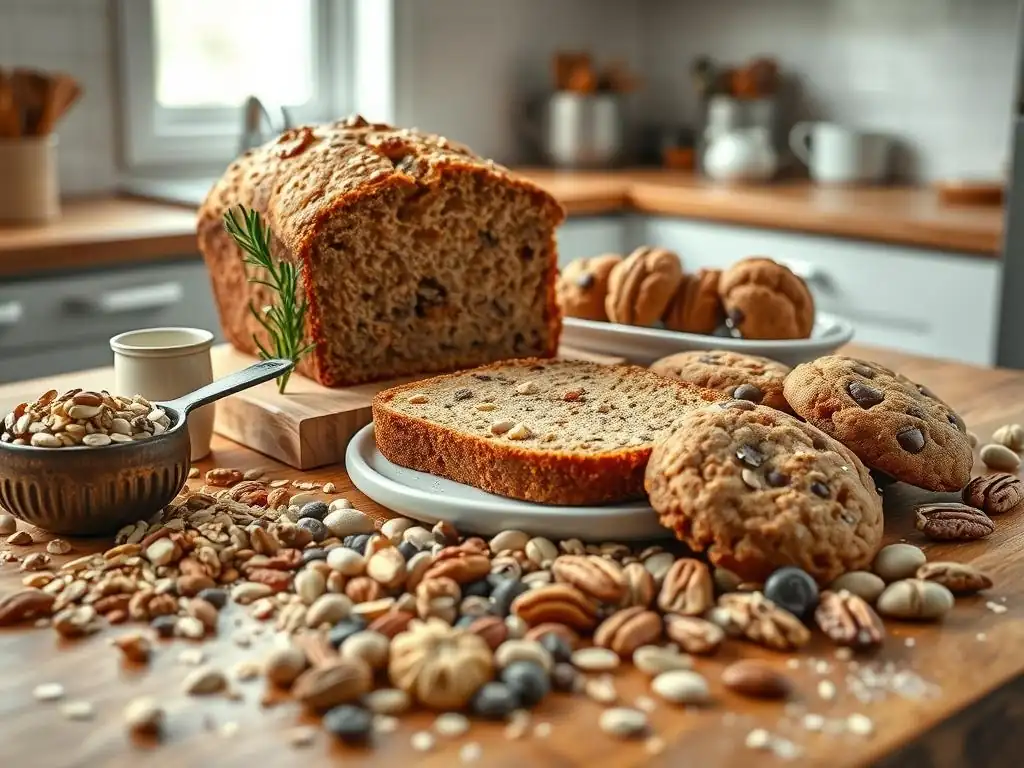
Making successful easy nut seed substitutions involves understanding the role the original ingredient plays in the recipe – is it for texture, flavor, binding, or moisture? Once you identify the primary function, you can choose a substitute that performs a similar role. This guide breaks down common swaps for both nut-free and seed-free baking.
Remember that while these substitutions are designed to be easy nut seed substitutions, minor adjustments to liquid or baking time might still be necessary depending on the specific recipe and ingredients used. Always start with the recommended substitute ratio and observe your batter and final baked good carefully.
Nut-Free Baking: Swapping Nuts for Seeds
Creating delicious baked goods for those with nut allergies is a common need, and seeds offer a fantastic avenue for easy nut seed substitutions. They can provide the necessary crunch, visual appeal, and even some flavor complexity without the risk associated with nuts. The key is often using roasted seeds to enhance their flavor and texture.
Beyond seeds, other non-nut ingredients can also provide texture and structure similar to nuts. Exploring these options expands the possibilities for truly inclusive, easy nut seed substitutions in your baking repertoire.
Seed-Based Substitutes for Nuts: Sunflower, Pumpkin, and Sesame Seeds
Roasted sunflower seeds and pumpkin seeds (pepitas) are perhaps the most direct easy nut seed substitutions for chopped nuts like walnuts or almonds in terms of texture and size. They provide a satisfying crunch when folded into cookie dough, muffin batter, or sprinkled on top of bread. A general guideline is a 1:1 substitution by volume for chopped nuts. For instance, if a recipe calls for 1 cup of chopped walnuts, you can often use 1 cup of roasted pepitas or sunflower seeds. Toasting the seeds beforehand significantly enhances their flavor, making them a more robust substitute.
Sesame seeds, while smaller, can also serve as an easy nut seed substitution, particularly when a recipe calls for smaller nuts like slivered almonds or pine nuts (e.g., in biscotti or granola). Toasted sesame seeds have a distinctive flavor that works well in many contexts. Again, a 1:1 substitution by volume is a good starting point. Consider the flavor profile – sesame adds a unique taste that differs from most nuts, which can be a positive or negative depending on the recipe.
Alternative Nut-Free Options: Oats, Dried Fruits, and Coconut Flakes
Beyond seeds, several other ingredients can function as easy nut seed substitutions for texture. Rolled oats, especially when lightly toasted, can provide a chewy texture similar to nuts in cookies or granola bars. Chopped dried fruits like cranberries, raisins, or apricots add chewiness and sweetness, though not the same crunch as nuts.
Toasted coconut flakes offer a delightful tropical flavor and a slightly crisp-chewy texture that can replace nuts in certain recipes, such as cookies or toppings. For instance, in a recipe calling for chopped pecans, toasted coconut could be used for a completely different, but equally delicious, outcome. These alternatives allow for creative and easy nut seed substitutions that cater to various dietary needs and flavor preferences.
Seed-Free Baking: Replacing Seeds with Nuts
While less common than nut allergies, seed allergies do exist. If you need to make seed-free baked goods, nuts (assuming no nut allergies are present) can often provide the necessary texture and structure. The choice of nut will depend on the type of seed being replaced and its function in the recipe.
Replacing seeds with nuts requires considering the size and density difference. Smaller seeds like chia or flax function differently than larger seeds like pumpkin or sunflower. Therefore, the type of nut and how it's prepared (chopped, ground) will be key to a successful easy nut seed substitution.
Nut-Based Substitutes for Seeds: Almonds, Walnuts, and Pecans
For larger seeds like sunflower or pumpkin seeds used for texture in breads or muffins, chopped nuts like almonds, walnuts, or pecans are excellent easy nut seed substitutions. They provide a similar crunch and visual element. Use a 1:1 volume substitution. For example, replace 1/2 cup of pumpkin seeds with 1/2 cup of chopped walnuts in your multigrain bread recipe. The flavor profile will change, but the texture will be comparable.
For smaller seeds like sesame seeds used for topping or texture, chopped nuts are usually too large. In this case, using a nut meal (finely ground nuts) or finely chopped nuts might work, or you might need to rely on other alternatives for texture. The goal is to achieve a similar distribution and bite.
Other Seed-Free Alternatives: Spices and Extracts for Flavor
Sometimes, seeds are used primarily for their unique flavor (e.g., poppy seeds, caraway seeds). If you need a seed-free alternative in this case, focusing on flavor through spices or extracts is key, rather than finding a textural substitute. For example, if a recipe uses caraway seeds for flavor in rye bread, you might explore using spices like fennel or anise in very small amounts, although replicating the exact flavor is difficult.
For seeds like chia or flax used for binding, there aren't nut-based substitutes that perform the exact same gelling function. In seed-free baking where binding is needed, you would likely rely on other binders like psyllium husk, commercial egg replacers, or additional egg/oil depending on the recipe type. Easy nut seed substitutions in this context focus on the desired outcome (binding) rather than replacing the ingredient directly with a nut.
Specific Recipe Substitutions: Practical Examples
Let's look at how easy nut seed substitutions work in common baking scenarios. Applying these principles to specific recipes makes the concept much clearer and easier to implement in your own kitchen.
Understanding the context of the recipe is vital. Is the ingredient a main component or just an addition for texture? This helps determine the best course for an easy nut seed substitution.
Chocolate chip cookies often include chopped walnuts or pecans for added flavor and crunch. Making an easy nut seed substitution here is straightforward.
Replacing Almonds in Biscotti
Biscotti often features whole or slivered almonds, which provide a hard crunch essential to the cookie's texture. To make an easy nut seed substitution for almonds in biscotti for a nut-free version, roasted sunflower seeds or pepitas are excellent choices. Use them in the same quantity as the almonds. They provide a similar firm texture after the double baking process. For instance, if a biscotti recipe calls for 1 cup of slivered almonds, use 1 cup of roasted sunflower seeds or pepitas. The flavor will be slightly different, but the crucial crunch factor will remain.
Walnut Substitutions in Chocolate Chip Cookies
In classic chocolate chip cookies, walnuts add an earthy contrast to the sweet chocolate. For an easy nut seed substitution, chopped pecans are the most common swap, offering a sweeter, buttery flavor. If you need a nut-free option, chopped roasted pumpkin seeds (pepitas) or sunflower seeds work well. They provide a satisfying crunch similar to walnuts. For a recipe calling for 1/2 cup of chopped walnuts, substitute with 1/2 cup of chopped pecans, pepitas, or sunflower seeds. Ensure seeds are roasted for best flavor and texture.
Seed Swaps in Breads: Multigrain Bread
Multigrain bread often incorporates various seeds like sunflower, pumpkin, flax, and sesame for texture, flavor, and nutrition. Making easy nut seed substitutions here is quite flexible.
Pumpkin Seed Substitutions in Multigrain Bread
If your multigrain bread recipe calls for pumpkin seeds (pepitas) and you need an easy nut seed substitution, sunflower seeds are the most natural fit. They are similar in size and provide a comparable level of crunch and a slightly nutty flavor that blends well in bread. Use a 1:1 substitution by volume. For example, replace 1/4 cup of pepitas with 1/4 cup of sunflower seeds. If you are not avoiding nuts, chopped walnuts or pecans could also be used, though the flavor will be richer and the pieces might be larger depending on how they are chopped.
Sunflower Seed Replacements in Sourdough
Sunflower seeds are popular in sourdough for their texture and slightly nutty flavor. For an easy nut seed substitution in sourdough, pumpkin seeds (pepitas) are an excellent alternative, offering a similar crunch and visual appeal. Use a 1:1 ratio. If you're looking for a nut-based easy nut seed substitution (and not avoiding nuts), chopped walnuts or pecans can be incorporated, though they will absorb slightly more moisture and contribute a different flavor profile. Consider lightly toasting any seeds or nuts before adding them to bread dough for enhanced flavor.
Nut & Seed Alternatives in Cakes: Banana Nut Bread
Banana nut bread is a prime example of nuts being integral to a cake's texture and flavor. Making easy nut seed substitutions here is common.
Almond Flour Substitutions in Cakes
Almond flour is often used in cakes for its moist texture and slightly sweet flavor, particularly in gluten-free recipes. Substituting almond flour is less about an easy nut seed substitution and more about finding a flour blend with similar properties. Oat flour (superfine) can sometimes work, or a blend of gluten-free flours like rice flour, sorghum flour, and tapioca starch. The fat content and moisture absorption of almond flour are unique, so a direct 1:1 swap with most other flours will likely require recipe adjustments, potentially involving additional fat or liquid to match the texture.
Chia Seed Replacements in Muffins
Chia seeds are often added to muffins for nutrition and their ability to absorb moisture, contributing to a tender crumb. If you need an easy nut seed substitution for chia seeds in muffins, ground flax seeds are the best alternative, especially if the chia is intended to help bind or add moisture. Use ground flax seeds in the same quantity. If the chia seeds are just for dispersed texture, smaller seeds like poppy seeds or sesame seeds could be used, though they won't absorb liquid in the same way.
Considerations for Successful Nut and Seed Substitutions
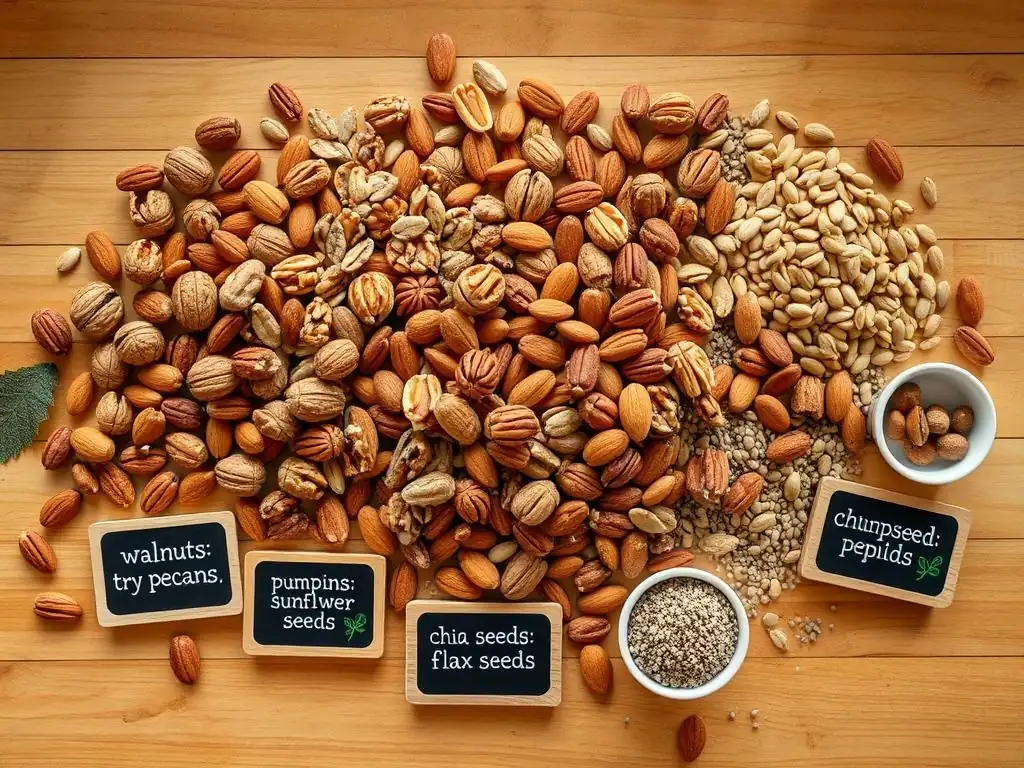
Making easy nut seed substitutions isn't just about swapping one ingredient for another; it requires considering how the substitute will affect the final baked good. Texture, flavor, moisture, and even baking time can be influenced by your choice of substitute.
Paying attention to these factors ensures your easy nut seed substitutions result in delicious and properly structured baked goods, rather than unexpected disappointments.
Texture Adjustments: Achieving the Right Consistency
Nuts and seeds contribute significantly to the texture of baked goods, whether providing crunch, chewiness, or structure (in the case of flours or binders). When making an easy nut seed substitution, consider the texture of the original ingredient and try to match it. For example, replacing crunchy almonds with soft pecans will change the bite of a cookie. Replacing coarse chopped walnuts with fine sesame seeds will drastically alter the texture distribution in a bread.
If your substitute is much harder or softer than the original, you might need to adjust particle size (e.g., chop nuts finer) or accept a change in the final texture. Using toasted seeds can help achieve a crunch similar to toasted nuts, making for a more successful easy nut seed substitution in terms of texture.
Flavor Balancing: Matching and Enhancing Flavors
Each nut and seed has a unique flavor profile. Walnuts are earthy, pecans are sweet and buttery, almonds are mild, sunflower seeds are slightly nutty, and sesame seeds are distinctive and aromatic. When making an easy nut seed substitution, consider how the substitute's flavor will interact with the other ingredients.
Sometimes, a substitute's flavor might clash with the recipe's intended profile. Other times, a different flavor can enhance the baked good in a new and exciting way. For instance, swapping walnuts for pecans in a chocolate cake might make it sweeter and richer. Swapping almonds for toasted sesame seeds in a cookie will introduce a completely different, perhaps unexpected, but potentially delicious flavor dimension. Taste your substitute ingredient before using it to anticipate the flavor impact of your easy nut seed substitution.
Moisture Content: Adjusting Liquid Levels
Nuts and seeds vary in their fat content and how much liquid they absorb. Ground nuts and seeds (like almond flour or ground flaxseed) absorb more liquid than whole or chopped ones. Seeds like chia and flax absorb significantly more liquid due to their gelling properties compared to nuts or larger seeds like sunflower.
When making an easy nut seed substitution, especially if swapping between categories (e.g., from nuts to seeds, or using ground vs. whole), you might need to slightly adjust the liquid in the recipe. If your substitute absorbs less liquid, you might need to reduce the liquid slightly. If it absorbs more (like ground flax replacing chopped nuts), you might need to add a touch more liquid. Start with the recipe as written and observe the batter consistency, adjusting carefully if needed.
Baking Time: Monitoring and Adapting to Changes
While often a minor factor, the type of nut or seed used can sometimes affect baking time or how the baked good browns. Nuts and seeds with higher fat content might brown faster. Smaller pieces or ground ingredients might cook or toast faster than larger pieces.
When using an easy nut seed substitution, especially if it involves a significant change in ingredient type or particle size, keep a closer eye on your baked goods as they bake. Check for doneness a few minutes earlier than the recipe suggests, and adjust baking time as needed to prevent burning or ensure the center is cooked through. This vigilance helps ensure your easy nut seed substitution is successful from start to finish.
Tips and Tricks for Nut & Seed Swaps in Baking
Mastering easy nut seed substitutions involves more than just picking a replacement ingredient. A few simple techniques can significantly improve the outcome of your swaps, enhancing flavor and texture.
These tips help you get the most out of your substitute ingredients, ensuring your baked goods are as delicious as possible.
Toasting Nuts and Seeds for Enhanced Flavor
This is perhaps the single most impactful step you can take when making easy nut seed substitutions, especially when using seeds to replace nuts or swapping between different types of nuts. Toasting nuts and seeds in a dry pan or oven before adding them to your recipe brings out their natural oils and deepens their flavor significantly. This process transforms a mild ingredient into a more aromatic and flavorful component.
For example, lightly toasting sunflower seeds before adding them to cookies as an easy nut seed substitution for walnuts will give them a richer, nuttier taste that better complements the other flavors. Toasting is typically done at around 300-325°F (150-160°C) for 5-15 minutes, depending on the size and type of nut/seed, until fragrant and lightly colored. Watch carefully to prevent burning.
Grinding Nuts and Seeds for Texture Control
The texture contribution of nuts and seeds depends largely on their size. Sometimes, an easy nut seed substitution might require you to adjust the particle size of your substitute to match the original ingredient's role. Grinding nuts or seeds allows you to control this.
For instance, if a recipe calls for finely ground almonds (almond meal) but you only have whole almonds, you can grind them yourself in a food processor (be careful not to over-process into butter). Similarly, if you are using larger seeds like pepitas as an easy nut seed substitution for chopped nuts, you might want to chop them roughly to achieve a similar size distribution in the batter. This control over particle size is crucial for mimicking the intended texture.
Combining Substitutes for a More Complex Flavor
Sometimes, a single easy nut seed substitution might not fully replicate the flavor or texture of the original ingredient. In such cases, combining two or more substitutes can create a more complex and satisfying result.
For example, if replacing walnuts in a bread, you might use a combination of toasted pepitas for crunch and a small amount of toasted sesame seeds for an added layer of nutty flavor. Or, when making nut-free granola, you might combine sunflower seeds, pumpkin seeds, and toasted coconut flakes to build a more interesting texture and flavor profile than using just one seed type. Experimenting with combinations allows for creative and effective easy nut seed substitutions.
Conclusion: Enjoying Baking with Smart Substitutions
Mastering easy nut seed substitutions is a valuable skill for any baker. It allows you to confidently navigate allergies, adapt to ingredient availability, manage costs, and creatively experiment with flavors and textures. By understanding the role each ingredient plays and considering the impact of your swaps on texture, flavor, and moisture, you can successfully modify countless recipes.
Embrace Experimentation for Delicious Results.
Don't be afraid to experiment! Baking is an art and a science, and making easy nut seed substitutions is part of that creative process. Start with small adjustments and note the results. Keep track of which easy nut seed substitutions worked well in specific recipes. With practice and patience, you'll become adept at making smart swaps, opening up a world of possibilities in your baking and ensuring delicious results every time, for everyone.
Frequently Asked Questions
What are some common reasons for substituting nuts and seeds in baking recipes?
There are several reasons, including allergies, dietary restrictions, and simply running out of a specific ingredient. Cost and personal preferences can also play a role.
Can I substitute any nut for any seed in a recipe and expect the same results?
Generally, no. While substitutions are possible, you need to consider the flavor profile and texture of the nut or seed. Some swaps require adjustments to the recipe.
How do I adjust baking times or temperatures when using nut or seed substitutions?
It depends on the substitution. Some seeds and nuts have different moisture contents. It's best to monitor the baking process closely and adjust as needed to prevent burning or underbaking.
What are some good nut-free and seed-free alternatives for adding texture and flavor to baked goods?
Consider using dried fruits like raisins or chopped dates, or even chocolate chips. For texture, try using oats or coconut flakes (depending on dietary needs).
Where can I find reliable information about specific nut and seed substitutions for different types of baked goods?
Websites like BakeWithEase.com often provide detailed guides and recipe-specific suggestions for nut and seed substitutions, considering the type of baked good.
Final Reflection: Unlocking Culinary Creativity Through Smart Substitutions
The quest for easy nut and seed substitutions isn't just a culinary convenience; it's a gateway to greater accessibility and culinary exploration. Understanding the nuances of different nuts and seeds empowers us to create delicious and healthy meals, even when faced with allergies, dietary restrictions, or simply a lack of specific ingredients. This knowledge allows us to embrace flexibility and innovation in the kitchen.
The impact of readily available information on ingredient swaps is profound. It's democratizing cooking, making it more inclusive and less intimidating. The best recipes are those that allow for improvisation and personal expression.
This quote resonates deeply, as mastering substitutions allows us to truly personalize our cooking and create dishes that reflect our unique tastes and needs, moving beyond strict adherence to recipes. The ability to confidently swap ingredients fosters a sense of culinary empowerment, encouraging experimentation and a deeper connection with food.
Now, it's your turn. Consider the recipes you love and the ingredients you often have on hand. Experiment with the substitutions outlined in this article, and don't be afraid to get creative! Embrace the unexpected flavors and textures that arise from thoughtful ingredient swaps. The journey of culinary discovery is ongoing, and with a little knowledge and a dash of courage, you can unlock a world of delicious possibilities.
Unlock Your Baking Potential: Mastering Nut & Seed Swaps!
Thanks for taking the time to explore the exciting world of nut and seed substitutions! We hope you discovered some delicious and versatile options to elevate your baking. Now it's time to put your newfound knowledge into practice!
- Try a swap today! Choose one recipe from your collection (or find a new one!) and experiment with a substitution we highlighted. See how a simple change can completely transform a familiar favorite.
- Share your baking adventures! Let us know (and your friends!) which substitution was your favorite via social media, tagging us @BakeWithEase.
- Explore our extensive recipe library: Find even more inspiration for your next baking project – you'll find a whole section dedicated to nut-free and seed-centric treats!
Ready to unleash your inner baking genius and create something truly unique? What unexpected flavor combinations will you explore next?