
Elevate Your Muffins with the Right Nuts & Seeds

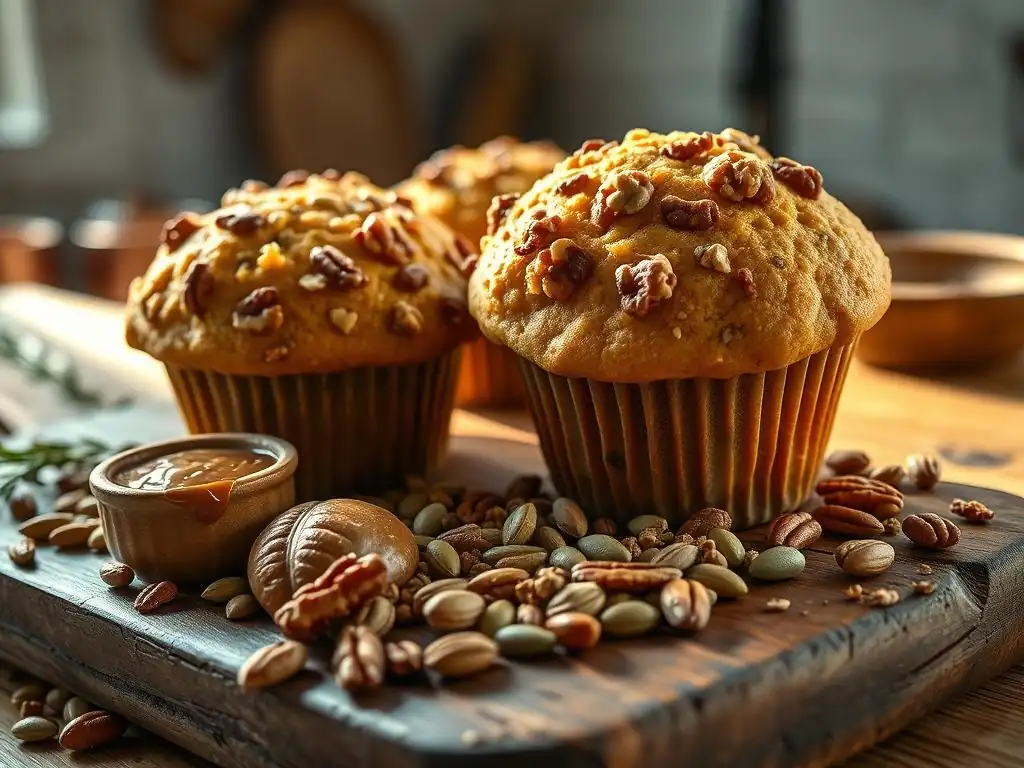
Welcome to BakeWithEase, your kitchen companion for baking bliss!
Ever wondered how to truly elevate your muffins beyond the ordinary? Unlock the secret to creating the perfectly nutty, seed muffins recipe and discover how the right blend of ingredients can transform a simple bake into a masterpiece. Get ready to dive deep into the world of flavors and textures – your baking adventure starts now!
- Elevate Your Muffins with Nuts & Seeds
- BakeWithEase: Mastering Nutty & Seedy Muffin Recipes
- Ingredient Deep Dive: Baking with Nuts & Seeds
- Why Add Nuts & Seeds to Your Muffin Recipes?
- Choosing the Right Nuts for Your Muffin Recipe
- Selecting the Best Seeds for Your Muffin Recipe
- Preparing Nuts & Seeds for Optimal Muffin Baking
- Perfectly Nutty, Seed Muffins Recipe: A Step-by-Step Guide
- Storing Your Nut and Seed Muffins for Freshness
- Exploring Variations of Nut and Seed Muffin Recipes
- Conclusion: Creating Delicious and Nutritious Muffins with Nuts & Seeds
-
Frequently Asked Questions
- What makes this muffin recipe "perfectly nutty and seedy"?
- Can I substitute different nuts and seeds in this recipe?
- How do I prevent the nuts and seeds from sinking to the bottom of the muffins?
- What's the best way to store these nutty and seedy muffins?
- What are some tips for ensuring my muffins are moist and not dry?
- Final Reflection: The Unexpected Joy of the Perfectly Nutty, Seed Muffin
- Unlock Your Muffin Masterpiece!
Elevate Your Muffins with Nuts & Seeds
BakeWithEase: Mastering Nutty & Seedy Muffin Recipes
Baking muffins offers a wonderful opportunity to experiment with textures and flavors, and incorporating nuts and seeds is a fantastic way to achieve this. At BakeWithEase, we believe that understanding your ingredients is key to creating delicious results. This deep dive explores how adding nuts and seeds can transform your standard muffin recipe into something truly special, adding not just flavor and texture, but also significant nutritional benefits. Whether you're aiming for a classic banana walnut muffin or exploring a more adventurous combination like lemon poppy seed, mastering the inclusion of these tiny powerhouses is a game-changer.
Our goal is to guide you through selecting, preparing, and incorporating nuts and seeds into your baking. From crunchy pecans to nutrient-packed chia seeds, each ingredient brings unique qualities to the finished product. We'll cover popular choices, discuss how they interact with other ingredients, and provide tips for achieving that perfectly nutty, seed muffins recipe you've been dreaming of. Let's unlock the secrets to baking muffins that are not only delightful to eat but also offer a little extra goodness in every bite.
Ingredient Deep Dive: Baking with Nuts & Seeds
Baking with nuts and seeds is more than just throwing them into the batter; it's about understanding their properties and how they behave under heat. Nuts, with their natural oils, can contribute moisture and richness, while seeds can add anything from a subtle crunch to a significant nutritional boost and binding capability. The type of nut or seed, its preparation (toasted, raw, soaked), and the quantity used all impact the final texture, flavor, and structure of your muffins.
This section focuses on getting acquainted with the stars of our article. We'll look at the characteristics that make certain nuts and seeds particularly well-suited for baking, such as their fat content, protein levels, and fiber contribution. For example, a typical 1/4 cup serving of walnuts contains about 4 grams of protein and 2 grams of fiber, alongside healthy omega-3 fatty acids.
Understanding these details helps you make informed choices, whether you're aiming for a light and airy muffin or a dense, hearty one. It's this knowledge that elevates a simple recipe to a perfectly nutty, seed muffins recipe tailored to your preferences.
Why Add Nuts & Seeds to Your Muffin Recipes?
Incorporating nuts and seeds into your muffin batter brings a multitude of advantages beyond just enhancing the taste. They contribute significantly to the overall quality and appeal of the baked goods. From boosting the sensory experience with delightful textures and aromas to increasing the nutritional profile and even improving the muffin's longevity, the benefits are substantial. Let's explore some of the key reasons why you should consider making nuts and seeds a staple in your muffin baking repertoire.
Adding these ingredients is a simple step that yields complex rewards. They transform a basic muffin into a more sophisticated treat, offering layers of flavor and texture that captivate the palate. Furthermore, for those looking to bake healthier options, nuts and seeds provide an excellent way to introduce beneficial nutrients without compromising on taste or enjoyment. They are truly versatile additions that can complement a wide range of muffin flavors and styles.
Enhancing Flavor Profiles with Nuts and Seeds
Nuts and seeds possess unique flavor profiles that can dramatically enhance a muffin recipe. Toasting nuts, for instance, unlocks deeper, more complex aromas and flavors by lightly browning their natural oils. Consider the difference between a raw almond and a toasted one; the toasted almond has a richer, nuttier taste that stands up beautifully to sweet muffin batter. Seeds like poppy or sesame (though less common in muffins, sometimes used) also release fragrant oils when baked, contributing subtle yet distinct notes.
Beyond their inherent taste, nuts and seeds pair wonderfully with common muffin ingredients. Walnuts complement banana and spice flavors, while pecans add a buttery richness perfect for pumpkin or maple muffins. Hazelnuts bring an earthy, slightly sweet note that pairs exceptionally well with chocolate or coffee. This ability to harmonize with and elevate existing flavors makes them indispensable in creating a truly memorable and perfectly nutty, seed muffins recipe. The natural fats in nuts also carry and distribute fat-soluble flavor compounds throughout the muffin.
Adding Texture and Nutritional Value to Muffins
One of the most immediate benefits of adding nuts and seeds is the textural contrast they provide. Muffins are often soft and tender, and the addition of chopped nuts or whole seeds introduces a delightful crunch or chewiness that makes each bite more interesting. Think of the satisfying bite of a muffin studded with crunchy walnuts or the subtle pop of poppy seeds. This varied texture prevents the muffin from being monotonous and adds to the overall eating experience.
Nutritionally, nuts and seeds are powerhouses. They are packed with healthy fats, protein, fiber, vitamins, and minerals. For example, a 1/4 cup serving of chia seeds contains approximately 5 grams of fiber and 3 grams of protein, plus omega-3 fatty acids. Flax seeds offer similar benefits, particularly when ground. Incorporating these ingredients can turn a sweet treat into a more balanced snack, contributing to satiety and providing essential nutrients. This nutritional boost is a key reason many bakers include them in their perfectly nutty, seed muffins recipe variations.
Extending Shelf Life of Your Muffins with Nuts & Seeds
While not a primary reason for inclusion, nuts and seeds can indirectly contribute to extending the shelf life of muffins. The natural oils present in nuts, particularly, can help keep baked goods moist for longer. These fats coat the flour particles, slowing down the staling process which is primarily caused by starch retrogradation (starch molecules realigning and becoming rigid). Muffins made with a good amount of nuts tend to retain their tenderness and moisture better than those without.
Furthermore, certain seeds like chia and flax have hydrophilic properties, meaning they absorb moisture. When used in batters, they can help retain moisture during baking and storage, contributing to a softer crumb over time. While not a substitute for proper storage methods, this inherent property of nuts and seeds adds another layer of benefit, helping your delicious, perfectly nutty, seed muffins recipe stay fresh and enjoyable for a little longer.
Choosing the Right Nuts for Your Muffin Recipe
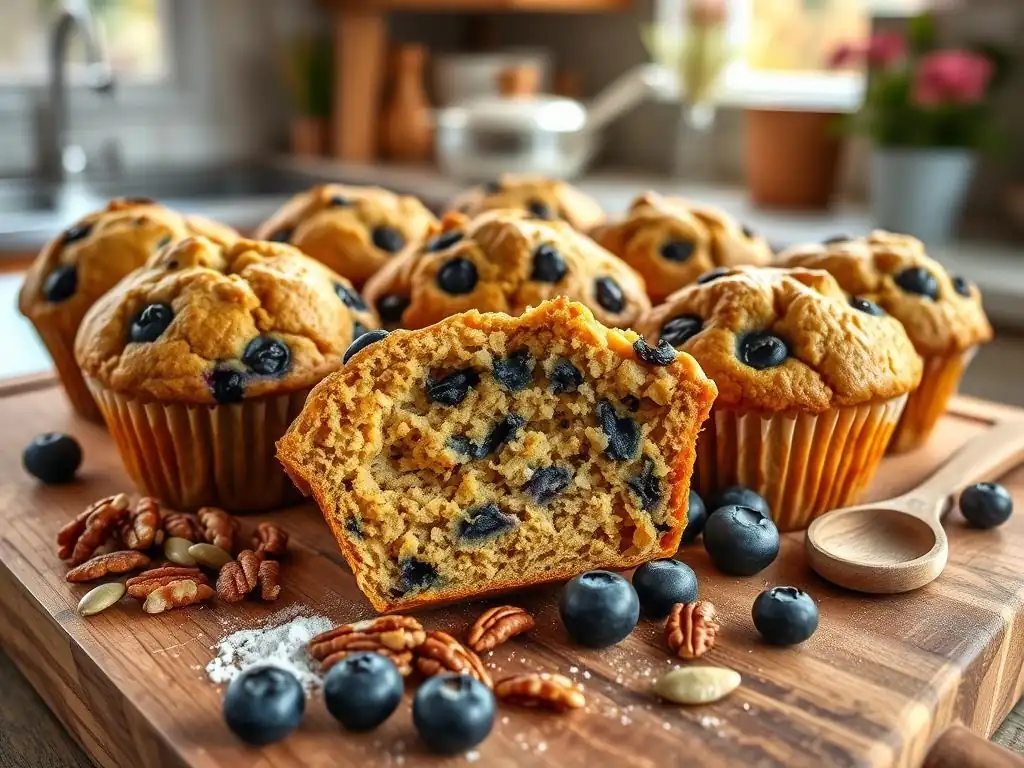
Selecting the appropriate nut is crucial for achieving the desired flavor and texture in your muffins. Different nuts have distinct characteristics that lend themselves to specific flavor pairings and overall muffin profiles. Consider the fat content, inherent sweetness, and texture of the nut when making your choice. A dense, oily nut like a macadamia will behave differently in batter than a lighter, drier nut like an almond.
The size and preparation of the nuts also matter. Chopped nuts distribute more evenly and provide smaller bursts of flavor and texture, while larger pieces offer more substantial bites. Roasting, as mentioned, enhances flavor. Think about the overall character you want your muffin to have – rich and buttery, light and delicate, or earthy and robust – and choose your nut accordingly. This careful selection is foundational to creating a truly perfectly nutty, seed muffins recipe.
Walnuts: A Classic Muffin Addition
Walnuts are perhaps one of the most popular nuts for baking, and for good reason. They have a distinct, slightly bitter or earthy flavor that pairs exceptionally well with many common muffin ingredients. Their texture is relatively soft compared to pecans or almonds, and they break down nicely during baking, distributing their flavor throughout the crumb. They are also rich in omega-3 fatty acids, adding a nutritional bonus.
Typically, walnuts are used chopped in muffins. A common ratio might be 1/2 cup to 1 cup of chopped walnuts per standard batch of 12 muffins, adding a pleasant crunch and nutty depth. Their versatility makes them a go-to choice for many bakers perfecting their nutty and seedy muffin recipes.
Walnut Muffin Flavor Pairings: Banana, Chocolate, Coffee
Walnuts are legendary partners for banana bread and muffins. The earthy, slightly tannic notes of the walnuts cut through the sweetness and moisture of ripe bananas, creating a harmonious balance. This pairing is a staple for a reason, offering comfort and familiar flavor.
They also pair beautifully with chocolate, adding a sophisticated bitterness and crunch that complements both dark and milk chocolate flavors. In coffee-flavored muffins, walnuts provide a grounding, earthy counterpoint to the rich, roasted notes of coffee, enhancing the overall complexity.
Pecans: Adding a Buttery Note to Your Muffins
Pecans are known for their rich, buttery flavor and tender texture. They are slightly sweeter than walnuts and lack the same level of bitterness, making them a favorite for sweeter applications. When baked, their oils render slightly, enhancing their buttery quality and adding moisture to the muffin crumb.
Like walnuts, pecans are typically used chopped. They hold their shape slightly better than walnuts, offering distinct pockets of buttery flavor and tender crunch. A typical amount might be 1/2 to 3/4 cup chopped pecans per batch, adding richness to any perfectly nutty, seed muffins recipe.
Pecan Muffin Flavor Pairings: Maple, Pumpkin, Butterscotch
Pecans are a natural fit for fall-inspired muffins, pairing exquisitely with maple syrup and pumpkin. The buttery notes of the pecans enhance the warmth of spices like cinnamon, nutmeg, and cloves commonly found in pumpkin or spice muffins, while their sweetness complements the maple flavor.
They also work wonderfully with butterscotch, doubling down on the rich, caramelized butter notes. This pairing creates a truly decadent muffin experience, highlighting the luxurious side of baking with nuts.
Almonds: A Versatile Nut for Muffin Baking
Almonds are incredibly versatile, available in various forms like slivered, sliced, or chopped, and with or without skins. They offer a mild, slightly sweet, and nutty flavor that doesn't overpower other ingredients. Their texture is firmer than walnuts or pecans, providing a distinct crunch.
Sliced or slivered almonds are often used as a topping for muffins, adding visual appeal and a crisp texture. Chopped almonds can be folded into the batter. Their subtle flavor makes them suitable for a wide range of muffin profiles, from fruit-based to more delicate floral or citrus notes.
Almond Muffin Flavor Pairings: Blueberry, Lemon, Raspberry
Almonds pair beautifully with bright, fruity flavors. Their mild sweetness and subtle nuttiness complement the tartness of berries like blueberries and raspberries without competing with them. This combination is popular in many fruit-forward muffin recipes.
They also work exceptionally well with citrus flavors, particularly lemon. The crisp texture of almonds contrasts nicely with the tender crumb of a lemon muffin, while their mild flavor enhances the brightness of the lemon zest and juice. A perfectly nutty, seed muffins recipe using almonds and lemon is wonderfully refreshing.
Hazelnuts: Elevating Muffins with a Rich, Earthy Flavor
Hazelnuts, especially when toasted, have a deep, earthy, and slightly sweet flavor that is distinct and luxurious. They contain relatively high levels of oil, contributing to richness and moisture in baked goods. Their skin can be slightly bitter, so many recipes call for skinless, toasted hazelnuts.
Hazelnuts are often chopped and folded into batter or used as a topping. Their robust flavor means they can stand up to other strong ingredients. Toasting is highly recommended to bring out their full potential.
Hazelnut Muffin Flavor Pairings: Chocolate, Coffee, Pear
Hazelnuts and chocolate are a classic pairing (think gianduja!). The rich, earthy notes of hazelnuts complement the bitterness of cocoa and the sweetness of chocolate, creating a decadent flavor combination perfect for chocolate muffins.
They also pair well with coffee, much like walnuts, but with a distinctively richer profile. The nuttiness of hazelnuts enhances the roasted notes of coffee. Surprisingly, hazelnuts also pair beautifully with the subtle sweetness and soft texture of cooked or baked pears, creating an elegant muffin.
Other Nut Options for Unique Muffin Recipes: Macadamia, Cashews, Brazil Nuts
While walnuts, pecans, almonds, and hazelnuts are common, other nuts can add unique twists to your muffins. Macadamia nuts are extremely buttery and rich, adding a luxurious texture and flavor, particularly good with white chocolate or tropical fruits. They have a high fat content, which contributes significant moisture.
Cashews offer a creamy texture and a milder, slightly sweet flavor. They work well in less traditional muffin recipes, perhaps with spices or in vegan baking (when ground into a cream). Brazil nuts are large and have a firm texture and a distinct, slightly earthy flavor, often used chopped. Experimenting with these nuts can lead to truly unique and perfectly nutty, seed muffins recipe variations.
Selecting the Best Seeds for Your Muffin Recipe
Seeds, though small, pack a mighty punch in muffins, contributing not only texture and visual appeal but also significant nutritional value. Like nuts, different seeds offer varying characteristics. Some are used for their crunch, others for their ability to absorb liquid and add moisture, and all for their health benefits.
Choosing the right seed depends on the desired outcome. Are you looking for a subtle crunch, a nutritional boost, or help with structure and moisture? Understanding the properties of popular baking seeds will help you make the best selection for your perfectly nutty, seed muffins recipe.
Poppy Seeds: Adding a Subtle Crunch and Visual Appeal
Poppy seeds are tiny, kidney-shaped seeds that provide a delicate, almost imperceptible crunch and a beautiful speckled appearance to muffins. They have a very mild, slightly nutty flavor that is not overpowering, making them versatile.
Often used in conjunction with citrus flavors, poppy seeds are typically added directly to the batter. A few tablespoons per batch of muffins is usually sufficient to provide the characteristic texture and visual appeal without making the muffin too dense.
Poppy Seed Muffin Flavor Pairings: Lemon, Orange, Almond
Poppy seeds are most famously paired with lemon. The bright, tart flavor of lemon zest and juice is beautifully complemented by the subtle crunch and mild flavor of the poppy seeds, creating a classic and refreshing muffin.
They also work well with orange, adding a similar textural contrast to the sweet citrus notes. Poppy seeds can also enhance the flavor of almond-based muffins, providing texture that contrasts with the tender crumb, while their mild flavor doesn't compete with the almond extract or flour.
Chia Seeds: Boosting Nutrition and Moisture in Muffins
Chia seeds are nutritional powerhouses, packed with fiber, omega-3 fatty acids, and protein. In baking, they are particularly valued for their ability to absorb liquid, forming a gel-like consistency. This property can help add moisture to muffins and even act as a binder, especially in egg-free recipes.
When added to muffin batter, chia seeds absorb some of the liquid, which can help create a moist crumb. They also provide a subtle texture, somewhere between a crunch and a soft chew. A tablespoon or two per batch can significantly boost the fiber content.
Chia Seed Muffin Flavor Pairings: Berry, Apple, Cinnamon
Chia seeds' mild flavor makes them suitable for pairing with many fruits and spices. They work well in berry muffins, absorbing some of the berry juices and complementing their natural sweetness and tartness.
They are also a great addition to apple or cinnamon muffins. The moisture-absorbing property helps balance the moisture from fruit like apples, and their subtle texture doesn't detract from the warm, spicy flavors of cinnamon and other baking spices.
Flax Seeds: A Healthy and Flavorful Addition to Muffins
Flax seeds, especially when ground, are another excellent source of fiber, omega-3 fatty acids, and lignans. Like chia seeds, they can absorb liquid and help bind ingredients, often used as an egg substitute (mixed with water to form a "flax egg"). Whole flax seeds provide a noticeable crunch.
Using ground flax seeds in muffins boosts the nutritional content and can contribute to a moister crumb. Whole flax seeds add a distinct texture and a slightly nutty flavor. A couple of tablespoons of ground or whole flax seeds per batch can significantly enhance the muffin's nutritional profile.
Flax Seed Muffin Flavor Pairings: Banana, Carrot, Oatmeal
Flax seeds' slightly earthy and nutty flavor pairs well with hearty muffin bases. They are a natural fit for banana muffins, complementing the sweetness of the banana and adding fiber.
They also integrate seamlessly into carrot muffins, enhancing the earthy sweetness of the carrots and spices. Flax seeds are a common addition to oatmeal-based muffins, boosting fiber content and adding textural interest alongside the oats.
Sunflower Seeds: A Nutty Flavor and Chewy Texture
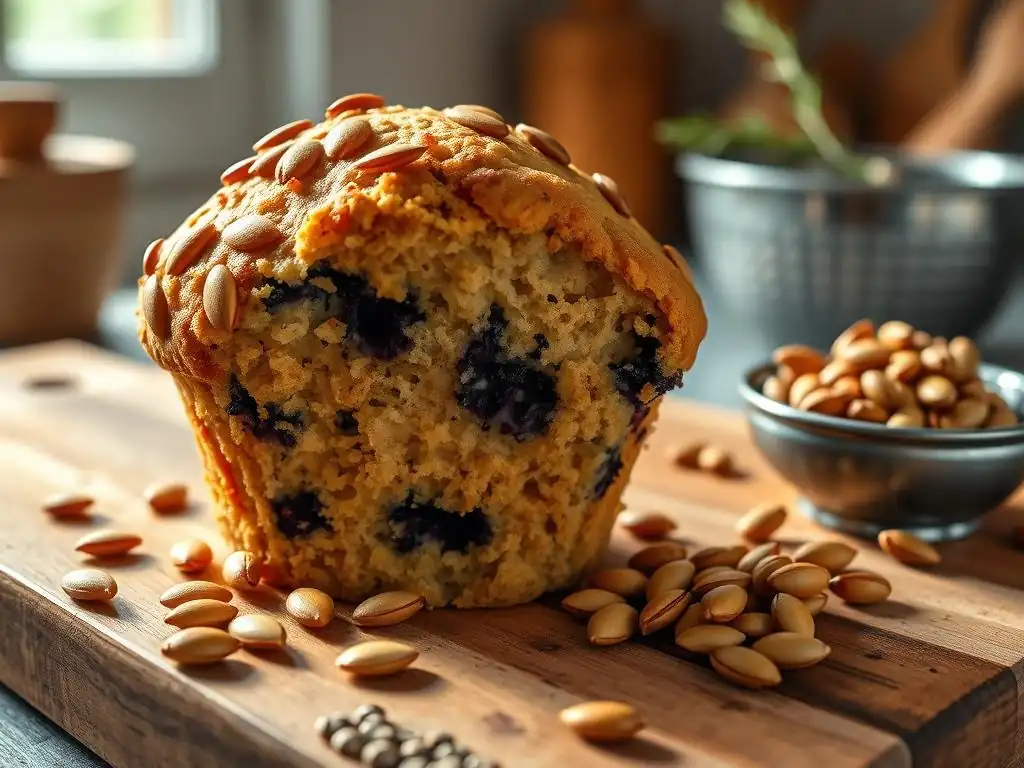
Sunflower seeds, or hulled sunflower kernels, offer a pleasant nutty flavor and a firmer, slightly chewy texture compared to other seeds. They are a good source of Vitamin E and healthy fats.
They can be added to muffin batter raw or lightly toasted for enhanced flavor. Their size means they provide a more substantial textural element than smaller seeds like poppy or chia. A 1/4 to 1/2 cup per batch adds a noticeable nutty presence.
Sunflower Seed Muffin Flavor Pairings: Zucchini, Corn, Honey
Sunflower seeds pair well with vegetable-based muffins. They complement the mild flavor and moisture of zucchini in zucchini muffins, adding texture and nuttiness.
They are also a great addition to savory or semi-sweet corn muffins, enhancing the corn flavor and adding a satisfying chew. Their nutty profile also works nicely with the natural sweetness of honey in honey-sweetened muffins.
Pumpkin Seeds (Pepitas): A Festive and Flavorful Choice
Pumpkin seeds, also known as pepitas (when hulled and green), have a distinct, slightly sweet, and nutty flavor with a tender-chewy texture. They are often associated with fall flavors and are rich in magnesium and zinc.
Pepitas are excellent when lightly toasted, enhancing their flavor and crunch. They can be folded into the batter or sprinkled on top before baking for a lovely visual and textural finish. A 1/4 cup per batch is usually sufficient.
Pumpkin Seed Muffin Flavor Pairings: Spice, Maple, Apple
Pumpkin seeds are a perfect match for spice muffins, especially those featuring cinnamon, nutmeg, and ginger. Their nutty flavor enhances the warmth of the spices, making them ideal for fall baking.
They also pair wonderfully with maple, complementing its sweetness and adding a chewy texture. Combined with apples, pumpkin seeds add a delightful crunch and nutty counterpoint to the soft, sweet fruit.
Preparing Nuts & Seeds for Optimal Muffin Baking
Proper preparation of nuts and seeds can significantly impact their flavor, texture, and overall performance in your muffins. While some seeds can be used straight from the package, nuts often benefit from a simple step like toasting, and some seeds might benefit from soaking depending on the desired outcome. Taking a few extra minutes for preparation can elevate your perfectly nutty, seed muffins recipe from good to outstanding.
Ignoring preparation steps can lead to less flavorful nuts or seeds that don't integrate well into the batter. For instance, raw nuts might not release their full flavor potential, and large nut pieces could sink to the bottom of the muffin. Let's look at some key preparation techniques.
Toasting Nuts for Enhanced Flavor and Texture
Toasting nuts is a simple yet incredibly effective way to deepen their flavor and improve their texture. Heat helps release the natural oils within the nuts, intensifying their aroma and creating a richer, nuttier taste. Toasted nuts also tend to be slightly crisper.
To toast nuts, spread them in a single layer on a baking sheet. Bake at a moderate temperature, around 300-325°F (150-160°C), for 8-15 minutes, stirring occasionally, until fragrant and lightly browned. Watch them carefully as they can burn quickly. Let them cool completely before chopping or adding to batter. This step is highly recommended for most nuts used in a perfectly nutty, seed muffins recipe.
Chopping Nuts to the Right Size for Muffins
The size of your chopped nuts matters for even distribution and texture. If the pieces are too large, they can sink to the bottom of the muffins during baking. If they are too fine, they might disappear into the crumb.
Aim for a medium chop, roughly the size of small pebbles or coarse crumbs. This ensures that the nuts are dispersed throughout the muffin, providing bursts of flavor and texture in each bite. You can chop them by hand with a knife or pulse them briefly in a food processor, being careful not to over-process into a powder or paste.
Soaking Seeds to Improve Digestion and Texture
Some seeds, particularly chia and flax seeds, can be soaked before adding to batter. Soaking allows them to absorb liquid and form a gel. This can make them easier to digest for some people and helps them contribute moisture to the muffin.
To soak chia or flax seeds, combine 1 tablespoon of seeds with 3 tablespoons of water and let sit for 5-10 minutes until a gel forms. This gel can then be added to the wet ingredients. While not strictly necessary for all muffin recipes, soaking can be beneficial, especially if you're using a large quantity or want to leverage their binding properties in an egg-free perfectly nutty, seed muffins recipe.
Perfectly Nutty, Seed Muffins Recipe: A Step-by-Step Guide
Ready to bake? Here is a versatile recipe designed to showcase the wonderful textures and flavors of nuts and seeds. This recipe provides a base that you can customize with your favorite nut and seed combinations, aiming for that perfectly nutty, seed muffins recipe result. It uses common pantry staples and straightforward techniques suitable for bakers of all levels.
Follow these steps carefully, and you'll be rewarded with moist, flavorful muffins packed with goodness. Baking is a science, but with clear instructions, it's an enjoyable and rewarding process.
Ingredients for the Nutty Seed Muffin Recipe
Here's what you'll need for a batch of approximately 12 standard muffins:
- 1 ¾ cups All-Purpose Flour
- ½ cup Granulated Sugar (or substitute)
- 2 tsp Baking Powder
- ½ tsp Baking Soda
- ¼ tsp Salt
- 1 tsp Cinnamon (optional, but recommended for warm flavor)
- 1 large Egg
- 1 cup Milk (dairy or non-dairy)
- ⅓ cup Vegetable Oil (or melted unsalted butter)
- 1 tsp Vanilla Extract
- ½ cup Chopped Nuts (e.g., walnuts, pecans, almonds), toasted if desired
- ¼ cup Mixed Seeds (e.g., poppy, chia, flax, sunflower, pepitas)
Note: Adjust nut/seed quantities slightly based on preference, but avoid adding too many, which can make muffins heavy.
Instructions for Baking the Perfect Nut and Seed Muffins
- Preheat oven to 400°F (200°C). Line a 12-cup muffin tin with paper liners or grease well.
- Combine Dry Ingredients: In a large bowl, whisk together the flour, sugar, baking powder, baking soda, salt, and cinnamon (if using).
- Combine Wet Ingredients: In a separate medium bowl, whisk together the egg, milk, oil (or melted butter), and vanilla extract until well combined.
- Combine Wet and Dry: Pour the wet ingredients into the bowl with the dry ingredients.
- Mix Gently: Using a spatula, gently fold the ingredients together just until barely combined. The batter should be lumpy; do not overmix. Overmixing develops gluten and results in tough muffins.
- Fold in Nuts & Seeds: Gently fold in the chopped nuts and seeds until evenly distributed.
- Fill Muffin Cups: Divide the batter evenly among the prepared muffin cups, filling each about two-thirds full.
- Bake: Bake for 18-22 minutes, or until a toothpick inserted into the center of a muffin comes out clean.
- Cool: Let the muffins cool in the tin for a few minutes before transferring them to a wire rack to cool completely.
Baking Temperature: 400°F (200°C)
Baking Time: 18-22 minutes
Yield: 12 muffins
Tips for Avoiding Common Muffin Baking Mistakes
Baking muffins is relatively simple, but a few common pitfalls can affect the outcome. One of the most frequent errors is overmixing the batter. As mentioned in the instructions, overmixing develops the gluten in the flour, leading to tough, dense muffins instead of light and tender ones. Mix only until the dry ingredients are just incorporated into the wet, even if lumps remain.
Another common issue is inconsistent baking. Ensure your oven is preheated correctly (an oven thermometer can help verify this). Avoid opening the oven door frequently during baking, as this causes temperature fluctuations that can affect the rise and texture. Finally, be sure your leavening agents (baking powder and soda) are fresh, as expired ones will result in flat muffins. Following these tips will help ensure your perfectly nutty, seed muffins recipe turns out beautifully every time.
Storing Your Nut and Seed Muffins for Freshness
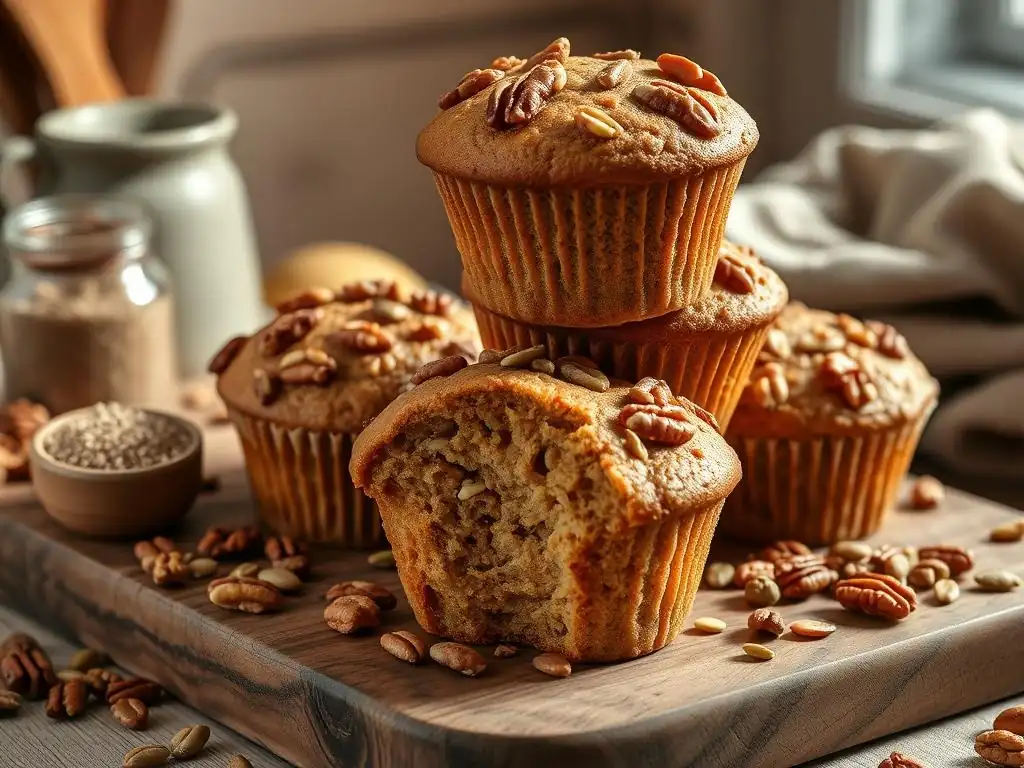
Proper storage is key to keeping your delicious, perfectly nutty, seed muffins fresh and moist for as long as possible. Muffins, especially those containing ingredients like nuts and seeds that can add moisture, generally stay fresh for a few days at room temperature. However, how you store them makes a significant difference in maintaining their texture and preventing them from drying out or becoming soggy.
Storing muffins correctly also helps prevent mold growth. While the oils in nuts can help retain moisture, they can also potentially go rancid over extended periods if not stored properly, although this is less common in baked goods consumed within a few days.
Best Practices for Muffin Storage
The best way to store muffins is in an airtight container at room temperature. Once the muffins have cooled completely on a wire rack (this is crucial to prevent condensation), place them in a container with a tight-fitting lid. To absorb excess moisture and prevent the tops from getting sticky or soggy, you can place a paper towel on the bottom of the container before adding the muffins and another on top before sealing.
Store the container in a cool, dry place away from direct sunlight. Muffins stored this way typically stay fresh for 2-3 days. For longer storage, consider refrigeration or freezing.
Extending the Shelf Life of Your Muffins
If you need to store your perfectly nutty, seed muffins for longer than a few days, refrigeration is an option, extending freshness to about a week. However, refrigeration can sometimes alter the texture, making them slightly drier. To combat this, you can warm them gently before serving.
For long-term storage, freezing is ideal. Once completely cool, wrap individual muffins tightly in plastic wrap, then place them in a freezer-safe bag or container. Frozen muffins can last for up to 2-3 months. Thaw them at room temperature or warm gently in a microwave or oven. This allows you to enjoy your batch of perfectly nutty, seed muffins recipe creations over an extended period.
Exploring Variations of Nut and Seed Muffin Recipes
The base recipe provided is just the beginning! Nuts and seeds are incredibly versatile, allowing for numerous variations to cater to different dietary needs or flavor preferences. Whether you're looking for gluten-free options, vegan alternatives, or ways to reduce sugar, incorporating nuts and seeds can be done successfully.
Adapting your perfectly nutty, seed muffins recipe allows you to customize them for specific diets or simply experiment with new ingredient combinations. Let's look at how you can modify the basic recipe.
Gluten-Free Nut and Seed Muffins
Creating gluten-free muffins with nuts and seeds is straightforward using a good quality gluten-free flour blend. Replace the all-purpose flour in the base recipe cup-for-cup with your chosen blend. Gluten-free flours often benefit from a little extra binder, so adding a teaspoon of xanthan gum (if not already in your blend) or using moist ingredients like mashed banana or applesauce can help.
Nuts and seeds are naturally gluten-free, so they integrate seamlessly into these recipes. Chia and flax seeds, with their gelling properties, can be particularly helpful in providing structure and moisture in gluten-free baking, contributing to a perfectly nutty, seed muffins recipe that is both delicious and crumb-free.
Vegan Nut and Seed Muffins
Making vegan muffins involves replacing eggs and dairy. Eggs can be substituted with alternatives like flax eggs (as discussed earlier), chia eggs, mashed banana (about 1/4 cup per egg), applesauce, or commercial egg replacers. Dairy milk can be swapped with plant-based milk like almond, soy, oat, or coconut milk.
Ensure your nuts and seeds are plain and not roasted in butter or oil that isn't vegan. The natural fats and binding properties of nuts and seeds, especially chia and flax, are beneficial in vegan baking, helping to create a moist and well-structured perfectly nutty, seed muffins recipe without animal products.
Sugar-Free Nut and Seed Muffins
For sugar-free variations, replace the granulated sugar with a sugar substitute suitable for baking. The amount needed will depend on the specific sweetener used (check the product packaging for conversion ratios). You can also rely more on the natural sweetness of added ingredients like ripe bananas, applesauce, or dried fruit (used in moderation).
Nuts and seeds themselves contain minimal sugar, making them excellent additions to a sugar-free muffin. They add flavor and texture without contributing significantly to the sugar content, allowing you to enjoy a perfectly nutty, seed muffins recipe that fits a low-sugar diet.
Conclusion: Creating Delicious and Nutritious Muffins with Nuts & Seeds
Incorporating nuts and seeds into your muffin recipes is a simple yet incredibly effective way to enhance flavor, add delightful texture, and boost nutritional value. From the classic pairing of walnuts and banana to the unique combination of pumpkin seeds and spice, the possibilities are nearly endless. Understanding the properties of different nuts and seeds allows you to make informed choices, leading to consistently delicious results.
Whether you're a seasoned baker or just starting out, experimenting with nuts and seeds is a rewarding journey. They transform a basic muffin into a more complex and satisfying treat. We hope this deep dive has inspired you to bake your own perfectly nutty, seed muffins recipe, tailored to your taste and dietary needs. Happy baking!
Frequently Asked Questions
What makes this muffin recipe "perfectly nutty and seedy"?
This recipe focuses on the ideal ratio of nuts and seeds to batter, ensuring even distribution and maximum flavor in every bite. It also highlights the importance of toasting nuts and seeds to enhance their natural aromas.
Can I substitute different nuts and seeds in this recipe?
Absolutely! The recipe is designed to be flexible. Feel free to experiment with your favorite nuts and seeds, but keep the total quantity roughly the same as specified in the recipe to maintain the correct texture.
How do I prevent the nuts and seeds from sinking to the bottom of the muffins?
Tossing the nuts and seeds in a little flour before mixing can help prevent them from sinking. Also, avoid overmixing the batter, as this can make it too thin.
What's the best way to store these nutty and seedy muffins?
Store the muffins in an airtight container at room temperature for up to 3 days, or in the refrigerator for up to a week. For longer storage, you can freeze them for up to 2 months.
What are some tips for ensuring my muffins are moist and not dry?
Avoid overbaking the muffins. Check for doneness by inserting a toothpick; it should come out with a few moist crumbs attached. Also, using the correct amount of wet ingredients and not overmixing the batter are crucial for a moist final product.
Final Reflection: The Unexpected Joy of the Perfectly Nutty, Seed Muffin
The humble muffin, often overlooked, holds a surprising power to elevate our everyday moments. From a simple breakfast treat to a sophisticated addition to a brunch spread, the right combination of nuts and seeds can transform this classic into a culinary masterpiece. This journey through the world of perfectly nutty, seed muffins has revealed not just recipes, but a deeper appreciation for the artistry of baking and the simple pleasures found in mindful food preparation.
The impact of incorporating nuts and seeds extends beyond mere taste; it speaks to a growing awareness of healthy eating and the desire for wholesome, nourishing foods. These tiny powerhouses are packed with nutrients, adding a layer of complexity and satisfaction that goes beyond simple sweetness. Food is symbolic of love when words are inadequate.
– Alan D. Wolfelt. This sentiment rings true when considering the care and intention that goes into crafting a truly exceptional muffin, a small act of love for oneself and others.
Now, consider your own kitchen. What unique combinations of nuts and seeds are waiting to be discovered? I invite you to experiment, to embrace the unexpected, and to find joy in the process of creating your own perfectly nutty, seed muffins. Let this exploration be a springboard for culinary creativity, a reminder that even the simplest of recipes can hold immense potential for delight and connection. Don't just bake a muffin; bake an experience.
Unlock Your Muffin Masterpiece!
Thanks for joining us on this nutty and seedy adventure! We hope you've discovered the perfect additions to elevate your next batch of muffins. Ready to take your baking to the next level?
- Craft your dream muffin: Experiment with the nut and seed combinations we discussed, and let your creativity flow! Don't be afraid to try something unexpected.
- Share your creations: Post a picture of your masterpiece on social media using #BakeWithEaseMuffins and tag us – we'd love to see what you bake!
- Leave a comment: Tell us about your favorite nut or seed combo – what's your secret ingredient?
What unexpected ingredient are you excited to try in your next muffin creation?