
Secrets to a Perfect Almond Flour Cake

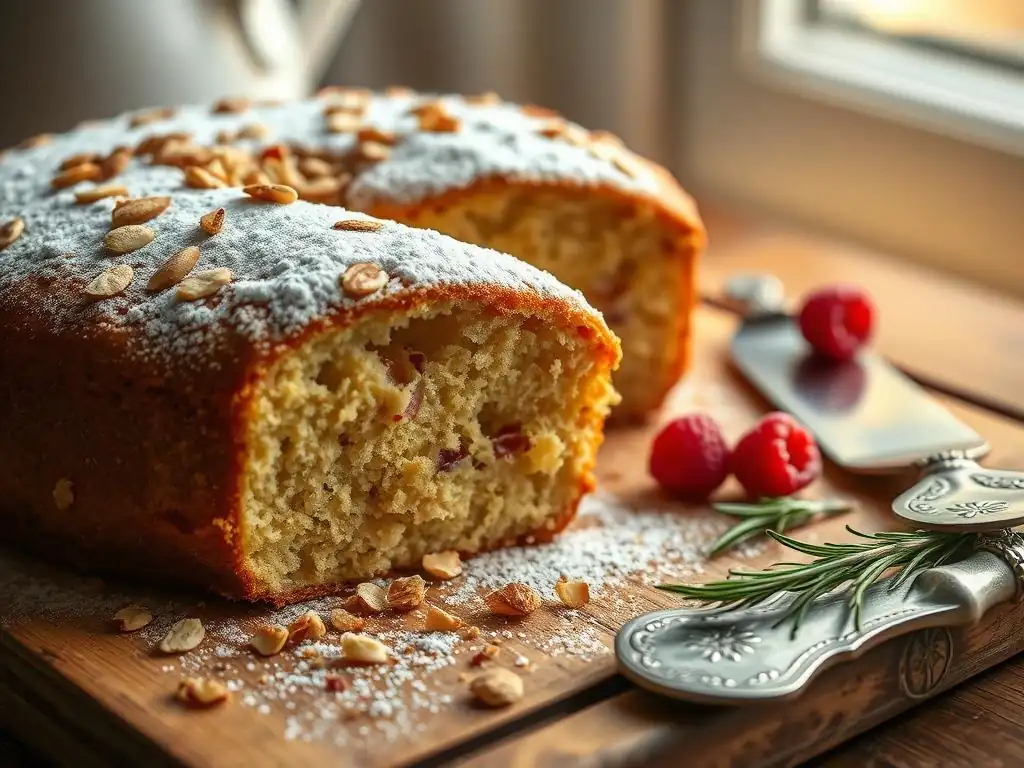
Welcome to BakeWithEase, where the journey to baking mastery begins! Ever wondered how to achieve that elusive, perfect almond flour cake texture? Dive in with us as we unlock the secrets in this article, exploring the nuances of almond flour and providing you with a recipe that's guaranteed to impress. Get ready to discover the tips and tricks that will elevate your almond flour baking from good to absolutely unforgettable!
- Secrets to a Perfect Almond Flour Cake: BakeWithEase Guide
- Introduction to Almond Flour Cake Baking
- Mastering the Perfect Almond Flour Cake Recipe
- Step-by-Step: Baking the Perfect Almond Flour Cake
- Troubleshooting Common Almond Flour Cake Baking Issues
- Flavor Variations and Add-ins for Your Almond Flour Cake
- Perfecting the Almond Flour Cake Frosting and Glaze
- Storing and Serving Your Almond Flour Cake
- Advanced Almond Flour Cake Techniques
- Conclusion: BakeWithEase and Your Perfect Almond Flour Cake Journey
-
Frequently Asked Questions
- What makes almond flour a good choice for baking cakes?
- How does almond flour differ from regular wheat flour in a cake recipe?
- What are some common mistakes people make when baking with almond flour?
- Can I substitute almond flour directly for wheat flour in any cake recipe?
- What's the best way to store an almond flour cake to keep it fresh?
- Final Reflection: The Enduring Allure of the Perfect Almond Flour Cake
- Unlock Your Inner Baker: Perfect Almond Flour Cakes Await!
Secrets to a Perfect Almond Flour Cake: BakeWithEase Guide
Introduction to Almond Flour Cake Baking
Why Choose Almond Flour for Cake?
Almond flour has become a staple in many kitchens, and for good reason, especially when it comes to baking a truly perfect almond flour cake. One of its primary benefits is its gluten-free nature, making it an excellent alternative for those with celiac disease or gluten sensitivities. Unlike traditional wheat flour, almond flour is simply ground almonds, offering a natural, wholesome base for your baked goods. This composition contributes to cakes that are wonderfully moist and tender, often more so than those made solely with wheat flour, thanks to the fat content inherent in almonds.
Beyond its dietary advantages, almond flour imparts a subtle, delightful nutty flavor that complements a wide range of other ingredients, from vanilla and citrus to chocolate and spices. This unique taste profile elevates a simple cake into something special.
Additionally, almond flour typically boasts a lower glycemic index compared to refined wheat flour, which can be a consideration for managing blood sugar levels. Baking with almond flour opens up a world of possibilities for creating delicious, tender cakes that cater to various dietary needs and preferences, making a perfect almond flour cake recipe a valuable addition to any baker's repertoire.
Understanding the Unique Properties of Almond Flour
Working with almond flour requires a slightly different approach than traditional baking because its properties are distinct from wheat flour. Almond flour lacks gluten, the protein network that provides structure and elasticity in wheat-based baked goods. This means almond flour cakes tend to be more delicate and can sometimes crumble if not handled correctly. To compensate for the absence of gluten, recipes often rely more heavily on binders like eggs, xanthan gum (though many BakeWithEase recipes aim to minimize or avoid this), or psyllium husk to provide necessary structure.
Furthermore, almond flour contains a higher percentage of fat compared to wheat flour. This fat contributes significantly to the moisture and richness of the final cake but also means the flour can become dense if packed too tightly or if too much is used. Accurate measuring, often by weight rather than volume, is crucial for achieving the desired texture in a perfect almond flour cake recipe. Understanding these unique characteristics – the lack of gluten, higher fat content, and need for careful measurement – is fundamental to mastering baking with almond flour and consistently producing delicious, moist cakes.
BakeWithEase' Commitment to Simple Baking
At BakeWithEase, our mission is to demystify baking and make it accessible and enjoyable for everyone, regardless of their experience level. We believe that creating delicious baked goods, including a perfect almond flour cake, shouldn't require complex techniques or hard-to-find ingredients. Our approach focuses on clear, step-by-step instructions, using common kitchen equipment, and providing helpful tips to ensure success every time you bake. We test our recipes rigorously to simplify the process while maximizing flavor and texture.
Our resources, from detailed guides on ingredients like almond flour to comprehensive troubleshooting sections, are designed to empower you in the kitchen. We understand that trying new flours or techniques can sometimes feel intimidating, but our friendly, educational tone aims to build your confidence.
Whether you're attempting your first almond flour cake or looking to perfect your existing recipe, BakeWithEase is here to guide you with practical advice and reliable recipes. Our goal is to help you discover the joy of baking and share delightful creations with friends and family, starting with that perfect almond flour cake recipe you've always wanted to master.
Mastering the Perfect Almond Flour Cake Recipe
The BakeWithEase Perfect Almond Flour Cake Recipe: Overview
The BakeWithEase approach to a perfect almond flour cake recipe centers on simplicity and reliable results. Our foundational recipe is designed to produce a cake that is tender, moist, and bursting with natural flavor, serving as an excellent base for variations. It typically involves a straightforward creaming method or a simple mix-and-pour technique, minimizing complicated steps. We focus on balancing the moisture from ingredients like eggs and fats with the absorption properties of almond flour to prevent dryness or gumminess.
Our overview highlights key ratios and techniques that are essential for almond flour success. For instance, we often use a slightly higher proportion of eggs compared to traditional recipes to provide structure in the absence of gluten. We also emphasize gentle mixing to avoid overworking the batter, which can lead to a tough texture. The goal is to provide a perfect almond flour cake recipe framework that is easy to follow for beginners yet yields results that impress even experienced bakers, proving that achieving a perfect almond flour cake is well within reach.
Key Ingredients for a Delicious Almond Flour Cake
Almond Flour: Selecting the Right Type
Choosing the correct type of almond flour is critical for achieving the desired texture in your perfect almond flour cake. The most commonly recommended type for cakes is blanched, superfine almond flour. Blanched means the almonds have had their skins removed before grinding, resulting in a lighter color and finer texture.
Superfine indicates that the almonds have been ground very finely, almost like a powder, which helps create a smoother, more uniform crumb in baked goods. Using blanched, superfine almond flour minimizes the speckling from skins and prevents a gritty texture, contributing significantly to a tender and delicate perfect almond flour cake.
While unblanched almond flour (sometimes called almond meal) works in certain recipes, it retains the almond skins, giving it a coarser texture and a more rustic appearance. It can also absorb liquids differently than superfine blanched flour. For most perfect almond flour cake recipes aiming for a light, airy crumb, blanched superfine almond flour is the superior choice. Always check the packaging to confirm you are purchasing blanched, superfine almond flour for the best results in your baking endeavors.
Eggs: Binding and Structure
Eggs play a vital role in a perfect almond flour cake, acting as primary binders and contributors to structure and lift. Because almond flour lacks gluten, eggs step in to hold the batter together, preventing the cake from crumbling. The proteins in the eggs coagulate during baking, creating a stable framework. Furthermore, eggs provide leavening; when beaten, they incorporate air, and as they bake, the water content turns to steam, helping the cake rise.
Many almond flour cake recipes call for a higher number of eggs compared to traditional wheat flour recipes to compensate for the lack of gluten structure. For example, a standard 8-inch wheat cake might use 2-3 eggs, while a similar-sized almond flour cake might require 3-4 or even more. The yolks contribute richness and moisture, while the whites provide structure and lift. Using the specified number and size of eggs in your perfect almond flour cake recipe is crucial for achieving the correct texture and preventing a dense or fragile outcome.
Sweeteners: Choosing the Best Option for Your Cake
The choice of sweetener can significantly impact the flavor, moisture, and texture of your perfect almond flour cake. Granulated sugar is a common choice, providing sweetness and contributing to the cake's structure and browning. However, many bakers opt for alternative sweeteners when using almond flour, often aligning with lower-carb or paleo diets. Options include maple syrup, honey, coconut sugar, erythritol, or other sugar substitutes.
Liquid sweeteners like maple syrup or honey add moisture but also introduce more liquid to the recipe, which may require slight adjustments to other wet ingredients. Granular sugar substitutes like erythritol or xylitol behave similarly to granulated sugar in terms of structure but do not brown the same way and can sometimes have a cooling aftertaste. Coconut sugar offers a slightly caramel-like flavor and color. When selecting a sweetener for your perfect almond flour cake recipe, consider the desired sweetness level, dietary goals, and how the sweetener will affect the cake's final texture and appearance.
Fats: Adding Moisture and Flavor
Fats are essential for creating a moist, tender, and flavorful perfect almond flour cake. They coat the flour particles, preventing them from forming a tough structure, and contribute to a rich mouthfeel. Common fats used in almond flour cakes include butter, coconut oil, and various liquid oils like vegetable oil or olive oil. Each fat imparts a different flavor profile and affects the cake's texture in unique ways.
Butter provides a classic rich flavor and contributes to a tender crumb when creamed with sugar, incorporating air. Coconut oil, especially refined coconut oil, offers a neutral flavor and excellent moisture. Liquid oils create a very moist cake as they remain liquid at room temperature.
The specific fat used in a perfect almond flour cake recipe is often chosen based on the desired flavor and dietary considerations. For instance, using melted coconut oil is common in dairy-free versions, while softened butter is standard in traditional recipes. The amount and type of fat are carefully balanced to ensure the cake is moist but not greasy.
Essential Equipment for Almond Flour Cake Success
Having the right tools can make a significant difference when baking a perfect almond flour cake. While you don't need a professional kitchen setup, a few key pieces of equipment are highly recommended. Accurate measuring tools are paramount; a digital kitchen scale is invaluable for weighing almond flour, which is far more accurate than measuring by volume due to its tendency to compact. Standard measuring cups and spoons are also needed for other ingredients.
Mixing tools are also important. An electric mixer, either a stand mixer or a hand mixer, makes creaming butter and sugar (if your recipe uses this method) and incorporating eggs much easier and more efficient, helping to create a light batter. Whisks, rubber spatulas, and mixing bowls of various sizes are also necessary for combining ingredients and scraping down the sides of bowls.
Finally, reliable baking pans are essential. Metal pans conduct heat evenly, promoting uniform baking. Using parchment paper to line the bottom of the pan is highly recommended to prevent sticking, especially with delicate almond flour cakes, ensuring your perfect almond flour cake releases cleanly every time.
Step-by-Step: Baking the Perfect Almond Flour Cake
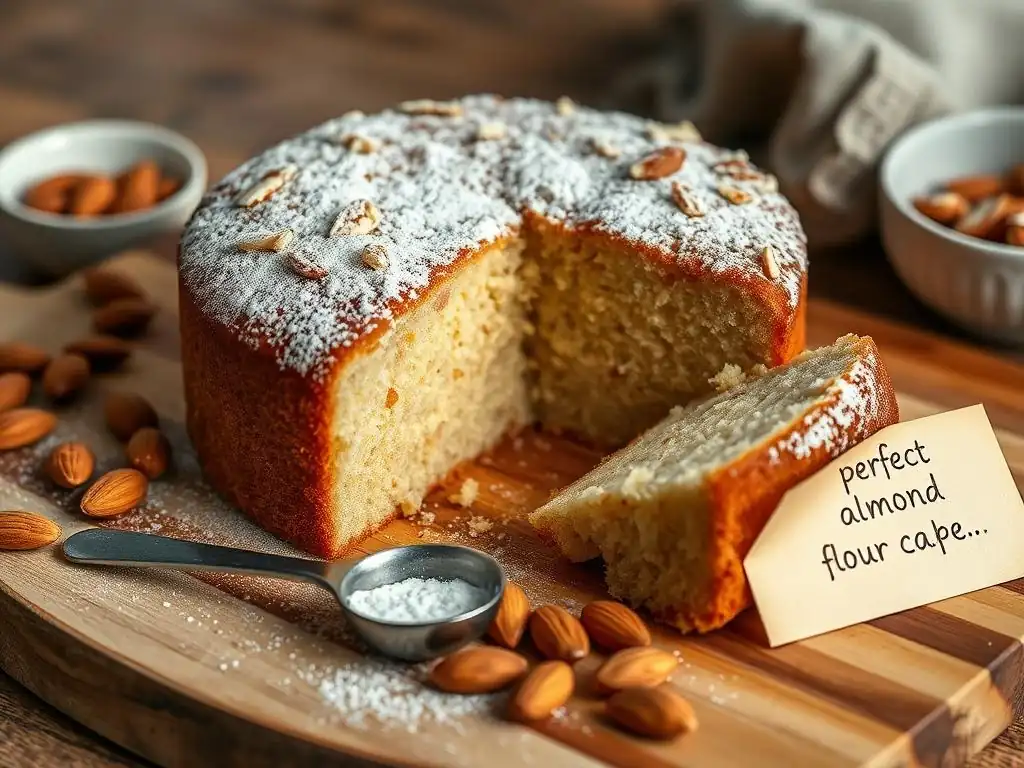
Preparing the Almond Flour Cake Batter
Measuring and Mixing Dry Ingredients
The initial step in preparing the batter for a perfect almond flour cake involves carefully measuring and mixing the dry ingredients. This typically includes the almond flour, leavening agents like baking powder or baking soda, and salt. Accuracy in measuring almond flour is crucial; ideally, weigh it using a digital kitchen scale for the most consistent results. If measuring by volume, gently spoon the flour into the measuring cup and level it off without packing it down, as packing can add significantly more flour than intended, leading to a dry cake.
Once measured, whisk the dry ingredients together thoroughly in a medium bowl. Whisking helps to aerate the almond flour slightly, distribute the leavening agents evenly throughout the mixture, and break up any small clumps. This simple step ensures that the cake rises evenly and has a consistent texture. Taking the time to properly measure and mix the dry ingredients lays a solid foundation for a successful and perfect almond flour cake.
Incorporating Wet Ingredients for a Smooth Batter
After the dry ingredients are ready, the next step is to incorporate the wet ingredients to form the batter for your perfect almond flour cake. This usually involves combining elements like eggs, melted butter or oil, milk or buttermilk, extracts (like vanilla or almond), and the chosen sweetener in a separate bowl. Depending on the specific perfect almond flour cake recipe, some wet ingredients, particularly fats and sweeteners, might be creamed together first.
Once the wet ingredients are combined, they are typically added to the dry ingredients. It's important to mix until just combined. Overmixing almond flour batter can sometimes lead to a tougher texture, although it's less prone to toughness than wheat flour batter due to the lack of gluten. Mix gently with a spatula or on low speed with an electric mixer until no dry streaks remain and you have a smooth, cohesive batter. This careful mixing process ensures that the moisture is evenly distributed, leading to a tender and moist perfect almond flour cake.
Baking Your Almond Flour Cake to Perfection
Oven Temperature and Baking Time Guide
Baking temperature and time are critical factors in achieving a perfectly baked almond flour cake. Most recipes call for a moderate oven temperature, typically ranging from 325°F to 350°F (160°C to 175°C). Baking at a slightly lower temperature than traditional cakes can sometimes be beneficial for almond flour cakes, as it helps prevent the edges from browning too quickly while allowing the center to cook through evenly. It's highly recommended to use an oven thermometer to ensure your oven is heating accurately, as oven temperatures can vary significantly from the dial setting.
Baking time will vary depending on the size and shape of your pan and the specific recipe, but a standard 8 or 9-inch round cake might bake for 30 to 45 minutes. Loaf cakes or smaller cupcakes will require less time, while larger or deeper cakes will need more. Pay attention to the visual cues mentioned in your perfect almond flour cake recipe, such as the edges pulling away slightly from the pan and the top appearing set and golden brown. Always start checking for doneness at the minimum time suggested in the recipe.
Checking for Doneness: The Toothpick Test
The most reliable way to determine if your perfect almond flour cake is fully baked is by using the toothpick test. Once the cake appears visually done – golden brown on top, possibly slightly pulled away from the sides of the pan – gently insert a wooden skewer or toothpick into the center of the cake. Be sure to insert it into the very middle, as this is the last part to cook.
If the toothpick comes out clean or with just a few moist crumbs attached, the cake is done. If it comes out with wet batter clinging to it, the cake needs more time in the oven. Check again after 5-minute intervals. Avoid repeatedly opening the oven door during baking, especially in the first 20-25 minutes, as sudden temperature changes can cause the cake to sink. The toothpick test is a simple yet effective method to ensure your perfect almond flour cake is cooked through without being overbaked and dry.
Cooling and Handling Your Almond Flour Cake
Cooling and Handling Your Almond Flour Cake
Proper cooling is just as important as baking for a perfect almond flour cake. Because almond flour cakes can be more delicate than wheat-based cakes, they need time to set and firm up before being handled or removed from the pan. Immediately after removing the cake from the oven, let it cool in the pan on a wire rack for the amount of time specified in the recipe, typically 10 to 20 minutes. Cooling in the pan allows the internal structure to stabilize as the cake cools slightly.
After the initial cooling period in the pan, carefully invert the cake onto the wire rack to cool completely. If the recipe calls for it, you might need to run a knife gently around the edges first to loosen it. Cooling on a wire rack allows air to circulate around the entire cake, preventing moisture from getting trapped underneath, which can make the bottom soggy.
Ensure the cake is completely cool before frosting or slicing, as attempting to handle a warm almond flour cake can easily lead to breakage. Gentle handling throughout the cooling process is key to maintaining the integrity of your perfect almond flour cake.
Troubleshooting Common Almond Flour Cake Baking Issues
Dry Almond Flour Cake: Causes and Solutions
A common frustration when baking with almond flour is ending up with a cake that is too dry. This can happen for several reasons. One major culprit is using too much almond flour, often due to inaccurate measuring (like packing it into cups) or not weighing it. Another cause is insufficient fat or liquid in the recipe; almond flour absorbs moisture, so the ratio of wet to dry ingredients needs to be carefully balanced. Overbaking is also a frequent reason for dryness, as prolonged heat evaporates moisture.
To solve a dry almond flour cake issue, first, ensure you are weighing your almond flour for precision. If measuring by volume, use the spoon-and-level method. Review your perfect almond flour cake recipe to ensure the fat and liquid amounts seem adequate; some recipes benefit from adding a little extra liquid (like milk, yogurt, or sour cream) or fat (like a tablespoon or two of oil).
Most importantly, monitor baking time closely and use the toothpick test to avoid overbaking. Baking at a slightly lower temperature for a bit longer can also help the cake cook through before drying out.
Dense Almond Flour Cake: Tips for a Lighter Texture
A dense texture is another common challenge when baking a perfect almond flour cake. Unlike wheat flour where overmixing develops tough gluten, denseness in almond flour cakes is often related to insufficient leavening, too much flour, or too little air incorporated during mixing. If the recipe doesn't have enough baking powder or baking soda relative to the amount of flour, the cake won't rise properly. Similarly, if the batter is too heavy from excess flour or insufficient wet ingredients, it can become dense.
To achieve a lighter texture, ensure your leavening agents are fresh and measured accurately. If your recipe uses the creaming method (beating butter and sugar together), make sure you cream them thoroughly until light and fluffy; this process incorporates crucial air bubbles. Ensure eggs are added one at a time and beaten in well, as eggs contribute significantly to lift and structure in almond flour cakes.
Avoid overmixing once the wet and dry ingredients are just combined. Sometimes, sifting the almond flour (if it's not superfine) or adding a binder like psyllium husk can help create a slightly lighter crumb structure in your perfect almond flour cake.
Sinking Almond Flour Cake: Preventing Collapse
A cake that sinks in the middle after baking is disheartening, and it can happen with almond flour cakes too. The most common causes are opening the oven door too early during baking, the oven temperature being too low, or insufficient structure to support the cake's rise. If the oven door is opened before the cake's structure is set (usually not in the first 20-25 minutes), the sudden drop in temperature can cause the partially cooked center to collapse. An oven that isn't hot enough will also lead to poor rise and potential sinking.
To prevent a sinking perfect almond flour cake, resist the urge to open the oven door until the cake is visibly set around the edges and golden brown. Use an oven thermometer to verify your oven's temperature accuracy. Ensure your perfect almond flour cake recipe has adequate leavening and eggs, as these provide the necessary lift and structure. Baking pans that are too large for the amount of batter can also sometimes lead to sinking, as the batter is spread too thin. Ensure you are using the pan size specified in the recipe.
Avoiding a Gummy Almond Flour Cake
While often praised for moisture, sometimes an almond flour cake can turn out gummy or wet in the center. This is usually due to an imbalance of moisture and dry ingredients or insufficient baking. Too much liquid (from eggs, milk, oil, or liquid sweeteners) relative to the amount of almond flour can result in a dense, gummy texture that doesn't cook through properly. Undercooking is another major factor; if the center doesn't reach a high enough internal temperature to set the proteins and evaporate excess moisture, it will remain wet and gummy.
To avoid a gummy perfect almond flour cake, double-check your ingredient measurements, particularly liquids and almond flour, ideally weighing the flour. Ensure you are baking the cake fully; use the toothpick test, inserting it into the very center, and ensure it comes out clean. If the top is browning too quickly while the inside is still wet, loosely tent the cake with aluminum foil to prevent further browning and allow the inside to finish baking. Sometimes, letting the cake cool completely is necessary, as the texture continues to set as it cools.
Flavor Variations and Add-ins for Your Almond Flour Cake
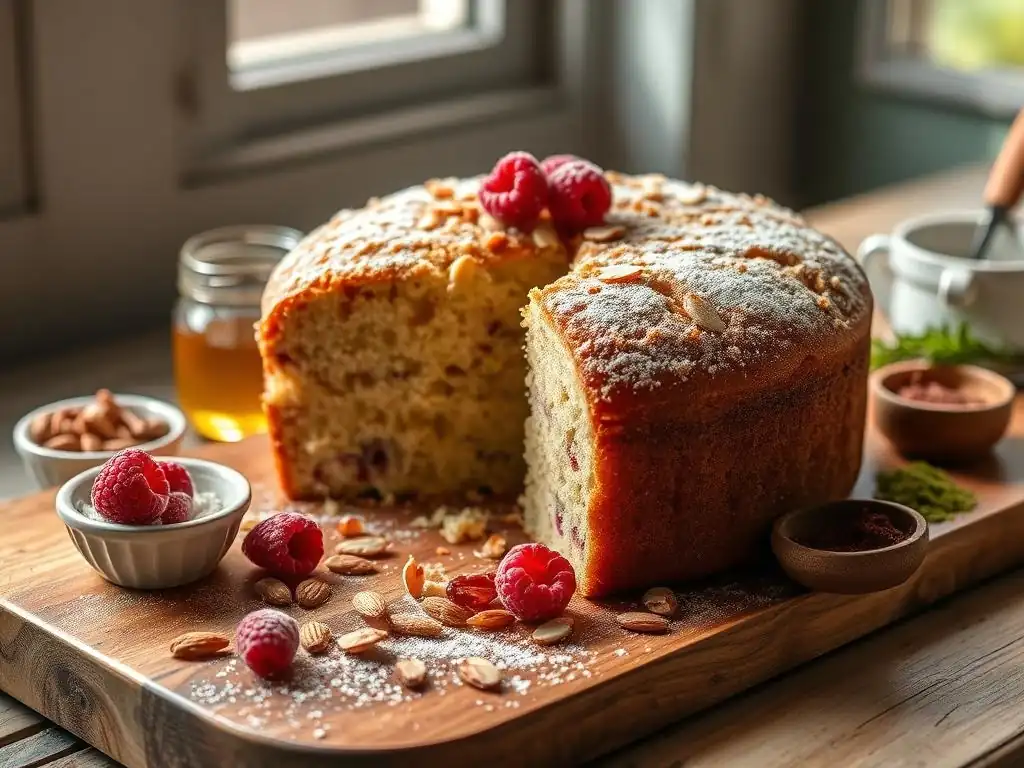
Enhancing the Flavor Profile: Extracts and Zests
The neutral, slightly nutty base of a perfect almond flour cake makes it an ideal canvas for enhancing flavors with extracts and zests. Vanilla extract is a classic choice, adding warmth and depth. Use a good quality pure vanilla extract for the best flavor. Almond extract is another natural pairing, intensifying the nutty notes – use sparingly, as it can be quite potent. Other extracts like lemon, orange, or coconut can dramatically change the cake's character.
Citrus zests are fantastic for adding bright, fresh notes without adding excess liquid. Finely grated zest from lemons, oranges, or limes can be incorporated into the batter along with the wet ingredients. The oils in the zest release their flavor during baking. Just a teaspoon or two of lemon zest can transform a perfect almond flour cake into a vibrant dessert. Combining extracts and zests, such as vanilla extract with orange zest, can create complex and delightful flavor profiles.
Adding Texture and Interest: Nuts, Seeds, and Chocolate Chips
Incorporating textural elements into your perfect almond flour cake can add delightful crunch and bursts of flavor. Chopped nuts are a natural fit, complementing the almond base. Walnuts, pecans, or additional sliced almonds can be folded into the batter or sprinkled on top before baking. Seeds like poppy seeds or chia seeds can add subtle texture and visual interest.
Chocolate chips, whether dark, milk, or white, are another popular addition. They melt slightly during baking, creating pockets of rich flavor. For a perfect almond flour cake, mini chocolate chips often distribute more evenly throughout the batter. Ensure any add-ins are evenly distributed throughout the batter by folding them in gently after the wet and dry ingredients are just combined. About 1/2 cup to 1 cup of add-ins per standard cake recipe is usually a good starting point, but feel free to experiment to find your preferred ratio.
Creating Unique Almond Flour Cake Variations
Almond Flour Chocolate Cake
Transforming a perfect almond flour cake into a rich chocolate version is simple and rewarding. The most common method involves incorporating unsweetened cocoa powder into the dry ingredients. For optimal flavor and color, use a good quality natural or Dutch-processed cocoa powder. A typical ratio might be replacing a small amount of the almond flour (perhaps 1/4 cup) with cocoa powder or simply adding 1/4 to 1/2 cup of cocoa powder to the existing dry ingredients, sometimes adjusting the liquid slightly.
Another technique is to add melted chocolate or chocolate chips directly to the batter. This creates an even richer, denser chocolate cake. Pairing the chocolate flavor with a hint of coffee (via instant coffee granules dissolved in a liquid ingredient) can intensify the chocolate notes. An almond flour chocolate cake is incredibly moist and flavorful, making it a favorite variation for chocolate lovers.
Almond Flour Lemon Cake
A lemon variation of a perfect almond flour cake is wonderfully bright and refreshing. This is typically achieved by adding lemon zest and lemon juice to the batter. The zest provides concentrated lemon oil flavor, while the juice adds tartness and moisture. Use fresh lemons for the best flavor. The amount of zest and juice can be adjusted to control the intensity of the lemon flavor.
Often, a lemon almond flour cake is finished with a simple lemon glaze made from powdered sweetener and lemon juice, drizzled over the cooled cake. This adds an extra punch of lemon flavor and a pretty finish. Pairing the lemon with other flavors like poppy seeds or a hint of vanilla extract can further enhance the complexity of this delightful citrus variation.
Almond Flour Vanilla Cake
While many almond flour cakes inherently have a vanilla component from extract, focusing on vanilla can create a truly classic perfect almond flour cake. This variation emphasizes the pure, sweet notes of vanilla against the nutty backdrop of the almond flour. Using high-quality pure vanilla extract is key here, perhaps even a vanilla bean paste for visible vanilla specks and a more intense flavor.
Some recipes might call for a slightly higher amount of vanilla extract than usual. This simple variation showcases the quality of the base ingredients and results in a versatile cake that pairs well with almost any frosting or topping. An almond flour vanilla cake is perfect for birthdays or simply enjoying a slice with a cup of tea or coffee, highlighting the tender crumb and subtle nutty flavor.
Perfecting the Almond Flour Cake Frosting and Glaze
Choosing the Right Frosting for Your Almond Flour Cake
Selecting the right frosting can beautifully complement your perfect almond flour cake. Because almond flour cakes are often naturally moist and flavorful, you might opt for frostings that are not overly heavy or sweet, allowing the cake's taste to shine through. A classic cream cheese frosting is a popular choice; its slight tang pairs wonderfully with the nutty flavor of the cake. Buttercream frostings, such as American buttercream (butter, powdered sugar, liquid) or Swiss meringue buttercream (egg whites, sugar, butter), also work well, offering different levels of sweetness and richness.
For lighter options, consider a simple whipped cream frosting or a glaze. If you've made a flavored variation like lemon or chocolate, match the frosting to the flavor profile – lemon cream cheese frosting for a lemon cake, or a chocolate ganache for a chocolate cake. Consider the density of the cake; a lighter cake might be overpowered by a very heavy frosting. Ultimately, the best frosting enhances the moisture and flavor of your perfect almond flour cake without dominating it.
Easy Almond Flour Cake Glaze Recipes
Glazes offer a simpler, often lighter alternative to frosting for your perfect almond flour cake. They are quick to make and add just the right amount of sweetness and moisture. A basic glaze can be made by whisking together powdered sweetener (like powdered sugar or powdered erythritol) with a small amount of liquid until smooth and pourable. The liquid can be milk, lemon juice, orange juice, or even a flavored liqueur.
For instance, a simple vanilla glaze involves combining about 1 cup of powdered sugar with 1-2 tablespoons of milk and 1/2 teaspoon of vanilla extract. Whisk until smooth, adding more liquid a few drops at a time if needed to reach desired consistency. A lemon glaze uses lemon juice instead of milk. Drizzle the glaze over the completely cooled cake. The glaze will set slightly as it dries, creating a delicate sweet shell that complements the tender perfect almond flour cake beneath.
Decorating Your Almond Flour Cake for a Stunning Finish
Decorating your perfect almond flour cake adds visual appeal and can enhance the overall experience. Beyond frosting or glazing, there are many simple ways to make your cake look stunning. A dusting of powdered sweetener through a sieve creates an elegant, minimalist look, particularly lovely for unglazed cakes or loaf cakes.
For a more elaborate finish, consider garnishes that tie into the cake's flavors. Toasted sliced almonds sprinkled over frosting or glaze reinforce the almond theme. Fresh berries, citrus zest curls, or chocolate shavings can add color and flavor. Simple piping techniques with frosting can create borders or swirls. Even just arranging a few fresh flowers (ensuring they are food-safe) on top can turn a simple perfect almond flour cake into a showstopper for a special occasion.
Storing and Serving Your Almond Flour Cake
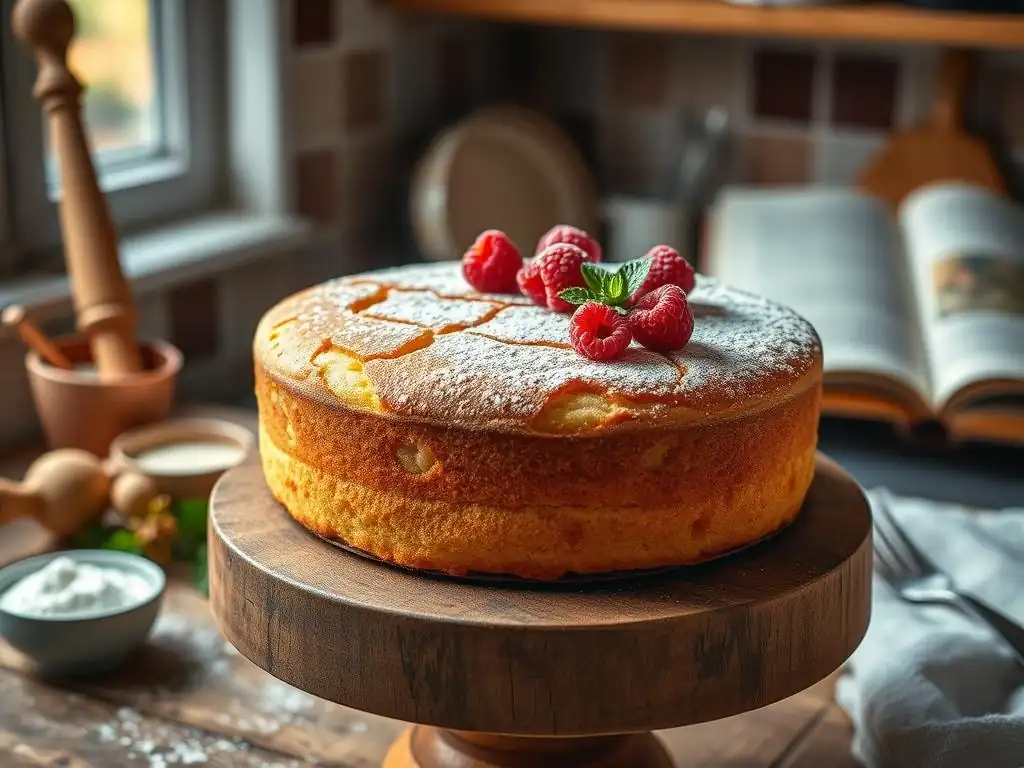
Proper Storage Techniques for Freshness
Proper storage is key to keeping your perfect almond flour cake fresh and moist. Once the cake has completely cooled, it should be stored in an airtight container. Exposure to air is the primary cause of dryness. If the cake is frosted, use a container tall enough to accommodate the frosting without touching the lid.
At room temperature, an unfrosted or simply glazed almond flour cake will typically stay fresh for 2-3 days. If the cake contains ingredients that require refrigeration, such as cream cheese frosting, fresh fruit, or dairy, it should be stored in the refrigerator. Refrigerated almond flour cake can last for about 5-7 days. For longer storage, almond flour cake freezes exceptionally well.
Wrap individual slices or the entire cooled, unfrosted cake tightly in plastic wrap, then in aluminum foil or place in a freezer-safe bag or container. Frozen almond flour cake can maintain quality for 2-3 months. Thaw in the refrigerator or at room temperature before serving.
Serving Suggestions and Pairing Ideas
Serving your perfect almond flour cake is the culmination of your baking efforts! For plain or vanilla versions, a simple dusting of powdered sweetener or a dollop of whipped cream is often all that's needed. Pairing it with fresh berries or a fruit compote adds freshness and color.
Consider complementary beverages. A slice of perfect almond flour cake pairs beautifully with a cup of coffee or tea. For a more decadent pairing, serve it with a dessert wine or a glass of milk. If your cake has specific flavorings, match the pairings – lemon cake with a berry coulis, chocolate cake with a scoop of vanilla ice cream or a raspberry sauce. Serving almond flour cake slightly chilled can sometimes enhance its texture, especially if it contains frosting.
Advanced Almond Flour Cake Techniques
Gluten-Free Baking with Almond Flour: Tips and Tricks
Baking a perfect almond flour cake is inherently a gluten-free endeavor, but mastering gluten-free baking with almond flour involves understanding certain principles. As mentioned, the lack of gluten means you need alternative binders. Eggs are primary, but some recipes benefit from a small amount of psyllium husk powder or ground flaxseed mixed with water (a "flax egg"), which create a gel-like consistency that helps hold things together.
Be mindful of cross-contamination if baking for someone with celiac disease. Ensure all your equipment, pans, and surfaces are thoroughly cleaned and free of wheat flour residue. Check labels on other ingredients like baking powder, extracts, and chocolate chips to ensure they are certified gluten-free if necessary. Using a dedicated gluten-free perfect almond flour cake recipe designed specifically for this flour will yield the best results.
Achieving a Moist and Tender Almond Flour Cake Every Time
Consistently achieving a moist and tender perfect almond flour cake requires attention to detail in measurement, mixing, and baking. Weighing almond flour is paramount to avoid adding too much. Ensure the correct amount of fats and liquids are used as specified in your perfect almond flour cake recipe. Using ingredients like buttermilk, yogurt, or sour cream can add extra moisture and tenderness due to their acidity.
Avoid overmixing the batter, which can sometimes lead to a slightly tougher crumb even without gluten development. Bake the cake at the correct temperature and for the minimum time necessary, using the toothpick test to check for doneness without overbaking. Allowing the cake to cool properly before cutting also helps retain moisture. Paying close attention to these factors will greatly increase your success rate in baking a consistently moist and tender perfect almond flour cake.
Scaling Your Almond Flour Cake Recipe for Different Sizes
Adjusting a perfect almond flour cake recipe to fit different pan sizes requires careful calculation, as simply doubling or halving ingredients isn't always accurate. The surface area and depth of the pan affect baking time and how the cake rises. Use online pan size conversion calculators to determine the equivalent volume of batter needed for your desired pan compared to the original recipe's pan.
Once you know the scaling factor (e.g., needing 1.5 times the batter), multiply all ingredients by that factor. Be particularly careful with leavening agents; sometimes, slightly less than the direct scaled amount of baking powder/soda is needed to prevent an overly rapid rise and collapse. Adjust baking time accordingly – smaller pans will bake faster, larger or deeper pans will take longer. Start checking for doneness early when scaling a perfect almond flour cake recipe to a new size.
Conclusion: BakeWithEase and Your Perfect Almond Flour Cake Journey
Recap of Key Techniques for Almond Flour Cake Success
Mastering the perfect almond flour cake recipe is a rewarding journey, and it comes down to a few key techniques. Accurate measurement, ideally by weight, is fundamental for consistent results with almond flour. Understanding the role of ingredients, particularly the importance of eggs and fats for structure and moisture in the absence of gluten, is crucial. Gentle mixing helps maintain a tender crumb.
Proper baking involves using the correct oven temperature, avoiding opening the oven door too early, and using the toothpick test to prevent overbaking. Finally, patient and proper cooling ensures the cake sets correctly. By focusing on these core techniques – accurate measurement, ingredient understanding, gentle mixing, precise baking, and proper cooling – you are well on your way to consistently baking a delicious and perfect almond flour cake.
We love seeing what you bake! Your journey to creating a perfect almond flour cake is part of the wider BakeWithEase community. We encourage you to share your successes, ask questions, and connect with other baking enthusiasts. Baking is a craft that grows with practice and shared knowledge.
Whether you followed our perfect almond flour cake recipe or adapted it with your own creative twists, share your photos and experiences. Your insights can inspire others and help fellow bakers on their own perfect almond flour cake adventures. BakeWithEase is more than just recipes; it's a community built around the joy of baking, and we're excited to see your delicious perfect almond flour cake creations!
Frequently Asked Questions
What makes almond flour a good choice for baking cakes?
Almond flour is a great alternative because it's gluten-free and adds a naturally sweet, nutty flavor. It also contributes to a moist and tender crumb in cakes.
How does almond flour differ from regular wheat flour in a cake recipe?
Unlike wheat flour, almond flour lacks gluten, which provides structure. Therefore, almond flour cakes often require more binding agents, such as eggs, and may have a denser texture.
What are some common mistakes people make when baking with almond flour?
Overmixing is a frequent error, leading to a gummy texture. Also, not using finely ground almond flour can result in a gritty cake.
Can I substitute almond flour directly for wheat flour in any cake recipe?
Generally, no. A direct substitution usually doesn't work well due to the absence of gluten. You need to adapt the recipe, potentially adding more eggs or other binding agents.
What's the best way to store an almond flour cake to keep it fresh?
Wrap the cake tightly in plastic wrap or store it in an airtight container at room temperature for a few days or in the refrigerator for longer storage. Proper storage prevents it from drying out.
Final Reflection: The Enduring Allure of the Perfect Almond Flour Cake
The pursuit of the perfect almond flour cake transcends mere baking; it's a testament to the enduring power of simple ingredients transformed into something exquisite. This recipe, meticulously crafted and tested, aims to provide a reliable pathway to that culinary nirvana, answering the persistent search for a flawlessly moist, delicately textured, and undeniably delicious almond flour cake. In a world of increasingly complex recipes, the elegance of simplicity shines through.
The journey to mastering this recipe, and indeed the art of baking itself, has been a deeply personal one. It's about more than just following instructions; it's about understanding the nuances of each ingredient, the subtle dance of wet and dry, and the magic that unfolds in the oven. Baking is a science, but it's also an art. It's about precision, but it's also about passion.
This quote perfectly encapsulates the experience, highlighting the blend of technical skill and creative intuition required to achieve baking perfection. The almond flour cake, in its delicate nature, exemplifies this balance beautifully.
Now, I invite you to embark on your own baking adventure. Don't be afraid to experiment, to tweak the recipe to your liking, and to savor the process as much as the final product. The perfect almond flour cake isn't just a recipe; it's a journey of discovery, a celebration of simple ingredients, and a testament to the enduring power of homemade goodness. Let the aroma fill your kitchen, and the joy of creation fill your heart. Bake on!
Unlock Your Inner Baker: Perfect Almond Flour Cakes Await!
Thanks for joining us on this delicious journey into the world of almond flour cakes! We hope you’ve gained the confidence to create truly amazing, moist, and flavorful cakes. Now it's time to put your new skills to the test!
- Bake your dream cake: Grab your ingredients and follow your favorite recipe (or try one of our many others on the BakeWithEase site!). Remember those pro tips we shared!
- Share your baking triumph: Snap a picture of your creation and post it on social media – use #BakeWithEaseAlmondFlour to connect with other baking enthusiasts!
- Experiment with flavors: What exciting flavor combinations will you create next? Think beyond vanilla—get creative with spices, extracts, or even fruit additions!
Ready to transform your kitchen into a cake-making haven? What unexpected flavor combination will you try first?