
Chia Seeds in Baking: Binding, Texture, and Nutrition

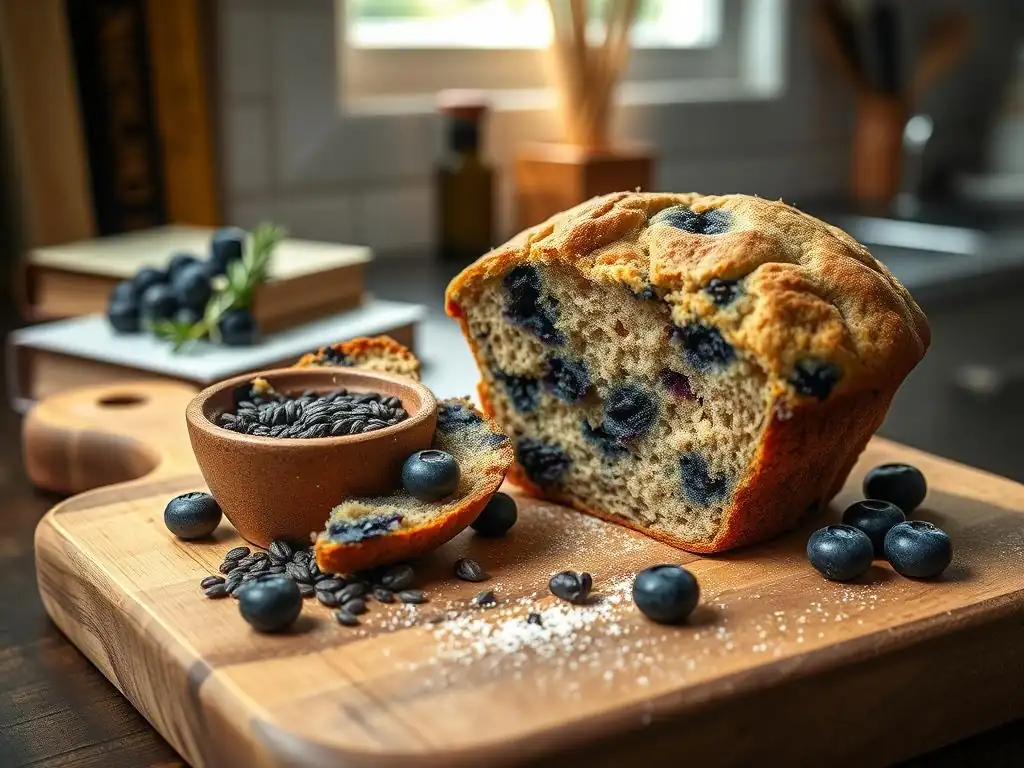
Welcome to BakeWithEase, your haven for all things baking! Ever wondered how to elevate your baked goods with a secret ingredient that adds both texture and a nutritional boost? Dive into our Ingredient Deep Dives and discover the magic of chia seeds baking recipes. Prepare to unlock their binding power, explore unique textures, and learn how to bake healthier treats. Ready to transform your baking with these tiny powerhouses? Let's get started!
- Introduction to Chia Seeds in Baking
- How Chia Seeds Function in Baking Recipes
- Chia Seeds vs. Other Binders in Baking
- Baking with Chia Seeds: Practical Tips and Techniques
- Chia Seeds Baking Recipes: Inspiration and Ideas
- Enhancing Nutrition with Chia Seeds in Baking
- Troubleshooting Common Issues When Baking with Chia Seeds
- Storing Baked Goods with Chia Seeds
- Conclusion: Embracing Chia Seeds for Healthier and Delicious Baking
- Frequently Asked Questions
- Final Reflection: The Unsung Hero of Baking—Chia Seeds
- Unleash the Power of Chia Seeds in Your Baking!
Introduction to Chia Seeds in Baking
The Versatile Role of Chia Seeds in Baking
Chia seeds, small but mighty, have become a popular ingredient in modern baking, celebrated for their incredible versatility. These tiny seeds, derived from the Salvia hispanica plant, possess a unique hydrophilic property, meaning they absorb liquid and form a gel-like consistency. This characteristic makes them invaluable in various baking applications, serving multiple purposes beyond simple inclusion.
They can act as a powerful binder, replace eggs in vegan recipes, add delightful texture, and significantly boost the nutritional profile of baked goods. Whether you're aiming for a heartier loaf of bread, moister muffins, or cookies with a satisfying crunch, incorporating chia seeds offers a simple way to enhance your creations.
Beyond their functional properties, chia seeds seamlessly integrate into a wide array of doughs and batters without overpowering other flavors. Their mild, slightly nutty taste is subtle enough to complement both sweet and savory baked items. From dense whole-grain breads and light, airy cakes to chewy cookies and tender muffins, the adaptability of chia seeds makes them a fantastic addition for bakers looking to experiment with healthier alternatives or achieve specific textural results. Understanding how they interact with other ingredients is key to unlocking their full potential in your favorite chia seeds baking recipes.
Nutritional Benefits of Incorporating Chia Seeds into Baked Goods
Adding chia seeds to your baking is a simple yet effective strategy to enhance the nutritional value of your favorite treats. Just a single tablespoon of chia seeds (approximately 15 grams) is packed with nutrients, offering roughly 5 grams of fiber, 3 grams of protein, and a significant amount of beneficial omega-3 fatty acids, specifically alpha-linolenic acid (ALA).
This high fiber content is particularly valuable, contributing to digestive health and helping to create baked goods that are more satiating. Unlike refined flours, chia seeds provide a slow release of energy, making your baked goods a more balanced snack or meal component.
Furthermore, chia seeds are a good source of several essential minerals, including calcium, magnesium, and phosphorus, which play vital roles in bone health. While the amounts might seem small per serving of a baked item, regular consumption of baked goods incorporating chia seeds can contribute meaningfully to your daily nutrient intake.
For instance, a standard slice of whole wheat bread with chia seeds might contain an extra gram or two of protein and fiber compared to a slice without, alongside those valuable omega-3s. This makes chia seeds an excellent choice for anyone looking to boost the health credentials of their homemade chia seeds baking recipes without compromising on taste or texture.
How Chia Seeds Function in Baking Recipes
Chia Seeds as a Binding Agent: Creating a Chia Seed Gel
One of the most celebrated functions of chia seeds in baking is their ability to act as a natural binding agent, particularly useful in vegan or egg-free recipes. When mixed with liquid, chia seeds form a gelatinous substance known as chia gel. This happens because the soluble fiber on the outer layer of the seeds absorbs water, creating a mucilaginous coating.
A common ratio for creating a chia egg replacement is about 1 tablespoon of chia seeds to 3 tablespoons of water, left to sit for 5-15 minutes until a thick, gel-like consistency is achieved. This gel mimics some of the binding properties of eggs, helping to hold ingredients together in batters and doughs.
The effectiveness of chia gel as a binder depends on the recipe and the role the egg typically plays. In recipes where the egg primarily acts as a binder (like muffins, quick breads, or some cookies), chia gel can be a successful substitute.
For example, replacing one egg in a muffin recipe with a chia gel made from 1 tbsp chia seeds and 3 tbsp water can prevent the muffins from crumbling. However, it's important to note that chia gel does not provide the leavening or richness that eggs contribute, so adjustments might be needed in recipes heavily reliant on eggs for structure or rise, especially in more complex chia seeds baking recipes.
Hydration Techniques for Optimal Chia Seed Performance
Proper hydration is absolutely crucial for unlocking the full potential of chia seeds in baking. Dry chia seeds will absorb liquid from your batter or dough, which can lead to a drier finished product and less effective binding.
Pre-soaking chia seeds to create a gel before adding them to your recipe is often the most recommended technique, especially when using them as a binder or egg substitute. As mentioned, a 1:3 ratio of chia seeds to water is standard for making a gel, but you can also soak them in other liquids used in the recipe, such as plant-based milk or fruit juice, provided the liquid content is adjusted accordingly.
Alternatively, chia seeds can be added dry to recipes with very high liquid content, such as certain bread doughs or pancake batters, where there is sufficient moisture for the seeds to absorb during the mixing and resting process. However, even in these cases, allowing the batter or dough to rest for a period (e.g., 15-30 minutes for pancake batter, or during the bulk fermentation for bread) is essential to give the seeds time to hydrate fully.
Failing to allow adequate hydration, whether by pre-soaking or resting the dough, can result in hard, unhydrated seeds and an inconsistent texture in your final baked goods, potentially affecting the outcome of your chia seeds baking recipes.
Chia Seeds for Enhanced Texture and Structure
Beyond their binding capabilities, chia seeds significantly contribute to the texture and structure of baked goods. When added whole or partially ground, they introduce a pleasant, subtle crunch. This textural element works wonderfully in rustic breads, crackers, and certain types of cookies, providing an appealing contrast to softer components. For instance, adding 2-3 tablespoons of whole chia seeds to a loaf of artisan bread dough not only boosts nutrition but also creates delightful pops of texture throughout the crumb and crust.
Furthermore, the gel formed by hydrated chia seeds can contribute to the overall structure and moisture retention of baked goods. In gluten-free baking, where traditional gluten networks are absent, ingredients like chia seeds are invaluable for providing structure and preventing crumbling. The gel helps create a more cohesive dough or batter. In regular baking, the gel can help keep cakes and muffins moist over time, as the matrix of hydrated seeds holds onto water. This makes chia seeds a secret weapon for achieving moist, tender crumbs and interesting textures in many chia seeds baking recipes.
Chia Seeds vs. Other Binders in Baking
Comparing Chia Seeds to Flaxseed Meal: A Detailed Analysis
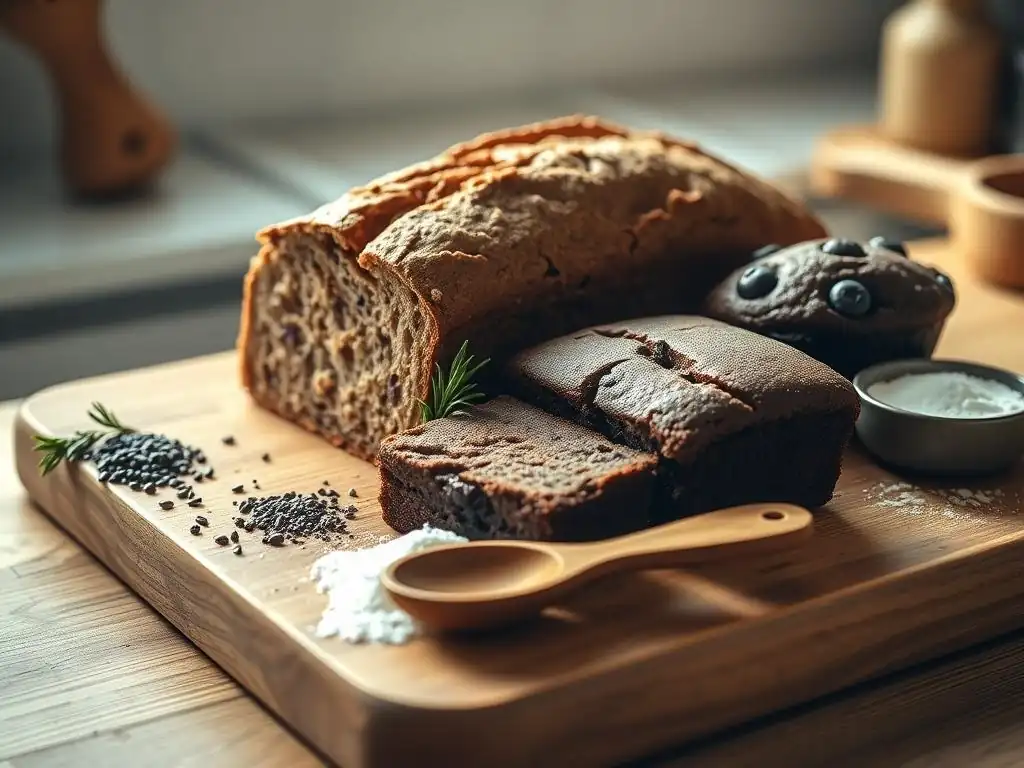
When exploring plant-based binders for baking, flaxseed meal (ground flaxseeds) is perhaps the most common alternative to chia seeds. Both form a gel when mixed with water and are often used as egg substitutes. A typical "flax egg" is made with 1 tablespoon of flaxseed meal and 3 tablespoons of water, similar to a chia egg. Both provide fiber and omega-3 fatty acids. However, there are key differences that influence their use in chia seeds baking recipes.
Flaxseed meal tends to create a thicker, somewhat stickier gel than chia seeds. This can be beneficial in recipes requiring a very strong bind, but it can also result in a slightly denser texture in the final product. Flaxseed also has a more pronounced, nutty flavor compared to the milder taste of chia seeds, which might not be desirable in delicately flavored baked goods.
Furthermore, flaxseed meal integrates more seamlessly into batters and doughs due to its powdered form, while whole chia seeds, even when gelled, retain their individual shape, contributing a distinct visual and textural element. The choice between the two often comes down to the desired texture, flavor profile, and the specific requirements of the recipe, including many popular chia seeds baking recipes that could potentially use flax as an alternative binder.
Chia Seeds as an Egg Replacement: Considerations and Adjustments
Using chia seeds as an egg replacement is a popular technique in vegan baking or for those with egg allergies. As discussed, the standard ratio of 1 tablespoon of chia seeds (whole or ground) mixed with 3 tablespoons of water, allowed to gel, can effectively replace one large egg in many recipes. This works well in items like muffins, quick breads, pancakes, waffles, and some cookies where the egg primarily serves a binding function. The chia gel helps hold ingredients together, preventing the baked goods from falling apart.
However, it's crucial to understand that a chia egg replacement doesn't replicate all the functions of a real egg. Eggs also contribute fat, protein, moisture, richness, and significant leavening (especially when whipped). Chia gel provides binding and moisture but little leavening or richness.
Therefore, when using chia seeds to replace eggs, particularly in recipes calling for multiple eggs or those relying on eggs for rise (like sponges or soufflés), adjustments might be necessary. You might need to add a little extra leavening agent (like baking powder or baking soda) or a touch of oil for richness. Success often requires testing and adapting your favorite chia seeds baking recipes to find the perfect balance when swapping eggs for chia.
Chia Seeds vs. Psyllium Husk: Exploring Different Binding Properties
Psyllium husk, another fiber-rich ingredient, is also commonly used as a binder, especially in gluten-free and low-carb baking. Like chia seeds, psyllium husk (whole or powdered) absorbs liquid and forms a gel. A common ratio for a psyllium gel is 1-2 teaspoons of psyllium husk mixed with a few tablespoons of water. Psyllium husk is highly effective at absorbing large amounts of liquid and creating a very strong, almost dough-like structure, making it excellent for providing elasticity and preventing crumbling in gluten-free bread doughs.
While both chia seeds and psyllium husk bind by forming a gel, their properties differ. Psyllium husk typically creates a more viscous and pliable gel than chia seeds, which results in a different dough consistency. Psyllium is often preferred in recipes where a strong, cohesive structure is needed, such as gluten-free bread doughs that need to be kneaded or shaped.
Chia seeds, on the other hand, tend to work well in wetter batters and less structured doughs. Psyllium is also often used in smaller quantities than chia seeds due to its high absorbency. Choosing between chia seeds and psyllium husk depends largely on the desired texture, structure, and the specific needs of the chia seeds baking recipes you are adapting or creating.
Baking with Chia Seeds: Practical Tips and Techniques
Integrating Chia Seeds into Various Doughs and Batters
Successfully integrating chia seeds into different baking recipes depends on the type of dough or batter and the desired outcome. For wet batters like muffins, cakes, or quick breads, you can often add pre-gelled chia seeds (chia egg) directly with the wet ingredients.
If adding whole or ground dry seeds to a wet batter, ensure there's enough total liquid and allow a resting period (10-15 minutes) before baking to allow for hydration. For instance, adding 2-3 tablespoons of dry chia seeds to a standard pancake batter recipe works well if you let the batter sit for 15 minutes before cooking.
For stiffer doughs, such as bread or cookie dough, pre-soaking chia seeds into a gel is usually the better approach, especially if using them as a binder. The gel incorporates more easily into the dough without disrupting the hydration balance as much as dry seeds would initially. If adding whole dry seeds for texture in bread, they can be mixed in during the final stages of kneading or folding.
A good starting point for adding whole seeds to a bread dough is around 5-10% of the total flour weight. Experimenting with small batches is recommended when trying chia seeds baking recipes for the first time to see how the seeds affect consistency.
Ideal Chia Seed Ratios for Different Baking Applications
Determining the right ratio of chia seeds is key to successful baking. When used as an egg replacement in recipes calling for one egg, the standard 1 tablespoon chia seeds to 3 tablespoons water ratio for a gel is a reliable starting point. For recipes requiring two eggs, you can often double this (2 tbsp chia seeds to 6 tbsp water), though performance might vary compared to using just one chia egg.
If adding chia seeds for nutritional boost and texture rather than binding, the amount can be more flexible. For muffins or quick breads, adding 2-4 tablespoons of whole or ground chia seeds per standard batch (yielding 12 muffins or one loaf) is common and doesn't drastically affect the texture, provided there's enough liquid. In bread doughs, incorporating 5-10% of the flour weight in chia seeds (e.g., 25-50 grams per 500 grams of flour) adds noticeable texture and nutrition.
For cookies, 1-2 tablespoons per batch is often sufficient to add a subtle crunch without making them too hard. These ratios are general guidelines; the optimal amount for your specific chia seeds baking recipes may require some trial and error.
Soaking vs. Dry Addition: Understanding the Impact on Texture
The choice between adding chia seeds dry or pre-soaking them significantly impacts the final texture of your baked goods. Adding dry chia seeds, especially whole ones, to a wet batter or dough will result in the seeds absorbing liquid during the baking process. This can lead to small pockets of gel around the seeds and a slightly chewier texture where the seeds are concentrated. In certain bread recipes, adding dry seeds can create a more open crumb structure as they absorb moisture slower than pre-gelled seeds.
Pre-soaking chia seeds into a gel before adding them to a recipe ensures they are fully hydrated from the start. The gel distributes more evenly throughout the batter or dough, contributing to overall moisture and binding. This technique is preferred when using chia as an egg replacer or when you want the binding properties without distinct chewy seed pockets. Pre-soaking also prevents the seeds from drawing moisture out of the other ingredients during baking, which could otherwise result in a slightly drier product. Understanding this difference is vital when adapting traditional or creating new chia seeds baking recipes.
Chia Seeds Baking Recipes: Inspiration and Ideas
Chia Seed Bread Recipes: Hearty Whole Wheat Chia Seed Bread
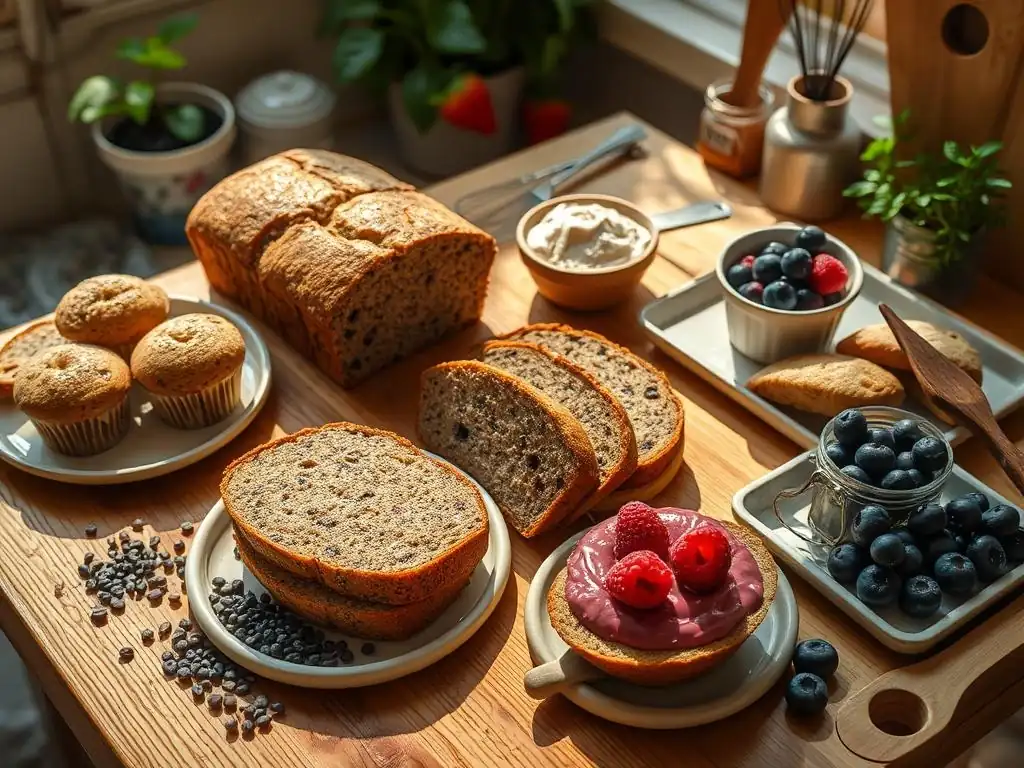
Incorporating chia seeds into bread recipes is a fantastic way to boost fiber, protein, and omega-3s, while also adding a wonderful texture. A classic example is a Hearty Whole Wheat Chia Seed Bread. In such a recipe, you might replace a small portion of the whole wheat flour with ground chia seeds (e.g., 5-10%) or add whole chia seeds (around 2-4 tablespoons per loaf, hydrated or dry) directly to the dough. If adding whole seeds, pre-soaking is often recommended to ensure they don't steal too much moisture from the dough during the long fermentation process typical of yeast breads.
For a typical loaf made with 500g of flour, adding 30-40g of pre-soaked chia seeds can enhance the crumb structure and moisture retention, resulting in a bread that stays fresh longer. The seeds create little pockets of hydration and contribute a pleasant, subtle crunch that complements the robust flavor of whole wheat. Many successful chia seeds baking recipes for bread involve adding the hydrated seeds during the initial mixing phase, ensuring they are evenly distributed throughout the dough before kneading or stretching and folding.
Chia Seed Muffins and Scones: Blueberry Chia Seed Muffins
Muffins and scones are ideal candidates for incorporating chia seeds, as their relatively wet batters easily accommodate the seeds or chia gel. Blueberry Chia Seed Muffins are a popular choice, marrying the sweetness of blueberries with the subtle texture and nutritional boost of chia. In a standard muffin recipe yielding 12 muffins, you could replace one egg with a chia egg (1 tbsp chia + 3 tbsp water, gelled) for a vegan option, or simply stir in 2-3 tablespoons of whole or ground dry chia seeds with the dry ingredients.
When adding dry seeds to muffin or scone batter, ensure the total liquid content is sufficient, as the seeds will absorb some of it. Allowing the batter to rest for 10-15 minutes before baking gives the seeds a chance to start hydrating, leading to a better texture. Chia seeds contribute to a moister crumb in muffins, preventing them from drying out quickly. Their subtle crunch provides a nice contrast to the soft cakey texture. Exploring various chia seeds baking recipes for muffins and scones allows for easy experimentation with different fruit and flavor combinations.
Adding chia seeds to cookies can enhance their texture and add a nutritional punch. Chocolate Chip Chia Seed Cookies are a simple and delicious way to start. In a typical batch of chocolate chip cookies, you might add 1-2 tablespoons of whole chia seeds with the dry ingredients. These seeds will absorb some moisture from the dough during mixing and resting, and they will bake into chewy little nuggets, adding a delightful, subtle crunch.
For a vegan version, a chia egg (1 tbsp chia + 3 tbsp water) can often replace one egg in a standard cookie recipe, helping to bind the dough. However, be mindful that using chia seeds as an egg replacement might result in a slightly less spread-out or crisp cookie, depending on the original recipe's reliance on the egg's properties.
Many chia seeds baking recipes for cookies successfully use chia seeds to add texture and health benefits without drastically altering the beloved chewy or crisp characteristics. Start with a small amount and adjust in future batches based on your preferred texture.
Enhancing Nutrition with Chia Seeds in Baking
Increasing Fiber Intake Through Chia Seed Enrichment
One of the most significant nutritional benefits of adding chia seeds to baking is the substantial increase in dietary fiber. Chia seeds are remarkably high in fiber, with a single tablespoon providing approximately 5 grams – nearly 20% of the recommended daily intake for adults (around 25-30g). By incorporating just a few tablespoons into a batch of muffins, a loaf of bread, or a tray of cookies, you can turn a treat into a more fiber-rich snack. For instance, adding 3 tablespoons of chia seeds to a bread recipe adds roughly 15 grams of fiber to the entire loaf.
This boost in fiber is beneficial for digestive health, helps regulate blood sugar levels, and increases feelings of fullness, contributing to better appetite control. Unlike many refined baked goods which are low in fiber, chia seeds help create products that are more wholesome and contribute positively to overall dietary fiber goals. This makes chia seeds a simple ingredient swap or addition for anyone looking to increase fiber intake through their favorite chia seeds baking recipes.
Adding Omega-3 Fatty Acids to Baked Goods with Chia Seeds
Chia seeds are an excellent plant-based source of alpha-linolenic acid (ALA), a type of omega-3 fatty acid. While ALA needs to be converted by the body into the more readily usable EPA and DHA forms found in fish oil, it still contributes to overall omega-3 intake, which is important for heart health and reducing inflammation. A single tablespoon of chia seeds contains about 2.5-3 grams of ALA.
Incorporating chia seeds into baked goods allows you to easily add these beneficial fats to your diet through everyday foods like bread, muffins, or even cookies. For example, a serving of chia seed bread could provide a significant amount of ALA compared to bread without seeds.
While baking involves heat, studies suggest that the ALA in chia seeds is relatively stable during typical baking temperatures, meaning a good portion of this nutrient is retained in the final product. This makes chia seeds a valuable addition for those seeking to increase their intake of plant-based omega-3s through accessible chia seeds baking recipes.
Utilizing Chia Seeds as a Source of Plant-Based Protein and Minerals
Chia seeds are not just about fiber and omega-3s; they also offer a respectable amount of plant-based protein and essential minerals. Roughly 15-20% of the weight of chia seeds is protein, providing about 3 grams per tablespoon. While not as high as some animal sources, this contributes to the overall protein content of baked goods, which is often relatively low, especially in those made primarily with refined flours. Adding chia seeds can help create a more balanced macronutrient profile.
Furthermore, chia seeds are a good source of minerals like calcium (around 60-70 mg per tablespoon, roughly 5-6% of the daily value), magnesium (around 40-50 mg per tablespoon, roughly 10-12% of the daily value), phosphorus, and manganese. These minerals are crucial for various bodily functions, including bone health and metabolism. Enriching baked goods with chia seeds is a simple way to boost the intake of these micronutrients, making your homemade chia seeds baking recipes not only delicious but also more nutritious.
Troubleshooting Common Issues When Baking with Chia Seeds
Preventing Excessive Gelling and Gummy Textures
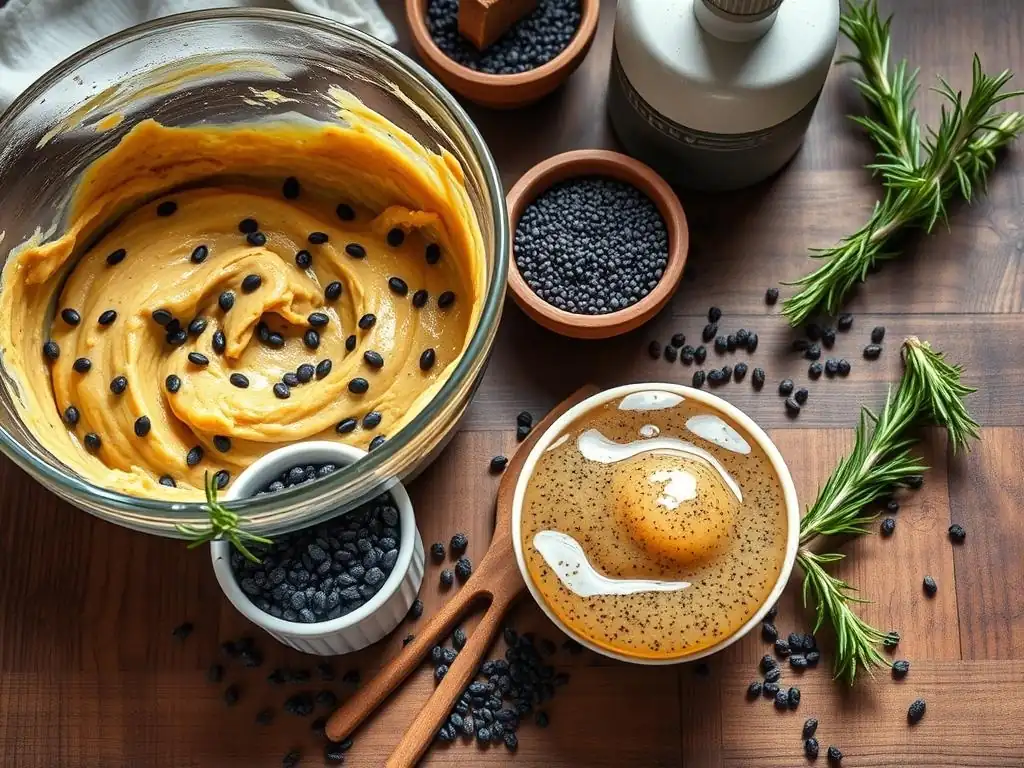
One common challenge when working with chia seeds, especially when using them as a binder, is preventing excessive gelling that can lead to a gummy or heavy texture in the final baked product. This often happens if too many chia seeds are used relative to the other ingredients, or if there isn't enough leavening to counteract the density the gel can create. Using pre-gelled chia seeds is generally better than adding dry seeds to a recipe with limited liquid, as it allows you to control the hydration before it interacts with your main batter.
To prevent gumminess, stick to the recommended ratios for egg replacement (1 tbsp chia to 3 tbsp water per egg) and avoid adding excessive amounts of chia seeds when using them for texture (e.g., more than 5-10% of flour weight in bread). Ensure other leavening agents (baking powder, baking soda, yeast) are used appropriately to help the baked goods rise and develop a lighter crumb structure. Sometimes, slightly reducing the amount of liquid in the recipe when adding a significant amount of chia seeds can also help maintain the correct batter consistency for successful chia seeds baking recipes.
Adjusting Liquid Content to Accommodate Chia Seed Absorption
Chia seeds are highly absorbent, capable of soaking up many times their weight in liquid. This property is what makes them excellent binders, but it also means you might need to adjust the total liquid content in your recipe, especially when adding dry chia seeds or large quantities of pre-gelled seeds. If you add dry chia seeds to a recipe without accounting for their absorption, the seeds will draw moisture from the batter or dough, potentially resulting in a dry or dense finished product.
When adding dry chia seeds for texture or nutrition, consider increasing the total liquid (water, milk, etc.) in the recipe slightly, perhaps by 1-2 tablespoons per every 2-3 tablespoons of chia seeds added, depending on the original recipe's hydration level. If using pre-gelled chia seeds as an egg replacer, the amount of liquid added is the gel itself (e.g., 3 tbsp per egg).
When adding additional gelled chia seeds for other purposes, you might still need to slightly reduce other liquids or adjust the flour to maintain the correct consistency. Careful observation of your batter/dough consistency and slight adjustments are key to mastering chia seeds baking recipes.
Achieving Uniform Chia Seed Distribution in Doughs and Batters
Ensuring chia seeds are evenly distributed throughout your dough or batter is important for consistent texture and appearance. If seeds clump together, you might end up with uneven texture, dry spots, or areas of excessive gel. When adding pre-gelled chia seeds, whisking them thoroughly into the wet ingredients before combining with the dry ingredients usually helps achieve uniform distribution in batters.
For doughs, especially bread doughs, add pre-soaked chia seeds during the initial mixing or early kneading stages. If adding dry seeds to bread dough, mix them with the flour before adding the liquid, or incorporate them gradually during kneading. For batters like muffins or quick breads, fold the seeds in gently after combining wet and dry ingredients, being careful not to overmix, which can develop gluten and lead to tough results.
In cookie dough, mix the seeds in along with the chocolate chips or other mix-ins towards the end of the process. Proper mixing techniques ensure that every bite of your chia seeds baking recipes offers the intended texture and nutritional benefits.
Storing Baked Goods with Chia Seeds
Best Practices for Maintaining Freshness and Flavor
Baked goods containing chia seeds generally store well, often benefiting from the added moisture retention provided by the chia gel. To maintain freshness and flavor, allow baked goods like bread, muffins, or cakes to cool completely on a wire rack before storing. Storing warm goods can create condensation, leading to sogginess and potential mold growth. Once cool, store them in an airtight container at room temperature for 2-3 days.
For longer storage, refrigeration is an option, especially for moist items or in warm climates. Refrigerated baked goods with chia seeds can last for up to a week. Ensure they are in a sealed container to prevent drying out and absorbing odors. For maximum longevity, freezing is the best method.
Wrap individual portions or loaves tightly in plastic wrap or foil, then place them in a freezer-safe bag or container. Frozen baked goods with chia seeds can last for 2-3 months. Thaw at room temperature or gently reheat. Proper storage helps you enjoy your delicious and nutritious chia seeds baking recipes for longer.
Impact of Chia Seeds on Shelf Life and Preservation
Chia seeds themselves have a relatively long shelf life due to their low moisture content and high antioxidant levels. When incorporated into baked goods, the presence of chia seeds can sometimes contribute to increased moisture retention, which can positively impact the perceived freshness and prevent staling for a short period. The mucilaginous gel formed by hydrated chia seeds holds onto water, keeping the crumb moist.
However, the added moisture could also potentially speed up mold growth if the baked goods are not stored properly, especially in humid environments. The healthy fats (omega-3s) in chia seeds are susceptible to oxidation over very long periods, which could theoretically affect flavor, though this is less likely in typically consumed baked goods compared to storing raw seeds or oil.
Overall, the impact on shelf life is generally neutral to slightly positive in terms of moisture retention, provided standard good storage practices are followed. Adhering to proper storage techniques is crucial for enjoying your chia seeds baking recipes at their best.
Conclusion: Embracing Chia Seeds for Healthier and Delicious Baking
Unleashing the Potential of Chia Seeds in Your Baking
Chia seeds are far more than just a health food trend; they are a powerhouse ingredient that can truly transform your baking. Their unique ability to absorb liquid and form a gel makes them an invaluable binder, particularly for those exploring plant-based or allergen-friendly baking. Beyond their functional properties, they contribute satisfying texture, from a subtle crunch in cookies to a tender moistness in muffins. Most significantly, they are a simple way to dramatically boost the nutritional profile of your baked goods, adding substantial fiber, beneficial omega-3 fatty acids, protein, and minerals.
From rustic loaves of bread to delicate cakes and simple cookies, the versatility of chia seeds means they can be incorporated into almost any baked creation. Understanding how they hydrate, the right ratios for different applications, and techniques for integration allows you to confidently experiment. By embracing chia seeds, you open up a world of possibilities for creating baked goods that are not only delicious and texturally interesting but also genuinely good for you. Get ready to explore new chia seeds baking recipes and elevate your baking game!
Further Exploration: Incorporating Other Seeds and Grains
Once you've mastered the art of baking with chia seeds, you might be inspired to explore other nutrient-dense seeds and grains in your recipes. Flaxseeds, as discussed, offer similar binding properties and nutritional benefits. Hemp seeds provide a different texture and protein boost. Sunflower seeds and pumpkin seeds add crunch and nutty flavor, along with healthy fats and minerals. Grains like oats, quinoa, or buckwheat can be incorporated to add fiber, protein, and complex carbohydrates, contributing to heartier and more wholesome baked goods.
Experimenting with a blend of seeds and grains can lead to unique textures and enhanced nutritional profiles in your bread, muffins, and other baked items. Consider adding a mix of chia seeds, flaxseeds, and hemp seeds to your morning muffins, or incorporating sunflower and pumpkin seeds into a rustic loaf of bread alongside chia. Each seed and grain brings its own set of benefits and characteristics to the baking process. Continue exploring different chia seeds baking recipes and don't be afraid to mix and match seeds to discover your new favorites and create truly personalized baked goods.
Frequently Asked Questions
How do chia seeds act as a binder in baking?
Chia seeds, when mixed with liquid, form a gel-like substance due to their high soluble fiber content. This gel acts as a natural binder, replacing or reducing the need for eggs or gluten in recipes.
What kind of texture do chia seeds add to baked goods?
Chia seeds can contribute a slightly crunchy texture when used whole. When ground or used in a gel, they add a moist and tender crumb to baked goods.
Are there any nutritional benefits to adding chia seeds to baking recipes?
Yes! Chia seeds are packed with omega-3 fatty acids, fiber, and antioxidants, significantly boosting the nutritional value of your baked creations.
What types of baking recipes work well with chia seeds?
Chia seeds are versatile and can be added to a wide range of recipes, including breads, muffins, cookies, and even cakes. They are especially useful in vegan and gluten-free baking.
How much chia seed should I use in a baking recipe?
A good starting point is to replace up to 25% of the flour with ground chia seeds, or use 1-2 tablespoons of chia seeds soaked in water (to form a gel) per egg replaced. Experimentation is key to finding the right amount for your taste and recipe.
Final Reflection: The Unsung Hero of Baking—Chia Seeds
The humble chia seed, long celebrated for its nutritional prowess, is quietly revolutionizing the baking world. Its ability to bind, add texture, and boost the nutritional profile of baked goods makes it a truly versatile and impactful ingredient, a fact increasingly recognized by both home bakers and professional chefs. This shift towards incorporating chia seeds reflects a growing awareness of the importance of healthy eating and sustainable food choices.
The exploration of chia seeds in baking has been a journey of discovery, revealing not only their practical applications but also their potential to transform traditional recipes. Their subtle, nutty flavor enhances a wide range of baked goods, from muffins and breads to cookies and cakes, while their binding properties offer a viable alternative to eggs or other traditional binders. This versatility speaks volumes about the ingredient's adaptability and its potential for further innovation. The best things in life are simple,
a phrase often overlooked, perfectly encapsulates the power of chia seeds to elevate baking with minimal fuss and maximum impact.
Consider the possibilities: You, the reader, now hold the knowledge to create healthier, more flavorful, and more sustainable baked goods. Experiment with chia seeds in your next baking project. Explore their unique properties, discover new flavor combinations, and share your creations with others. Let the humble chia seed inspire you to not only improve your baking but also to embrace a more conscious and mindful approach to food. The possibilities are as limitless as your imagination.
Unleash the Power of Chia Seeds in Your Baking!
Thanks for exploring the amazing world of chia seeds and their baking potential! You've now discovered how these tiny powerhouses can elevate your baked goods' texture and nutrition. Ready to put your new knowledge into practice?
- Bake a chia-enhanced recipe today! Experiment with adding chia seeds to your favorite muffins, bread, or cookies – the possibilities are endless.
- Share your chia seed baking creations with us on social media using #BakeWithEaseChia. Let's inspire each other!
- Dive deeper into chia seed recipes by exploring our extensive recipe library on BakeWithEase.com (link omitted as per instructions).
What innovative chia seed recipe will you create next?