
Easy Ways Beginners Can Add Nuts & Seeds to Any Recipe

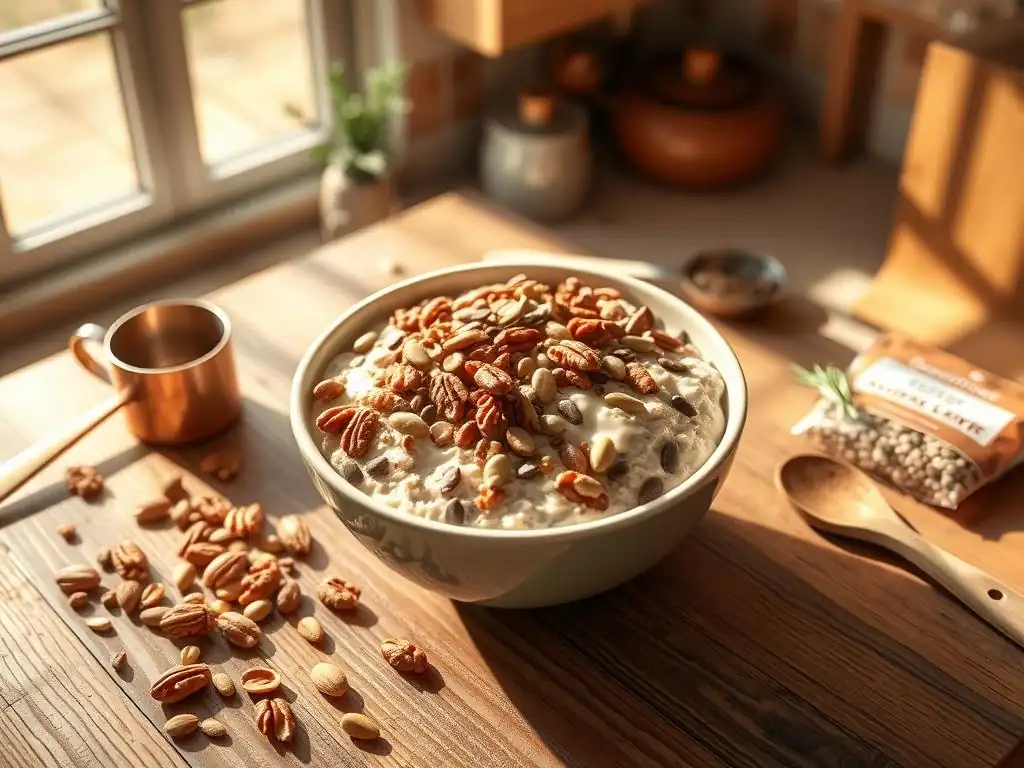
Welcome to BakeWithEase, your kitchen companion for unlocking baking brilliance!
Are you ready to elevate your baking game? Discover how easy it is to transform ordinary recipes into extraordinary creations. This week, we're diving deep into the world of nuts and seeds, revealing simple yet impactful ways beginners can incorporate them into virtually any recipe. Unlock new flavors, textures, and nutritional benefits – read on to find out how!
- Elevate Your Baking with Nuts & Seeds
- Baking with Nuts and Seeds: Benefits and Flavor Profiles
- Essential Nuts and Seeds for Baking
- Techniques for Adding Nuts and Seeds to Recipes
- Adding Nuts and Seeds to Baked Goods
- Recipe Ideas: Nut and Seed Baking Recipes
- Storage Tips: Keeping Nuts and Seeds Fresh
- Troubleshooting: Common Mistakes When Baking with Nuts and Seeds
- Conclusion: Enhance Your Baking with Nuts and Seeds
-
Frequently Asked Questions
- What are some easy ways for beginners to start incorporating nuts and seeds into their baking?
- What types of nuts and seeds work best in baked goods?
- How should I prepare nuts and seeds before adding them to a recipe?
- How much nuts and seeds should I add to a recipe without affecting the bake negatively?
- Can I substitute nuts and seeds for other ingredients in a recipe?
- Final Reflection: Unlocking the Nutritional Powerhouse of Nuts and Seeds
- Unlock Your Culinary Creativity with Nuts & Seeds!
Elevate Your Baking with Nuts & Seeds
Adding nuts seeds recipes can transform your baked goods from simple treats to nutritional powerhouses packed with flavor and texture. For beginners, incorporating these ingredients might seem daunting, but with a few easy techniques, you can confidently enhance everything from your morning muffins to your artisan bread. This guide will walk you through the benefits, essential types, simple methods, and specific recipe ideas for successfully adding nuts and seeds to your baking repertoire.
Baking with Nuts and Seeds: Benefits and Flavor Profiles
Adding nuts seeds recipes isn't just about changing the texture; it brings significant nutritional value and complex flavors to your baked goods. Understanding these aspects is the first step to mastering the art of incorporating them effectively.
Nutritional Benefits of Baking with Nuts and Seeds
Incorporating nuts and seeds into your baking significantly boosts the nutritional profile of your treats. These small powerhouses are rich in healthy fats, protein, fiber, vitamins, and minerals. For instance, adding a quarter cup of walnuts to a muffin recipe can provide around 4 grams of protein and 2 grams of fiber, along with omega-3 fatty acids. Similarly, sprinkling flax seeds, even just a tablespoon (about 7 grams), adds roughly 2 grams of fiber and essential omega-3s. This makes your baked goods more satisfying and contributes to overall well-being.
Beyond macronutrients, nuts and seeds deliver crucial micronutrients. Almonds are a great source of Vitamin E and magnesium, while pumpkin seeds offer zinc and iron. When you're adding nuts seeds recipes, you're essentially fortifying your baked goods. This is particularly beneficial for those looking to increase their intake of plant-based nutrients. Imagine a slice of seed-studded bread not only tasting fantastic but also providing a good portion of your daily recommended fiber intake – a win-win for flavor and health.
Exploring the Diverse Flavors of Nuts and Seeds in Baking
The flavor spectrum of nuts and seeds is incredibly broad and can dramatically influence the final taste of your baked goods. Walnuts, for example, have a slightly bitter, earthy profile that pairs wonderfully with chocolate or coffee flavors in cakes and cookies. Pecans offer a sweeter, buttery note that shines in pies, tarts, and quick breads like banana bread. Almonds provide a delicate, slightly sweet, and sometimes marzipan-like flavor, perfect for light cakes, biscotti, or pastries. Hazelnuts bring a rich, slightly toasted, and nutty depth, often found in European-style pastries and chocolates.
Seeds also contribute unique flavors. Sunflower seeds have a mild, slightly nutty taste that works well in bread and savory muffins. Pumpkin seeds (pepitas) offer a sweeter, earthy flavor and a satisfying crunch, excellent in bread crusts or sprinkled on top of muffins. Chia seeds are relatively neutral but can add a subtle nutty undertone, while flax seeds have a slightly earthy, nutty flavor. Experimenting with adding nuts seeds recipes allows you to discover how these distinct flavors interact with other ingredients, creating layers of complexity in your baking.
Essential Nuts and Seeds for Baking
Choosing the right nuts and seeds is key to successful baking. Certain types are more commonly used due to their flavor profiles, textures, and how they perform when baked.
Nuts for Baking: Almonds, Walnuts, Pecans, and Hazelnuts
Almonds are a staple in baking worldwide. Available whole, sliced, slivered, or ground into flour, they offer versatility. Their mild, slightly sweet flavor makes them ideal for delicate pastries like macarons, crunchy biscotti, or as a simple topping on cakes and muffins. Walnuts are prized for their rich, earthy flavor and slightly softer texture compared to almonds. They are a classic addition to brownies, banana bread, carrot cake, and oatmeal cookies, providing a delightful contrast to sweet flavors.
Pecans are another favorite, known for their naturally buttery and sweet taste. They are essential for pecan pie, of course, but also elevate coffee cakes, streusels, and sweet rolls. Their tenderness means they soften nicely during baking. Hazelnuts have a distinctive, aromatic flavor that pairs exceptionally well with chocolate. Often used in ground form or as a paste (like in gianduja), they are fantastic in cakes, cookies, and tarts, adding a sophisticated nutty richness. When adding nuts seeds recipes, these four nuts offer a great starting point for beginners.
Seeds for Baking: Chia, Flax, Sunflower, and Pumpkin Seeds
Chia seeds are tiny but mighty, known for their ability to absorb liquid and form a gel. While they can be sprinkled whole into batters for a slight crunch, they are often used ground or soaked (creating a "chia egg") as a binder or to add moisture and fiber to muffins, breads, and energy bars. Flax seeds, like chia, are packed with omega-3s and fiber.
They can be used whole, but are most nutritionally beneficial when ground (also called flax meal), as this allows the body to access their nutrients. Ground flax is excellent in breads, muffins, and cookies, adding a subtle nutty flavor and improving texture.
Sunflower seeds are larger and offer a satisfying crunch and mild, slightly nutty flavor. They are commonly added whole to bread doughs, sprinkled on top of rolls, or mixed into savory muffins. Roasting them slightly before adding can enhance their flavor significantly. Pumpkin seeds (pepitas) are similar to sunflower seeds in application but have a slightly sweeter, earthier taste and vibrant green color (when hulled). They add great texture and visual appeal to bread crusts, muffin tops, and even granola bars. Adding nuts seeds recipes using these versatile seeds opens up many possibilities.
Techniques for Adding Nuts and Seeds to Recipes
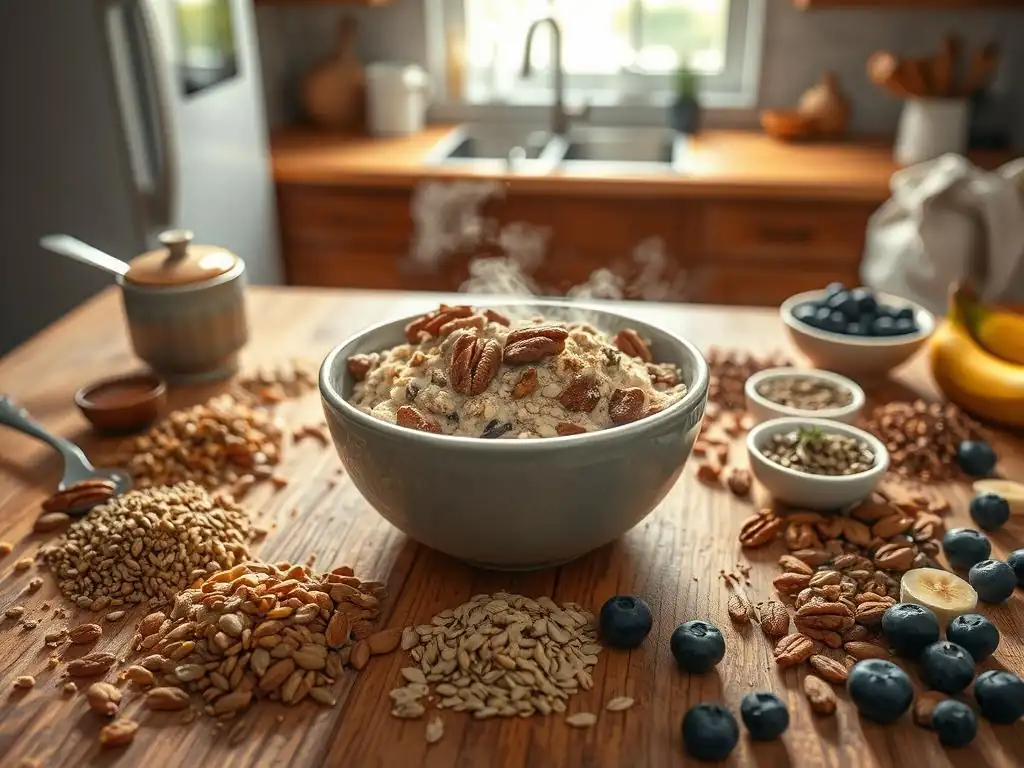
How you prepare and add nuts and seeds makes a big difference in the final outcome of your baked goods. Simple techniques can prevent common issues like sinking or burning.
Incorporating Nuts: Chopping, Toasting, and Grinding
Chopping nuts is a fundamental step when adding them to batters or doughs. Uniformly chopped nuts distribute better throughout the bake, ensuring every bite gets some nutty goodness. The size of the chop depends on the recipe and desired texture – a fine chop for delicate cakes, a coarser chop for rustic bread or chewy cookies.
Toasting nuts before adding them dramatically enhances their flavor and aroma. Dry toasting in a skillet over medium heat or baking on a sheet pan at around 300-325°F (150-160°C) for 5-10 minutes brings out their natural oils and deepens their nutty taste. Be watchful, as they can burn quickly!
Grinding nuts turns them into a meal or flour, which can be used to replace a portion of wheat flour in some recipes, adding moisture and richness. Almond flour is a popular example, used in gluten-free baking or to add a tender crumb to cakes and cookies. Freshly grinding nuts just before use is best for flavor. When adding nuts seeds recipes, considering the texture and flavor boost from these simple preparation steps is crucial for success.
Using Seeds: Whole, Ground, and Soaked Seed Techniques
Seeds can be used in various forms depending on the desired effect. Using seeds whole, like sunflower or pumpkin seeds, adds crunch and visual appeal, especially as a topping or mixed into hearty bread doughs. Smaller seeds like poppy or sesame are almost always used whole, sprinkled onto rolls or bagels, or mixed into batters for a subtle texture. Ground seeds, particularly flax and chia, are useful for their nutritional benefits and as binders. Grinding flax seeds fresh in a spice grinder or coffee grinder is recommended for better nutrient absorption.
Soaking seeds, specifically chia and flax, in liquid (like water or milk) causes them to swell and form a gel. This technique is excellent for adding moisture to baked goods, acting as an egg substitute in some recipes, or creating a pudding-like texture. For instance, soaking chia seeds for 15-30 minutes before adding them to muffin batter helps prevent them from absorbing moisture directly from the batter during baking, leading to a more tender crumb. Experimenting with these different seed techniques when adding nuts seeds recipes allows for diverse textures and results.
Adding Nuts and Seeds to Baked Goods
Let's explore specific types of baked goods and the best ways for beginners to incorporate nuts and seeds into them.
Adding Nuts and Seeds to Bread Recipes
Breads are fantastic canvases for adding nuts and seeds. They add chewiness, crunch, and enhance the overall flavor profile, moving beyond basic loaves to something more artisanal and satisfying.
Enhancing Bread Texture with Nuts and Seeds
Adding nuts and seeds directly into bread dough provides a delightful textural contrast to the soft crumb. Chopped walnuts or pecans add a tender chewiness, while whole or chopped sunflower and pumpkin seeds contribute a distinct crunch. A general guideline is to add about 1/2 cup to 1 cup of nuts or seeds per standard loaf of bread (around 3-4 cups of flour).
Incorporate them during the kneading process after the dough has developed some gluten, or during the final fold, ensuring they are evenly distributed without tearing the dough excessively. This simple step transforms a plain loaf into a hearty, textured bake.
Seed Toppings for Artisan Breads
Seed toppings not only add flavor and texture but also create a beautiful, rustic crust on artisan breads. Before the final proof or just before baking, brush the top of the loaf with water or an egg wash, then generously sprinkle seeds like sesame, poppy, sunflower, or pumpkin seeds. A mix of different seeds creates a visually appealing "everything" crust. Gently pressing the seeds into the dough surface helps them adhere during baking. This technique is simple and instantly elevates the look and taste of homemade bread, making adding nuts seeds recipes to your bread routine effortless.
Incorporating Nuts and Seeds into Cake Recipes
While cakes are often about lightness and tender crumb, nuts and seeds can add richness, moisture, and a pleasant chewiness or crunch without weighing them down if incorporated correctly.
Adding Nuts to Cake Batter
Nuts can be folded directly into cake batter to add flavor and texture. For a delicate cake, finely chop or grind nuts like almonds or pecans to prevent them from sinking. For heartier cakes like carrot cake or fruit cakes, coarser chopped walnuts or pecans work well.
A common ratio is about 1/2 cup to 1 cup of chopped nuts for a standard 8 or 9-inch cake. To help prevent nuts from sinking, you can lightly toss them with a tablespoon or two of the dry flour mixture before folding them into the wet batter. This helps suspend them more evenly throughout the cake as it bakes.
Seed-Infused Cake Frostings and Decorations
Seeds can also play a role beyond the cake batter itself. Ground seeds, particularly poppy seeds, are famously used in cakes (like lemon poppy seed cake) for both flavor and visual speckling. While less common, finely ground nuts or nut flours can sometimes be incorporated into frostings for flavor and texture, like a hazelnut buttercream.
For decoration, toasted nuts (sliced almonds, chopped pecans) or seeds (pumpkin seeds, sunflower seeds) can be sprinkled over frosted cakes or pressed into the sides, adding a professional touch and a delightful crunch. This allows for creative ways of adding nuts seeds recipes to your cake creations.
Cookies are perhaps one of the easiest and most popular ways to start adding nuts seeds recipes. They add chewiness, crunch, and rich flavor to almost any cookie base.
Nutty Cookie Variations: Chocolate Chip and Oatmeal Raisin
Classic cookies like chocolate chip and oatmeal raisin are perfect candidates for adding nuts. Walnuts and pecans are traditional additions to chocolate chip cookies, providing a counterpoint to the sweet chocolate. A typical recipe might call for 1/2 to 1 cup of chopped nuts per batch (yielding about 2-3 dozen cookies). For oatmeal raisin cookies, walnuts or pecans add a lovely texture that complements the chewiness of the oats and raisins. Toasting the nuts beforehand enhances their flavor significantly in these simple cookies.
Seed Sprinkle Cookies
For a different texture and aesthetic, consider seed sprinkle cookies. These often involve rolling the cookie dough balls in seeds before baking. Sesame seeds, poppy seeds, or a mix of small seeds work well. This creates a crunchy exterior while keeping the inside tender. Shortbread or simple sugar cookie doughs are excellent bases for this technique. Alternatively, sunflower or pumpkin seeds can be pressed onto the tops of drop cookies before baking. Adding nuts seeds recipes in this way is quick and adds visual appeal along with texture.
Adding Nuts and Seeds to Muffin Recipes
Muffins are incredibly forgiving and are a fantastic way for beginners to practice adding nuts seeds recipes. Their dense, moist crumb handles additions well.
Nut and Seed Muffin Base Recipe
A basic muffin recipe (flour, sugar, leavening, eggs, milk, oil/butter) is easily adapted to include nuts and seeds. A good starting point is to add about 1/2 to 3/4 cup of total additions per batch (yielding 10-12 muffins). This could be 1/2 cup chopped nuts, or a mix like 1/4 cup chopped nuts and 1/4 cup seeds. Fold them in gently with the wet ingredients into the dry, being careful not to overmix. For added texture, reserve a tablespoon or two to sprinkle on top of the batter in the muffin cups before baking.
Flavor Combinations for Nut and Seed Muffins
The possibilities for flavor combinations in nut and seed muffins are vast. Classic pairings include blueberry muffins with almonds, banana muffins with walnuts or pecans, and apple muffins with walnuts or sunflower seeds. For a more rustic or healthy profile, consider adding flax seeds or chia seeds (soaked or ground) to whole wheat or bran muffins. Pumpkin muffins are wonderful with pepitas (pumpkin seeds) and pecans. Experimenting with different fruit, spice, and nut/seed combinations makes adding nuts seeds recipes to your muffin routine exciting.
Recipe Ideas: Nut and Seed Baking Recipes
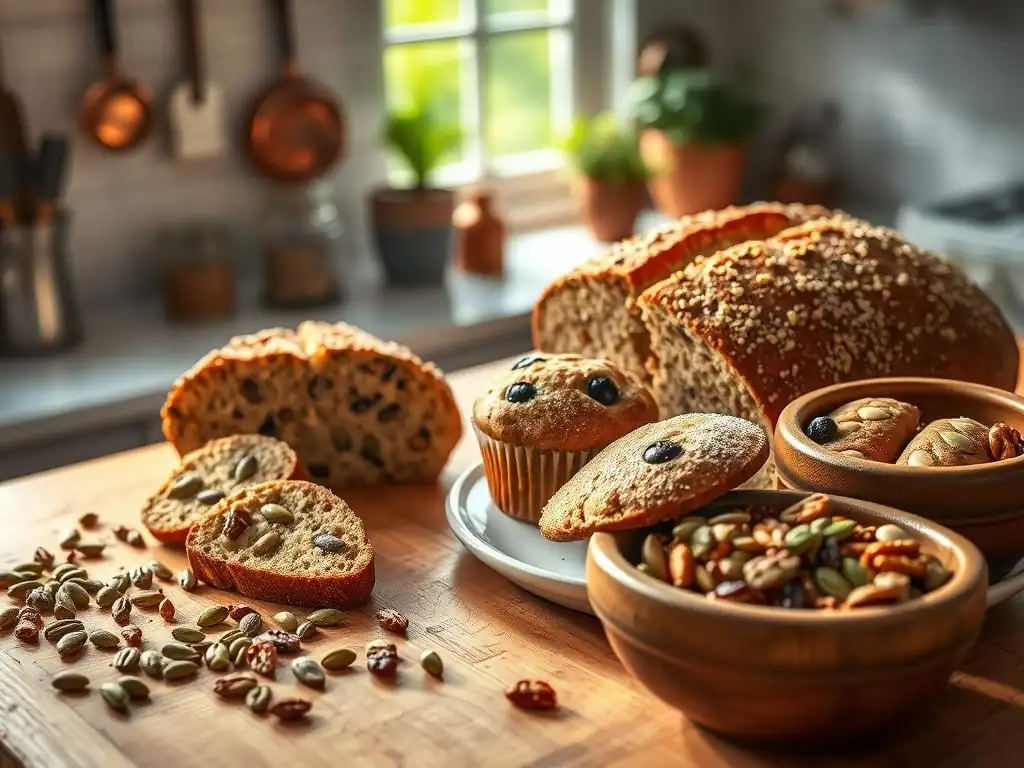
Here are a few concepts for beginner-friendly recipes featuring nuts and seeds, illustrating how they can be the star ingredient or a crucial supporting player.
Almond Biscotti Recipe
Almond biscotti is a classic Italian cookie designed for dipping. This recipe typically features toasted whole or sliced almonds folded into a firm dough, which is then baked twice. The first bake sets the log shape, and the second bake (after slicing) creates the characteristic dry, crunchy texture. Adding nuts seeds recipes like biscotti is straightforward; the almonds provide a delightful crunch and a delicate, sweet flavor that permeates the cookie.
Sunflower Seed Bread Recipe
A hearty, rustic bread recipe highlighting sunflower seeds. This might involve adding a generous amount of whole sunflower seeds directly into the dough, often paired with whole wheat or rye flour for an earthy profile. Some recipes also call for soaking a portion of the seeds before adding them to the dough to keep the bread moist. The seeds add a wonderful texture throughout the loaf and a mild, nutty flavor, making this a great example of adding nuts seeds recipes to staple bakes.
A simple variation on the beloved chocolate chip cookie. This recipe adds chopped walnuts along with the chocolate chips to a standard cookie dough. The earthy, slightly bitter notes of the walnuts provide a perfect contrast to the sweet chocolate and buttery cookie base. Toasting the walnuts lightly before adding them elevates their flavor, resulting in a richer, more complex cookie that's easy for any beginner baker.
Storage Tips: Keeping Nuts and Seeds Fresh
Proper storage is essential to maintain the quality and flavor of your nuts and seeds. They contain oils that can go rancid if not stored correctly.
Proper Storage for Nuts
Nuts should be stored in airtight containers to protect them from air, moisture, and odors. For short-term storage (a few weeks), a cool, dark pantry is sufficient. However, for longer storage and to prevent rancidity, refrigeration is highly recommended. Storing nuts in the refrigerator can extend their shelf life up to six months. For even longer periods (up to a year or more), nuts can be frozen. Simply transfer them to a freezer-safe bag or container.
Before using refrigerated or frozen nuts in baking, allow them to come to room temperature. This prevents them from chilling your dough or batter too much and helps them toast more evenly if that's part of your process. Properly storing your nuts ensures that when you are ready for adding nuts seeds recipes, the ingredients are fresh and flavorful, contributing positively to your final baked goods.
Storing Seeds
Similar to nuts, seeds benefit greatly from proper storage in airtight containers. Smaller seeds like chia, flax, and sesame can last for several months in a cool, dark pantry. However, larger seeds like sunflower and pumpkin seeds, which have higher oil content, are best stored in the refrigerator if you won't use them quickly. Refrigeration can keep them fresh for up to a year.
For long-term storage, seeds can also be frozen, which is particularly good for flax seeds to preserve their omega-3s. Ensure containers are sealed tightly to prevent freezer burn or absorption of odors. Storing seeds correctly is just as important as storing nuts when you are planning on regularly adding nuts seeds recipes to your baking, ensuring the best flavor and nutritional quality.
Troubleshooting: Common Mistakes When Baking with Nuts and Seeds
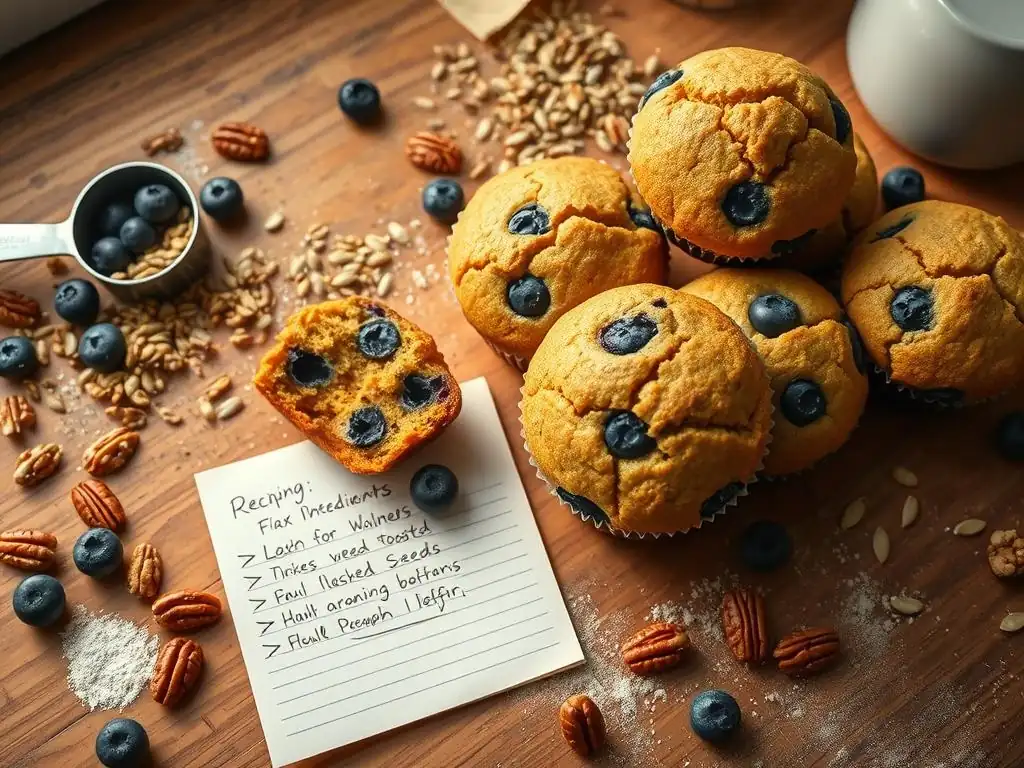
Even with simple additions, beginners can encounter a few common issues when adding nuts seeds recipes. Knowing how to identify and fix them will improve your results.
Avoiding Soggy Nuts in Baked Goods
One common issue is nuts becoming soggy or losing their crunch within the baked good. This often happens if the nuts absorb too much moisture from the batter during mixing or baking. A simple solution is to lightly toast the nuts before adding them.
Toasting not only enhances flavor but also slightly dries them out, making them less prone to absorbing moisture. Another technique is to toss the chopped nuts with a small amount of the recipe's dry ingredients (like flour) before folding them into the wet batter. This coating creates a barrier that helps prevent them from becoming waterlogged during baking.
Preventing Seeds from Burning
Seeds, especially smaller ones or those used as toppings, can burn easily due to their size and oil content. When using seeds as a topping, ensure your oven temperature isn't excessively high, or consider adding them partway through the baking process if the bake time is long. If mixing seeds into a batter, ensure they are evenly distributed so no large clumps are exposed directly to the heat.
Toasting seeds before adding them should be done carefully and briefly, as they toast much faster than nuts. Keeping a close eye on them during toasting and baking is the best defense against burning when adding nuts seeds recipes.
Conclusion: Enhance Your Baking with Nuts and Seeds
Adding nuts seeds recipes is a simple yet effective way for beginners to elevate their baking. From boosting nutrition and flavor to adding delightful textures, nuts and seeds offer incredible versatility. Start with easy recipes like muffins or cookies, experiment with different types and techniques like toasting or sprinkling, and pay attention to proper storage. With a little practice, you'll find that incorporating these wonderful ingredients opens up a world of delicious possibilities in your kitchen, making your homemade baked goods even more satisfying and impressive.
Frequently Asked Questions
What are some easy ways for beginners to start incorporating nuts and seeds into their baking?
Start with simple additions like sprinkling chopped nuts on top of muffins or adding seeds to your bread dough. Ease into it by using pre-chopped or pre-ground options.
What types of nuts and seeds work best in baked goods?
Common choices include walnuts, pecans, almonds, pumpkin seeds (pepitas), and sunflower seeds. Consider the flavor profile you're aiming for and the texture you prefer.
How should I prepare nuts and seeds before adding them to a recipe?
Toasting them lightly in a dry pan or oven enhances their flavor and crispness. Some recipes may require chopping or grinding the nuts/seeds for even distribution.
How much nuts and seeds should I add to a recipe without affecting the bake negatively?
As a general rule, start with 1/4 to 1/2 cup per batch of cookies or muffins. Adjust the amount based on your taste and the specific recipe. Too much can affect the texture.
Can I substitute nuts and seeds for other ingredients in a recipe?
Yes, you can often substitute a portion of flour with ground almonds or flaxseed meal for added nutrients and flavor. Be mindful of how it affects the moisture and structure of the bake.
Final Reflection: Unlocking the Nutritional Powerhouse of Nuts and Seeds
The simple act of incorporating nuts and seeds into our daily diets offers a surprisingly profound impact on our health and well-being. From boosting energy levels and sharpening cognitive function to supporting heart health and providing essential nutrients often lacking in modern diets, the benefits are undeniable and readily accessible. This isn't just a culinary trend; it's a powerful step towards a more vibrant and fulfilling life.
The ease with which we can integrate these nutritional powerhouses into our existing recipes underscores their importance. They are not just additions; they are transformative ingredients, adding texture, flavor, and a significant nutritional boost. As we become more aware of the crucial role of micronutrients in our overall health, the humble nut and seed rise to the forefront, offering a simple yet effective solution. Let food be thy medicine and medicine be thy food.
- Hippocrates. This ancient wisdom rings truer than ever in our modern world, where convenient, nutrient-rich options are often overlooked.
Now, consider your own kitchen. What simple changes can you make today to incorporate more nuts and seeds into your meals? Perhaps sprinkle some chia seeds into your morning yogurt, add a handful of almonds to your salad, or create a delicious trail mix for a healthy snack.
The journey to a healthier you begins with small, conscious choices. Embrace the versatility of nuts and seeds, experiment with different flavors and textures, and discover the joy of nourishing your body with nature's bounty. Let this be your starting point for a more vibrant and fulfilling life, one delicious, nutrient-packed meal at a time.
Unlock Your Culinary Creativity with Nuts & Seeds!
Thanks for exploring the wonderful world of nuts and seeds with us! We hope you've discovered new ways to boost the flavor and nutrition of your favorite recipes. Ready to sprinkle some deliciousness into your kitchen?
- Experiment with a new nut or seed in your next meal: Choose one from the article – or even one you haven't tried before – and see how it transforms your dish. Think beyond the usual suspects!
- Share your nutty creations: Show us your delicious results on social media using #BakeWithEaseNuts. We'd love to see what you come up with!
- Challenge yourself to a "nutty" recipe swap: Replace a typical ingredient with nuts or seeds in a favorite recipe. What tasty surprise awaits?
What unexpected flavor combination are you most excited to try? Let us know in the comments below!