
Nuts & Seeds in Cakes: Achieving Ideal Moisture and Crunch

Welcome to BakeWithEase, your partner in creating delicious baked goods! Ever wondered how to achieve that perfect balance of moistness and satisfying crunch in a cake? This time, we're diving deep into the world of nuts and seeds, uncovering the secrets to crafting a moist cake with nuts seeds that's guaranteed to impress. Prepare to elevate your baking game and discover the techniques that will leave everyone asking for your recipe!
- Nuts & Seeds in Cakes: Achieving Ideal Moisture and Crunch - BakeWithEase
- BakeWithEase: Mastering Moist Cakes with Nuts & Seeds
- Understanding the Role of Nuts and Seeds in Cake Baking
- Achieving the Perfect Moisture Balance in Nut and Seed Cakes
- Baking Techniques for Moist Cakes with Nuts and Seeds
- Preventing Soggy or Dry Nut and Seed Cakes: Common Mistakes and Solutions
- Recipes: Putting the Principles into Practice
- Storing Nut and Seed Cakes to Maintain Freshness and Moisture
-
Frequently Asked Questions
- How can I ensure my cake remains moist when adding nuts and seeds?
- What types of nuts and seeds work best in cakes for both flavor and texture?
- How much nuts and seeds should I add to my cake batter without affecting the structure?
- What's the best way to incorporate nuts and seeds into my cake batter?
- How can I prevent nuts and seeds from becoming soggy in my cake?
- Final Reflection: The Enduring Allure of the Perfect Nutty, Seed-Filled Cake
- Unlock Your Cake's Full Potential: Master the Nut & Seed Secret!
Nuts & Seeds in Cakes: Achieving Ideal Moisture and Crunch - BakeWithEase
BakeWithEase: Mastering Moist Cakes with Nuts & Seeds
Creating a truly exceptional cake involves balancing flavors, textures, and moisture. While ingredients like butter, sugar, and eggs are fundamental, incorporating nuts and seeds can elevate your baking to new heights. They bring unique flavors and delightful textural contrasts, but they also play a significant role in the final moisture and structure of your cake. Mastering how to use them ensures you achieve that perfect slice – tender, flavorful, and satisfyingly moist.
This guide from BakeWithEase explores the science and art behind baking with nuts and seeds, focusing specifically on achieving that coveted moist cake with nuts seeds. We'll look at how different varieties behave, essential preparation techniques, and baking adjustments needed to prevent common issues like dryness or gumminess. Get ready to unlock the secrets to baking cakes that are not just delicious, but perfectly balanced in every bite.
Understanding the Role of Nuts and Seeds in Cake Baking
Nuts and seeds are far more than just decorative additions or simple mix-ins in cake recipes. Their inherent properties significantly influence the outcome of your bake, impacting everything from the aroma that fills your kitchen to the crumb structure and shelf life of the finished cake. Understanding these roles is the first step towards consistently baking a superior moist cake with nuts seeds.
These ingredients introduce complex flavors – from the sweet nuttiness of almonds to the earthy depth of walnuts and the subtle pop of poppy seeds. Beyond flavor, their structural composition, containing fats, proteins, and fiber, directly interacts with the other cake ingredients. This interaction affects how moisture is distributed and retained throughout the baking process and beyond, which is crucial for preventing a dry cake.
Enhancing Flavor and Texture with Nuts & Seeds
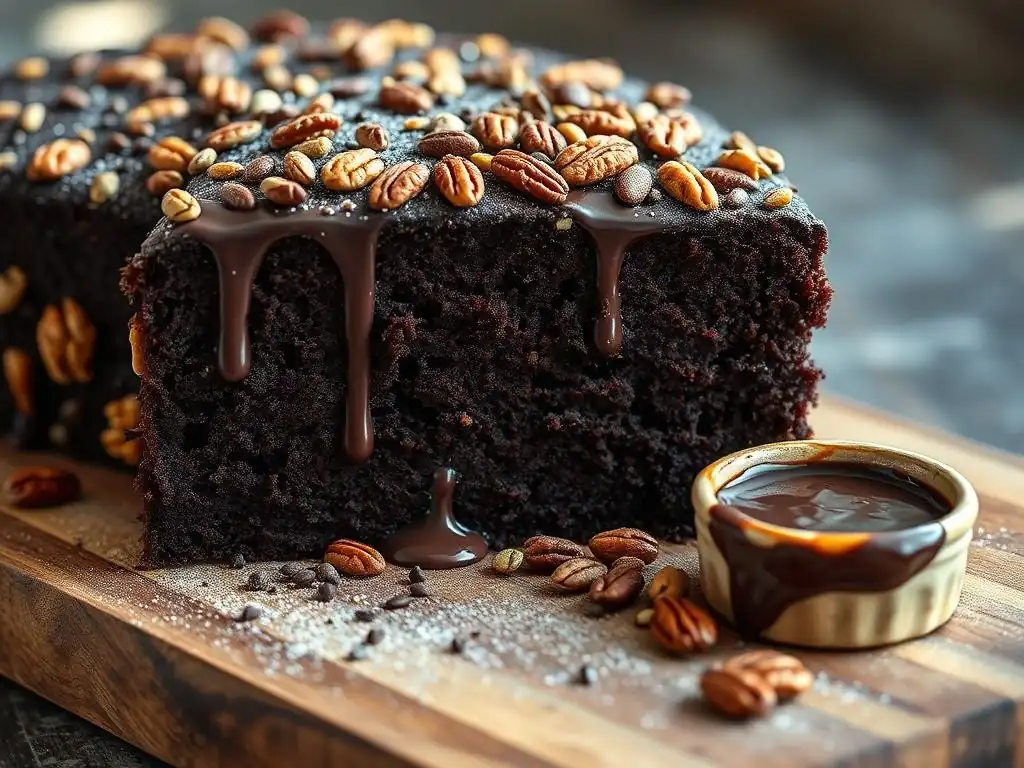
Nuts and seeds provide a wonderful counterpoint to the soft, tender crumb of a cake, adding much-needed textural complexity. A classic example is the satisfying crunch of chopped pecans in a rich chocolate cake or the delightful chewiness of golden raisins combined with walnuts in a fruitcake. These additions prevent the cake from being uniformly soft, creating a more engaging eating experience.
Consider a simple vanilla pound cake. Adding toasted slivered almonds introduces a delicate crispness and a subtle, sweet flavor that complements the vanilla beautifully. Similarly, incorporating poppy seeds into a lemon cake not only adds a visual speckled appearance but also provides tiny bursts of texture that highlight the bright citrus notes.
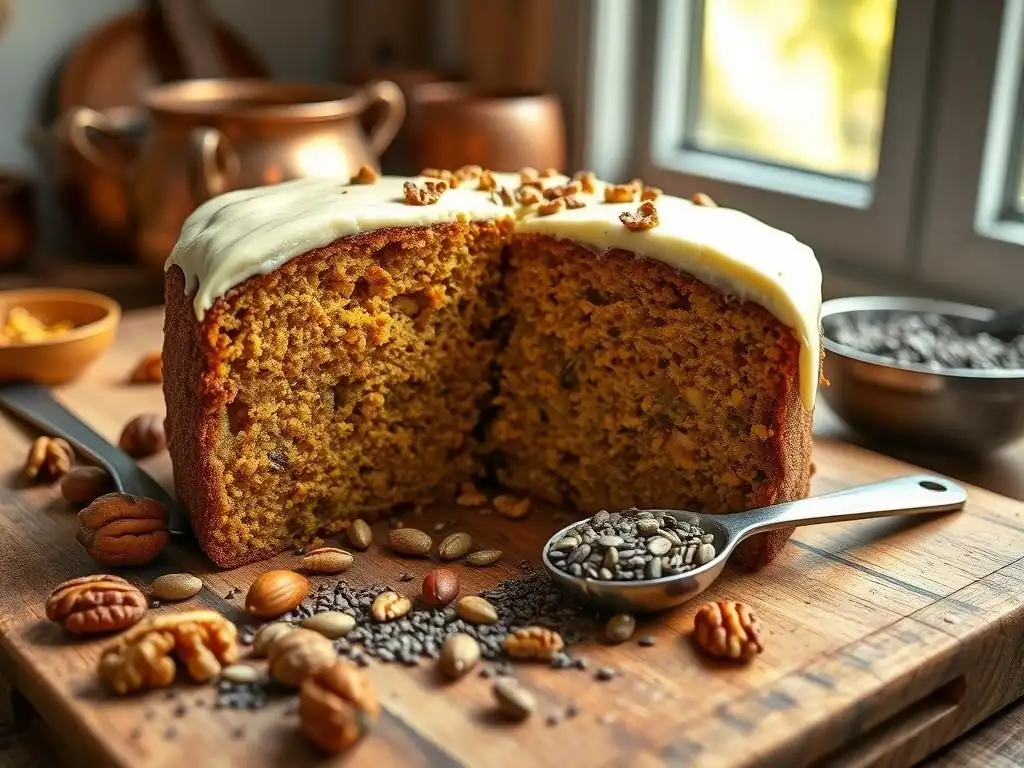
In many recipes, nuts and seeds are the primary source of textural contrast, turning a good cake into a great one. For instance, a traditional carrot cake relies heavily on the combination of shredded carrots, raisins (or cranberries), and chopped walnuts or pecans to build its characteristic dense, yet moist, texture profile.
The Impact of Nuts & Seeds on Cake Moisture
One of the most critical, yet often overlooked, impacts of nuts and seeds is on cake moisture. Because many nuts and seeds contain natural oils (fats), they can contribute to a richer, more tender crumb. Fats coat flour particles, inhibiting gluten development, which results in a softer cake. For example, walnuts contain about 65% fat by weight, while pecans are around 70% fat, both contributing significantly to richness.
However, nuts and seeds also absorb moisture from the surrounding batter during baking. Dry, unprepared nuts or seeds can pull liquid away from the cake matrix, potentially leading to a drier final product if the recipe isn't adjusted. This is particularly important when aiming for a moist cake with nuts seeds.
Properly preparing these ingredients, such as lightly toasting or even soaking certain types, can mitigate this moisture absorption issue and ensure the cake remains tender and moist throughout. The fiber content in nuts and seeds also plays a role, as fiber can hold onto moisture, helping to keep the cake from drying out as it cools and ages.
Achieving the Perfect Moisture Balance in Nut and Seed Cakes
Baking a moist cake with nuts seeds isn't just about tossing them into your favorite batter. It requires understanding how these ingredients interact with the other components and making thoughtful choices and preparations. The goal is to ensure the nuts and seeds enhance, rather than detract from, the cake's desired moisture level.
This section delves into the specific strategies for selecting and preparing nuts and seeds to ensure they contribute positively to both the moisture and texture of your cake. From choosing varieties known for their fat content to simple steps like toasting or soaking, these techniques are fundamental for success.
Choosing the Right Nuts and Seeds for a Moist Cake
Selecting the right type of nuts and seeds is a key factor in achieving a moist cake with nuts seeds. Different varieties have varying fat content and absorption rates, which directly impact the cake's texture and moisture. Some nuts are naturally higher in oils, lending richness, while certain seeds can absorb a significant amount of liquid.
Consider the overall profile you want. For a very rich and moist crumb, nuts high in fat like pecans, walnuts, and macadamia nuts are excellent choices. Smaller seeds like poppy or sesame seeds contribute less fat but can absorb moisture, requiring attention to liquid balance. Larger seeds like pumpkin or sunflower seeds offer more texture and fat content, similar to smaller nuts.
Best Nuts for Moisture Retention in Cakes
Nuts rich in natural oils are fantastic allies in the quest for a moist cake. Pecans, with their buttery flavor and high-fat content (around 70%), contribute significant richness and help keep the crumb tender. Walnuts, while slightly less fatty (about 65%), offer omega-3 fatty acids and a robust flavor that pairs well with many cake types, also aiding in moisture retention.
Almonds (around 50% fat) are versatile, offering a delicate flavor and firm texture. Using almond flour or finely ground almonds in addition to chopped almonds can further enhance moisture, as the finer particles distribute fat more evenly and absorb less free liquid during baking compared to larger chunks. Other good options include hazelnuts (about 60% fat) and pistachios (about 45% fat), both offering distinct flavors and contributing to a moist crumb structure.
Seeds That Contribute to Cake Moistness
While seeds generally have less fat than nuts, some varieties can still contribute positively to cake moisture, often through their ability to absorb and hold onto liquid. Poppy seeds, for instance, are commonly used in cakes and, while they absorb moisture, their small size means they don't drastically alter the overall liquid balance if used in typical quantities (e.g., 2-3 tablespoons per standard cake). Soaking them beforehand (see below) can help them release less moisture from the cake during baking.
Flaxseeds and chia seeds are notable for their mucilaginous properties when wet – they form a gel. While often used as egg substitutes, even small amounts of ground flaxseed or chia seeds can help bind moisture in a cake. For example, adding a tablespoon or two of ground flaxseed to a batter can slightly increase its capacity to hold moisture. Sunflower seeds and pumpkin seeds, being larger, contain more oil (around 45-50% fat) and behave more like nuts, contributing richness and helping achieve a moist cake with nuts seeds.
Preparing Nuts and Seeds for Optimal Cake Texture
Proper preparation of nuts and seeds before adding them to your cake batter is crucial for both flavor and texture. Simply chopping and adding raw ingredients can lead to a less flavorful cake and potential issues with moisture absorption. Taking a few extra minutes for preparation makes a significant difference.
Common preparation methods include toasting, which enhances flavor and texture, and soaking, which can soften harder seeds and prevent them from absorbing too much moisture from the batter. The specific method depends on the type of nut or seed and the desired outcome in the final cake.
Toasting Nuts for Enhanced Flavor and Crunch
Toasting nuts before adding them to cake batter is a game-changer for flavor. Heat brings out the natural oils in nuts, intensifying their nutty aroma and taste. This process also slightly dries them out, leading to a better crunch in the finished cake and potentially reducing the amount of moisture they absorb from the batter during baking.
You can toast nuts in a dry skillet over medium heat, stirring frequently until fragrant (usually 5-10 minutes depending on the nut). Alternatively, spread them in a single layer on a baking sheet and bake in a preheated oven at around 300-325°F (150-160°C) for 8-15 minutes, watching closely as they can burn quickly. Let them cool completely before chopping and adding to the batter. This simple step significantly enhances the nut flavor component of your moist cake with nuts seeds.
Soaking Seeds for Improved Moisture and Binding
Some seeds, particularly smaller, harder ones like poppy seeds or chia seeds, can benefit from soaking before being added to cake batter. Soaking allows the seeds to absorb liquid before they go into the cake, preventing them from pulling moisture from the batter during baking. This is especially helpful in achieving a moist cake with nuts seeds where moisture balance is key.
For poppy seeds, a common technique is to soak them in a hot liquid (like milk, buttermilk, or water specified in the recipe) for 30 minutes to an hour before mixing into the batter. This softens their outer shell slightly and hydrates them. For chia or flax seeds used for their binding properties, soaking them in water creates a gel-like consistency that can help retain moisture in the cake. Always follow recipe instructions regarding soaking, as too much added liquid can make the batter too wet.
Baking Techniques for Moist Cakes with Nuts and Seeds
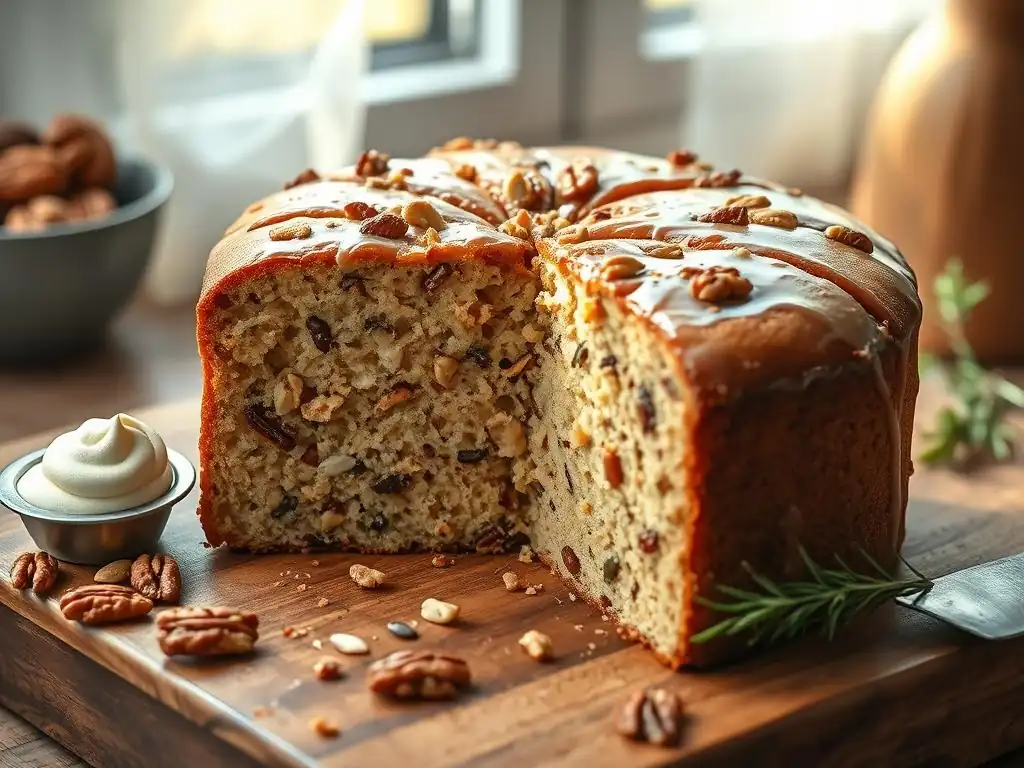
Successfully integrating nuts and seeds into a cake batter requires careful consideration of standard baking techniques. The addition of these ingredients alters the overall composition of the batter, affecting everything from consistency to how it bakes in the oven. Adjusting your approach ensures that the nuts and seeds contribute positively, rather than negatively, to the final result.
Key adjustments involve managing the wet and dry ingredients to accommodate the presence of nuts and seeds, and carefully controlling the baking temperature and time. These techniques are vital for preventing common pitfalls and ensuring your cake is perfectly moist and tender.
Adjusting Wet and Dry Ingredients for Nut and Seed Additions
When adding nuts and seeds, especially in significant quantities, you are essentially adding a 'dry' component that can absorb liquid. This means the ratio of wet to dry ingredients in your standard cake recipe might need slight adjustment. Failure to account for this can result in a cake that is too dry or crumbly.
Think of nuts and seeds as part of your 'dry' components in terms of volume, but also consider their oil content which behaves like a 'wet' component in contributing richness. It's a delicate balance. Recipes specifically developed for nuts and seeds will have these ratios pre-calculated, but if you're adapting a recipe, you might need to make small tweaks.
Calculating Liquid Ratios for Nut and Seed Cakes
Nuts and seeds will absorb some amount of the free liquid in the batter. While precise absorption rates vary greatly by type and preparation (toasted vs. raw, chopped size), a general principle is that for every cup of finely chopped nuts or seeds added to a standard cake batter, you might need to increase the liquid (milk, buttermilk, yogurt, etc.) by 1-2 tablespoons.
This isn't a hard rule but a starting point for experimentation. For instance, adding 1 cup of chopped walnuts to a recipe designed for a plain vanilla cake might benefit from adding an extra 1.5 tablespoons of milk to maintain the desired batter consistency and ensure a moist cake with nuts seeds. Observing the batter consistency after mixing is key – it should still be pourable or scoopable, not overly stiff.
Balancing Flour and Nuts/Seeds for Perfect Texture
Nuts and seeds also contribute to the overall bulk of the dry ingredients. In some recipes, particularly those using finely ground nuts like almond flour or hazelnut meal, the nut component might partially replace some of the wheat flour. Almond meal, for example, can substitute up to 25-50% of the wheat flour in some recipes, resulting in a very tender, moist crumb due to its fat content and lack of gluten.
When adding chopped nuts or whole seeds as mix-ins (e.g., 1/2 cup to 1 cup per standard cake), they are typically added in addition to the specified flour quantity. However, they do disrupt the gluten network to some extent. Overmixing after adding nuts/seeds can lead to a tougher cake, so fold them in gently at the end of mixing. The goal is to distribute them evenly without overdeveloping the gluten.
Temperature and Baking Time Considerations for Nut-Seed Cakes
Baking cakes with nuts and seeds requires careful attention to oven temperature and baking time. Nuts and seeds, particularly if toasted, can brown more quickly than the rest of the cake. The added bulk and slightly altered batter consistency can also affect how heat penetrates the cake.
Properly managing these factors is crucial for ensuring the cake bakes through evenly without becoming dry or having burnt nuts on the exterior. It's often better to err on the side of slightly lower temperatures and longer baking times if you are unsure.
Avoiding Over-Baking: The Key to Moist Cakes
Over-baking is the single biggest culprit behind dry cakes, and this is amplified when nuts and seeds are present, as they can make the cake seem more "done" on the edges than it is in the center. As the cake bakes, moisture evaporates. The longer it's in the oven past the point of being fully cooked, the more moisture is lost.
Start checking your cake for doneness several minutes before the recipe's minimum suggested baking time. Look for visual cues: the edges pulling slightly away from the pan, the top being set and springy to the touch, and the color being golden brown. A moist cake with nuts seeds should not look overly dark, especially around the nuts on the surface.
Using a Thermometer to Ensure Perfect Doneness
The most reliable way to check if a cake is done, especially one with mix-ins like nuts and seeds, is to use an instant-read thermometer. Insert the thermometer into the center of the cake, avoiding any large pieces of nut or seed if possible.
Most butter-based or oil-based cakes are perfectly baked when their internal temperature reaches between 200°F and 210°F (93°C and 99°C). Using a thermometer eliminates guesswork and ensures you remove the cake at the precise moment it is cooked through but hasn't lost excessive moisture, guaranteeing a truly moist cake with nuts seeds.
Preventing Soggy or Dry Nut and Seed Cakes: Common Mistakes and Solutions
Even with careful planning, sometimes things don't go exactly as planned. Cakes with nuts and seeds can occasionally turn out too wet or too dry. Recognizing the signs and understanding the potential causes will help you troubleshoot and improve your results for future bakes.
Let's look at some common issues that arise when baking with these ingredients and practical solutions to get you back on track to baking perfect, moist cakes.
Troubleshooting: Cake is Too Wet
A cake that is too wet might seem underbaked, dense, or even soggy in places. This can happen for several reasons when using nuts and seeds.
- Underbaking: The most common cause. The internal structure hasn't set properly.
- Solution: Bake for longer! Use a thermometer to check for doneness (200-210°F / 93-99°C). If the top is browning too fast, loosely tent it with foil.
- Too much liquid: The batter had an incorrect wet-to-dry ratio, perhaps due to adding too much liquid or not accounting for the 'dry' volume of nuts/seeds correctly.
- Solution: For future bakes, measure ingredients precisely. If adapting a recipe, reduce the liquid slightly, or increase the flour/nut quantity proportionally.
- Nuts/seeds weren't properly prepared: Raw nuts/seeds absorbing too much liquid from the batter during baking can sometimes lead to dense, wet spots around them, though this more often leads to dryness overall.
- Solution: Toast nuts and consider soaking certain seeds as discussed earlier.
A dry cake is crumbly, lacks tenderness, and can be disappointing. This is a frequent challenge when baking a moist cake with nuts seeds if not managed properly.
- Over-baking: The primary culprit. Too much moisture has evaporated.
- Solution: Use a timer and start checking for doneness early. Rely on visual cues and an internal thermometer (200-210°F / 93-99°C) rather than just the recommended time.
- Not enough liquid: The initial batter was too stiff, or nuts/seeds absorbed too much moisture without the liquid being adjusted.
- Solution: Ensure accurate measurement of wet ingredients. If adapting a recipe, consider adding a tablespoon or two more liquid per cup of nuts/seeds added. Using ingredients like buttermilk, yogurt, or sour cream instead of just milk can also increase perceived moisture.
- Using low-fat ingredients: Substituting low-fat dairy or reducing fat can impact moisture. Nuts and seeds rely on the overall fat and moisture matrix to stay tender.
- Solution: Stick to full-fat dairy unless the recipe specifically calls for low-fat. The fats from the nuts/seeds work best within a rich batter.
Achieving Consistent Results: Tips and Tricks
Consistency comes with practice and attention to detail. Here are a few extra tips for baking reliable, moist cakes with nuts seeds:
- Weigh ingredients: Using a kitchen scale for flour and nuts provides far more accuracy than volume measurements, especially for dry ingredients which can compact differently.
- Don't overmix: Overmixing develops gluten, leading to a tougher, drier cake. Mix just until ingredients are combined, and gently fold in nuts/seeds.
- Bake at the correct temperature: Ensure your oven thermostat is accurate. An oven running too hot will dry out your cake quickly. Use an oven thermometer to verify.
- Cool correctly: Allow the cake to cool in the pan for the time specified (usually 10-15 minutes) before inverting onto a wire rack. Cooling completely on a wire rack is essential to prevent sogginess from trapped steam.
- Use room temperature ingredients: Butter, eggs, and dairy should be at room temperature unless the recipe states otherwise. This helps them emulsify properly into the batter, creating a smoother mixture that bakes more evenly and retains moisture better.
Recipes: Putting the Principles into Practice
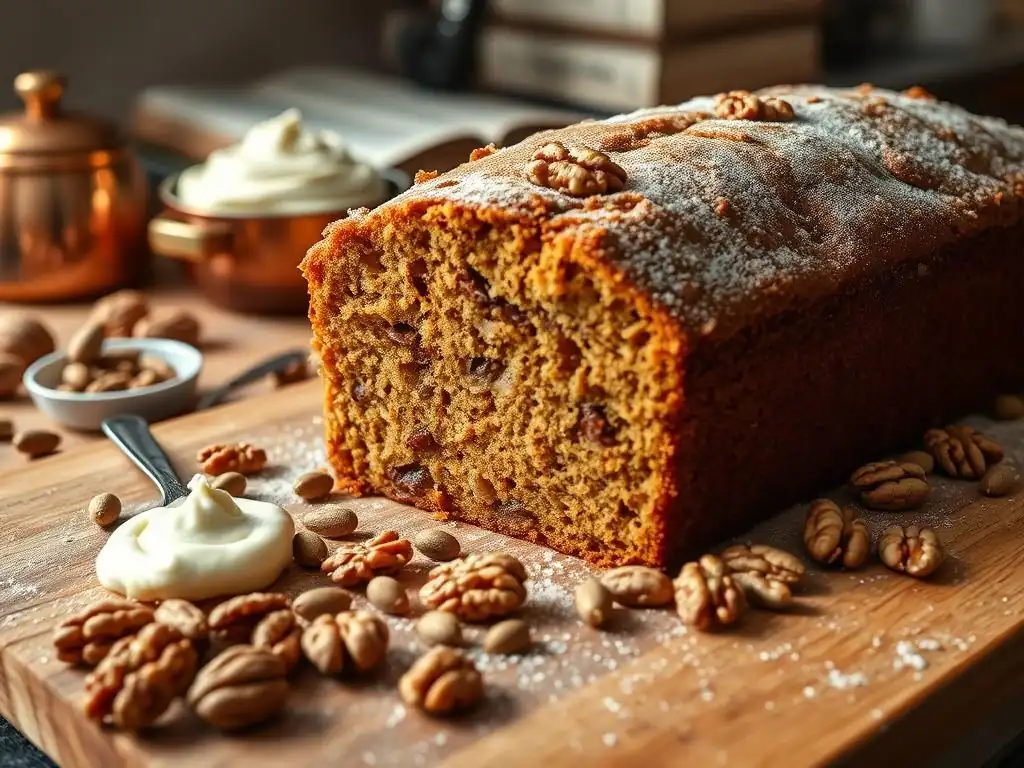
Understanding the theory is one thing; putting it into practice is where the magic happens! These recipe descriptions highlight how the principles of using nuts and seeds for moisture and crunch are applied in real-world baking.
Moist Carrot Cake with Walnuts and Pumpkin Seeds
This classic cake is a perfect example of how nuts and seeds contribute significantly to both moisture and texture. Shredded carrots provide natural moisture, while the addition of chopped walnuts brings richness from their oils and essential crunch. Pumpkin seeds (pepitas) often add another layer of texture and a slightly different, earthy flavor.
A well-made carrot cake with these additions relies on a balance of oil or butter, sugar, and wet ingredients like eggs and sometimes buttermilk or applesauce, combined with the moisture from the carrots and the fat from the nuts. Toasting the walnuts enhances their flavor and ensures they provide a crisp contrast to the tender crumb, resulting in a truly moist cake with nuts seeds that is rich and satisfying.
Lemon Poppy Seed Cake with Almonds
Lemon poppy seed cake is a beloved combination, and adding almonds elevates it further. The small poppy seeds provide bursts of texture (especially if soaked), while finely ground or slivered almonds contribute delicate flavor and help maintain a moist crumb.
This type of cake often uses oil or melted butter, which helps keep the cake moist. The acidity from lemon juice or zest also contributes to a tender crumb by slightly inhibiting gluten development. Incorporating almond flour alongside wheat flour, or folding in slivered almonds, adds richness and ensures a lovely texture profile, making this a delightful and moist cake with nuts seeds.
Storing Nut and Seed Cakes to Maintain Freshness and Moisture
Proper storage is just as important as proper baking when it comes to keeping your nut and seed cakes fresh and moist. Even a perfectly baked cake can dry out quickly if not stored correctly.
The goal is to protect the cake from air, which causes staling and moisture loss, while also preventing it from becoming soggy or developing off-flavors.
Proper Storage Techniques for Optimal Cake Condition
Once your cake has cooled completely on a wire rack, it's time to think about storage. An airtight container is your best friend. For whole cakes or large pieces, a cake dome or a large container with a tight-fitting lid works well. For slices, individual airtight containers or wrapping tightly in plastic wrap before placing in a container are effective.
Store cakes at room temperature if they will be consumed within 2-3 days, unless they contain perishable fillings or frostings (like cream cheese frosting), in which case refrigeration is necessary. Nuts and seeds in the cake can potentially go rancid more quickly than plain cake, especially if exposed to air and warmth for extended periods, so proper sealing is key.
Extending Shelf Life: Tips for Keeping Cakes Moist
To maximize the lifespan of your moist cake with nuts seeds and keep it tender:
- Wrap tightly: Before placing in an airtight container, wrap the cooled cake or individual slices tightly in plastic wrap. This creates a double barrier against air.
- Consider frosting: Frosting acts as a protective layer, sealing in moisture. A fully frosted cake will typically stay moist longer than an unfrosted one.
- Refrigeration: While refrigeration can sometimes slightly alter texture, it significantly extends shelf life, especially for cakes with nuts/seeds or perishable components. Ensure it's well-wrapped to prevent drying out and absorbing odors.
- Freezing: For longer storage (up to 2-3 months), wrap cooled cake tightly in plastic wrap, then in aluminum foil or place in a freezer-safe bag or container. Thaw overnight in the refrigerator or at room temperature in its wrapping to retain moisture.
By paying attention to ingredient selection, preparation, baking techniques, and storage, you can consistently achieve a beautiful, moist cake with nuts seeds that delights with every bite. Happy baking!
Frequently Asked Questions
How can I ensure my cake remains moist when adding nuts and seeds?
Adding nuts and seeds can sometimes dry out a cake. To combat this, consider soaking nuts and seeds in liquid (like milk or juice) beforehand, or adding a bit of extra fat to the batter.
What types of nuts and seeds work best in cakes for both flavor and texture?
The best choices depend on your preference, but popular options include walnuts, pecans, almonds, pumpkin seeds, and sunflower seeds. Consider toasting them lightly for a more intense flavor.
How much nuts and seeds should I add to my cake batter without affecting the structure?
A good rule of thumb is to add no more than 1/2 to 1 cup of nuts and seeds per standard cake recipe. Adding too much can make the cake dense and heavy.
What's the best way to incorporate nuts and seeds into my cake batter?
Gently fold the nuts and seeds into the batter towards the end of mixing. This prevents them from sinking to the bottom and ensures they are evenly distributed.
How can I prevent nuts and seeds from becoming soggy in my cake?
Ensure the nuts and seeds are completely dry after soaking (if applicable). Also, try adding a thin layer of flour to them before folding them into the batter; this helps absorb excess moisture.
Final Reflection: The Enduring Allure of the Perfect Nutty, Seed-Filled Cake
The quest for the ideal moist cake, punctuated by the delightful crunch of nuts and seeds, is far more than just a culinary pursuit; it's a reflection of our deep-seated desire for textural complexity and satisfying flavor. This article explored the delicate balance between achieving optimal moisture and maintaining that satisfying textural contrast, highlighting the crucial role of ingredient selection, preparation techniques, and baking precision. The principles discussed remain as relevant today as they were centuries ago, proving that the pursuit of baking perfection is a timeless endeavor.
The influence of nuts and seeds in baking extends far beyond mere texture and taste; they represent a connection to tradition, a celebration of nature's bounty, and a testament to the enduring power of simple ingredients. Baking is at once child's play and adult joy. And love, of course.
This quote perfectly encapsulates the emotional connection we forge with our baked goods, especially those infused with the comforting familiarity of nuts and seeds. The simple act of creating a moist, nutty cake becomes a ritual, a way to connect with our heritage and share joy with others.
Now, consider your own baking journey. What have you learned about achieving that perfect balance of moisture and crunch? I encourage you to experiment with different nut and seed combinations, to refine your techniques, and to embrace the imperfections along the way. The journey of creating the perfect moist cake with nuts and seeds is a continuous one, filled with learning, experimentation, and ultimately, the immense satisfaction of sharing a delicious creation with those you love. Let the pursuit of this culinary ideal inspire you to explore, create, and savor the simple joys of baking.
Unlock Your Cake's Full Potential: Master the Nut & Seed Secret!
Thanks for taking the time to explore the delightful world of nuts and seeds in baking! You've now learned how these ingredients can elevate your cakes to new heights of flavor and texture. Ready to put your newfound knowledge into practice?
- Bake your dream cake: Try out one of the recipes mentioned in the article or experiment with your own, focusing on the perfect balance of nut/seed to flour ratio for optimal moisture and crunch. This is your chance to truly shine!
- Share your creation: Post a picture of your masterpiece on social media and tag us @BakeWithEase — we'd love to see your success!
- Explore further: Discover more baking secrets and tips on our website, BakeWithEase.com (You won't want to miss our next article on frosting techniques! ).
So, what delicious nut and seed combination will you try first to create the perfect cake?