
Master Walnut Baking: From Rich Brownies to Hearty Bread

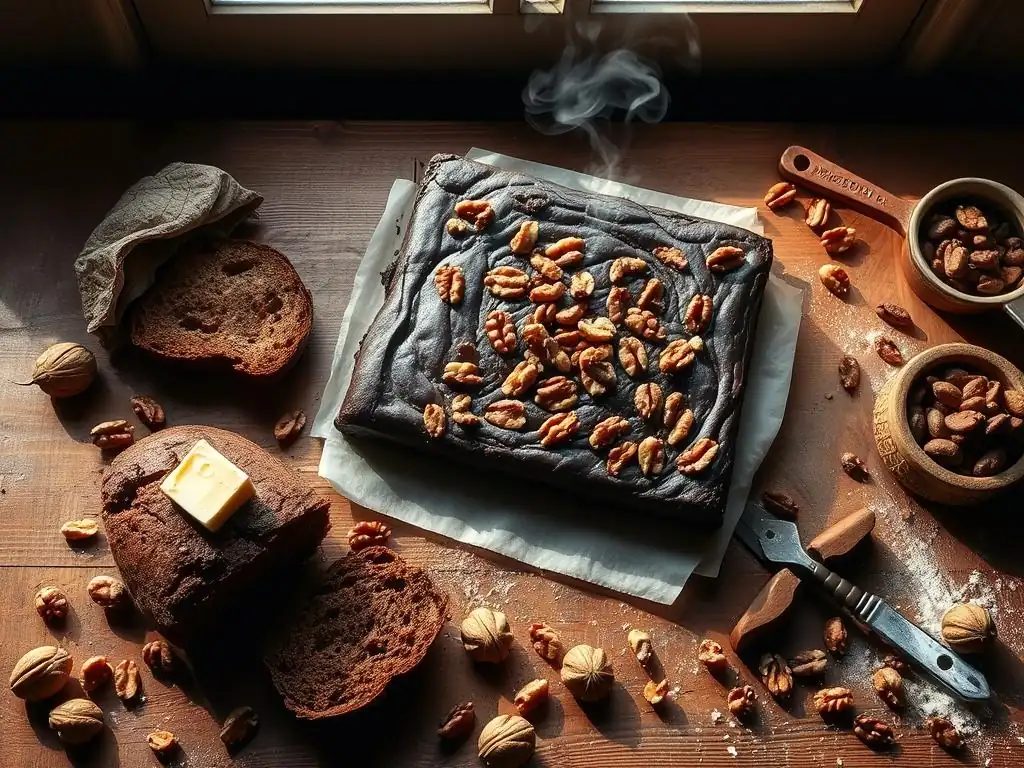
Welcome to BakeWithEase, your guide to unlocking the delicious potential of every bake! Ever wondered how to elevate your desserts with the nutty goodness of walnuts? This week, we're diving deep into the world of walnuts, starting with our irresistible walnut brownies recipe easy! Prepare to discover the secrets to perfectly textured, richly flavored brownies, and stay tuned as we explore even more ways to incorporate this versatile ingredient into your baking repertoire. Let's get baking!
- Master Walnut Baking: From Rich Brownies to Hearty Bread | BakeWithEase
- Introduction to Baking with Walnuts: A BakeWithEase Guide
- Part 1: Decadent Walnut Brownies: The BakeWithEase Way
-
Part 2: Beyond Brownies: Expanding Your Walnut Baking Repertoire
- Walnut Bread Recipe: A Hearty BakeWithEase Staple
- Ingredients for a Delicious Walnut Bread
- Baking a Simple and Satisfying Walnut Bread
- Walnut Cookies: Crunchy and Flavorful Treats
- Creating Classic Walnut Cookies with BakeWithEase
- Walnut Cakes: Adding Nutty Notes to Your Cakes
- Mastering Walnut Cake Recipes
- Part 3: Baking with Walnuts: Expert Tips and Techniques
- Conclusion: Elevate Your Baking with Walnuts and BakeWithEase
-
Frequently Asked Questions
- What makes the BakeWithEase walnut brownie recipe "easy"?
- Can I substitute other nuts for walnuts in the BakeWithEase brownie recipe?
- Does BakeWithEase offer other walnut-based baking recipes besides brownies and bread?
- What are some tips for ensuring my BakeWithEase walnut brownies are fudgy and not cakey?
- Where can I find the step-by-step guide for the BakeWithEase walnut bread recipe?
- Final Reflection: The Enduring Allure of the Walnut
- Unleash Your Inner Baker: Craft Delicious Walnut Wonders!
Master Walnut Baking: From Rich Brownies to Hearty Bread | BakeWithEase
Introduction to Baking with Walnuts: A BakeWithEase Guide
Exploring the Versatility of Walnuts in Baking
Walnuts are a remarkably versatile ingredient in the world of baking, offering a unique combination of texture and flavor that can elevate everything from delicate pastries to robust loaves of bread. Their slightly bitter, earthy, and rich profile complements a wide array of sweet and savory ingredients. Whether they are roughly chopped and folded into a cookie dough for a pleasant crunch or finely ground and used as a flour substitute in a gluten-free cake, walnuts bring a depth of character that is hard to replicate. Their natural oils contribute to moisture, while their structure provides textural contrast.
Beyond just adding flavor and texture, walnuts also offer nutritional benefits, including healthy fats and antioxidants, making them a popular choice for those looking to add substance and goodness to their baked goods. From classic pairings like chocolate and maple to more adventurous combinations with spices or fruits, walnuts adapt beautifully. This adaptability means they can be the star ingredient in a simple quick bread or a subtle, supportive element in a complex layered cake, proving their indispensable role in a well-rounded baking repertoire.
Why Walnuts Enhance Your Baked Goods
The addition of walnuts significantly enhances baked goods in several key ways, primarily through their distinct flavor and satisfying texture. When baked, walnuts develop a deeper, toastier flavor profile compared to their raw state. This toasted nuttiness pairs exceptionally well with ingredients like brown sugar, molasses, vanilla, and various spices, creating layers of flavor that make a simple bake feel more sophisticated. The natural oils in walnuts also contribute to the overall richness and moisture of a recipe, helping to prevent baked goods from drying out quickly and ensuring a tender crumb over time.
Texturally, walnuts provide a welcome crunch or chewiness that contrasts beautifully with softer elements in a recipe. In a fudgy brownie, for example, pieces of walnut offer a delightful bite that breaks up the smooth, dense texture. In bread, they can add structural integrity and a rustic feel.
The size and preparation of the walnuts – whether roughly chopped, finely diced, or used whole – can dramatically alter the final texture of the bake, allowing bakers to customize the experience based on their desired outcome. This combination of flavor, moisture, and texture makes walnuts a powerful ingredient for enhancing the appeal and enjoyment of countless baked creations.
Part 1: Decadent Walnut Brownies: The BakeWithEase Way
The Ultimate Walnut Brownies Recipe Easy
Crafting truly decadent, fudgy walnut brownies doesn't have to be complicated. A great easy walnut brownies recipe relies on a few key principles: using high-quality chocolate or cocoa powder, balancing sweetness, and incorporating the perfect amount of butter for richness. The goal is a brownie that is dense and moist in the center with slightly crisp edges, punctuated by the satisfying crunch of walnuts. This approach simplifies the process while guaranteeing a result that feels indulgent and homemade, perfect for satisfying a chocolate craving with minimal fuss.
Making a simple walnut brownie recipe involves straightforward steps, often melting butter and chocolate together, whisking in sugars, eggs, and vanilla, then gently folding in the dry ingredients and the chopped walnuts. The key to an easy walnut brownie recipe is often a one-bowl method, minimizing cleanup and complexity. The bake time is crucial; slightly underbaking ensures that coveted fudgy center. With just a few common pantry staples and some quality walnuts, you can achieve a batch of delicious, easy walnut brownies that will disappear quickly.
Choosing the Right Walnuts for Your Brownies
Selecting the appropriate walnuts is crucial for achieving the best texture and flavor in your brownies. For most brownie recipes, using walnut halves or large pieces is ideal before chopping. This allows you to control the size of the pieces that go into the batter.
Aim for fresh, plump walnuts that don't look shriveled or smell rancid. Stale nuts can ruin the flavor of your entire batch of brownies, adding an unpleasant bitterness. Look for walnuts that have been stored properly, ideally in a cool, dark place or even the refrigerator or freezer to maintain their freshness and prevent the oils from oxidizing.
When preparing the walnuts for your easy walnut brownies, you'll typically want to chop them into pieces that are substantial enough to provide a noticeable crunch but not so large that they dominate each bite. A rough chop works well, creating varying sizes from small crumbs to quarter-sized pieces. Some recipes might suggest toasting the walnuts first, which deepens their flavor and enhances their crunch. This step is highly recommended for adding an extra layer of nutty richness to your simple walnut brownie recipe.
Ingredients for Perfect Walnut Brownies
A simple yet effective recipe for easy walnut brownies typically calls for a core set of ingredients that are readily available. You'll need unsalted butter, granulated sugar, brown sugar (which adds moisture and chewiness), large eggs, vanilla extract, and all-purpose flour. For the chocolate component, you can use unsweetened cocoa powder for a classic, intense chocolate flavor, or melted bittersweet or semi-sweet chocolate for a richer, fudgier texture. The choice between cocoa and melted chocolate significantly impacts the final result; cocoa powder tends to yield a slightly lighter, cakeier brownie, while melted chocolate results in a denser, fudgier one.
Crucially, you will need a generous amount of walnuts. For a standard 8x8 or 9x13 inch pan of easy walnut brownies, about 1 to 1 ½ cups of chopped walnuts is a good starting point. This provides enough nutty goodness throughout the batch without overwhelming the chocolate flavor.
Other optional additions might include a pinch of salt (to enhance the chocolate flavor), a touch of espresso powder (to deepen the cocoa notes), or even chocolate chips for extra gooeyness. Ensure all your ingredients, especially eggs and butter, are at room temperature for better emulsion and texture development in your simple walnut brownie recipe.
Step-by-Step: Baking Easy Walnut Brownies
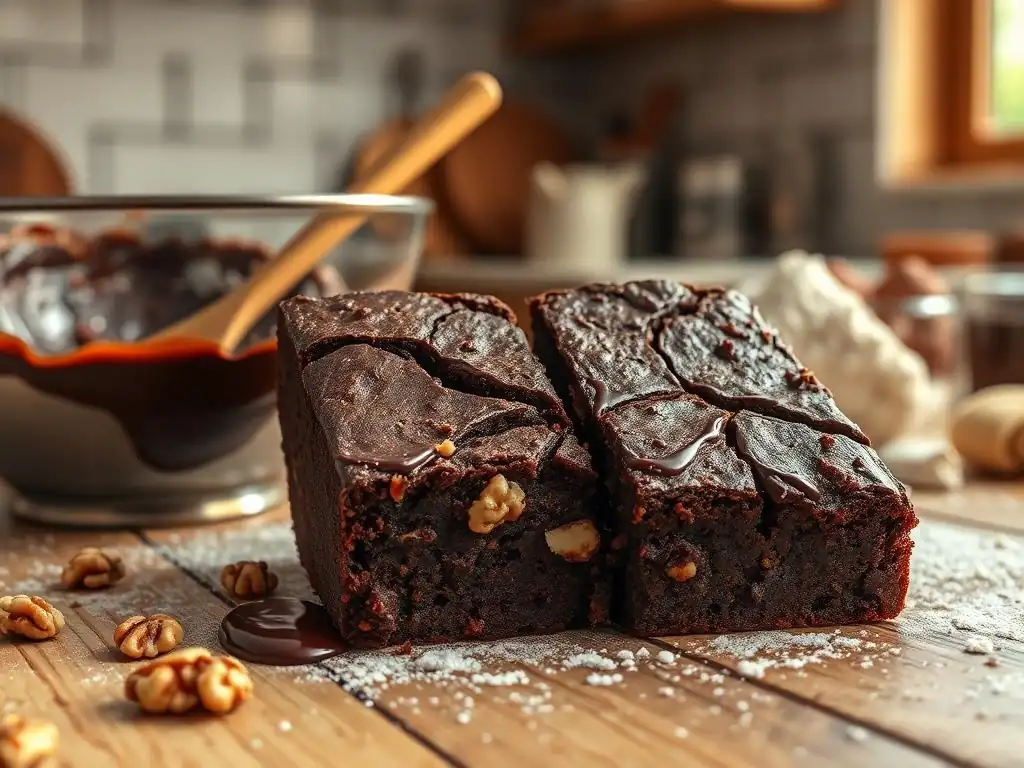
Preparing the Batter for Walnut Brownies
The first step in creating delicious easy walnut brownies is often melting the fat and chocolate components. If using butter and cocoa powder, you might melt the butter and then whisk in the cocoa powder to create a paste, which helps bloom the cocoa and deepen its flavor. If using melted chocolate, butter and chocolate are typically melted together gently over low heat or in a microwave.
Once melted and slightly cooled, the sugars (both granulated and brown sugar for that classic chewy texture) are vigorously whisked in. This step is important for dissolving some of the sugar and creating a smooth base.
Next, the eggs are added one at a time, whisking well after each addition to build structure and richness. A good easy walnut brownies recipe emphasizes not overmixing once the dry ingredients are introduced, but thorough mixing at the egg stage contributes to the brownie's texture. Finally, vanilla extract is stirred in for flavor. At this point, the base wet batter is ready to receive the dry ingredients and, importantly for these easy walnut brownies, the star ingredient: the walnuts.
Adding Walnuts: Chopped vs. Halves
When incorporating walnuts into your brownie batter, the decision between using chopped walnuts or leaving some halves can impact the visual appeal and texture. For a uniform distribution of nutty crunch throughout every bite, chopped walnuts are the standard choice in an easy walnut brownies recipe. Chopping ensures that you get pieces of walnut in almost every square. The size of the chop is up to personal preference, from finely diced pieces that blend more seamlessly into the batter to larger, chunkier pieces that provide a more significant bite.
Alternatively, some bakers like to reserve a portion of the walnuts, often larger pieces or halves, to press onto the top of the brownie batter before baking. This not only looks appealing, showcasing the walnuts prominently, but also ensures that some walnuts get toasted directly on the surface, enhancing their flavor and crunch.
Whether you choose all chopped, a mix, or mostly surface decoration, the key is to ensure the walnuts are evenly distributed within the batter or across the top for consistent texture and flavor in your simple walnut brownie recipe. Gently fold the chopped walnuts into the prepared batter using a spatula, being careful not to overmix.
Baking Time and Temperature for Chewy Walnut Brownies
Achieving that perfect chewy texture in your easy walnut brownies heavily depends on the correct baking time and temperature. Most recipes for fudgy or chewy brownies recommend baking at a moderate temperature, often around 325°F (160°C) or 350°F (175°C). Baking at a slightly lower temperature for a bit longer can help ensure the edges don't overbake before the center is set. The typical baking time for an 8x8 inch pan is usually between 25 to 35 minutes, while a 9x13 inch pan might take 30 to 40 minutes, depending on the thickness of the batter.
The crucial test for doneness is inserting a toothpick or cake tester into the center of the pan. For fudgy, chewy walnut brownies, you don't want the toothpick to come out completely clean like it would for a cake. Instead, it should come out with moist crumbs clinging to it, but no wet batter.
If it comes out with wet batter, it needs more time. If it comes out completely clean, it might be slightly overbaked, leading to a drier, more cake-like texture. Remember that brownies continue to set as they cool in the pan, so removing them when they look slightly underdone in the center is key to achieving that ultimate fudgy texture in your simple walnut brownie recipe.
Tips for Achieving Rich and Fudgy Walnut Brownies
To ensure your easy walnut brownies are as rich and fudgy as possible, focus on the quality and quantity of your ingredients, particularly the fat and chocolate. Using melted butter rather than creamed butter contributes to a denser, chewier texture, as creaming incorporates air.
Including a significant amount of chocolate or cocoa powder is also essential; using high-quality bittersweet chocolate (around 60-70% cocoa solids) or a good dark cocoa powder will yield a deeper, more intense chocolate flavor that is key to a rich brownie. Don't skimp on the sugar, especially brown sugar, as it helps retain moisture and enhances chewiness.
Another tip for achieving fudginess is to avoid overmixing the batter once the flour is added. Overmixing develops gluten, which can lead to a tougher, more cake-like texture. Gently fold the dry ingredients and walnuts into the wet mixture until just combined.
Finally, as mentioned earlier, slightly underbaking is paramount for fudgy centers. When the edges look set and a toothpick inserted into the center comes out with moist crumbs, take them out of the oven. Allowing the easy walnut brownies to cool completely in the pan before cutting is also vital; this allows them to finish setting and makes for cleaner slices of your simple walnut brownie recipe.
Variations: Adding Chocolate Chunks or Espresso to Walnut Brownies
Once you've mastered the basic easy walnut brownies recipe, you can easily introduce variations to add extra layers of flavor and texture. A popular addition is chocolate chunks or chips. Folding in about ½ to 1 cup of semi-sweet or dark chocolate chunks along with the walnuts adds pockets of melted chocolate throughout the brownie, intensifying the chocolate experience and adding gooeyness. White chocolate chunks can also provide a lovely contrast in flavor and appearance.
For a more sophisticated twist, consider adding espresso powder to your easy walnut brownies. About 1 to 2 teaspoons of instant espresso or coffee powder dissolved in a tablespoon of hot water or added directly to the dry ingredients can significantly deepen the chocolate flavor without making the brownies taste distinctly like coffee.
This classic pairing enhances the cocoa notes, making the chocolate taste "more chocolatey." Other variations could include a swirl of caramel, a sprinkle of sea salt on top before baking, or even adding a touch of cinnamon or cayenne for a hint of warmth and spice alongside the walnuts in your simple walnut brownie recipe.
Part 2: Beyond Brownies: Expanding Your Walnut Baking Repertoire
Walnut Bread Recipe: A Hearty BakeWithEase Staple
Walnut bread is a wonderfully versatile bake, equally at home served with butter alongside a meal or toasted with cheese or jam for a snack. It's often a hearty, slightly dense loaf, sometimes made with whole wheat flour for added texture and nutrition. The walnuts incorporated into the dough provide pockets of satisfying crunch and a rich, earthy flavor that complements the grain notes. This type of bread can range from rustic, free-form loaves to softer, enriched sandwich breads, all benefiting from the unique qualities of walnuts.
Creating a delicious walnut bread recipe involves standard bread-making techniques: activating yeast, mixing and kneading the dough, allowing for proper fermentation (rising), shaping the loaf, and finally baking. The walnuts are typically added towards the end of the kneading process to ensure they are evenly distributed without being completely broken down. The natural oils from the walnuts also contribute to a slightly softer crumb over time compared to a plain loaf. A good walnut bread is substantial, flavorful, and has a wonderful aroma as it bakes, making it a BakeWithEase staple for any home baker.
Ingredients for a Delicious Walnut Bread
A basic and delicious walnut bread recipe usually calls for simple, fundamental bread ingredients. This includes active dry or instant yeast, warm water or milk (milk often contributes to a softer crust), sugar or honey (to feed the yeast), salt (essential for flavor and controlling yeast activity), and flour. A blend of all-purpose flour and whole wheat flour is common, offering a balance of structure and nutty flavor that pairs well with the walnuts. Whole wheat flour, perhaps 1 to 2 cups in a recipe using 3-4 cups total flour, adds fiber and a robust taste.
Of course, the star ingredient is the walnuts. For a standard loaf, you'll typically need about 1 to 1 ½ cups of chopped walnuts. They should be roughly chopped into pieces that are large enough to be distinct in the final loaf but not so big that they tear the dough.
Some recipes recommend lightly toasting the walnuts before adding them to the dough to enhance their flavor. Other optional ingredients might include a tablespoon or two of butter or oil for added richness, or a handful of raisins or dried cranberries for a touch of sweetness that complements the walnuts beautifully.
Baking a Simple and Satisfying Walnut Bread
Baking a simple walnut bread involves following the standard steps of yeast bread making, adapted slightly for the addition of nuts. After the dough has been mixed and kneaded until it is smooth and elastic (this could take 5-10 minutes by hand or in a stand mixer), the chopped walnuts are typically added and kneaded in gently until evenly distributed.
The dough then undergoes its first rise (bulk fermentation) in a warm place, usually doubling in size over 1 to 2 hours depending on the yeast activity and room temperature. This allows the gluten structure to develop and flavors to deepen.
Once the first rise is complete, the dough is punched down to release air, shaped into a loaf, and placed in a loaf pan or on a baking sheet for its second rise (proofing). This proofing stage usually takes another 45-60 minutes. Before baking, the loaf can be scored with a sharp knife or lame, which allows the bread to expand evenly in the oven.
The bread is then baked in a preheated oven, often at temperatures around 375°F to 400°F (190°C to 200°C), for about 30-45 minutes, or until the crust is golden brown and the internal temperature reaches approximately 200°F (93°C). A simple walnut bread yields a satisfyingly hearty loaf perfect for slicing and enjoying.
Walnuts are a fantastic addition to many cookie recipes, providing a delightful crunch and rich, nutty flavor that contrasts with the cookie's texture. From classic chocolate chip cookies where walnuts add a sophisticated twist, to dedicated walnut cookies like Russian Tea Cakes or Walnut Crescents, their versatility shines. They contribute a textural counterpoint to soft or chewy cookies and enhance the crumbly nature of shortbread-style cookies. The earthy notes of walnuts pair exceptionally well with brown butter, cinnamon, maple, and of course, chocolate.
Incorporating walnuts into cookies is usually straightforward. For drop cookies like chocolate chip, chopped walnuts are simply folded into the dough along with other inclusions. For shaped cookies like crescent rolls or tea cakes, finely ground or chopped walnuts are often mixed directly into the dough, sometimes even forming a significant portion of the dry ingredients, creating a tender, crumbly texture. Baking times and temperatures vary depending on the cookie type, but typically range from 325°F to 375°F (160°C to 190°C) for 8-15 minutes, until the edges are set and the centers are just beginning to look done.
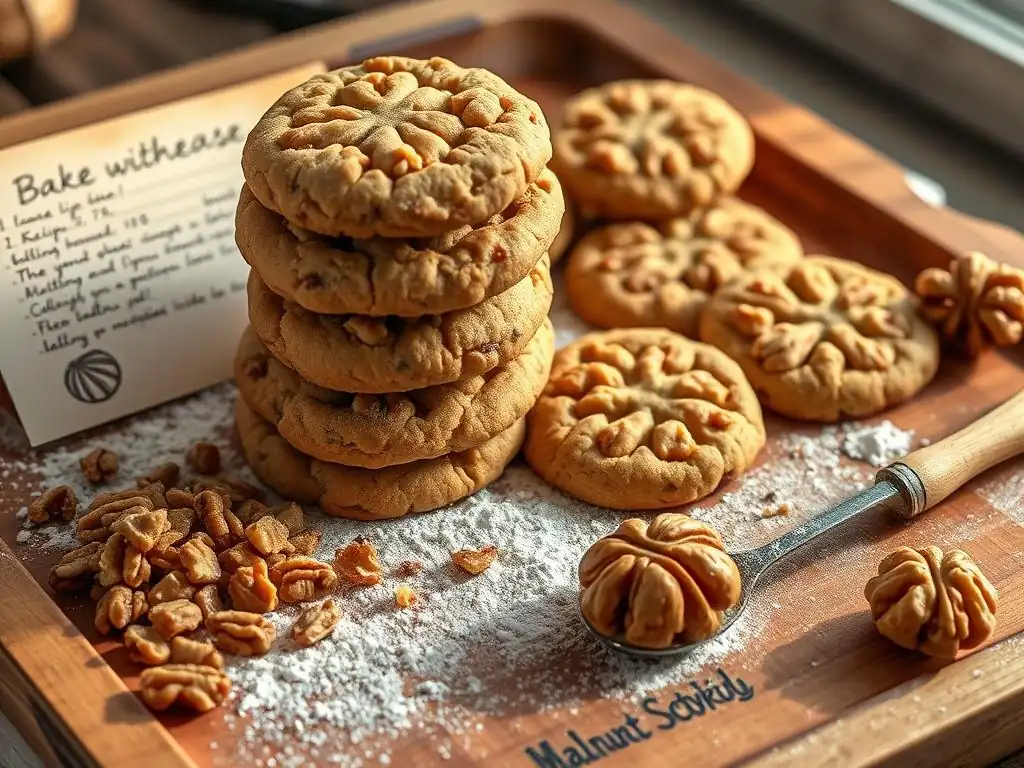
One of the most classic uses of walnuts in cookies is in recipes like Russian Tea Cakes or Mexican Wedding Cookies, which are essentially buttery shortbread-style cookies heavily laden with finely chopped or ground nuts and rolled in powdered sugar. These cookies are typically made with a simple dough of butter, powdered sugar, flour, and a generous amount of finely chopped walnuts (often equal in weight or volume to the flour). The high butter content and the use of nuts create a tender, melt-in-your-mouth texture that is distinct from standard cookies.
To make these simple walnut cookies, soft butter is creamed with powdered sugar, then the flour and finely chopped walnuts are mixed in until a dough forms. The dough is typically chilled briefly to make it easier to handle, then rolled into small balls or crescent shapes.
They are baked at a moderate temperature, around 325°F (160°C), until lightly golden on the bottom, usually about 15-20 minutes. While still warm or after cooling slightly, they are generously rolled in powdered sugar, creating their signature look and adding a layer of sweetness that balances the rich, nutty flavor of the simple walnut cookie recipe.
Walnut Cakes: Adding Nutty Notes to Your Cakes
Walnuts can bring wonderful flavor, texture, and moisture to a variety of cakes, from simple loaf cakes and muffins to more elaborate layer cakes. They add a pleasant chewiness and crunch, breaking up the soft crumb of the cake. Their rich, earthy flavor pairs beautifully with spices like cinnamon, nutmeg, and cloves, making them a natural fit for autumnal bakes like apple or pumpkin cake. They also complement citrus flavors, coffee, and, of course, chocolate, adding depth to classic chocolate cakes.
When adding walnuts to cake batter, they are usually chopped and folded in just before pouring the batter into the pan. For lighter cakes, it's best to use finely chopped walnuts to prevent them from sinking to the bottom. For denser cakes like pound cake or loaf cakes, a medium chop works well. Toasting the walnuts beforehand is highly recommended to enhance their flavor within the cake. The baking time and temperature will follow the cake recipe guidelines, typically around 325°F to 350°F (160°C to 175°C) for 30-60 minutes, depending on the size and type of cake.
Mastering Walnut Cake Recipes
Mastering walnut cake recipes involves understanding how the nuts interact with the other ingredients and adjusting techniques accordingly. For cakes where walnuts are a primary feature, like a classic Carrot Walnut Cake or a Banana Walnut Bread, using a substantial amount of walnuts (often 1 to 1 ½ cups for a standard loaf or 9-inch cake) is key. Ensuring the walnuts are evenly distributed throughout the batter is also important; coating them lightly in a tablespoon of the dry flour mixture before adding them to the wet batter can help prevent them from sinking, especially in lighter batters.
Considering the texture you want is also vital. For a tender crumb with nutty pockets, medium chopped walnuts are perfect. If you want the walnuts to blend more seamlessly into the cake's texture while still providing flavor, finely grinding some or all of the walnuts can work well, sometimes even replacing a small portion of the flour with ground walnuts for a denser, moister crumb. Pairing walnuts with complementary flavors like cream cheese frosting on a carrot cake or a simple glaze on a banana nut bread elevates the overall experience of your walnut cake recipes.
Part 3: Baking with Walnuts: Expert Tips and Techniques
Toasting Walnuts: Unlocking Maximum Flavor
Toasting walnuts is a simple yet incredibly effective technique that dramatically enhances their flavor and aroma, making them a standout ingredient in your baked goods. Raw walnuts can sometimes taste slightly bitter or flat, but gentle heat transforms their natural oils, bringing out a sweeter, richer, and nuttier profile. This process also improves their texture, making them crunchier. For any recipe where the walnuts aren't going through a long baking process (like quick breads or muffins), or where you want their flavor to truly shine, toasting is highly recommended.
There are a few easy ways to toast walnuts. One popular method is spreading them in a single layer on a baking sheet and baking them in a preheated oven at a moderate temperature, typically around 300°F to 325°F (150°C to 160°C), for 8 to 12 minutes. Keep a close eye on them, stirring occasionally, as nuts can go from perfectly toasted to burnt very quickly.
Another method is toasting them in a dry skillet over medium heat on the stovetop, stirring constantly for 5-7 minutes. Whichever method you choose, toast until they are fragrant and slightly darker in color, then let them cool completely before adding them to your easy walnut brownies or other recipes.
Storing Walnuts to Maintain Freshness
Proper storage is essential for keeping walnuts fresh and preventing them from going rancid, which can impart an unpleasant flavor to your baking. Due to their high oil content, walnuts are susceptible to oxidation, especially when exposed to heat, light, and air. The best way to store walnuts for long-term freshness is in an airtight container in a cool, dark place. A pantry shelf is suitable for short-term storage (a few weeks).
For longer storage, the refrigerator is an excellent option, where walnuts can remain fresh for several months. For optimal preservation, especially if buying in bulk or planning to store for more than six months, the freezer is your best bet. Stored in a freezer-safe bag or airtight container, walnuts can maintain their quality for up to a year. Freezing does not significantly affect their texture or flavor once thawed. Always allow frozen walnuts to come to room temperature before using them in your baking recipes, including your next batch of simple walnut brownie recipe.
Walnut Flour: A Gluten-Free Baking Alternative
Walnut flour, also known as ground walnuts or walnut meal, is made from finely ground walnuts and offers a flavorful gluten-free alternative or addition to traditional wheat flour in baking. It provides a rich, nutty flavor and contributes moisture and tenderness to baked goods due to its natural oil content. While it cannot directly substitute wheat flour cup-for-cup in most recipes because it lacks gluten structure, it can be used to replace a portion of the wheat flour or other gluten-free flours in many recipes.
Using walnut flour can add wonderful depth to cookies, muffins, cakes, and even some bread recipes (often combined with other flours). It works particularly well in recipes that don't rely heavily on gluten for structure, such as quick breads, brownies (adding some walnut flour can enhance the fudginess), or crumb toppings. When substituting, start by replacing 10-25% of the total flour volume with walnut flour and adjust as needed. Because of its oil content, baked goods made with a significant amount of walnut flour tend to brown faster, so monitoring baking time and temperature is important.
Using Walnut Flour in Your Baking Recipes
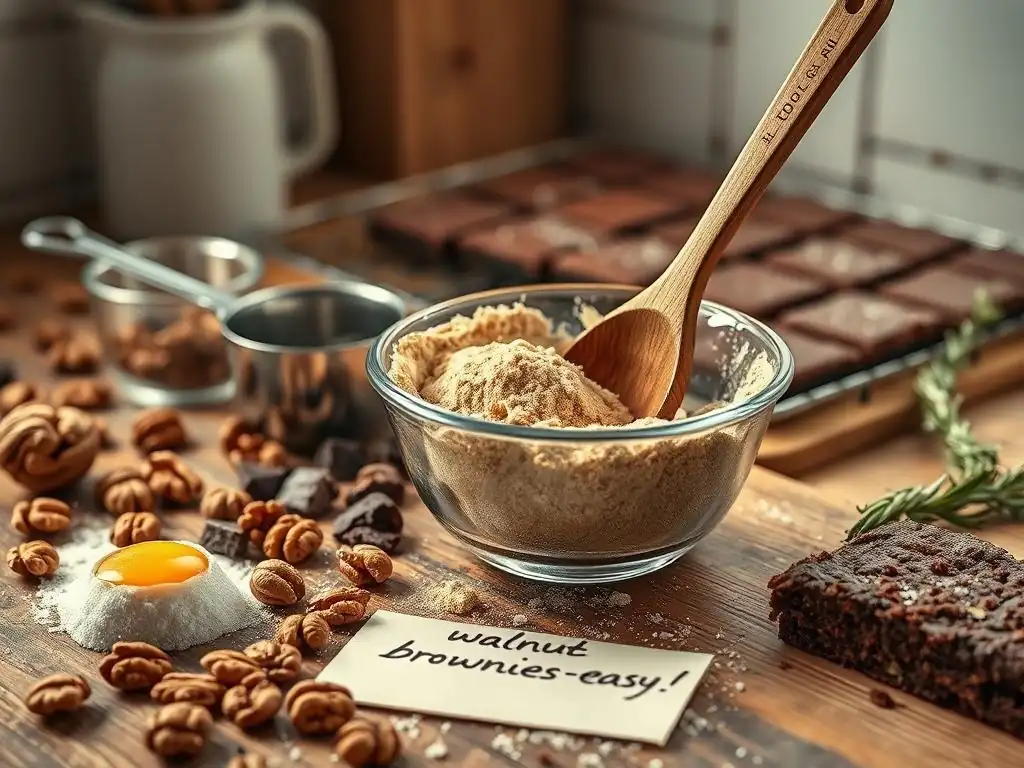
Incorporating walnut flour into your baking opens up possibilities for adding unique flavor and texture while potentially reducing the gluten content. It can be used in recipes specifically designed for nut flours or adapted from traditional recipes. For example, adding ½ cup of walnut flour to a standard muffin recipe using 1 ½ cups of wheat flour can add noticeable richness and tenderness. In cookie recipes, replacing ¼ to ½ cup of flour with walnut flour can enhance the nutty flavor and create a slightly more crumbly texture.
- Consider using walnut flour in:
- Muffins and quick breads for added moisture and flavor.
- Brownies for enhanced fudginess and nutty depth (complementing chopped walnuts).
- Cookies for a tender, crumbly texture.
- As part of a gluten-free flour blend in cakes or other baked goods.
When using walnut flour, remember its high-fat content. This means batters might be richer and potentially require less added fat. It also means baked goods might be more delicate. Store walnut flour in the refrigerator or freezer to keep it fresh, as the ground form is more susceptible to rancidity than whole nuts. Experimenting with small substitutions in your favorite recipes, including adapting an easy walnut brownies recipe to include a bit of walnut flour, is a great way to discover its potential.
Pairing Walnuts with Other Flavors: A Guide
Walnuts possess a complex flavor profile that pairs exceptionally well with a wide range of other ingredients, making them a versatile choice for flavor combinations in baking. Understanding these pairings can help you create truly memorable baked goods.
Walnuts and Chocolate: A Classic Combination
The pairing of walnuts and chocolate is perhaps one of the most beloved in baking, and the foundation of the popular easy walnut brownies recipe. The slightly bitter, earthy notes of walnuts provide a perfect counterpoint to the sweetness and richness of chocolate, whether it's dark, milk, or white. This combination works because the textures also complement each other: the crunch of the walnut against the smooth, often dense, texture of chocolate baked goods like brownies, cookies, or cakes.
Consider using this classic pairing in everything from simple chocolate chip cookies with added walnuts to elaborate chocolate layer cakes with walnut fillings or toppings. A sprinkle of toasted walnuts on chocolate frosting adds both flavor and visual appeal. The intensity of the chocolate can be matched with the type of walnut preparation; finely ground walnuts blend into a chocolate batter for subtle flavor, while large chopped pieces provide bursts of nutty goodness, as seen in a classic simple walnut brownie recipe.
Walnuts and Maple Syrup: Perfect for Autumn Baking
Walnuts and maple syrup are a natural pairing, evoking the warm, cozy flavors of autumn. The sweet, caramel-like notes of maple syrup beautifully complement the earthy, slightly bitter taste of walnuts. This combination is particularly delightful in breakfast and brunch bakes like pancakes, waffles, muffins, and quick breads, but it also shines in cakes and cookies.
Imagine a maple-walnut scone or a maple-glazed walnut cake – the flavors meld together seamlessly. Using real maple syrup is key for the best flavor. You can incorporate maple syrup into the batter itself, use it in a glaze drizzled over a walnut bake, or even make a maple-walnut streusel topping. This pairing brings warmth and a touch of natural sweetness, making it a perfect match for baked goods featuring ingredients like brown sugar, cinnamon, and apples or pumpkin.
Walnuts and Spices: Adding Warmth to Your Bakes
Walnuts pair wonderfully with a variety of warming spices, adding depth and complexity to baked goods. Spices like cinnamon, nutmeg, cloves, ginger, and cardamom enhance the nutty flavor of walnuts and contribute to a comforting aroma and taste. This makes walnuts an excellent addition to spiced cakes, muffins, cookies, and breads, particularly those enjoyed during cooler months.
For instance, adding chopped walnuts to a cinnamon apple cake or a ginger spice cookie elevates the flavor profile. A simple walnut bread can be transformed with the addition of a teaspoon of cinnamon or a pinch of nutmeg. The key is to use spices that complement both the nuts and the other main flavors in your bake. This pairing is versatile and can be adjusted to create subtle warmth or a bold spice presence alongside the rich taste and texture of walnuts, enhancing everything from a simple walnut cookie recipe to more complex layered desserts.
Conclusion: Elevate Your Baking with Walnuts and BakeWithEase
Incorporating walnuts into your baking is a simple yet effective way to add complexity, texture, and nutritional value to a wide variety of treats. From mastering an easy walnut brownies recipe that yields perfectly fudgy results to baking a hearty walnut bread or delicate walnut cookies, these versatile nuts offer endless possibilities. Their rich flavor, satisfying crunch, and ability to pair with numerous other ingredients make them a valuable addition to any baker's pantry.
By exploring different techniques like toasting walnuts to enhance their flavor, understanding proper storage to maintain freshness, and experimenting with walnut flour as a gluten-free option, you can unlock the full potential of this incredible ingredient. Whether you're a beginner trying your first simple walnut brownie recipe or an experienced baker looking to add new dimensions to your creations, walnuts provide a reliable path to delicious outcomes. With BakeWithEase as your guide, you're well-equipped to elevate your baking and discover the joy that walnuts can bring to every bite.
Frequently Asked Questions
What makes the BakeWithEase walnut brownie recipe "easy"?
The BakeWithEase recipe emphasizes simple ingredients and straightforward instructions, minimizing complex techniques. It's designed for bakers of all skill levels.
Can I substitute other nuts for walnuts in the BakeWithEase brownie recipe?
While the recipe is designed for walnuts, you can substitute other nuts like pecans or almonds. However, this might alter the flavor and texture of the final product.
Does BakeWithEase offer other walnut-based baking recipes besides brownies and bread?
Yes, BakeWithEase features a variety of walnut recipes. Explore our site for walnut cookies, cakes, and other delicious baked goods.
What are some tips for ensuring my BakeWithEase walnut brownies are fudgy and not cakey?
Avoid overbaking, which dries out the brownies. Use a high-quality chocolate and melt it gently to retain moisture.
Where can I find the step-by-step guide for the BakeWithEase walnut bread recipe?
The BakeWithEase walnut bread recipe with a step-by-step guide can be found directly on our website, under the "Breads" section.
Final Reflection: The Enduring Allure of the Walnut
The humble walnut, a culinary cornerstone for centuries, continues to surprise and delight in its versatility, proving its place not just in the heart of classic recipes, but also in the ever-evolving landscape of modern baking. From the simple elegance of a perfectly baked walnut brownie to the satisfying chew of a hearty walnut bread, the nut's rich flavor and textural complexity offer endless possibilities for both novice and experienced bakers. This exploration of walnut baking highlights its enduring appeal and timeless quality.
The journey through various walnut recipes, from the decadent richness of brownies to the rustic charm of bread, underscores the profound impact this simple ingredient has on our culinary heritage. It's more than just a nut; it's a symbol of comfort, tradition, and the joy of creating something delicious from scratch. The best things in life are simple,
a sentiment perfectly encapsulated by the ease and satisfaction of baking with walnuts. The recipes shared here are not just instructions, but invitations to connect with a culinary tradition that spans generations, fostering a sense of belonging and shared experience.
Now, I invite you to step into your kitchen, armed with this newfound knowledge and appreciation for the walnut. Don't be afraid to experiment, to adapt, to personalize these recipes to reflect your own unique style and taste. Let the aroma of baking walnuts fill your home, a testament to the simple pleasures and enduring satisfaction of creating something delicious with your own hands. The journey of mastering walnut baking is a continuous one, filled with discovery and delight – embrace it!
Unleash Your Inner Baker: Craft Delicious Walnut Wonders!
Thanks for joining us on this nutty adventure! We hope you've discovered a newfound appreciation for the versatility of walnuts in baking. Ready to put your newfound knowledge into practice?
- Bake your own masterpiece: Choose your favorite recipe from the article – be it those decadent brownies or that rustic walnut bread – and get baking! Let the delicious aroma fill your kitchen.
- Share your creations: Tag us on social media with your walnut baking triumphs! We'd love to see your masterpieces.
- Experiment with variations: Try substituting different flours or adding unique spices to create your own signature walnut treat.
What incredible walnut-infused recipe will you bake first?