
Baking with Seeds When Nuts Are OffLimits

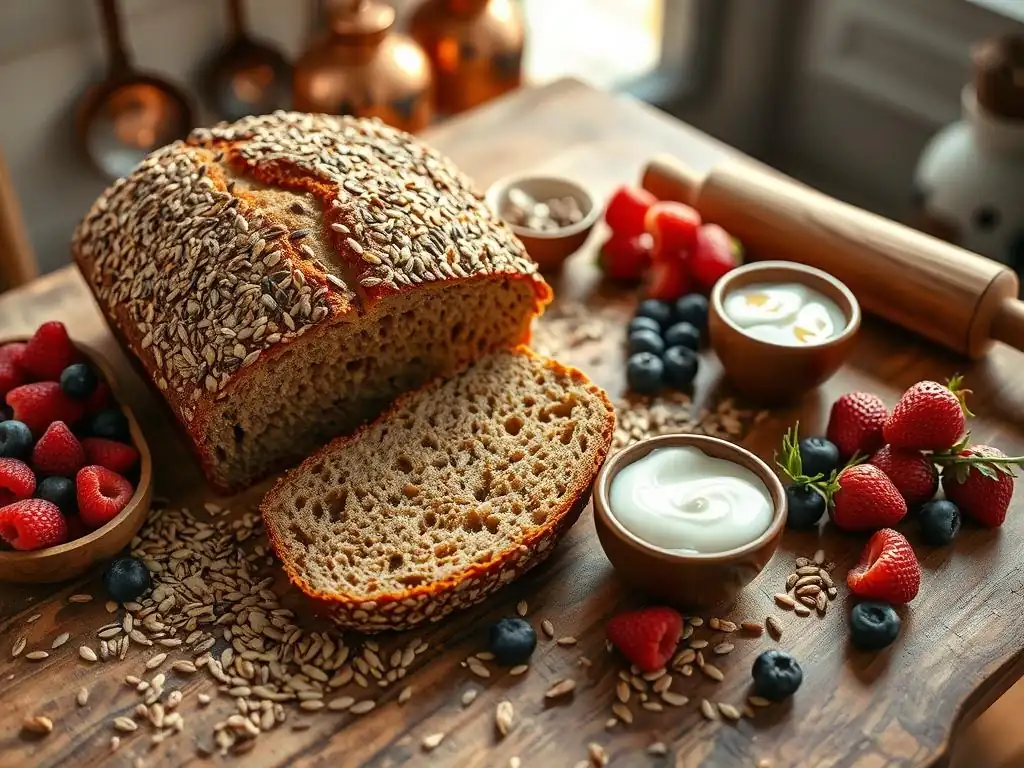
Welcome to BakeWithEase, your friendly guide to the delightful world of baking!
Are you ready to explore a universe of flavor and texture, even when nuts are off the menu? Discover our collection of seed bread recipes without nuts, and unlock a world of satisfying, wholesome loaves. Intrigued by the possibilities? Let's dive in and explore how seeds can transform your baking!
- Baking with Seeds When Nuts Are Off-Limits: Delicious Seed Bread Recipes Without Nuts
- Essential Seeds for Baking Nut-Free Bread
- Seed Bread Recipes Without Nuts: Beginner-Friendly Options
- Advanced Seed Bread Baking Techniques: Nut-Free Options
- Troubleshooting Common Seed Bread Baking Issues (Nut-Free)
- Storing and Enjoying Your Nut-Free Seed Bread
- Seed Bread Variations: Beyond the Basic Nut-Free Recipes
-
Frequently Asked Questions
- How can I adapt existing seed bread recipes that contain nuts?
- What types of seeds are best for making seed bread without nuts?
- Do I need to toast the seeds before adding them to the bread dough?
- Can I use a mix of seeds in my seed bread recipe?
- Will seed bread without nuts be as flavorful as traditional nut-filled breads?
- Final Reflection: Sowing the Seeds of Culinary Creativity
- Unlock the Nut-Free Baking Revolution!
Baking with Seeds When Nuts Are Off-Limits: Delicious Seed Bread Recipes Without Nuts
Why Avoid Nuts in Baking? Exploring Nut Allergies and Sensitivities
Nut allergies are among the most common food allergies, affecting millions worldwide. In the United States alone, estimates suggest around 1.2 million children and 2.4 million adults have a peanut or tree nut allergy. These allergies can range from mild reactions like hives or digestive upset to severe, life-threatening anaphylaxis. For individuals with nut allergies, even tiny traces of nuts or cross-contamination can trigger a reaction, making baking a particularly challenging activity. Traditional bread recipes often feature nuts, whether mixed into the dough, sprinkled on top, or used as a flour component, posing a significant risk.
Navigating baking when nuts are off-limits requires careful attention to ingredients and preparation methods. It's not just about avoiding obvious nut pieces; it includes being mindful of ingredients processed in facilities that also handle nuts, which can lead to cross-contamination. This is why finding reliable seed bread recipes without nuts is crucial for safe baking and enjoyment. The goal is to create delicious, textured, and nutritious bread that everyone can enjoy, including those with nut allergies or sensitivities. Focusing on seeds offers a fantastic alternative, providing similar crunch, flavor, and nutritional benefits without the allergenic risk associated with nuts.
The Rise of Seed Bread: A Nut-Free Baking Solution
Seed bread has become increasingly popular, not just as a safe option for those avoiding nuts, but also for its inherent health benefits and appealing textures. Unlike many nut-based breads, seed bread relies on a variety of seeds – such as sunflower, pumpkin, chia, flax, and sesame – to provide structure, flavor, and nutritional value.
These seeds are typically less allergenic than common tree nuts and peanuts, making them a safer choice for many individuals. The rise of seed bread reflects a broader trend towards inclusive baking, ensuring that delicious and satisfying bread options are available to a wider audience with diverse dietary needs and restrictions.
Developing seed bread recipes without nuts focuses on leveraging the unique properties of different seeds. Some seeds, like chia and flax, can absorb liquid and form a gel, acting as binders and contributing to moisture, similar to how eggs or gluten function. Others, like sunflower and pumpkin seeds, provide delightful crunch and nutty flavor notes without actually being nuts.
This versatility allows for the creation of a wide range of seed bread styles, from dense, hearty loaves packed with whole seeds to lighter, airy loaves where ground seeds are incorporated into the flour blend. The result is a robust category of bread that stands on its own merits, celebrated for its texture, taste, and nutritional profile, making it a perfect alternative when nuts are off-limits.
Essential Seeds for Baking Nut-Free Bread
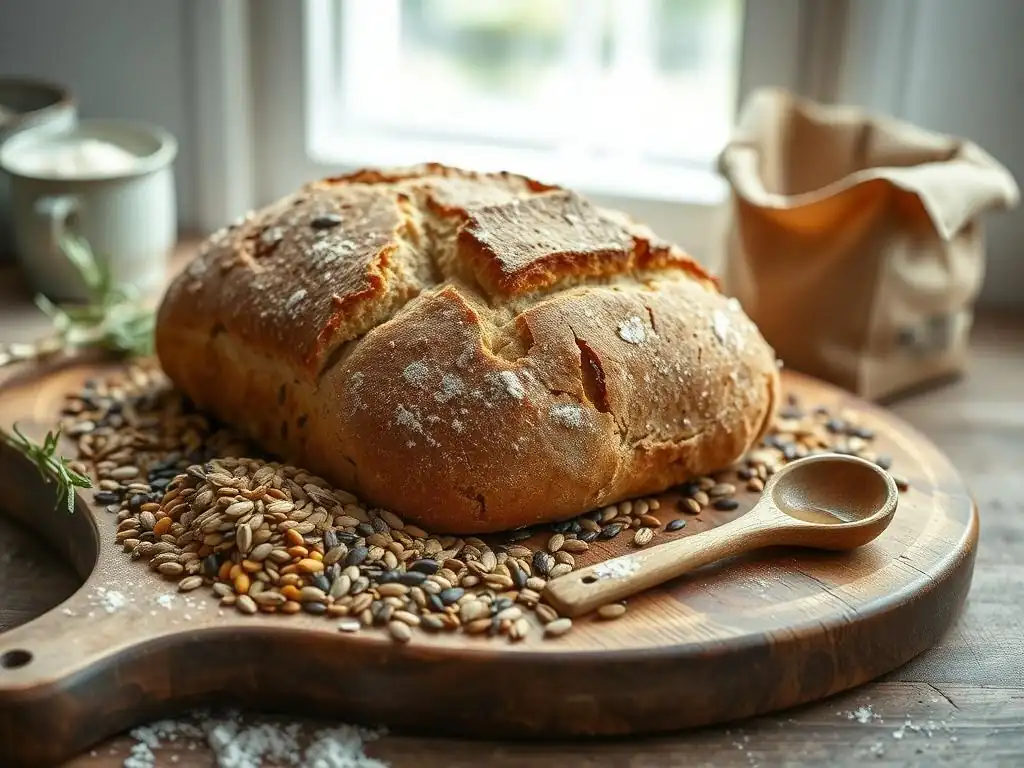
Sunflower Seeds: A Versatile Baking Ingredient
Sunflower seeds are perhaps one of the most common and versatile seeds used in seed bread recipes without nuts. They offer a mild, slightly nutty flavor and a satisfying crunch, making them an excellent substitute for chopped nuts. Nutritionally, they are a good source of Vitamin E, magnesium, and selenium. In baking, they can be incorporated into the dough whole or roughly chopped, sprinkled on top before baking for a decorative finish, or even ground into a meal to replace a portion of the flour in a recipe, adding richness and density.
Using sunflower seeds requires little special preparation, although toasting them lightly can enhance their flavor significantly. When adding them to dough, consider their size and weight; larger quantities might require slight adjustments to hydration or leavening to ensure the bread rises properly. A typical seed bread recipe without nuts might call for anywhere from a quarter cup to a full cup of sunflower seeds per standard loaf (around 500g flour), adding texture and visual appeal throughout the crumb and crust.
Pumpkin Seeds (Pepitas): Adding Texture and Flavor to Seed Bread
Pumpkin seeds, also known as pepitas (especially when shelled and green), bring a distinct, slightly sweeter flavor and a flatter, chewier texture compared to sunflower seeds. They are rich in zinc, magnesium, and healthy fats. Their vibrant green color adds a beautiful visual element to seed bread, whether mixed into the dough or scattered over the top. Like sunflower seeds, they are a fantastic ingredient for creating seed bread recipes without nuts, offering a different but equally appealing texture profile.
Incorporating pumpkin seeds into bread dough provides pockets of chewiness that contrast nicely with the bread's crumb. They can be used raw or lightly toasted to deepen their flavor. When adding them, ensure they are distributed evenly. Some recipes might suggest soaking them briefly to soften them slightly, which can help prevent them from feeling too hard in the baked bread and potentially aid in digestion. A common usage might be half a cup to three-quarters of a cup per loaf, often combined with other seeds for a multi-seed blend.
Chia Seeds: The Nutritional Powerhouse for Seed Bread Recipes
Chia seeds are small but mighty, renowned for their high omega-3 fatty acid content, fiber, and ability to absorb liquid. When soaked, they form a gel-like consistency, which makes them incredibly useful in seed bread recipes without nuts, particularly in gluten-free or egg-free variations, acting as a binder and moisture retainer. This gelling property helps create a cohesive dough structure, especially in recipes that lack the binding power of gluten.
Beyond their functional properties, chia seeds contribute nutritional value without significantly altering the bread's flavor, though they add tiny speckles and a subtle texture. Using chia seeds often involves soaking them before adding them to the dough (e.g., 1 tablespoon of chia seeds soaked in 3 tablespoons of water for 5-10 minutes). They can also be added dry to the dough where they will absorb moisture during mixing and proofing. Their ability to hold moisture helps extend the freshness of the baked bread. A typical recipe might use 2-4 tablespoons of dry chia seeds per loaf.
Flax Seeds: Enhancing the Texture of Nut-Free Seed Breads
Flax seeds, available whole or ground, are another nutritional powerhouse, packed with omega-3s and fiber. Like chia seeds, ground flax seeds (often called flaxseed meal) form a gel when mixed with liquid, making them an excellent binder and moisture source in seed bread recipes without nuts. Whole flax seeds, on the other hand, add a delightful little pop and chewiness when baked into bread.
Using ground flaxseed is particularly effective for binding in recipes where gluten or eggs are reduced or absent. A common "flax egg" substitute involves mixing 1 tablespoon of ground flaxseed with 3 tablespoons of water and letting it sit for a few minutes until gelled. Whole flax seeds can be added directly to the dough, often alongside other seeds.
To maximize nutritional absorption, it's generally recommended to use ground flaxseed, as whole seeds can pass through the digestive system undigested. A recipe might incorporate 2-5 tablespoons of flaxseed (whole or ground) per loaf, contributing to a slightly nutty flavor and a moist crumb.
Sesame Seeds: A Classic Addition to Seed Bread
Sesame seeds, whether white or black, are a classic topping and inclusion in many bread types, including seed bread recipes without nuts. They are relatively small, offering a subtle crunch and a distinct, slightly earthy flavor, especially when toasted. Sesame seeds are a good source of calcium, magnesium, and healthy fats. Their small size makes them easy to incorporate throughout the dough and provides a uniform distribution of texture.
While often used as a crust topping (think hamburger buns or bagels), sesame seeds are equally effective when mixed into the bread dough. They add visual appeal with their tiny speckles and a pleasant, slightly resistant chewiness. Toasting sesame seeds before adding them significantly enhances their aroma and flavor. A typical seed bread recipe without nuts might use 2-4 tablespoons of sesame seeds mixed into the dough, plus extra for topping, adding that familiar, comforting seed bread character.
Seed Bread Recipes Without Nuts: Beginner-Friendly Options
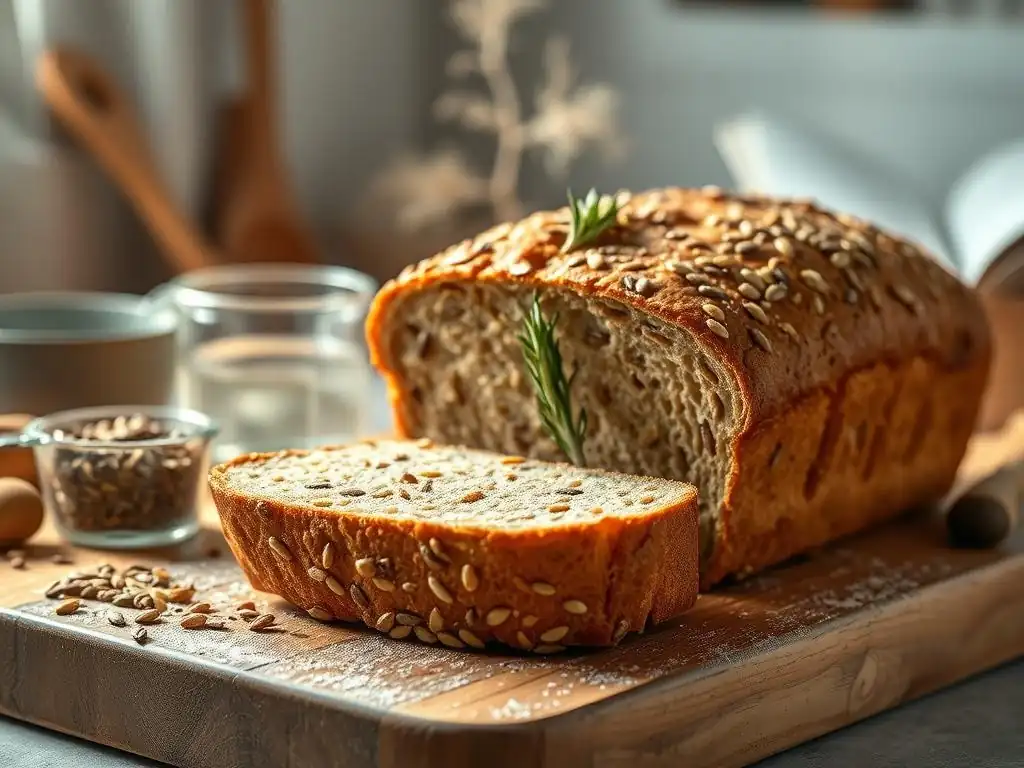
Simple Sunflower Seed Bread Recipe for Nut-Free Baking
This recipe is designed to be straightforward, perfect for those new to baking seed bread recipes without nuts. It uses standard ingredients and techniques you might already be familiar with from basic bread making. The focus is on incorporating sunflower seeds effectively for texture and flavor while keeping the process manageable.
Ingredients for the Sunflower Seed Bread
- 3 cups (approx. 360g) All-Purpose Flour or Bread Flour
- 1 teaspoon Salt
- 1 tablespoon Sugar or Honey
- 2 1/4 teaspoons Active Dry Yeast (one standard packet)
- 1 1/4 cups (approx. 300ml) Warm Water (105-115°F / 40-46°C)
- 2 tablespoons Olive Oil or Melted Butter
- 1/2 cup (approx. 70g) Raw or Lightly Toasted Sunflower Seeds, plus more for topping
Inline code example: 1 1/4 cups warm water
Step-by-Step Baking Instructions
- In a large bowl, combine the warm water, sugar, and yeast. Let stand for 5-10 minutes until foamy. This confirms the yeast is active.
- Stir in the olive oil, salt, and 2 cups of the flour. Mix until a shaggy dough forms.
- Gradually add the remaining flour, a little at a time, mixing until the dough pulls away from the sides of the bowl.
- Turn the dough out onto a lightly floured surface and knead for 8-10 minutes, until smooth and elastic.
- Knead in the 1/2 cup of sunflower seeds during the last 2-3 minutes of kneading.
- Place the dough in a lightly oiled bowl, turning to coat. Cover with plastic wrap or a damp cloth and let rise in a warm place for 1-1.5 hours, or until doubled in size.
- Punch down the dough and turn it out onto a lightly floured surface. Shape into a loaf and place in a greased 9x5 inch loaf pan.
- Cover and let rise again for 30-45 minutes, or until the dough reaches the top of the pan.
- Preheat oven to 375°F (190°C). Optional: brush the top of the loaf with a little water or milk and sprinkle with extra sunflower seeds.
- Bake for 30-35 minutes, or until golden brown and the internal temperature reaches 200-210°F (93-99°C).
- Let cool in the pan for 10 minutes before transferring to a wire rack to cool completely.
Task list example:
- [x] Activate yeast
- [ ] Knead dough
- [ ] Add seeds
- [ ] First rise
- [ ] Shape loaf
- [ ] Second rise
- [ ] Bake bread
- [ ] Cool completely
Easy Pumpkin Seed Bread: A Nut-Free Delight
This recipe focuses on the unique texture and flavor of pumpkin seeds, creating a delightful seed bread recipe without nuts that's both simple and satisfying. It uses similar basic bread-making principles but highlights the inclusion of pepitas.
Key Ingredients and Substitutions
- 3 cups (approx. 360g) Bread Flour
- 1 teaspoon Salt
- 1 tablespoon Maple Syrup or Molasses
- 2 1/4 teaspoons Instant Yeast
- 1 1/4 cups (approx. 300ml) Warm Water (120-130°F / 49-54°C for instant yeast)
- 2 tablespoons Vegetable Oil
- 3/4 cup (approx. 100g) Raw Pumpkin Seeds (Pepitas), plus more for topping
Substitution Note: If using active dry yeast, use water at 105-115°F and follow the activation step from the previous recipe. Maple syrup or molasses adds a subtle depth of flavor that pairs well with pumpkin seeds.
Baking Tips for Perfect Pumpkin Seed Bread
- Consider lightly toasting the pumpkin seeds in a dry pan for a few minutes before adding them to the dough; this enhances their flavor significantly.
- Ensure the pumpkin seeds are evenly distributed during the kneading or mixing process. Avoid adding them all at once to prevent clumps.
- For a beautiful crust, brush the top of the loaf with water or an egg wash (if not avoiding eggs) before sprinkling with extra pumpkin seeds just before baking.
- Monitor the bake time closely. Pumpkin seeds on the crust can brown quickly. If they start to look too dark, you can loosely tent the loaf with aluminum foil.
- Allow the bread to cool completely on a wire rack. Cutting into warm bread can result in a gummy texture, especially with the added moisture from the seeds.
Chia Seed Bread: A Nutritious and Delicious Nut-Free Option
Incorporating chia seeds into bread dough adds nutritional value and helps create a wonderfully moist crumb. This recipe demonstrates how to use chia seeds effectively in a seed bread recipe without nuts, focusing on their binding and moisture-retaining properties.
The Role of Chia Seeds in Binding and Moisture
Chia seeds are hydrophilic, meaning they love water. When mixed with liquid, they absorb many times their weight and form a gel. This gel acts as a natural binder, helping to hold the dough together, which is particularly useful in recipes with lower gluten content or those aiming for a softer crumb.
In a standard wheat bread, they contribute to moisture retention, resulting in a loaf that stays fresh longer. For example, using just 3 tablespoons of chia seeds soaked in 9 tablespoons of water can create a gel that provides significant binding power and moisture, reducing the need for other fats or binders in some recipes.
Block quote example:
Chia seeds are remarkable for their ability to absorb liquid and create a gel, which is invaluable in nut-free baking for binding and moisture. This property makes them a simple yet effective ingredient for enhancing the texture and shelf-life of seed bread.
Recipe Adaptations and Flavor Enhancements
While chia seeds have a relatively neutral flavor, they can complement various additions.
- Adaptation: For a denser, more nutrient-packed loaf, consider replacing 1/4 cup of the wheat flour with ground chia seeds (chia meal). Remember to increase the liquid slightly as ground chia absorbs more quickly than whole.
- Flavor Enhancement: Pair chia seeds with other seeds like poppy or sesame for varied texture.
- Flavor Enhancement: Add spices like a pinch of cinnamon or cardamom, or savory elements like dried herbs (rosemary, thyme) which work well with the subtle nuttiness of seeds.
- Adaptation: Increase the fiber content further by adding a tablespoon of psyllium husk powder along with the chia seeds; this will require additional liquid.
Advanced Seed Bread Baking Techniques: Nut-Free Options
Toasting Seeds for Enhanced Flavor in Bread
Toasting seeds before adding them to your seed bread recipes without nuts is a simple yet powerful technique that elevates the flavor profile significantly. When seeds are heated, their natural oils release aromatic compounds, resulting in a deeper, nuttier, and more complex taste. This process transforms the seeds from a purely textural component into a major contributor to the bread's overall flavor. For instance, lightly toasting sunflower or pumpkin seeds in a dry skillet over medium heat for just 5-7 minutes until fragrant can make a noticeable difference in the final loaf.
The key to toasting seeds is low to medium heat and constant attention, as they can burn quickly. You can toast them in a dry pan on the stovetop, stirring frequently, or spread them in a single layer on a baking sheet and toast them in a preheated oven at around 300°F (150°C) for 10-15 minutes, stirring halfway through. Allow the seeds to cool completely before adding them to your dough. This step is particularly recommended for larger seeds like sunflower and pumpkin, but even smaller seeds like sesame benefit from a light toast.
Soaking Seeds for Improved Texture and Digestibility
Soaking seeds is another technique that can improve the texture and potentially aid the digestibility of your seed bread recipes without nuts. Larger, harder seeds like sunflower and pumpkin can sometimes remain quite firm after baking. Soaking them in water for a period before adding them to the dough softens them slightly, resulting in a more pleasant chewiness in the finished bread. For example, soaking 1/2 cup of sunflower seeds in 1/2 cup of water for 30-60 minutes allows them to absorb moisture, becoming plump and less likely to draw moisture from the dough during baking.
Beyond texture, soaking (or sprouting, a more advanced technique) can sometimes help break down phytic acid, a compound found in seeds (and grains) that can inhibit the absorption of certain minerals. While the impact in the context of baked bread is debated and depends on the specific seeds and soaking time, it's a consideration for those focused on nutrient absorption.
For seeds like chia and flax, soaking is primarily about utilizing their gelling properties for binding and moisture, as discussed earlier. When soaking larger seeds, drain off any excess water before adding them to the dough to maintain the recipe's hydration balance.
Combining Different Seeds for Complex Flavors
One of the joys of creating seed bread recipes without nuts is the ability to combine various seeds to build complex flavors and textures. A mix of seeds offers a more dynamic eating experience than using just one type. For instance, pairing the mild crunch of sunflower seeds with the chewiness of pumpkin seeds and the subtle pop of sesame seeds creates a multi-layered texture throughout the crumb and crust.
Flavor combinations are equally exciting. The slightly sweet note of pumpkin seeds complements the earthy taste of flax seeds. Toasted sesame seeds add a classic savory depth that pairs well with almost any other seed. Consider using a 'seed mix' totaling 1/2 to 1 cup per loaf, perhaps a blend of 30% sunflower, 30% pumpkin, 20% flax, and 20% sesame seeds. This variety not only enhances taste and texture but also boosts the nutritional profile, offering a broader spectrum of vitamins, minerals, and healthy fats from your delicious seed bread recipes without nuts.
Troubleshooting Common Seed Bread Baking Issues (Nut-Free)
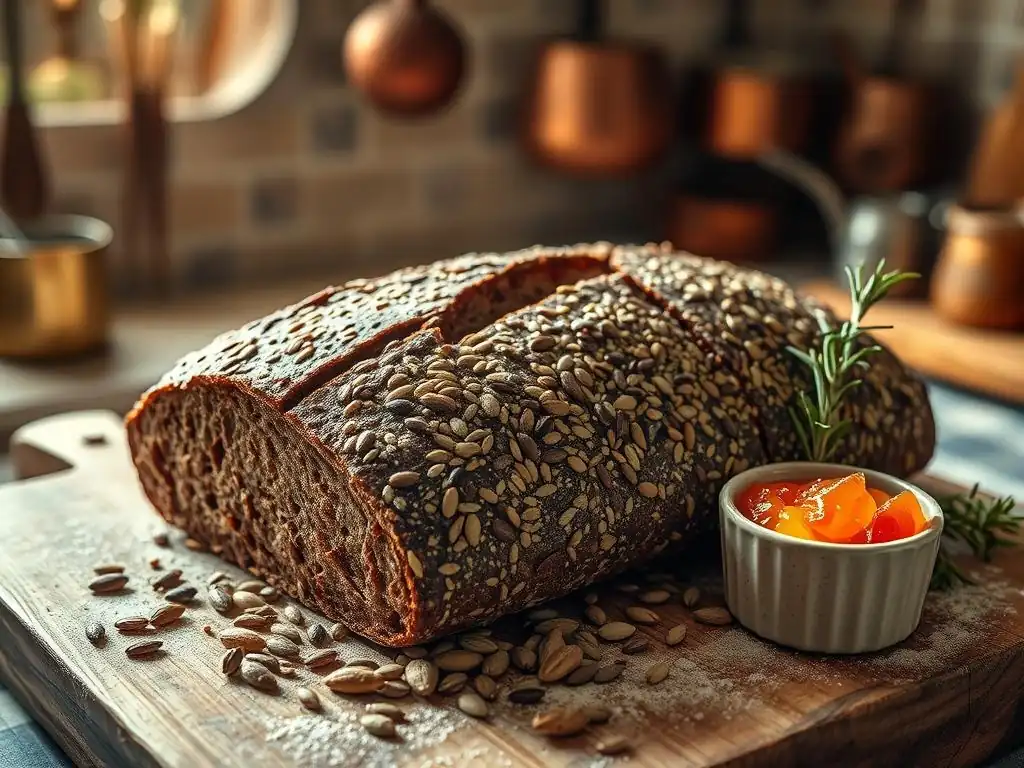
Bread Too Dense? Tips for a Lighter Texture
A common issue when baking seed bread recipes without nuts, especially those heavy with seeds, is a dense or heavy loaf. Seeds add weight and can interfere with gluten development or yeast activity if not managed correctly. One primary reason for density is insufficient kneading; proper kneading develops the gluten network, which traps the gasses produced by the yeast, allowing the bread to rise and achieve a lighter texture. Ensure you are kneading the dough thoroughly until it is smooth and elastic, typically 8-10 minutes by hand or 6-8 minutes in a stand mixer.
Another factor contributing to density can be the sheer volume and weight of the seeds. If a recipe calls for a very large quantity of seeds, they can weigh down the dough, making it difficult for it to rise adequately. Consider slightly reducing the total amount of seeds or using a mix that includes some smaller, lighter seeds like chia or poppy seeds.
Ensure your yeast is fresh and active (perform the proofing test if using active dry yeast). Also, make sure your water temperature is correct for yeast activation and that your rising environment is warm enough (around 75-80°F or 24-27°C is ideal) for optimal fermentation. Over-proofing can also lead to a dense crumb, as the gluten structure collapses after rising too long.
Seeds Sinking to the Bottom: Prevention Strategies
It can be frustrating when all the lovely seeds in your seed bread recipes without nuts end up pooled at the bottom of the loaf instead of being evenly distributed. This usually happens because the seeds are heavy and the dough is not strong enough to hold them in suspension during the rising and baking process. A key strategy to prevent sinking is to ensure your dough is properly developed and has sufficient strength. This goes back to adequate kneading; a well-developed gluten network is better able to support the weight of inclusions like seeds.
Another effective technique is to lightly flour the seeds before adding them to the dough. Toss the seeds in a tablespoon or two of flour – the same flour used in the recipe – until they are lightly coated. This flour coating helps the seeds adhere better to the strands of the dough's gluten network, preventing them from migrating downwards during proofing and baking.
Adding seeds during the last few minutes of kneading, rather than at the very beginning, can also help integrate them without overworking them into the dough, which might encourage sinking. Finally, avoid over-proofing the dough, as an overly relaxed dough is less likely to hold seeds in place.
Achieving a Crispy Crust on Nut-Free Seed Bread
A crispy crust is a hallmark of great bread, and you can certainly achieve this with seed bread recipes without nuts. The presence of seeds on the crust can even enhance the crispiness and add extra crunch. One of the most effective ways to ensure a crispy crust is to bake with steam. Steam in the oven during the initial phase of baking keeps the surface of the dough moist, allowing it to expand fully before the crust sets. Once the crust sets in a steamy environment, it tends to be thinner and crisper.
You can create steam by placing a pan of hot water on the bottom rack of your oven when you preheat it, or by carefully pouring hot water into a hot pan (like a cast iron skillet) placed on the bottom rack just as you put the bread in. Be cautious of the steam! Another method is to bake the bread in a Dutch oven or lidded pot; the lid traps the moisture released by the dough, creating a steamy environment.
Removing the lid for the last 15-20 minutes of baking allows the crust to dry out and become golden and crisp. Baking at a sufficiently high temperature (often 400-450°F or 200-230°C) is also essential for developing a good crust.
Storing and Enjoying Your Nut-Free Seed Bread
Proper Storage Techniques for Freshness
Proper storage is key to keeping your delicious seed bread recipes without nuts fresh and enjoyable for as long as possible. Unlike commercial breads that often contain preservatives, homemade seed bread typically has a shorter shelf life, usually peaking in freshness within the first 1-3 days. The best way to store a whole loaf is at room temperature, wrapped in a clean linen towel, beeswax wrap, or placed in a paper bag.
This allows the crust to remain relatively crisp while protecting the interior from drying out too quickly. Avoid storing fresh bread in plastic bags at room temperature, as this traps moisture and can make the crust soggy and encourage mold growth, especially in humid environments.
If you won't finish the loaf within a few days, freezing is an excellent option. Slice the cooled loaf completely, then wrap the slices tightly in plastic wrap or beeswax wrap and place them in a freezer-safe bag or container. Alternatively, you can freeze half or a whole loaf wrapped tightly.
Frozen seed bread can last for up to 3-4 months. To enjoy, simply take out the desired number of slices (or the whole loaf) and thaw at room temperature, or pop slices directly into a toaster. Freezing preserves the texture and flavor much better than refrigeration, which can actually dry out bread quickly.
Serving Suggestions and Pairing Ideas
Your homemade seed bread recipes without nuts are wonderfully versatile and can be enjoyed in countless ways. Freshly baked and still slightly warm, a slice with a smear of butter or a drizzle of olive oil is pure simple pleasure. The varied textures from the seeds make it particularly satisfying.
Consider these serving suggestions:
- Breakfast: Toast slices and top with avocado, scrambled eggs, or nut-free butter/seed butter and jam.
- Lunch: Use it as the base for open-faced sandwiches with hummus, sliced vegetables, or smoked salmon. It makes a sturdy and flavorful base.
- Soup Companion: Seed bread is excellent for dipping into hearty soups or stews, adding texture and substance.
- Snack: Simply enjoy a slice on its own, appreciating the nutty (from seeds!) flavor and satisfying crunch.
- Pairings: The earthy, slightly nutty flavor of seed bread pairs well with cheeses, especially sharp cheddar or goat cheese, and is a great accompaniment to salads.
The robust texture and flavor profile mean your seed bread recipes without nuts can stand up to strong toppings and pairings, making them a fantastic addition to any meal.
Seed Bread Variations: Beyond the Basic Nut-Free Recipes
Gluten-Free Seed Bread: A Nut-Free and Allergen-Friendly Option
For individuals managing both nut allergies and gluten intolerance or Celiac disease, creating a delicious and safe bread can be particularly challenging. Fortunately, seed bread recipes without nuts can be adapted to be entirely gluten-free. This typically involves replacing wheat flour with a blend of gluten-free flours such as rice flour, sorghum flour, oat flour (certified gluten-free), or buckwheat flour. The key to successful gluten-free seed bread often lies in utilizing the binding properties of ingredients like psyllium husk powder, xanthan gum, and especially seeds like chia and flax, which form gels to provide structure that gluten normally would.
A gluten-free seed bread might rely heavily on a mix of seeds for structure and texture, perhaps including a larger proportion of soaked chia and flax seeds to help bind the alternative flours. Recipes often incorporate ingredients like apple cider vinegar or a touch of sugar to aid the yeast (or baking powder/soda if yeast-free) and improve the texture. While the crumb might be denser than traditional wheat bread, a well-developed gluten-free seed bread recipe without nuts can still be incredibly satisfying, offering a hearty texture and packed with nutrients from the diverse seed blend.
Spiced Seed Bread: Adding Warmth and Flavor
Adding spices is a simple way to elevate your seed bread recipes without nuts and introduce wonderful warmth and complexity. Spices that pair particularly well with the earthy, slightly nutty flavors of seeds include cinnamon, cardamom, nutmeg, and even a pinch of cloves. These can lend a comforting, slightly sweet aroma and taste, perfect for a breakfast or snack bread. Savory spices like rosemary, thyme, black pepper, or even a touch of smoked paprika can transform the bread into a perfect accompaniment for savory meals.
Incorporating spices is straightforward: simply whisk the ground spices into the dry flour mixture before adding the wet ingredients. The amount can vary based on personal preference, but starting with 1-2 teaspoons of a single spice or a blend per loaf is a good starting point. For instance, a simple sunflower and pumpkin seed bread recipe without nuts could be enhanced with 1.5 teaspoons of cinnamon and a pinch of nutmeg, turning it into a spiced autumnal loaf. For a savory twist, add 1 tablespoon of finely chopped fresh rosemary and 1 teaspoon of black pepper to the dough.
Seed and Vegetable Bread: Incorporating Nutritious Additions
Taking your seed bread recipes without nuts a step further involves incorporating vegetables, adding moisture, nutrients, and unique flavors. Finely grated or pureed vegetables like zucchini, carrots, pumpkin, or even sweet potato can be mixed into the dough. These additions not only boost the nutritional profile but also contribute moisture, potentially resulting in a softer, more tender crumb. For example, adding 1/2 cup of finely grated zucchini (squeezed dry) or pureed pumpkin to a standard seed bread dough can add subtle sweetness and a beautiful color.
When adding vegetables, consider their water content. High-moisture vegetables like zucchini should be squeezed dry to avoid making the dough too wet, which could affect the rise and texture. Root vegetables like carrots or sweet potatoes can be grated finely or roasted and pureed. Start with a small amount, perhaps 1/4 to 1/2 cup per loaf, and adjust the liquid in the recipe as needed. This approach creates incredibly moist and flavorful seed bread recipes without nuts that are also packed with extra vitamins and fiber, offering a delicious way to sneak in some extra veggies.
Frequently Asked Questions
How can I adapt existing seed bread recipes that contain nuts?
Simply substitute the nuts with an equal amount of your favorite seed blend, such as pumpkin, sunflower, or flax seeds. You might need to slightly adjust the liquid depending on the seed's absorption.
What types of seeds are best for making seed bread without nuts?
Great options include sunflower seeds, pumpkin seeds (pepitas), flax seeds, sesame seeds, and chia seeds. Experiment to find your preferred combination of textures and flavors.
Do I need to toast the seeds before adding them to the bread dough?
Toasting the seeds is optional but enhances their flavor and adds a nutty aroma even without using nuts. Be careful not to burn them; a few minutes in a dry pan will do.
Can I use a mix of seeds in my seed bread recipe?
Absolutely! Using a variety of seeds will create a more complex flavor profile and a more interesting texture. Consider a mix of larger and smaller seeds for visual appeal.
Will seed bread without nuts be as flavorful as traditional nut-filled breads?
While the flavor will be different, seed bread can be incredibly flavorful. Focus on toasting the seeds, using high-quality ingredients, and experimenting with different seed combinations to achieve a delicious result.
Final Reflection: Sowing the Seeds of Culinary Creativity
The rising awareness of nut allergies and the increasing demand for inclusive recipes highlight the crucial need for alternative ingredients in baking. This exploration into the world of seed-based baking demonstrates that not only are delicious and nutritious alternatives readily available, but they also open up exciting new avenues for culinary creativity. The versatility of seeds, from the earthy richness of sunflower seeds to the subtle crunch of flax, offers a vast landscape for experimentation and innovation.
The shift towards seed-based baking isn't merely a response to dietary restrictions; it's a reflection of a broader cultural movement towards mindful eating and inclusivity. Food is symbolic of love when words are inadequate.
This quote perfectly encapsulates the power of baking, and the importance of ensuring everyone can participate in this act of sharing and connection, regardless of dietary needs. My own journey in developing these recipes has been one of discovery, constantly learning about the unique properties of different seeds and how they can be harnessed to create truly satisfying baked goods.
Now, it's your turn. Consider the possibilities that lie beyond the familiar. Experiment with different seed combinations, explore new flavors, and embrace the challenge of creating your own seed-based masterpieces. Don't be afraid to fail; each attempt is a step towards mastering a new skill and expanding your culinary horizons. The journey of baking with seeds is a rewarding one, filled with delicious discoveries and the satisfaction of creating something truly special. So, go forth, sow your seeds, and reap the rewards of culinary creativity!
Unlock the Nut-Free Baking Revolution!
Thanks for joining us on this seed-filled baking adventure! You've just discovered a world of delicious, allergy-friendly treats, and we're excited for you to explore further. Ready to get baking?
- Try one of our favorite seed-based recipes today! Find your perfect recipe match within our extensive collection. (Imagine the possibilities!)
- Share your seed-baking creations with us! We'd love to see your culinary masterpieces on social media. Use #BakeWithEaseSeedPower.
- Explore the diverse world of seeds – experiment with different textures and flavors. Which seed becomes your new favorite?
What unique seed combination will you try first to elevate your baking game?