
Macadamia Nuts in Baking: A Tropical Twist You'll Love

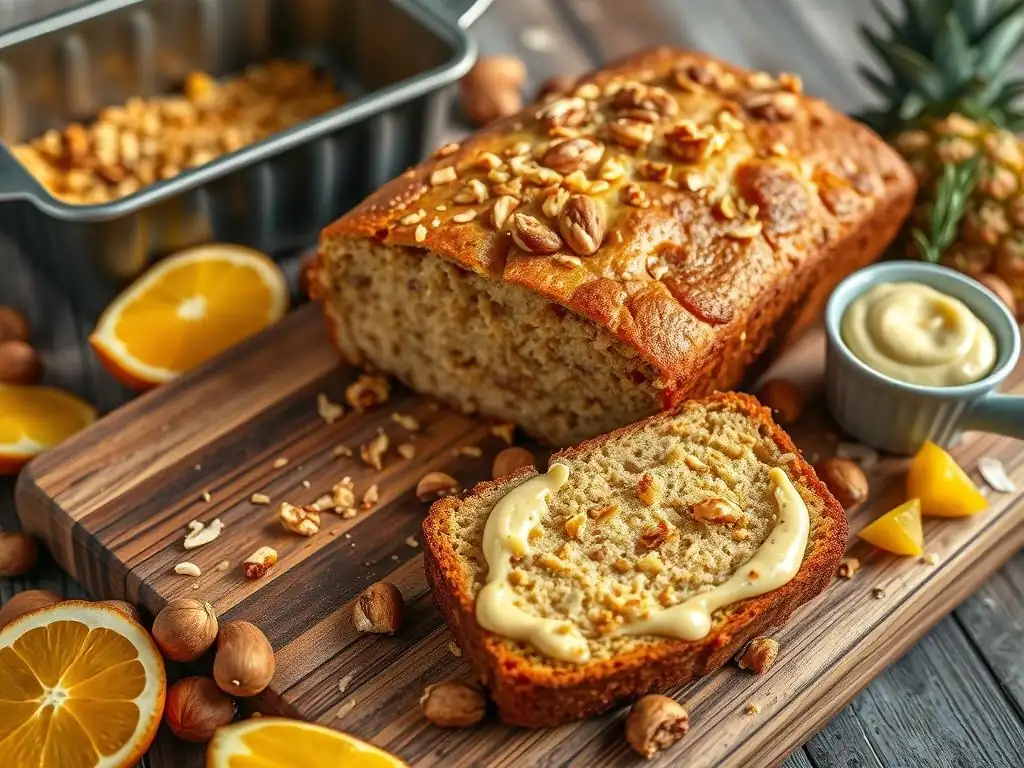
Welcome to BakeWithEase, your haven for unlocking the joy of baking! Ever wondered how to elevate your baked creations with a touch of tropical decadence? This week, we're diving deep into the world of Macadamia Nuts in Baking, exploring how these buttery treasures can transform your favorite recipes. Prepare to discover a collection of mouthwatering macadamia nuts baking recipes and unlock the secrets to incorporating them seamlessly into your next masterpiece. But that's just the beginning... what unexpected flavor pairings await? Let's explore!
- Baking Delights: Exploring Almonds in Baking
- Why Choose Almonds for Your Baking Recipes?
- Almond Baking Recipes: Ideas and Inspiration
- Tips and Tricks for Baking with Almonds
- Almond Baking Recipes: Troubleshooting Common Issues
- Expanding Your Almond Baking Repertoire
- Conclusion: Embrace the Nutty Goodness of Almonds in Your Baking
- Frequently Asked Questions
- Final Reflection: The Enduring Allure of Macadamia in Baking
- Unlock the Tropical Magic of Macadamia Nuts!
Baking Delights: Exploring Almonds in Baking
Almonds, with their delicate flavor and satisfying crunch, are a beloved ingredient in kitchens worldwide. But nowhere do they truly shine quite like in the oven. From classic French pastries to simple home-baked cookies, almonds lend a unique character that elevates ordinary baked goods into something truly special. Their versatility means they can be incorporated into recipes in countless ways, offering both structural support and bursts of flavor and texture.
Incorporating almonds into your baking isn't just about taste; it's also about adding depth and dimension to your creations. Whether you're a seasoned pro or just starting your baking journey, exploring almond baking recipes can open up a world of delicious possibilities. They pair beautifully with a wide range of other ingredients, including chocolate, fruits like berries and apples, and warm spices such as cinnamon and cardamom, making them a flexible choice for nearly any baking project.
Why Choose Almonds for Your Baking Recipes?
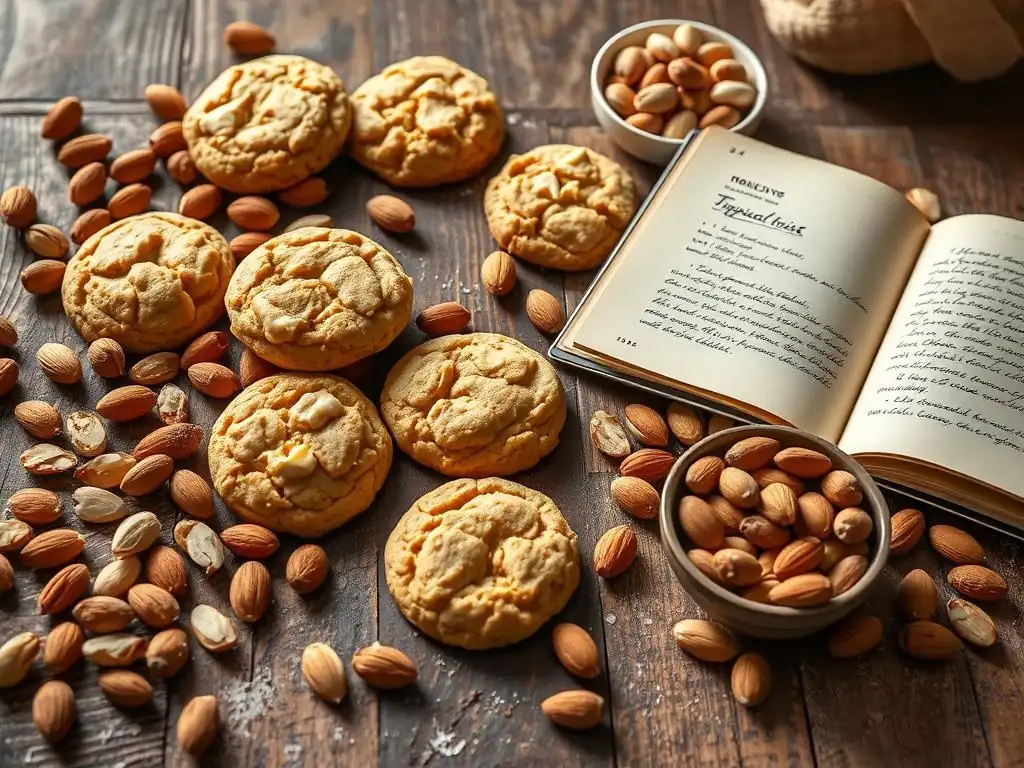
Almonds offer a compelling combination of flavor, texture, and nutritional value that makes them an excellent addition to almost any baking repertoire. Their inherent qualities contribute significantly to the final product, enhancing both taste and structure. Choosing almonds for your baking recipes is a decision that pays off in delicious results and added benefits.
Beyond their primary attributes, baking with almonds allows for creative exploration. They can transform the simplest recipe into something memorable, adding an unexpected layer of complexity. The ease with which they can be incorporated into various doughs, batters, and toppings further solidifies their status as a top-tier baking nut.
The Versatile Flavor Profile of Almonds in Baked Goods
Almonds possess a distinct, slightly sweet, and nutty flavor profile that is both subtle and complex. This makes them incredibly versatile in baked goods, as they don't overpower other flavors but instead complement them beautifully. Whether used whole, sliced, or ground into flour, almonds contribute an earthy richness that enhances everything from light, airy cakes to rich, dense brownies.
Consider classic pairings like almond and cherry tarts or almond and chocolate biscotti – the almond's flavor provides a perfect counterpoint to the sweetness of fruit or the intensity of chocolate. In a simple butter cookie, ground almonds add a delicate marzipan-like note, while in a savory almond bread, they provide a grounding, earthy undertone. This adaptability ensures that almonds can find a place in a vast array of baking recipes, adding depth and interest without dominating the palate.
Almonds: A Variety of Textures for Baking
One of the greatest advantages of baking with almonds is the range of textures they can provide. Depending on how they are prepared and incorporated, almonds can contribute anything from a satisfying crunch to a tender crumb. Whole or slivered almonds added to cookie dough or sprinkled on top of muffins offer a delightful crispness that contrasts with the softer baked good.
Finely ground almonds, often referred to as almond meal or flour, contribute to a moist and tender texture in cakes, muffins, and quick breads. This is particularly useful in gluten-free baking, where almond flour can replace a portion or all of the wheat flour, resulting in a delicate crumb. Chopped almonds provide a more substantial chewiness, perfect for brownies or fruit crisps. This variety in texture allows bakers to achieve desired results, adding layers of sensory experience to their creations.
Nutritional Benefits of Adding Almonds to Baking
Adding almonds to your baking recipes isn't just about improving taste and texture; it also boosts the nutritional profile of your baked goods. Almonds are packed with beneficial nutrients, including healthy monounsaturated fats, fiber, protein, vitamin E, and magnesium. While baking can alter some nutrient levels, a significant portion of these benefits remains, making your treats a little more wholesome.
For example, a standard 1-ounce serving of almonds (about 23 nuts) contains roughly 6 grams of protein and 3.5 grams of fiber, along with a significant amount of vitamin E, an antioxidant. Incorporating a cup of chopped almonds into a batch of muffins adds these valuable nutrients, contributing to satiety and providing essential vitamins and minerals. While baked goods are often enjoyed as a treat, using almonds allows you to sneak in some nutritional goodness without compromising on flavor or indulgence.
Almond Baking Recipes: Ideas and Inspiration
Ready to start baking with almonds? There are countless delicious recipes waiting to be explored. From simple drop cookies to elaborate layer cakes, almonds can be the star or a supporting player in a wide variety of baked delights. Here are some classic and creative ideas to get you started on your almond baking journey.
Whether you're craving something sweet for dessert, a treat for breakfast, or a unique savory bread, there's an almond baking recipe perfect for the occasion. The beauty of almond recipes is their adaptability; once you understand how almonds behave in different contexts, you can start experimenting and developing your own signature baked goods.
Almond cookies are a staple in many cultures, loved for their delicate flavor and often crisp or chewy texture. From Italian biscotti to French macarons and simple butter cookies studded with nuts, the variations are endless. A basic almond cookie dough provides a perfect canvas for customization, allowing you to add chocolate chips, dried fruit, or citrus zest.
A classic almond cookie often involves creaming butter and sugar, then incorporating flour and finely ground almonds. The ratio of ingredients determines the final texture – more butter and sugar can lead to a chewier cookie, while a higher proportion of flour and ground almonds can result in a crispier or more tender bite. These simple yet satisfying almond baked goods are perfect for gifting or enjoying with a cup of tea or coffee.
Perfecting the Almond Cookie Dough
Creating the perfect almond cookie dough starts with understanding your desired outcome. For a crisp cookie, ensure your butter and sugar are creamed until light and fluffy, incorporating air. Use finely ground almond flour or meal for a tender crumb, or chopped/sliced almonds for crunch. Chilling the dough before baking is often crucial, especially for slice-and-bake or cut-out cookies, as it prevents excessive spreading and helps maintain shape.
Accuracy in measurement is key, particularly with the ratio of flour (both wheat and almond, if using) to fat. Overworking the dough can result in tough cookies, so mix until just combined after adding the dry ingredients. If using whole or chopped almonds, fold them in gently to ensure even distribution without developing the gluten too much. Achieving the right consistency ensures your almond cookies bake up beautifully every time.
Baking Almond Cookies to Golden Perfection
Baking almond cookies requires attention to detail to achieve that coveted golden color and ideal texture. Oven temperature is critical; typically, 350°F (175°C) is a good starting point, but this can vary depending on the recipe and cookie size. Placing cookies on parchment paper-lined baking sheets prevents sticking and promotes even browning.
Baking time will depend on the thickness and size of the cookies. Look for edges that are set and lightly golden, while the centers may still appear slightly soft (they will firm up as they cool). Over-baking can lead to a dry, hard cookie, while under-baking might result in a fragile or doughy texture. Allow the cookies to cool on the baking sheet for a few minutes before transferring them to a wire rack to cool completely. This process ensures they hold their shape and develop the perfect crispness or chewiness.
Almond Brownies: Adding a Nutty Depth
Adding almonds to brownies introduces a wonderful nutty depth and satisfying texture contrast to the rich, fudgy chocolate base. Whether you stir in chopped almonds, sprinkle slivered almonds on top, or even incorporate almond butter or extract into the batter, the result is a more complex and interesting brownie. Almond brownies are a fantastic way to elevate a classic treat.
The key to great almond brownies lies in balancing the intense chocolate flavor with the subtle nuttiness of the almonds. Using high-quality chocolate is essential for a fudgy texture, and the addition of almonds provides bursts of crunch that cut through the richness. This combination creates a truly irresistible dessert that appeals to both chocolate and nut lovers.
Creating the Ultimate Fudgy Almond Brownie
To create the ultimate fudgy almond brownie, start with a recipe that relies on melted chocolate and butter for its structure rather than just cocoa powder. This foundation ensures a dense, moist interior. Incorporate chopped almonds into the batter towards the end of mixing, folding them in gently to distribute them evenly. Aim for a generous amount of almonds – perhaps 1/2 to 1 cup for a standard 9x13 inch pan – to ensure a good nutty presence in every bite.
Bake the brownies until the edges are set and a toothpick inserted near the center comes out with moist crumbs, not wet batter. Avoid over-baking, as this is the quickest way to lose that coveted fudgy texture. Baking at around 325°F (160°C) can help achieve a denser, fudgier result compared to a higher temperature. Allowing the brownies to cool completely in the pan before cutting is also crucial for clean slices and maximum fudginess.
Almond Brownie Variations: [Espresso, Raspberry]
Once you've mastered the basic almond brownie, try some exciting variations. Adding a tablespoon or two of espresso powder to the batter intensifies the chocolate flavor and pairs wonderfully with the almonds, creating Espresso Almond Brownies. The slight bitterness of the coffee enhances both the chocolate and the nut notes.
For a fruity twist, swirl raspberry jam or fresh raspberries into the batter before baking to create Raspberry Almond Brownies. The tartness of the raspberries provides a bright contrast to the rich chocolate and nutty almonds. You could also sprinkle freeze-dried raspberries on top for added visual appeal and intense flavor. Other delicious additions include white chocolate chips, shredded coconut, or a swirl of almond butter.
Almond Cakes: From Simple to Spectacular
Almonds can transform cakes into moist, flavorful, and elegant desserts. From simple everyday coffee cakes to multi-layered celebration cakes, the addition of almonds in various forms contributes both flavor and texture. Almond cakes often have a delicate crumb and a sophisticated taste that makes them a favorite for many occasions.
Whether you incorporate ground almonds into the batter, use almond extract for flavoring, or top the cake with sliced or slivered almonds, the presence of this nut elevates the final product. Almond cakes are wonderfully versatile and can be paired with a variety of frostings, glazes, and fruits.
Almond Coffee Cake: A Breakfast Baking Staple
Almond coffee cake is a delightful way to incorporate almonds into a more casual, everyday bake. These cakes are typically moist and often feature a streusel topping containing chopped almonds. The batter itself can also include ground almonds for added tenderness and flavor. A classic almond coffee cake might use sour cream or yogurt to ensure a moist crumb.
For the streusel topping, combine flour, sugar, butter, cinnamon, and a generous amount of chopped or slivered almonds. Sprinkle this mixture generously over the cake batter before baking. As it bakes, the streusel forms a slightly crisp, buttery, and nutty layer that provides a wonderful contrast to the soft cake underneath. Serve warm with coffee or tea for a comforting treat.
Almond Layer Cake: An Elegant Dessert Choice
An almond layer cake is perfect for special occasions. Incorporating finely ground almonds into the cake batter creates a tender, flavorful crumb that pairs beautifully with various fillings and frostings. Consider adding a touch of almond extract to enhance the nutty flavor without adding texture.
A classic almond layer cake might be paired with a simple vanilla or almond buttercream frosting. For added elegance, fill the layers with raspberry jam or lemon curd, which complement the almond flavor wonderfully. Decorate the outside with toasted slivered almonds pressed into the sides or sprinkled on top. This creates a visually appealing and delicious dessert that highlights the almond's delicate nature.
Almond Bread: A Savory and Sweet Option
Almonds aren't just for sweet treats; they can also be incorporated into both sweet and savory breads. Adding almonds provides texture, flavor, and nutritional value to your loaves. Whether you're making a quick bread or a yeast-leavened loaf, almonds can offer a unique and satisfying addition.
From moist banana bread studded with almonds to savory loaves perfect for sandwiches, baking with almonds in bread opens up new possibilities. The slight crunch and nutty flavor complement both sweet and savory profiles, making almond bread a versatile option for any time of day.
Baking Almond Banana Bread: A Nutty Twist on a Classic
Almond banana bread is a popular variation on the beloved quick bread. The sweetness of ripe bananas pairs exceptionally well with the nutty flavor of almonds. Stir chopped almonds into the batter before baking, or sprinkle slivered almonds on top for added crunch and visual appeal.
Use overripe bananas for maximum sweetness and moisture. Creamed butter and sugar, combined with mashed bananas, eggs, and flour, form the base. Gently fold in about 1/2 cup to 1 cup of chopped almonds per loaf. Bake until a toothpick inserted into the center comes out clean. The almonds add a delightful texture contrast to the soft, moist banana bread.
Almond Quick Bread: A Simple Baking Project
An almond quick bread is a simple baking project that doesn't require yeast or kneading. These breads rely on baking powder or soda for leavening. You can incorporate ground almonds directly into the batter for a tender crumb or add chopped almonds for texture. A simple almond quick bread can be flavored with vanilla, lemon zest, or even a touch of spice.
Mix dry ingredients (flour, baking powder, salt, sugar, ground/chopped almonds) separately from wet ingredients (eggs, milk, melted butter or oil, extract). Combine the wet and dry ingredients just until moistened. Pour into a greased loaf pan and bake until golden brown and a skewer comes out clean. This type of almond bread is delicious on its own, toasted, or spread with butter or cream cheese.
Tips and Tricks for Baking with Almonds
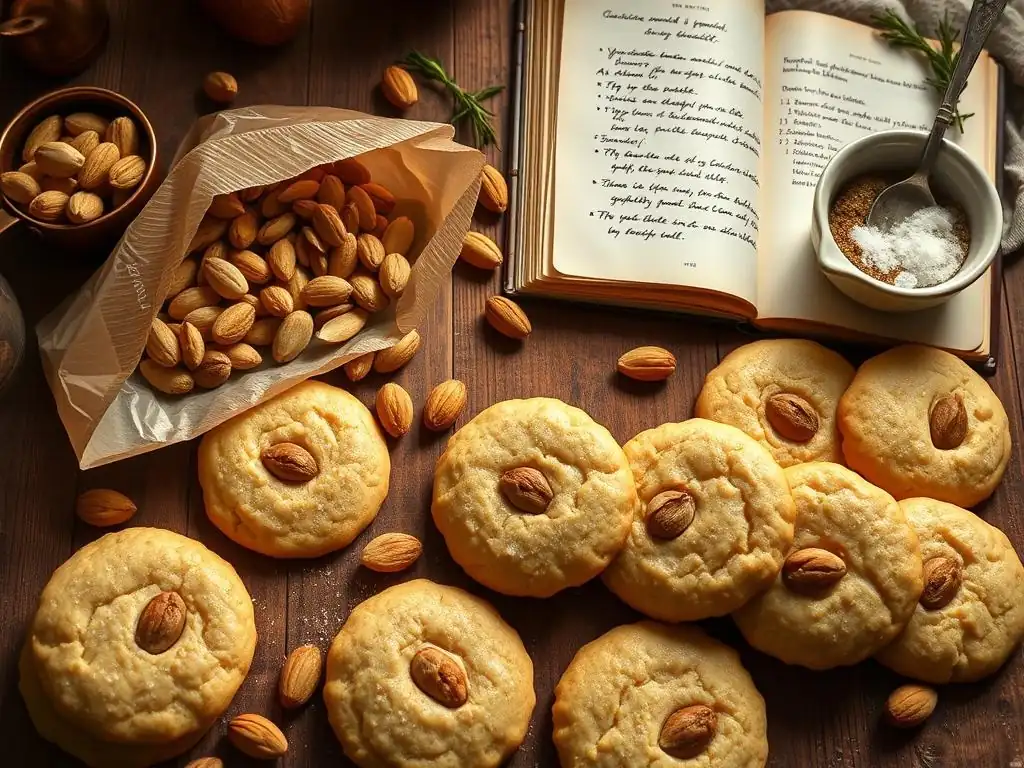
Working with almonds in baking is generally straightforward, but a few tips can help ensure the best results. Proper preparation, storage, and sourcing all play a role in the flavor and texture of your finished almond baked goods.
Mastering these simple techniques will help you maximize the potential of almonds in your baking, leading to more successful and delicious outcomes.
Preparing Almonds for Baking: Blanching, Slicing, and Roasting
How you prepare your almonds can significantly impact their role in a recipe. Blanching (briefly boiling to remove skins) yields a smoother nut, often used for almond paste or finely ground flour. To blanch, drop almonds in boiling water for about 60 seconds, drain, and the skins should slip off easily.
Slicing or slivering almonds is often done after blanching. These forms are excellent for toppings, decoration, or adding delicate texture. Roasting almonds before adding them to a recipe deepens their flavor and enhances their crunch. Spread almonds in a single layer on a baking sheet and roast at 300-325°F (150-160°C) for 8-15 minutes, stirring occasionally, until fragrant and lightly colored. Let them cool completely before using.
Storing Almonds to Maintain Freshness
Almonds contain natural oils that can go rancid if not stored properly, affecting the flavor of your baked goods. To maintain their freshness and quality, store almonds in an airtight container away from heat, light, and moisture.
For short-term storage (a few weeks), a cool, dark pantry is sufficient. For longer storage (several months), the refrigerator or freezer is ideal. Refrigerated almonds can last up to a year, while frozen almonds can last even longer. Ensure the container is tightly sealed to prevent them from absorbing odors from other foods. Always check for any off smells before using stored almonds in your baking.
Sourcing High-Quality Almonds for Best Baking Results
The quality of your almonds directly impacts the flavor of your almond baked goods. Look for almonds that appear plump, uniform in color, and free from blemishes or shriveling. They should have a fresh, nutty aroma, not stale or bitter.
Purchasing from reputable sources with good turnover ensures you are getting fresh nuts. Buying organic or raw almonds can also be a preference for some bakers. While pre-sliced or slivered almonds are convenient, buying whole almonds and preparing them yourself (blanching, slicing, roasting) just before use can sometimes yield a fresher flavor.
Almond Baking Recipes: Troubleshooting Common Issues
Even experienced bakers can encounter issues when working with nuts. Understanding potential problems and how to address them can save your almond baking creations.
Here are a couple of common challenges when baking with almonds and how to troubleshoot them effectively.
Preventing Almonds from Burning in Baked Goods
Almonds, especially sliced or slivered ones on the surface of baked goods, can brown and burn faster than the rest of the item, particularly in hot ovens. The thin edges are prone to scorching.
To prevent burning, consider roasting your almonds lightly before adding them to the recipe. This develops their flavor without risking burning during the main bake. If using them as a topping on something that bakes for a long time, like a pie or quick bread, you can cover the top loosely with foil for part of the baking time. Alternatively, add the almonds during the last 15-20 minutes of baking. If incorporating into a batter, ensure they are mixed in thoroughly rather than sitting exposed on top.
Achieving the Perfect Almond Distribution in Your Baked Goods
Uneven distribution of almonds can lead to some bites being packed with nuts while others have none. This is particularly a problem in batters for muffins, cakes, or quick breads.
To ensure even distribution, try tossing chopped or sliced almonds with a tablespoon or two of the dry ingredients (flour, sugar) from the recipe before folding them into the wet batter. This coating helps prevent the nuts from sinking to the bottom during baking. When folding into a batter, do so gently and just until they are dispersed; overmixing can cause them to clump or sink. For cookie doughs, ensure the nuts are mixed in thoroughly before portioning.
Expanding Your Almond Baking Repertoire
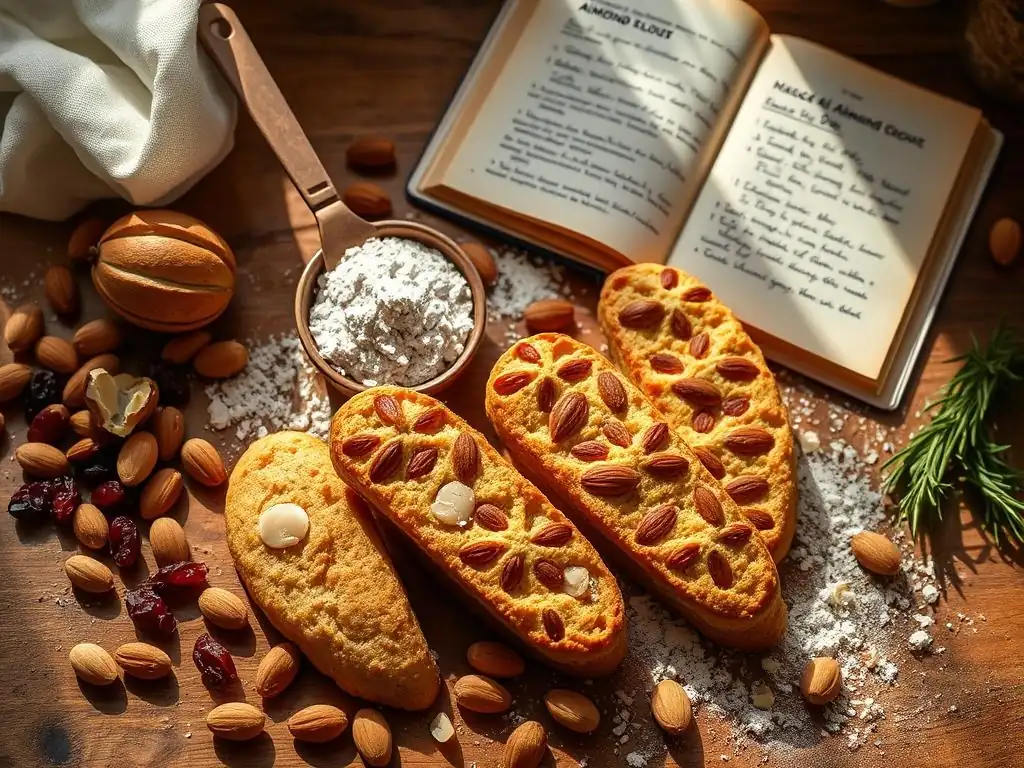
Once you're comfortable with basic almond baking recipes, there are many ways to further incorporate this versatile nut into your creations. Think beyond just mixing them into batters and explore how almonds can be used in different forms and applications.
These additional uses for almonds can add sophisticated textures and flavors to a variety of desserts.
Almond Crusts: For Pies and Tarts
Almonds make an excellent base for pie and tart crusts, offering a tender crumb and a nutty flavor that pairs well with fruit or cream fillings. An almond crust is often made by pulsing ground almonds or almond flour with flour, sugar, and cold butter in a food processor until coarse crumbs form, then pressing the mixture into a pie plate or tart pan.
This type of crust can be pre-baked (blind-baked) for custard or no-bake fillings, or filled and baked along with the filling for fruit pies. The ground almonds contribute to a delicate, slightly crumbly texture that is distinct from a traditional flour crust.
Almond Toppings: Adding Crunch and Flavor
Sprinkling almonds on top of baked goods is one of the simplest yet most effective ways to add texture and flavor. Sliced, slivered, or chopped almonds can be scattered over muffins, scones, coffee cakes, fruit crisps, or even bread before baking.
As the baked good rises and bakes, the almonds become toasted and crunchy, providing a delightful contrast to the soft interior. Consider combining almonds with sugar and cinnamon for a simple streusel or glaze them with a little melted butter and sugar before sprinkling for extra flavor and crunch.
Almond Flour: A Gluten-Free Baking Essential
Almond flour, made from finely ground blanched almonds, is a staple in gluten-free baking but can also be used in traditional recipes. It adds moisture, richness, and a tender crumb to baked goods. It's commonly used in macarons, financiers, and gluten-free cakes and cookies.
When substituting almond flour for wheat flour, remember that it behaves differently. It lacks gluten, so it won't provide the same structure. Often, a portion of wheat flour is replaced, or binders like eggs or xanthan gum are used in gluten-free recipes. Almond flour absorbs moisture differently, so liquid ratios may need adjustment. It's a fantastic ingredient for adding flavor and improving texture in many baking applications.
Conclusion: Embrace the Nutty Goodness of Almonds in Your Baking
Almonds are truly a gem in the world of baking. Their subtle yet distinct flavor, coupled with the variety of textures they can provide – from crisp crunch to tender crumb – makes them an invaluable ingredient for bakers of all levels. Whether you're whipping up simple cookies, rich brownies, elegant cakes, or hearty breads, incorporating almonds adds a layer of sophistication and deliciousness.
We've explored everything from classic almond cookie dough techniques to preventing nuts from burning and utilizing almond flour in gluten-free baking. With a little preparation and creativity, you can easily integrate almonds into your favorite recipes or discover new ones. So, stock up on fresh almonds, try out some new almond baking recipes, and enjoy the delightful nutty goodness they bring to your kitchen!
Frequently Asked Questions
How can macadamia nuts enhance my baking?
Macadamia nuts add a rich, buttery flavor and satisfying crunchy texture to baked goods. Their high fat content contributes to a moist and tender crumb, making them a delightful addition to many recipes. They also provide a hint of tropical sweetness.
What are some popular ways to incorporate macadamia nuts into baking recipes?
Macadamia nuts can be used in various ways, such as chopped and added to cookies, ground into flour for cakes, or used as a topping for pies. They are particularly delicious in white chocolate macadamia nut cookies, but their versatility allows for creativity.
Are macadamia nuts a healthy addition to baked goods?
While macadamia nuts are high in fat, they contain healthy monounsaturated fats and essential nutrients. However, remember that baked goods often contain sugar and other ingredients, so moderation is key for a balanced diet.
Where can I find high-quality macadamia nuts for baking?
Look for fresh, whole or halved macadamia nuts at your local grocery store, specialty nut shops, or online retailers. Ensure they are properly stored in an airtight container to maintain their quality and prevent them from going rancid.
What types of baking recipes pair well with macadamia nuts?
Macadamia nuts complement a wide range of flavors, including chocolate, caramel, vanilla, and tropical fruits. They work particularly well in cookies, cakes, brownies, and pies, but also add a unique touch to bread and muffins.
Final Reflection: The Enduring Allure of Macadamia in Baking
The creamy richness of macadamia nuts, once a luxurious indulgence, is increasingly finding its way into everyday baking, transforming familiar recipes into extraordinary experiences. Their unique flavor profile, a delightful blend of buttery sweetness and subtle hints of hazelnut, offers a versatility that continues to captivate both professional bakers and home cooks alike. This isn't just a fleeting trend; it's a testament to the enduring appeal of high-quality, flavorful ingredients.
The rise of macadamia nuts in baking reflects a broader shift towards incorporating more natural, flavorful ingredients into our diets. We're moving away from artificial enhancements and embracing the inherent goodness of nature's bounty. This appreciation for quality ingredients resonates deeply with me, as I've witnessed firsthand the transformative power of a simple addition like macadamia nuts to elevate a classic recipe. The best things in life are simple,
a sentiment that perfectly encapsulates the magic of macadamia nuts in baking. Their elegance lies in their simplicity, enhancing rather than overpowering the other flavors in a recipe.
Now, I invite you to explore the possibilities. Don't be afraid to experiment! Try incorporating macadamia nuts into your favorite cookie recipe, or perhaps create a decadent macadamia nut crumble topping for your next pie. Let the unique flavor and texture inspire you to create your own signature macadamia nut baking masterpiece. The journey of culinary exploration is a rewarding one, and with macadamia nuts as your guide, the possibilities are truly endless.
Unlock the Tropical Magic of Macadamia Nuts!
Thanks for exploring the delightful world of macadamia nuts in baking! We hope you’ve discovered some delicious inspiration for your next culinary adventure. Ready to put your newfound knowledge to the test?
- Bake a batch of our signature Macadamia Nut Brownies: This recipe is a perfect starting point to experience the unique buttery flavor and satisfying crunch of macadamia nuts. Find the recipe on BakeWithEase.com (Not actually linked).
- Share your macadamia nut creations: Show us your baking masterpieces on social media using #BakeWithEaseMacadamia! Let's build a community of macadamia-loving bakers.
- Experiment with different macadamia nut varieties: Did you know there are different types of macadamia nuts? Try sourcing some Hawaiian macadamias for a unique flavor experience.
What's your favorite way to incorporate macadamia nuts into your baking? Share your ideas below!