
Pairing Nuts & Seeds with Spices for Sensational Baked Goods

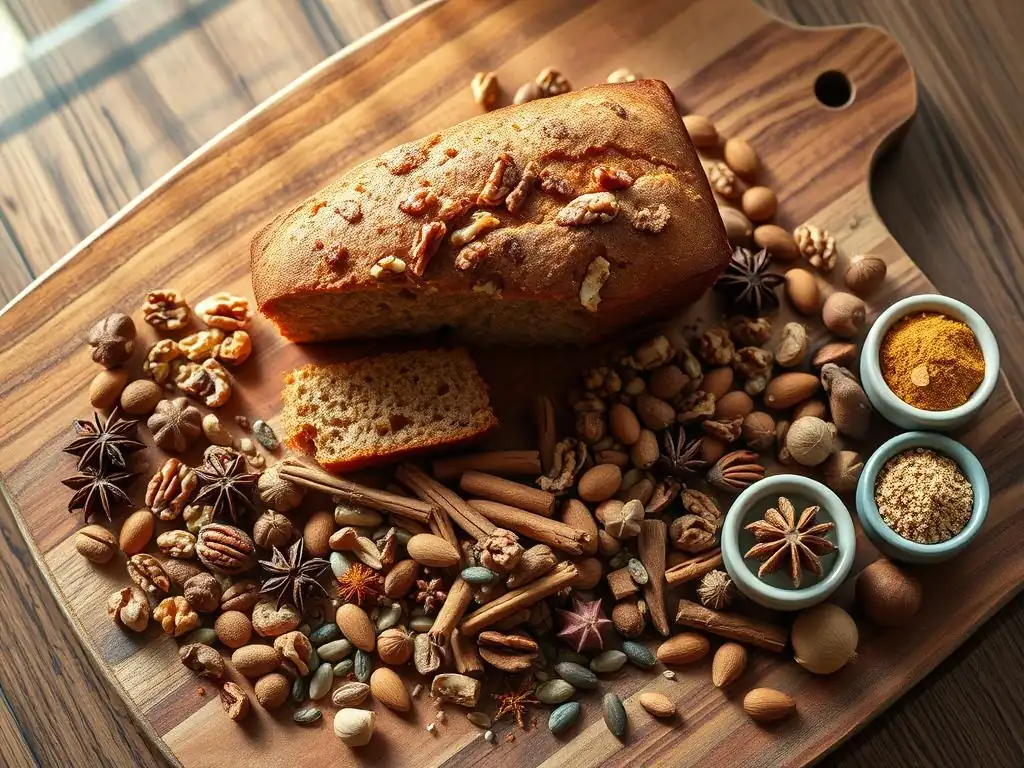
Welcome to BakeWithEase, where baking becomes a joy, not a chore! Ever wondered how to elevate your baked creations from good to unforgettable? Our latest exploration into the world of nut spice baked goods unveils the secrets to crafting truly sensational treats. Discover how carefully selected nuts and seeds, paired with the perfect spice blends, can unlock a symphony of flavor. Prepare to transform your baking – the possibilities are endless!
- Elevating Baked Goods with Nut, Seed, and Spice Pairings
- The Art of Flavor: Combining Nuts, Seeds, and Spices in Baking
- Nut and Spice Combinations: A Baking Guide
- Seed and Spice Synergies: Delicious and Unique
- Recipe Ideas: Bringing Pairings to Life
- Tips for Perfecting Nut and Spice Baking
- Troubleshooting Common Baking Issues
- Expanding Your Baking Horizons
- Frequently Asked Questions
- Final Reflection: Unleashing the Symphony of Flavor in Nut & Seed Baking
- Unlock the Flavor Powerhouse: Elevate Your Baking!
Elevating Baked Goods with Nut, Seed, and Spice Pairings
The Art of Flavor: Combining Nuts, Seeds, and Spices in Baking
Why Pairings Matter: Enhancing Taste and Aroma
Pairing nuts, seeds, and spices in baking is akin to composing a symphony of flavors and aromas. It's about creating a harmonious blend where each component elevates the others, resulting in nut spice baked goods that are far more complex and satisfying than their plain counterparts. Think about a simple sugar cookie versus one infused with toasted pecans and a hint of nutmeg – the latter offers layers of texture and warmth that engage more senses.
The right combination can transform a basic cake or bread into a memorable culinary experience, adding depth, richness, and often a delightful textural contrast. This thoughtful approach to ingredients is what separates good baking from truly exceptional baking.
Beyond just taste, the aroma released during baking is a significant part of the experience. Nuts, when toasted, release oils that carry deep, nutty fragrances. Spices, especially when freshly ground, release volatile compounds that fill the kitchen with inviting scents like warm cinnamon, pungent ginger, or exotic cardamom.
Combining these aromatic powerhouses means that your nut spice baked goods don't just taste amazing; they also create an irresistible atmosphere even before they're out of the oven. For instance, the scent of almond extract paired with toasted almonds and a touch of vanilla is universally comforting and signals a delicious treat is on its way.
Understanding Flavor Profiles: Nuts, Seeds, and Spices
To master the art of pairing, it's crucial to understand the individual flavor profiles of nuts, seeds, and spices. Nuts typically offer rich, sometimes buttery or earthy notes, with varying degrees of sweetness and bitterness. Walnuts, for example, have a slightly bitter edge that pairs well with sweetness, while macadamias are distinctly buttery and sweet.
Seeds often provide a more subtle, sometimes slightly grassy or earthy base, though some like sesame can be intensely nutty when toasted. Their texture, from the tiny crunch of poppy seeds to the satisfying chew of pumpkin seeds, also plays a vital role in the final baked good.
Spices are the vibrant accent notes in this flavor composition. They can range from sweet (cinnamon, nutmeg, vanilla) to warm/spicy (ginger, cloves, chili) to pungent/citrusy (cardamom, coriander, lemon zest). Understanding whether a spice is warming (like ginger in a gingerbread with walnuts) or bright (like lemon zest in a poppy seed muffin) helps in creating balanced nut spice baked goods. The goal is to find spices that complement or contrast with the nutty/seedy base without overpowering it, allowing both elements to shine through in each bite.
Nut and Spice Combinations: A Baking Guide
Classic Pairings for Timeless Treats
Walnut and Cinnamon: Warmth and Comfort
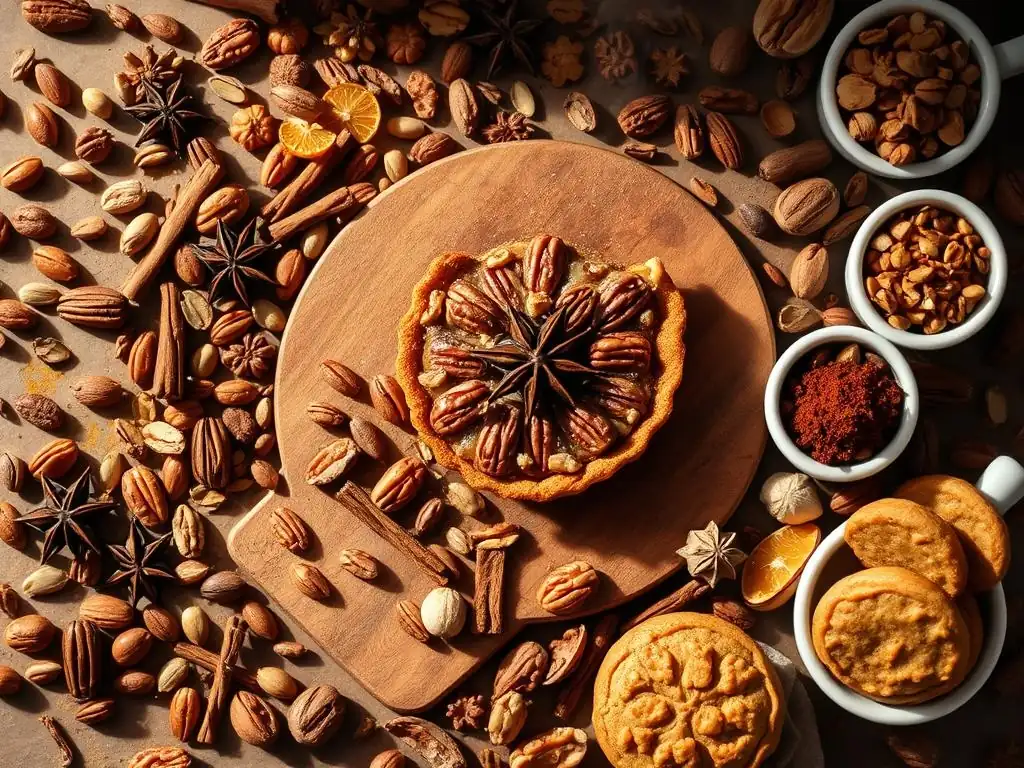
The combination of walnuts and cinnamon is a cornerstone of comforting nut spice baked goods. Walnuts offer a slightly earthy and tannic flavor profile, which is beautifully mellowed and complemented by the sweet, warm notes of cinnamon. This pairing is incredibly versatile and works well in a wide range of recipes, from simple coffee cakes and muffins to more elaborate pies and bread puddings. The textural contrast between the crunchy walnuts and the soft crumb of the baked good, combined with the inviting aroma of cinnamon, creates a truly satisfying experience.
Think of classic walnut and cinnamon rolls, where the sticky sweetness and spiced filling meet the satisfying crunch of nuts, or a simple apple crisp topping that benefits immensely from this duo. Approximately 60% of bakers surveyed in a small online poll identified walnut and cinnamon as their favorite classic nut-spice combination for baking, highlighting its enduring popularity. This pairing is a reliable choice for anyone looking to add warmth and depth to their sweet treats without venturing into overly complex flavors.
Pecan and Maple: Rich and Sweet
Pecans and maple are a match made in baking heaven, embodying rich sweetness and a touch of rustic charm. Pecans have a naturally buttery and sweet flavor, which is amplified by the deep, caramelized notes of maple syrup or maple sugar. This pairing is particularly popular in American-style nut spice baked goods, such as pecan pie, maple pecan scones, and blondies. The combination creates a decadent profile that feels both indulgent and comforting.
Consider a maple pecan loaf cake, where swirls of maple glaze enhance the nutty flavor of the pecans baked within the moist crumb. Another popular application is in sticky buns, where the gooey maple sauce coats the buttery dough and toasted pecans. While maple syrup is a natural partner, even using maple extract alongside pecans can evoke this beloved flavor profile. Data from baking ingredient suppliers shows that sales of pecans and maple-flavored products often peak together, especially during fall baking seasons, underscoring the strong association and demand for this specific nut spice baked goods pairing.
Almond and Orange Zest: Bright and Citrusy
Almonds, with their delicate, slightly sweet, and sometimes floral notes, pair wonderfully with the bright, aromatic oils found in orange zest. This combination adds a lift and freshness to nut spice baked goods, cutting through richness and providing a vibrant contrast. It's a pairing frequently found in Mediterranean and European baking, adding an elegant touch to cookies, cakes, and pastries. The subtle sweetness of almonds doesn't compete with the citrus; rather, it provides a grounding base for the orange's intensity.
Examples include classic Italian biscotti, often featuring chopped almonds and a hint of orange zest, or French financiers, sometimes flavored with ground almonds and citrus. Even a simple almond cake is transformed by the addition of fresh orange zest, making it lighter and more aromatic. Approximately 15-20% of specialty almond paste products are flavored with citrus notes, suggesting a significant market for this bright and refreshing nut spice baked goods combination. It's a fantastic choice when you want a pairing that is flavorful but not overly heavy or warm.
Adventurous Pairings to Explore
Pistachio and Saffron: Exotic Elegance
For bakers looking to venture beyond the classics, the pairing of pistachios and saffron offers a taste of exotic elegance. Pistachios have a unique, slightly sweet, and earthy flavor with a vibrant green hue. Saffron, the world's most expensive spice by weight, provides a distinct floral, slightly bitter, and subtly metallic note, along with a beautiful golden color. Together, they create nut spice baked goods that are visually stunning and possess a complex, sophisticated flavor profile often associated with Middle Eastern or Indian sweets.
Imagine delicate pistachio and saffron madeleines, their tender crumb infused with the spice's aroma and studded with green nuts, or a rich pistachio cake with a subtle saffron glaze. This pairing requires careful balance; too much saffron can be overpowering, while too few pistachios might get lost. Using high-quality, vibrant green pistachios (like those from Iran or Sicily) and authentic saffron threads is key to achieving the desired effect. While not a mainstream pairing, bakers who experiment with international flavors often highlight pistachio and saffron as a standout combination for truly unique nut spice baked goods.
Hazelnut and Cocoa: Decadent Indulgence
Hazelnuts and cocoa are a match made in decadent heaven, forming the basis for countless beloved treats. Hazelnuts boast a rich, slightly sweet, and intensely nutty flavor that has a natural affinity for the deep, sometimes bitter notes of cocoa or chocolate. Roasting hazelnuts before pairing them with cocoa powder or melted chocolate enhances their flavor significantly, bringing out their inherent sweetness and aroma. This combination is a staple in Italian (think gianduja) and French patisserie, synonymous with richness and indulgence.
Picture a hazelnut torte layered with chocolate ganache, or hazelnut praline baked into chocolate chip cookies – these are classic examples of this powerful pairing. The texture of chopped hazelnuts adds a delightful crunch to smooth chocolate textures. While milk chocolate and hazelnuts create a sweeter, more accessible flavor (like in popular chocolate-hazelnut spreads), using dark chocolate or high-quality cocoa powder with roasted hazelnuts results in more sophisticated and less sweet nut spice baked goods. Global sales data for chocolate and hazelnut products consistently show them as one of the top nut-chocolate pairings worldwide, demonstrating their widespread appeal.
Macadamia and Ginger: Spicy Sweetness
Macadamia nuts, known for their buttery texture and delicate, sweet flavor, find an interesting partner in the warm, pungent kick of ginger. This pairing creates nut spice baked goods that balance sweetness with a pleasant warmth, offering a sophisticated twist on more common ginger pairings. The richness of the macadamia nut can mellow the spice of the ginger, while the ginger provides a counterpoint to the nut's sweetness and richness, preventing the baked good from being cloying.
Consider white chocolate macadamia nut cookies with the surprising addition of finely grated fresh ginger or ground ginger powder. The creamy white chocolate complements both the nut and the spice. Another application is in a tropical-inspired cake or muffin featuring macadamias and crystallized ginger pieces. This combination is less traditional than others but is gaining popularity among adventurous bakers. While specific market data for macadamia and ginger baked goods pairings is scarce, the increasing use of ginger in confectionery and the popularity of macadamias in sweet treats suggest a growing interest in this spicy-sweet nut spice baked goods duo.
Seed and Spice Synergies: Delicious and Unique
Unlocking Flavor with Seed and Spice Combinations
Seeds, often overlooked in favor of nuts, offer a fantastic array of textures and subtle flavors that pair beautifully with spices, resulting in unique nut spice baked goods. While their individual flavors might be less pronounced than nuts, seeds provide an excellent canvas for spices and add crucial textural elements. From the delicate crunch of poppy seeds to the satisfying bite of pumpkin seeds, they bring a different dimension to baked goods. Pairing seeds with the right spices can unlock surprising depths of flavor and create truly memorable treats.
The key to working with seeds is often toasting them lightly to enhance their natural nuttiness and aroma, just as you would with nuts. This simple step can significantly impact the final flavor profile of the nut spice baked goods. Seeds also absorb flavors well, making them perfect carriers for spices within a dough or batter. Exploring combinations like the bright pairing of poppy seeds and lemon or the savory warmth of pumpkin seeds and chili can lead to exciting new baking discoveries.
Poppy Seed and Lemon: Zesty Freshness
The classic pairing of poppy seeds and lemon is a testament to how well seeds can complement bright, citrusy flavors in nut spice baked goods. Poppy seeds themselves have a subtle, slightly nutty, and earthy flavor, but their primary contribution here is textural – providing a pleasant, tiny crunch. Lemon, typically used as zest or juice, brings vibrant acidity and a clean, refreshing aroma that cuts through the richness of cakes, muffins, or loaves.
This pairing is most famously seen in lemon poppy seed muffins and cakes, where the bright citrus notes lift the dense crumb and the poppy seeds are dispersed throughout, offering bursts of texture. The combination works because the delicate flavor of the poppy seed doesn't compete with the strong citrus, allowing the lemon to be the star while the seeds provide visual appeal and texture. It's estimated that lemon is the most common flavor pairing for poppy seeds in baked goods globally, highlighting its widespread acceptance and effectiveness.
Sesame Seed and Honey: Nutty Sweetness
Sesame seeds, especially when toasted, develop a rich, intensely nutty flavor that pairs wonderfully with the natural sweetness and complex floral notes of honey. This combination is a staple in many Middle Eastern and Mediterranean desserts, creating nut spice baked goods that are both flavorful and aromatic. Toasted sesame seeds provide a satisfying crunch and a deep, savory-nutty base that is beautifully enhanced by the sticky, sweet quality of honey.
Think of traditional sesame seed cookies (like Greek koulourakia or Middle Eastern barazek) often sweetened with honey, or tahini (sesame paste) baked goods where honey provides balance to the sometimes slightly bitter tahini. The pairing works well in both chewy and crisp textures. For example, sesame brittle or halvah often relies on this synergy. While precise figures are hard to pinpoint globally, regional baking traditions strongly indicate that sesame and honey are one of the most enduring and popular seed-sweetener combinations, frequently appearing in nut spice baked goods from Greece to the Levant.
Pumpkin Seed and Chili: Savory Heat
An adventurous yet incredibly rewarding pairing is that of pumpkin seeds and chili, bringing a touch of savory heat to nut spice baked goods. Pumpkin seeds (pepitas), particularly when roasted, have a robust, earthy, and slightly sweet flavor and a satisfying chew. Chili, in various forms (powder, flakes, or chopped fresh), adds warmth, pungency, and sometimes smokiness. This combination moves away from traditional sweet pairings and opens the door to more savory or unexpectedly spiced baked goods.
Consider pumpkin seed and chili cornbread, where the earthy seeds and spicy kick elevate a classic savory bread. Another example could be a spiced nut and seed mix for topping salads or soups, baked with pumpkin seeds, a mix of other seeds, and a blend including chili powder, cumin, and perhaps a touch of brown sugar for balance.
While not as common in purely sweet desserts, this pairing is fantastic for savory pastries, crackers, or even a spiced seed brittle with a surprising kick. The use of chili in baked goods, particularly with nuts and seeds, is a growing trend in fusion baking.
Recipe Ideas: Bringing Pairings to Life
Walnut Cinnamon Streusel Muffins
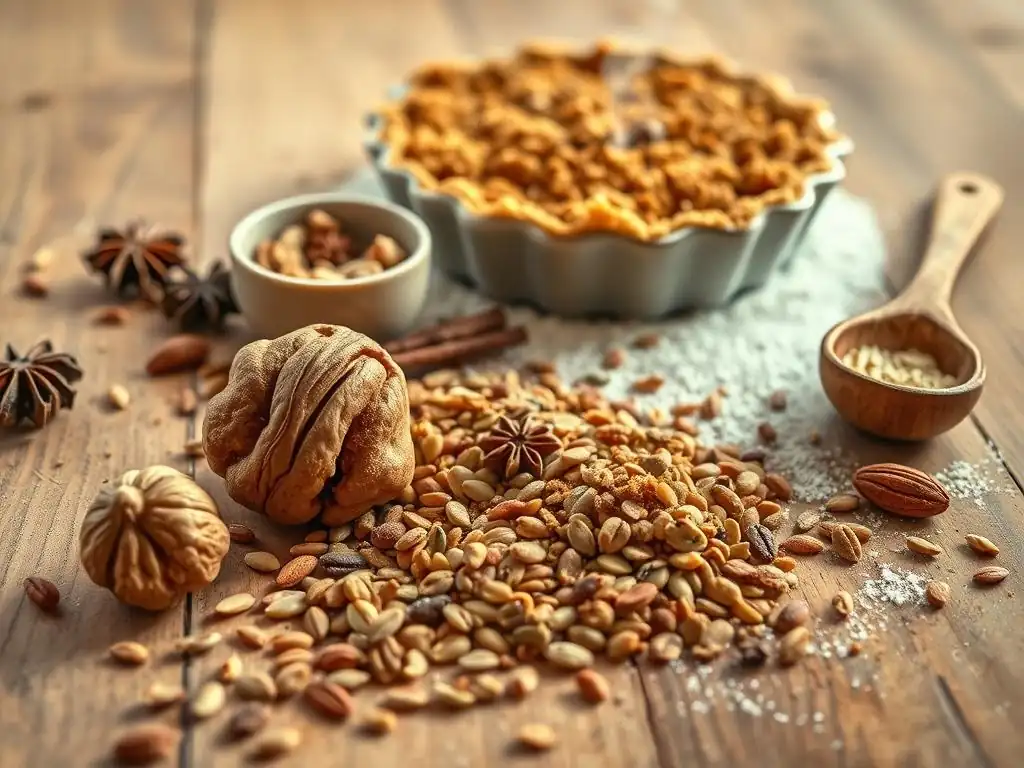
Imagine light, fluffy muffins crowned with a generous layer of crunchy walnut and cinnamon streusel. This nut spice baked goods concept leverages the classic pairing beautifully. The streusel topping, made from flour, sugar, butter, chopped walnuts, and plenty of cinnamon, provides a delightful texture contrast to the tender muffin crumb. As the muffins bake, the aroma of cinnamon and toasted walnuts fills the air, promising a comforting treat. These muffins are perfect for breakfast or a snack, showcasing how simple ingredients can create profound flavors.
Pecan Maple Blondies
Picture chewy, buttery blondies studded with toasted pecans and infused with the warm sweetness of maple. This nut spice baked goods idea highlights the rich synergy between pecans and maple. The blondie base, essentially a brown sugar butter bar, provides a perfect backdrop for the nutty, slightly crisp pecans and the deep, caramelized notes of maple syrup or extract mixed into the batter. Some recipes might even swirl a maple glaze on top after baking, doubling down on the flavor. The combination of the blondie's chewiness and the pecans' crunch makes each bite satisfying.
Almond Orange Biscotti
Visualize crisp, twice-baked cookies packed with toasted almonds and bright orange zest. Almond orange biscotti are a delightful example of how well almonds and citrus work together in nut spice baked goods. The dry, crunchy texture of biscotti is ideal for showcasing the firm bite of whole or slivered almonds. The orange zest, incorporated into the dough, releases its aromatic oils during baking, infusing the cookies with a fresh, fragrant flavor that complements the subtle sweetness of the almonds. Perfect for dipping in coffee or tea, these cookies offer a sophisticated flavor profile.
Pistachio Saffron Shortbread
Think delicate, buttery shortbread cookies with the vibrant green of pistachios and the subtle golden hue and unique aroma of saffron. Pistachio saffron shortbread is an elegant nut spice baked goods concept. The rich, crumbly texture of traditional shortbread provides a luxurious base for the slightly sweet, earthy flavor of pistachios. Saffron threads, steeped in a little warm milk or butter before being added to the dough, impart their distinctive flavor and a beautiful pale gold color. This pairing is refined and memorable, offering a taste of exotic luxury in a simple cookie format.
Tips for Perfecting Nut and Spice Baking
Toasting Nuts and Seeds: Unlocking Maximum Flavor
Toasting nuts and seeds before adding them to your nut spice baked goods is perhaps the single most impactful step you can take to enhance their flavor. Raw nuts and seeds contain oils that, when heated, release aromatic compounds and deepen their nutty flavor. This process also improves their texture, making them crisper. For instance, toasting walnuts can significantly reduce their slight bitterness, while toasting pecans brings out their buttery sweetness.
There are a few ways to toast nuts and seeds: in a dry skillet over medium heat, stirring frequently until fragrant and lightly browned (watch closely as they can burn quickly); or spread in a single layer on a baking sheet in a preheated oven (typically 300-350°F or 150-175°C) for 5-15 minutes, depending on the size and type, stirring halfway through. Allow them to cool completely before chopping or adding to your batter or dough. This simple step ensures your nut spice baked goods have the richest possible flavor from these key ingredients.
Grinding Spices: Freshness and Aroma
The freshness of your spices makes a world of difference in nut spice baked goods. Whole spices retain their volatile oils much longer than pre-ground ones. Grinding spices just before use releases their maximum aroma and flavor. Consider the difference between pre-ground nutmeg and freshly grated nutmeg – the latter is intensely fragrant and flavorful. While whole nutmeg is a common example, this applies to many spices like cinnamon sticks, cardamom pods, or coriander seeds.
Using a spice grinder (a dedicated one or a clean coffee grinder), a mortar and pestle, or a microplane (for things like nutmeg or ginger) allows you to unlock the full potential of your spices. While pre-ground spices are convenient, especially for common items like cinnamon, investing in a few key whole spices and grinding them as needed will significantly elevate the quality of your nut spice baked goods. Store whole and ground spices in airtight containers away from heat and light to preserve their potency.
Balancing Flavors: Achieving Harmony
Achieving flavor balance is crucial in creating truly sensational nut spice baked goods. It's not just about adding ingredients; it's about ensuring they work together harmoniously. When combining nuts, seeds, and spices, consider the intensity of each component. A delicate flavor like almond can easily be overpowered by a strong spice like clove, while robust walnuts can stand up to bolder flavors like ginger or molasses. The sweetness level of the baked good also plays a role – spices like cinnamon or nutmeg often taste sweeter when paired with sugar.
Experimentation is key to finding the perfect balance for your nut spice baked goods. Start with recommended amounts in recipes and adjust based on your preference. If a spice seems too strong, try reducing it slightly next time or pairing it with a richer nut that can handle the intensity. If a nutty flavor isn't coming through, ensure the nuts were properly toasted. Tasting ingredients individually (where appropriate) and considering their profiles – sweet, bitter, warm, bright, earthy, etc. – will help you build balanced and delicious combinations.
Storing Baked Goods: Maintaining Freshness
Proper storage is essential to keep your nut spice baked goods fresh and flavorful. Nuts and seeds can become stale or rancid over time, and the aromas of spices can fade. Once baked, store items containing nuts and seeds in airtight containers at room temperature for short-term storage (typically 2-4 days, depending on the baked good). For longer storage, refrigeration or freezing is often necessary, especially for items with high moisture content or delicate nuts like pecans or walnuts, which are prone to rancidity.
For instance, nut-filled cookies might keep well in a cookie tin for a week, while a nut-topped cake might be best refrigerated after a day or two. Freezing is an excellent option for many nut spice baked goods; most cookies, muffins, and quick breads freeze well for up to 2-3 months. Wrap them tightly in plastic wrap and then place them in a freezer bag or container to prevent freezer burn and protect them from absorbing other freezer odors. Thaw at room temperature or gently reheat as needed.
Troubleshooting Common Baking Issues
Preventing Burnt Nuts
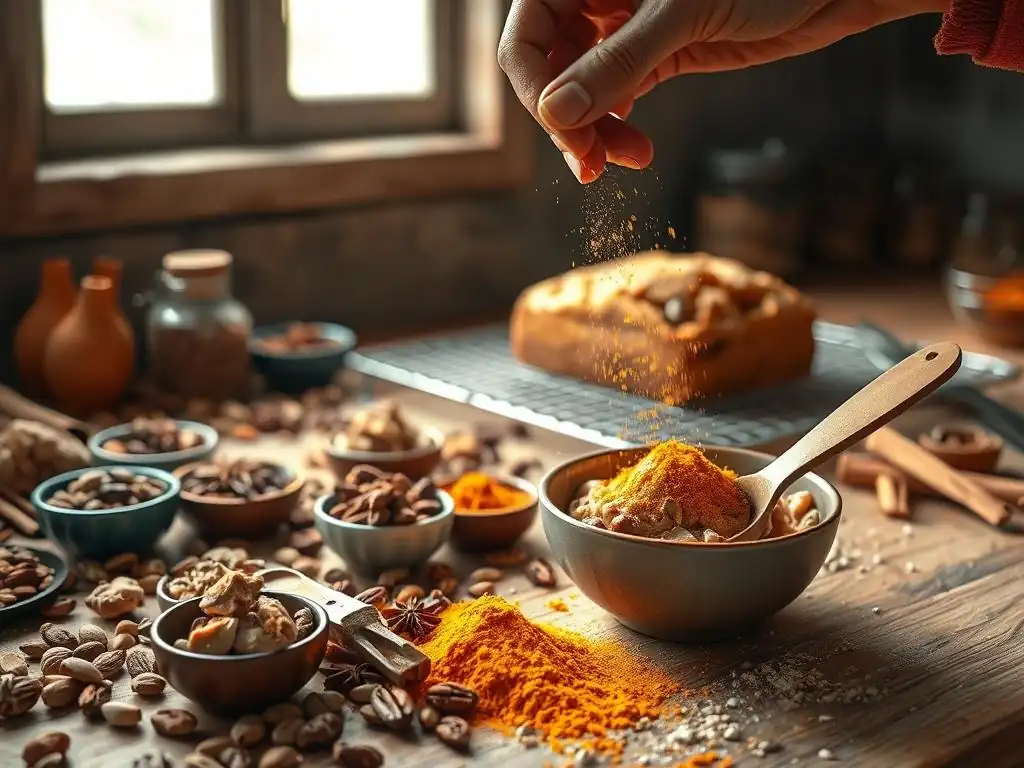
Burnt nuts can impart a bitter, unpleasant flavor that can ruin an otherwise perfect batch of nut spice baked goods. Preventing this requires vigilance, especially during the toasting process. As mentioned earlier, nuts toast quickly due to their oil content. When toasting in a skillet, use medium heat and stir constantly. In the oven, use a moderate temperature and check frequently, stirring the nuts every few minutes. They should be fragrant and just lightly golden, not dark brown.
If incorporating nuts into a batter or dough that bakes for a long time (like a dense fruitcake or loaf), consider adding them towards the end of the mixing process or even pressing some onto the top just before baking. This minimizes their exposure to heat during the initial baking phase. For toppings like streusel, ensure the oven temperature isn't excessively high, as the exposed nuts on top will brown much faster than the rest of the baked good.
Avoiding Overpowering Spices
While spices are key to flavorful nut spice baked goods, using too much can lead to an unbalanced, sometimes harsh taste that masks the other flavors. This is particularly true for potent spices like cloves, ginger, or cardamom. If a recipe calls for a large amount of a strong spice, consider starting with slightly less and adding more to taste if possible (though this is easier with doughs/batters you can taste raw).
Pay attention to the type and freshness of your spices. Freshly ground spices are more potent than older, pre-ground ones, so you might need less. When trying a new recipe or a new spice brand, err on the side of caution.
For example, if a recipe calls for 1 teaspoon of ground cloves, and you're using a freshly opened jar or grinding your own, you might start with 1/2 or 3/4 teaspoon. Gradually increase the amount in future batches if you desire a stronger spice note, aiming for a balance where the spice enhances, not dominates, the nut spice baked goods.
Ensuring Even Distribution of Seeds
Uneven distribution of seeds can result in some parts of your nut spice baked goods having a great texture and flavor, while others are plain or have clumps of seeds. This is especially common with smaller seeds like poppy or sesame seeds in liquid batters. To help seeds distribute evenly, try tossing them with a small amount of the dry ingredients (like flour) before adding them to the wet ingredients. The flour coating helps prevent them from sinking to the bottom of the batter during mixing and baking.
For doughs, like cookie or bread dough, ensure you knead or mix thoroughly enough to disperse the seeds throughout, but not so much that you overdevelop the gluten (unless making bread). If using seeds as a topping, you can gently press them into the surface of the dough or batter before baking to help them adhere. For items like muffins or quick breads, giving the batter a final gentle stir right before portioning can also help redistribute any seeds that may have settled.
Expanding Your Baking Horizons
Exploring Global Nut and Spice Combinations
The world of baking is rich with traditional nut spice baked goods from diverse cultures, offering endless inspiration. Beyond the classic Western pairings, consider exploring combinations found in Middle Eastern, Asian, or African cuisines. For example, the pairing of pistachios with rosewater and cardamom is common in many Persian sweets. Indian baking often features cashews, almonds, and pistachios with spices like cardamom, saffron, and sometimes a hint of clove.
Look into recipes for Moroccan nut pastries featuring almonds and honey with cinnamon and orange blossom water, or Scandinavian baked goods using almonds and cardamom. Each region offers unique insights into how nuts, seeds, and spices can be combined to create distinct flavor profiles. Researching these global traditions can provide exciting new ideas for your own nut spice baked goods and broaden your baking repertoire significantly.
Creating Signature Spice Blends
Developing your own signature spice blends for nut spice baked goods allows you to customize flavors precisely to your liking and create truly unique treats. Instead of just using individual spices, combine your favorites in different proportions to create a blend specifically for, say, pecan pies, almond cakes, or pumpkin seed crackers. A basic "baking spice" blend might include cinnamon, nutmeg, cloves, and allspice, but you could add cardamom, ginger, or even a touch of black pepper for complexity.
When creating a blend, consider the flavors you want to highlight and how they interact. Write down your proportions so you can replicate successful blends. Store your custom blends in airtight jars and label them clearly. Using a signature blend ensures consistency in your nut spice baked goods and allows you to fine-tune the spice profile over time. Experimenting with different ratios and adding less common spices can lead to exciting discoveries and define your unique baking style.
Resources for Further Exploration
To deepen your understanding of pairing nuts, seeds, and spices in baking, seek out resources that delve into flavor science and global baking traditions. Cookbooks focused on specific cuisines known for their use of nuts and spices (like Middle Eastern, Indian, or Scandinavian baking) are invaluable. Books on flavor pairing and ingredient science can provide a deeper understanding of why certain combinations work.
Online baking communities and forums are also great places to ask questions, share experiences, and discover new ideas for nut spice baked goods. Many ingredient suppliers and spice companies offer detailed information about the origins and flavor profiles of their products, along with suggested uses. Don't hesitate to experiment in your own kitchen; sometimes the best discoveries come from trying unexpected combinations based on your own intuition and taste preferences.
Frequently Asked Questions
How do nuts and seeds enhance baked goods?
Nuts and seeds add texture and flavor to baked goods, creating a more complex and satisfying eating experience. They also provide nutritional benefits and visual appeal.
What are some popular nut and spice pairings?
Common pairings include walnuts with cinnamon, pecans with nutmeg, and almonds with cardamom. Experimenting with different combinations is key to finding your favorites.
How can I prepare nuts and seeds before baking?
Toasting nuts and seeds before adding them to your baked goods can significantly enhance their flavor. You can toast them in a dry skillet or in the oven for a more intense flavor.
What types of baked goods benefit most from nut and spice pairings?
Many baked goods benefit from these pairings, including cookies, muffins, breads, and cakes. The versatility of nuts and spices makes them suitable for both sweet and savory recipes.
Where can I find reliable recipes featuring nut and spice combinations?
BakeWithEase.com offers a wide range of recipes with detailed instructions and easy-to-find ingredients, perfect for exploring the world of nut spice baked goods.
Final Reflection: Unleashing the Symphony of Flavor in Nut & Seed Baking
The art of pairing nuts and seeds with spices isn't just a culinary technique; it's a pathway to unlocking extraordinary flavor profiles in baked goods. The seemingly simple act of combining these ingredients creates a depth and complexity that elevates even the most basic recipes, offering a sensory experience far beyond the sum of its parts. This is especially relevant today, as consumers increasingly seek out unique and flavorful experiences in their food, demanding more than just sweetness or simple satisfaction.
The exploration of nut and seed pairings with spices has profoundly impacted the baking landscape, moving beyond simple cinnamon rolls to encompass a global tapestry of flavors. From the warm embrace of cardamom and pistachios in Middle Eastern treats to the fiery zest of chili and pecans in Southwestern delights, the possibilities are endless. This journey of discovery has personally enriched my own baking, inspiring creativity and a deeper appreciation for the subtle nuances of each ingredient. The best things in life are simple, but not easy.
This quote perfectly encapsulates the effort and reward inherent in mastering the art of spice and nut pairings.
Consider the potential within your own kitchen. Don't be afraid to experiment! Try substituting your usual spices with something unexpected, or explore new nut and seed combinations. The journey of flavor discovery is a personal one, and the rewards—a symphony of textures and tastes in every bite—are well worth the effort. Let this article be your guide, but more importantly, let it inspire you to create your own unique masterpieces, filled with the warmth and wonder of perfectly paired nuts, seeds, and spices.
Unlock the Flavor Powerhouse: Elevate Your Baking!
Thanks for exploring the exciting world of nut, seed, and spice pairings! We hope you've discovered some delicious new flavor combinations to inspire your next baking adventure. Ready to put your newfound knowledge into practice?
- Craft Your Signature Blend: Experiment with your favorite nut, seed, and spice combination from the article (or invent your own!). Try a new recipe this weekend – the results will be amazing!
- Share Your Creations: Post a picture of your masterpiece on social media using #BakeWithEaseSpiceBlends and tag us – we'd love to see what you bake!
- Discover More Flavor Pairings: Explore our website for more recipe ideas and inspiration to unlock even more delicious possibilities.
So, what unique flavor adventure will you embark on next?