
Bake with Almonds: Flakes, Flour, and Whole Nut Magic

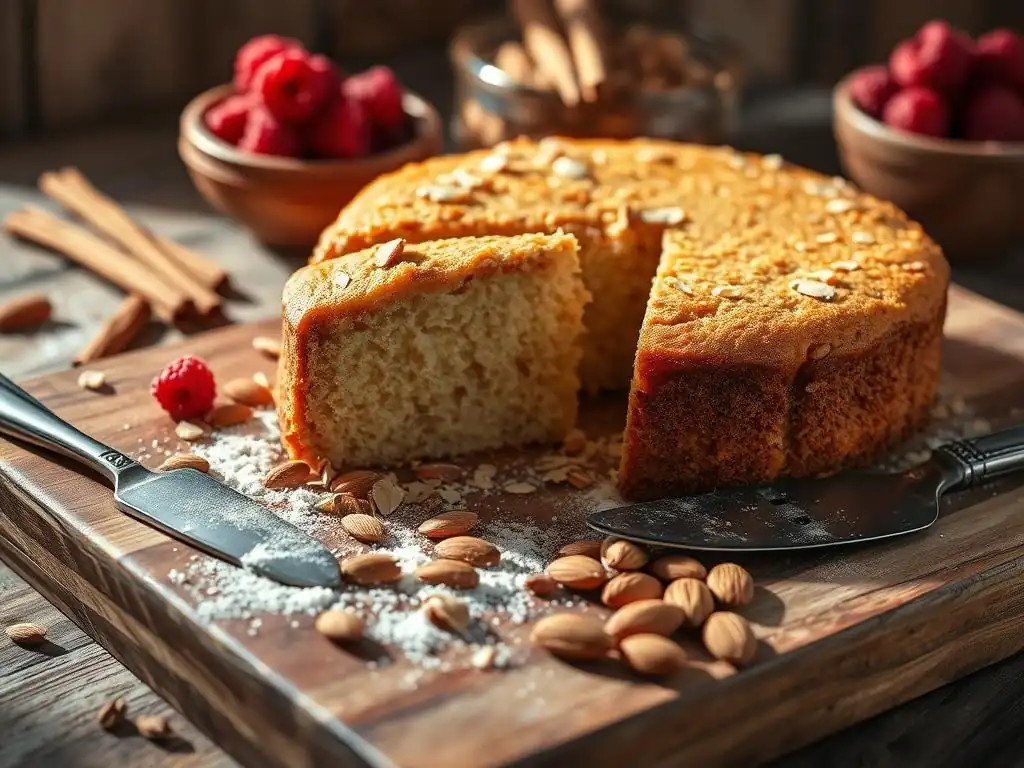
Welcome to BakeWithEase, your culinary companion on a journey to baking brilliance! Ever wondered how the humble almond can transform your desserts? In this Ingredient Deep Dive, we're unraveling the secrets of baking with almonds, starting with a deliciously simple almond flour cake recipe. Discover how this versatile ingredient can elevate your baking game and unlock a world of nutty, gluten-free possibilities. Ready to bake something extraordinary? Let's get started!
- Baking with Almonds: Flour, Slices, and Whole Nuts
- Understanding Almonds in Baking: A Versatile Ingredient
- The Advantages of Almond Flour in Baking
- Almond Flour Cake Recipe: A Step-by-Step Guide
- Sliced Almonds: Adding Texture and Visual Appeal
- Whole Almonds: Incorporating Crunch into Baked Goods
- Gluten-Free Baking with Almonds: Recipes and Tips
- Storing Almond Flour Baked Goods
- Troubleshooting Almond Flour Baking
- Beyond Cake: Other Almond Flour Recipes
- Conclusion: The Versatility of Almonds in Baking
-
Frequently Asked Questions
- What makes almond flour a good choice for baking cakes?
- Can I substitute almond flour directly for wheat flour in any cake recipe?
- What are some common problems when baking with almond flour, and how can I avoid them?
- What other almond-based ingredients can I use in my cake recipes besides almond flour?
- Where can I find reliable almond flour cake recipes, especially for beginners?
- Final Reflection: The Enduring Allure of Almond Flour
- Unleash Your Inner Almond Artisan!
Baking with Almonds: Flour, Slices, and Whole Nuts
Understanding Almonds in Baking: A Versatile Ingredient
Almonds are a true powerhouse in the world of baking, offering incredible versatility in flavor, texture, and nutritional value. From delicate pastries to robust breads, almonds can elevate a wide range of baked goods. Their mild, slightly sweet, and nutty profile pairs beautifully with both sweet and savory ingredients, making them a staple in many kitchens. Whether you're aiming for a tender crumb in a cake, a satisfying crunch in a cookie, or a decorative finish on a tart, there's an almond form perfect for the job.
Beyond their delicious taste and adaptable nature, almonds also bring significant health benefits to your baking. They are packed with healthy monounsaturated fats, fiber, protein, and essential nutrients like Vitamin E and magnesium. This makes them a popular choice for those looking to bake treats that are not only tasty but also offer a little extra goodness. Incorporating almonds, in their various forms, allows you to explore new textures and flavors while potentially reducing the reliance on refined grains and adding valuable nutrients to your creations.
Types of Almonds for Baking: Flour, Slices, and Whole
The three primary forms of almonds you'll encounter in baking are almond flour, sliced almonds (sometimes called flakes or slivers), and whole almonds. Each offers unique characteristics and applications, allowing for diverse results in your baked goods. Understanding the differences is key to choosing the right almond product for your specific recipe needs.
Almond flour, a finely ground powder made from blanched almonds (with skins removed), is perhaps the most transformative. It provides a tender, moist crumb, particularly beloved in gluten-free baking, and is the foundation for many delightful treats, including a classic almond flour cake recipe. Sliced almonds, thin, flat pieces of blanched almonds, are fantastic for adding visual appeal and a delicate crunch to toppings or fillings. Whole almonds, either blanched or unblanched (with skins), deliver a more substantial crunch and are often used in items like biscotti, where a hearty texture is desired.
The Advantages of Almond Flour in Baking
Baking with almond flour has surged in popularity, and for good reason. Its unique properties offer distinct advantages over traditional wheat flour, contributing to both the sensory experience and the nutritional profile of baked goods. It's a fantastic option for exploring new textures and flavors in your kitchen.
One of the most noticeable benefits is the texture it imparts. Almond flour tends to create baked goods that are incredibly moist and tender, thanks to its higher fat content compared to wheat flour. This can be particularly appealing in cakes and muffins, preventing them from drying out quickly. Additionally, it brings a lovely, subtle nutty flavor that complements many other ingredients, from vanilla and citrus to chocolate and berries.
Why Bake with Almond Flour? Health and Flavor Benefits
Beyond texture, baking with almond flour offers significant health advantages. As mentioned, it's a good source of healthy fats, protein, and fiber, which can help create baked goods that are more satisfying and have a potentially lower impact on blood sugar levels compared to those made solely with refined white flour. For instance, a typical 1/4 cup (about 28 grams) serving of almond flour contains around 6 grams of protein, 3 grams of fiber, and 14 grams of healthy fats, along with about 75mg of calcium and 1.4mg of Vitamin E.
Furthermore, almond flour is naturally gluten-free, making it an excellent alternative for individuals with celiac disease or gluten sensitivity. It allows them to enjoy a wide variety of baked treats, including a delicious almond flour cake recipe, that they might otherwise have to avoid. The rich, slightly sweet flavor also means you might be able to use slightly less added sugar in some recipes, letting the natural sweetness of the almonds shine through.
Almond Flour Cake Recipe: A Step-by-Step Guide
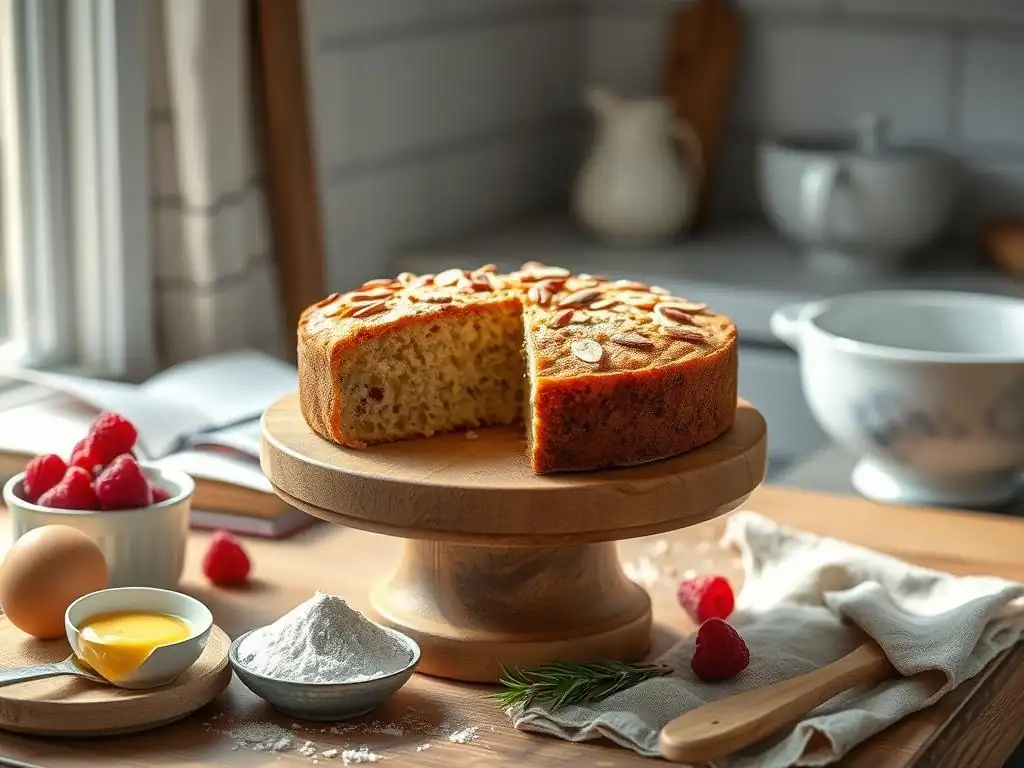
Creating a beautiful and delicious almond flour cake is a rewarding experience. This guide provides a basic framework for a moist and tender almond flour cake recipe, perfect for any occasion. It's a versatile base that you can easily adapt with different flavors.
This specific almond flour cake recipe focuses on achieving a delicate crumb and rich flavor. It typically involves creaming butter and sugar, adding eggs and flavorings, then gently folding in the almond flour and leavening agents. The higher fat content of almond flour requires slightly different handling than wheat flour, often resulting in a batter that is thicker but yields a very moist finished product.
Preparing Ingredients for a Classic Almond Flour Cake
For a standard 8-inch round almond flour cake recipe, you'll typically need ingredients like: 1 and 1/2 cups (about 168g) fine blanched almond flour, 1 teaspoon baking powder, 1/4 teaspoon salt, 1/2 cup (1 stick or 113g) unsalted butter, softened, 3/4 cup (150g) granulated sugar, 2 large eggs, 1 teaspoon vanilla extract, and 1/2 cup (120ml) milk or buttermilk. Ensure your butter and eggs are at room temperature for optimal creaming and emulsification.
Begin by preheating your oven to a moderate temperature, usually around 325°F (160°C) or 350°F (175°C), depending on the specific recipe and pan size. Grease and flour your cake pan (using almond flour or gluten-free flour for dusting if needed). Whisk together the dry ingredients: almond flour, baking powder, and salt, in a medium bowl. In a separate, larger bowl, cream the softened butter and sugar until light and fluffy, typically for 3-5 minutes with an electric mixer. Beat in the eggs one at a time, followed by the vanilla extract, scraping down the bowl as needed.
Baking a Moist Almond Flour Cake: Essential Techniques
To ensure your almond flour cake recipe results in a moist and tender cake, proper technique is crucial. Once your wet and dry ingredients are prepared, gradually add the dry ingredients to the wet ingredients, alternating with the milk or buttermilk, beginning and ending with the dry ingredients. Mix on low speed or by hand until just combined. Be careful not to overmix, as this can develop toughness, although almond flour is less prone to this than wheat flour.
Pour the batter evenly into the prepared cake pan. Bake in the preheated oven for the time specified in your recipe, usually around 30-40 minutes for an 8-inch cake, or until a toothpick inserted into the center comes out clean. The lower baking temperature often used for almond flour cakes helps prevent the edges from browning too quickly while the center cooks through, contributing to the moist texture. Allow the cake to cool in the pan for about 10-15 minutes before inverting it onto a wire rack to cool completely.
Almond Flour Cake Recipe Variations: Lemon Almond Cake
One delightful variation of the classic almond flour cake recipe is Lemon Almond Cake. The bright, zesty flavor of lemon pairs wonderfully with the subtle nuttiness of almond flour. To transform the basic recipe, you'll typically add the zest of one or two lemons and about 1/4 cup (60ml) of fresh lemon juice to the wet ingredients.
For an extra burst of lemon flavor and moisture, you can prepare a simple lemon glaze or soak to pour over the warm cake after it comes out of the oven. A soak can be made by combining 1/4 cup lemon juice with 2-3 tablespoons of granulated sugar, heated until the sugar dissolves. Pouring this over the warm cake allows it to absorb the liquid, resulting in an intensely flavored and incredibly moist cake. A glaze can be made by whisking powdered sugar with lemon juice until a pourable consistency is reached, drizzled over the cooled cake.
Almond Flour Cake Recipe Variations: Chocolate Almond Cake
For chocolate lovers, an almond flour chocolate cake recipe offers a rich, fudgy texture and deep flavor. To adapt the basic almond flour cake recipe, you'll typically replace a portion of the almond flour with unsweetened cocoa powder and potentially add melted chocolate. For instance, you might use 1 and 1/4 cups (about 140g) almond flour and 1/4 cup (25g) unsweetened cocoa powder, and potentially fold in 2-4 ounces (55-115g) of melted and slightly cooled bittersweet or dark chocolate with the wet ingredients.
Chocolate almond cakes often benefit from the addition of hot liquid, such as hot coffee or hot water, added at the end of mixing. This technique blooms the cocoa powder, enhancing its flavor, and contributes to the cake's moisture and tender crumb. Be sure to adjust the baking time slightly as the addition of cocoa powder and chocolate can affect the batter consistency and cooking time. This variation results in a dense, moist cake that is intensely chocolatey with a hint of almond.
Sliced Almonds: Adding Texture and Visual Appeal
Sliced almonds, also known as almond slivers or flakes, are thin, flat pieces of blanched almonds. They are primarily used in baking for their delightful, delicate crunch and their ability to add a beautiful, finished look to baked goods. Unlike almond flour which integrates into the batter, sliced almonds remain distinct, providing textural contrast.
You'll often see sliced almonds sprinkled over muffins, cakes, and tarts before baking, or used as a garnish after baking. They are also a classic component in fillings for items like croissants or Danish pastries, and add a pleasant bite to crumb toppings. Their light weight makes them ideal for decorating delicate items without weighing them down.
Toasting Sliced Almonds: Enhancing Flavor and Aroma
Toasting sliced almonds is a simple step that dramatically enhances their flavor and aroma. Raw sliced almonds have a relatively mild taste, but toasting brings out their natural oils, resulting in a deeper, nuttier, and more complex flavor. This makes them even more impactful when used as a topping or inclusion.
To toast sliced almonds, you can spread them in a single layer on a baking sheet and bake in a preheated oven at around 300°F (150°C) or 325°F (160°C) for 5-10 minutes, stirring occasionally, until they are lightly golden brown and fragrant. Alternatively, you can toast them in a dry skillet over medium heat, stirring constantly, for 3-5 minutes. Watch them closely as they can burn quickly due to their thinness. Once toasted, let them cool completely before using them in or on your baked goods.
Using Sliced Almonds as Decoration: Techniques and Ideas
Sliced almonds are excellent for adding visual appeal to cakes, muffins, cookies, and pastries. Before baking, you can gently press them into the top of muffin batter or sprinkle them generously over a cake batter or fruit filling. As they bake, they toast and adhere to the surface, creating a lovely golden crust.
After baking, toasted sliced almonds can be sprinkled around the base of a frosted cake, pressed into the sides, or arranged decoratively on top of frosting, glazes, or ganaches. They add not only visual texture but also a satisfying crunch that complements the softness of the baked item. Consider using them to edge a pie crust or sprinkle over a batch of freshly baked cookies for a professional touch.
Whole Almonds: Incorporating Crunch into Baked Goods
Whole almonds, either blanched or unblanched, offer the most substantial crunch among the different forms of almonds used in baking. They are perfect for recipes where you want a distinct, hearty bite of nut, providing a different textural experience than the tender crumb of an almond flour cake recipe or the delicate crispness of sliced almonds.
Whole almonds are often used in recipes that can handle their density and require a longer baking time, such as certain types of bread, scones, or twice-baked cookies like biscotti. Their robust structure holds up well during mixing and baking, ensuring you get a noticeable nut in every bite.
Adding Whole Almonds to Breads and Scones
Incorporating whole or roughly chopped whole almonds into bread dough or scone batter adds a wonderful textural element and nutty flavor. For instance, in a rustic loaf of bread, you might fold in 1/2 cup to 1 cup (about 75-150g) of whole or chopped almonds during the final stages of mixing. They provide pockets of crunch within the soft crumb.
In scones, whole or chopped almonds work well, particularly in heartier recipes like those made with whole wheat flour or oats. They add substance and a satisfying bite. When adding whole almonds to batters or doughs, it's sometimes helpful to lightly flour them first to prevent them from sinking to the bottom during baking.
Almond Biscotti: A Twice-Baked Italian Treat
Almond biscotti is a classic example of how whole almonds are used to create a wonderfully crunchy baked good. Biscotti, meaning "twice-cooked," are known for their hard, dry texture, perfect for dipping into coffee or tea. Whole blanched almonds are typically mixed into a relatively firm dough, which is then shaped into logs, baked, sliced, and baked again.
The whole almonds provide significant crunch and visual appeal throughout the sliced cookies. A typical almond biscotti recipe might call for 1 cup (about 150g) of whole blanched almonds within a batch yielding 20-30 cookies. The double baking process ensures the almonds become very firm and crunchy, contributing to the biscotti's signature texture.
Gluten-Free Baking with Almonds: Recipes and Tips
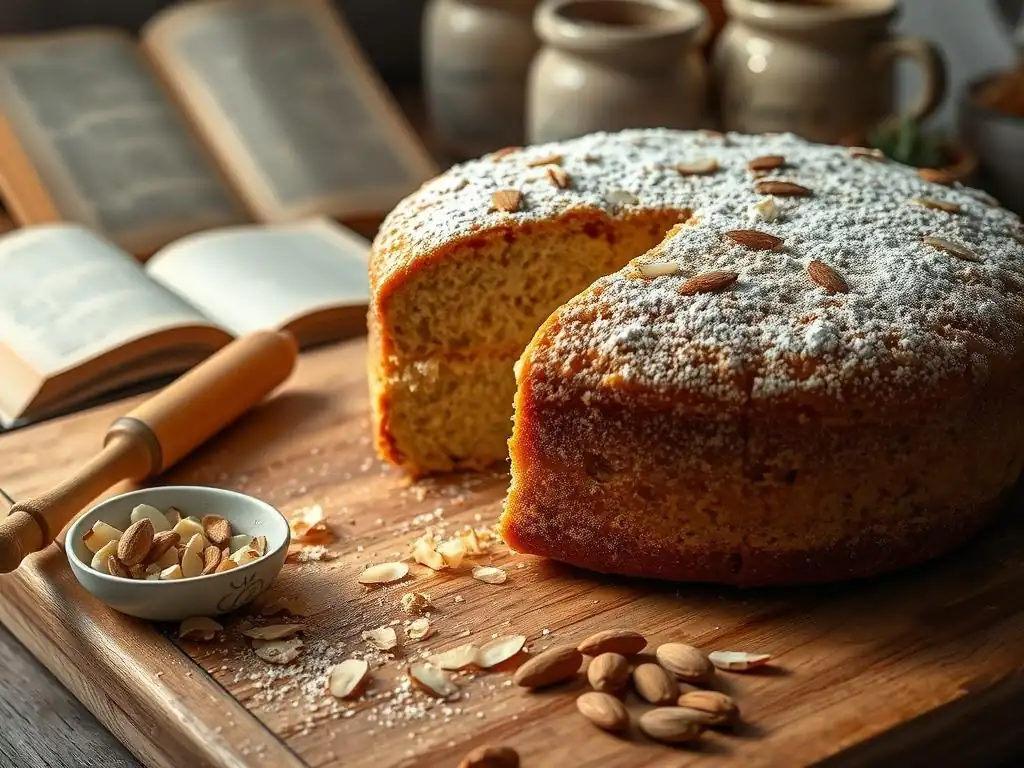
Almonds, particularly in the form of almond flour, are a cornerstone of gluten-free baking. Their natural absence of gluten makes them an invaluable ingredient for creating a wide variety of baked goods suitable for those avoiding gluten, from simple cookies to complex layered cakes.
Working with almond flour in gluten-free recipes requires understanding its unique properties. Unlike wheat flour, which contains gluten that provides structure and elasticity, almond flour relies on other ingredients, such as eggs, fats, and sometimes binders like xanthan gum, to hold the baked good together. This often results in a more delicate batter and a finished product that is moister and denser than traditional wheat-based items.
Baking Gluten-Free: The Role of Almond Flour
Almond flour plays several key roles in gluten-free baking. Firstly, it serves as the primary bulk ingredient, replacing wheat flour. Its fine texture mimics that of traditional flour, making it suitable for cakes, muffins, cookies, and quick breads. Secondly, its relatively high fat content contributes to moisture and tenderness, helping to counteract the dryness that can sometimes occur in gluten-free baking.
Thirdly, almond flour adds flavor and nutritional value. The subtle nutty taste enhances the overall profile of the baked good, while its protein and fiber content contribute to a more satisfying result. Many successful gluten-free recipes, including a popular almond flour cake recipe, rely heavily on almond flour as the foundation for achieving both desirable texture and flavor without gluten.
Naturally Gluten-Free: Almond Flour Cake
An almond flour cake recipe is inherently gluten-free when made solely with almond flour and other gluten-free ingredients. This makes it a fantastic option for individuals seeking gluten-free desserts without needing to use a blend of alternative flours or specialized gluten-free mixes. The natural properties of almond flour lend themselves beautifully to creating a moist and tender cake crumb.
Because almond flour lacks gluten, the batter for an almond flour cake recipe is often less elastic than wheat-based batters. This means mixing should be done gently to avoid a tough texture. The resulting cake typically has a slightly denser but incredibly moist and rich crumb. It's a simple and delicious way to enjoy cake while adhering to a gluten-free diet, highlighting the versatility and benefits of baking with almond flour.
Storing Almond Flour Baked Goods
Proper storage is essential for maintaining the freshness, flavor, and texture of baked goods made with almond flour. Due to the higher fat content of almond flour, these items can sometimes be more prone to spoilage if not stored correctly, but they also tend to stay moist for longer than some wheat-based goods.
Understanding the best storage methods will help you enjoy your delicious almond flour creations, like that moist almond flour cake recipe you just baked, for as long as possible. Factors like air exposure, temperature, and humidity all play a role in how well your baked goods last.
Maintaining Freshness: Storage Tips for Almond Flour Cakes
An almond flour cake, due to its moisture, should typically be stored in an airtight container at room temperature for 2-3 days. If frosted, especially with a cream cheese or perishable frosting, it's best to refrigerate it. Refrigerated almond flour cake can last for 5-7 days. Allow refrigerated cake to come to room temperature before serving for the best texture.
For longer storage, most almond flour baked goods, including cakes and muffins, freeze exceptionally well. Wrap individual slices or the whole cooled cake tightly in plastic wrap, then place in a freezer-safe bag or container. Frozen almond flour cake can last for 2-3 months. Thaw overnight in the refrigerator or for a few hours at room temperature. Always ensure the baked good is completely cooled before storing to prevent condensation, which can lead to sogginess.
Troubleshooting Almond Flour Baking
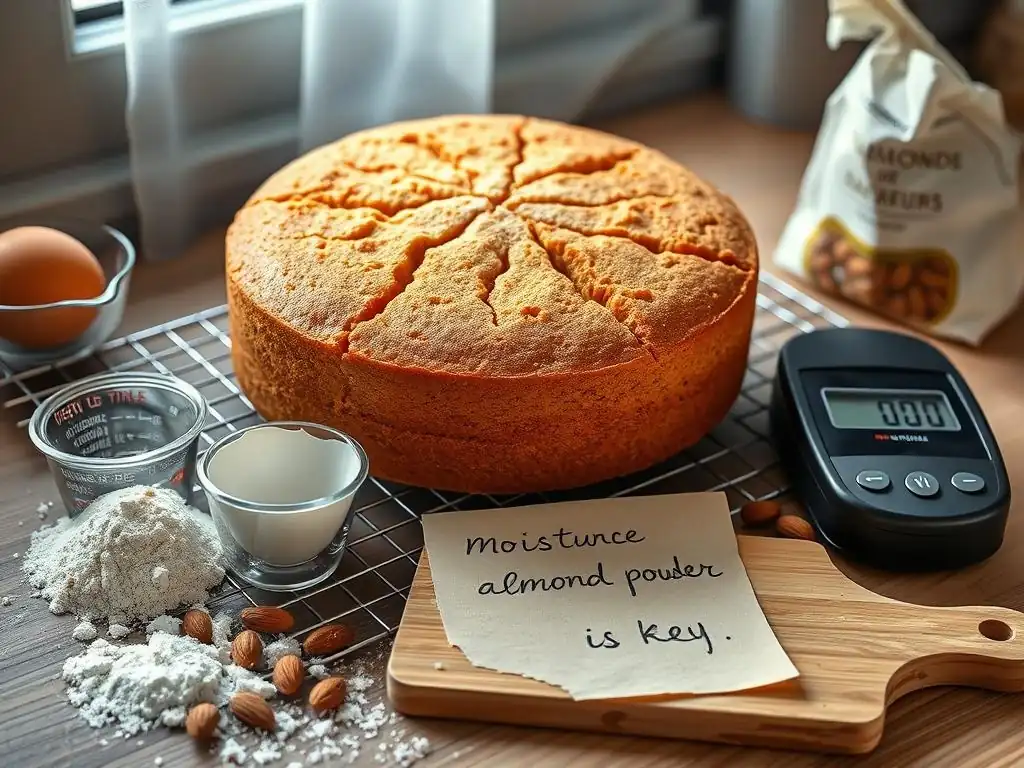
While baking with almond flour is generally straightforward and rewarding, you might encounter a few common challenges. Understanding potential issues and their solutions will help you achieve consistent success with recipes like your favorite almond flour cake recipe or almond flour muffins.
Common concerns when working with almond flour include achieving the right level of moisture (sometimes they can turn out too dry if not careful) and ensuring the baked goods hold together properly without the binding power of gluten. With a few tips and techniques, you can easily overcome these hurdles.
Avoiding Dryness in Almond Flour Cakes: Solutions
One potential issue with any cake, including an almond flour cake recipe, is dryness. While almond flour's fat content helps retain moisture, overbaking is a primary culprit for dry cakes. Always test for doneness using a toothpick inserted into the center – it should come out with moist crumbs attached, not completely clean.
Another solution is to ensure you're using the correct amount of fat and liquid specified in the recipe. Sometimes, adding an extra egg yolk, a bit more butter, or substituting milk with buttermilk or sour cream can increase moisture. Using ingredients like applesauce, yogurt, or mashed banana can also add moisture and richness to an almond flour cake recipe. Finally, allowing the cake to cool properly before cutting helps the internal moisture redistribute.
Achieving the Right Texture in Almond Flour Baked Goods
Achieving the ideal texture in almond flour baked goods often involves balancing ingredients to ensure they hold together without being crumbly, yet remain tender. Since there's no gluten network, eggs play a crucial role in binding. Ensure you're using the number of eggs called for in the recipe.
Sometimes, a recipe may benefit from a small amount of a binder like xanthan gum (typically 1/4 to 1/2 teaspoon per cup of almond flour in cakes) to improve structure, although many almond flour cake recipes don't require it. Using fine blanched almond flour rather than almond meal (which contains skins and is coarser) also generally yields a finer, more tender crumb in cakes and muffins. If a recipe calls for almond meal and you use almond flour, the texture might be slightly different.
Beyond Cake: Other Almond Flour Recipes
Almond flour's versatility extends far beyond cakes. Its unique texture and flavor make it an excellent ingredient for a wide variety of other baked goods, offering gluten-free options and delicious alternatives to traditional recipes. Exploring these possibilities can open up a whole new world of baking.
From quick and easy muffins to rich and decadent brownies, almond flour can be successfully incorporated into many different types of recipes, providing a tender crumb and delightful nutty undertones. It's a staple for cookies, scones, pie crusts, and even certain types of bread.
Almond Flour Muffins: Quick and Delicious Recipes
Almond flour muffins are a popular choice for a quick, delicious, and often more nutrient-dense breakfast or snack. They typically have a tender, moist crumb similar to an almond flour cake recipe, and pair well with various additions like berries, chocolate chips, or nuts.
A basic almond flour muffin recipe usually involves whisking wet ingredients (eggs, milk, oil or melted butter, sweetener) with dry ingredients (almond flour, baking powder, salt, optional flavorings). The batter comes together quickly and bakes up into wonderfully moist muffins. A standard batch of 12 muffins might use around 2 cups (about 224g) of almond flour and bake for 20-25 minutes at 350°F (175°C).
Almond Flour Brownies: A Rich and Fudgy Dessert
For those who love rich, fudgy brownies, almond flour can help create a truly decadent version. Almond flour brownies often have a dense, moist texture and a deep chocolate flavor, with the almond adding a subtle background note.
Almond flour works well in brownie recipes because its higher fat content contributes to the desired fudginess. Recipes often combine melted chocolate and butter with sugar, eggs, vanilla, cocoa powder, and almond flour. A typical recipe for an 8x8 inch pan might use 1 to 1.5 cups (about 112-168g) of almond flour. The result is a rich, intensely flavored brownie that is naturally gluten-free and incredibly satisfying.
Conclusion: The Versatility of Almonds in Baking
From the tender crumb of an almond flour cake recipe to the crunchy bite of whole almonds in biscotti and the delicate crispness of sliced almonds on a tart, almonds offer incredible versatility in the world of baking. Understanding the unique properties of almond flour, sliced almonds, and whole almonds allows bakers to create a vast array of delicious and diverse treats.
Whether you're baking gluten-free or simply looking to add new textures, flavors, and nutritional value to your creations, almonds are an ingredient worth exploring. Their ability to adapt to different recipes and their inherent goodness make them a valuable addition to any baker's pantry. So go ahead, experiment with these magical nuts and discover the wonderful results they bring to your baked goods.
Frequently Asked Questions
What makes almond flour a good choice for baking cakes?
Almond flour is a great alternative to traditional flour because it's gluten-free and adds a moist, nutty flavor to cakes. It also provides a good source of protein and healthy fats.
Can I substitute almond flour directly for wheat flour in any cake recipe?
No, almond flour isn't a 1:1 substitute. It absorbs more liquid and lacks gluten, so adjustments to the recipe are usually necessary. You often need to increase the binding agents like eggs.
What are some common problems when baking with almond flour, and how can I avoid them?
Cakes made with almond flour can sometimes be dense or crumbly. To avoid this, don't overmix the batter and ensure your ingredients are at room temperature. Using a combination of almond flour and another flour can also help.
What other almond-based ingredients can I use in my cake recipes besides almond flour?
Besides almond flour, you can incorporate almond flakes for texture, almond extract for flavor, or even almond paste for added moisture and richness. Each contributes a unique element.
Where can I find reliable almond flour cake recipes, especially for beginners?
BakeWithEase.com is a great resource! Look for recipes specifically designed for almond flour. They often provide step-by-step guides and tips to ensure success, even for beginner bakers.
Final Reflection: The Enduring Allure of Almond Flour
The delicate crumb of an almond flour cake, once a niche delight, is now experiencing a well-deserved surge in popularity. This isn't just a trend; it's a testament to the versatility and inherent deliciousness of almonds, offering both culinary innovation and dietary flexibility. From the subtle nutty notes to the naturally gluten-free nature, almond flour has truly earned its place in the modern baking world.
The journey through almond flour's potential, from simple cakes to more complex creations, has been a fascinating one for me. I've discovered a depth of flavor and texture that surpasses many traditional flour-based recipes. The process of experimenting with different almond flour types and incorporating various ingredients has been both rewarding and educational. The best things in life are simple,
a phrase often used, truly rings true when considering the pure, natural goodness of a perfectly baked almond flour cake.
Now, it's your turn to explore the magic. Don't be afraid to experiment! Try substituting almond flour in your favorite recipes, or use this article as a springboard to create your own unique almond flour masterpiece. The possibilities are as endless as your imagination, and the reward—a delicious, satisfying cake—is well worth the effort. Embrace the nutty goodness, and let the baking begin!
Unleash Your Inner Almond Artisan!
Thanks for exploring the wonderful world of almonds with us! We hope you've discovered new baking inspiration and are ready to get creative in the kitchen. Now, it's time to put your newfound knowledge into action.
- Bake something amazing! Try out one of the recipes mentioned in the article, or let your imagination run wild and create your own almond masterpiece. Think almond-crusted chicken, a decadent almond cake, or even a surprising almond-infused smoothie!
- Share your creation! Post a picture of your almond baking triumph on social media and tag #BakeWithEaseAlmondMagic – we'd love to see it!
- Discover more almond baking secrets: Explore our website for additional recipes and tips on working with this versatile nut. You might be surprised at what you find!
What delicious almond creation will you bake first? Let us know in the comments below!