
Keep It Fresh: Preventing Rancidity in Baking Nuts & Seeds

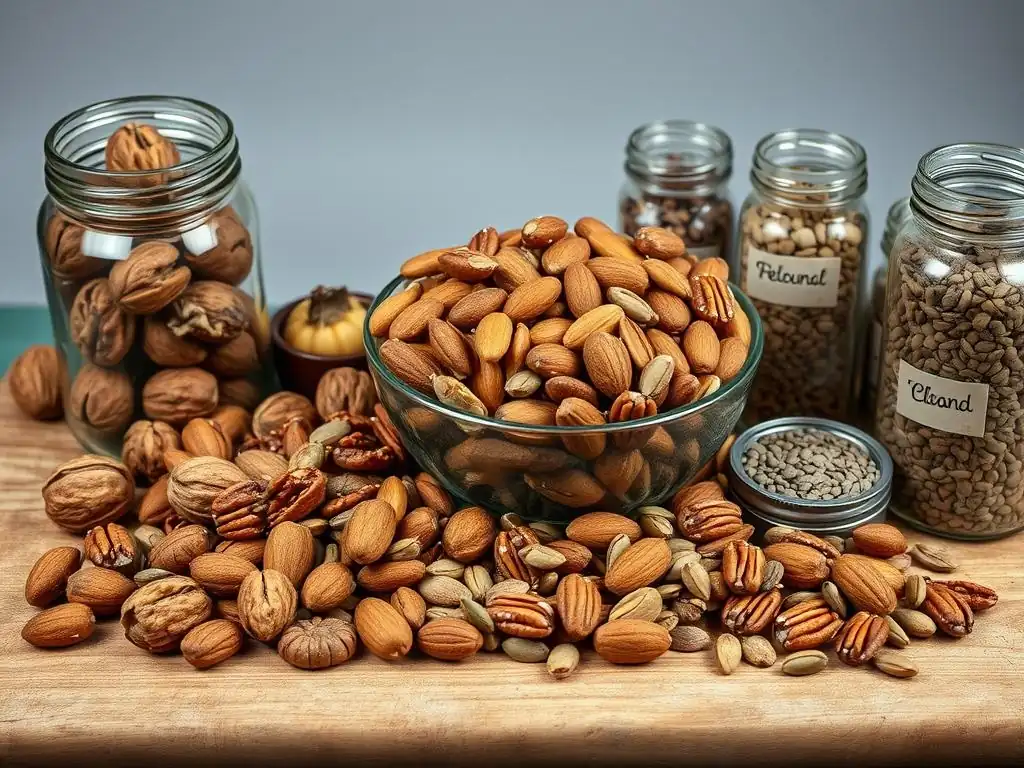
Welcome to BakeWithEase, your trusted guide in the delightful world of baking! Ever wondered why your baked goods sometimes have an off-putting taste, even with the finest ingredients? Dive into our Ingredient Deep Dives as we explore the secrets to keeping your fresh baking nuts & seeds perfectly flavorful. Uncover the hidden threats of rancidity and learn how to safeguard your ingredients for baking perfection. Ready to unlock the secrets to fresher, more delicious baked creations?
- Maintaining Quality: Preventing Rancidity in Baking Nuts & Seeds
- Understanding Rancidity in Baking Ingredients: Nuts and Seeds
- Identifying Rancid Nuts and Seeds: Signs of Spoilage
- Best Practices for Storing Baking Nuts and Seeds to Maintain Freshness
- Maximizing Shelf Life: Specific Storage Tips for Different Types of Nuts and Seeds
- Extending Freshness: Freezing Nuts and Seeds for Long-Term Storage
- Buying Strategies: Selecting the Freshest Nuts and Seeds for Baking
- Reviving Slightly Stale Nuts and Seeds: Quick Tips and Tricks
- Using Fresh Nuts and Seeds for Superior Baking Results
- Frequently Asked Questions
- Final Reflection: The Enduring Delight of Freshness
- Unlock the Nutty Goodness: Keep Your Baking Ingredients Fresh!
Maintaining Quality: Preventing Rancidity in Baking Nuts & Seeds
Understanding Rancidity in Baking Ingredients: Nuts and Seeds
Nuts and seeds are wonderful additions to countless baked goods, adding flavor, texture, and nutritional value. From the crunch of walnuts in a brownie to the subtle texture of flax seeds in a loaf of bread, they elevate baking to a new level. However, these ingredients are also prone to spoilage, specifically rancidity, which can ruin an entire batch of baked goods. Understanding why this happens and how to prevent it is key to ensuring your creations always taste their best. Maintaining the quality of your fresh baking nuts seeds is paramount for superior results.
Rancidity is essentially the oxidation of fats present in nuts and seeds. These ingredients are naturally high in unsaturated fats, which are great for health but are also highly reactive with oxygen. Exposure to air, light, heat, and moisture accelerates this chemical process, breaking down the fats into compounds that produce unpleasant odors and flavors. This transformation not only makes the nuts and seeds taste bad but can also diminish their nutritional benefits. Properly handling and storing your fresh baking nuts seeds is the best defense against this common problem.
What Causes Rancidity in Nuts and Seeds?
The primary culprit behind rancidity in nuts and seeds is the oxidation of their unsaturated fatty acids. This process is significantly accelerated by several environmental factors. Heat is a major driver; even storing nuts near a warm oven or in a sunny spot can drastically speed up spoilage. For example, storing walnuts at room temperature (around 70°F or 21°C) can lead to noticeable rancidity in just a few weeks, whereas keeping them cold can extend their freshness for months.
Light, particularly UV light, also contributes to the breakdown of fats. This is why nuts and seeds are often sold in opaque packaging or stored in dark pantries. Moisture can encourage microbial growth, which can also contribute to off-flavors, although oxidation is the main issue for rancidity. Finally, exposure to air, specifically oxygen, is fundamental to the oxidative process. Every time a container is opened, fresh oxygen is introduced, reacting with the fats. Minimizing exposure to these elements is crucial for preserving fresh baking nuts seeds.
Why Rancid Nuts and Seeds Negatively Impact Baked Goods
Using rancid nuts or seeds in baking can completely ruin the flavor and aroma of your finished product. The bitter, chemical, or paint-like taste of rancidity is very strong and will overpower other flavors in a cake, cookie, or bread. Imagine baking a beautiful batch of chocolate chip cookies only to have them taste unpleasant because the walnuts were past their prime. This not only wastes ingredients but is also incredibly disappointing after investing time and effort.
Beyond taste, rancidity can sometimes affect the texture of baked goods, making nuts and seeds feel gummy or soft instead of crisp. While the primary issue is flavor, the overall sensory experience is compromised. Furthermore, consuming large amounts of rancid fats isn't ideal from a health perspective, as the oxidation process can create potentially harmful compounds. Ensuring you use fresh baking nuts seeds is the simplest way to guarantee delicious, high-quality results every time you bake.
Identifying Rancid Nuts and Seeds: Signs of Spoilage
Before incorporating any nuts or seeds into your baking projects, it's essential to check for signs of rancidity. While it's not always immediately obvious just by looking, a few simple tests can help you determine if they are still fresh. Trusting your senses is the most reliable method. Don't assume that because they look okay, they are; rancidity often develops internally before visual cues appear.
Learning to identify spoiled ingredients is a critical skill for any baker aiming for consistent quality. Using fresh baking nuts seeds is the foundation of flavorful baked goods. Taking a moment to inspect them before adding them to your dough or batter can save you from a disappointing outcome and wasted ingredients. Here are the key ways to check for spoilage.
Smell Test: Detecting Off-Odors in Nuts and Seeds
The most reliable indicator of rancidity is smell. Fresh nuts and seeds should have a mild, nutty, or earthy aroma characteristic of their type. They might smell slightly sweet or neutral. However, rancid nuts and seeds emit distinct, unpleasant odors. Common descriptions include smelling like old paint, chemicals, crayons, stale oil, or even bitter or sour notes.
To perform the smell test, take a small handful of nuts or seeds and cup them in your hands. Inhale deeply. If you detect any off-putting or chemical smells, they are likely rancid and should not be used for baking. This is your first line of defense against using stale ingredients and ensures you start with fresh baking nuts seeds. A quick sniff test can save your entire recipe.
Taste Test: Recognizing the Bitter Taste of Rancidity
If the smell test is inconclusive or you want to be absolutely sure, a small taste test is the next step. Fresh nuts and seeds will taste pleasant – nutty, slightly sweet, or savory depending on the variety. They should not have a strong or unpleasant aftertaste.
Rancid nuts and seeds will taste noticeably bitter, sharp, or acrid. The unpleasant flavor is often strong and lingers in the mouth. Even a single rancid nut can have a very strong, undesirable taste. If you taste anything bitter or off, discard the batch. It's always better to err on the side of caution and use genuinely fresh baking nuts seeds.
Visual Inspection: Checking for Discoloration and Texture Changes
While smell and taste are the most accurate indicators, visual inspection can sometimes offer clues, especially in more advanced stages of rancidity. Fresh nuts and seeds typically have a uniform color and appearance.
Look for signs like:
- Discoloration: They might appear darker, duller, or have an unusual yellow or orange tinge compared to when they were fresh.
- Mold: While not strictly rancidity, mold indicates spoilage and improper storage, often alongside potential rancidity. Look for fuzzy or discolored patches.
- Texture Changes: They might feel excessively soft, greasy, or sticky instead of firm and crisp.
However, it's important to note that nuts and seeds can be rancid without showing obvious visual signs. Always rely on the smell and taste tests first to confirm the quality of your fresh baking nuts seeds.
Best Practices for Storing Baking Nuts and Seeds to Maintain Freshness
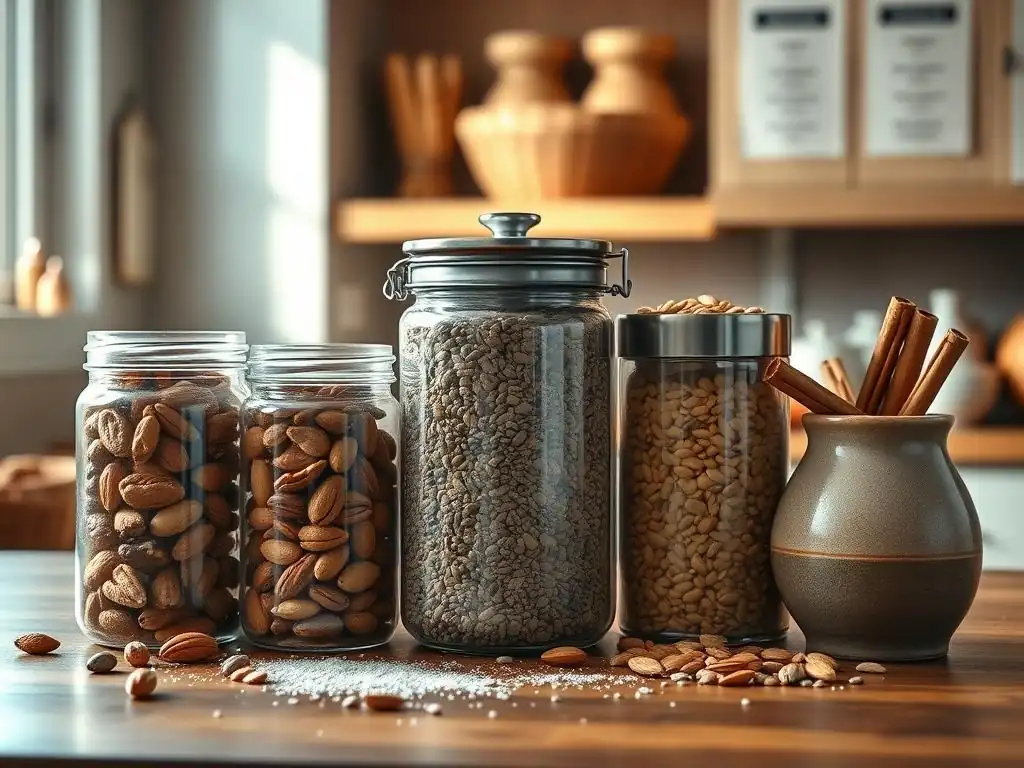
Proper storage is the single most effective way to prevent rancidity and extend the shelf life of your nuts and seeds. By controlling their environment, you can significantly slow down the oxidation process. Think of it as creating a mini-vault for your valuable baking ingredients. Investing a little time in proper storage techniques pays off by keeping your fresh baking nuts seeds ready for use whenever inspiration strikes.
The key principles of good storage involve protecting the nuts and seeds from the factors that accelerate spoilage: heat, light, moisture, and air. Implementing these best practices will ensure your ingredients stay fresh and flavorful for as long as possible, guaranteeing delicious outcomes in your baking.
Choosing the Right Containers for Nut and Seed Storage
The type of container you use plays a crucial role in preventing rancidity. The best containers are those that are airtight and opaque or can be stored in a dark place. Glass jars with tight-fitting lids, metal tins with secure seals, or heavy-duty plastic containers designed for food storage are excellent choices.
Avoid using plastic bags, especially thin ones, as they are often not truly airtight and can expose the nuts and seeds to more oxygen. If using transparent containers, ensure they are stored in a dark pantry or cupboard to shield the contents from light. Proper containment is fundamental to keeping your fresh baking nuts seeds in prime condition.
Temperature Control: Storing Nuts and Seeds in Cool Environments
Heat is a major enemy of freshness for nuts and seeds. Storing them in a cool environment dramatically slows down the rate of oxidation. The ideal temperature for long-term storage is below 40°F (4°C), which means refrigeration is highly recommended for most nuts and seeds, especially those you won for extended periods.
For shorter-term storage (a few weeks), a cool, dark pantry away from heat sources like ovens or stovetops might suffice, but refrigeration offers significantly better protection. Storing nuts like walnuts or pecans at room temperature might give them a shelf life of only 1-2 months before noticeable rancidity sets in, while refrigerating them can extend this to 6 months or even longer. Keeping your fresh baking nuts seeds cool is a non-negotiable step for maximizing shelf life.
The Importance of Air-Tight Storage for Preventing Rancidity
Oxygen in the air reacts directly with the fats in nuts and seeds, causing oxidation and rancidity. Minimizing exposure to air is therefore critical. Using airtight containers creates a barrier that prevents oxygen from reaching the ingredients.
When storing, try to minimize the amount of air left in the container. If you have a large container but only a small amount of nuts, it might be better to transfer them to a smaller container to reduce the air pocket. Vacuum sealing is an even more effective method for removing air and extending shelf life, although it requires special equipment. Ensuring an airtight seal is paramount for preserving fresh baking nuts seeds.
Light Exposure: Shielding Nuts and Seeds from Sunlight
Light, particularly ultraviolet (UV) light, can also accelerate the oxidation of fats. This is why many nuts and seeds are sold in opaque packaging. Storing nuts and seeds in clear containers on open shelves where they are exposed to sunlight or even strong artificial light is not recommended.
The best practice is to store nuts and seeds in opaque containers or within a dark pantry or cupboard. This protects them from light damage and helps maintain their freshness. Combining dark storage with cool temperatures and airtight containers provides the optimal environment for preserving your fresh baking nuts seeds.
Maximizing Shelf Life: Specific Storage Tips for Different Types of Nuts and Seeds
While the general principles of cool, dark, and airtight storage apply to most nuts and seeds, some varieties have higher fat content or different compositions that affect their specific storage needs and typical shelf life. Understanding these nuances can help you tailor your approach for the best results. The goal is always to keep your fresh baking nuts seeds in peak condition for your recipes.
Some nuts and seeds are more delicate than others and prone to faster rancidity. For example, walnuts and pecans, which are high in polyunsaturated fats, spoil more quickly than almonds or cashews, which have a different fat profile. Adjusting your storage based on the specific type can help you get the most out of your ingredients.
Storing Almonds, Walnuts, and Pecans for Optimal Freshness
Almonds are relatively stable due to their lower polyunsaturated fat content compared to walnuts and pecans. At room temperature, they can last for about 6-9 months. However, refrigeration (below 40°F / 4°C) extends their shelf life significantly, often up to a year, and freezing (0°F / -18°C) can keep them fresh for two years or more. Store them in airtight containers.
Walnuts and pecans are highly susceptible to rancidity because they are very rich in polyunsaturated fats. They have a much shorter shelf life at room temperature, typically only 1-2 months. For this reason, it is strongly recommended to store walnuts and pecans in the refrigerator or freezer in airtight containers to preserve their fresh baking nuts seeds quality. Refrigeration can extend their life to 6 months, and freezing up to a year.
Preserving the Quality of Flax Seeds, Chia Seeds, and Sunflower Seeds
Flax seeds and chia seeds are also high in omega-3 fatty acids, which are prone to oxidation. Whole flax seeds are more stable than ground flax meal because the outer shell protects the fats. Whole flax seeds can last for several months at room temperature in an airtight container, but refrigeration or freezing is best for longer storage, extending their life to a year or more. Ground flax meal should always be stored in the refrigerator or freezer and used relatively quickly (within a few weeks to a couple of months).
Sunflower seeds, especially shelled ones, contain fats that can go rancid, although they are generally more stable than walnuts or pecans. Shelled sunflower seeds can last a few months at room temperature in an airtight container. Refrigeration extends their life to around a year, and freezing can keep them fresh for even longer. Storing them properly ensures you have fresh baking nuts seeds when you need them.
Maintaining the Flavor of Coconut Flakes and Macadamia Nuts
Coconut flakes (shredded or desiccated coconut) contain saturated fats, which are much more stable than unsaturated fats and less prone to oxidative rancidity. However, they can still absorb odors and flavors and may dry out or even mold if exposed to moisture. Store coconut flakes in airtight containers at room temperature for several months, or in the refrigerator for up to a year to maintain optimal freshness and texture.
Macadamia nuts are high in monounsaturated fats, which are more stable than polyunsaturated fats found in walnuts. They are less prone to rapid rancidity than walnuts but can still go off. Store macadamia nuts in airtight containers in a cool, dark pantry for a few months, or in the refrigerator for up to a year. Freezing is also an option for long-term storage (1-2 years). Proper storage helps preserve the buttery flavor of these fresh baking nuts seeds.
Extending Freshness: Freezing Nuts and Seeds for Long-Term Storage
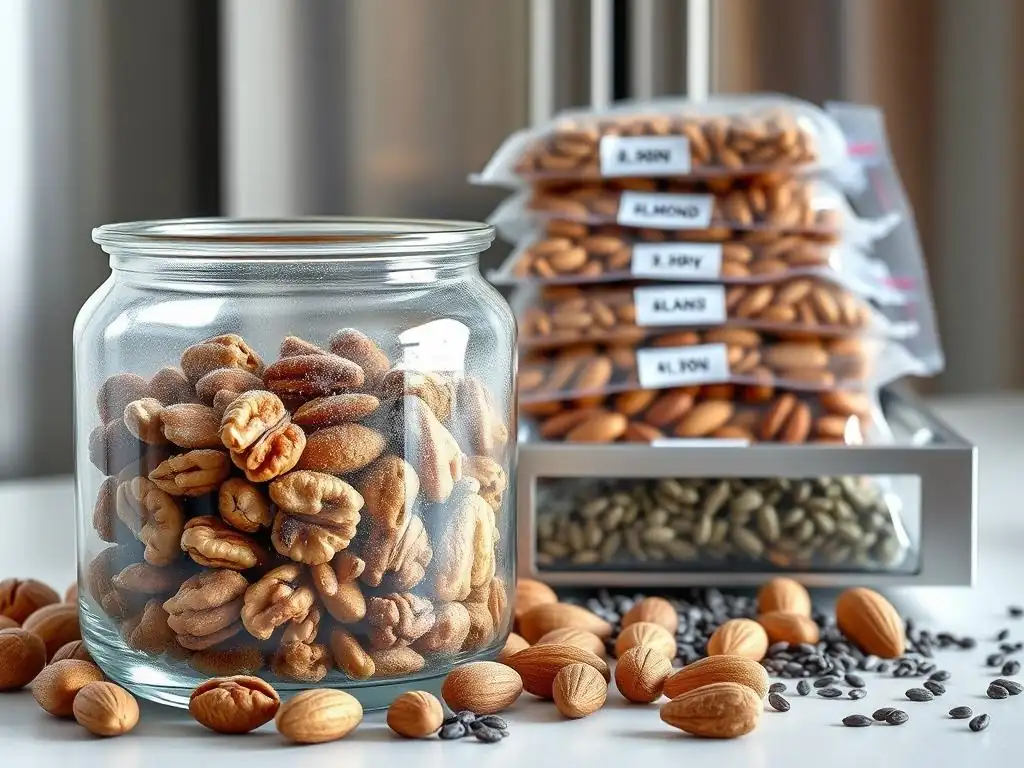
Freezing is an excellent method for long-term storage of nuts and seeds, effectively halting the oxidation process. At freezing temperatures (0°F / -18°C or below), the chemical reactions that cause rancidity slow down dramatically. This allows you to buy larger quantities when they are on sale or in season and keep them fresh for up to a year or even longer, depending on the type. Freezing is particularly beneficial for more perishable varieties like walnuts, pecans, and flax seeds.
Properly freezing and thawing are key to success. Simply tossing a bag into the freezer might not be enough to prevent freezer burn or moisture issues. Taking a few extra steps ensures your fresh baking nuts seeds maintain their quality even after months in the deep freeze, ready to be used in your next baking project.
Preparing Nuts and Seeds for Freezing
Before freezing, ensure your nuts and seeds are completely dry. Any moisture can lead to freezer burn or ice crystals, which can degrade quality. If you've washed them, make sure they are thoroughly air-dried or gently toasted at a low temperature and cooled completely.
Portion the nuts and seeds into the amounts you typically use for baking recipes (e.g., 1 cup, 2 cups). This prevents you from having to thaw and refreeze large quantities repeatedly, which can impact quality. Use airtight, freezer-safe bags or containers. Squeeze out as much air as possible from bags before sealing. Label the containers with the contents and the date of freezing. This preparation ensures your fresh baking nuts seeds are ready for the freezer.
Proper Freezing Techniques to Prevent Rancidity
Place the prepared, airtight containers of nuts and seeds in the freezer. Avoid placing them near the freezer door, where temperatures can fluctuate more. A consistent temperature of 0°F (-18°C) or below is ideal.
For extra protection, especially if using bags, you can place the bags inside a larger freezer container or wrap them in aluminum foil before freezing. This provides an additional barrier against air and moisture, further protecting your fresh baking nuts seeds from freezer burn and maintaining their quality over time.
Thawing Nuts and Seeds for Baking While Maintaining Quality
When you're ready to use frozen nuts or seeds for baking, it's best to thaw them properly to avoid condensation, which can add unwanted moisture to your recipe. The easiest way is to transfer the required portion from the freezer to the refrigerator and let it thaw slowly overnight.
Alternatively, you can leave the airtight container at room temperature for a few hours until thawed. Do not open the container until the nuts or seeds have reached room temperature; this allows any condensation to form on the outside of the container rather than on the nuts or seeds themselves. Once thawed, use them as you would normally. Avoid thawing in the microwave, as this can damage the fats. Proper thawing ensures your fresh baking nuts seeds are in optimal condition for your recipe.
Buying Strategies: Selecting the Freshest Nuts and Seeds for Baking
The freshness of your nuts and seeds starts before they even reach your pantry. Choosing high-quality ingredients at the point of purchase is crucial for ensuring they have a good starting point for storage and will perform well in your baking. Even the best storage methods can only preserve the quality that is already there; they cannot reverse rancidity. Prioritizing fresh baking nuts seeds when shopping sets you up for success.
Knowing what to look for and where to buy can make a significant difference. Consider the source, packaging, and appearance of the nuts and seeds before making your selection. Making informed choices at the store contributes directly to the quality of your baked goods.
Checking Packaging and Supplier Information
When buying packaged nuts and seeds, examine the packaging. It should be sealed tightly with no rips or tears. Opaque or vacuum-sealed packaging is preferable as it offers better protection from light and air. Look for a "best by" or expiration date and choose packages with the furthest date out.
Consider the supplier or brand. Reputable sources that specialize in nuts and seeds or have high product turnover are more likely to offer fresher products. Some suppliers provide information about the origin or harvest date, which can be a good indicator of freshness. Choosing products from trusted suppliers increases your chances of getting fresh baking nuts seeds.
Buying in Bulk vs. Smaller Quantities: A Cost-Benefit Analysis
Buying nuts and seeds in bulk can often be more cost-effective, sometimes offering significant savings per pound. For example, purchasing a 5-pound bag of almonds might cost 20-30% less per pound than buying small 8-ounce bags. However, bulk buying only makes sense if you can use the quantity relatively quickly or store it properly to maintain freshness.
If you only bake occasionally or use small amounts of a particular nut or seed, buying smaller quantities might be the better option, even if the per-unit cost is higher. This reduces the risk of the ingredients going rancid before you can use them all. Weigh the cost savings against your usage habits and storage capabilities to decide whether bulk buying is right for you and your fresh baking nuts seeds.
Evaluating Nut and Seed Quality Before Purchase
If buying from bulk bins, you have the opportunity to visually inspect and sometimes smell the nuts and seeds (if allowed). Look for a uniform appearance, vibrant color (if applicable), and a pleasant, characteristic aroma. Avoid bins where the contents look dull, discolored, shriveled, or have any off-putting smells.
Check for signs of pests or clumping, which can indicate moisture issues. If possible, taste a sample (if provided) to check for freshness and absence of bitterness. While bulk bins can offer great value, they also carry a higher risk of exposure to air and handling, so evaluate carefully. Making a careful assessment ensures you select the freshest baking nuts seeds available.
Reviving Slightly Stale Nuts and Seeds: Quick Tips and Tricks
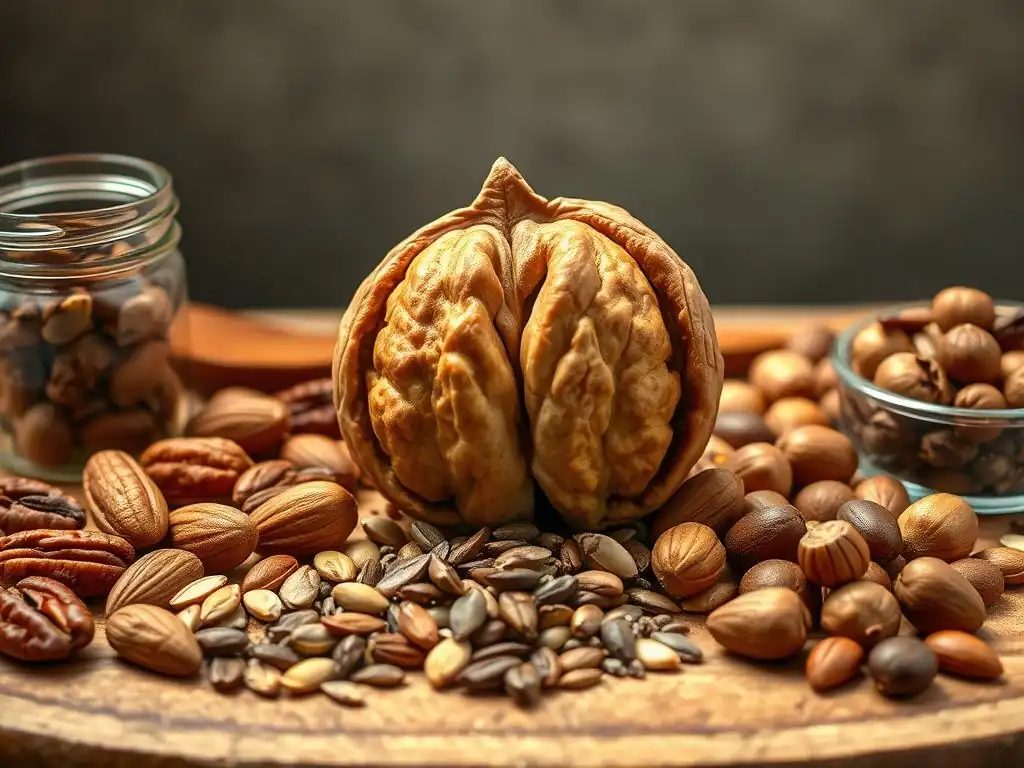
Sometimes, despite your best efforts, nuts or seeds might lose a bit of their initial crispness or flavor, becoming slightly stale but not yet fully rancid (i.e., no bitter taste). While truly rancid nuts should always be discarded, slightly stale ones can sometimes be improved or repurposed to avoid waste. These methods won't reverse rancidity, but they can enhance flavor and texture if spoilage is minimal.
These tips are for ingredients that are just starting to lose their peak freshness, not those that have developed the tell-tale bitter taste of rancidity. Using these techniques can help you get a little more life out of your fresh baking nuts seeds that are just past their prime.
Toasting Nuts to Enhance Flavor and Reduce Rancidity
Toasting nuts is a common technique used in baking to deepen their flavor and improve their texture. It can also sometimes help to "freshen" nuts that are slightly stale by driving off some volatile compounds and enhancing the nutty aromas. Spread the nuts in a single layer on a baking sheet and toast in a preheated oven at a low temperature (around 300°F or 150°C) for 5-15 minutes, stirring occasionally, until fragrant and lightly browned.
Alternatively, you can toast them in a dry skillet over medium heat, stirring constantly, for a few minutes. Be careful not to burn them. Toasting will not make truly rancid nuts edible, but for nuts that are just a little soft or lacking flavor, it can make a noticeable improvement. Always let toasted nuts cool completely before using them in a recipe. This can sometimes salvage almost-stale fresh baking nuts seeds.
Using Stale Nuts in Nut Butter or Pesto
If nuts are slightly stale but not rancid, they can sometimes be used in recipes where their texture or subtle off-notes will be less noticeable. Making homemade nut butter is one option. The process of grinding and blending can transform the texture, and adding a little salt or sweetener can mask minor flavor issues.
Similarly, slightly stale nuts (like walnuts or pine nuts) can be used in pesto or other sauces where they are ground and mixed with strong flavors like garlic, basil, and cheese. Again, this works best for nuts that are only slightly past their prime, not those that are truly rancid. These methods offer a way to use up less-than-perfect fresh baking nuts seeds.
Using Fresh Nuts and Seeds for Superior Baking Results
Ultimately, the best way to ensure delicious baked goods is to start with the freshest ingredients possible. Using fresh nuts and seeds makes a significant difference in the final outcome, impacting everything from flavor and aroma to texture. It's an investment in the quality of your baking. Prioritizing fresh baking nuts seeds is a hallmark of skilled bakers.
When ingredients are fresh, their natural flavors are vibrant and pronounced. This means your baked goods will have deeper, richer nutty notes and pleasant textures that truly enhance the overall experience. Don't underestimate the power of ingredient quality; it's often the secret to exceptional baking.
The Impact of Fresh Ingredients on Flavor and Texture
Fresh nuts and seeds contribute bright, clean flavors and aromas to baked goods. A fresh walnut adds a pleasant, slightly earthy bitterness that complements sweetness, while a fresh almond offers a delicate, sweet nuttiness. Rancid nuts, in contrast, introduce harsh, bitter, and chemical tastes that detract from the intended flavor profile.
Texture is also affected. Fresh nuts provide a crisp crunch or tender chewiness, depending on how they are used and processed. Rancid nuts can sometimes become soft or rubbery, leading to an undesirable texture in cookies, cakes, or bread. Using fresh baking nuts seeds ensures the intended sensory experience.
Recipes Where Fresh Nuts and Seeds Make a Significant Difference
The impact of fresh nuts and seeds is most noticeable in recipes where they play a prominent role or are not masked by many other strong flavors. Examples include:
- Nut-based cakes or muffins (like almond cake or pecan muffins)
- Nut brittle or pralines
- Cookies with large pieces of nuts (like chocolate chip walnut cookies)
- Granola
- Breads with seeds or nuts mixed into the dough or topping
In these recipes, the flavor of the nuts and seeds is front and center, making their freshness absolutely critical for success. Using fresh baking nuts seeds in these applications guarantees the best possible flavor outcome.
If you've ever baked something that tasted "off" or unexpectedly bitter, rancid nuts or seeds could be the culprit. It's a common issue, especially if ingredients have been sitting in the pantry for a long time. The bitter, chemical taste is hard to miss once you know what to look for.
If you suspect rancidity after baking, unfortunately, there's usually no way to save the batch. The flavors are integrated throughout the product. The best troubleshooting step is preventative: always taste and smell your nuts and seeds before adding them to your recipe. If they seem questionable, discard them. It's better to lose a small amount of nuts than an entire cake or batch of cookies. Making this check a habit ensures you are always using fresh baking nuts seeds.
Frequently Asked Questions
How does rancidity affect baking nuts and seeds?
Rancidity causes unpleasant flavors and odors, making baked goods taste stale or off. It's due to the oxidation of fats in the nuts and seeds.
What are the best storage methods for fresh baking nuts and seeds?
Store them in airtight containers in a cool, dark, and dry place. Refrigeration or freezing significantly extends their shelf life.
How can I tell if my baking nuts and seeds have gone rancid?
Smell them! Rancid nuts and seeds will have a distinctly unpleasant, oily, or paint-like odor. They may also taste bitter.
Why are nuts and seeds prone to going rancid?
Their high fat content makes them susceptible to oxidation, especially when exposed to heat, light, and air.
Can I revive rancid nuts and seeds for baking?
Unfortunately, no. Once rancidity sets in, the flavor is permanently altered, and they should be discarded to avoid ruining your baked goods.
Final Reflection: The Enduring Delight of Freshness
The quest for perfectly baked goods often hinges on a seemingly small detail: the freshness of our nuts and seeds. Ignoring this crucial element can lead to disappointment, transforming a potential masterpiece into a culinary catastrophe. The subtle nuances of flavor and texture, so vital to a successful bake, are irrevocably altered by rancidity, a silent saboteur lurking in our pantries.
The impact of using fresh ingredients extends far beyond mere taste; it speaks to a deeper appreciation for the craft of baking itself. It's about respecting the quality of our ingredients and understanding their role in the final product. As the renowned pastry chef, Alice Waters, once said, Good food, good mood.
This simple statement encapsulates the profound connection between the quality of our ingredients and the overall experience of baking and enjoying the final result. The freshness of our nuts and seeds directly contributes to that "good mood," transforming the baking process into a more joyful and rewarding experience.
Now, consider your own baking journey. What small changes can you implement to ensure the freshness of your nuts and seeds? Will you commit to smaller purchases, more frequent replacements, or perhaps explore innovative storage techniques? Take a moment to reflect on the power of freshness and how it can elevate your baking to new heights. Embrace the challenge of keeping your ingredients at their peak, and discover the transformative impact it has on your creations and your overall baking experience. The reward? The enduring delight of truly exceptional baked goods.
Unlock the Nutty Goodness: Keep Your Baking Ingredients Fresh!
Thanks for diving into the world of fresh baking ingredients! You've now learned the secrets to keeping your nuts and seeds at their peak flavor and quality. Ready to put your newfound knowledge into action?
- Prioritize Proper Storage: Immediately transfer your nuts and seeds to airtight containers in a cool, dark, and dry place. This single step makes a huge difference!
- Share Your Wisdom: Tell your baking buddies about these essential tips – they'll thank you (and their baked goods will too! ).
- Experiment with Freezing: Try freezing a portion of your nuts and seeds to extend their shelf life even further. It’s surprisingly easy!
So, what amazing recipe are you going to bake with your perfectly preserved nuts and seeds? Let's hear about it in the comments!