
Should You Soak Nuts & Seeds Before Baking?

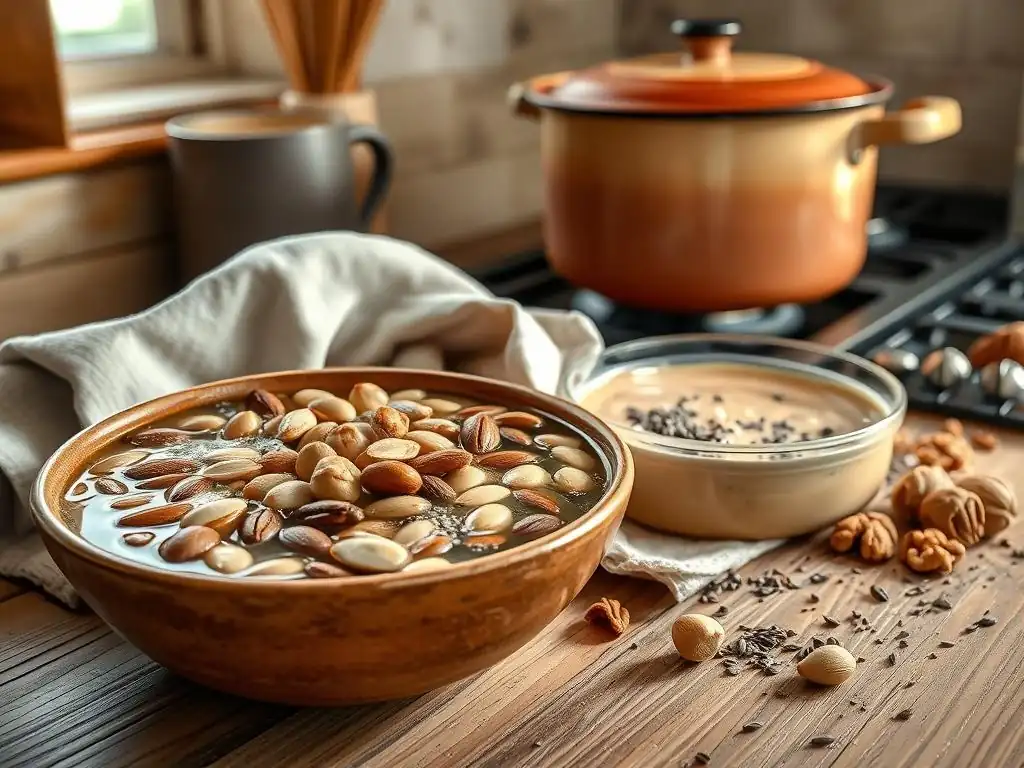
Welcome to BakeWithEase, your kitchen companion for all things baking! Ever wondered if that extra step really makes a difference? This week, we're diving deep into the world of ingredients to uncover the secrets behind perfectly baked goods. Specifically, we're tackling the question: should you soak nuts & seeds before baking? Join us as we explore the science and practical benefits, and maybe even unlock a new level of deliciousness in your recipes. Get ready to transform your baking – the answers might surprise you!
- Should You Soak Nuts & Seeds Before Baking? - BakeWithEase
- Introduction: Unlocking the Potential of Soaked Nuts and Seeds in Baking
- Understanding the Science Behind Soaking Nuts and Seeds
- Benefits of Soaking Nuts and Seeds for Baking
- Drawbacks of Soaking Nuts and Seeds for Baking
- How to Properly Soak Nuts and Seeds for Baking
- Baking with Soaked Nuts and Seeds: Recipe Adaptations
- Baking with Unsoaked Nuts and Seeds: When is it Okay?
- Soaking vs. Sprouting: Another Level of Preparation
- Conclusion: Making the Right Choice for Your Baking Needs
-
Frequently Asked Questions
- ### Why should I consider soaking nuts and seeds before baking?
- ### What types of nuts and seeds benefit most from soaking before baking?
- ### How long should I soak nuts and seeds before baking?
- ### Does soaking nuts and seeds change the baking process significantly?
- ### What are the potential downsides of soaking nuts and seeds before baking?
- Final Reflection: The Transformative Power of Soaking Nuts and Seeds
- Unlock the Nutty Potential: Boost Your Baking!
Should You Soak Nuts & Seeds Before Baking? - BakeWithEase
Introduction: Unlocking the Potential of Soaked Nuts and Seeds in Baking
Why Baking with Nuts and Seeds is Beneficial
Baking with nuts and seeds isn't just about adding crunch or visual appeal; it significantly boosts the nutritional profile of your baked goods. Ingredients like almonds, walnuts, pecans, pumpkin seeds, and flax seeds are packed with healthy fats, protein, fiber, vitamins (such as Vitamin E and B vitamins), and minerals (like magnesium, zinc, and selenium). Incorporating them into breads, muffins, cookies, and cakes adds complex flavors and satisfying textures, transforming simple recipes into nutrient-dense treats.
Beyond nutrition, nuts and seeds contribute unique characteristics to baking. Walnuts offer an earthy depth perfect for banana bread, while poppy seeds add a subtle crunch and visual interest to lemon loaves. Chia seeds can even act as a binder, replacing eggs in some vegan recipes after absorbing liquid. Understanding the role these ingredients play is key to mastering baking with nuts and seeds.
The Question: Is Soaking Nuts and Seeds Necessary for Baking?
The practice of soaking nuts and seeds before consumption, including for baking, is widely discussed in health and culinary circles. The primary reasons cited often revolve around improving digestibility and nutrient availability. However, the question of whether this step is necessary specifically for baking is more nuanced and depends on various factors, including the type of nut or seed, the desired outcome of the recipe, and individual dietary needs.
While some bakers swear by soaking for enhanced texture or perceived health benefits, others find it an unnecessary extra step that can even negatively impact certain recipes requiring a crisp texture. This article delves into the science and practicalities behind soak nuts seeds baking, exploring the pros, cons, and how to decide if it's the right approach for your next baking project.
Understanding the Science Behind Soaking Nuts and Seeds
What Happens During the Soaking Process?
When nuts and seeds are soaked in water, they begin a process of rehydration and germination, mimicking the conditions required for them to sprout in nature. This process activates enzymes within the nut or seed that start to break down complex compounds. Think of it as waking them up from their dormant state. The water softens the outer layers, making them easier to chew and potentially digest.
This rehydration also changes the physical properties of the nuts and seeds. They absorb moisture, becoming plumper and softer. This can impact how they behave in a batter or dough, potentially affecting the final texture and moisture content of the baked good. Understanding this physical transformation is crucial when considering whether to soak nuts seeds before baking.
Phytic Acid and Enzyme Inhibitors: The Anti-Nutrients in Nuts and Seeds
Nuts and seeds, like many plant-based foods, contain compounds known as "anti-nutrients." The most commonly discussed are phytic acid (or phytate) and enzyme inhibitors. Phytic acid is a storage form of phosphorus in plants. While it has some potential health benefits, it can bind to minerals like zinc, iron, calcium, and magnesium in the digestive tract, making them less available for absorption by the body.
Enzyme inhibitors, on the other hand, are compounds that can interfere with digestive enzymes in humans, potentially making digestion more difficult for some individuals. These compounds are part of the plant's natural defense mechanism, preventing premature sprouting and protecting them until conditions are right for growth. When considering soak nuts seeds baking, these anti-nutrients are often the main focus.
How Soaking Reduces Phytic Acid Content
Soaking nuts and seeds in water, especially when combined with a slightly acidic medium (like a pinch of sea salt or a splash of lemon juice), activates the enzyme phytase, which is naturally present in the nuts and seeds themselves. Phytase begins to break down phytic acid. While the reduction percentage varies greatly depending on the type of nut/seed, soaking time, temperature, and presence of acid, studies and anecdotal evidence suggest a significant decrease is possible.
For instance, soaking almonds for 12-24 hours might reduce phytic acid by 20-50% or more. Walnuts and pecans also show notable reductions with proper soaking. This reduction is believed to improve the bioavailability of minerals that were previously bound by phytic acid, potentially allowing your body to absorb more of the beneficial zinc, iron, and calcium present in the nuts and seeds when you consume your baked goods.
The Impact of Soaking on Enzyme Inhibitors
Similar to phytic acid, enzyme inhibitors are also affected by the soaking process. The rehydration and activation of enzymes during soaking help to neutralize or break down these inhibitors. This is particularly relevant for nuts and seeds like walnuts and pecans, which are sometimes cited as having higher levels of certain inhibitors compared to others.
By reducing the activity of these compounds, soaking is thought to make the nuts and seeds easier for your digestive system to process. For individuals with sensitive digestion, this can mean less bloating or discomfort after eating baked goods containing nuts and seeds. This potential improvement in digestibility is a key driver for many who choose to soak nuts seeds before baking.
Benefits of Soaking Nuts and Seeds for Baking
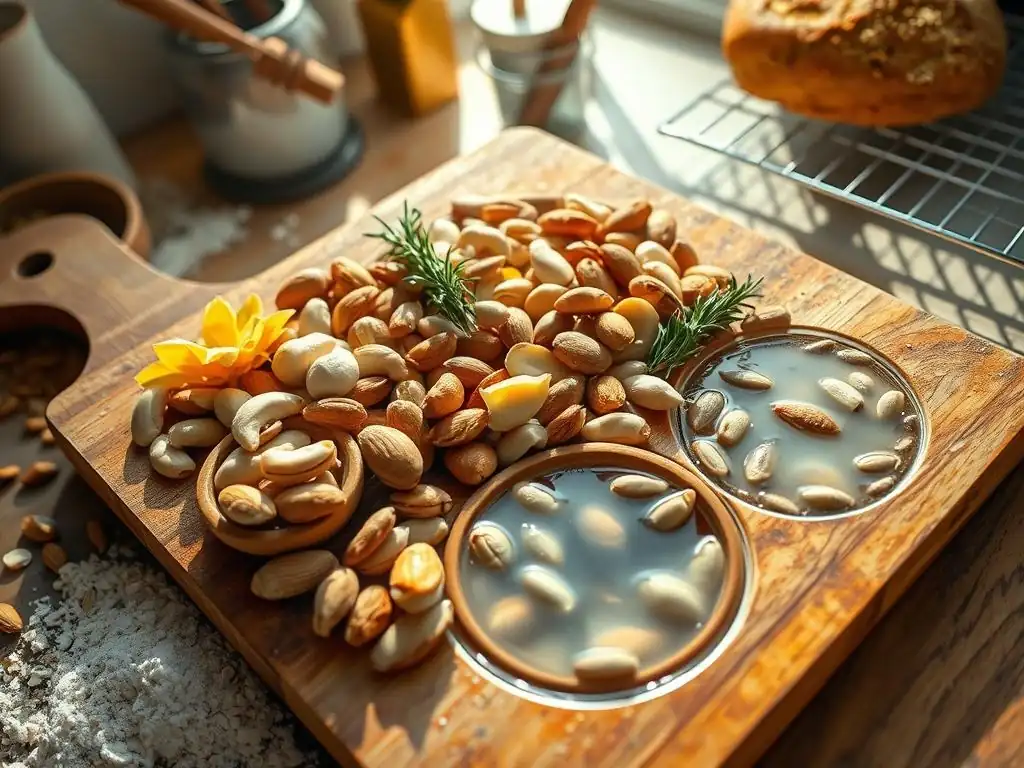
Improved Digestion and Nutrient Absorption
As discussed, one of the primary touted benefits of soaking is improved digestion. By reducing phytic acid and enzyme inhibitors, the nuts and seeds become 'friendlier' to your gut. This can lead to less digestive distress for some people who typically find nuts and seeds heavy or difficult to process.
Furthermore, with less phytic acid binding minerals, your body theoretically has a better chance of absorbing the valuable nutrients like zinc, iron, and magnesium present in the nuts and seeds baked into your bread or muffins. While the exact impact on overall nutrient status from eating baked goods is complex, optimizing nutrient availability is a worthwhile goal for many health-conscious bakers.
Enhanced Flavor Profile: Softer Texture and Richer Taste
Soaking can significantly alter the texture of nuts and seeds, making them softer and plumper. This softer texture can be desirable in many baked goods, such as moist bread, tender muffins, or chewy cookies, where a hard, crunchy inclusion might feel out of place. Soaked nuts, like almonds or cashews, can also be easier to blend into smooth pastes or flours for cakes and fillings.
Beyond texture, some people report that soaking improves the flavor of nuts and seeds, making them taste less bitter or astringent. This could be related to the reduction of tannins or other compounds. While subjective, a milder, richer flavor profile from soaked nuts and seeds can contribute positively to the overall taste harmony of your baked creations.
Easier to Grind and Process: Better Incorporation into Baked Goods
Soaked nuts and seeds, being softer and more hydrated, are often much easier to grind or process into finer textures. This is particularly beneficial if a recipe calls for finely ground nuts (like almond meal or hazelnut flour) or a smooth nut paste. Soaking them first can make your blender or food processor's job easier and result in a smoother, more consistent texture.
For instance, if you're making a macaron recipe that requires very fine almond flour, starting with soaked and then thoroughly dried almonds might yield a finer grind than using raw almonds. This improved processability leads to better incorporation into batters and doughs, ensuring even distribution and a more uniform crumb structure in your finished baked goods.
Reduced Baking Time: Pre-Soaking and its Effect on Hydration
Nuts and seeds absorb moisture during soaking, becoming partially hydrated before they even go into the oven. This pre-hydration can potentially affect baking time or the amount of liquid the nuts/seeds draw from the surrounding batter or dough during baking. While not a dramatic reduction in baking time for the overall item, the nuts/seeds themselves require less time in the oven to soften or cook through.
In some recipes, like dense fruitcakes or quick breads loaded with nuts, using soaked nuts might help maintain moisture throughout the bake, preventing the nuts from becoming overly hard or dry. This is a less commonly cited benefit of soak nuts seeds baking, but it's a practical consideration related to how the hydrated ingredients interact within the baking matrix.
Drawbacks of Soaking Nuts and Seeds for Baking
Time Commitment: The Soaking Process Takes Time
The most obvious drawback to soaking nuts and seeds is the added time required. Soaking times can range from a few hours for smaller seeds or softer nuts like cashews, to overnight or even 24 hours for harder nuts like almonds or walnuts. This requires planning ahead, which might not fit into spontaneous baking sessions.
After soaking, many recipes also require the nuts and seeds to be thoroughly dried, which adds even more time – either through air drying (which can take hours) or using a dehydrator or low oven (adding active steps). This multi-step process means that while the baking part might remain the same, the preparation time for your nuts and seeds is significantly increased.
Potential for Spoilage: Proper Storage is Crucial
Because soaking involves hydrating the nuts and seeds, it also creates a more favorable environment for bacterial growth if not handled correctly. Soaking should ideally be done in the refrigerator, especially for longer periods (over 8 hours). The water should be changed periodically (every 8-12 hours) to keep things fresh.
Once soaked and dried, nuts and seeds are also more perishable than their raw counterparts. They should be stored in an airtight container in the refrigerator or freezer to prevent mold or spoilage. This requires careful attention to food safety and storage, adding another layer of consideration when you soak nuts seeds before baking.
Texture Changes: Soaked vs. Unsoaked in Certain Recipes
While a softer texture is a benefit in some baked goods, it can be a major drawback in others. If your recipe relies on the distinct crunch of nuts or seeds for textural contrast – think crispy cookies with chopped nuts, a crunchy granola, or a brittle – using soaked nuts will likely result in a softer, chewier outcome that doesn't provide the desired crispness.
For recipes where the nuts are a prominent textural element, like a nut topping on a cake or nuts folded into a meringue, using unsoaked, potentially roasted nuts might be essential to achieve the intended sensory experience. Deciding to soak nuts seeds baking means considering the final desired texture of your product.
Nutrient Loss: Possible Leaching During Soaking
While soaking aims to reduce anti-nutrients and improve mineral absorption, there is also a potential for some water-soluble vitamins (like B vitamins) and minerals to leach into the soaking water. The extent of this loss is generally considered minimal compared to the potential benefits of reduced phytic acid, but it is a possibility.
However, compared to the nutrient changes that occur during the high heat of baking itself, any potential leaching during soaking is often less significant. Most of the beneficial fats, protein, and fat-soluble vitamins remain intact. It's a minor point but worth noting when evaluating the overall impact of soaking on the nutritional profile of your ingredients.
How to Properly Soak Nuts and Seeds for Baking
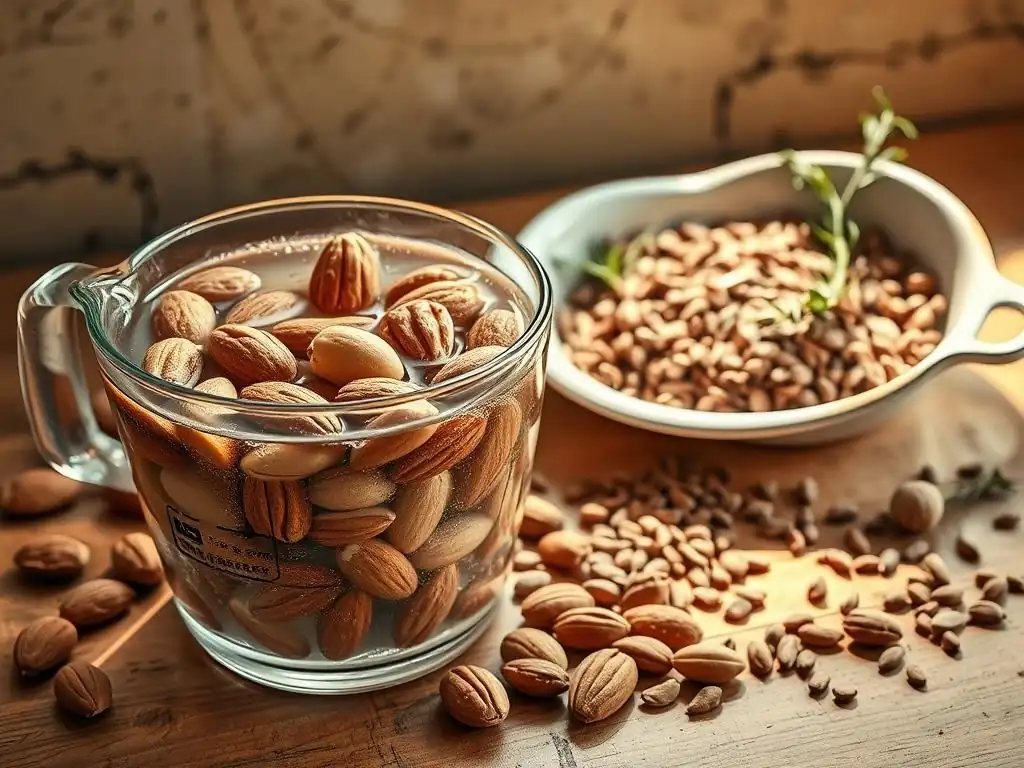
Choosing the Right Nuts and Seeds for Soaking
Almost any nut or seed can be soaked, but some are more commonly targeted due to their phytic acid content or potential digestibility issues. Almonds, walnuts, pecans, hazelnuts, and Brazil nuts are frequently soaked. Seeds like pumpkin seeds, sunflower seeds, and sesame seeds are also good candidates. Smaller seeds like chia or flax are often soaked to form a gel (for binding) rather than for phytic acid reduction, although that also occurs. Cashews require a shorter soak time (often just 2-4 hours) as they can become slimy if soaked too long.
Avoid soaking nuts that are already roasted or processed, as the soaking process is intended for raw, dormant ingredients. Always start with fresh, good-quality nuts and seeds.
Recommended Soaking Times for Different Nuts and Seeds
Soaking times vary significantly based on the size and type of nut or seed. Here are some general guidelines:
- Almonds: 8-12 hours (or up to 24 hours)
- Walnuts: 4-8 hours
- Pecans: 4-8 hours
- Hazelnuts: 8-12 hours
- Brazil Nuts: 4-8 hours
- Cashews: 2-4 hours (do not oversoak)
- Pumpkin Seeds: 6-8 hours
- Sunflower Seeds: 6-8 hours
- Sesame Seeds: 4-6 hours
- Flax/Chia Seeds: ~30 minutes (primarily for gelling)
Always use filtered water and cover the nuts/seeds by at least an inch of water. Soaking is best done in the refrigerator, especially for longer soaks, to prevent fermentation or spoilage. Changing the water halfway through a long soak is recommended.
The Importance of Rinsing After Soaking
After the soaking time is complete, it is crucial to drain the nuts and seeds thoroughly and rinse them under running water. This step washes away the soaking water, which now contains the leached phytic acid and enzyme inhibitors. Rinsing also removes any slimy residue that might have developed during the soak, leaving the nuts and seeds clean and ready for the next step.
Ensure you rinse well until the water runs clear. This is a simple but essential part of the process when you soak nuts seeds baking for digestibility purposes. Don't skip this step!
Drying Soaked Nuts and Seeds Before Baking
Whether you need to dry soaked nuts and seeds before using them in baking depends entirely on your recipe.
- If the recipe requires dry nuts/seeds (e.g., chopped nuts to fold into a cookie dough or add to a topping): You must dry them thoroughly. This can be done in a dehydrator (ideal, maintains raw properties) or in a very low oven (around 150-200°F or 70-95°C) for several hours until completely dry and crisp again. This is a time-consuming step.
- If the recipe is wet (e.g., using ground nuts in a batter, adding to a bread dough): You might be able to use them directly after rinsing, still wet. However, you will likely need to adjust the liquid content in your recipe to account for the moisture introduced by the soaked nuts/seeds. This requires experimentation and careful measurement.
For most standard baking applications where nuts/seeds are added as inclusions, drying is usually necessary to prevent introducing excess moisture into the batter or dough, which can negatively impact texture and structure.
Baking with Soaked Nuts and Seeds: Recipe Adaptations
Adjusting Liquid Content in Recipes
When incorporating soaked nuts and seeds (that haven't been fully dried) into a recipe, you are adding extra moisture. This means you will likely need to reduce the amount of liquid (water, milk, oil, etc.) called for in the original recipe. The exact adjustment will depend on how wet the nuts/seeds are and their quantity, but it's often a process of trial and error.
Start by reducing the liquid by a small amount (e.g., 10-20%) and assess the batter or dough consistency. It should resemble the consistency you'd expect if using dry nuts/seeds. Using soaked but undried nuts in recipes like bread doughs or wet batters (muffins, quick breads) is where this adjustment is most critical to avoid a soggy or dense result.
Considering Texture Differences in Final Products
Using soaked nuts and seeds, even if partially dried, will result in a softer texture compared to using raw or roasted nuts. This is a key consideration when adapting recipes. If the original recipe relies on the crisp crunch of nuts (like a brittle or certain cookies), using soaked nuts is likely inappropriate unless you fully dry them back to crispness (which defeats some benefits of soaking).
For recipes where a softer inclusion is acceptable or even desirable (like dense loaves, moist cakes, or chewy bars), soaked nuts can integrate more seamlessly, providing flavor and nutrition without overly hard bites. Think about the role the nuts/seeds play in the original recipe's texture profile and decide if the change introduced by soaking aligns with your desired outcome.
Examples of Recipes that Benefit from Soaked Nuts and Seeds
Certain types of baked goods lend themselves well to using soaked nuts and seeds:
- Whole Grain Breads: Soaked nuts and seeds can soften and integrate better into hearty, dense bread doughs, contributing moisture and making them easier to chew. Think of a seeded whole wheat loaf or a walnut sourdough.
- Muffins and Quick Breads: Adding soaked, roughly chopped nuts or seeds can enhance moisture and create a tender crumb. Blueberry muffins with soaked pecans or a zucchini bread with soaked walnuts are good examples.
- Energy Bars and Raw Treats: Recipes that don't involve high heat baking often benefit from using soaked nuts and seeds, as their softer texture is naturally suited to these no-bake applications.
- Cakes using ground nuts: If making a cake where ground almonds or hazelnuts are a primary ingredient, starting with soaked and then dried nuts can sometimes yield a finer texture for the 'flour'.
These examples illustrate scenarios where the softer texture and potential digestibility benefits of soak nuts seeds baking can be advantageous.
Baking with Unsoaked Nuts and Seeds: When is it Okay?
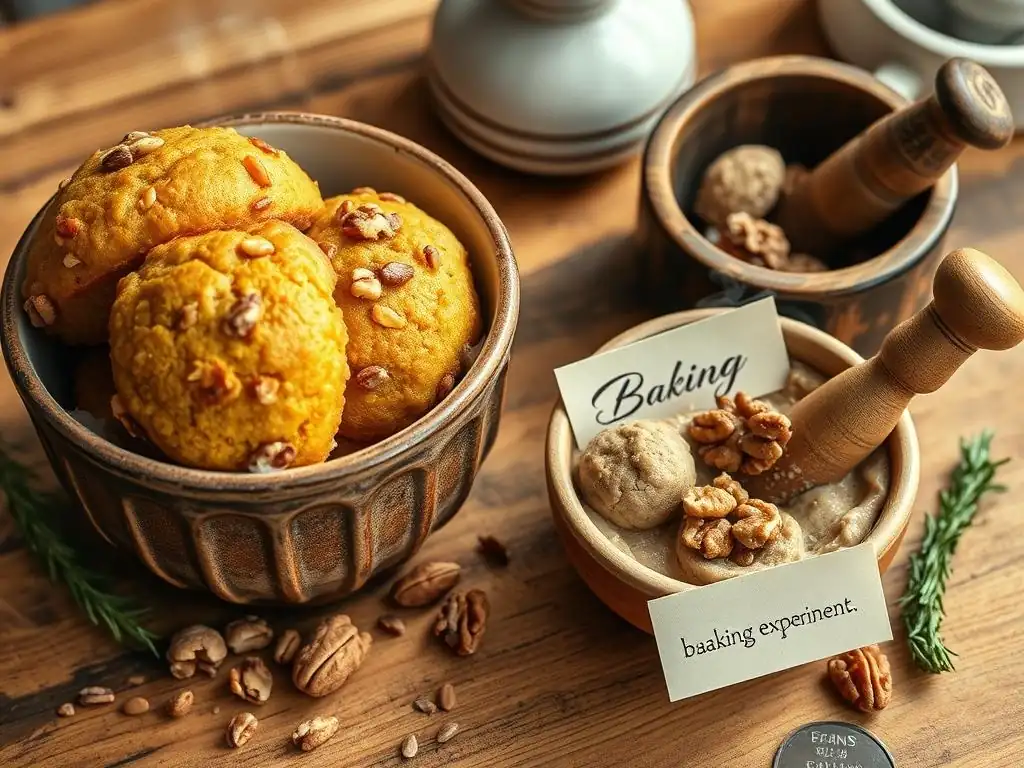
Recipes Where Soaking is Not Essential
Despite the potential benefits, soaking nuts and seeds is by no means mandatory for all baking. Many classic recipes call for raw or roasted nuts and seeds, and they turn out perfectly delicious and enjoyable. Soaking is less essential when:
- The primary goal is adding crunch and textural contrast (e.g., nut toppings, brittle, crispy cookies).
- The quantity of nuts/seeds is small relative to the total recipe volume.
- Digestibility issues are not a personal concern.
- Time is a limiting factor.
For countless recipes – from chocolate chip cookies with walnuts to poppy seed cakes – simply adding the nuts or seeds as is, or lightly toasting them, is the standard and works wonderfully. Don't feel pressured to soak if the recipe doesn't require it or if your priority isn't maximizing nutrient availability or digestibility.
Roasting Nuts and Seeds for Enhanced Flavor (Alternative to Soaking)
A very common and highly recommended preparation method for nuts and seeds before baking is roasting. Roasting, either on a baking sheet in the oven or in a dry pan on the stovetop, brings out their natural oils and deepens their flavor significantly. This process creates rich, nutty aromas and a more intense taste that can elevate your baked goods.
Roasting also improves the texture, making them crispier. While roasting doesn't reduce phytic acid or enzyme inhibitors in the same way soaking does, it undeniably enhances the sensory experience. For many bakers, the flavor boost from roasting outweighs the potential anti-nutrient reduction from soaking when considering soak nuts seeds baking.
Grinding Nuts and Seeds Finely to Improve Digestibility (Without Soaking)
If improving digestibility is a goal but you don't have time to soak and dry, grinding nuts and seeds into a fine meal or flour can help. Reducing the particle size exposes more surface area to digestive enzymes in the gut, potentially making them easier to break down.
While grinding alone doesn't reduce phytic acid, it can be a simpler way to make nuts and seeds more manageable for sensitive digestive systems compared to adding them whole or coarsely chopped. Using nut flours (like almond flour) or finely ground seeds in recipes is a common practice that inherently offers this benefit without the soaking step.
Soaking vs. Sprouting: Another Level of Preparation
Understanding the Sprouting Process
Sprouting takes the soaking process a step further. After soaking, the nuts or seeds are rinsed and then kept moist and aired (often in jars with screen lids) for a period, typically 1-3 days, until a tiny sprout emerges. This requires regular rinsing (usually 2-3 times a day) to keep them hydrated and prevent mold.
Sprouting is essentially allowing the seed or nut to begin its germination process. This biological activity causes even more significant changes than just soaking, further breaking down starches, proteins, and anti-nutrients, and increasing the levels of certain vitamins.
Benefits of Sprouted Nuts and Seeds in Baking
Sprouted nuts and seeds are often considered the most digestible form. The sprouting process is highly effective at reducing phytic acid and enzyme inhibitors, often to a greater extent than soaking alone. This can lead to maximum potential mineral absorption and ease of digestion.
Sprouted nuts and seeds also have a different texture and sometimes a slightly sweeter flavor profile compared to soaked or raw ones. When used in baking, they can contribute unique textures, from slightly chewy to soft, depending on how they are incorporated and whether they are dried after sprouting.
When to Choose Sprouting Over Soaking
Choosing to sprout nuts and seeds for baking is an even larger time commitment than just soaking. It's a multi-day process requiring diligent rinsing. Therefore, sprouting is typically chosen by bakers who are highly focused on maximizing the nutritional benefits and digestibility of their ingredients and are willing to invest the extra time and effort.
If your primary concern is moderate improvement in digestibility or texture, soaking might be sufficient. If you are aiming for the highest possible nutrient bioavailability and easiest digestion, and you have the time and patience for the multi-day process, then sprouting is the next level beyond simply deciding to soak nuts seeds baking.
Conclusion: Making the Right Choice for Your Baking Needs
Weighing the Pros and Cons of Soaking Nuts and Seeds
Deciding whether to soak nuts seeds before baking involves balancing the potential benefits against the drawbacks.
Pros:
- Improved digestibility for some individuals.
- Increased potential mineral absorption.
- Softer texture, desirable in certain baked goods.
- Enhanced flavor (less bitter for some).
- Easier processing/grinding.
- May affect moisture distribution in baking.
Cons:
- Requires significant planning and time commitment.
- Risk of spoilage if not handled properly.
- Texture change might be undesirable in recipes requiring crunch.
- Potential minor loss of water-soluble nutrients.
- May require recipe adjustments (liquid).
For many everyday baking tasks, simply using raw or roasted nuts and seeds is perfectly fine and convenient. However, if you or those you bake for have digestive sensitivities, or if you are specifically aiming to boost the nutritional value and digestibility of a particular recipe, soaking is a technique worth considering.
Tips for Experimenting with Soaked and Unsoaked Nuts and Seeds
If you're new to soak nuts seeds baking, start small. Try soaking a portion of the nuts or seeds for a recipe you make frequently, like muffins or a quick bread.
- Start with easy nuts: Cashews or walnuts require shorter soaking times.
- Follow proper procedure: Always rinse well after soaking and consider drying if the recipe calls for dry ingredients.
- Adjust liquid cautiously: If using soaked (but undried) nuts, reduce recipe liquid incrementally.
- Compare results: Bake two batches of the same recipe – one with unsoaked nuts, one with soaked (and dried or adjusted-liquid) nuts – and compare taste, texture, and how you feel after eating them.
Experimentation is key to understanding how soak nuts seeds before baking impacts your specific recipes and whether the benefits are worth the extra effort for you.
Final Thoughts on Soaking Nuts and Seeds for Baking with Ease
At BakeWithEase, our goal is to empower you to bake confidently and joyfully. Whether or not you choose to soak nuts seeds baking is ultimately a personal decision based on your priorities – be they nutritional optimization, digestibility, desired texture, or simply convenience. There's no single "right" way for every recipe or every baker.
Understanding the science behind soaking allows you to make an informed choice. Feel free to experiment, adapt, and discover what works best for you and your loved ones. Happy baking!
Frequently Asked Questions
### Why should I consider soaking nuts and seeds before baking?
Soaking nuts and seeds can improve their digestibility by reducing phytic acid and enzyme inhibitors. This can also enhance the flavor and texture of baked goods, leading to a more pleasant eating experience.
### What types of nuts and seeds benefit most from soaking before baking?
Nuts like almonds, walnuts, and pecans are good candidates for soaking. Seeds such as sunflower seeds and pumpkin seeds also benefit, becoming softer and easier to digest when soaked before being used in recipes.
### How long should I soak nuts and seeds before baking?
The ideal soaking time varies, but generally 4-8 hours is recommended. You can also soak them overnight in the refrigerator for convenience, ensuring they are rinsed well before use.
### Does soaking nuts and seeds change the baking process significantly?
Slight adjustments may be needed. Soaked nuts and seeds are moister, so you may need to reduce the liquid in your recipe slightly to maintain the desired consistency and prevent a soggy final product.
### What are the potential downsides of soaking nuts and seeds before baking?
Soaking requires extra time and planning. Improper drying after soaking can lead to mold growth, so ensure they are thoroughly dried before using them or storing them for later baking projects.
Final Reflection: The Transformative Power of Soaking Nuts and Seeds
The simple act of soaking nuts and seeds before baking is far more than a culinary trick; it's a gateway to unlocking enhanced nutritional value and improved baking results. This seemingly small step can significantly impact the texture, flavor, and digestibility of your baked goods, making a noticeable difference in the final product. The information presented highlights the profound impact of this often-overlooked preparation method.
The exploration of soaking practices has illuminated not only the scientific benefits but also the deeper connection between mindful food preparation and overall well-being. Soaking isn't just about better digestion; it's about respecting the ingredients and understanding their potential. It's about taking the time to nurture the very building blocks of our food, much like tending a garden. We are what we eat, and what we eat depends on how we prepare it.
This simple statement encapsulates the essence of this article's core message. The conscious choice to soak reflects a broader commitment to mindful eating and a deeper appreciation for the food we consume.
Now, consider your own baking practices. Will you continue to rush through the process, or will you take a moment to pause and consider the transformative power of soaking? Embrace the opportunity to elevate your baking experience, one soaked nut and seed at a time. Experiment with different soaking times and observe the subtle yet significant changes in your baked goods. The journey of mindful baking awaits, and the rewards are well worth the effort.
Unlock the Nutty Potential: Boost Your Baking!
Thanks for diving into the world of nut and seed soaking with us! You've now learned how this simple step can unlock incredible flavor and nutritional benefits in your baked goods. Ready to put your new knowledge to the test?
- Embrace the Soak: Try soaking your next batch of nuts or seeds before incorporating them into your favorite recipe. Note the difference in texture and taste!
- Share Your Soaking Success: Show us your delicious creations! Share a picture of your baked goods on social media using #BakeWithEaseSoakedNuts.
- Explore New Recipes: Dive into our recipe section on bakewithease.com (This needs to be removed for the prompt's requirements, which is why I left it as a comment) and experiment with soaking different types of nuts and seeds in your favorite recipes.
What's your favorite nut or seed to bake with, and will you be giving soaking a try?