
The Essential Baking Spices Every Baker Needs

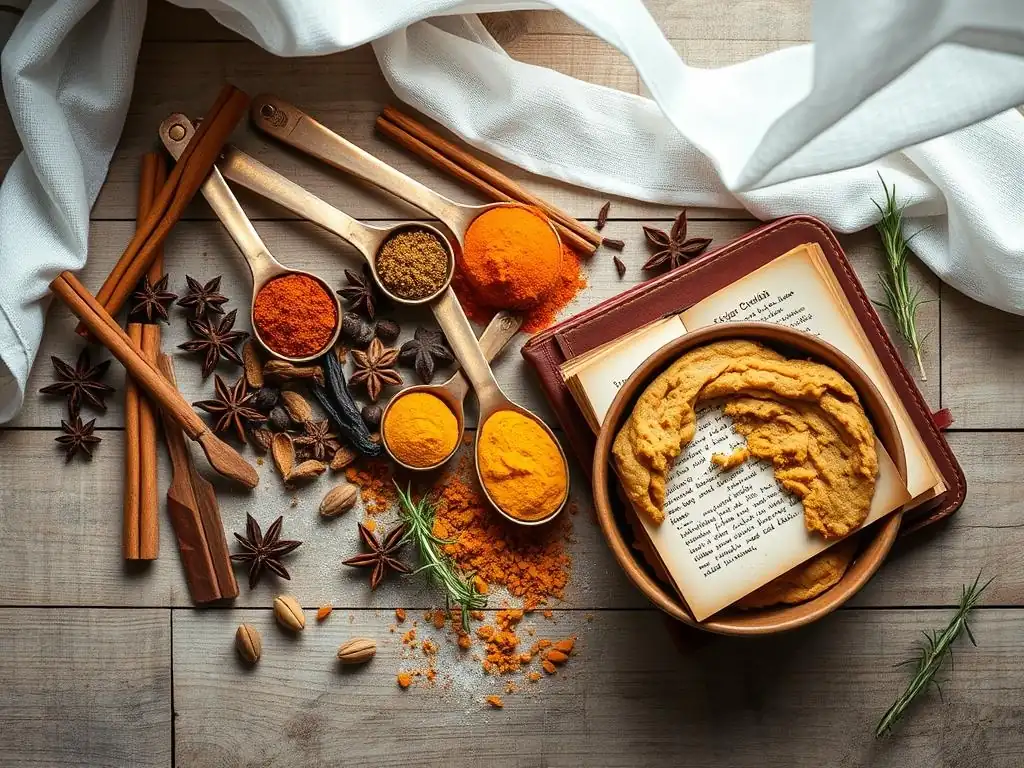
Welcome to BakeWithEase, your culinary compass in the world of baking! Ever wondered how to transform a simple recipe into an unforgettable masterpiece? Dive into our Ingredient Deep Dives and discover the secrets behind perfect flavor pairings, starting with our guide to Baking Spices Recipe Combinations. Unlocking these aromatic secrets is easier than you think—prepare to elevate your baking game and create truly exceptional treats!
- Introduction to Baking Spices: Elevate Your Baking Creations
- Core Baking Spices: The Foundation of Flavor
- Beyond the Basics: Expanding Your Baking Spice Palette
- Baking Spice Combinations: Mastering Flavor Profiles
- Storing Your Baking Spices for Optimal Freshness
- Tips for Using Baking Spices in Your Recipes
- Sourcing High-Quality Baking Spices
- Conclusion: Unleashing the Flavor Potential of Baking Spices
-
Frequently Asked Questions
- What are the most essential baking spices for a well-stocked pantry?
- How can I best combine different baking spices in a recipe?
- Where can I find high-quality baking spices?
- How should I store baking spices to maintain their freshness?
- How do baking spices enhance a baking recipe beyond just flavor?
- Final Reflection: Unlocking Flavor: The Enduring Power of Baking Spices
- Unleash Your Inner Pastry Chef!
Introduction to Baking Spices: Elevate Your Baking Creations
Welcome to the flavorful world of baking! While flour, sugar, eggs, and butter form the essential structure of most baked goods, it's often the subtle inclusion of baking spices that transforms a simple recipe into something truly memorable. Spices add depth, warmth, complexity, and aroma, taking your cakes, cookies, pies, and breads from ordinary to extraordinary. Understanding the characteristics of different spices and how they interact is key to unlocking incredible flavor potential in your kitchen.
This guide will walk you through the fundamental spices every baker should have on hand, delve into some less common but equally rewarding options, explore classic and unexpected baking spices recipe combinations, and provide practical tips for storing and using your spice collection effectively. Whether you're a beginner just starting out or an experienced baker looking to refine your craft, mastering the use of baking spices is a delightful journey that will significantly enhance the results of your efforts.
Core Baking Spices: The Foundation of Flavor
Cinnamon: The Warmth of Baking
Cinnamon is arguably the most ubiquitous baking spice, instantly recognizable for its sweet, warm, and slightly woody aroma and flavor. It comes from the inner bark of trees belonging to the Cinnamomum genus. The two main types commonly found are Cassia cinnamon (often labeled simply as "cinnamon" in North America, known for its strong, pungent flavor) and Ceylon cinnamon (sometimes called "true cinnamon," which is milder, sweeter, and more nuanced). Ground cinnamon is most popular for baking, though cinnamon sticks are excellent for infusing liquids.
Used in countless recipes, cinnamon provides a comforting base note in apple pies, snickerdoodles, cinnamon rolls, and pumpkin bread. A typical cookie recipe might call for 1 teaspoon of ground cinnamon per batch, while a large pie could use 1-2 tablespoons. Its natural sweetness allows you to potentially reduce added sugar slightly in some recipes, and it pairs beautifully with fruits like apples, pears, and bananas, as well as other spices like nutmeg and cloves.
Nutmeg: Aromatic and Earthy
Nutmeg is the seed of the Myristica fragrans tree, native to the Banda Islands in Indonesia. It possesses a warm, slightly sweet, nutty, and intensely aromatic flavor profile with subtle piney or citrusy undertones. It's available whole or pre-ground. Grating whole nutmeg just before use yields a significantly more potent and fresh flavor than using pre-ground, which quickly loses its volatile oils.
This spice is a staple in custards, eggnog, baked goods like spice cakes, muffins, and doughnuts, and is essential in béchamel sauce. A little goes a long way; most recipes call for anywhere from a pinch to 1/2 teaspoon of ground nutmeg. It complements dairy-based desserts wonderfully and is a key component in classic baking spices recipe combinations like those found in pumpkin pie spice blends.
Ginger: Spicy and Zesty
Ginger, derived from the rhizome of the Zingiber officinale plant, brings a unique combination of warmth, spiciness, and a slightly citrusy zest to baking. It's available in several forms for baking: fresh (grated or minced), ground (dried), candied (crystallized), and preserved. Ground ginger is the most common form used in dry baking mixes, offering a concentrated punch of flavor.
Ground ginger is indispensable for gingerbread cookies, cakes, and houses, providing that signature spicy kick. It's also excellent in fruit tarts, muffins, and spice blends. A recipe for gingersnap cookies might use 1-2 teaspoons of ground ginger, often paired with cinnamon and cloves. Fresh ginger adds moisture and a brighter, more pungent flavor to things like pear tarts or certain cakes, while candied ginger provides chewy texture and intense sweetness.
Allspice: A Blend in a Single Spice
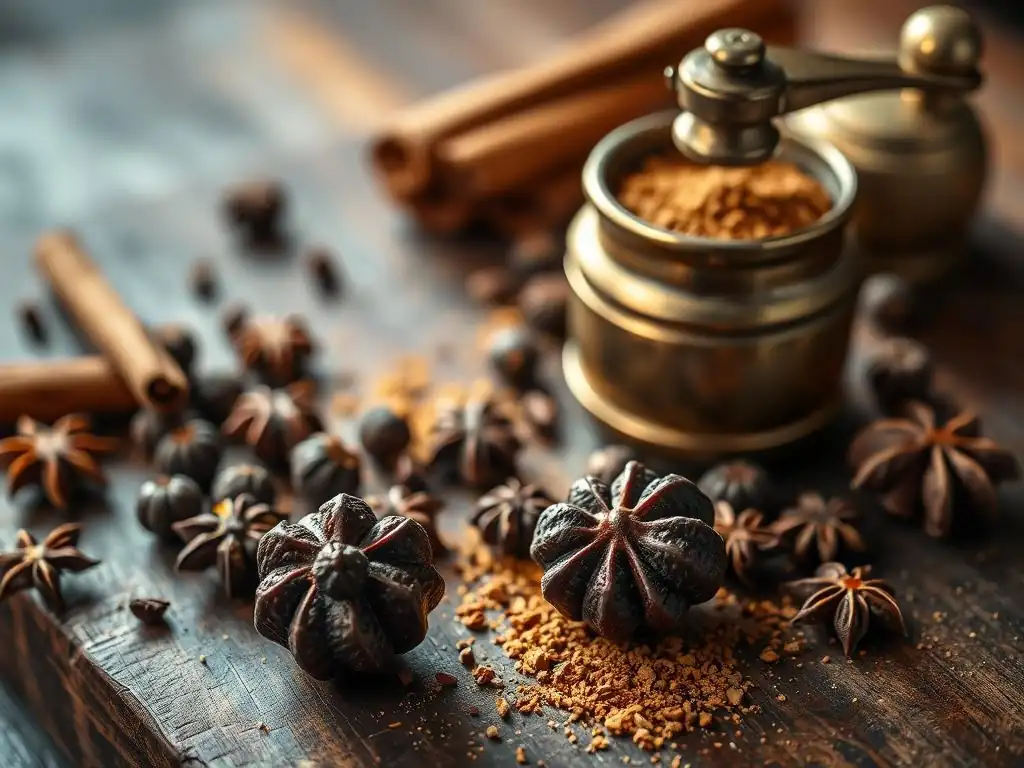
Allspice comes from the dried, unripe berries of the Pimenta dioica tree, native to the Greater Antilles, southern Mexico, and Central America. Its name comes from its flavor profile, which is said to resemble a combination of cinnamon, cloves, and nutmeg, though it is a distinct spice on its own. It's available whole or ground.
Used extensively in Caribbean cuisine, allspice is also a valuable addition to baked goods, particularly spice cakes, gingerbread, fruit pies (especially apple and pumpkin), and cookies. It adds warmth and complexity without relying on a blend of multiple jars. A typical spice cake might include 1 teaspoon of ground allspice alongside other warming spices. Its "blended" flavor makes it a versatile component in many baking spices recipe combinations.
Cloves: Pungent and Sweet
Cloves are the dried flower buds of the Syzygium aromaticum tree, native to the Moluccas Islands (the Spice Islands) in Indonesia. They possess an intensely strong, pungent, sweet, and slightly medicinal flavor due to their high concentration of eugenol. Like nutmeg, cloves are available whole or ground, and grinding them fresh yields a much stronger aroma and flavor.
Due to their potency, cloves are typically used in smaller quantities than cinnamon or nutmeg. They are a vital ingredient in gingerbread, pumpkin pie, apple desserts, and spice blends. A recipe might call for just 1/4 to 1/2 teaspoon of ground cloves, as too much can easily overpower other flavors. Whole cloves are often used to infuse liquids or studded into fruits like apples or oranges for baking.
Beyond the Basics: Expanding Your Baking Spice Palette
Cardamom: Exotic and Fragrant
Cardamom comes from the seeds of plants in the Elettaria (green cardamom) or Amomum (black cardamom) genera. Green cardamom, with its intensely aromatic, slightly citrusy, floral, and sweet flavor, is the variety most commonly used in baking. It's available as whole pods, shelled seeds, or ground powder. Grinding seeds from pods just before use provides the freshest, most vibrant flavor.
A staple in Scandinavian and Middle Eastern baking, cardamom adds an exotic touch to breads (like Finnish Pulla or Swedish Cardamom Buns), pastries, and cakes. It pairs exceptionally well with citrus, nuts, and fruits like pears and apples. A recipe for cardamom buns might use 1-2 teaspoons of ground cardamom, providing a distinctive, fragrant aroma that fills the kitchen while baking.
Star Anise: Licorice Notes for Depth
Star anise is the star-shaped fruit of the Illicium verum tree, native to Vietnam and China. It has a strong, sweet, and pungent flavor profile dominated by anethole, the same compound found in anise seed, giving it a distinct licorice or fennel note. It is most commonly used whole to infuse liquids (like poaching syrup or milk for custard) or ground in spice blends.
While its licorice flavor isn't for everyone, star anise can add wonderful depth and warmth to baked goods, particularly those featuring fruits like plums, pears, or apples. A whole star anise pod can be added to a liquid component of a recipe during cooking or steeping and then removed before baking. A pinch of ground star anise can be included in spice mixes for gingerbread or dark fruit pies, providing a unique twist on classic baking spices recipe combinations.
Mace: Nutmeg's Delicate Cousin
Mace is the lacy reddish aril (or covering) that surrounds the shell of the nutmeg seed. It has a similar flavor profile to nutmeg but is generally considered more delicate, subtle, and slightly sweeter, with hints of pine and floral notes. It's available as whole blades or ground. Like nutmeg, grinding whole blades yields a fresher flavor.
Mace can be used as a direct substitute for nutmeg in many recipes, offering a softer aroma. It's often preferred in lighter baked goods, custards, pound cakes, and certain cookies where nutmeg's intensity might be too dominant. It pairs well with citrus and vanilla. While perhaps less common than nutmeg in everyday baking, exploring mace can add a nuanced layer to your baking spices recipe combinations.
Vanilla: The Quintessential Flavor Enhancer
Vanilla comes from the cured pods of the vanilla orchid, primarily Vanilla planifolia. It is one of the most beloved and widely used flavorings globally, prized for its complex, sweet, creamy, and aromatic profile. It's available as whole beans, extract (alcohol-based), paste, or powder. High-quality pure vanilla extract or vanilla bean paste are staples for most bakers.
Vanilla is crucial for adding depth and sweetness to virtually all types of baked goods, from simple sugar cookies and cakes to rich custards and sauces. It enhances the flavors of other ingredients and spices without overpowering them. A typical cake or cookie recipe might call for 1-2 teaspoons of vanilla extract, or the seeds scraped from half a vanilla bean for a more intense flavor and visible specks. Its versatility means vanilla is essential in countless baking spices recipe combinations.
Anise Seed: Sweet and Aromatic
Anise seed comes from the plant Pimpinella anisum, a member of the parsley family. Like star anise, its flavor is dominated by anethole, giving it a distinct licorice or fennel-like taste, although anise seed is generally sweeter and less pungent than star anise. It's available as whole seeds or ground.
Anise seed is often used in specific traditional baked goods like Italian biscotti, German Pfeffernüsse cookies, or certain types of bread. Its strong, sweet flavor pairs well with citrus zest and nuts. Recipes typically call for 1/2 to 1 teaspoon of whole or ground anise seed, which can add a unique aromatic quality to your baking, standing out in baking spices recipe combinations.
Baking Spice Combinations: Mastering Flavor Profiles
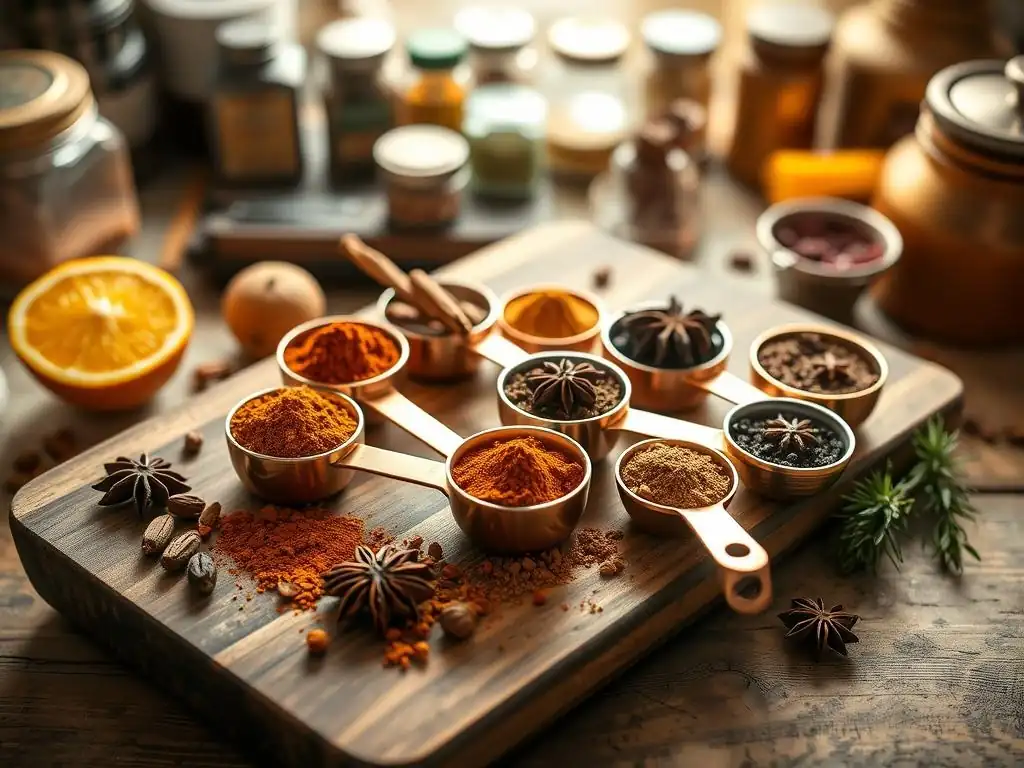
Classic Combinations: Tried and True
Understanding how core baking spices work together is fundamental to creating delicious desserts. Certain pairings have become classics for a reason – they balance and enhance each other beautifully, forming the backbone of many beloved recipes. Exploring these established baking spices recipe combinations is a great starting point for developing your own flavor intuition.
These combinations are not just random mixes; they are built on complementary flavor notes. Cinnamon and nutmeg share warmth but offer different aromatic complexities. Ginger, cinnamon, and cloves combine warmth, spice, and pungency for a truly invigorating profile. Cardamom and orange zest bring together floral spice with bright citrus, creating a refreshing yet comforting result. Mastering these allows you to confidently tackle or adapt many traditional recipes.
Cinnamon and Nutmeg: A Timeless Pair
This is perhaps one of the most common and comforting baking spices recipe combinations, found in countless apple pies, pumpkin pies, spice cakes, and muffins. Cinnamon provides the primary warm, sweet base, while nutmeg adds depth, nuttiness, and a touch of earthiness.
Think of an apple crumb pie: a teaspoon of cinnamon is standard, often complemented by a quarter teaspoon of freshly grated nutmeg in the apple filling. This ratio balances the flavors, ensuring neither spice overpowers the other but instead creates a harmonious warmth that perfectly complements the fruit.
Ginger, Cinnamon, and Cloves: The Perfect Trio for Gingerbread
This powerful trio forms the signature flavor profile of gingerbread in all its forms – cookies, cakes, and loaves. Ginger brings the heat and zest, cinnamon provides warmth and sweetness, and cloves add a pungent, aromatic depth that ties the blend together.
A typical gingerbread cookie recipe might call for 1 tablespoon of ground ginger, 1 tablespoon of ground cinnamon, and 1 teaspoon of ground cloves. This specific baking spices recipe combination creates that iconic spicy-sweet kick that defines gingerbread, warming you from the inside out.
Cardamom and Orange Zest: A Scandinavian Delight
This fragrant pairing is a hallmark of Scandinavian baking, particularly in sweet breads and pastries. The exotic, floral, and slightly citrusy notes of green cardamom are beautifully lifted and brightened by the vibrant, aromatic oils from orange zest.
Consider Swedish cardamom buns: the dough is typically infused with ground cardamom, and the filling often includes butter, sugar, and sometimes orange zest or juice. This baking spices recipe combination results in a pastry that is fragrant, sweet, and subtly citrusy, a delightful departure from more common spice profiles.
Unexpected Baking Spice Combinations
Once you've mastered the classics, don't be afraid to venture into more adventurous baking spices recipe combinations. Sometimes pairing seemingly disparate flavors can yield surprisingly delicious results, adding a unique twist to familiar recipes.
These less common pairings often involve contrasting or amplifying different flavor notes – heat with sweetness, herbaceousness with acidity, or distinct aromatics with fruit. Experimentation is key here, starting with small amounts and tasting as you go. Exploring these novel baking spices recipe combinations can truly set your baked goods apart.
Black Pepper and Strawberries: A Spicy Sweetness
While black pepper might seem unusual in a dessert, its pungent heat is a fantastic counterpoint to the sweet juiciness of strawberries. The pepper doesn't make the dish overtly spicy but rather adds a subtle warmth and complexity that enhances the fruit's natural sweetness.
Try adding a pinch (about 1/8 to 1/4 teaspoon) of freshly ground black pepper to the macerated strawberries for a tart or cobbler filling. This unexpected baking spices recipe combination elevates the simple fruit flavor, adding an intriguing layer that makes people wonder what your secret ingredient is.
Rosemary and Lemon: An Herbaceous Citrus
Rosemary, typically associated with savory cooking, possesses piney and slightly floral notes that pair surprisingly well with the bright acidity and aroma of lemon in baked goods. This combination works best in more rustic or less intensely sweet items like shortbread, scones, or olive oil cakes.
Adding a teaspoon of finely minced fresh rosemary and the zest of one lemon to a batch of shortbread cookies creates an aromatic, slightly savory-sweet treat. This herbaceous baking spices recipe combination offers a sophisticated flavor profile that is both refreshing and comforting.
Fennel and Apples: An Anise Infusion
Fennel seeds have a distinct licorice-like flavor similar to anise and star anise, but often with a slightly sweeter and more herbaceous quality. Pairing them with apples, especially in pies or tarts, creates a warm, aromatic, and slightly unexpected flavor profile that complements the fruit beautifully.
Consider adding 1/2 to 1 teaspoon of lightly crushed fennel seeds to the apple filling for a pie. This baking spices recipe combination provides a subtle anise note that enhances the sweetness of the apples and the richness of the crust, offering a unique twist on a classic dessert.
Storing Your Baking Spices for Optimal Freshness
Proper storage is crucial for maintaining the potency and flavor of your baking spices. Spices lose their volatile oils and aroma over time, especially when exposed to light, heat, and air. While they don't spoil in a way that makes you sick, they become less effective at flavoring your baked goods.
Investing in good storage containers and choosing the right location for your spice collection will ensure that your baking spices recipe combinations always deliver maximum flavor. Rotating your stock and checking for freshness periodically is also a good practice to avoid using stale spices.
Proper Storage Containers
The best containers for storing baking spices are airtight and opaque. Glass jars with tight-fitting lids or opaque metal tins are ideal. Avoid storing spices in plastic containers, as plastic can be porous and may allow air to reach the spices, degrading their quality faster.
Using uniform jars not only looks tidy but also helps maintain consistent conditions. Ensure jars are completely dry before filling them with spices, as moisture can cause clumping and spoilage.
Ideal Storage Locations
Spices should be stored in a cool, dark, and dry place. A pantry cupboard or a drawer away from the stove, oven, and direct sunlight is perfect. Avoid storing spices above the stove or near windows, as the heat and light will significantly shorten their shelf life.
Humidity is also an enemy of spices, so keep them away from dishwashers, sinks, or other sources of steam. A consistent, cool temperature helps preserve the delicate oils that give spices their flavor and aroma.
Shelf Life of Baking Spices
The shelf life of spices varies depending on whether they are whole or ground. Whole spices retain their flavor much longer because their volatile oils are protected. Ground spices have a larger surface area exposed to air, causing them to lose potency faster.
- Whole Spices (Cinnamon sticks, whole nutmeg, cloves, star anise, whole peppercorns): Can last 2-4 years if stored properly.
- Ground Spices (Ground cinnamon, nutmeg, ginger, cloves, allspice): Typically retain peak flavor for 6-12 months.
- Dried Herbs: Generally last 1-3 years.
- Extracts (Vanilla extract): Can last several years, though the quality might subtly change over time.
A good test for freshness is to smell the spice; if it has a strong, recognizable aroma, it's likely still good. If the smell is faint or dusty, it's time to replace it to ensure your baking spices recipe combinations are as flavorful as possible.
Tips for Using Baking Spices in Your Recipes
Using spices effectively involves more than just adding a spoonful to your batter. Paying attention to how you measure, when you add them, and how you can enhance their flavor will significantly impact the final taste of your baked goods.
Experimentation and careful observation are key to mastering the use of baking spices. Don't be afraid to slightly adjust quantities in trusted baking spices recipe combinations based on the freshness of your spices or your personal preference.
Measuring Spices Accurately
Precise measurement is important, especially with potent spices like cloves or ginger. Use proper measuring spoons, leveling off ground spices with a straight edge. Avoid measuring directly over a hot pan or steaming bowl, as the moisture can cause spices in the jar to clump.
For whole spices that need grinding, like nutmeg or seeds, it's best to measure the whole spice first (e.g., 1/4 teaspoon whole nutmeg, then grate) or grind and then measure the resulting powder.
Blooming Spices for Enhanced Flavor
Sometimes, gently heating ground spices in a fat (like butter or oil) or liquid at the beginning of the cooking process can "bloom" them, releasing their aromatic oils and intensifying their flavor before they are mixed into the larger batter or dough.
This technique is particularly effective for spices like cinnamon, ginger, and cloves when making pie fillings, cake batters where butter is melted, or sauces. Just a minute or two over low heat can make a noticeable difference in the richness and depth of your baking spices recipe combinations.
Adjusting Spice Levels to Your Preference
Recipes provide a starting point, but your personal taste and the freshness of your spices should guide you. If you prefer a stronger ginger kick or a more subtle cinnamon note, feel free to slightly increase or decrease the amount called for.
When trying new baking spices recipe combinations or adjusting familiar ones, it's often best to start with a little less spice than you think you need – you can always add more, but you can't take it away once mixed in. Make a note of your adjustments for future baking sessions.
Sourcing High-Quality Baking Spices
The quality of your spices directly impacts the flavor of your baked goods. High-quality spices are more potent, aromatic, and flavorful, meaning you often need less to achieve the desired effect. Sourcing fresh, well-handled spices is an investment in the success of your baking.
Consider where you purchase your spices, the form you buy them in, and how quickly you use them. Prioritizing quality will elevate all your baking, especially when crafting nuanced baking spices recipe combinations.
Buying Whole vs. Ground Spices
Whenever possible, buy whole spices and grind them yourself just before use. This is especially true for nutmeg, cumin, coriander, and seeds like cardamom or anise. Whole spices retain their flavor compounds much longer than ground spices.
While it requires a spice grinder (an inexpensive coffee grinder dedicated solely to spices works well), the difference in aroma and flavor is significant. However, for frequently used spices like cinnamon or ginger, or if convenience is paramount, buying in small quantities of ground spice is perfectly acceptable.
Reputable Spice Brands
Many reputable spice companies prioritize quality, sourcing practices, and freshness. Look for brands that specify the origin of their spices, have a high turnover (meaning the spices haven't been sitting on a shelf for years), and package their spices in opaque, airtight containers.
Some well-known brands recognized for quality include McCormick (their gourmet line), Simply Organic, Frontier Co-op, and Penzeys Spices. Exploring online spice retailers specializing in fresh spices is also a great option.
Local Spice Shops and Markets
If you're lucky enough to have a local spice shop or a market with a dedicated spice vendor, these can be excellent sources for high-quality, fresh spices. These shops often have a high turnover and knowledgeable staff who can tell you about the origin and freshness of their stock.
Buying from bulk bins can be cost-effective, but ensure the bins are well-sealed and the shop is busy, indicating fresh stock. Smelling the spice is often the best indicator of its quality and freshness when buying in person.
Conclusion: Unleashing the Flavor Potential of Baking Spices
Baking spices are far more than just optional additions; they are powerful flavor agents that can define, enhance, and transform your baked creations. From the comforting warmth of cinnamon to the exotic fragrance of cardamom, each spice offers a unique contribution to the intricate tapestry of flavors in your desserts.
By understanding the characteristics of core and less common spices, exploring classic and unexpected baking spices recipe combinations, and implementing best practices for storage and usage, you can significantly elevate your baking. Don't hesitate to experiment, trust your palate, and have fun discovering how these aromatic wonders can make your next batch of cookies, cake, or pie truly unforgettable.
Frequently Asked Questions
What are the most essential baking spices for a well-stocked pantry?
The most essential baking spices include cinnamon, nutmeg, ginger, cloves, and allspice. These spices provide a warm and comforting flavor to many baked goods. They are versatile and can be used in a wide variety of baking recipes.
How can I best combine different baking spices in a recipe?
Experiment with combinations like cinnamon and nutmeg for classic warmth, or ginger and cloves for a spicier kick. Consider using a pre-made spice blend like pumpkin pie spice for convenience, or create your own custom blend to perfectly suit your taste.
Where can I find high-quality baking spices?
Look for baking spices at reputable grocery stores, specialty spice shops, or online retailers. Ensure the spices are fresh and aromatic for the best flavor. Consider purchasing whole spices and grinding them yourself for maximum potency.
How should I store baking spices to maintain their freshness?
Store baking spices in airtight containers in a cool, dark, and dry place. Avoid direct sunlight and humidity to prevent flavor degradation. Properly stored spices can maintain their quality for several months to a year.
How do baking spices enhance a baking recipe beyond just flavor?
Baking spices can add depth, complexity, and warmth to baked goods. They can also complement other ingredients, like chocolate or fruit, creating a more nuanced and satisfying flavor profile. Spices can also contribute to the overall aroma of the baked goods, enhancing the sensory experience.
Final Reflection: Unlocking Flavor: The Enduring Power of Baking Spices
The art of baking, at its heart, is a dance of flavors, and the spices we choose are the choreographers. Understanding the essential baking spices isn't just about following recipes; it's about unlocking a world of creative possibilities and crafting truly unforgettable experiences in the kitchen. The combinations explored in this article are more than just lists; they are keys to unlocking a deeper understanding of flavor profiles and how to build complexity in your baking.
The influence of spices on our culinary landscape is undeniable, extending far beyond the simple addition of warmth or sweetness. They are the threads that weave together cultural traditions, personal memories, and the very essence of comfort food. The familiar scent of cinnamon, the vibrant warmth of ginger, the subtle complexity of nutmeg – these are more than just ingredients; they are evocative sensory experiences that transport us to different times and places. The spice trade is the history of the world.
- While not directly about baking spices, this quote highlights the profound and far-reaching impact spices have had on human history and culture, a legacy that continues to influence our kitchens today.
Now, consider your own baking journey. What spices resonate most deeply with you? Which combinations have you discovered that bring you unexpected joy? I encourage you to experiment, to explore the possibilities beyond the familiar, and to embrace the power of spices to transform simple ingredients into extraordinary creations. Don't just bake; create. Let the knowledge gained here be your springboard to a richer, more flavorful, and ultimately more satisfying baking experience.
Unleash Your Inner Pastry Chef!
Thanks for taking the time to explore the world of essential baking spices with us! We hope you now feel confident in creating deliciously flavorful treats. Ready to put your newfound knowledge into practice?
- Master a new recipe: Choose one spice from the list and find a recipe that showcases its unique flavor profile. Challenge yourself!
- Share your baking journey: Post a picture of your creation on social media and tag #BakeWithEase – let's inspire each other!
- Experiment with spice blends: Try creating your own custom spice blend using some of the combinations we discussed. What unique flavor profile will you discover?
What exciting spice will you explore first, and what delicious creation will you bake?