
Choosing the Perfect Spices for Cookies

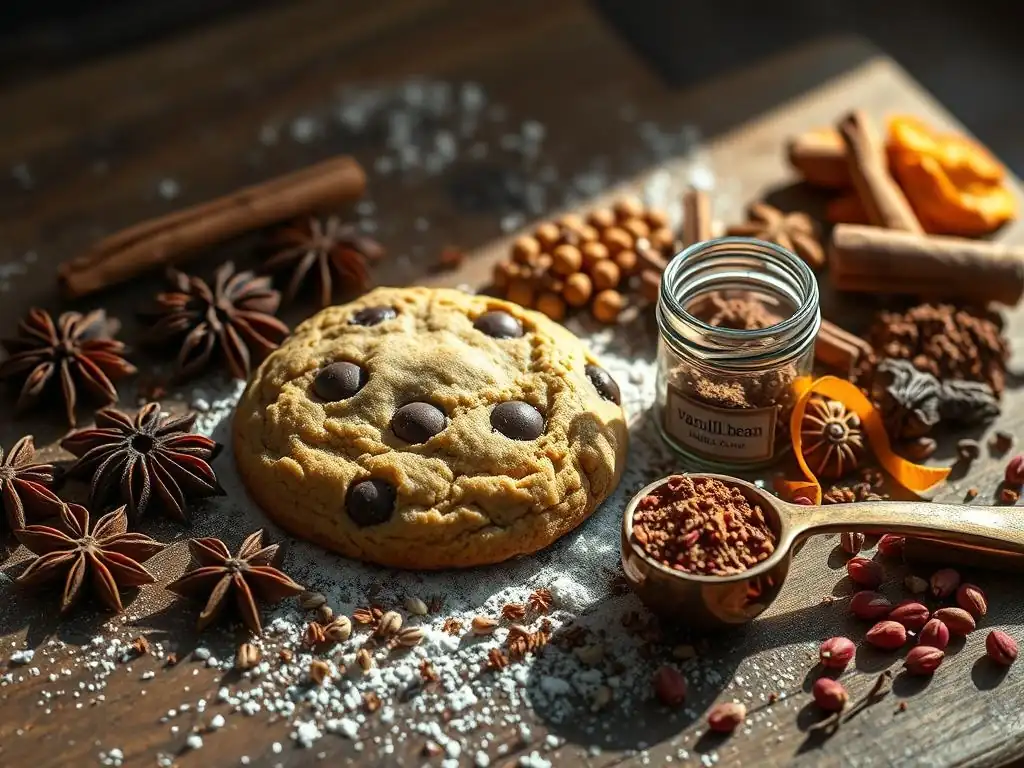
Welcome to BakeWithEase, your baking sanctuary! Ever wondered how the best spice cookies recipes achieve that unforgettable warmth and depth of flavor? Unlocking the secrets lies in understanding the power of spices. Join us as we delve into the world of aromatic ingredients, exploring how to choose and use them to elevate your cookies from ordinary to extraordinary. Get ready to transform your baking and create cookies that will leave everyone craving more...
- Choosing the Perfect Spices for Cookies: BakeWithEase's Guide
- Introduction: Elevating Your Cookie Baking with the Right Spices
- Understanding the Spice Rack: Essential Spices for Baking Cookies
- Beyond the Basics: Exploring Unique Spice Combinations for Cookies
- Tips for Using Spices in Cookie Baking
- Best Spices for Different Types of Cookies: A Quick Guide
- Conclusion: Mastering the Art of Spice in Cookie Baking with BakeWithEase
-
Frequently Asked Questions
- What are the most common spices used in cookie recipes?
- How do I adjust the amount of spice in a cookie recipe to suit my taste?
- Can I substitute spices in a cookie recipe?
- How should I store spices to maintain their freshness for baking cookies?
- Where can I find the best cookie recipes that highlight different spice combinations?
- Final Reflection: The Sweet Symphony of Spices in Baking
- Unleash Your Inner Cookie Connoisseur!
Spices are the unsung heroes of the baking world, especially when it comes to crafting truly memorable cookies. While flour, sugar, and butter form the essential structure, spices infuse personality, depth, and warmth that plain dough simply can't achieve. They don't just add a single note; they create complex flavor profiles that can evoke seasons, memories, and feelings.
Think of the comforting aroma of cinnamon in a snickerdoodle or the festive kick of ginger in gingerbread – these experiences are largely driven by the careful selection and use of spices. Understanding their impact is the first step towards baking cookies that stand out.
Beyond just taste, spices interact with other ingredients in fascinating ways. Cinnamon, for example, can enhance the sweetness of sugar, while a pinch of salt can balance the richness of butter and the warmth of spices like nutmeg. Cloves, used judiciously, can add a layer of sophisticated depth that complements chocolate or molasses beautifully.
Learning how different spices behave, how they pair with various fats and sweeteners, and how their flavors develop during baking is crucial for any baker aiming for excellence. Mastering the art of spice selection and application is key to unlocking some of the best spices cookies recipes you'll ever make.
BakeWithEase's Philosophy on Baking with Spices
At BakeWithEase, we believe that baking should be an enjoyable and accessible journey for everyone, and that includes confidently using spices. Our philosophy centers on demystifying these potent ingredients, encouraging bakers to explore their potential, and providing clear guidance on how to use them effectively. We advocate for starting with the basics, understanding the characteristics of common baking spices, and then gradually experimenting with blends and less conventional options. It's not about following rigid rules, but about learning the principles that allow you to create flavors you love.
We emphasize that quality matters when it comes to spices. Freshly ground spices or those purchased from reputable sources will always deliver a more vibrant and nuanced flavor than old, stale ones.
Our approach encourages bakers to taste and smell their spices, understand their potency, and learn how to adjust quantities based on the specific spice, the other ingredients in the recipe, and personal preference. Whether you're a beginner making your first batch of simple sugar cookies or an experienced baker perfecting a complex spiced shortbread, BakeWithEase provides the insights and recipes to help you bake with confidence and create cookies bursting with incredible flavor.
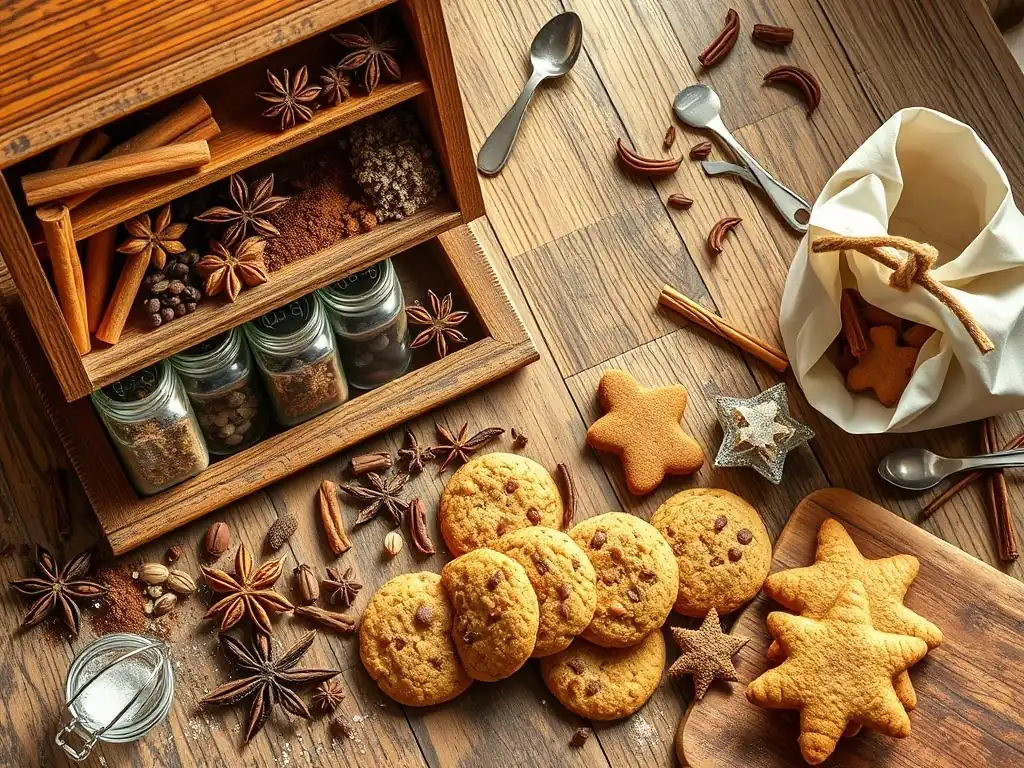
Cinnamon is arguably the most popular spice in cookie baking, beloved for its warm, sweet, and slightly woody aroma. Its versatility allows it to shine in everything from simple sugar cookies to complex spice blends. It pairs exceptionally well with apples, pumpkin, chocolate, and nuts, making it a staple in countless dessert recipes. A sprinkle of cinnamon sugar on top of a cookie before baking adds a delightful crunch and burst of flavor, while incorporating it directly into the dough infuses warmth throughout.
The magic of cinnamon lies in its ability to enhance sweetness and provide a comforting, familiar flavor profile. It's a must-have for anyone exploring the best spices cookies recipes. Using the right amount is key; too little might go unnoticed, while too much can become overpowering or even bitter. Typically, a teaspoon of ground cinnamon per cup of flour is a good starting point for many cookie doughs, but this can be adjusted based on the intensity of the cinnamon and the desired outcome.
Types of Cinnamon for Cookies: Ceylon vs. Cassia
When you buy cinnamon, you're likely encountering one of two main types: Ceylon or Cassia. Cassia cinnamon is the most common type sold in North America and is often labeled simply as "cinnamon." It has a strong, pungent flavor with a slightly bitter edge, largely due to its higher coumarin content. Varieties of Cassia include Korintje (Indonesian), Saigon (Vietnamese), and Chinese cinnamon, each with slightly different flavor intensities. Saigon cinnamon is often considered one of the most potent and flavorful Cassias.
Ceylon cinnamon, often called "true cinnamon," comes from Sri Lanka and has a more delicate, sweet, and floral flavor. It's lighter in color and has a lower coumarin content. For subtle, refined flavor profiles or when using larger quantities, Ceylon is often preferred by pastry chefs. However, for robust, classic spiced cookies like snickerdoodles or gingerbread, the stronger flavor of Cassia is often what bakers expect and desire. Experimenting with both types can reveal nuances that elevate your best spices cookies recipes.
Best Cinnamon Cookie Recipes: Snickerdoodles
Snickerdoodles are a classic example of a cookie where cinnamon plays the starring role. These soft, chewy cookies are rolled in a mixture of cinnamon and sugar before baking, creating a characteristic crackled surface and a burst of sweet, spicy flavor with every bite. The combination of the slightly tangy dough (often leavened with cream of tartar) and the warm cinnamon coating is what defines this beloved cookie.
Another fantastic application is in simple cinnamon sugar cookies or spice cookies that feature cinnamon alongside other warming spices like nutmeg and cloves. Oatmeal cookies also benefit greatly from cinnamon, which complements the nutty flavor of the oats and the sweetness of brown sugar or raisins. The warmth of cinnamon makes it indispensable for seasonal treats like gingerbread and pumpkin spice cookies, cementing its status as the king of cookie spices in many best spices cookies recipes.
Nutmeg provides a warm, slightly sweet, and subtly nutty flavor that adds complexity and depth to cookie dough. It's a key player in many classic spice blends, pairing beautifully with cinnamon, cloves, and ginger. While often used in smaller quantities than cinnamon, its presence is unmistakable, lending a cozy, comforting note to baked goods. Nutmeg works particularly well with dairy ingredients like butter and cream, enhancing their richness.
This spice is essential for certain types of cookies, such as spice cookies, gingerbread, and shortbread variations. It also adds a lovely dimension to sugar cookies and even some chocolate chip cookie recipes. A little nutmeg can transform a simple recipe into something more sophisticated, providing that elusive "what is that delicious flavor?" element. It's an ingredient that truly demonstrates how thoughtful spice selection is crucial for creating the best spices cookies recipes.
Freshly Grated Nutmeg vs. Ground: Which is Best?
When it comes to nutmeg, the difference between freshly grated and pre-ground is significant. Nutmeg contains volatile oils that are released when the spice is ground. These oils are responsible for its vibrant aroma and flavor. Pre-ground nutmeg, while convenient, begins to lose these volatile oils as soon as it's processed and exposed to air, resulting in a less potent and sometimes stale flavor profile over time.
Freshly grating nutmeg just before adding it to your dough preserves these oils, delivering a much more intense, aromatic, and nuanced flavor. While it requires a small grater (like a microplane) and a whole nutmeg seed, the difference is noticeable and can elevate your cookies significantly. For truly exceptional results and the most vibrant flavor in your best spices cookies recipes, using freshly grated nutmeg is highly recommended by experienced bakers.
Nutmeg and Spice Cookie Pairings: Nutmeg and Brown Butter
Nutmeg has a natural affinity for rich, warm flavors, making it an excellent partner for brown butter. When butter is gently heated until the milk solids caramelize, it develops a nutty, toasty flavor that pairs exquisitely with the warm, slightly sweet notes of nutmeg. Brown butter nutmeg cookies offer a depth of flavor that is both comforting and sophisticated.
Beyond brown butter, nutmeg shines in traditional spice blends alongside cinnamon, cloves, and ginger for cookies like speculoos or Dutch spice cookies. It also complements molasses, brown sugar, and maple syrup exceptionally well, making it a staple in many fall and winter cookie recipes. Even a small pinch added to a standard sugar cookie dough can provide a subtle layer of warmth that enhances the overall flavor profile, proving its versatility in the best spices cookies recipes.
Ginger: Zesty Spice for a Festive Touch
Ginger brings a unique warmth and a distinct, slightly peppery bite to cookies. It's a cornerstone spice for classic gingerbread, but its versatility extends to many other cookie types. Ginger can range in flavor from mild and sweet to intensely spicy, depending on the variety and form used. Its zesty character makes it a great counterpoint to rich, sweet doughs.
This spice is particularly popular during the holiday season, synonymous with gingerbread houses and festive spiced cookies. However, ginger cookies are delicious year-round, offering a comforting warmth in cooler months and a bright, zesty lift in warmer ones. Incorporating ginger into your baking is a sure way to add character and warmth, contributing to some of the best spices cookies recipes out there.
Ground Ginger vs. Fresh Ginger in Cookie Dough
In most traditional cookie recipes, ground ginger is the standard form used. Ground ginger is made from dried ginger root and provides a concentrated, pungent heat and aroma that distributes evenly throughout the dough. It's easy to measure and incorporate, making it a convenient choice for reliable results in classic recipes like gingerbread.
Fresh ginger, on the other hand, has a brighter, more vibrant, and slightly less spicy flavor than its dried counterpart. While less common in typical cookie doughs due to its moisture content and fibrous texture, finely grated fresh ginger can be used in some recipes, particularly those where a more pronounced, zesty ginger flavor is desired, like certain types of ginger snaps or spiced bars. For most standard cookie applications aiming for that familiar warm spice, ground ginger remains the preferred option.
Ginger Spice Cookie Variations: Crystallized Ginger Cookies
Beyond the classic gingerbread, ginger adds wonderful flavor to various cookie types. One popular variation is adding finely chopped crystallized ginger (also known as candied ginger) to cookie doughs. These chewy, sweet-spicy pieces provide bursts of intense ginger flavor and a delightful texture contrast within the cookie. Crystallized ginger pairs particularly well with oatmeal, chocolate, and citrus flavors in cookies.
Ginger also works beautifully in combination with other spices in general "spice" cookies or blends for speculoos. It can add a warm kick to plain sugar cookies or enhance the flavor of molasses cookies. For a simpler approach, classic ginger snaps rely heavily on ground ginger, molasses, and sometimes a touch of black pepper for their signature crisp texture and spicy flavor profile – a prime example among the best spices cookies recipes.
Cloves: Aromatic Spice for Rich Flavors
Cloves are small, nail-shaped flower buds known for their intensely aromatic, pungent, and slightly sweet flavor. They are a powerhouse spice, capable of dominating a dish if used too liberally. In baking, cloves add a deep, warm, and slightly medicinal note that complements other spices like cinnamon and ginger beautifully, particularly in conjunction with molasses, brown sugar, and fruit.
Cloves are a key ingredient in many traditional spice blends for gingerbread, speculoos, and fruitcakes. They contribute a layer of richness and complexity that is hard to replicate. While their flavor is strong, when used in moderation, cloves provide essential depth and warmth, making them indispensable in certain best spices cookies recipes.
Using Cloves Sparingly: A Little Goes a Long Way
The flavor of cloves is incredibly concentrated, meaning even a small amount can have a significant impact on your cookie's taste. It's often recommended to use cloves in smaller quantities compared to cinnamon or ginger in a spice blend. For example, a recipe might call for 1 teaspoon of cinnamon, but only 1/4 or 1/2 teaspoon of ground cloves.
Using whole cloves in infused liquids (like milk or syrup) that are then added to the dough is another way to impart clove flavor without overwhelming the cookie. When using ground cloves, always start with the amount specified in a trusted recipe and adjust only after tasting a test cookie if possible. Overpowering a cookie with too much clove can result in a bitter or medicinal taste, so restraint is key to achieving balanced flavor in your best spices cookies recipes.
Clove Spice Cookie Recipes: Pfeffernüsse
Pfeffernüsse, or "pepper nuts," are small, round German cookies often flavored with a blend of spices that prominently features cloves, along with cinnamon, ginger, cardamom, and sometimes black pepper. These cookies are a perfect example of how cloves contribute essential warmth and depth to a complex spice profile. The assertive spice blend is often balanced by honey or molasses and a sweet glaze or dusting of powdered sugar.
Cloves are also vital in classic gingerbread cookie recipes, contributing to the characteristic dark color and deep, warm flavor profile alongside molasses and other spices. Speculoos cookies, popular in Belgium and the Netherlands, also rely on a specific spice blend that typically includes a notable amount of cloves. These traditional recipes showcase how cloves, when used correctly, are fundamental to creating rich, aromatic, and truly memorable spiced cookies, contributing significantly to the repertoire of best spices cookies recipes.
Allspice is a unique spice that gets its name from the fact that its flavor resembles a combination of cinnamon, cloves, and nutmeg. However, it is not a blend of these spices; it comes from the dried, unripe berries of the Pimenta dioica tree, native to the Greater Antilles, southern Mexico, and Central America. Its complex flavor profile makes it a convenient addition to many cookie doughs, providing a warm, aromatic base.
This spice is a staple in Caribbean and Middle Eastern cooking but is also widely used in baking, particularly in spiced cookies, cakes, and pies. It provides a balanced warmth that incorporates notes of several popular baking spices in one ingredient. Using allspice can simplify a recipe while still delivering a rich, layered flavor, making it a valuable component in the quest for the best spices cookies recipes.
What is Allspice, Exactly?
As mentioned, allspice is the berry of a single type of tree. When dried, the berries look like large brown peppercorns. They can be used whole (often for infusing liquids or in pickling) or ground into a fine powder for baking. The flavor profile is distinctly warm, with prominent notes of clove and cinnamon, and a subtle hint of nutmeg and pepperiness.
This unique combination of flavors from a single source makes allspice incredibly versatile. It can be used on its own in a simple spice cookie or incorporated into more complex blends. Its convenience and multifaceted flavor make it a useful ingredient for adding warmth and complexity without needing to measure multiple individual spices, proving its worth in many best spices cookies recipes.
Allspice Cookie Flavor Profiles: Warm and Peppery
Allspice lends a distinct warm and slightly peppery flavor to cookies. It's particularly well-suited to recipes that use brown sugar, molasses, or fruit, as its notes complement these ingredients beautifully. Think of spiced apple cookies or molasses crinkles – allspice can enhance the depth of flavor in both.
It works well in general "spice" cookies, providing a balanced foundation of flavor. While it contains notes of cinnamon, clove, and nutmeg, its flavor is distinct from simply mixing those three together. Allspice has its own unique character that adds a specific kind of warmth and mild pepperiness. Including allspice in your spice rack opens up possibilities for creating comforting, aromatic cookies that stand out among other best spices cookies recipes.
Cardamom is an aromatic spice with a complex flavor profile that is both warm and slightly citrusy, with floral and eucalyptus undertones. It's highly valued in Scandinavian, Middle Eastern, and Indian cuisine and adds an exotic, sophisticated touch to baked goods. Cardamom brings a bright, intriguing flavor that sets it apart from the more common warming spices.
Using cardamom in cookies can elevate a simple recipe into something truly special. It pairs wonderfully with citrus zest (like orange or lemon), nuts, and coffee. While it can be used in combination with other spices, cardamom also shines brightly on its own, offering a distinct and memorable flavor experience. It's a secret weapon for those looking to bake unique and delightful best spices cookies recipes.
Green Cardamom vs. Black Cardamom in Baking
There are two main types of cardamom used in cooking: green and black. Green cardamom is the more common variety used in baking. It comes from small green pods containing black seeds. Both the pods and seeds are highly aromatic, though the seeds contain the most concentrated flavor. For baking, ground green cardamom seeds or the spice ground from whole pods are typically used. Green cardamom has the classic, bright, floral-citrusy flavor associated with the spice.
Black cardamom pods are larger, dark brown, and have a smoky, camphor-like flavor that is much stronger and less sweet than green cardamom. Black cardamom is more commonly used in savory dishes or robust, slow-cooked stews. While it can be used in baking for very specific, intense flavor profiles (like in some Indian desserts), green cardamom is overwhelmingly the preferred type for most cookie applications, providing that signature warm, aromatic, and slightly bright note essential for many best spices cookies recipes.
Cardamom Spice Cookie Recipes: Swedish Cardamom Cookies
Cardamom is a star ingredient in many Scandinavian baked goods, including Swedish cardamom cookies (Kardemummakakor). These simple, often shortbread-like cookies highlight the unique flavor of cardamom, sometimes paired with a touch of vanilla or almond. The focus is squarely on the aromatic warmth and subtle citrus notes of the spice.
Cardamom also adds a delightful twist to sugar cookies, shortbread, and even certain types of gingerbread or spice cookies. It pairs exceptionally well with coffee flavors, making it a great addition to coffee-flavored cookie doughs. For a truly unique cookie experience, try adding a pinch of ground cardamom to your next batch of lemon or orange zest cookies – the combination is surprisingly harmonious and elevates the flavor profile dramatically, contributing to innovative best spices cookies recipes.
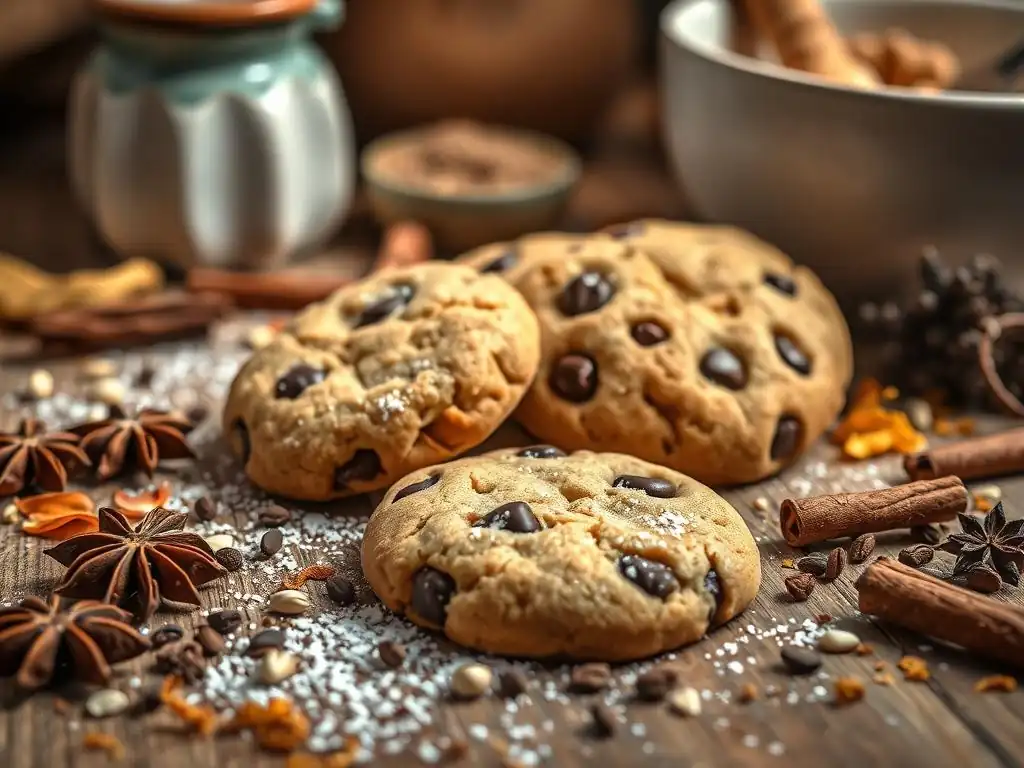
Creating your own signature spice blends is a fantastic way to add a personal touch to your cookie baking and develop unique best spices cookies recipes. While pre-mixed blends like pumpkin pie spice or apple pie spice exist, crafting your own allows you to control the ratios and introduce less common spices. A classic warming blend might start with a base of cinnamon, adding smaller amounts of nutmeg, ginger, and cloves.
Consider tailoring blends to specific cookie types or flavor profiles. For a citrusy spice cookie, you might combine cardamom with a touch of ginger and orange zest. For a rich, dark chocolate cookie, consider a blend of cinnamon, chili powder (for a hint of heat), and a pinch of black pepper to enhance the chocolate flavor. Storing your custom blends in airtight containers allows you to quickly add your signature flavor to any dough.
Different cookie bases lend themselves to different spice pairings. Shortbread, with its high butter content and simple flavor, is an excellent canvas for spices. Its richness stands up well to warming spices. Classic shortbread can be infused with ground ginger or cardamom for an aromatic twist.
Consider adding finely ground spices like cinnamon, nutmeg, or allspice directly into the shortbread dough. Alternatively, you can roll shortbread logs in a spice-sugar mixture before slicing and baking, or dust baked shortbread with spiced powdered sugar. The buttery flavor of shortbread beautifully carries the warmth and aroma of spices, making it a perfect base for exploring variations on best spices cookies recipes.
Experimenting with Unusual Spices: Star Anise
While cinnamon, ginger, and nutmeg are staples, the world of spices offers many other options for adventurous bakers. Star anise, with its distinct licorice-like flavor and aroma, can add an intriguing note to cookies, particularly those featuring chocolate, citrus, or dark sugars like molasses. Use it sparingly, as its flavor is quite potent.
Other spices to explore include:
- Fennel Seed: Offers a subtle anise flavor, pairing well with citrus or nuts.
- Coriander Seed: Has a warm, citrusy note when ground, surprisingly good with chocolate or fruit.
- Black Pepper: A pinch can enhance the warmth of other spices and add a subtle kick, particularly in gingerbread or chocolate cookies.
Experimenting with small amounts of these less common spices can lead to surprising and delightful flavor combinations, pushing the boundaries of classic best spices cookies recipes.
Measuring Spices Accurately: The Key to Consistent Flavor
Accurate measurement is crucial for consistent and delicious spiced cookies. The potency of spices can vary, and using too much or too little can significantly alter the outcome. Always use proper measuring spoons, leveling off ground spices for precise amounts. Avoid measuring directly over your mixing bowl, as an accidental spill can ruin your batch.
For whole spices that you are grinding yourself (like nutmeg or cardamom pods), weighing them can provide more consistent results than volume measurements, though this is less common for home baking. Pay attention to recipe notes regarding whether spices should be "heaping" or "scant" if specified, but generally, leveled measurements are standard. Consistent measuring ensures that your favorite best spices cookies recipes turn out perfectly every time.
Storing Spices Properly to Maintain Freshness
Spices lose their potency over time when exposed to air, light, and heat. Proper storage is essential to keep them fresh and flavorful. Store ground spices and whole spices in airtight containers, away from direct sunlight and heat sources like the stove or oven. Glass jars with tight-fitting lids or opaque spice tins are ideal.
While spices don't technically "spoil" in a way that makes you sick, they do lose their essential oils and flavor compounds, becoming dull and ineffective. Ground spices generally have a shorter shelf life (around 6-12 months) than whole spices (up to 3-4 years). Check the aroma of your spices before using them; if they smell faint or dusty, it's time to replace them. Using fresh spices is fundamental for baking the best spices cookies recipes.
Toasting Spices for Enhanced Flavor: A BakeWithEase Secret
Toasting whole spices before grinding them is a simple technique that can dramatically enhance their flavor. Heating spices gently in a dry pan releases their aromatic oils, intensifying their fragrance and deepening their taste. This technique is particularly effective for spices like cardamom pods, cumin seeds (though less common in cookies), or even whole nutmeg before grating.
To toast, place whole spices in a dry skillet over medium heat. Stir or shake the pan frequently until they become fragrant, usually just a few minutes. Be careful not to burn them, as this will result in a bitter flavor. Let them cool completely before grinding them in a spice grinder or mortar and pestle. This extra step is a professional trick that can elevate your spiced cookies to the next level, making your best spices cookies recipes even better.
Adjusting Spice Levels to Your Taste Preference
Recipes provide a great starting point, but personal taste is the ultimate guide when it comes to spices. Don't be afraid to slightly adjust the quantities based on your preferences or the freshness of your spices. If you love a strong ginger flavor, you might increase the amount slightly in a gingerbread recipe. If you find cloves too dominant, reduce them slightly.
When trying a new recipe or a new spice, it can be helpful to bake a small test batch if possible. This allows you to taste the baked cookie and decide if the spice level is right before committing to a full batch. Keep notes on your adjustments so you can replicate your perfect spice balance in future batches of your favorite best spices cookies recipes.
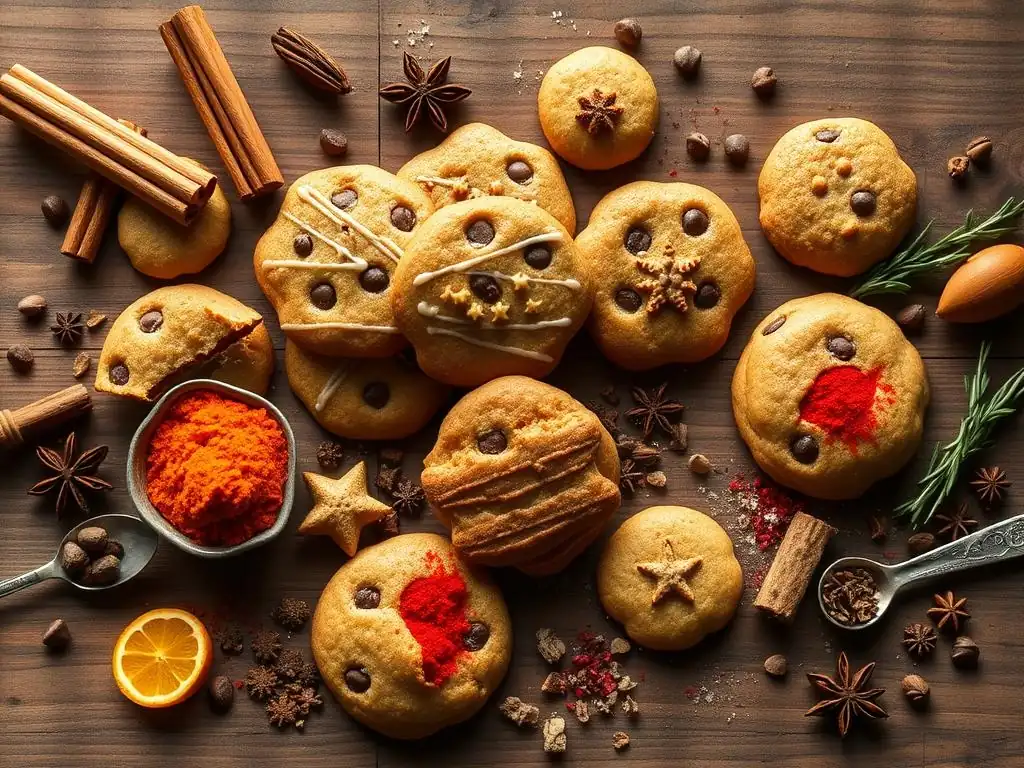
Gingerbread cookies are defined by their warm, spicy flavor profile, which typically includes a robust combination of ground ginger, cinnamon, cloves, and nutmeg. Molasses is also a key ingredient that complements these spices beautifully. Some recipes also include a pinch of allspice or black pepper for added depth and warmth. The specific ratio of these spices can vary, leading to cookies that range from mildly spiced to intensely fiery.
While classic sugar cookies are often flavored with just vanilla, they serve as an excellent base for adding spices. A simple addition of cinnamon or a blend of cinnamon and nutmeg can transform a plain sugar cookie into a warm, comforting treat. Cardamom adds an unexpected but delightful twist, especially when paired with a touch of lemon zest. Even a tiny pinch of ground ginger can add a subtle warmth without making it taste overtly like gingerbread. Sugar cookies are a versatile canvas for exploring simple spice additions in best spices cookies recipes.
Adding spices to chocolate chip cookies might seem unconventional, but it can enhance the chocolate flavor and add complexity. A pinch of cinnamon is a classic addition that complements both the chocolate and the brown sugar often used in these cookies. A tiny amount of chili powder or cayenne pepper can add a surprising kick that highlights the richness of the chocolate. Even a little espresso powder or instant coffee granules can be considered a spice-like addition that deepens the chocolate notes.
Oatmeal cookies pair wonderfully with warm spices that complement the nutty flavor of oats and the sweetness of ingredients like brown sugar, raisins, or chocolate chips. Cinnamon is almost always included, adding essential warmth. Nutmeg and a touch of ground cloves or allspice also work beautifully in oatmeal cookies, creating a cozy, comforting flavor profile. If adding raisins, consider a pinch of cardamom, which pairs well with dried fruit.
Understanding and confidently using spices is a transformative step in your cookie baking journey. From the comforting familiarity of cinnamon to the exotic intrigue of cardamom, each spice offers a unique contribution to the flavor, aroma, and overall experience of a cookie. By learning about the different types of spices, how they interact, and best practices for using them, you can elevate your baking from good to truly exceptional.
BakeWithEase is here to guide you through the fascinating world of baking spices. Experiment with the suggestions provided, trust your palate, and discover the combinations that you love most. Whether you're perfecting a classic spiced recipe or inventing your own signature blend, mastering spices is key to baking cookies that are not only delicious but also memorable. Dive into our resources and start creating your best spices cookies recipes today.
Frequently Asked Questions
The most common spices are cinnamon, ginger, nutmeg, cloves, and allspice. These spices add warmth and depth of flavor to many traditional cookie recipes.
Start by using the recipe as a guide. Then, experiment by adding or reducing the spices in small increments. Taste the dough (if safe to do so) to gauge the spice level.
Yes, you can substitute spices in most cookie recipes. However, consider the flavor profile of the original spice and choose a substitute with a similar taste and aroma.
Store spices in airtight containers in a cool, dark, and dry place. Avoid storing them near heat or moisture, as this can cause them to lose their potency quickly.
BakeWithEase.com offers a wide variety of cookie recipes with various spice combinations. Explore our pastries, breads, cakes, cookies, and more with step-by-step guides and easy-to-find ingredients.
Final Reflection: The Sweet Symphony of Spices in Baking
The art of baking the perfect cookie lies not just in the precise measurements of flour and sugar, but in the carefully orchestrated dance of spices. A seemingly small addition of cinnamon, ginger, or cardamom can transform a simple cookie into a complex and unforgettable treat. This exploration into the world of cookie spices highlights the profound impact even subtle flavor profiles can have on the overall sensory experience.
The influence of spices on our culinary landscape, and particularly in the comforting tradition of baking cookies, is undeniable. Spices have been integral to baking for centuries, carrying with them not just flavor but also cultural significance and historical narratives. Their use transcends mere taste; they evoke memories, connect us to heritage, and add layers of depth to our everyday experiences. The spice trade is a history of exploration, conquest, and the relentless pursuit of flavor,
a quote that perfectly encapsulates the rich tapestry woven into the seemingly simple act of adding spices to our cookies.
Now, consider your own baking journey. What spices resonate most deeply with you? What memories are stirred by the scent of warm cinnamon or the subtle heat of ginger? I encourage you to experiment, to explore the vast spectrum of spice possibilities, and to discover your own unique signature cookie blend. Don't be afraid to deviate from traditional recipes, to let your creativity guide you, and to create cookies that tell your own story, one delicious spice at a time.
Thanks for joining us on this delicious journey into the world of cookie spices! We hope you discovered some new flavor combinations to elevate your baking game. Ready to put your newfound knowledge into practice?
- Craft your dream cookie: Experiment with the spice blends we discussed, or create your own unique combinations! Don't be afraid to get creative!
- Share your creations: Show us your spiced cookie masterpieces on social media using #BakeWithEaseSpices! We’d love to see what you bake.
- Dive deeper into flavor: Explore our other articles on baking techniques and ingredient pairings to further enhance your skills.
What unexpected spice blend are you most excited to try in your next batch of cookies?