
Cardamom Explained: Bringing Exotic Flavor to Your Baking

Welcome to BakeWithEase, your guide to effortless baking!
Ever wondered how to infuse your creations with a touch of exotic warmth? This time, we delve into the captivating world of cardamom, unlocking its secrets to elevate your baking. Discover how these cardamom baking recipes easy can transform ordinary treats into extraordinary delights. Intrigued? Let's explore the magic of this versatile spice together!
- BakeWithEase Presents: The Ultimate Guide to Cardamom in Baking
- Types of Cardamom for Baking: Green, Black, and White
- Easy Cardamom Baking Recipes to Try at Home
- Mastering Cardamom Baking: Tips and Techniques
- Cardamom Baking Recipes Easy: Step-by-Step Instructions
- Troubleshooting Common Cardamom Baking Mistakes
- Beyond the Basics: Creative Cardamom Baking Ideas
- Cardamom: A Baker's Secret Weapon for Exotic Flavors
-
Frequently Asked Questions
- What exactly is cardamom, and why is it a good addition to baking?
- Are there different types of cardamom, and do they affect baking recipes?
- Where can I find cardamom, and how should it be stored for optimal freshness?
- Can cardamom be substituted with another spice in baking recipes, and if so, what would be a good alternative?
- How much cardamom should I use in a baking recipe, and is there a risk of using too much?
- Final Reflection: The Enduring Allure of Cardamom in Baking
- Unleash the Magic of Cardamom: Elevate Your Baking Today!
BakeWithEase Presents: The Ultimate Guide to Cardamom in Baking
Exploring the Aromatic World of Cardamom Spice
Cardamom is often referred to as the "Queen of Spices" due to its exquisite aroma and flavor profile. It originates primarily from the Indian subcontinent but is also cultivated in regions like Guatemala, which is now one of the world's largest producers. This spice comes from the seeds of several plants in the genera Elettaria and Amomum, belonging to the ginger family. Historically, cardamom has been used for centuries in both culinary and medicinal applications, prized for its unique ability to add warmth and complexity to dishes, making it a staple in cuisines from India to Scandinavia.
The spice pods are harvested by hand, often before they are fully ripe, to preserve their vibrant color and potent aroma. Inside each pod are tiny, dark, sticky seeds that hold the majority of the flavor. These seeds can be used whole, ground, or the pods can be used whole or crushed. The process of cultivation and harvesting is labor-intensive, contributing to cardamom's status as one of the more expensive spices by weight. Its distinct fragrance, reminiscent of eucalyptus with hints of citrus and pepper, makes it instantly recognizable and a favorite among bakers looking to elevate their creations.
Cardamom's Unique Flavor Profile: Sweet, Spicy, and Intriguing
Cardamom possesses a complex flavor that is difficult to pin down with just one word. It's often described as aromatic, slightly sweet, floral, with notes of lemon and eucalyptus, and a subtle peppery undertone. This multi-layered profile makes it incredibly versatile in baking, capable of complementing both sweet and savory applications. When baked, its flavor deepens and melds beautifully with other ingredients like sugar, butter, citrus zest, and other warming spices like cinnamon and ginger.
The balance of sweetness and warmth makes cardamom particularly appealing in doughs, pastries, and desserts. Unlike some spices that can be one-dimensional, cardamom offers a nuanced experience that evolves on the palate. For example, in a simple sugar cookie, adding cardamom transforms it from a basic sweet treat into something far more sophisticated and memorable. Its intriguing flavor is a key reason why bakers worldwide are increasingly incorporating it into their cardamom baking recipes easy and complex alike.
Unlock Delicious Baking with Cardamom: A Versatile Spice
Cardamom is incredibly adaptable in the baking world, fitting seamlessly into a wide array of recipes. From delicate cakes and cookies to robust breads and pastries, this spice adds a touch of exotic warmth that is both comforting and exciting. Its ability to pair well with fruits like apples, pears, and oranges, as well as chocolate and nuts, makes it a valuable addition to any baker's spice rack. Whether you're making a traditional Scandinavian treat or experimenting with a modern fusion dessert, cardamom can provide that missing flavor dimension.
Beyond its flavor, cardamom also contributes a wonderful aroma that fills the kitchen as you bake. This sensory experience enhances the enjoyment of the final product. Its versatility extends to different forms – using whole pods in infusing liquids like milk or cream, using freshly ground seeds for maximum impact in doughs, or using pre-ground powder for convenience in cardamom baking recipes easy to follow. Embracing cardamom opens up a world of delicious possibilities for any home baker.
Types of Cardamom for Baking: Green, Black, and White
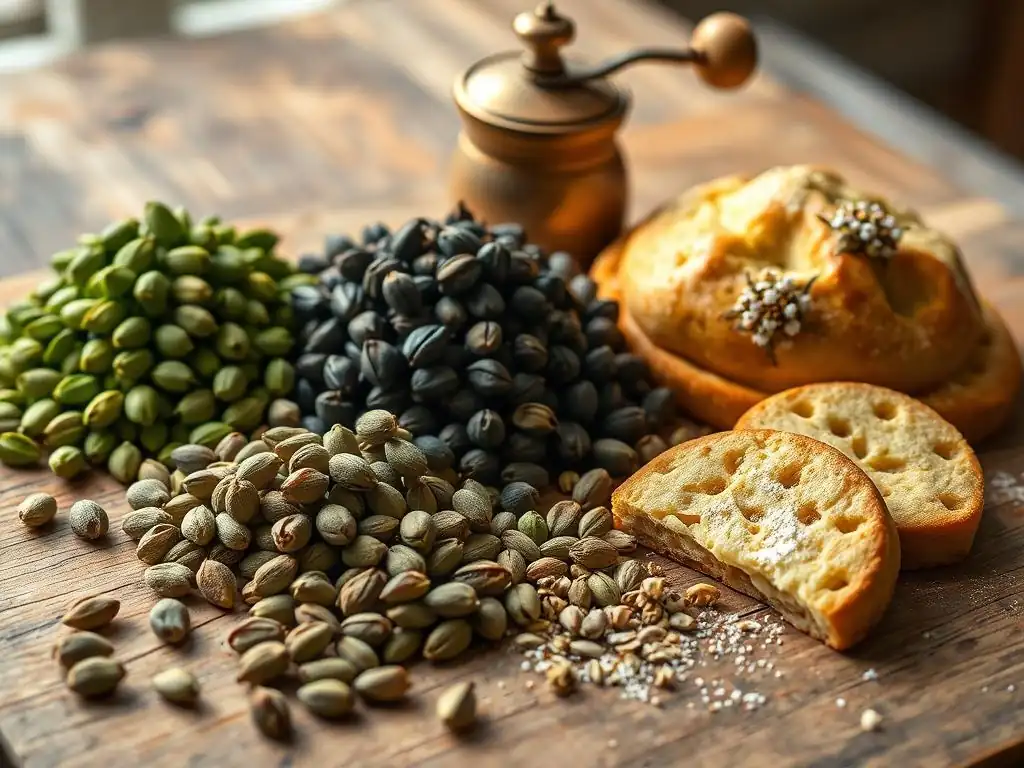
Green Cardamom: The Most Common Baking Variety
Green cardamom ( Elettaria cardamomum) is the most popular type used in baking globally, especially in Western and Scandinavian cuisines. It is native to India and is characterized by its small, spindle-shaped, light green pods. Inside, the pods contain small, dark, aromatic seeds. The flavor of green cardamom is intensely aromatic, with notes of eucalyptus, lemon, and a subtle sweetness.
This variety is favored for baking because its vibrant, complex flavor holds up well during the cooking process without becoming bitter or medicinal. It is the go-to spice for classic treats like Swedish cardamom buns (kardemummabulle), Finnish pulla bread, and various cakes, cookies, and puddings. When a recipe simply calls for "cardamom," it almost always refers to the green variety. Using freshly ground green cardamom seeds is recommended for the best flavor payoff in your cardamom baking recipes easy or advanced.
Black Cardamom: A Smoky and Bold Alternative
Black cardamom ( Amomum subulatum) is a different species from green cardamom, originating from the eastern Himalayas. Its pods are larger, dark brown, and have a distinct smoky aroma and flavor due to being dried over an open fire. While it belongs to the same plant family, its flavor profile is significantly different from green cardamom – less floral and sweet, more camphoraceous and smoky.
In baking, black cardamom is used less frequently than green cardamom, primarily in savory applications or specific regional desserts where its robust, smoky notes are desired. It can add an intriguing depth to spice blends for fruit pies or certain types of gingerbread, but it must be used judiciously as its strong flavor can easily overpower delicate baked goods. It's not typically interchangeable with green cardamom in cardamom baking recipes easy designed for the green variety.
White Cardamom: A Milder and More Delicate Flavor
White cardamom is essentially green cardamom that has been bleached. This process is sometimes done for aesthetic reasons, particularly in regions where a lighter color is preferred in dishes. However, bleaching also diminishes some of the volatile oils responsible for cardamom's potent aroma and flavor.
As a result, white cardamom has a milder, less intense flavor compared to its green counterpart. While it can be used in baking, it will not provide the same vibrant punch that green cardamom offers. If you're looking for the characteristic bright, aromatic flavor of cardamom in your baked goods, it's best to opt for green cardamom. White cardamom might be used in very delicate pastries or where a subtle hint of spice is desired without the strong color or intense flavor of green pods.
Easy Cardamom Baking Recipes to Try at Home
Whipping up a batch of delicious cardamom cookies doesn't have to be complicated. Many cardamom baking recipes easy focus on simple doughs, like shortbread or sugar cookies, where the spice can truly shine. A basic recipe might involve creaming butter and sugar, adding flour, a touch of leavening, and a generous amount of freshly ground green cardamom. The beauty of these recipes lies in their simplicity, allowing the unique flavor of the cardamom to be the star.
These cookies are often baked until just golden at the edges, resulting in a tender, crumbly texture that melts in your mouth. They pair wonderfully with a cup of tea or coffee and are perfect for sharing. The ease of preparation makes them an ideal starting point for anyone new to baking with this exotic spice, proving that delightful results can come from straightforward methods.
Cardamom Cake Recipe: A Simple Delight
A simple cardamom cake is a fantastic way to introduce this spice into your dessert repertoire. Think of a classic pound cake or a simple butter cake elevated by the addition of ground cardamom. These cardamom baking recipes easy often follow standard cake mixing methods – creaming butter and sugar, adding eggs, dry ingredients mixed with cardamom, and perhaps a liquid like milk or buttermilk.
The result is a moist, fragrant cake with a beautiful crumb, subtly perfumed by the spice. It can be baked as a loaf, in a Bundt pan, or as cupcakes. Served plain, dusted with powdered sugar, or topped with a simple glaze, a cardamom cake is an understated yet sophisticated treat that highlights the spice's ability to add warmth and complexity without being overwhelming.
Cardamom Bread Recipe: Perfect for Breakfast or Brunch
Cardamom bread, particularly sweet versions like Scandinavian pulla or braided loaves, is a beloved way to enjoy this spice. While some traditional recipes involve yeast and kneading, there are also cardamom baking recipes easy for quick breads or muffins that offer a similar flavor profile with less effort. These might use baking powder as a leavening agent and come together quickly in a loaf pan or muffin tin.
Whether it's a slightly sweet loaf perfect for toasting or a spiced muffin, cardamom bread provides a comforting aroma and a delightful flavor that's ideal for breakfast, brunch, or an afternoon snack. The spice infuses the dough, creating a warm, inviting taste that pairs wonderfully with butter or jam. It's a testament to how versatile cardamom is, even in more rustic or everyday baked goods.
Mastering Cardamom Baking: Tips and Techniques
How to Grind Cardamom Seeds for Optimal Flavor
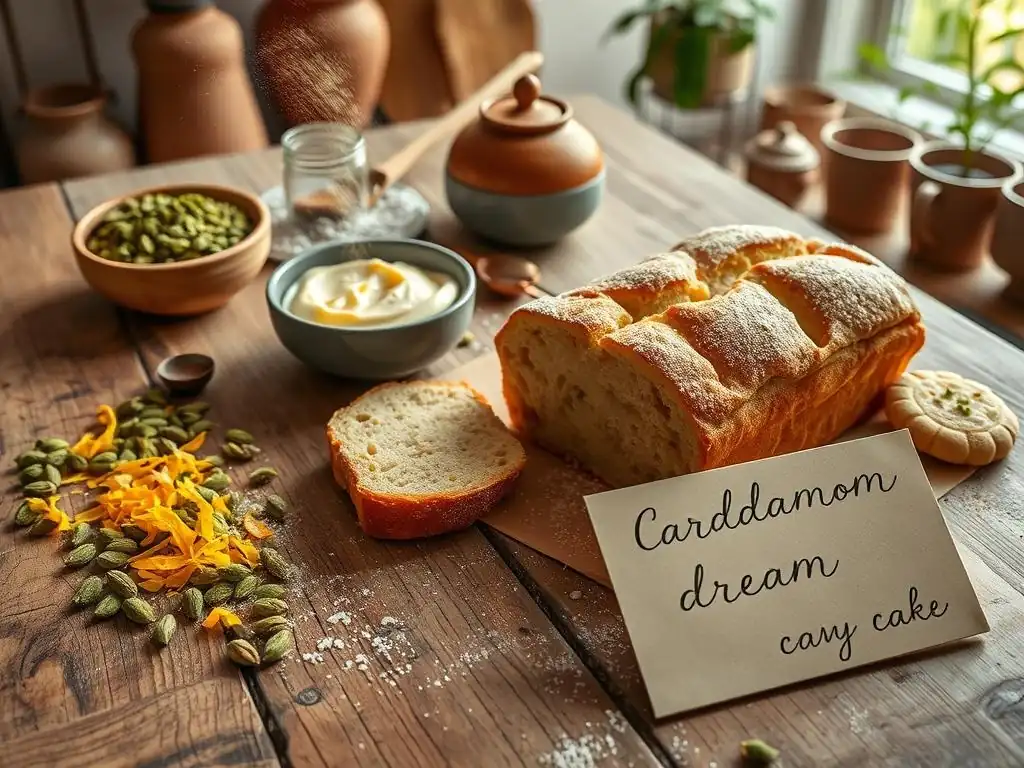
For the most intense and vibrant cardamom flavor, it is highly recommended to use whole green cardamom pods and grind the seeds yourself just before baking. The volatile oils that carry the spice's aroma and flavor begin to dissipate quickly once the seeds are exposed to air and light. Pre-ground cardamom, while convenient, often lacks the punch and complexity of freshly ground spice because these oils have already started to degrade during storage.
To grind, first crack open the green pods to release the small, dark seeds inside. You can do this by pressing them gently with the back of a knife or using a mortar and pestle. Discard the papery outer shells. Place the seeds in a spice grinder, a clean coffee grinder dedicated to spices, or a mortar and pestle, and grind them to a fine powder. Use this fresh powder immediately in your cardamom baking recipes easy or complex to ensure the maximum flavor impact.
Storing Cardamom Properly to Maintain Freshness
Proper storage is crucial for preserving the potency of cardamom. Whole green cardamom pods retain their flavor much longer than ground seeds or powder. Store whole pods in an airtight container, away from direct sunlight, heat, and moisture. A cool, dark pantry is an ideal location. Stored this way, whole pods can maintain their quality for up to a year, sometimes even longer.
If you purchase or grind cardamom powder, it should also be stored in an airtight container in a cool, dark place. However, ground cardamom loses its potency relatively quickly, typically within 2-3 months. To ensure the best flavor in your cardamom baking recipes easy, it's always best to buy whole pods and grind them as needed. Avoid storing cardamom, in any form, in the refrigerator or freezer, as condensation can introduce moisture and degrade the quality.
Balancing Cardamom's Intensity in Baking
Cardamom has a strong, distinctive flavor, and using too much can easily overpower other ingredients in a baked good. Balancing its intensity is key to successful cardamom baking. Start with the amount recommended in your recipe, especially if it's an easy cardamom baking recipe designed for beginners. If adapting a recipe or experimenting, it's often better to start with a smaller amount and add more if needed, though this is harder to do once mixed into a dough or batter.
Consider the other flavors in the recipe. Cardamom pairs well with sugar, dairy, citrus, and certain fruits, which can help mellow its intensity. In contrast, using it with very delicate flavors might require a lighter hand. Taste your dough or batter (if safe) or make a small test batch if possible. As a general guideline for simple recipes like cookies or cakes, 1 to 1.5 teaspoons of ground cardamom per cup of flour is a common starting point, but this can vary based on personal preference and the specific recipe.
Cardamom Baking Recipes Easy: Step-by-Step Instructions
Cardamom Snickerdoodles: A Detailed Walkthrough
Making cardamom snickerdoodles is an excellent example of cardamom baking recipes easy to master. It starts with a standard snickerdoodle dough base, typically creaming butter and sugar, adding eggs and vanilla. The key difference is incorporating ground cardamom into the dry ingredients (flour, cream of tartar, baking soda, salt). A common ratio might be 1 teaspoon of cardamom per 1.5 cups of flour.
Once the dough is mixed, chilling it for at least 30 minutes makes it easier to handle. The signature step involves rolling the dough into balls, usually about 1 inch in diameter. Before baking, these balls are generously rolled in a mixture of sugar and ground cardamom (instead of just cinnamon). Baking at around 375°F (190°C) for 8-10 minutes yields soft, chewy cookies with a delightful crackled surface, offering a warm, spiced twist on a classic.
Cardamom-Infused Shortbread: Baking Made Simple
Cardamom-infused shortbread is another wonderfully easy cardamom baking recipe that highlights the spice's flavor. Shortbread dough is inherently simple, often consisting of just butter, sugar, and flour, sometimes with a pinch of salt. For cardamom shortbread, finely ground cardamom is simply mixed into the dry ingredients before combining with the creamed butter and sugar.
A typical ratio could be 1/2 to 1 teaspoon of ground cardamom per cup of flour. The dough is mixed until it just comes together, then pressed into a pan or shaped into a disc and chilled. Baking at a lower temperature, around 300-325°F (150-160°C), for a longer time (20-30 minutes or more, depending on thickness) results in a tender, crumbly cookie with a rich buttery flavor beautifully complemented by the aromatic cardamom. It's a simple technique yielding sophisticated results.
Troubleshooting Common Cardamom Baking Mistakes
Avoiding Overpowering Flavors in Cardamom Recipes
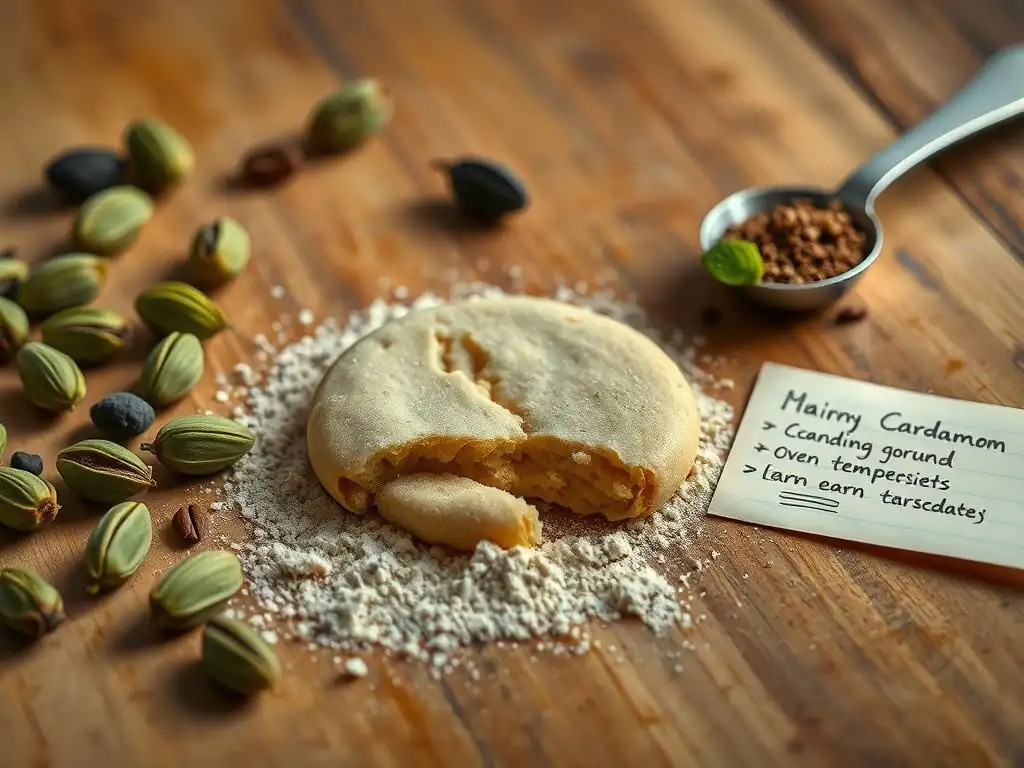
One of the most common issues when baking with cardamom is using too much, resulting in a flavor that is too strong or even medicinal. This often happens when using pre-ground cardamom that has lost some potency, leading bakers to compensate by adding more, or when using fresh, potent cardamom without adjusting the quantity from a recipe designed for weaker spice.
To avoid this, always start with the amount specified in a trusted recipe, especially for cardamom baking recipes easy designed for beginners. If you are using freshly ground cardamom from whole pods, which is significantly more potent than pre-ground, you might even consider starting with slightly less than a recipe calls for, perhaps 3/4 of the amount, and adjust in future batches. Tasting the dough or batter (if appropriate) can also give you a hint of the final flavor intensity before baking.
Ensuring Even Distribution of Cardamom in Your Dough
Uneven distribution of spices can lead to pockets of intense flavor in one bite and blandness in another. This is particularly true for ground spices like cardamom. When adding ground cardamom to a recipe, ensure it is thoroughly mixed with the dry ingredients (flour, baking powder/soda, salt) before combining them with the wet ingredients. Whisking or sifting the dry ingredients together helps disperse the spice evenly.
If adding cardamom to a wet mixture, like a custard or liquid batter, ensure it is fully incorporated and doesn't clump. For doughs, thorough but not excessive mixing after adding the dry ingredients helps distribute the spice evenly throughout the matrix. Following recipe instructions carefully regarding mixing steps is key to achieving a consistent flavor profile in your cardamom baking recipes easy and ensuring every bite is perfectly spiced.
Beyond the Basics: Creative Cardamom Baking Ideas
Combining Cardamom with Other Spices for Unique Flavors
Cardamom plays well with others! Its unique profile makes it an excellent partner for a variety of other spices, creating complex and intriguing flavor combinations in baked goods. Some classic pairings include cinnamon, ginger, cloves, and nutmeg, often found together in gingerbread or speculoos-style cookies. Cardamom also works beautifully with citrus zest (lemon, orange) and vanilla, enhancing its bright, floral notes.
Consider combining cardamom with saffron for luxurious cakes or rice puddings. Or pair it with black pepper in spiced cookies or fruit tarts for a subtle kick. Experimenting with spice blends can elevate even easy cardamom baking recipes to something truly special. Start by adding just a pinch of a complementary spice to a favorite cardamom recipe and see how it transforms the flavor profile.
Cardamom in Sweet and Savory Baking Applications
While most commonly associated with sweet treats, cardamom is surprisingly versatile and can be used in savory baking as well. Its warm, aromatic notes can add depth to breads, pastries, and even quiches or tarts. For instance, a touch of cardamom can enhance the flavor of a savory scone or biscuit, particularly ones containing cheese or herbs.
In some cuisines, cardamom is used in spice blends for meat pies or savory pastries. Its ability to cut through richness and add a fragrant lift makes it a valuable, albeit less conventional, addition to savory baked goods. Don't hesitate to experiment beyond cardamom baking recipes easy for sweets; try adding a pinch of ground cardamom to your next cornbread or even a savory tart crust for an unexpected layer of flavor.
Cardamom: A Baker's Secret Weapon for Exotic Flavors
Elevate Your Baking with the Magic of Cardamom
Cardamom is more than just a spice; it's a flavor enhancer that can transform ordinary baked goods into something truly extraordinary. Its complex profile – sweet, floral, citrusy, and warm – adds a layer of sophistication and intrigue that few other spices can match. From simple cookies to elaborate cakes and breads, incorporating cardamom introduces an exotic touch that delights the senses.
Mastering the use of cardamom, particularly using fresh, quality green pods and balancing its intensity, is a valuable skill for any baker. With the abundance of cardamom baking recipes easy available, it's accessible for beginners and provides endless opportunities for experienced bakers to experiment and create. Embrace the "Queen of Spices" and unlock a world of delicious, aromatic possibilities in your kitchen.
Frequently Asked Questions
What exactly is cardamom, and why is it a good addition to baking?
Cardamom is a warm, aromatic spice derived from the seeds of plants in the ginger family. It adds a unique, exotic flavor to baked goods, enhancing their overall taste profile.
Are there different types of cardamom, and do they affect baking recipes?
Yes, there are primarily green, black, and white cardamom pods. Green cardamom is most commonly used in baking due to its sweet and floral notes, while black cardamom has a smokier flavor.
Where can I find cardamom, and how should it be stored for optimal freshness?
Cardamom can usually be found in the spice aisle of most grocery stores, or in specialty spice shops. It's best stored in an airtight container in a cool, dark place to preserve its flavor.
Can cardamom be substituted with another spice in baking recipes, and if so, what would be a good alternative?
While it's difficult to replicate the exact flavor, a combination of ginger and nutmeg can be used as a substitute. However, it will not provide the unique complexity of cardamom.
How much cardamom should I use in a baking recipe, and is there a risk of using too much?
Start with a small amount (e.g., 1/4 teaspoon for a standard cookie recipe) as cardamom is potent. Using too much can result in an overpowering flavor that masks other ingredients.
Final Reflection: The Enduring Allure of Cardamom in Baking
The subtle warmth and complex aroma of cardamom are more than just a trendy spice; they represent a bridge between culinary traditions and a gateway to exciting new flavor profiles in the modern kitchen. Its versatility, as explored throughout this article, makes it an accessible and rewarding ingredient for bakers of all skill levels, perfectly aligning with the growing demand for easy, yet flavorful, recipes.
Cardamom's influence extends far beyond the simple addition of a warm spice note to baked goods. It speaks to a rich history of culinary exchange and innovation, weaving its way through cultures and cuisines. Its presence in everything from traditional Middle Eastern sweets to contemporary fusion desserts highlights its enduring appeal and adaptability. The spice trade has always been a powerful force, connecting distant lands and cultures through the exchange of flavors and ideas.
This quote perfectly encapsulates the broader significance of cardamom's journey from ancient spice routes to modern baking trends.
Now, it's your turn to embark on a culinary adventure. Don't be intimidated by the seemingly exotic nature of cardamom; embrace its unique character and experiment with the easy recipes outlined in this article. Let the fragrant warmth of cardamom transform your baking, adding a touch of magic and a whole lot of flavor to your creations. The possibilities are as endless as your imagination, so go forth and bake!
Unleash the Magic of Cardamom: Elevate Your Baking Today!
Thanks for exploring the wonderful world of cardamom with us! We hope you’ve gained a new appreciation for this fragrant spice and its incredible versatility in baking. Ready to put your newfound knowledge into practice?
- Experiment with a Cardamom-Infused Recipe: Try substituting cardamom in your favorite cookie or cake recipe – the results might surprise you! Even a small pinch can make a big difference.
- Share your Cardamom Creations: Post pictures of your cardamom-enhanced baking on social media using #BakeWithEaseCardamom – we’d love to see your culinary masterpieces!
- Dive Deeper into Spice Exploration: Explore other exotic spices and discover new flavor combinations to elevate your baking even further! What spice will you try next?
Ready to transform your baking with the magic of cardamom?