
Vanilla Bean vs. Extract: How to Substitute Like a Pro Baker

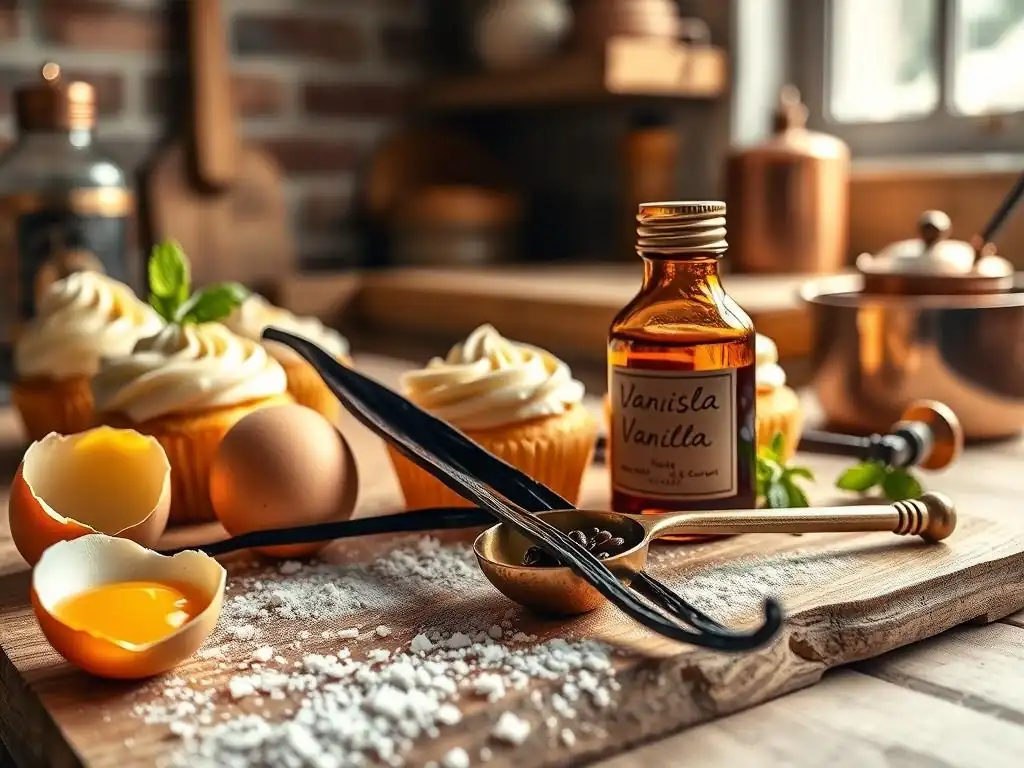
Welcome to BakeWithEase, your trusted companion in the world of baking! Ever wondered if you can truly capture the exquisite flavor of vanilla bean without breaking the bank? Dive into our ingredient deep dive and unlock the secrets of the perfect vanilla bean substitute extract. Discover how to elevate your creations with this versatile ingredient and become a pro baker in your own kitchen. Ready to transform your baking? Let's get started!
- BakeWithEase: Mastering Vanilla Flavor in Your Baked Goods
- Understanding Vanilla Bean vs. Vanilla Extract: A Baker's Guide
- The Key Differences: Vanilla Bean vs. Extract for Baking
- When to Use Vanilla Bean vs. Extract in Your Baking Recipes
- Vanilla Bean Substitute Extract: A Pro Baker's Substitution Guide
- Pro Tips for Using Vanilla Bean and Extract
- Exploring Other Vanilla Flavor Alternatives
- Conclusion: Choosing the Right Vanilla for Your Baking Needs at BakeWithEase
-
Frequently Asked Questions
- How do I substitute vanilla extract for vanilla bean in a recipe?
- What are the pros and cons of using vanilla bean versus vanilla extract?
- Can I use vanilla bean paste as a substitute for vanilla extract?
- What is the best type of vanilla extract to use as a vanilla bean substitute?
- How does the baking temperature affect the flavor of vanilla extract?
- Final Reflection: The Sweet Science of Vanilla Substitution
- Unlock Your Baking Potential: Master Vanilla Substitutions!
BakeWithEase: Mastering Vanilla Flavor in Your Baked Goods
Welcome to BakeWithEase, where we demystify baking ingredients to help you achieve perfect results every time. Vanilla is a cornerstone of countless beloved recipes, providing a warm, aromatic foundation that elevates everything from simple cookies to elaborate cakes. However, the world of vanilla offers more than just the familiar bottle of extract. Understanding the nuances between vanilla bean and vanilla extract is key to mastering flavor in your kitchen.
This article will dive deep into the characteristics of vanilla bean versus extract, explore their ideal uses, and most importantly, guide you through the process of a successful vanilla bean substitute extract swap. Whether you're aiming for intense, pure vanilla notes or seeking practical ways to adapt recipes, knowing how to confidently substitute vanilla bean for extract, and vice versa, is a game-changer for any home baker. Let's unlock the secrets to using vanilla like a pro!
Understanding Vanilla Bean vs. Vanilla Extract: A Baker's Guide
Vanilla is one of the most popular and expensive spices in the world, derived from the pods of the vanilla orchid. While both vanilla beans and vanilla extract come from the same source, their form, flavor profile, and application in baking differ significantly. Recognizing these differences is the first step in choosing the right vanilla product for your recipe or executing a flawless vanilla bean substitute extract maneuver.
The choice between using a whole vanilla bean or a liquid extract often comes down to the desired flavor intensity, texture, visual appeal, and cost. A vanilla bean offers a complex, nuanced flavor with visible specks, while extract provides a consistent, easy-to-measure flavor punch. Let's break down what each of these vanilla forms entails.
What is Vanilla Extract? Exploring its Flavor Profile and Production
Vanilla extract is typically made by macerating chopped vanilla beans in a solution of alcohol and water. According to U.S. FDA standards, pure vanilla extract must contain at least 35% alcohol and 13.35 ounces of vanilla beans per gallon. This process extracts the flavor compounds, primarily vanillin, which is the dominant aromatic molecule in vanilla. Commercial production often involves percolation or other methods to speed up this extraction process.
The flavor profile of vanilla extract is generally consistent and readily available. It provides a strong, recognizable vanilla aroma and taste that disperses easily throughout batters and doughs. While vanillin is the main component, quality extracts also contain hundreds of other trace aromatic compounds from the bean, contributing to its complexity. However, compared to the whole bean, some of the more subtle, volatile notes can be lost or altered during the extraction process.
What is a Vanilla Bean? Delving into its Origin and Characteristics
A vanilla bean is the cured fruit pod of the vanilla orchid, Vanilla planifolia, though other species like Vanilla tahitensis and Vanilla pompona are also cultivated. The planifolia variety, often called Bourbon vanilla (named after the former name of Réunion island, not the whiskey), is primarily grown in Madagascar, Réunion, and other islands in the Indian Ocean, accounting for a significant portion of the world's vanilla production, estimated around 80% in some years. Mexican vanilla is also planifolia, while Tahitian vanilla comes from Vanilla tahitensis.
A high-quality vanilla bean is plump, moist, oily, and dark brown or black, often with a frosty coating of vanillin crystals (known as "frost" or "givre"). Inside the pod is the caviar, a mass of tiny, black seeds suspended in a flavorful, oily liquid. The flavor of a vanilla bean is incredibly complex, containing over 200 identified aromatic compounds.
This complexity results in a richer, more nuanced flavor than extract, with notes that can range from creamy and sweet to smoky, spicy, or floral, depending on the origin and curing process. The visible seeds also add a touch of elegance to finished dishes.
The Key Differences: Vanilla Bean vs. Extract for Baking
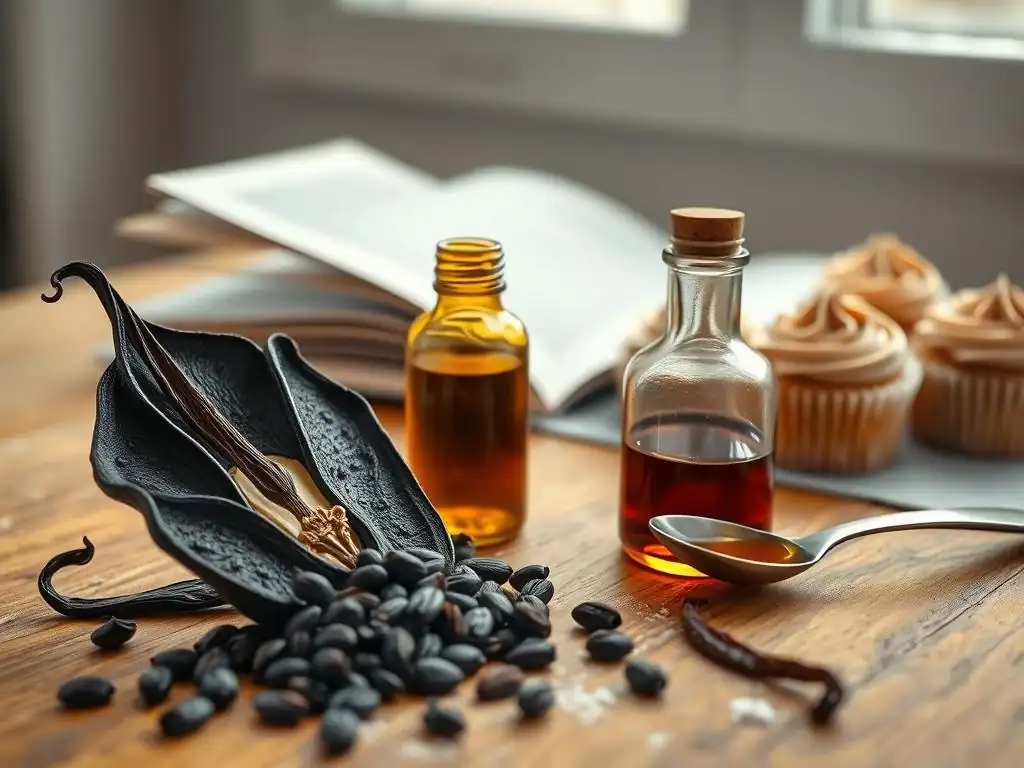
Choosing between vanilla bean and extract for your baking project involves considering several factors beyond just flavor. Practical considerations like intensity, cost, availability, and shelf life play a significant role in deciding which form of vanilla is best suited for a particular recipe or your pantry needs. Understanding these differences is crucial for any baker planning a vanilla bean substitute extract scenario.
Using a vanilla bean substitute extract effectively requires an appreciation for how these two forms differ in their impact on the final product. While both contribute vanilla flavor, they do so in distinct ways, affecting not only taste but also texture and visual appeal.
Flavor Intensity Comparison: Vanilla Bean vs. Extract
Vanilla bean generally offers a more intense, complex, and pure vanilla flavor compared to extract. This is because you are using the entire spectrum of flavor compounds directly from the pod, rather than just the compounds extracted into alcohol. When you scrape the seeds and paste from a high-quality vanilla bean, you're accessing a concentrated burst of aroma and taste that diffuses beautifully, especially in preparations where the vanilla is not subjected to high heat for long periods.
Vanilla extract, while convenient and consistent, provides a more generalized vanilla flavor. The alcohol aids in flavor distribution, making it excellent for incorporating into batters and doughs quickly. However, some of the delicate notes present in the whole bean may be less pronounced in the extract. The intensity can also vary depending on the quality and concentration of the extract (single-fold vs. double-fold, for example). A single vanilla bean is often considered roughly equivalent in flavor strength to about 1 to 2 teaspoons of single-fold vanilla extract, though this can vary based on the bean's size and quality.
Cost Analysis: Vanilla Beans vs. Extract
Vanilla beans are significantly more expensive than vanilla extract on a per-use basis. The cultivation and curing process for vanilla beans are incredibly labor-intensive, involving hand-pollination of each flower and a months-long curing process. This contributes to their high market price. As of early 2024, a single high-quality vanilla bean might cost anywhere from $5 to $10 or even more, depending on variety, grade, and market fluctuations.
In contrast, a standard 4-ounce bottle of pure vanilla extract, which contains many teaspoons worth of flavor, might cost between $10 and $20, making the per-teaspoon cost much lower. For recipes requiring just a teaspoon or two of vanilla, extract is undoubtedly the more budget-friendly option. The expense of vanilla beans is often justified when their unique flavor complexity and visual appeal are essential to the dish, such as in fine custards or ice creams.
Availability and Shelf Life: Choosing the Right Vanilla Option
Vanilla extract is widely available in most grocery stores, making it the most convenient option for everyday baking. It's typically found in the baking aisle and comes in various sizes. Pure vanilla extract has a remarkably long shelf life, often retaining its quality for several years if stored properly in a cool, dark place, thanks to its alcohol content. While it won't spoil in a way that makes it unsafe, the flavor can diminish over time, usually after 2-3 years.
Vanilla beans can be harder to source consistently and might require a trip to a specialty grocery store, a spice shop, or online retailers. Their shelf life is shorter than extract and requires more careful storage. Properly stored vanilla beans (sealed airtight to retain moisture, away from light and heat) can last for 6 to 12 months. If they dry out and become brittle, they lose much of their flavor and aroma, although they can sometimes be salvaged by infusing them into warm milk or sugar.
When to Use Vanilla Bean vs. Extract in Your Baking Recipes
The choice between vanilla bean and extract often depends on the recipe's specific requirements and the desired outcome. Some preparations benefit immensely from the pure, complex flavor and visual appeal of the vanilla bean, while others are perfectly suited for the convenience and consistent flavor of vanilla extract. Knowing these ideal applications helps when considering a vanilla bean substitute extract switch.
Think about the role vanilla plays in the final product. Is it a subtle background note, or is it meant to be a prominent flavor? Is the texture or appearance of the dish important? These questions will guide your decision.
Vanilla Bean: Best Uses for Optimal Flavor and Texture
Vanilla beans truly shine in recipes where vanilla is a primary flavor and isn't exposed to prolonged high heat, which can cause some delicate aromatic compounds to evaporate. The visible specks of vanilla caviar also add an appealing gourmet touch.
Vanilla Bean in Custards and Creams
Custards, crème brûlée, panna cotta, and pastry cream are classic examples where vanilla bean excels. The slow, gentle heating process allows the complex flavors of the bean to infuse beautifully into the milk or cream base. For instance, making a crème anglaise with half a vanilla bean scraped and simmered in the milk provides a depth of flavor and lovely visual specks that extract simply cannot replicate as effectively. A standard recipe calling for 1 teaspoon of extract might use half or a full vanilla bean for a richer result.
Vanilla Bean in Ice Cream and Puddings
Homemade ice cream and puddings are also ideal candidates for vanilla bean. The cold environment of ice cream production helps preserve the volatile flavor compounds from the bean, resulting in a vibrant, pure vanilla taste. Similarly, puddings, often cooked gently on the stovetop, allow ample time for the vanilla flavor to infuse. For a liter of ice cream base, using one whole vanilla bean can provide a profound depth of flavor, whereas using extract might require 1.5 to 2 teaspoons to achieve a comparable intensity, albeit with a less complex profile.
Vanilla Extract: Ideal Applications for Convenience and Consistency
Vanilla extract is the workhorse of the baking world, perfect for recipes where vanilla provides a supporting flavor or where the batter/dough is baked at high temperatures, which would diminish the delicate nuances of the bean. Its liquid form integrates easily into mixtures.
Vanilla Extract in Cakes and Cookies
In most cakes, cookies, brownies, and muffins, vanilla extract is the standard choice. The flavor distributes evenly throughout the batter or dough, providing a consistent vanilla note that complements other ingredients like chocolate, sugar, or spices. Baking temperatures, often upwards of 325°F (160°C), can cause some of the subtler flavors from a bean to dissipate. A typical chocolate chip cookie recipe might call for 1 or 2 teaspoons of vanilla extract, which is sufficient to enhance the overall flavor without being overpowered by other ingredients.
Vanilla Extract in Quick Breads and Muffins
Quick breads and muffins, which rely on chemical leaveners and are baked relatively quickly, also benefit from the ease and consistent flavor of vanilla extract. It's simple to measure and mix into the wet ingredients, ensuring even distribution. For a batch of 12 muffins, using 1 teaspoon of vanilla extract provides a pleasant background flavor that rounds out the taste profile. Using a vanilla bean here would be costly and the subtle flavor benefits might not be fully realized due to the baking method and temperature.
Vanilla Bean Substitute Extract: A Pro Baker's Substitution Guide
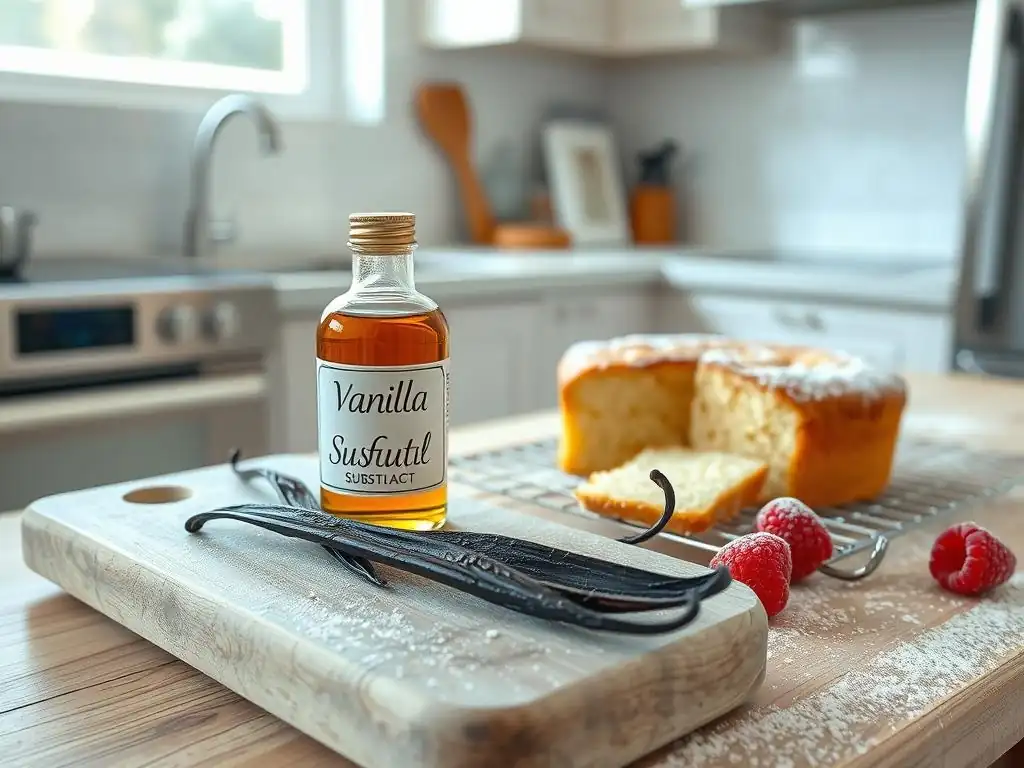
Sometimes a recipe calls for vanilla bean, but you only have extract, or vice versa. Knowing how to perform a vanilla bean substitute extract swap correctly is a valuable skill. While a perfect one-to-one replacement is difficult due to the flavor profile differences, you can achieve excellent results with the right technique and adjustments.
The goal when making a vanilla bean substitute extract is to approximate the intended flavor as closely as possible, considering the concentration and form of the vanilla you are using. It's not just about volume, but also about how the flavor is released and integrates into the dish.
The Importance of Vanilla in Baking
Vanilla is far more than just a sweet flavor; it's a crucial flavor enhancer that brings out the best in other ingredients. It adds depth to chocolate, mellows the acidity in fruits, and provides a warm base note in countless desserts. Without vanilla, many baked goods would taste flat or one-dimensional. Even a pinch of salt or a splash of vanilla can dramatically improve a simple sugar cookie or a plain sponge cake. It acts as a bridge, harmonizing disparate flavors into a cohesive, delicious whole.
Vanilla also contributes significantly to the aroma of baked goods, which is a huge part of the eating experience. The comforting scent of vanilla wafting from the oven is synonymous with homemade treats. Whether from a bean or extract, its presence is vital for achieving that desirable bakery-quality aroma and taste.
How to Substitute Vanilla Extract for Vanilla Bean: A Step-by-Step Approach
If your recipe specifies a vanilla bean but you only have extract, don't worry! You can make a successful vanilla bean substitute extract. The general rule of thumb is that one whole vanilla bean is roughly equivalent to 1 to 2 teaspoons of pure vanilla extract. Start with the lower end (1 teaspoon) and add a little more if needed, tasting as you go if possible (e.g., in a custard base before adding eggs).
Calculating the Equivalent Vanilla Extract Amount
A commonly cited guideline for a vanilla bean substitute extract is:
- 1 whole vanilla bean ≈ 1 to 2 teaspoons pure vanilla extract
This ratio accounts for the concentrated flavor within the bean's caviar and paste. If the recipe calls for a specific part of the bean (e.g., "half a vanilla bean"), adjust the extract amount accordingly (e.g., 1/2 to 1 teaspoon). Always use pure vanilla extract for the best results; imitation vanilla lacks the complex flavor compounds found in the real thing.
Techniques for Infusing Vanilla Extract Flavor
When substituting extract for a bean, simply stir the calculated amount of extract into your mixture at the point where the recipe instructs you to add the vanilla bean. For recipes involving infusing the bean in a liquid (like milk or cream for custards), add the vanilla extract after the liquid has been heated and removed from the heat, or as it cools slightly. This prevents some of the alcohol and volatile flavor compounds from evaporating excessively due to high heat, ensuring more vanilla flavor remains in your final product.
How to Substitute Vanilla Bean for Vanilla Extract: A Balanced Approach
Substituting a vanilla bean for vanilla extract requires a slightly different consideration, primarily regarding the form and potential liquid adjustment. This is a great vanilla bean substitute extract swap if you have beans on hand and want that premium flavor and visual appeal.
The general guideline for this vanilla bean substitute extract swap is the inverse of the previous one:
- 1 teaspoon pure vanilla extract ≈ 1/2 to 1 whole vanilla bean
Choose a plump, moist bean for the best flavor. You will need to split the bean lengthwise with a sharp knife and scrape out the dark, paste-like caviar using the back of the knife.
Adjusting Liquid Ratios When Using Vanilla Bean
When using a vanilla bean in place of liquid extract, you are introducing a solid/paste rather than a liquid. In most standard baking recipes (cakes, cookies, etc.)
that call for just a teaspoon or two of extract, the minimal amount of liquid being replaced by the bean is negligible and does not require any adjustment to the other liquid ingredients. However, in very sensitive recipes or large batches where multiple teaspoons of extract are being replaced by multiple beans, you might consider adding an extra teaspoon or two of milk or water to compensate, though this is rarely necessary for typical home baking quantities.
Extracting Maximum Flavor from Vanilla Bean
To get the most flavor from your vanilla bean when substituting, especially in recipes where the bean isn't steeped in a liquid, you can rub the scraped caviar into a small amount of sugar from the recipe before adding it to the batter. This helps separate the tiny seeds and disperse the flavor compounds evenly. You can also add the scraped-out pod to infusing liquids (like milk for custard) and remove it before further steps, or even bury it in your sugar jar to make vanilla sugar!
Pro Tips for Using Vanilla Bean and Extract
Beyond substitution, handling and storing vanilla properly ensures you get the best flavor and value from this precious spice. A few simple practices can elevate your vanilla game whether you prefer the bean or the bottle.
Understanding the subtle differences in vanilla origins and grades can also help you select the best product for specific baking applications or when performing a vanilla bean substitute extract.
Enhancing Vanilla Flavor in Your Recipes
To maximize the impact of vanilla extract, add it towards the end of the mixing process or even just before baking, especially in recipes that don't involve long cooking times. This minimizes the evaporation of those lovely aromatic compounds. For vanilla beans, ensure they are properly infused; if using in a liquid, steep the pod and caviar gently. In batters, rubbing the caviar into sugar helps disperse the flavor effectively.
Another tip is to pair vanilla with a pinch of salt; salt enhances sweetness and can make the vanilla flavor pop. Consider using a combination of vanilla forms – a touch of bean for visual appeal and complex base flavor in a custard, plus a splash of extract added at the end for an extra aromatic lift.
Storing Vanilla Beans and Extract Properly
Proper storage is key to maintaining the quality of your vanilla.
- Vanilla Beans: Store vanilla beans in an airtight container (like a glass tube or a small zip-top bag) in a cool, dark place, away from direct sunlight and heat. Do not store them in the refrigerator, as this can dry them out. If they start to feel a bit dry, you can try rehydrating them slightly by placing them in a sealed container with a damp paper towel for a day or two, but be careful of mold.
- Vanilla Extract: Store pure vanilla extract in its original bottle (usually dark glass, which protects it from light) in a cool, dark pantry. Ensure the cap is tightly sealed after each use to prevent evaporation.
Understanding Different Grades of Vanilla Beans
Vanilla beans are graded based on moisture content, appearance, and length.
- Grade A (Gourmet or Prime): These beans are typically 30-35% moisture, plump, oily, and pliable. They are ideal for applications where the bean is used directly (like scraping into custards or ice cream) because they contain the most caviar and flavor. They are usually 5-7 inches long.
- Grade B (Extraction Grade): These beans have a lower moisture content (20-25%) and may be broken or less visually appealing. While they contain less caviar, their flavor compounds are more concentrated by weight, making them excellent for making vanilla extract or infusing liquids where the pod is strained out. They are less expensive than Grade A beans. Knowing the grade can inform your vanilla bean substitute extract decisions.
Exploring Other Vanilla Flavor Alternatives
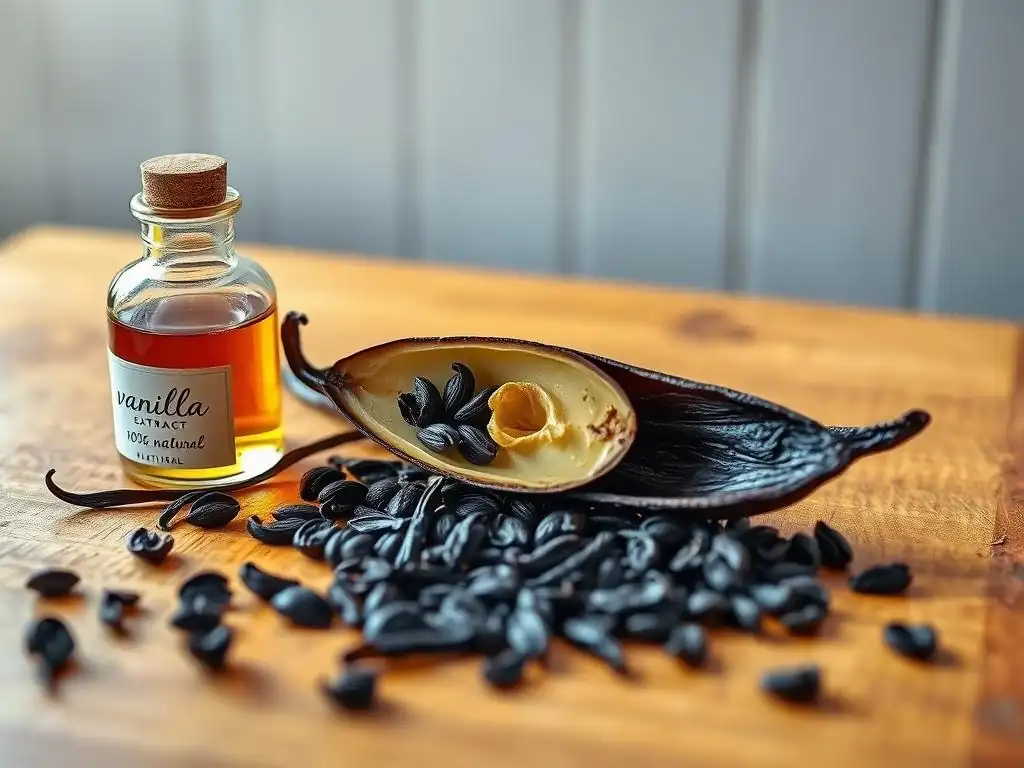
Vanilla bean and extract are the most common forms, but the world of vanilla offers other convenient and interesting alternatives that can be useful in various baking scenarios or as part of your vanilla bean substitute extract repertoire.
These alternatives provide different textures, concentrations, and ease of use, expanding your options for achieving delicious vanilla flavor in your baked goods.
Vanilla Paste: A Versatile Option
Vanilla paste is a thick, syrupy product made from concentrated vanilla extract and vanilla bean caviar, often held together with a natural thickener like gum tragacanth. It offers the convenience of extract but with the visible specks and some of the complex flavor notes of the bean. It's typically used in a 1:1 ratio as a substitute for vanilla extract in recipes.
Vanilla paste is particularly good in recipes where you want the visual appeal of vanilla bean specks without the effort of scraping a bean, such as in frostings, whipped cream, or lighter-colored batters. It's more expensive than extract but less so than using whole beans for the same visual effect.
Vanilla Powder: A Convenient Alternative
Vanilla powder is made from finely ground dried vanilla beans. Because it contains no alcohol or water, its flavor is potent and stable, especially at high temperatures. It's an excellent choice for dry mixes, dusting baked goods, or incorporating into recipes where you don't want to add any liquid.
As a vanilla bean substitute extract, vanilla powder is quite concentrated. A common substitution ratio is 1/2 teaspoon of vanilla powder for every 1 teaspoon of vanilla extract. Its flavor is pure and intense, making it a good option for chocolate or spice-heavy recipes where liquid extract might get lost.
Homemade Vanilla Extract: A Baker's Project
Making your own vanilla extract is a rewarding project that can yield a high-quality product over time. It involves steeping split, Grade B vanilla beans in a high-proof, neutral-flavored alcohol (like vodka) for several months, ideally 6-12 months or even longer. The standard ratio is 1 ounce of vanilla beans per 8 ounces (1 cup) of alcohol.
Homemade extract allows you to control the type and quality of beans used and can be more cost-effective in the long run if you use a lot of vanilla. It also makes for a wonderful gift! This homemade version functions just like commercial pure vanilla extract in recipes and is a fantastic way to utilize Grade B beans.
Conclusion: Choosing the Right Vanilla for Your Baking Needs at BakeWithEase
Navigating the world of vanilla, from the exquisite bean to the reliable extract and other alternatives, empowers you to make informed choices that will enhance your baking results. At BakeWithEase, we encourage you to experiment and discover which form of vanilla you prefer for different applications. Remember that while vanilla bean offers unparalleled complexity and visual appeal, high-quality vanilla extract is a versatile and essential ingredient for everyday baking.
Whether you're meticulously scraping a vanilla bean for a special occasion dessert or quickly measuring out extract for a batch of cookies, understanding the characteristics and best uses of each ensures success. And now, with our guide on vanilla bean substitute extract, you're equipped to confidently swap between them like a true pro baker!
Mastering Vanilla Flavor: Vanilla Bean, Extract, and Beyond
Achieving mastery in baking includes understanding how ingredients like vanilla behave and how to adapt when needed. A successful vanilla bean substitute extract swap is just one example of this adaptability. By appreciating the unique qualities of vanilla bean, the convenience of vanilla extract, and the merits of paste and powder, you can select the perfect vanilla for every recipe, ensuring maximum flavor impact. Keep practicing, keep experimenting, and let the wonderful aroma of vanilla fill your kitchen!
Frequently Asked Questions
How do I substitute vanilla extract for vanilla bean in a recipe?
Generally, use 1 teaspoon of vanilla extract for every 1 inch of vanilla bean. Remember to adjust the liquid content of the recipe if necessary.
What are the pros and cons of using vanilla bean versus vanilla extract?
Vanilla bean offers a more complex and intense flavor, but it's more expensive. Vanilla extract is more affordable and convenient, but the flavor is simpler.
Can I use vanilla bean paste as a substitute for vanilla extract?
Yes, vanilla bean paste is a great substitute. Use 1 teaspoon of vanilla bean paste for every 1 teaspoon of vanilla extract. It offers visual appeal with the bean specks.
What is the best type of vanilla extract to use as a vanilla bean substitute?
Use pure vanilla extract for the best flavor. Avoid imitation vanilla extract, as it lacks the complex flavor profile of real vanilla.
How does the baking temperature affect the flavor of vanilla extract?
High baking temperatures can diminish the flavor of vanilla extract. Consider adding it towards the end of the cooking process or using vanilla bean paste for a more robust flavor that holds up better.
Final Reflection: The Sweet Science of Vanilla Substitution
The quest for the perfect vanilla flavor is a timeless pursuit, and understanding the nuances between vanilla bean and extract is crucial for achieving baking brilliance. The subtle differences in flavor profile and intensity, as explored throughout this article, directly impact the final product, proving that even a seemingly simple ingredient choice can significantly elevate – or detract from – your culinary creations.
This exploration into the world of vanilla substitutes has not only sharpened my own baking skills but also highlighted the surprising depth of knowledge required to master even the most basic ingredients. The subtle art of substitution, as I've learned, is about more than just swapping one ingredient for another; it's about understanding the underlying chemistry and sensory experience. The best bakers are those who understand not just recipes, but the 'why' behind each ingredient.
This quote, though not directly about vanilla, perfectly encapsulates the spirit of this article's investigation.
Now, armed with this knowledge, I invite you to embark on your own vanilla adventures. Don't be afraid to experiment, to push boundaries, and to discover your own perfect balance of flavor and convenience. The next time you face a missing ingredient, remember the lessons learned here, and approach the challenge with confidence and creativity. The world of baking awaits your exploration, one delicious vanilla substitution at a time.
Unlock Your Baking Potential: Master Vanilla Substitutions!
Thanks for diving into the world of vanilla with us! We hope you now feel confident in choosing the perfect vanilla for your next baking masterpiece. Ready to put your newfound knowledge to the test?
- Bake a Vanilla-Infused Delight: Try substituting one of the methods discussed today in your favorite recipe—and let us know how it turns out! This is your chance to experiment and find your preferred vanilla magic.
- Share your Baking Triumphs: Show off your vanilla creations on social media using #BakeWithEaseVanilla. Let's inspire each other!
- Explore the BakeWithEase Archive: Discover more baking secrets and tips by browsing our other articles on flavor enhancements.
What unexpected vanilla flavor combinations will you create next? Let's discuss in the comments!