
Anise and Star Anise: Adding Unique Licorice Notes to Baking

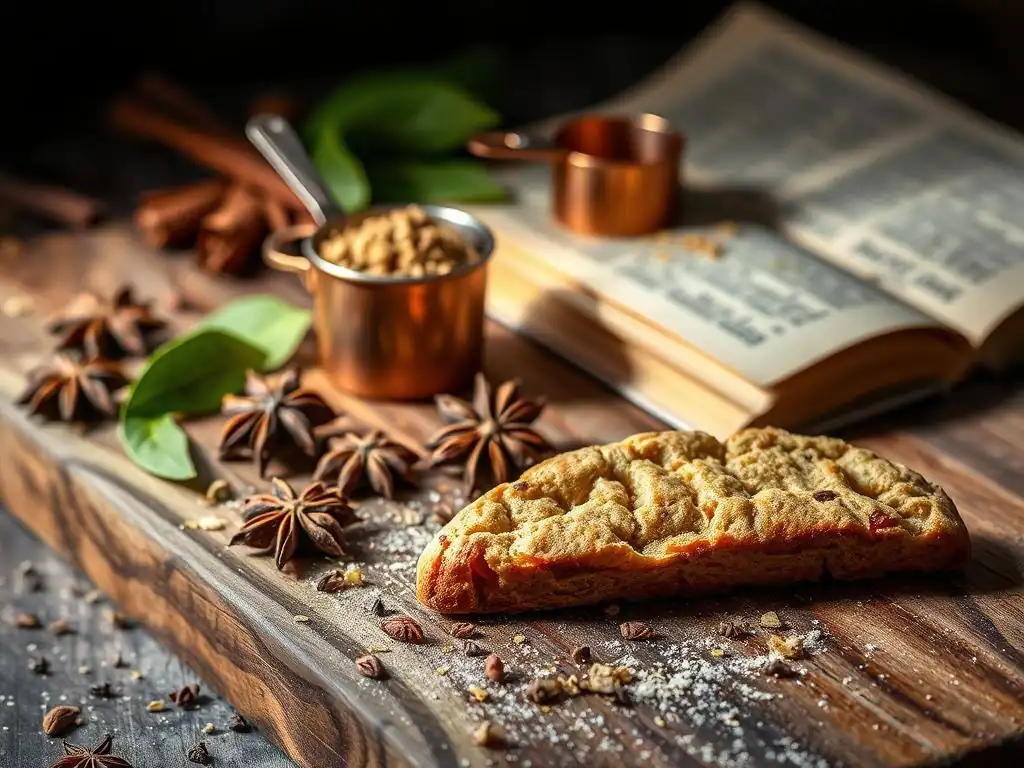
Welcome to BakeWithEase, where baking becomes a joy, not a chore! Ever wondered how to infuse your creations with a captivating, almost mystical flavor? Then delve into our Ingredient Deep Dive and discover the secrets of Anise and Star Anise. Get ready to add unique licorice notes to your baking, transforming ordinary recipes into extraordinary culinary experiences. But which anise should you choose, and how much is too much? Read on to unlock the full potential of these intriguing spices!
- Unveiling the Licorice Aroma: Anise and Star Anise in Baking
- What is Anise? Understanding its Flavor Profile for Baking
- What is Star Anise? Discovering its Unique Qualities for Baking
- Anise vs. Star Anise: A Comparative Guide for Bakers
- Anise in Baking Recipes: Flavorful Ideas and Applications
- Star Anise in Baking Recipes: Enhancing Your Sweet and Savory Dishes
- Tips and Tricks for Baking with Anise and Star Anise
- Where to Buy Anise and Star Anise for Your Baking Adventures
- Precautions and Considerations When Using Anise and Star Anise
- Conclusion: Embrace the Licorice Magic of Anise and Star Anise in Your Baking
-
Frequently Asked Questions
- What is the difference between anise and star anise in baking?
- How can I incorporate anise and star anise into my baking recipes?
- What types of baked goods pair well with anise and star anise?
- Can I substitute anise for star anise or vice versa in a baking recipe?
- Where can I find anise and star anise for my baking recipes?
- Final Reflection: The Enduring Allure of Anise and Star Anise in Baking
- Unleash Your Inner Pastry Chef: Infuse Your Baking with Anise!
Unveiling the Licorice Aroma: Anise and Star Anise in Baking
Exploring the World of Baking Spices: Anise and Star Anise
Baking is a journey of flavor, and spices are the compass guiding us to exciting destinations. Among the vast pantry of aromatic ingredients, anise and star anise stand out with their distinctive licorice-like notes.
While they share a similar flavor profile due to the presence of anethole, a primary aromatic compound, they come from entirely different plants and offer unique nuances that can transform your baked goods from ordinary to extraordinary. Understanding the subtle differences between these two spices is key to unlocking their full potential in your kitchen, whether you're crafting a simple cookie or tackling a complex pastry.
Delving into the world of anise and star anise for baking opens up a realm of traditional and modern culinary applications. From classic European Christmas cookies like Springerle and pizzelle, which heavily feature anise seeds, to innovative bakes incorporating the warm, pungent notes of star anise in fruit tarts or spice blends, these ingredients offer versatility.
Many bakers seek out the perfect anise star anise baking recipe to recreate beloved family treats or experiment with new flavor combinations, discovering how these potent spices can add warmth, depth, and a touch of exotic flair to everything from rustic loaves to elegant cakes.
What is Anise? Understanding its Flavor Profile for Baking
Anise Seeds: Origin and Characteristics
Anise, scientifically known as Pimpinella anisum, is an annual plant belonging to the same family as carrots, celery, and parsley (Apiaceae). It is native to the eastern Mediterranean region and Southwest Asia, with countries like Turkey, Greece, and India being significant producers today. The part of the plant used as a spice is the small, gray-green to brownish seed, which is oval-shaped and about 3-4 millimeters long. These seeds are harvested after the plant flowers and sets seed, typically in late summer or early autumn.
The small size of anise seeds belies their potent aroma. They are harvested when fully ripe and then dried. The drying process concentrates the volatile oils, particularly anethole, which is responsible for the characteristic sweet, aromatic, and licorice-like flavor. Historically, anise has been cultivated for thousands of years, with evidence of its use dating back to ancient Egypt, Greece, and Rome, where it was valued not only for its flavor in food and drink but also for medicinal properties.
Anise Flavor Profile: The Distinctive Licorice Note
The dominant flavor compound in anise seeds is anethole, which typically makes up about 80-90% of its essential oil. This compound is also found in fennel and tarragon, explaining the perceived flavor similarities. Anise's flavor is intensely sweet and aromatic, with a pronounced licorice or sometimes described as a slight menthol-like undertone. It's a clean, sharp sweetness that lingers on the palate.
When used in baking, anise seeds impart a bright, sweet, and aromatic quality. The flavor is quite assertive, so a little goes a long way. It pairs wonderfully with sugar, making it a natural fit for cookies, cakes, and sweet breads. The flavor profile can evoke a sense of warmth and nostalgia, often associated with holiday baking in many cultures. Finding the right balance in an anise star anise baking recipe is crucial to ensure the licorice note enhances, rather than overpowers, the other flavors.
Culinary Uses of Anise Beyond Baking
While a staple in baking, anise seeds have a wide range of applications in savory cooking and beverages. In many Mediterranean and Middle Eastern cuisines, anise is used to flavor stews, soups, and meat dishes, particularly with lamb or pork, where its sweetness can balance richer flavors. It's also a common ingredient in sausages and charcuterie.
Beyond food, anise is famously used to flavor alcoholic beverages. Spirits like Greek Ouzo, Turkish Rakı, French Pastis, and Italian Sambuca all derive their characteristic cloudy appearance (the "louching" effect) and strong licorice flavor from anise or related plants high in anethole. Anise tea, made by steeping the seeds in hot water, is a traditional remedy for digestive issues and coughs, highlighting its historical significance beyond just culinary delight.
What is Star Anise? Discovering its Unique Qualities for Baking
Star Anise: Origin and Appearance
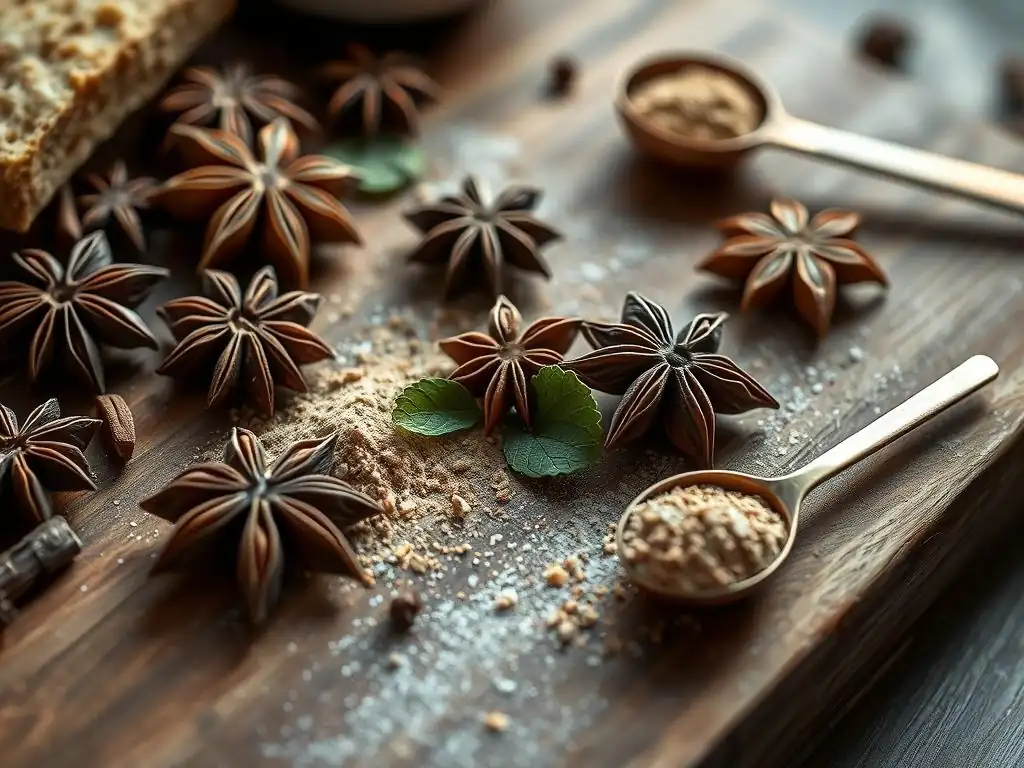
Star anise ( Illicium verum) is the fruit of a medium-sized evergreen tree native to northeastern Vietnam and southwestern China. Despite its name and similar flavor, it is botanically unrelated to anise. The fruit is harvested just before it ripens and is then dried. Its distinctive shape is an eight-pointed star (though sometimes it can have more or fewer points), with a seed enclosed in each pod-like section. The stars are typically about 2-3 centimeters in diameter and have a rustic, woody texture.
China is the largest producer of star anise today, followed by Vietnam. The star shape is visually striking and makes it easily identifiable. The flavor is concentrated in both the seed and the pericarp (the outer pod). Unlike anise seeds, which are small and loose, star anise is usually sold as whole stars or ground into a powder. Its unique form makes it popular for infusion in liquids or as a decorative element in dishes.
Star Anise Flavor Profile: A Warmer, Spicier Licorice
Like anise, star anise's primary flavor compound is anethole, which also constitutes a large percentage (often around 85-90%) of its essential oil. However, star anise contains other aromatic compounds that give it a different, more complex flavor profile. It possesses the characteristic sweet licorice note but is often described as warmer, spicier, and slightly more pungent than anise. It can have subtle hints of clove or cinnamon, adding layers of complexity.
The flavor of star anise is potent and can be slightly bitter if too much is used or if it's steeped for too long. When used in baking, it contributes a deep, aromatic warmth that pairs well with fruits, especially apples, pears, and plums, and chocolate. Its spicier undertones make it a fantastic addition to gingerbread, spice cakes, or even savory baking applications like bread or pie crusts. Finding the right balance in an anise star anise baking recipe requires appreciating star anise's bolder character.
Star Anise in Global Cuisines
Star anise is a cornerstone spice in many Asian cuisines, particularly Chinese and Vietnamese. It is a key ingredient in Chinese Five-Spice Powder, along with cloves, cinnamon, Sichuan peppercorns, and fennel seeds. This blend is widely used in savory dishes, especially braised meats and poultry, like Peking duck or red-cooked pork. In Vietnamese cuisine, star anise is an essential component of the broth for phở, the iconic noodle soup.
Beyond Asia, star anise has found its way into various global culinary traditions. It's used in some Indian curries and spice blends (like garam masala in certain regions) and has become increasingly popular in Western cooking, both savory and sweet. Its unique flavor and aroma make it a valuable addition to mulled wine, spiced cider, and infused simple syrups, demonstrating its versatility beyond traditional Asian dishes.
Anise vs. Star Anise: A Comparative Guide for Bakers
Flavor Differences: Anise vs. Star Anise in Baking Recipes
While both anise and star anise share the dominant anethole compound, leading to their common licorice flavor, their overall profiles differ subtly but significantly for baking. Anise seeds tend to have a brighter, purer, and sweeter licorice taste, often described as delicate and clean. They integrate smoothly into lighter baked goods, providing a distinct but not overwhelming aromatic lift. Think of the subtle sweetness in Italian biscotti or German Christmas cookies.
Star anise, on the other hand, offers a deeper, warmer, and spicier version of the licorice note. It carries undertones that can lean towards clove or cinnamon, giving it more complexity and pungency. This makes it better suited for richer or fruit-based bakes where its robustness can shine through. For example, star anise pairs beautifully with baked apples or pears, or adds depth to a chocolate cake. When choosing for an anise star anise baking recipe, consider whether you want a bright, sweet licorice hit or a warm, spicy aroma.
Appearance and Form: Differentiating Anise Seed and Star Anise Pods
The most obvious difference between the two spices is their physical form. Anise comes as small, oval-shaped seeds, typically sold loose or pre-ground. They resemble caraway or fennel seeds but are usually slightly larger and lighter in color. Their size makes them easy to measure and grind finely for incorporating into doughs and batters.
Star anise, conversely, is the distinctive star-shaped fruit, usually sold whole. Each point of the star contains a small, hard, shiny brown seed. While the seeds contain flavor, the entire star is aromatic and used. It's much harder than anise seeds and requires a sturdy grinder or mortar and pestle if you need it ground. Whole stars are often used for infusing liquids or as a visual garnish, while the ground powder is mixed into dry ingredients.
Which Spice to Choose: Anise or Star Anise for Your Baking Needs?
The choice between anise and star anise depends entirely on the desired flavor outcome and the type of bake. For classic, sweet, and aromatic baked goods like biscotti, pizzelle, or specific types of rye bread, anise seeds are the traditional and preferred choice. Their clean, sweet licorice flavor is iconic in these applications. A typical anise star anise baking recipe focused purely on the classic licorice note will likely use anise seeds.
If you're aiming for a warmer, spicier, and more complex aroma, especially in bakes featuring fruit, chocolate, or darker spices, star anise is often a better fit. It excels in infused syrups, spiced compotes, or bakes where its robust profile can complement other strong flavors. Some recipes might even call for a combination of both, using anise for a bright top note and star anise for a warm base note, demonstrating the versatility when you explore an anise star anise baking recipe creatively.
Anise in Baking Recipes: Flavorful Ideas and Applications
Anise seeds are perhaps most famously used in cookies, particularly in European traditions. Italian pizzelle and German Springerle are prime examples. Pizzelle, thin waffle-like cookies, often feature a generous amount of anise, giving them a distinct, sweet aroma. A standard pizzelle recipe might use 2-3 teaspoons of anise seeds per batch, which is quite potent. Springerle, embossed cookies made with an egg-sugar-flour dough, also rely on anise, traditionally baked on a bed of anise seeds for extra flavor infusion.
These cookies showcase how anise's clean, sweet licorice flavor can be both delicate and pronounced. The anethole in the seeds permeates the dough during mixing and baking, creating a fragrant and memorable treat. When developing an anise star anise baking recipe for cookies, bakers often find that grinding the seeds just before use maximizes the flavor intensity, ensuring that signature licorice note is vibrant in the final product.
Anise in Breads: Adding Depth and Aroma
Anise seeds are also a wonderful addition to certain types of bread, both sweet and savory. In many European countries, particularly Scandinavia and the Mediterranean, anise is used in rye breads or sweet holiday loaves. The seeds add a subtle sweetness and a complex aromatic depth that complements the earthy notes of rye flour or the richness of enriched doughs.
Adding 1 to 2 teaspoons of whole or lightly crushed anise seeds per loaf (approximately 500g flour) can transform a simple bread into something special. The warmth of baking helps release the volatile oils, filling your kitchen with a delightful aroma. An anise star anise baking recipe for bread might also include other spices like fennel or caraway, creating a traditional spice blend that enhances the bread's character and adds a touch of warmth perfect for pairing with cheese or butter.
Anise in Cakes and Pastries: Enhancing Sweet Creations
While less common than in cookies or bread, anise can also be used to add a unique twist to cakes and pastries. It pairs well with citrus flavors, particularly orange, and can provide a counterpoint to rich ingredients like nuts or dried fruits. A small amount of ground anise (perhaps 1/2 to 1 teaspoon for a standard cake recipe) can infuse a subtle licorice hint into sponges, pound cakes, or fruit tarts.
Consider adding a touch of ground anise to a spiced apple cake or a pear tart for an unexpected layer of flavor. It can also be used in glazes or simple syrups brushed onto cakes or pastries after baking. Experimenting with an anise star anise baking recipe for cakes allows you to discover how this spice can elevate familiar desserts, adding a sophisticated and aromatic dimension that surprises and delights the palate.
Anise Biscotti Recipe
**Simple Anise Biscotti**

*Yields:* Approx. 30 biscotti
*Prep time:* 20 minutes
*Bake time:* 40-50 minutes

*Ingredients:*
*   2 cups all-purpose flour
*   1.5 teaspoons baking powder
*   0.5 teaspoon salt
*   1 cup granulated sugar
*   2 large eggs
*   1 teaspoon vanilla extract
*   2 teaspoons whole anise seeds (or 1.5 teaspoons ground)

*Instructions:*
1.  Preheat oven to 350°F (175°C). Line a baking sheet with parchment paper.
2.  In a medium bowl, whisk together flour, baking powder, salt, and anise seeds (if using whole).
3.  In a large bowl, beat sugar and eggs until light and fluffy. Stir in vanilla extract.
4.  Gradually add the dry ingredients to the wet ingredients, mixing until just combined to form a stiff dough.
5.  Turn the dough out onto the prepared baking sheet. With lightly floured hands, shape the dough into one or two logs, about 1.5 inches wide and 3/4 inch high.
6.  Bake for 25-30 minutes, or until firm and lightly golden.
7.  Remove from oven and let cool on the baking sheet for 10 minutes.
8.  Reduce oven temperature to 300°F (150°C).
9.  Carefully transfer the log(s) to a cutting board. Using a serrated knife, slice the logs crosswise into 1/2-inch thick slices.
10. Place slices cut-side down back onto the baking sheet.
11. Bake for another 15-20 minutes, flipping halfway through, until dry and crisp.
12. Let cool completely on a wire rack before storing in an airtight container.
Star Anise in Baking Recipes: Enhancing Your Sweet and Savory Dishes
Star Anise Infused Syrups: Elevating Baking Flavors
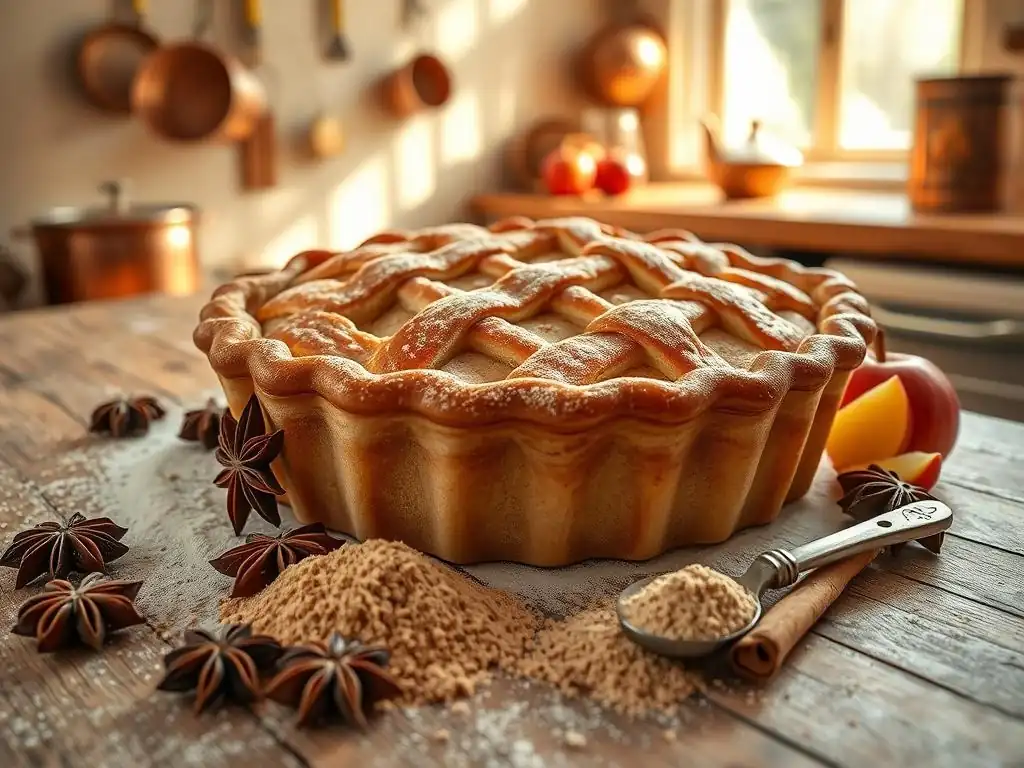
One of the best ways to utilize star anise in baking is by infusing its warm, spicy flavor into simple syrups. A star anise syrup can be made by simmering equal parts sugar and water with a few whole star anise pods for 10-15 minutes. For example, combining 1 cup sugar, 1 cup water, and 3-4 star anise pods yields a potent syrup perfect for drizzling or brushing.
This infused syrup can be used to moisten cakes (like a spice cake or gingerbread), drizzle over baked fruit, or sweeten whipped cream or glazes. The infusion process gently extracts the star anise's complex flavors without introducing any bitterness. This method is particularly effective when you want the star anise flavor to be present but not overpowering, offering a subtle background note to your baked goods. It's a versatile technique to add to your repertoire for developing an anise star anise baking recipe with a unique twist.
Star Anise in Fruit Compotes and Preserves: A Flavorful Twist
Star anise pairs exceptionally well with fruit, especially those that benefit from warm, autumnal spices. Apples, pears, plums, and even figs are wonderfully complemented by the complex, spicy notes of star anise. Adding a whole star anise pod or two to a fruit compote, jam, or chutney as it simmers can infuse the entire mixture with a deep, aromatic flavor.
For instance, when making an apple or pear compote for a tart filling or topping, adding 2-3 star anise pods per pound of fruit along with cinnamon or cloves creates a rich, fragrant base. The star anise adds a layer of warmth that enhances the natural sweetness and tartness of the fruit. This technique is simple yet incredibly effective for elevating fruit preparations used in various baking applications, from pie fillings to pastry toppings.
Star Anise in Savory Bakes: Bread and Pie Crusts
While often associated with sweet dishes, star anise can also add intriguing complexity to savory bakes. A small amount of finely ground star anise can be incorporated into bread doughs, particularly those with richer flours like whole wheat or rye, or doughs intended for savory applications. It provides a subtle, warm spice note that is unexpected but delightful.
Adding a pinch (perhaps 1/4 to 1/2 teaspoon) of ground star anise to a pie crust for a savory tart filled with ingredients like squash, mushrooms, or meat can add a unique aromatic depth. It pairs surprisingly well with savory flavors and can elevate a simple crust into a flavorful component of the dish. Experimenting with star anise in savory an anise star anise baking recipe opens up new possibilities beyond traditional sweet treats.
Pear and Star Anise Tart
**Elegant Pear and Star Anise Tart**

*Yields:* 1 standard 9-inch tart
*Prep time:* 30 minutes
*Chill time:* 30 minutes
*Bake time:* 45-55 minutes

*Ingredients:*
*   *For the Crust:*
    *   1.5 cups all-purpose flour
    *   0.5 teaspoon salt
    *   0.5 teaspoon ground star anise
    *   0.5 cup cold unsalted butter, cut into cubes
    *   4-6 tablespoons ice water
*   *For the Filling:*
    *   3-4 ripe but firm pears (like Bosc or Anjou)
    *   0.25 cup granulated sugar
    *   1 tablespoon all-purpose flour
    *   0.5 teaspoon ground cinnamon
    *   2 whole star anise pods
    *   1 tablespoon lemon juice
    *   1 tablespoon unsalted butter, cut into small pieces
*   *For Glaze (Optional):*
    *   2 tablespoons apricot jam, warmed and strained

*Instructions:*
1.  *Make the Crust:* In a bowl, whisk together flour, salt, and ground star anise. Cut in the cold butter using a pastry blender or your fingers until the mixture resembles coarse crumbs with some pea-sized pieces.
2.  Gradually add ice water, one tablespoon at a time, mixing until the dough just comes together. Do not overmix. Shape into a disc, wrap in plastic wrap, and chill for at least 30 minutes.
3.  Preheat oven to 375°F (190°C). Roll out the chilled dough on a lightly floured surface and fit into a 9-inch tart pan. Trim edges. Prick the bottom with a fork.
4.  *Prepare the Filling:* Peel, core, and slice the pears about 1/4 inch thick. In a bowl, gently toss the pear slices with sugar, flour, cinnamon, and lemon juice.
5.  Arrange the pear slices in the tart shell, overlapping slightly. Tuck the whole star anise pods amongst the pears. Dot with small pieces of butter.
6.  Bake for 45-55 minutes, or until the crust is golden and the pears are tender and slightly caramelized.
7.  Remove the star anise pods before serving. If desired, brush the warm tart with warmed apricot jam for a glossy finish.
8.  Let cool slightly before slicing and serving.
Tips and Tricks for Baking with Anise and Star Anise
Grinding and Preparing Anise and Star Anise for Baking
For the most intense flavor, it's generally recommended to buy anise and star anise whole and grind them yourself just before using them in your anise star anise baking recipe. Anise seeds are relatively soft and can be ground using a spice grinder, coffee grinder dedicated to spices, or a mortar and pestle. A fine powder is usually desired for incorporating into doughs and batters, ensuring even flavor distribution.
Star anise, being much harder and woodier, requires a sturdy spice grinder or a heavy-duty mortar and pestle. When grinding star anise, aim for a fine powder, but be aware that it might retain a slightly coarser texture than ground anise seeds. If a recipe calls for whole star anise (like in infusions), ensure the pods are clean and free of any debris. For whole anise seeds used in baking (like under Springerle), no preparation other than measuring is needed.
Measuring Anise and Star Anise: Dosage for Optimal Flavor
Both anise and star anise are potent spices, and using too much can easily overpower other flavors and even introduce bitterness, especially with star anise. As a general guideline, start with small amounts and adjust to your preference in future batches. For ground anise seeds, a common starting point is 1/2 to 1 teaspoon per cup of flour in a recipe. For whole seeds, you might use 1 to 2 teaspoons per cup of flour, as their flavor is released more slowly.
For ground star anise, even less is often needed due to its intensity – perhaps 1/4 to 1/2 teaspoon per cup of flour. If using whole star anise for infusion, 2-4 pods are usually sufficient for a syrup or liquid base for a standard baking recipe. Always taste and adjust. When trying a new anise star anise baking recipe, it's safer to err on the side of less spice and add more if you feel the flavor isn't prominent enough.
Pairing Anise and Star Anise with Other Baking Spices
Anise and star anise can be wonderfully complemented by other spices, creating complex and harmonious flavor profiles. Anise seeds pair well with citrus zest (orange or lemon), vanilla, cardamom, and sometimes a touch of cinnamon or ginger, especially in cookie recipes.
Star anise, with its warmer notes, complements cinnamon, cloves, nutmeg, ginger, and black pepper. It's a natural partner for fruit spices and chocolate. Consider combining star anise with cinnamon and orange zest in an apple pie or adding a pinch to a chocolate cake batter. Exploring these spice pairings in an anise star anise baking recipe allows you to build layered flavors that are more than the sum of their parts.
Storing Anise and Star Anise to Maintain Freshness
Proper storage is crucial for maintaining the potency of both anise and star anise. Like all spices, their volatile oils degrade over time, causing the flavor and aroma to diminish. Whole spices retain their flavor much longer than ground spices. Whole anise seeds and whole star anise pods should be stored in airtight containers away from heat, light, and moisture. Glass jars with tight-fitting lids are ideal.
Stored properly, whole anise seeds can last for 1-2 years, and whole star anise pods can remain potent for 2-3 years. Ground spices lose their flavor much faster, typically within 6 months. For the best results in your anise star anise baking recipe, purchase whole spices and grind them as needed. Store ground spices in the same airtight conditions and try to use them relatively quickly. You can often tell if a spice is fresh by crushing a small amount and smelling it – a strong aroma indicates good quality.
Where to Buy Anise and Star Anise for Your Baking Adventures
Finding High-Quality Anise Seeds
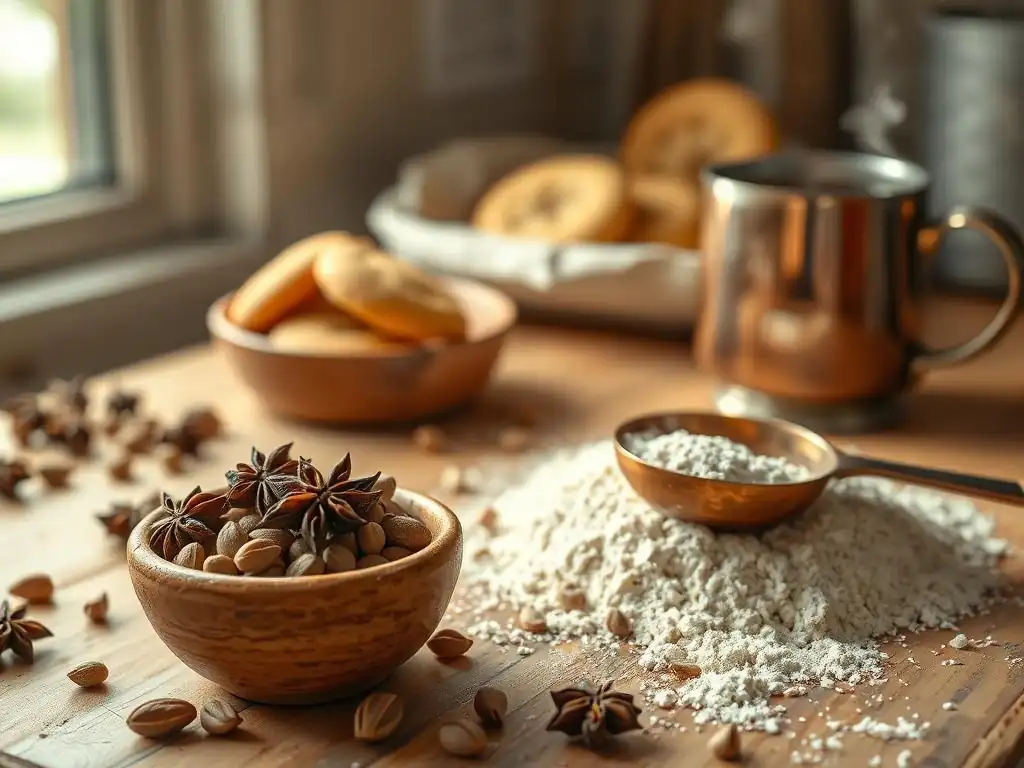
High-quality anise seeds should be plump, whole, and have a consistent gray-green to brownish color. They should emit a strong, sweet licorice aroma when lightly crushed. You can find anise seeds in the spice aisle of most major supermarkets, specialty spice shops, and online retailers. Purchasing from a reputable source with good turnover ensures you are getting fresh seeds.
When buying packaged anise seeds, check the expiration date if available, or look for packaging that protects the seeds from light and air. Buying in bulk from a store where you can see and smell the seeds (if permitted) is a good way to assess freshness. For an anise star anise baking recipe requiring vibrant anise flavor, sourcing fresh, whole seeds is a worthwhile step.
Sourcing Authentic Star Anise Pods
Authentic star anise pods should be mostly whole, with distinct points, and a uniform reddish-brown color. Avoid broken or dusty pods, which may indicate older stock or poor handling. They should have a strong, warm, licorice-like aroma. Star anise is widely available in the spice section of supermarkets, Asian grocery stores, and online. Asian grocery stores often have a higher turnover of star anise, potentially offering fresher options.
Look for star anise that is sold in sealed bags or containers to protect its aroma. While buying individual pods might be tempting, purchasing a small bag from a reliable source is usually better for freshness. When selecting star anise for your anise star anise baking recipe, the visual appeal of the whole stars can also be a factor if you plan to use them for infusion or decoration.
Precautions and Considerations When Using Anise and Star Anise
Potential Allergies to Anise and Star Anise
While relatively uncommon, allergies to anise and star anise can occur. Individuals with allergies to other members of the Apiaceae family (like celery, parsley, or carrots) or the Schisandraceae family (to which star anise belongs) might have a higher risk. Symptoms can range from mild skin irritation to more severe reactions.
If you or someone you are baking for has known sensitivities to these types of plants or spices, it's wise to exercise caution. Always check ingredients if using pre-made spice blends. If you suspect an allergy after consuming a baked good containing anise or star anise, consult a medical professional. For general baking, these spices are safe for most people when used in typical culinary amounts in an anise star anise baking recipe.
Using Anise and Star Anise in Moderation
As mentioned earlier, both anise and star anise are potent spices. Using them in moderation is key to achieving balanced flavors in your baking. Too much anise can make baked goods taste overwhelmingly of licorice, while excessive star anise can introduce a bitter or medicinal note. It's better to use too little and have a subtle flavor than too much and ruin the entire batch.
Follow recipe guidelines closely when using these spices, especially if you are new to them. If substituting ground spice for whole or vice versa, remember that ground spices are generally more potent by volume. Start with smaller amounts (e.g., half the recipe suggests) if you are unsure of the spice's freshness or your personal preference for the strength of the licorice flavor in your anise star anise baking recipe. You can always add a little more in subsequent attempts once you know how the spice performs.
Conclusion: Embrace the Licorice Magic of Anise and Star Anise in Your Baking
Elevate Your Baking with Anise and Star Anise: A Final Thought
Anise and star anise, though distinct in origin and subtle flavor nuances, both offer a unique and captivating licorice note that can truly elevate your baking. From the bright, sweet aroma of anise seeds in classic cookies and breads to the warm, spicy depth of star anise in fruit tarts and infused syrups, these spices provide a world of flavor to explore. They invite bakers to step outside the usual spice palette and experiment with traditional and innovative an anise star anise baking recipe creations.
Whether you're a seasoned baker or just starting your journey, incorporating anise or star anise into your recipes can add a layer of sophistication and warmth. Don't be afraid to experiment with the quantities and pairings suggested. With a little care in sourcing, preparation, and usage, you can master the art of baking with these fascinating spices, bringing a touch of licorice magic to your kitchen and delighting your friends and family with uniquely flavored treats. Embrace the journey and discover the wonderful possibilities that anise and star anise bring to the world of baking.
Frequently Asked Questions
What is the difference between anise and star anise in baking?
Anise and star anise, while having similar licorice notes, are botanically different. Anise is a seed, while star anise is a fruit. Star anise has a stronger, more potent flavor than anise seed.
How can I incorporate anise and star anise into my baking recipes?
You can incorporate anise seed directly into doughs or batters. Star anise is often used to infuse liquids like milk or cream, then removed before baking, or ground into a fine powder.
What types of baked goods pair well with anise and star anise?
Anise and star anise work well in breads, cookies, cakes, and pastries. They particularly complement fruit-based desserts and recipes with warm spices like cinnamon and cloves.
Can I substitute anise for star anise or vice versa in a baking recipe?
While possible, substitution requires careful consideration. You would need to use a smaller amount of star anise to avoid overpowering the flavor, as it's much stronger than anise seed.
Where can I find anise and star anise for my baking recipes?
Anise seeds are commonly found in the spice aisle of most grocery stores. Star anise can be found in the spice aisle or in stores that carry Asian ingredients.
Final Reflection: The Enduring Allure of Anise and Star Anise in Baking
The subtle, yet powerful, licorice notes of anise and star anise continue to captivate bakers worldwide, adding depth and complexity to both sweet and savory creations. Their unique flavor profiles, often mistaken for one another, offer a world of culinary possibilities, proving their enduring relevance in modern baking trends. From classic biscotti to innovative modern pastries, these spices remain a cornerstone of flavor exploration.
The journey through the world of anise and star anise has been a personal one, revealing not only the nuances of their distinct tastes but also the rich history and cultural significance woven into their use. Their presence in countless recipes across diverse culinary traditions speaks volumes about their enduring appeal. The simplest things are often the most profound.
This sentiment rings true when considering the impact these seemingly humble spices have on the sensory experience of baking.
Now, it's your turn. Consider the unique flavor profiles of anise and star anise. Experiment with incorporating them into your own baking projects, perhaps venturing beyond the familiar and exploring new and exciting flavor combinations. Let the subtle magic of these spices transform your creations and inspire your culinary journey. Don't be afraid to experiment – the world of flavor awaits!
Unleash Your Inner Pastry Chef: Infuse Your Baking with Anise!
Thanks for exploring the wonderful world of anise and star anise with us! We hope you've discovered new flavor possibilities for your baking adventures. Now it's time to put your newfound knowledge into practice.
- Bake something amazing: Try one of the recipes mentioned in the article, or let your creativity run wild and experiment with anise in your favorite cookie, bread, or cake recipe. This is your chance to shine!
- Share your anise creations: Post a picture of your anise-infused masterpiece on social media and tag us! Let's build a community of anise enthusiasts.
- Explore further: Dive deeper into the world of spices by researching other licorice-flavored ingredients or exploring the history and origins of anise.
What unique anise-infused recipe will you create next? Let us know in the comments below!