
Seasonal Fruit Baking: What to Bake Right Now

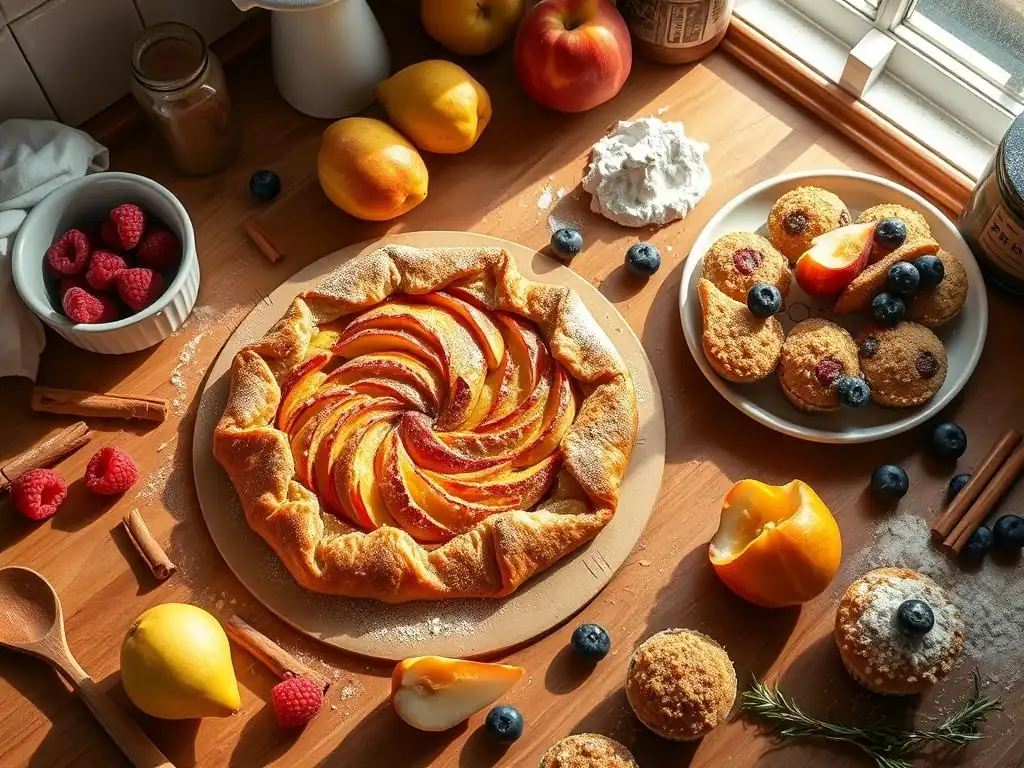
Welcome to BakeWithEase, your trusted guide to the delightful world of baking! Ever wonder what the secret is to truly exceptional baked goods? It often starts with the freshest, most vibrant ingredients. Dive into our Ingredient Deep Dives and discover the magic of baking with what's in season. Our main article, " Seasonal Fruit Baking: What to Bake Right Now," will inspire you to create delectable treats, but what exactly makes fruit so special in baking, and how can you maximize its flavor potential? Let's find out!
- Seasonal Fruit Baking: Delightful Recipes for Every Season
- Introduction to Seasonal Fruit Baking
- Spring Baking: Recipes Featuring Spring's First Fruits
- Summer Baking: Celebrating Summer's Abundant Harvest
- Autumn Baking: Warm and Cozy Fall Fruit Recipes
- Winter Baking: Brightening Winter with Citrus and Pears
- Tips for Successful Seasonal Fruit Baking
- Conclusion: Savoring the Flavors of Each Season Through Baking
-
Frequently Asked Questions
- What are some easy seasonal fruit recipes I can find on BakeWithEase.com?
- Does BakeWithEase.com provide recipes for all skill levels, even if I'm a beginner?
- How does BakeWithEase.com help me choose which fruits to bake with based on the season?
- Can I find recipes for specific types of baked goods, like sourdough, that incorporate seasonal fruits?
- What kind of support does BakeWithEase.com offer if I encounter problems while baking a seasonal fruit recipe?
- Final Reflection: Savor the Season, Sweeten Your Life
- Unleash Your Inner Baker: Sweeten Your Day!
Seasonal Fruit Baking: Delightful Recipes for Every Season
Introduction to Seasonal Fruit Baking
The Benefits of Baking with Seasonal Fruits: Flavor and Freshness
Baking with fruits that are currently in season offers a significant advantage: peak flavor. Fruits harvested at their prime, when they are naturally ripe and full of sugars and aromas, translate directly into more delicious baked goods. Think of the difference between a pale, out-of-season strawberry and a vibrant, juicy one picked in late spring – the latter will require less added sugar and provide a more intense fruit flavor in your pies, tarts, or muffins. This natural sweetness and depth mean your easy seasonal fruit recipes will taste better with less effort.
Beyond just taste, seasonal fruits are often fresher because they haven't traveled long distances or been stored for extended periods. This freshness contributes to better texture and nutritional value. Using readily available seasonal produce also makes finding ingredients for your baking projects much simpler and often more cost-effective. Embracing seasonal baking is a wonderful way to connect with the rhythm of nature and enjoy the bounty each time of year has to offer, making it easier than ever to find and create delightful treats.
A Guide to Baking with Seasonal Produce
Navigating the world of seasonal fruit baking is easier than you might think, and it opens up a world of delicious possibilities for easy seasonal fruit recipes. The key is knowing what's typically available when and how to best utilize those fruits in your baking. While specific harvest times can vary slightly depending on your location and the climate, there are general guidelines for peak seasons. For example, berries and stone fruits dominate the summer months, while apples and pears are stars of the fall and winter.
Understanding the characteristics of different fruits is also crucial. Fruits with high water content, like berries or peaches, might require a bit more thickener (like flour, cornstarch, or tapioca starch) in pies or cobblers to prevent a soggy bottom. Firmer fruits like apples or pears hold their shape well and are excellent for tarts and crisps. Citrus fruits, available in winter, add brightness and acidity, perfect for cutting through richness in cakes and muffins. By paying attention to these details, you can adapt your favorite baking techniques to create fantastic easy seasonal fruit recipes year-round.
Spring Baking: Recipes Featuring Spring's First Fruits
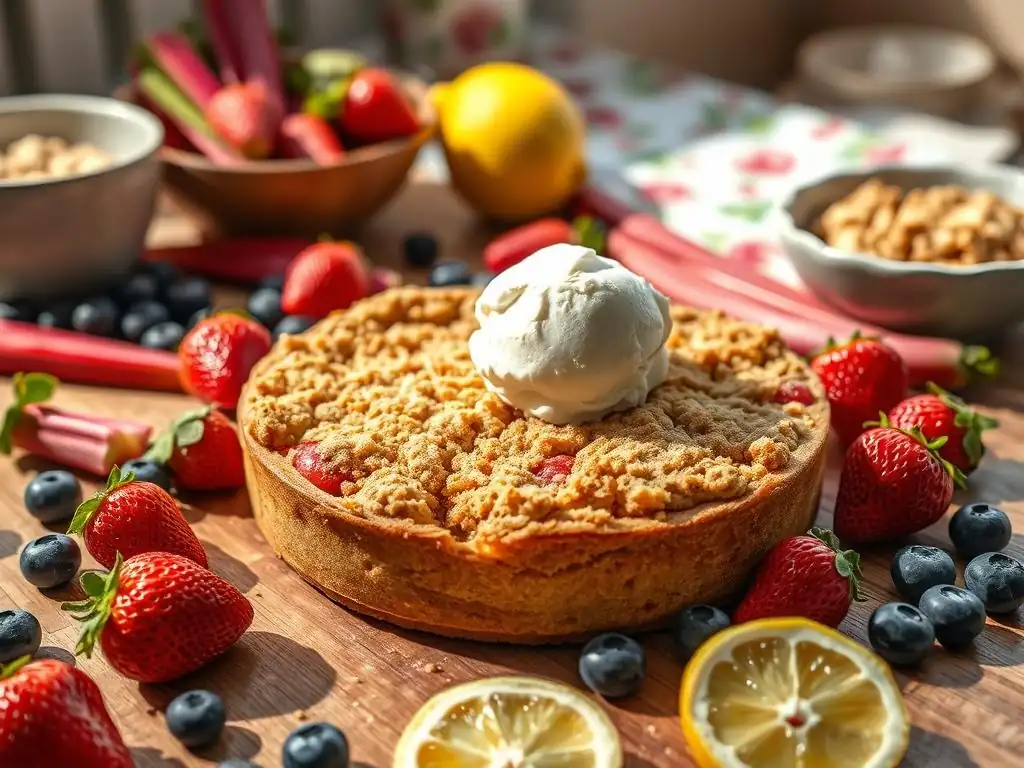
Strawberry Recipes: Simple and Sweet Spring Bakes
Strawberries are often one of the first fruits to ripen as spring arrives, bringing a welcome burst of sweetness and color after the colder months. Their delicate flavor and tender texture make them ideal for a variety of simple baking applications. From quick breads and muffins to classic pies and tarts, strawberries shine. Their natural sweetness means they pair well with minimal added sugar, letting their fresh taste come through. Finding easy seasonal fruit recipes featuring strawberries is a breeze, as they are incredibly versatile.
When baking with strawberries, remember they release a good amount of liquid when heated. For pies or tarts, tossing sliced berries with a tablespoon or two of flour or cornstarch per cup of fruit can help absorb excess moisture. For muffins or quick breads, gently folding in chopped berries just before baking prevents them from sinking to the bottom. A typical strawberry muffin recipe might use about 1.5 to 2 cups of chopped strawberries for a batch of 12, baking for 20-25 minutes at 375°F (190°C).
Strawberry Rhubarb Pie: A Classic Combination
The pairing of sweet strawberries and tart rhubarb is a quintessential spring flavor combination, perfect for creating classic easy seasonal fruit recipes. The sweetness of the strawberries balances the sharp tang of the rhubarb, resulting in a complex and satisfying pie filling. A standard double-crust pie typically calls for about 3-4 cups of sliced strawberries and 3-4 cups of chopped rhubarb, often mixed with sugar, flour (as a thickener), and perhaps a touch of lemon zest.
Baking a strawberry rhubarb pie usually takes around 45-60 minutes at 375°F (190°C), or until the crust is golden brown and the filling is bubbly. The high water content of both fruits means adequate thickening is key. Using tapioca starch is a popular choice as it provides a clear, glossy filling. Allow the pie to cool completely before slicing – ideally for several hours – to allow the filling to set properly, ensuring beautiful slices and preventing a runny mess.
Strawberry Scones: Perfect for Afternoon Tea
Strawberry scones are a delightful and relatively quick way to enjoy spring's bounty, fitting perfectly into the category of easy seasonal fruit recipes. These tender baked goods are wonderful served warm with butter, jam, or clotted cream, making them ideal for breakfast or afternoon tea. Incorporating fresh strawberries adds moisture and bursts of sweet flavor throughout the scone.
A typical scone recipe uses cold butter cut into flour, similar to biscuit dough, to create a tender texture. Adding about 1 cup of chopped fresh strawberries to a standard batch yielding 8-10 scones is usually sufficient. Bake time is generally shorter than for pies, often just 15-20 minutes at a higher temperature, like 400°F (200°C), until they are golden brown and the fruit is slightly softened. Ensure the berries are not excessively wet before adding them to the dough to avoid making the scones dense.
Rhubarb Recipes: Tart and Tangy Spring Delights
Rhubarb, though botanically a vegetable, is commonly used as a fruit in baking due to its tart flavor and fibrous stalks. It's one of the earliest crops of spring, often ready for harvest when little else is. Its distinct tanginess makes it a fantastic counterpoint to sweeter ingredients and pairs wonderfully with fruits like strawberries, apples, or ginger. Rhubarb is a cornerstone for many unique easy seasonal fruit recipes.
When preparing rhubarb for baking, trim off the leaves (they are toxic) and chop the stalks into roughly 1/2-inch pieces. Because it's so tart, rhubarb always requires a significant amount of sugar to balance its flavor. A common ratio in crumbles or pies is equal parts chopped rhubarb and sugar by volume, though this can be adjusted based on your preference. Rhubarb also releases a lot of liquid when cooked, so using a thickener is usually necessary.
Rhubarb Streusel Muffins: A Deliciously Tart Start to the Day
Rhubarb streusel muffins offer a lovely balance of tart fruit and sweet, crumbly topping, making for a delicious and easy seasonal fruit recipe perfect for breakfast or a snack. The tang of the rhubarb provides a refreshing contrast to the rich, moist muffin base and the buttery streusel.
A standard recipe for 12 muffins might call for about 1.5 to 2 cups of chopped rhubarb folded into a basic muffin batter. The streusel topping, typically a mix of flour, sugar, butter, and sometimes oats or nuts, is sprinkled generously over the batter before baking. These muffins usually bake for about 20-25 minutes at 375°F (190°C). Ensure the rhubarb pieces are evenly distributed but avoid overmixing the batter once the fruit is added.
Rhubarb Upside-Down Cake: A Unique and Flavorful Dessert
A rhubarb upside-down cake is a visually appealing and flavorful dessert that showcases the unique character of this spring ingredient. The tart rhubarb is arranged at the bottom of the pan, often with butter and sugar to create a caramelized layer, before the cake batter is poured over the top. As it bakes, the rhubarb softens and melds with the sweet base.
To prepare the bottom layer, about 2-3 cups of chopped rhubarb are typically arranged in the bottom of a greased and sugared cake pan (often a 9-inch round or square), sometimes with a small amount of butter melted over it. A simple vanilla or almond-flavored cake batter is then poured on top. The cake bakes for approximately 35-45 minutes at 350°F (175°C). Once baked, it's inverted onto a serving plate, revealing the beautiful rhubarb layer.
Summer Baking: Celebrating Summer's Abundant Harvest
Blueberry Recipes: Easy and Flavorful Summer Treats
Summer is synonymous with blueberries, and these small, sweet berries are incredibly popular for baking due to their ease of use and delightful flavor. They require minimal preparation – just a quick rinse – and their size means they distribute well throughout batters. Blueberries are perfect for a wide range of easy seasonal fruit recipes, from simple muffins and quick breads to pies, cobblers, and crisps.
Blueberries hold their shape relatively well when baked, though they do burst and release some juice, adding moisture and color to baked goods. A classic blueberry muffin recipe might use 1 to 1.5 cups of fresh blueberries per batch of 12. Tossing the berries with a tablespoon of flour before adding them to the batter can help prevent them from sinking during baking. They typically bake for 20-25 minutes at 375°F (190°C).
Blueberry Lemon Loaf: A Zesty and Moist Cake
The combination of bright lemon and sweet blueberries is a classic for a reason, and a blueberry lemon loaf is an easy seasonal fruit recipe that perfectly captures this pairing. The lemon zest and juice add a refreshing tang that complements the sweetness of the blueberries and keeps the loaf moist.
A standard loaf recipe, typically baked in a 9x5 inch loaf pan, might incorporate about 1.5 cups of fresh blueberries and the zest and juice of one large lemon. The loaf usually bakes for 50-60 minutes at 350°F (175°C), or until a skewer inserted into the center comes out clean. A simple lemon glaze made with powdered sugar and lemon juice is a common finishing touch, adding extra flavor and moisture.
Blueberry Cobbler: A Warm and Comforting Summer Dessert
Blueberry cobbler is the epitome of a warm, comforting summer dessert, and it's one of the easiest seasonal fruit recipes you can make. It features a sweet, bubbling fruit filling topped with a biscuit or cake-like topping that bakes up golden and tender.
For a typical 8x8 inch cobbler, you might use 4-5 cups of fresh blueberries tossed with sugar (around 1/2 to 3/4 cup), a thickener (like 2-3 tablespoons of cornstarch or flour), and a squeeze of lemon juice. The topping varies, but a common biscuit topping uses about 1.5 cups of flour. The cobbler bakes for approximately 30-40 minutes at 375°F (190°C), or until the topping is golden and the fruit is bubbling around the edges.
Peach Recipes: Sweet and Juicy Summer Creations
Peaches are a highlight of the summer harvest, offering incredible sweetness and juice when ripe. Their fuzzy skin and large pit require a little more prep than berries, but the resulting flavor in baked goods is well worth the effort. Peaches work beautifully in pies, tarts, crumbles, and even cakes, providing a moist and flavorful addition to many easy seasonal fruit recipes.
To prepare peaches for baking, they are typically peeled, pitted, and sliced or chopped. Peeling can be made easier by briefly blanching the peaches in boiling water for 30-60 seconds, then plunging them into ice water; the skins should then slip off easily. Like berries, peaches release a lot of juice, so thickeners are essential in pies and cobblers. A pound of peaches yields about 2-3 cups of sliced fruit.
Peach and Almond Tart: An Elegant Summer Dessert
A peach and almond tart is an elegant way to showcase ripe summer peaches, offering a sophisticated take on easy seasonal fruit recipes. This dessert often features a layer of frangipane (an almond cream filling) beneath slices of fresh peaches baked in a flaky pastry crust.
A typical 9-inch tart might use 3-4 medium peaches, sliced, arranged over a layer of frangipane made with about 1/2 cup (around 100g) of almond flour, butter, sugar, and eggs. The tart shell is often pre-baked (blind-baked) partway before adding the filling to ensure a crisp bottom crust. The filled tart then bakes for an additional 30-40 minutes at 375°F (190°C), or until the frangipane is set and the peaches are tender.
Peach Crumble: A Simple and Satisfying Treat
Peach crumble is another wonderfully simple and satisfying summer dessert, firmly in the category of easy seasonal fruit recipes. It's similar to a cobbler but uses a crumbly topping made with flour, sugar, butter, and often oats. This rustic dessert highlights the natural sweetness and juiciness of the peaches.
For an 8x8 inch crumble, you'll typically use 4-5 cups of sliced peaches, tossed with sugar (around 1/4 to 1/2 cup, depending on the sweetness of the peaches), a thickener (like 2 tablespoons of flour or cornstarch), and perhaps a pinch of cinnamon or nutmeg. The topping is made by cutting cold butter into a mixture of flour, sugar, and oats until it resembles coarse crumbs. Bake at 375°F (190°C) for 30-40 minutes, until the top is golden brown and the fruit is bubbly.
Autumn Baking: Warm and Cozy Fall Fruit Recipes
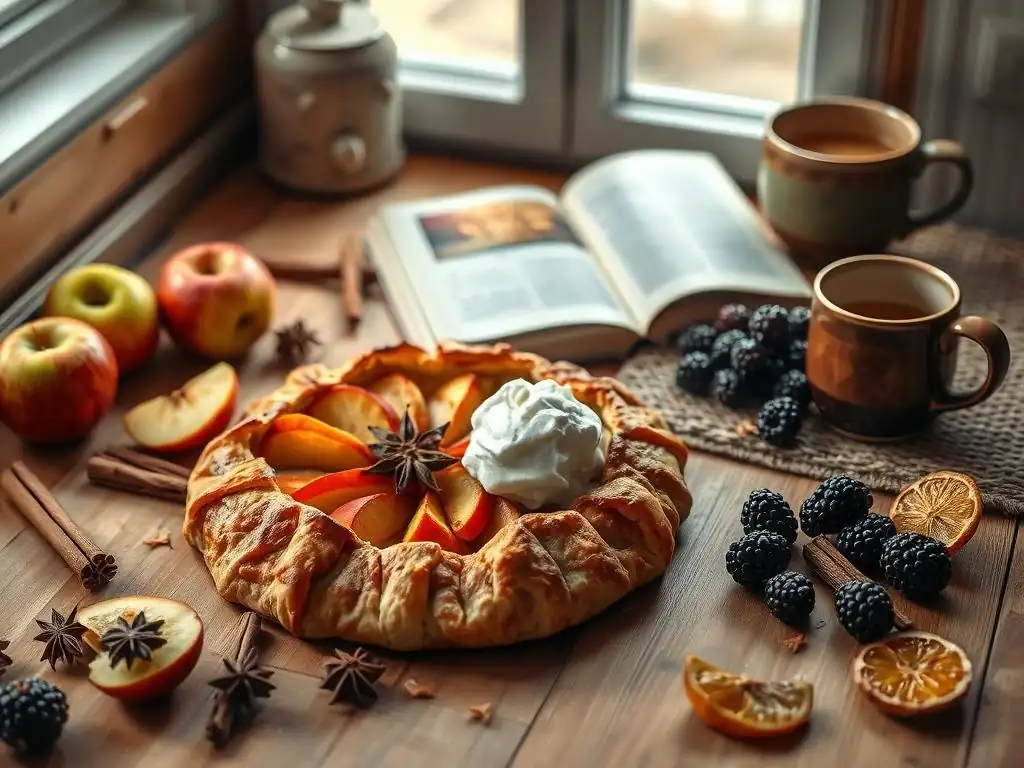
Apple Recipes: Classic and Comforting Fall Bakes
As the leaves change color, apples become the undisputed star of fall baking, offering a vast array of textures and flavors perfect for warm, comforting treats. From crisp eating apples to softer baking varieties, there's an apple for every easy seasonal fruit recipe imaginable, including pies, crisps, cakes, muffins, and donuts. Their natural pectin helps fillings set, and they pair beautifully with warming spices like cinnamon, nutmeg, and cloves.
Different apple varieties perform differently when baked. Firm apples like Honeycrisp, Granny Smith, or Fuji hold their shape well and are great for pies and tarts where you want distinct apple slices. Softer apples like McIntosh or Cortland break down more easily, making them ideal for sauces, muffins, or recipes where a softer texture is desired. A pound of apples yields about 3 cups of sliced fruit.
Apple Crumble Pie: A Delectable Twist on a Classic
Apple pie is a fall staple, and an apple crumble pie, topped with a buttery streusel instead of a double crust, is a popular and slightly easier variation. This easy seasonal fruit recipe combines the classic spiced apple filling with a sweet, crumbly topping, offering wonderful texture contrast.
A typical 9-inch crumble pie uses 6-8 cups of sliced apples (a mix of varieties works well for complexity), tossed with sugar (around 1/2 to 3/4 cup), flour or another thickener (2-3 tablespoons), and cinnamon (1-2 teaspoons). The crumble topping is similar to a peach crumble, often including oats or nuts for extra crunch. Bake time is usually longer than for a standard pie, around 50-65 minutes at 375°F (190°C), to ensure the apples are tender and the topping is golden brown.
Apple Cider Donuts: A Perfect Fall Treat
Apple cider donuts are a quintessential fall treat, embodying the cozy flavors of the season. Made with reduced apple cider, which concentrates the apple flavor, these donuts are typically cake-style and often coated in cinnamon sugar. They are a fun and rewarding easy seasonal fruit recipe to make at home.
To make apple cider donuts, a significant amount of apple cider (perhaps 2-3 cups) is first reduced on the stovetop until it becomes a syrup (yielding about 1/2 cup). This reduction is incorporated into a cake-like batter, along with spices. The donuts are usually baked in special donut pans, taking about 12-18 minutes at 350°F (175°C), or fried until golden brown, typically 2-3 minutes per side. Coating them generously in cinnamon sugar while still warm is essential.
Cranberry Recipes: Tart and Festive Fall Bakes
Cranberries arrive in late fall, bringing a vibrant red color and a distinct tartness that makes them perfect for balancing sweeter flavors in baked goods. While they are often associated with holiday meals, cranberries are versatile and can be incorporated into muffins, quick breads, scones, and crisps throughout the fall season. They add a festive touch and a pleasant tang to easy seasonal fruit recipes.
Fresh cranberries are quite firm and intensely tart, so they are almost always paired with sugar and often other fruits like apples or oranges in baking. They can be used whole or roughly chopped. A typical cranberry muffin recipe might use 1 to 1.5 cups of fresh or frozen cranberries for a batch of 12. Cranberries tend to hold their shape well when baked but will soften and burst, releasing their tart juice.
Cranberry Apple Crisp: A Festive and Flavorful Dessert
Cranberry apple crisp combines two classic fall fruits into one delicious and easy dessert. The tartness of the cranberries provides a lovely contrast to the sweetness of the apples, all topped with a warm, buttery crisp topping. This is a simple yet impressive easy seasonal fruit recipe perfect for gatherings.
For an 8x8 inch crisp, you might use 4-5 cups of sliced apples and 1-2 cups of fresh or frozen cranberries, tossed with sugar (adjusting based on apple sweetness, perhaps 1/2 to 1 cup total), and a thickener like flour or cornstarch (2 tablespoons). The crisp topping is usually a mix of flour, oats, sugar, butter, and spices. Bake at 375°F (190°C) for 40-50 minutes, until the fruit is bubbly and the topping is golden and crisp.
Cranberry Orange Bread: A Delightful Holiday Loaf
Cranberry orange bread is a popular quick bread during the fall and winter holidays, though delicious any time cranberries are available. The bright citrus flavor of orange zest and juice pairs exceptionally well with the tartness of cranberries, creating a moist and flavorful loaf. This is a classic easy seasonal fruit recipe for gifting or enjoying with coffee.
A standard recipe for a 9x5 inch loaf usually calls for about 1 to 1.5 cups of fresh or frozen cranberries and the zest and juice of one orange. The cranberries are often folded directly into a simple quick bread batter. The loaf bakes for approximately 50-65 minutes at 350°F (175°C), or until a skewer inserted comes out clean. Sometimes nuts, like walnuts or pecans, are added for extra texture.
Winter Baking: Brightening Winter with Citrus and Pears
Pear Recipes: Sweet and Subtle Winter Bakes
While winter might seem sparse for fresh fruit, it's the peak season for many varieties of pears. Pears offer a subtle sweetness and a tender, slightly grainy texture that works beautifully in baked goods. They pair wonderfully with warming spices like ginger, cardamom, and cinnamon, as well as nuts and chocolate. Pears are excellent for tarts, cakes, crisps, and crumbles, providing options for easy seasonal fruit recipes during the colder months.
Different pear varieties have different textures and sweetness levels. Bosc and Anjou pears hold their shape well when baked, making them good choices for tarts or pies where you want distinct slices. Bartlett pears become very soft and are better suited for sauces or baked goods where the pear is intended to break down. Pears brown quickly once cut, so tossing them with a little lemon juice is recommended if preparing them ahead of time.
Pear Frangipane Tart: An Elegant and Flavorful Dessert
Similar to the peach version, a pear frangipane tart is an elegant winter dessert that combines tender baked pears with a rich almond cream filling in a flaky pastry shell. The subtle sweetness of the pears complements the nutty frangipane beautifully, making it a sophisticated easy seasonal fruit recipe.
For a 9-inch tart, you might arrange 2-3 sliced pears (peeled and cored) over a layer of frangipane made with ingredients like butter, sugar, almond flour, and eggs (typically about 1/2 cup or 100g of almond flour). The tart shell is often blind-baked before adding the filling and pears. The tart bakes for approximately 35-45 minutes at 375°F (190°C), or until the frangipane is set and golden brown.
Spiced Pear Cake: A Warm and Comforting Winter Cake
A spiced pear cake is a wonderfully moist and comforting cake perfect for a winter afternoon. Cubes or slices of pear are folded into a spiced cake batter, adding moisture and pockets of tender fruit throughout. The combination of warm spices like cinnamon, ginger, and cardamom with the subtle sweetness of pears is particularly inviting. This is a lovely easy seasonal fruit recipe to share.
A standard 8 or 9-inch cake might incorporate 2-3 cups of chopped or sliced pears into a batter flavored with spices. The cake typically bakes for 45-60 minutes at 350°F (175°C), or until a skewer inserted into the center comes out clean. Using ripe but still slightly firm pears works best to ensure they don't completely disintegrate during baking.
Citrus Recipes: Zesty and Refreshing Winter Treats
Winter is also the peak season for many citrus fruits, including oranges, clementines, lemons, and grapefruits. Their bright, zesty flavors and refreshing acidity provide a welcome contrast to the often heavier fare of winter. Citrus fruits are fantastic in cakes, muffins, tarts, and glazes, adding moisture and a burst of sunshine to easy seasonal fruit recipes during the colder months.
The zest of citrus fruits contains potent oils that provide intense flavor, while the juice adds acidity and moisture. When baking with citrus, it's common to use both the zest and the juice. One large lemon typically yields about 1/4 cup of juice and 1 tablespoon of zest. One large orange yields about 1/2 cup of juice and 2 tablespoons of zest. Be sure to only zest the colored part of the peel, avoiding the bitter white pith underneath.
Lemon Poppy Seed Muffins: A Bright and Cheerful Start to the Day
Lemon poppy seed muffins are a classic for a reason, offering a bright, zesty flavor and a pleasant texture from the poppy seeds. They are a cheerful and easy seasonal fruit recipe perfect for breakfast or brunch, bringing a taste of sunshine to a winter morning.
A batch of 12 muffins typically uses the zest and juice of one large lemon (about 1 tablespoon zest, 1/4 cup juice) and 1-2 tablespoons of poppy seeds. The lemon juice adds acidity which reacts with baking soda, helping the muffins rise, and contributes to their moistness. They usually bake for 20-25 minutes at 375°F (190°C). A simple lemon glaze drizzled over the cooled muffins enhances the citrus flavor.
Clementine Cake: A Moist and Flavorful Winter Cake
Clementine cake, often made with whole, boiled clementines, is incredibly moist and intensely flavorful, making it a unique and memorable winter dessert. The process of boiling the fruit softens the rind, allowing the entire clementine (minus seeds) to be used, contributing both moisture and a lovely, slightly bitter marmalade-like flavor. This is a slightly more involved but highly rewarding easy seasonal fruit recipe.
This type of cake typically uses several whole clementines (perhaps 3-4 medium ones) that are boiled until very tender (around 1-2 hours). They are then puréed and mixed into a cake batter that often includes ground almonds, eggs, sugar, and baking powder. An 8 or 9-inch cake might bake for 50-60 minutes at 350°F (175°C). The result is a dense, moist cake with a rich citrus flavor.
Tips for Successful Seasonal Fruit Baking
Selecting and Preparing Seasonal Fruits for Baking
Choosing ripe, in-season fruit is the first step to successful seasonal fruit baking. Look for fruit that is fragrant, has good color for its type, and feels heavy for its size, indicating juiciness. For most baking, fruit that is ripe but still slightly firm is ideal, as it holds its shape better during cooking. Avoid overly soft or bruised fruit unless you are making a sauce or jam.
Preparation varies by fruit. Berries need a gentle rinse and hulling (removing the green tops from strawberries). Stone fruits like peaches or plums require peeling (often easiest after a quick blanch), pitting, and slicing. Apples and pears need peeling, coring, and slicing or chopping. Citrus fruits need washing, and you'll often use the zest before juicing. Always remove any seeds or tough cores. Ensure fruit is relatively dry after washing before adding to batters, especially for muffins or quick breads.
Adjusting Baking Times for Different Fruit Varieties
The type and ripeness of the fruit you use can impact baking times and outcomes. Fruits with high water content (berries, peaches, rhubarb) will release more liquid, which can sometimes extend baking time as the liquid needs to evaporate or thicken. Firmer fruits (apples, pears) take longer to soften in the oven. If substituting fruits in an easy seasonal fruit recipe, consider their moisture content and how quickly they soften.
If using a fruit with high moisture in a pie or crisp, you might need to bake it slightly longer to ensure the bottom crust isn't soggy or the filling is properly thickened and bubbling vigorously. Conversely, if using a fruit that softens very quickly in a quick bake like muffins, slightly reducing the bake time might be necessary to prevent it from turning to mush. Always rely on visual cues – golden crusts, bubbling fillings, cakes testing done with a skewer – rather than strictly adhering to time when working with variable fresh fruit.
Freezing Seasonal Fruit for Year-Round Baking
One excellent way to extend the joy of easy seasonal fruit recipes is by freezing peak-season fruit for use later in the year. Freezing preserves most of the flavor and nutrients. Most fruits can be frozen, though some textures will change upon thawing, making them best suited for baking rather than eating fresh.
To freeze most fruits like berries, peaches, plums, or rhubarb, wash and prepare them (hull strawberries, peel/pit/slice peaches, chop rhubarb). Spread the prepared fruit in a single layer on a baking sheet lined with parchment paper and freeze until solid (this prevents clumping). Once frozen, transfer the fruit to airtight containers or freezer bags, squeezing out as much air as possible.
Frozen fruit can typically be stored for 6-12 months. When baking with frozen fruit, you often add it directly to the batter or filling without thawing, and you might need to increase the baking time slightly (by perhaps 5-10 minutes) to account for the cold fruit.
Conclusion: Savoring the Flavors of Each Season Through Baking
Embracing seasonal fruit baking is a rewarding way to experience the freshest, most flavorful produce throughout the year. By focusing on what's in season, you not only enhance the taste of your baked goods but also discover a natural rhythm to your kitchen activities. From the first tender rhubarb and strawberries of spring to the abundant berries and stone fruits of summer, the crisp apples and tart cranberries of autumn, and the bright citrus and sweet pears of winter, each season offers unique opportunities for creating delightful easy seasonal fruit recipes.
Baking with the seasons encourages creativity, connects you with local produce, and ensures that every bite is packed with peak flavor. So, head to your local market or grocery store, see what's ripe and ready, and start baking your way through the year's delicious bounty.
Frequently Asked Questions
What are some easy seasonal fruit recipes I can find on BakeWithEase.com?
BakeWithEase.com offers a variety of easy seasonal fruit recipes. Check out our sections on pastries, cakes, and cookies for inspiration using fruits currently in season.
Does BakeWithEase.com provide recipes for all skill levels, even if I'm a beginner?
Yes! BakeWithEase.com caters to all skill levels. We offer step-by-step guides and recipes with easy-to-find ingredients, making it perfect for beginners.
How does BakeWithEase.com help me choose which fruits to bake with based on the season?
While we don't explicitly list seasonal fruit guides, our recipes are updated regularly to feature fruits that are currently in season. Look for recipes highlighted with seasonal fruits.
Can I find recipes for specific types of baked goods, like sourdough, that incorporate seasonal fruits?
Yes, even for more advanced techniques like sourdough, BakeWithEase.com offers recipes. Look for recipes that incorporate seasonal fruits into sourdough breads or other baked goods.
What kind of support does BakeWithEase.com offer if I encounter problems while baking a seasonal fruit recipe?
BakeWithEase.com provides detailed step-by-step guides and tips. While not interactive, our aim is to provide comprehensive instructions to prevent common issues.
Final Reflection: Savor the Season, Sweeten Your Life
The abundance of seasonal fruit offers not just a delicious taste of the moment, but a pathway to mindful eating and creative expression. This simple act of baking with what nature provides connects us to the rhythm of the year and allows for a deeper appreciation of the flavors unique to each season. It's more than just a recipe; it's a celebration.
The influence of seasonal baking extends far beyond the kitchen table. It fosters a connection to our local food systems, encouraging us to support farmers and appreciate the journey our food takes from field to fork. We are what we eat, and what we eat shapes who we are.
This quote speaks to the deeper impact of choosing seasonal ingredients, not only on our physical health but also on our connection to the land and the community around us. The simple act of baking a pie with locally sourced berries becomes a powerful statement about sustainability and mindful consumption.
Now, I invite you to consider your own relationship with seasonal ingredients. What fruits are currently in their prime in your region? What memories are tied to specific seasonal flavors? Take the time to explore the bounty available to you, experiment with new recipes, and share the joy of seasonal baking with those you love. Let the simple act of creating something delicious from nature's gifts become a source of comfort, connection, and lasting satisfaction. Embrace the season, and let the sweetness begin!
Unleash Your Inner Baker: Sweeten Your Day!
Thanks for joining us on this delicious journey through seasonal fruit baking! We hope you've discovered some inspiring new recipes and techniques. Ready to get baking?
- Whip up your favorite recipe: Grab those seasonal fruits and dive into the kitchen! We can't wait to see what you create.
- Share your baking triumphs: Tag us on social media with your creations – we love seeing your baked goods!
- Explore our recipe archive: Discover even more delicious seasonal treats and expand your baking repertoire.
What incredible creation will you bake first? Let us know in the comments!