
Plum Crazy Good: Easy Plum Baking Recipes

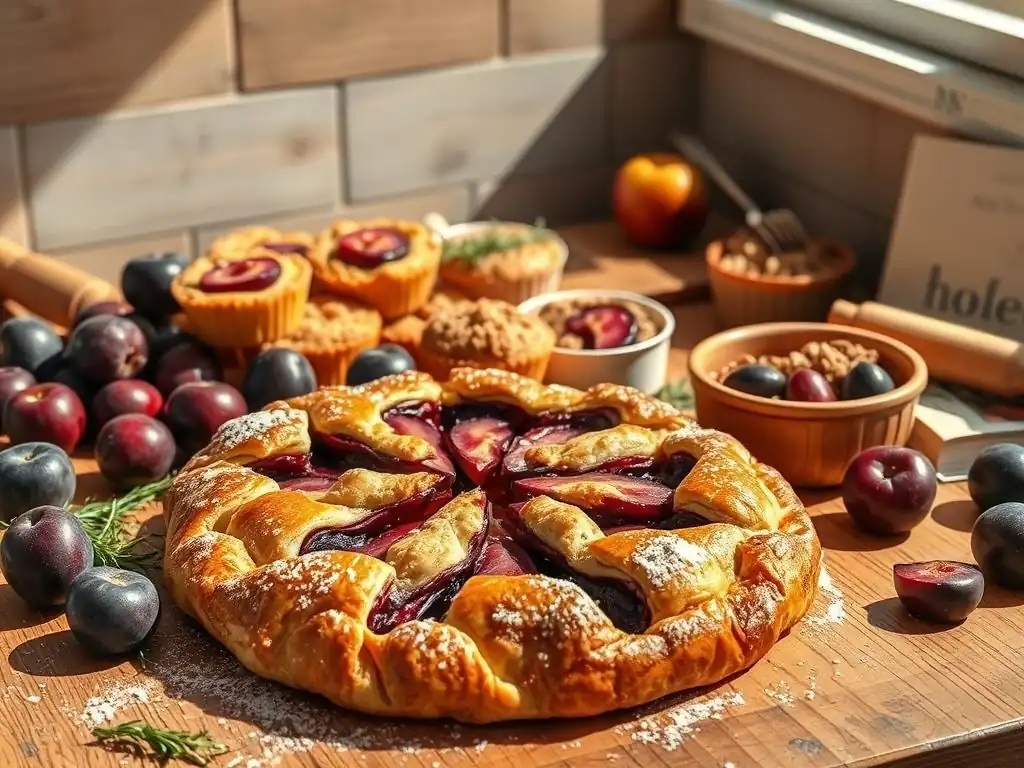
Welcome to BakeWithEase, your haven for delectable baking adventures! Ever wondered how to transform the humble plum into a show-stopping dessert? Plum Crazy Good: Easy Plum Baking Recipes unveils the secrets to creating mouthwatering delights, proving that even the most exquisite baking can be surprisingly simple. Discover a world of flavor and texture as we dive into the versatility of this vibrant fruit – are you ready to bake something extraordinary?
- Baking with Plums: Delicious & Easy Recipes
- Introduction to Plum Baking
- Plum Baking Essentials
- Plum Cake Recipes
- Plum Pie & Tart Recipes
- Other Plum Baking Ideas
- Tips for Perfect Plum Baked Goods
- Troubleshooting Plum Baking
- Frequently Asked Questions
- Final Reflection: The Enduring Sweetness of Simple Plum Baking
- Unlock Your Inner Plum Pastry Chef!
Baking with Plums: Delicious & Easy Recipes
Introduction to Plum Baking
The Versatility of Plums in Baking
Plums are truly a star ingredient when it comes to creating delicious baked goods. Their natural sweetness, often balanced by a delightful tartness, makes them incredibly adaptable in a wide range of recipes. From simple cakes and crumbles to intricate pies and tarts, plums bring a unique flavor profile and beautiful color to the table.
Different plum varieties offer varying degrees of sweetness and acidity, allowing bakers to select the perfect plum for their desired outcome, whether it's a jammy filling or a more structured fruit layer. This adaptability is why incorporating plums into your baking repertoire is such a rewarding experience, opening up a world of easy plum baking recipes.
Beyond their flavor, plums contribute moisture and a lovely texture to baked items. When baked, their flesh softens and releases juices, which can create a wonderful, almost jam-like consistency in fillings or add moisture to cake batters. The skin, while often slightly tart, adds a pleasant chewiness and helps the fruit hold its shape to some extent.
Their vibrant hues, ranging from deep purple and red to bright yellow and green, also make for visually stunning desserts. Exploring easy plum baking recipes allows you to harness these qualities, creating everything from a rustic galette to a sophisticated tart with minimal effort and maximum flavor.
Why Bake with Plums? Flavor, Availability, and More
Baking with plums offers a fantastic opportunity to capture the essence of peak season fruit. Plums are typically abundant during the late summer and early fall months, making them readily available and often more affordable. Their sweet-tart flavor pairs exceptionally well with common baking spices like cinnamon, ginger, nutmeg, and cardamom, creating warm and inviting desserts. This natural affinity for spices simplifies the flavor pairing process, making it easier to develop delicious and easy plum baking recipes that are bursting with taste.
Furthermore, plums are relatively easy to prepare for baking. Unlike some fruits that require extensive peeling or seeding, most plums simply need to be washed, halved, and pitted. While some recipes might call for peeling, it's often optional, especially for varieties with thinner skins. Their robust nature means they hold up well during baking, preventing them from completely disintegrating into mush. This ease of preparation, combined with their delightful flavor and seasonal availability, makes plums an ideal choice for bakers looking for simple yet impressive fruit desserts, perfect for tackling easy plum baking recipes throughout their season.
Plum Baking Essentials
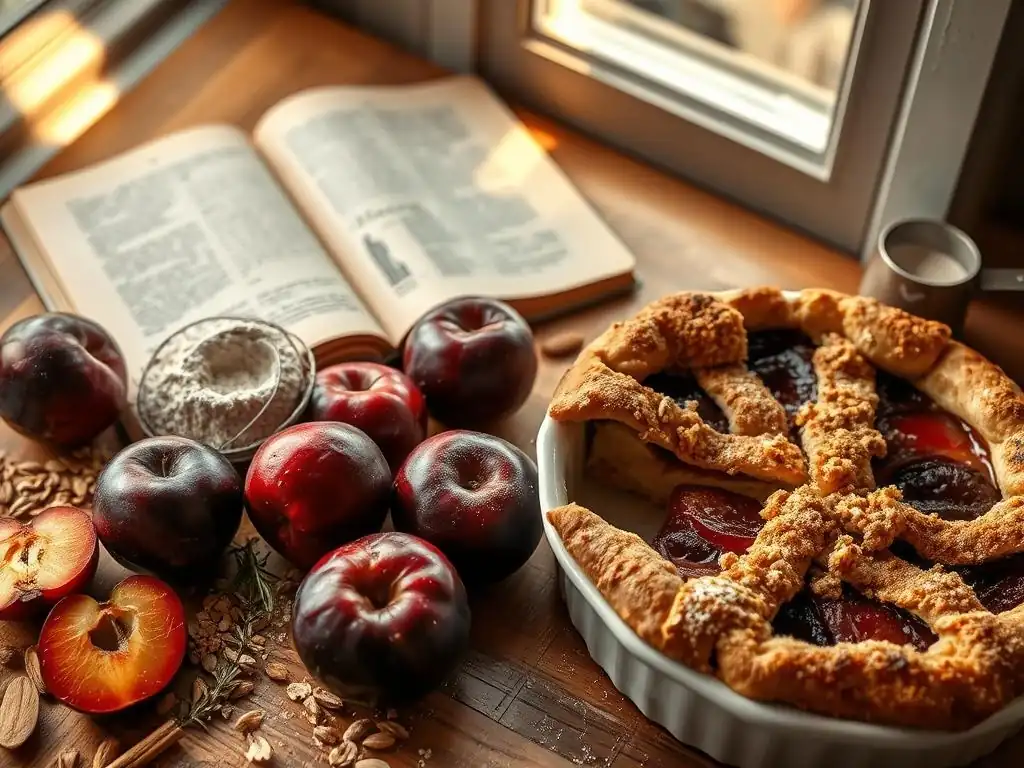
Tips for Working with Plums in Baked Goods
Working with plums in baking is generally straightforward, but a few tips can ensure the best results. Firstly, always wash your plums thoroughly before using them. Halving and pitting them is the standard preparation. For recipes where you want the plums to hold their shape more, like in a tart or cake topping, slicing them into uniform wedges or halves works well.
If you're aiming for a more jammy consistency, roughly chopping the plums can speed up the process. A common pitfall is excess moisture; plums release juice when heated. To mitigate this, especially in pies and tarts, you might toss the cut plums with a tablespoon or two of flour, cornstarch, or tapioca starch per pound of fruit. This starch acts as a thickener, helping to absorb some of the released liquid and prevent a soggy bottom crust, a crucial step for successful easy plum baking recipes.
Another helpful tip involves balancing the sweetness. The tartness of plums can vary greatly depending on the variety and ripeness. It's often a good idea to taste a small piece of the raw plum you're using. If they are particularly tart, you might need to increase the sugar slightly in your recipe.
Conversely, if they are very sweet, you can perhaps reduce the sugar. Pairing plums with ingredients like lemon zest or a splash of lemon juice can also brighten their flavor and enhance their natural acidity, preventing the dessert from tasting flat. Don't be afraid to experiment with spices; cinnamon and cardamom are classic pairings, but ginger or even a pinch of black pepper can add an unexpected and delightful depth to your easy plum baking recipes.
Choosing the Right Plum Variety for Your Recipe
Selecting the appropriate plum variety is key to achieving the desired texture and flavor in your baked goods. For many easy plum baking recipes, varieties like Italian Prune Plums (also known as European plums or Zwetschgen) are highly recommended. These plums are typically smaller, have a denser flesh, and are freestone, meaning the pit is easy to remove.
They hold their shape exceptionally well when baked and their sweet-tart flavor intensifies beautifully. They are a classic choice for German plum cake ( Zwetschgenkuchen) and hold up perfectly in pies and tarts without becoming overly watery. Approximately 1.5 to 2 pounds of these plums are usually sufficient for a standard 9-inch pie or cake.
Other excellent choices include varieties like Santa Rosa or Black Amber, which are typically larger, juicier, and clingstone (meaning the flesh sticks to the pit). While these can be used, their higher water content means you'll definitely want to use a thickener like cornstarch when baking with them, especially in pies or tarts, to avoid a soggy result. They work wonderfully in crumbles, muffins, or cakes where excess moisture is less of a concern or even desired.
For instance, about 1 cup of chopped Santa Rosa plums would be great in a batch of 12 muffins. Experimenting with different varieties is part of the fun of exploring easy plum baking recipes, but starting with denser, less juicy types is often recommended for beginners tackling pies and tarts.
Plum Cake Recipes
Classic Plum Cake
A classic plum cake is a beloved dessert, known for its simple preparation and comforting flavor. Typically, this cake features a moist, tender batter, often a simple butter or oil-based recipe, with sliced plums arranged on top or folded gently into the batter. The plums soften as they bake, releasing some of their juices which infuse the cake with a lovely fruity essence.
A common method involves creaming together about 1 cup of butter with 1.5 cups of sugar until light and fluffy, then adding eggs and vanilla before incorporating dry ingredients like 2 cups of flour mixed with baking powder and salt, and finally adding milk or buttermilk. Sliced plums (around 1 to 1.5 pounds, pitted) are then placed on top or folded in.
Baking a classic plum cake usually takes between 40 to 50 minutes in a preheated oven at around 350°F (175°C), or until a toothpick inserted into the center comes out clean. The surface often turns a beautiful golden brown, and the plums become soft and slightly caramelized around the edges.
This type of cake is wonderfully versatile; it can be served warm as a dessert with a scoop of ice cream or a dollop of whipped cream, or enjoyed at room temperature with a cup of coffee or tea. It's a perfect example of an easy plum baking recipe that delivers satisfying results with minimal fuss, ideal for using up a bounty of fresh plums.
German Plum Cake (Zwetschgenkuchen)
German Plum Cake, or Zwetschgenkuchen, is a traditional and highly popular way to bake with plums, particularly using the Italian Prune Plum variety ( Zwetschgen). This cake is distinct from a classic plum cake in that it often features a yeast dough base rather than a standard cake batter, though some variations use a shortcrust or streusel base.
The yeast dough provides a slightly bread-like texture which is a wonderful contrast to the soft, sweet-tart plums arranged tightly on top. Preparation often involves activating yeast in warm milk with a little sugar, then combining it with flour (around 3 cups), butter (about 1/2 cup), sugar (1/4 cup), and eggs to form a soft dough that is kneaded and allowed to rise.
Once the dough has risen, it is typically pressed into a baking sheet or a large springform pan. Halved and pitted Italian Prune Plums (requiring approximately 2 to 2.5 pounds for a large sheet pan) are then arranged in neat rows, often cut-side up. The cake is frequently topped with a simple streusel topping made from flour, sugar, butter, and sometimes cinnamon.
Baking usually takes place at around 375°F (190°C) for 40 to 55 minutes, until the crust is golden and the plums are bubbly. Zwetschgenkuchen is traditionally served in the afternoon with coffee, a comforting and authentic representation of easy plum baking recipes from German kitchens.
Plum Upside-Down Cake
Plum upside-down cake is a visually stunning and delightfully moist dessert where sliced plums are arranged at the bottom of the pan before the cake batter is poured over them. As the cake bakes, the fruit cooks in a buttery, sugary glaze, and when inverted after baking, the beautiful plum pattern is revealed on top.
The base of the upside-down layer is typically a simple mixture of melted butter (around 1/2 cup) and brown sugar (about 1 cup), sometimes enhanced with a sprinkle of cinnamon or a drizzle of maple syrup, poured into the bottom of the baking pan (a 9-inch round pan is common). Sliced plums (about 1.5 pounds, pitted) are then carefully arranged over this mixture.
The cake batter itself is often a straightforward butter or oil-based recipe, similar to a classic yellow cake or a simple butter cake, requiring ingredients like flour (around 1.5 cups), sugar, eggs, butter, and milk. This batter is gently poured over the arranged plums. The cake is then baked, typically at 350°F (175°C), for 40 to 50 minutes, or until a skewer inserted into the cake portion comes out clean.
After baking, the cake is allowed to cool in the pan for about 10-15 minutes before being carefully inverted onto a serving plate. The resulting cake is incredibly moist with a caramelized plum topping, making it one of the most impressive yet easy plum baking recipes to prepare.
Plum Pie & Tart Recipes
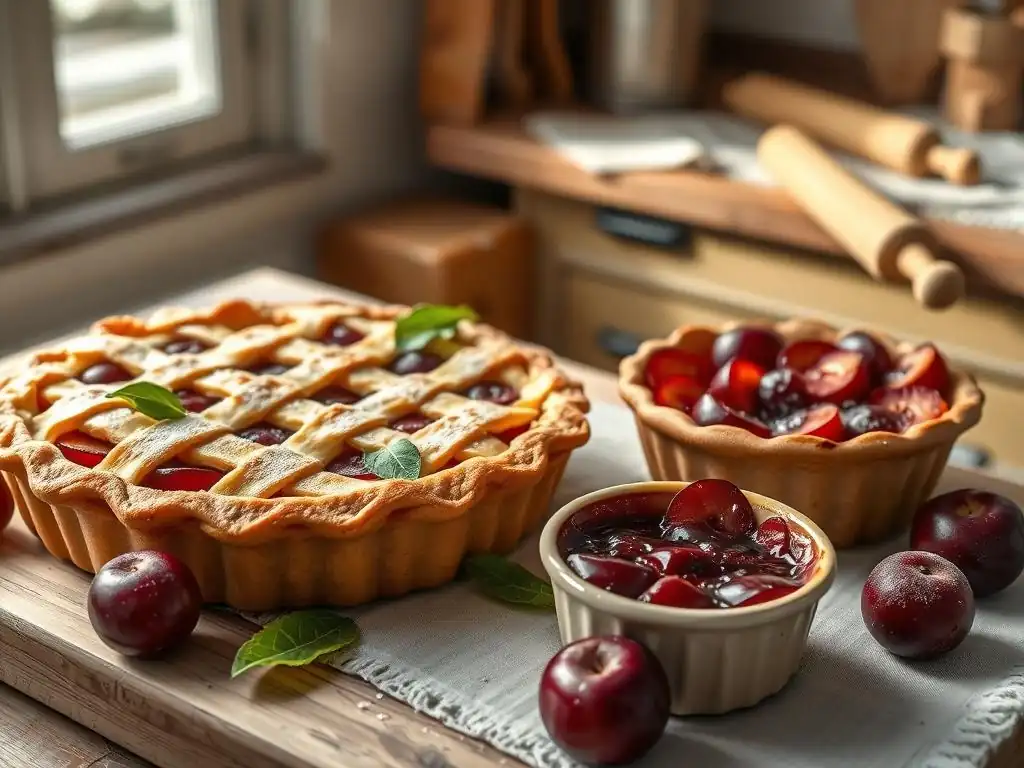
Plum Pie with a Buttery Crust
A classic plum pie features a flaky, buttery pastry crust filled with sweet and slightly tart plums. This dessert is a staple of late summer baking, showcasing the fruit's natural flavors. Preparing the filling usually involves combining sliced or halved plums (around 2 pounds, pitted) with sugar (about 1/2 to 1 cup, depending on plum sweetness), a thickener like cornstarch or tapioca starch (2-3 tablespoons), and often a touch of cinnamon, nutmeg, or lemon zest for added depth.
This mixture is then poured into a pie plate lined with your favorite pastry crust. A double crust, with a top crust or lattice design, is traditional for plum pie.
Baking a plum pie requires careful attention to ensure the crust is golden and the filling is bubbly and thickened. It's typically baked at a relatively high temperature initially (like 425°F or 220°C) for about 15-20 minutes to set the crust, then the temperature is reduced (to around 375°F or 190°C) for another 30-40 minutes to cook the filling through. Placing the pie on a baking sheet can catch any drips.
Cooling the pie adequately (for at least 2-3 hours, or even longer) is crucial for the filling to set properly. A warm slice with vanilla ice cream is pure bliss, making this a rewarding, albeit slightly more involved, entry in the category of easy plum baking recipes.
Plum Tart with Almond Frangipane
A plum tart with almond frangipane is a sophisticated yet surprisingly achievable dessert that pairs the rich, nutty flavor of frangipane (an almond cream) with the sweet-tartness of plums. The base is typically a blind-baked sweet pastry crust (pâte sucrée). The frangipane filling is made by creaming together butter (about 1/2 cup) and sugar (about 1/2 cup), then mixing in almond flour (about 1 cup), eggs (2), and a touch of vanilla or almond extract.
This creates a luscious, spreadable paste. The blind-baked tart shell is first spread with a thin layer of jam (often apricot or plum jam) or brushed with egg white to seal the crust.
The frangipane is then spread evenly into the tart shell, leaving a small border. Sliced plums (around 1 to 1.5 pounds, pitted) are arranged decoratively over the frangipane. The tart is baked at a moderate temperature, typically 350°F (175°C), for about 30-45 minutes, until the frangipane is set and golden brown, and the plums are soft.
The combination of the crisp crust, moist frangipane, and tender plums is exquisite. This tart, while requiring a few steps like blind baking and making frangipane, is still considered an easy plum baking recipe for those comfortable with basic pastry work, offering an elegant result perfect for entertaining.
Rustic Plum Galette
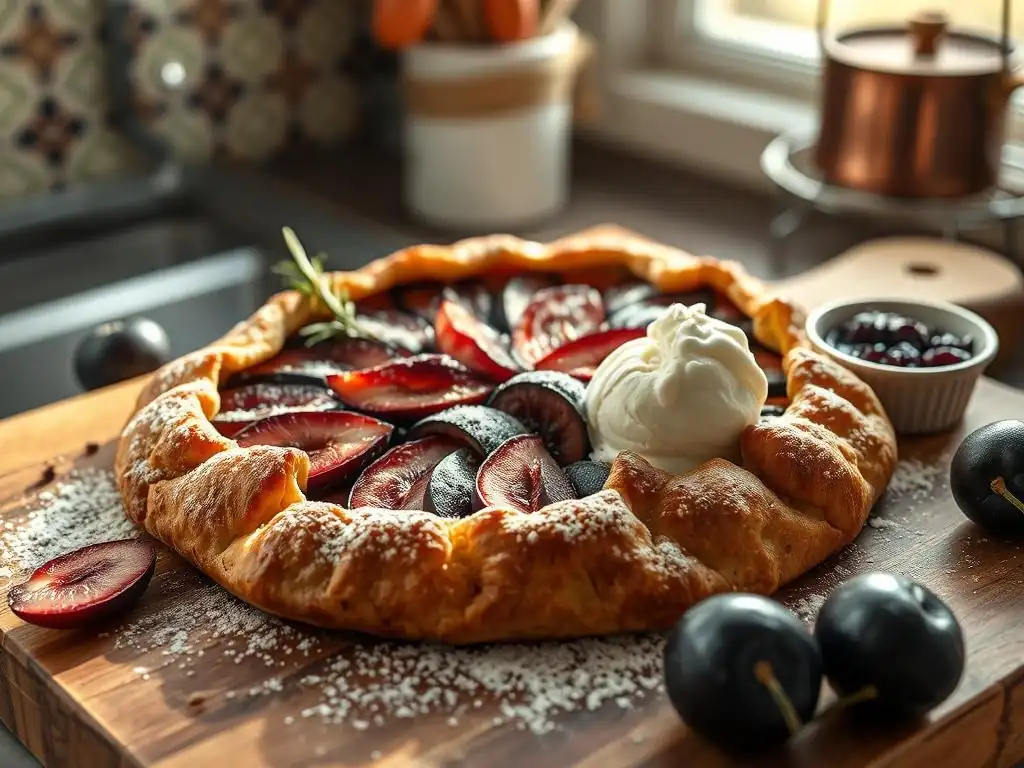
A rustic plum galette is the epitome of easy plum baking recipes – it's essentially a freeform tart that requires no special pan and embraces a less-than-perfect look. The beauty of a galette lies in its simplicity and forgiving nature. It starts with a single sheet of pie dough (either homemade or store-bought), rolled out into a rough circle or rectangle. The filling is simply sliced plums (about 1.5 pounds, pitted), tossed with sugar (1/4 to 1/2 cup), a thickener (1-2 tablespoons flour or cornstarch), and optional spices like cinnamon or ginger.
The plum mixture is piled onto the center of the rolled-out dough, leaving a border of about 2 inches. The edges of the dough are then folded haphazardly over the filling, creating pleats and leaving the center exposed. The dough can be brushed with egg wash and sprinkled with coarse sugar for a lovely finish.
The galette is baked on a baking sheet at around 375°F (190°C) for 35-45 minutes, until the crust is golden brown and the plum juices are bubbling and thickened. The rustic charm and straightforward assembly make the plum galette one of the easiest and most rewarding ways to showcase fresh plums in baking.
Other Plum Baking Ideas
Plum and Cinnamon Muffins
Plum and cinnamon muffins are a wonderful way to incorporate plums into a quick bread format, perfect for breakfast or a snack. These muffins are typically moist and tender, with chunks of sweet-tart plums and warm cinnamon spice distributed throughout. The batter is usually a simple mix of dry ingredients (flour, sugar, baking powder, salt, cinnamon) and wet ingredients (eggs, milk or buttermilk, melted butter or oil). Diced plums (about 1 to 1.5 cups, pitted and roughly chopped) are gently folded into the batter, ensuring they are evenly distributed without overmixing.
Muffin batter is notoriously quick to prepare, making this an exceptionally easy plum baking recipe. The batter is scooped into muffin tins (lined with papers or greased), filling them about two-thirds full. Baking usually takes place at around 375°F-400°F (190°C-200°C) for 18-25 minutes, or until a toothpick inserted into the center of a muffin comes out clean. The plums soften and release some juice, keeping the muffins moist. A sprinkle of cinnamon-sugar on top before baking adds a nice crust. Yield is typically 12-18 muffins depending on size.
Plum Crumble with Oat Topping
Plum crumble is a quintessential comfort dessert, incredibly easy to assemble and bursting with fruity flavor. It features a simple fruit base topped with a buttery, crumbly mixture, often containing oats for texture. The filling is made by combining sliced or chopped plums (around 2 pounds, pitted) with sugar (1/4 to 1/2 cup), a thickener (1-2 tablespoons flour or cornstarch), and often spices like cinnamon, ginger, or cardamon. This fruit mixture is spread into a baking dish (an 8x8 inch or 9x13 inch dish works well).
The topping is made by combining flour (about 1 cup), rolled oats (about 1 cup), sugar (about 1/2 cup, white or brown), and cold butter (about 1/2 cup), cut into small pieces. The ingredients are rubbed together with your fingers or a pastry blender until coarse crumbs form. This crumble mixture is then generously sprinkled over the plum filling.
The crumble is baked at around 375°F (190°C) for 30-40 minutes, until the topping is golden brown and the plum filling is bubbly. Served warm with custard or ice cream, plum crumble is a wonderfully simple and satisfying easy plum baking recipe.
Plum Scones with Lemon Glaze
Plum scones are a delightful variation on classic scones, incorporating chunks of sweet-tart plums and often finished with a bright lemon glaze. Scones are quick to make, relying on cold butter cut into a flour mixture to create a tender, crumbly texture. The base dough typically involves flour (around 2 cups), sugar (1/4 cup), baking powder, and salt, into which cold butter (about 1/2 cup) is cut. Chopped plums (about 1 cup, pitted and diced small) are then gently folded into the dry ingredients.
A liquid, such as buttermilk or heavy cream (around 3/4 cup), is added to bring the dough together. The dough is lightly kneaded a few times, then shaped into a circle or rectangle and cut into wedges or squares. Baking takes place at a relatively high temperature, like 400°F (200°C), for 15-20 minutes, until the scones are golden brown and risen.
A simple glaze made from powdered sugar (about 1 cup) and lemon juice (2-3 tablespoons) is often drizzled over the cooled scones. These plum scones are a lovely addition to breakfast or afternoon tea, showcasing the versatility of easy plum baking recipes.
Tips for Perfect Plum Baked Goods
Preventing Soggy Crusts
One of the most common challenges when baking with juicy fruits like plums, especially in pies and tarts, is preventing a soggy bottom crust. Plums release a significant amount of liquid as they heat up, which can saturate the pastry dough before it has a chance to cook through and become crisp. A primary defense against this is using a thickener in the fruit filling.
Tossing the cut plums with 2-3 tablespoons of cornstarch, tapioca starch, or all-purpose flour per pound of fruit helps to absorb the juices as they are released, turning them into a thickened, sauce-like consistency rather than a watery pool. Tapioca starch is particularly effective as it thickens at a lower temperature and creates a clear gel.
Another crucial technique is blind baking the pie or tart crust before adding the filling. This involves partially or fully baking the empty crust, often lined with parchment paper and filled with pie weights or dried beans, before adding the fruit.
For a plum pie, a partial blind bake (baking for about 15-20 minutes until the base looks dry but not colored) followed by brushing the bottom with egg white or a thin layer of jam to seal it, can provide a significant barrier against moisture. For tarts, a full blind bake until the crust is golden brown ensures a crisp base that won't become soggy, making it a key step for achieving perfect results in your easy plum baking recipes.
Enhancing Plum Flavor
While plums have a wonderful flavor on their own, pairing them with complementary ingredients can elevate their taste in baked goods. Spices are natural partners for plums. Cinnamon is a classic choice, adding warmth and sweetness. Cardamom offers an exotic, slightly floral note that pairs beautifully with the fruit's acidity. Ginger, either fresh or ground, provides a gentle heat that contrasts nicely with the plum's sweetness. A pinch of nutmeg or allspice can also add depth. Experimenting with spice combinations allows you to tailor the flavor profile to your liking, enhancing your easy plum baking recipes.
Acidity is another key element in enhancing plum flavor. A squeeze of fresh lemon juice or the addition of lemon zest can brighten the overall taste of the dessert, preventing it from being overly sweet and bringing out the plums' natural tanginess. About one tablespoon of lemon juice or the zest of one lemon per 2 pounds of plums is a good starting point.
Pairing plums with other fruits that have complementary flavors, such as apples, berries, or peaches, can also create more complex and interesting flavor profiles in your easy plum baking recipes. Consider adding a tablespoon of balsamic glaze or a splash of brandy to the plum filling for a rich, sophisticated undertone.
Storing Plum Baked Goods
Proper storage is essential to keep your plum baked goods fresh and delicious. Most baked goods containing fresh fruit, including cakes, pies, tarts, muffins, and crumbles, are best stored at room temperature for the first day or two, provided they are covered tightly. For instance, a plum cake can sit on the counter under a cake dome or wrapped in plastic wrap for up to 2 days. This helps maintain the texture of the crusts and cakes. However, if your kitchen is particularly warm and humid, or if you plan to store them for longer, refrigeration is recommended.
When refrigerating, ensure the baked goods are completely cooled before wrapping them tightly in plastic wrap or placing them in an airtight container. Refrigerated plum pie or tart will typically last for 3-4 days. Muffins and cakes might last for 4-5 days. Be aware that refrigeration can sometimes alter the texture, potentially making crusts less crisp. For longer storage, many plum baked goods freeze well.
Pies, tarts, and crumbles can often be frozen baked or unbaked (consult the specific recipe). Muffins and cakes can be frozen in airtight containers or wrapped well in plastic wrap and foil for up to 2-3 months. Thaw frozen items in the refrigerator or at room temperature before serving. Following these storage tips helps you enjoy your easy plum baking recipes for longer.
Troubleshooting Plum Baking
Dense Plum Cake Solutions
A dense plum cake can be disappointing, often resulting from issues with leavening, mixing, or ingredient ratios. If your plum cake turns out heavy or rubbery, consider the leavening agents used. Ensure your baking powder and baking soda are fresh; they lose potency over time, typically after 6-12 months once opened.
Test them by adding a small amount to hot water (for baking powder, it should fizz vigorously) or vinegar (for baking soda, it should fizz immediately). Using the correct amount specified in the recipe is also crucial; too little won't provide enough lift, while too much can cause the cake to rise too quickly and then collapse.
Overmixing the batter after adding the flour is another common culprit for dense cakes. Gluten develops when flour is mixed with liquid, and excessive mixing creates too much gluten, resulting in a tough, dense texture. Once you add the dry ingredients, mix only until they are just combined and no streaks of dry flour remain.
Folding in the plums gently helps prevent overmixing. The ratio of wet to dry ingredients also plays a role; if there's too much flour or not enough liquid or fat, the cake can be dry and dense. Double-checking ingredient measurements using proper techniques (like spooning flour into a measuring cup and leveling it) can help ensure accuracy in your easy plum baking recipes.
Soggy Pie Crust Prevention
Soggy pie crusts with juicy fruit fillings, like those in easy plum baking recipes, are a frequent source of frustration. As discussed earlier, using a thickener like cornstarch or tapioca starch (2-3 tablespoons per 2 pounds of plums) is paramount to absorbing the fruit's juices during baking. Ensure the thickener is thoroughly mixed with the plums and sugar before filling the pie. Don't overfill the pie; leaving adequate space allows the filling to bubble and thicken properly without overflowing.
Blind baking the crust is another critical step. For a double-crust plum pie, partially blind baking the bottom crust (about 15-20 minutes at 425°F or 220°C with weights) provides a head start for the dough to firm up before the wet filling is added. Brushing the warm blind-baked crust with a thin layer of egg white or melted butter can create a moisture barrier.
Baking the pie at a sufficiently high temperature, at least initially (e.g., 425°F/220°C for the first 15 minutes before reducing), helps the bottom crust cook quickly before it's overwhelmed by moisture. Ensure the pie bakes long enough for the filling to bubble in the center, indicating the thickener has activated. Using a glass pie dish can help you monitor the browning of the bottom crust.
Preventing Sinking Plums
Sometimes, fruit added to cake or muffin batter sinks to the bottom during baking, resulting in an uneven distribution. This can happen with juicy or heavy fruits like plums. To help prevent plums from sinking in your easy plum baking recipes, try tossing the sliced or chopped plums with a tablespoon or two of the dry flour mixture from your recipe before folding them into the batter. The light coating of flour helps the fruit "grip" the batter and stay suspended as the cake rises. This is particularly effective for fruits with smooth, non-porous surfaces.
Another factor is the consistency of the batter. A very thin batter is less likely to hold up fruit pieces compared to a thicker batter. Ensure your batter is mixed to the correct consistency specified in the recipe. Overmixing can also lead to sinking, as it can deflate the batter slightly. Finally, consider the size of the plum pieces; very large, heavy pieces are more prone to sinking than smaller, uniform chunks. Cutting the plums into appropriate sizes (e.g., 1/2-inch dice for muffins, 1/4-inch slices for cakes) can improve their distribution throughout the finished product.
Frequently Asked Questions
What makes these plum baking recipes easy?
These recipes focus on simple techniques and readily available ingredients, minimizing complex steps and specialized equipment. We emphasize clear, concise instructions for bakers of all levels.
What types of plum baking recipes can I find on BakeWithEase?
You'll find a variety, including plum cakes, plum crumbles, plum tarts, and plum muffins. Our selection caters to different tastes and skill levels, from beginner-friendly recipes to slightly more advanced projects.
Can I substitute other fruits for plums in these recipes?
While plums are the star, you can often substitute similar fruits like peaches, nectarines, or apricots. However, be aware that this might slightly alter the taste and texture of the final product.
Are the ingredients for these plum recipes easy to find?
Yes, we prioritize recipes using common baking ingredients easily found at most grocery stores. We also offer substitution suggestions if specific ingredients are unavailable.
What if I'm new to baking; are these recipes still suitable for me?
Absolutely! We categorize our recipes by skill level, and many of our plum baking recipes are designed for beginners. Look for recipes specifically labeled as "beginner-friendly" for the easiest starting point.
Final Reflection: The Enduring Sweetness of Simple Plum Baking
The humble plum, often overlooked in the bustling world of baking, offers a surprisingly versatile and delicious canvas for culinary creativity. Its subtle sweetness and unique texture lend themselves perfectly to a range of easy recipes, proving that sometimes, the simplest creations are the most rewarding. This exploration of easy plum baking recipes demonstrates that deliciousness doesn't require hours of complex techniques or a pantry stocked with exotic ingredients.
The joy of baking, particularly with seasonal fruits like plums, lies not just in the final product but in the process itself. It's a connection to nature, a celebration of simple pleasures, and a chance to share something homemade with loved ones. Baking is at once child's play and adult joy. And love, of course.
This quote perfectly encapsulates the feeling of creating something delicious and sharing it with others, a sentiment deeply resonating with the spirit of these easy plum recipes.
Now, I invite you to step into your kitchen, armed with a basket of ripe plums and a newfound confidence. Don't be intimidated by the prospect of baking; embrace the simplicity, the creativity, and the sheer satisfaction of transforming humble ingredients into something truly special. Experiment with the recipes presented, adapt them to your own tastes, and most importantly, enjoy the journey of creating your own plum-perfect masterpiece. The sweetness awaits!
Unlock Your Inner Plum Pastry Chef!
Thanks for joining us on this delicious journey into the world of plum baking! We hope you’ve discovered some truly inspiring recipes and found the perfect way to celebrate the sweet, juicy goodness of plums. Ready to take your baking skills to the next level?
- Bake your favorite plum recipe today! Let us know how it turns out – we'd love to see your creations.
- Share your plum baking triumphs (or even your plum-related baking fails!) with your friends on social media using #BakeWithEasePlums.
- Challenge yourself to try a plum recipe you wouldn’t normally consider – maybe that plum galette or unusual plum tart?
What unexpected flavor combinations will you explore with plums next? Let's hear your ideas in the comments below!