
Baking with Blackberries: Easy Recipes for Cobblers and More

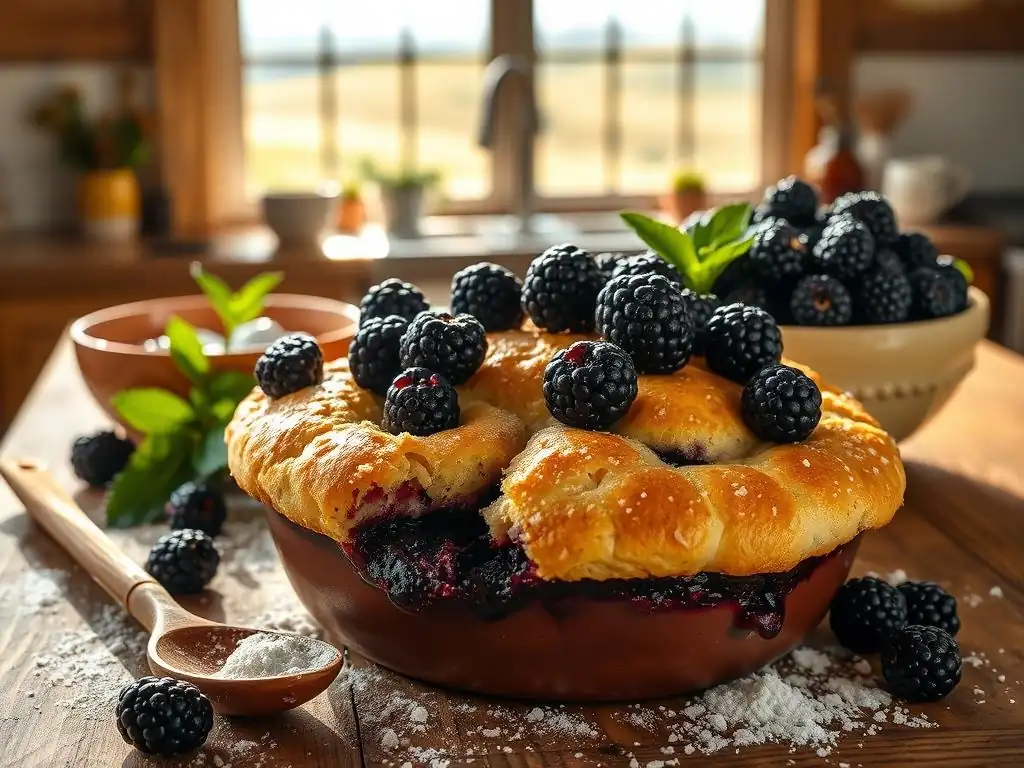
Welcome to BakeWithEase, your guide to unlocking the secrets of delicious baking! Ever wondered how to transform the humble blackberry into a show-stopping dessert? Dive into our ingredient deep dive and discover the magic of baking with this versatile fruit. We're starting with easy blackberry cobbler recipes that will have your kitchen smelling divine and your taste buds singing. But that's just the beginning... ready to explore the endless possibilities?
- Baking with Blackberries: Delicious Recipes for Cobblers and More
- Introduction to Baking with Blackberries
- The Ultimate Blackberry Cobbler Recipe Guide
- Beyond Cobblers: Other Blackberry Baking Recipes
- Tips and Tricks for Baking with Blackberries
- Troubleshooting Common Blackberry Baking Issues
- Variations on Blackberry Cobbler Recipes
- Conclusion: Enjoying Your Homemade Blackberry Baked Goods
-
Frequently Asked Questions
- What makes BakeWithEase the best place to find easy blackberry cobbler recipes?
- Are the blackberry cobbler recipes on BakeWithEase suitable for beginners?
- Besides cobblers, what other blackberry recipes can I find on BakeWithEase?
- What kind of blackberries are recommended for the cobbler recipes on BakeWithEase?
- Does BakeWithEase offer tips for customizing blackberry cobbler recipes?
- Final Reflection: The Sweet Simplicity of Blackberry Baking
- Unleash Your Inner Baker: Blackberry Bliss Awaits!
Baking with Blackberries: Delicious Recipes for Cobblers and More
Introduction to Baking with Blackberries
Discover the Delight of Baking with Fresh Blackberries
Baking with fresh blackberries brings a burst of vibrant flavor and beautiful color to a wide array of desserts. These juicy gems, harvested primarily during the warm summer months, offer a unique balance of sweetness and tartness that complements many baked goods. Whether you're a seasoned pro or just starting your baking journey, incorporating blackberries into your recipes is a simple way to elevate classic treats and explore new favorites.
Their natural pectin helps them hold their shape somewhat when baked, making them ideal for fillings, while their bold taste shines through batters and doughs. Learning to bake with blackberries is a delightful step towards enjoying the bounty of fresh fruit in your kitchen.
The seasonality of blackberries means that using them at their peak freshness is key to achieving the best flavor results in your baking. Typically available from late spring through summer in many regions, choosing ripe, plump berries ensures maximum sweetness and juice.
While frozen blackberries can be a convenient alternative when fresh ones are out of season, fresh berries often retain a firmer texture and brighter flavor profile, which can significantly impact the final outcome of your baked goods. Mastering the art of baking with these berries opens up a world of possibilities, from rustic pies and crumbles to delicate muffins and scones, making it easier than ever to create memorable desserts.
Why Blackberries are Perfect for Baking
Blackberries possess several characteristics that make them exceptionally well-suited for baking. Their robust flavor stands up well to the heat of the oven and the richness of doughs and batters, ensuring that the berry taste isn't lost. Unlike some other berries that can become mushy or overly watery, blackberries tend to maintain some structure, providing pleasant pockets of juicy fruit within the baked item. This structural integrity is particularly beneficial in recipes like easy blackberry cobbler recipes, where you want distinct berry pieces throughout the filling.
Furthermore, blackberries offer a nutritional boost to your baked goods, containing vitamins C and K, fiber, and antioxidants. While baking does alter their nutritional profile slightly, they still contribute valuable nutrients. Their natural acidity also interacts favorably with common baking ingredients like sugar and leavening agents, sometimes enhancing the lift in batters or balancing sweetness. This makes them a versatile ingredient that is not only delicious but also adds a touch of wholesome goodness to your homemade treats, making them a perfect choice for a variety of easy blackberry cobbler recipes and other desserts.
The Ultimate Blackberry Cobbler Recipe Guide
What Makes a Blackberry Cobbler So Appealing?
Blackberry cobbler is the epitome of rustic, comforting dessert. Its appeal lies in its delightful simplicity and the contrast between the warm, bubbling fruit filling and the soft, often cake-like or biscuit-style topping. Unlike a pie, which requires shaping a bottom crust, a cobbler is much quicker and easier to assemble, making it a fantastic option for bakers seeking minimal fuss with maximum flavor.
The beauty of a cobbler is its imperfect, homely appearance – there's no need for intricate lattice work or crimped edges. It's a dessert that feels both special and effortless, perfect for weeknight treats or casual gatherings.
The magic happens when the tart blackberries meld with sugar and a touch of thickener, creating a luscious, jammy filling as it bakes. The topping, whether a simple biscuit dough dropped over the fruit or a cake-like batter poured over, bakes to a golden perfection, providing a wonderful textural counterpoint to the soft fruit beneath.
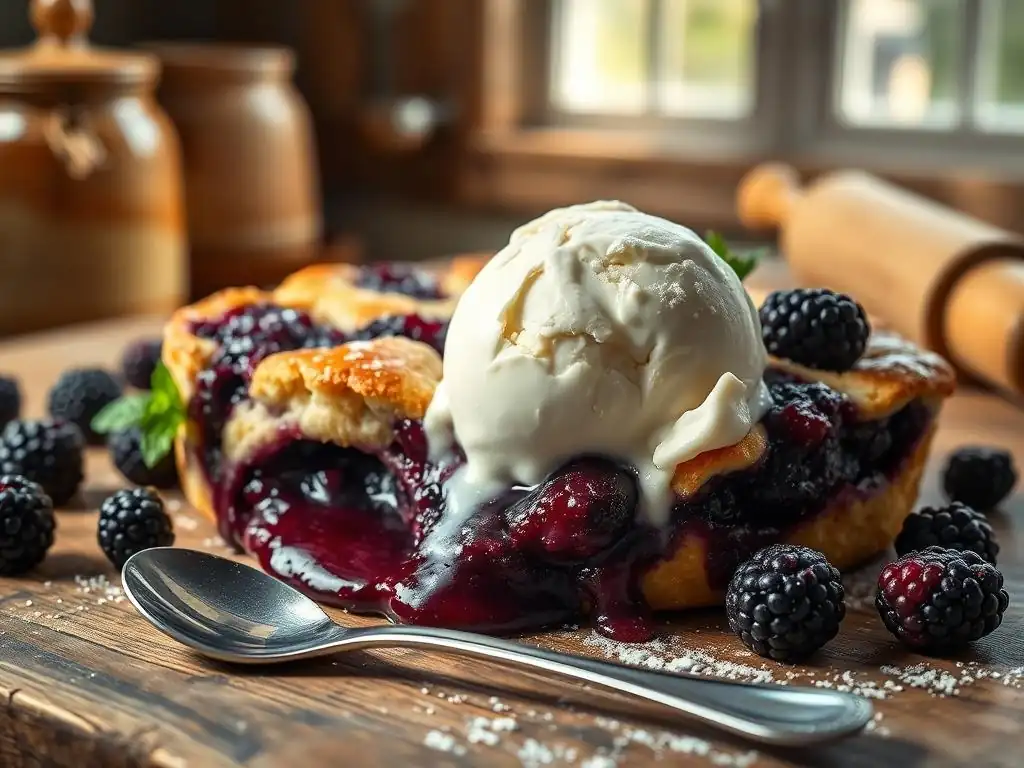
Served warm, often with a scoop of vanilla ice cream or a dollop of whipped cream, a blackberry cobbler offers a sensory experience that is hard to beat. It's a classic dessert that evokes feelings of home and comfort, making easy blackberry cobbler recipes a popular choice for bakers everywhere.
Key Ingredients for Blackberry Cobbler
Creating a delicious blackberry cobbler relies on a few essential ingredients that work together to achieve that perfect balance of flavor and texture. At the heart of the dish are, of course, the blackberries themselves. You'll typically need between 4 to 6 cups of fresh or frozen berries for a standard 8x8 or 9x13 inch baking dish.
Alongside the berries, sugar is crucial for sweetness, usually around 1/2 to 1 cup, depending on the tartness of the berries and personal preference. A thickener, such as flour, cornstarch, or tapioca starch, is essential to prevent the filling from being too watery, often requiring 2 to 4 tablespoons. Lemon juice or zest is sometimes added (about 1 tablespoon) to brighten the flavor and enhance the berries' natural acidity.
For the topping, the core ingredients depend on whether you choose a biscuit-style or cake-like topping. A biscuit topping typically involves flour (around 1.5 to 2 cups), sugar (a few tablespoons), baking powder (1-2 teaspoons) for lift, salt, cold butter (cut into small pieces, about 1/4 to 1/2 cup), and milk or buttermilk (about 1/2 to 3/4 cup) to bring the dough together. A cake-like topping might use flour, sugar, baking powder, salt, melted butter, eggs, and milk.
Some recipes also call for a touch of cinnamon or nutmeg in either the filling or the topping for added warmth. Having these key components ready is the first step towards baking one of the many easy blackberry cobbler recipes you might find.
Fresh Blackberries: Choosing and Preparing
Choosing the right blackberries is paramount for a successful cobbler. Look for berries that are plump, firm, and uniformly dark purple-black in color. Avoid berries that are red (indicating they aren't fully ripe and will be too tart), mushy, or have mold. Ripe berries will come away easily from the stem.
While farmers' markets often offer the freshest, most flavorful options, quality berries can also be found in grocery stores, especially during peak season. For a standard cobbler recipe using a 9x13 inch pan, you'll generally need about 6 cups of fresh berries, which is roughly equivalent to 2 to 3 standard grocery store containers. If using frozen blackberries, do not thaw them completely before mixing with sugar and thickener, as thawing can cause them to release too much juice prematurely.
Preparation is straightforward but necessary. Gently rinse fresh blackberries under cool water just before using them. Avoid soaking them, as this can make them waterlogged. Carefully pick through the berries, removing any stems, leaves, or damaged fruit. There's no need to hull blackberries like strawberries; they are ready to go after rinsing and checking. If your berries are particularly large, you might consider halving them, but typically they can be used whole. For easy blackberry cobbler recipes, this minimal prep makes them an ideal fruit choice.
The Perfect Cobbler Topping: Biscuit vs. Crumble
The topping is a defining characteristic of a cobbler, and the choice between a biscuit-style and a crumble topping significantly impacts the final texture and appearance. A biscuit topping, often made by dropping dollops of a wet biscuit dough over the fruit filling, bakes up into soft, fluffy rounds or a more continuous cake-like layer, depending on the consistency of the dough. This style provides a comforting, bread-like texture that absorbs some of the fruit juices and offers a lovely contrast to the sweet, soft berries. It's a classic approach found in many traditional easy blackberry cobbler recipes.
Alternatively, a crumble topping (sometimes called a crisp topping, though traditionally a crumble doesn't contain oats while a crisp does) is made by combining flour, sugar, butter, and sometimes spices like cinnamon or nutmeg into a crumbly mixture. This mixture is then sprinkled evenly over the fruit. As it bakes, the butter melts, binding the dry ingredients into a crunchy, golden-brown layer.
This offers a delightful textural contrast with the soft fruit filling. While technically a separate dessert (a "crumble"), many people use "cobbler" and "crumble" interchangeably, and a crumble topping is a popular variation for those who prefer a crispy texture over a soft one in their easy blackberry cobbler recipes.
Step-by-Step: Baking Blackberry Cobbler
Baking a delicious blackberry cobbler is a straightforward process that can be broken down into a few simple steps. First, you prepare the fruit filling by tossing the berries with sugar, a thickener, and any optional flavorings like lemon juice or spice. This mixture is then poured into a baking dish. While the fruit rests slightly, you prepare the topping according to your chosen style (biscuit or cake batter). Finally, the topping is added over the fruit, and the whole dish is baked until the topping is golden brown and the fruit filling is bubbly and thickened.
Following a step-by-step guide ensures success, even for beginners. Typical baking temperatures for cobblers range from 375°F to 400°F (190°C to 200°C), and baking time is usually between 30 to 50 minutes, depending on the size of the dish and the oven. Keeping an eye on the browning of the topping and the bubbling of the fruit is key to knowing when it's done. These simple stages make most easy blackberry cobbler recipes very approachable for bakers of any skill level.
Preparing the Blackberry Filling
Preparing the blackberry filling is the initial step in most easy blackberry cobbler recipes. Begin by gently washing and sorting your fresh blackberries, removing any stems or debris. If using frozen berries, measure them directly from the freezer. In a large bowl, combine the prepared berries with the sugar. The amount of sugar can be adjusted based on the sweetness of your berries and your personal preference, but a common starting point is 1/2 to 3/4 cup of granulated sugar for about 6 cups of berries.
Next, add your chosen thickener – typically 2 to 4 tablespoons of all-purpose flour, cornstarch, or tapioca starch. Cornstarch and tapioca starch tend to create a clearer, glossier filling than flour. Gently toss the berries with the sugar and thickener until they are evenly coated. This ensures the thickener is well distributed and helps the filling set properly during baking. If desired, you can also stir in a tablespoon of lemon juice or a pinch of cinnamon at this stage to enhance the flavor profile. Pour this fruit mixture into your prepared baking dish (often lightly buttered).
Making the Cobbler Topping
The method for making the cobbler topping depends on whether you're opting for a biscuit or cake-like style, both common in easy blackberry cobbler recipes. For a classic biscuit topping, whisk together the dry ingredients: typically 1.5 cups of all-purpose flour, 1/4 cup of sugar, 2 teaspoons of baking powder, and 1/4 teaspoon of salt. Cut in 1/4 to 1/2 cup of cold, cubed butter using a pastry blender or your fingertips until the mixture resembles coarse crumbs.
Then, stir in about 1/2 to 3/4 cup of milk or buttermilk until just combined to form a soft dough. Be careful not to overmix.
If you prefer a cake-like topping, the process is more like making a simple cake batter. Cream together 1/2 cup of softened butter with 1 cup of sugar until light and fluffy. Beat in one or two eggs, followed by a teaspoon of vanilla extract.
In a separate bowl, whisk together 1.5 cups of all-purpose flour, 1.5 teaspoons of baking powder, and 1/4 teaspoon of salt. Gradually add the dry ingredients to the wet ingredients alternately with about 1/2 cup of milk, beginning and ending with the dry ingredients, mixing until just combined. Both topping types are relatively quick to prepare, contributing to the "easy" aspect of easy blackberry cobbler recipes.
Assembling and Baking the Cobbler
Once both the blackberry filling and the topping are prepared, assembling the cobbler is the final step before baking. Pour the prepared blackberry mixture evenly into your baking dish. For a biscuit topping, drop spoonfuls of the dough over the fruit, leaving some gaps for the fruit to bubble through. For a cake-like topping, carefully pour or spread the batter evenly over the top of the fruit layer. You can optionally sprinkle the topping with a tablespoon or two of sugar for a slightly crispier, sweeter crust.
Place the assembled cobbler in a preheated oven, typically set between 375°F and 400°F (190°C to 200°C). Baking time usually ranges from 35 to 50 minutes. You'll know the cobbler is done when the topping is golden brown and the fruit filling is visibly bubbling around the edges and possibly through the gaps in a biscuit topping.
Baking until the fruit is bubbly is important to ensure the thickener has activated properly. Let the cobbler cool slightly for about 10-15 minutes before serving; this allows the filling to set further and prevents burns from the hot fruit. This straightforward assembly and baking process makes these truly easy blackberry cobbler recipes.
Beyond Cobblers: Other Blackberry Baking Recipes
Blackberry Crumble: A Simple and Delicious Alternative
While easy blackberry cobbler recipes are incredibly popular, a blackberry crumble offers an equally delightful, and arguably even simpler, way to enjoy these berries baked. A crumble typically features a topping made from a mixture of flour, sugar, butter, and sometimes oats, rubbed together to create a crumbly texture that bakes into a crisp, buttery layer over the fruit. This contrasts beautifully with the soft, warm berry filling beneath. Crumbles are often quicker to assemble than cobblers with biscuit toppings, as there's no dough to mix and drop; you simply sprinkle the crumb mixture over the fruit.
Blackberry crumble is incredibly versatile and forgiving. It requires minimal technique and can be adapted easily with different spices like cinnamon, ginger, or cardamom added to the topping or fruit. The ratio of ingredients in the topping can also be adjusted to achieve a finer or coarser crumb. Like cobbler, it's best served warm and pairs perfectly with vanilla ice cream or custard. Its simplicity and delicious outcome make it a go-to recipe for using up a bounty of fresh blackberries, offering a wonderful alternative to classic easy blackberry cobbler recipes.
Recipe: Blackberry Crumble
Here is a basic outline for an easy blackberry crumble:
Ingredients:
- Filling:
- 4-5 cups fresh or frozen blackberries
- 1/2 cup granulated sugar (adjust to taste)
- 2-3 tablespoons all-purpose flour or cornstarch
- 1 tablespoon lemon juice (optional)
- Topping:
- 1 cup all-purpose flour
- 1/2 cup packed light brown sugar
- 1/4 cup granulated sugar
- 1/2 cup cold unsalted butter, cut into small cubes
- 1/2 teaspoon ground cinnamon (optional)
- Pinch of salt
- 1/2 cup rolled oats (optional, for a crisp)
Instructions:
- Preheat oven to 375°F (190°C). Lightly butter an 8x8 or 9x9 inch baking dish.
- In a bowl, gently toss blackberries with sugar, flour/cornstarch, and lemon juice (if using). Pour into the prepared baking dish.
- In a separate bowl, combine flour, brown sugar, granulated sugar, cinnamon (if using), and salt for the topping. Cut in the cold butter using a pastry blender, fork, or your fingertips until the mixture resembles coarse crumbs. Stir in oats if using.
- Sprinkle the topping evenly over the blackberry filling.
- Bake for 35-45 minutes, or until the topping is golden brown and the fruit is bubbly. Let cool slightly before serving.
Blackberry Muffins: A Quick Breakfast Treat
Blackberry muffins are a fantastic way to incorporate the bright flavor of berries into a portable breakfast or snack. They are typically quick to mix up, require no fancy equipment, and bake relatively fast, making them a truly easy baking project. The berries burst slightly as they bake, creating pockets of sweet, tart goodness within the moist muffin crumb. Unlike larger desserts, muffins offer individual portions, perfect for grab-and-go convenience.
The key to great blackberry muffins lies in not overmixing the batter and gently folding in the berries at the very end. Overmixing can lead to tough muffins, while rough handling can break the delicate berries. A standard muffin batter, usually based on flour, sugar, eggs, milk or buttermilk, butter or oil, and leavening agents like baking powder and baking soda, provides a sturdy yet tender base for the fruit.
A sprinkle of coarse sugar on top before baking adds a pleasant crunch. These simple steps make blackberry muffins a delightful and easy alternative to more complex easy blackberry cobbler recipes for a quick berry fix.
Recipe: Blackberry Muffins
Here is a basic framework for easy blackberry muffins:
Ingredients:
- 2 cups all-purpose flour
- 3/4 cup granulated sugar, plus extra for topping
- 2 teaspoons baking powder
- 1/2 teaspoon salt
- 1 large egg
- 1 cup milk or buttermilk
- 1/2 cup melted unsalted butter or vegetable oil
- 1 teaspoon vanilla extract
- 1.5 cups fresh or frozen blackberries
- 1 tablespoon all-purpose flour (for tossing with berries)
Instructions:
- Preheat oven to 400°F (200°C). Line a 12-cup muffin tin with paper liners or grease thoroughly.
- In a large bowl, whisk together flour, sugar, baking powder, and salt.
- In a separate medium bowl, whisk together the egg, milk, melted butter/oil, and vanilla extract.
- Pour the wet ingredients into the dry ingredients and mix with a spatula or wooden spoon until just combined. The batter should be slightly lumpy; do not overmix.
- In a small bowl, toss the blackberries with the extra tablespoon of flour. This helps prevent them from sinking to the bottom.
- Gently fold the floured blackberries into the muffin batter.
- Divide the batter evenly among the muffin cups, filling each about two-thirds full. Sprinkle the tops with coarse sugar if desired.
- Bake for 18-22 minutes, or until a toothpick inserted into the center comes out clean. Let cool in the tin for a few minutes before transferring to a wire rack.
Blackberry Scones: A Taste of Summer
Blackberry scones offer a delightful taste of summer in a buttery, flaky package. These tender baked goods are perfect for breakfast, brunch, or afternoon tea. Unlike muffins, which are cake-like, scones are more akin to biscuits, relying on cold butter cut into dry ingredients to create flaky layers. Blackberries add bursts of juicy flavor throughout the scone dough, making them particularly appealing.
Working with cold ingredients and minimizing handling are key to achieving flaky scones. The dough is typically mixed, gently patted or rolled into a circle or rectangle, and then cut into wedges or squares before baking. The simple dough comes together quickly, and the addition of blackberries transforms a basic scone into something special. A light glaze or a sprinkle of sugar can finish them off beautifully. While perhaps slightly more involved than the most basic easy blackberry cobbler recipes, scones are still very approachable and rewarding to bake.
Recipe: Blackberry Scones
Here is a simple approach to making blackberry scones:
Ingredients:
- 2 cups all-purpose flour
- 1/3 cup granulated sugar
- 2 teaspoons baking powder
- 1/4 teaspoon baking soda
- 1/2 teaspoon salt
- 1/2 cup (1 stick) cold unsalted butter, cut into small cubes
- 3/4 cup cold buttermilk or heavy cream
- 1 teaspoon vanilla extract
- 1 cup fresh or frozen blackberries
- Optional: 1 egg whisked with 1 tablespoon milk (for egg wash), coarse sugar for sprinkling
Instructions:
- Preheat oven to 400°F (200°C). Line a baking sheet with parchment paper.
- In a large bowl, whisk together flour, sugar, baking powder, baking soda, and salt.
- Cut in the cold butter using a pastry blender, fork, or your fingertips until the mixture resembles coarse crumbs with some pea-sized pieces of butter remaining.
- In a small bowl, whisk together the cold buttermilk or heavy cream and vanilla extract.
- Pour the wet ingredients into the dry ingredients and mix with a fork until the dough just starts to come together.
- Add the blackberries and gently fold them into the dough using your hands or a spatula until just distributed. Be careful not to crush the berries.
- Turn the dough out onto a lightly floured surface and gently pat or shape it into a circle or rectangle about 3/4 to 1 inch thick.
- Cut the dough into 8 wedges or squares. Place the scones on the prepared baking sheet.
- Brush the tops with egg wash (if using) and sprinkle with coarse sugar (if using).
- Bake for 18-22 minutes, or until golden brown and risen. Let cool slightly on a wire rack before serving.
Tips and Tricks for Baking with Blackberries
Preventing Soggy Bottoms in Blackberry Cobblers
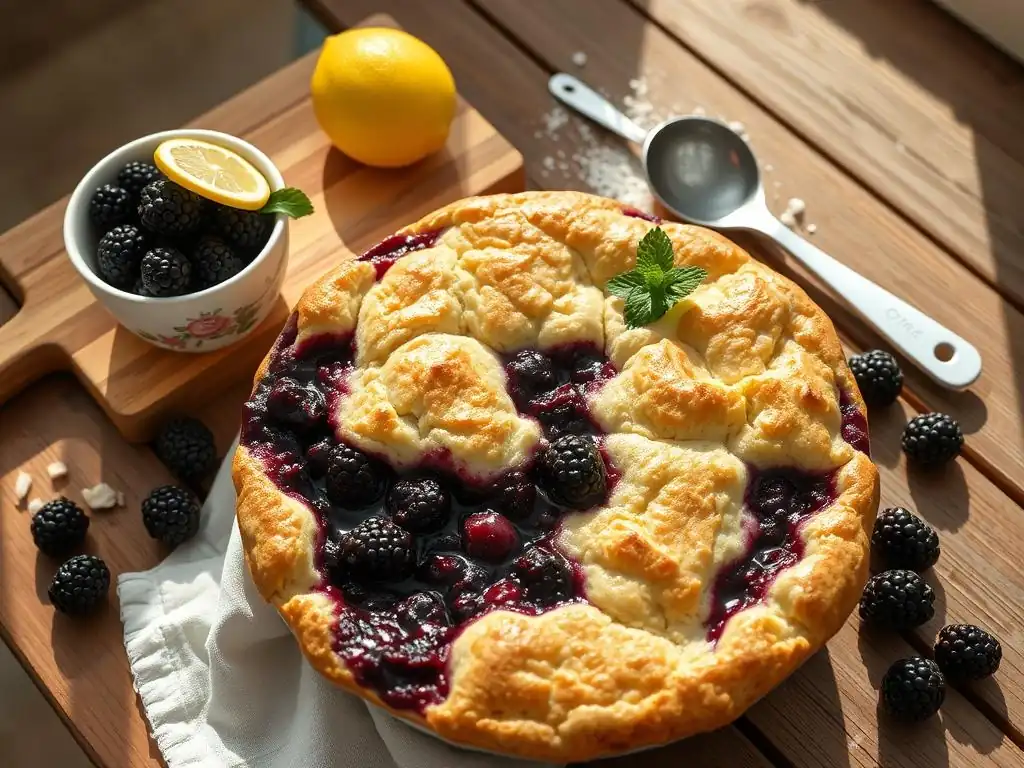
One common challenge when baking fruit desserts, including easy blackberry cobbler recipes, is preventing a soggy bottom layer where the fruit juices collect. This issue arises because berries release a significant amount of liquid as they heat up. A primary strategy to combat this is using a sufficient amount of thickener in the fruit filling. Cornstarch, tapioca starch, or flour tossed thoroughly with the berries and sugar will absorb much of the released juice, creating a thicker, more stable filling. For instance, using 3-4 tablespoons of cornstarch per 6 cups of berries is often effective.
Another helpful tip is to bake the cobbler at a sufficiently high temperature and for long enough. Baking at temperatures around 375-400°F helps to quickly set the topping and encourages the fruit to bubble and thicken properly. Ensure the filling is actively bubbling in the center, not just around the edges, before removing it from the oven. Allowing the cobbler to cool for at least 15-20 minutes after baking is also crucial; the filling continues to thicken as it cools, further reducing the chance of a watery bottom layer.
Enhancing Blackberry Flavor in Baked Goods
To ensure the bright, characteristic flavor of blackberries truly shines in your baked goods, there are a few techniques you can employ. First, always use ripe, fresh berries when possible, as they offer the most intense flavor. If using frozen, don't thaw them completely before mixing into batter or filling, as this can dilute their flavor and make things too wet.
A simple yet effective method is adding a touch of acid, such as a tablespoon of fresh lemon juice or a teaspoon of lemon zest, to the fruit filling or batter. The acidity brightens the berries' natural flavor and balances their sweetness.
Consider pairing blackberries with complementary spices that enhance their taste without overpowering it. A pinch of cinnamon, nutmeg, or even cardamom works wonderfully in cobblers, crumbles, and muffins. A tiny amount of almond extract (just 1/4 teaspoon) can also subtly enhance the berry flavor in some recipes. Finally, don't be shy with the quantity of berries; ensure your recipe calls for enough berries (e.g., 1.5 to 2 cups per standard muffin batch, 4-6 cups for a cobbler) to make their presence known in every bite.
Storing Blackberry Baked Goods
Proper storage is key to maintaining the freshness and quality of your homemade blackberry baked goods. For items like cobblers and crumbles, once completely cooled, cover the baking dish tightly with plastic wrap or aluminum foil. They can be stored at room temperature for 1-2 days, though refrigeration is recommended, especially in warm climates or if they contain dairy in the topping or served with dairy.
Refrigerated cobbler will last for about 3-4 days. To reheat, scoop individual portions and warm gently in a microwave, or cover the dish with foil and warm in a 350°F (175°C) oven until heated through, approximately 15-25 minutes depending on the amount.
Muffins and scones containing fresh fruit are best stored in an airtight container at room temperature for 2-3 days. Placing a paper towel in the bottom of the container can help absorb excess moisture. For longer storage, most blackberry baked goods freeze well. Wrap individual muffins or scones tightly in plastic wrap, then place them in a freezer-safe bag or container. Cobblers and crumbles can be frozen in their baking dish (if freezer-safe and well-wrapped) or individual portions can be frozen. Frozen baked goods can last for 2-3 months. Thaw at room temperature or gently reheat from frozen.
Troubleshooting Common Blackberry Baking Issues
Cobbler Topping Not Browning?
If your cobbler topping isn't achieving that desirable golden-brown color, there are a few potential culprits. Firstly, the oven temperature might be too low or the baking time insufficient. Ensure your oven is accurately preheated to the temperature specified in the recipe, usually between 375°F and 400°F (190°C-200°C). Baking for the full recommended time, or even slightly longer, is necessary for proper browning and for the fruit filling to bubble and thicken.
Another factor could be the composition of the topping itself. Toppings with higher sugar content tend to brown more readily. If your recipe is low in sugar in the topping, you might not get significant browning. Brushing the topping with a little milk or egg wash and sprinkling with coarse sugar before baking can also help promote a lovely golden crust and added texture. If the topping is cooked through but not brown, you can try placing the cobbler under the broiler for a minute or two, watching it very closely to prevent burning.
Blackberry Filling Too Runny?
A runny blackberry filling is a common issue and usually indicates that the thickener didn't do its job effectively. This can happen if not enough thickener was used relative to the amount of fruit and juice, or if the thickener wasn't properly distributed. Ensure you are using the correct amount of flour, cornstarch, or tapioca starch specified in the recipe (typically 2-4 tablespoons per standard cobbler). Tossing the berries thoroughly with the dry thickener and sugar before heating helps distribute it evenly so it can absorb juices as they are released.
Insufficient baking time can also result in a runny filling. Thickeners like cornstarch and flour need heat and time to activate and gelatinize. The filling should be visibly bubbling vigorously in the center of the dish for several minutes before you consider it done. If the topping is browning too quickly, you can loosely tent the cobbler with foil to allow the fruit more time to cook and thicken without the topping burning. Allowing the cobbler to cool completely after baking is also crucial, as the filling continues to set significantly as it cools down.
Blackberries Sinking to the Bottom?
Blackberries sinking to the bottom is a common issue in batters like muffins, cakes, or quick breads. This happens because the berries are denser than the raw batter and gravity pulls them down during baking before the batter sets. A simple and effective trick to combat this, especially relevant for recipes beyond easy blackberry cobbler recipes where berries are mixed directly into batter, is to toss the fresh or frozen berries with a tablespoon or two of flour (taken from the total amount in the recipe) before folding them into the batter.
The light coating of flour helps the berries "stick" to the batter and prevents them from sinking as easily. Ensure you fold the floured berries in gently at the very end of mixing the batter, using just enough strokes to distribute them evenly. Overmixing can not only develop gluten and make baked goods tough but can also cause the berries to break down or sink. For cobblers where the fruit is on the bottom, sinking isn't an issue, but for muffins and scones, this flour-tossing method is highly recommended.
Variations on Blackberry Cobbler Recipes
Gluten-Free Blackberry Cobbler
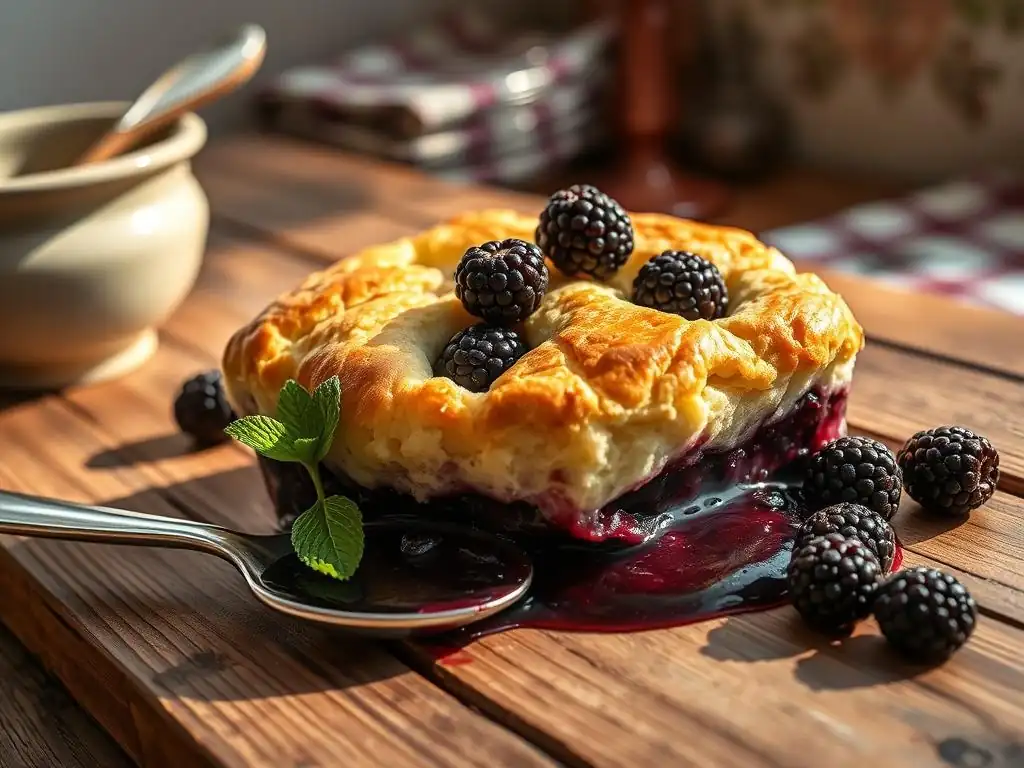
Creating a gluten-free version of easy blackberry cobbler recipes is quite achievable with a few simple substitutions. The fruit filling is naturally gluten-free, so the focus is on adapting the topping. For a biscuit-style topping, you can substitute the all-purpose flour with a good quality gluten-free all-purpose flour blend. Look for blends that are designed for baking and contain a mix of flours (like rice flour, potato starch, tapioca starch) and often a binder like xanthan gum. You'll use the same quantities of sugar, baking powder, salt, butter, and milk/buttermilk as a traditional recipe, just swapping the flour.
When using a gluten-free flour blend for the topping, it's often helpful to let the mixed dough rest for a few minutes before dropping it onto the fruit; this allows the flours to hydrate. For a crumble topping, swap the wheat flour for a gluten-free blend or a mix of gluten-free oat flour and almond flour. Ensure the oats you use are certified gluten-free if catering to celiac guests. The butter, sugars, and spices remain the same. These simple flour substitutions make it easy to adapt classic easy blackberry cobbler recipes for those with gluten sensitivities.
Vegan Blackberry Cobbler
Making a vegan version of easy blackberry cobbler recipes involves substituting the dairy and eggs typically found in the topping. For the fruit filling, ensure your sugar is vegan-friendly (some white sugar is processed with bone char, though many brands are vegan). The main changes occur in the topping. If using a biscuit or cake-style topping, substitute the butter with a plant-based butter alternative or solid coconut oil. For milk or buttermilk, use a non-dairy milk like almond, soy, oat, or cashew milk, potentially adding a teaspoon of vinegar to non-dairy milk to mimic buttermilk.
If the recipe calls for eggs in the topping, you can often omit them in cobbler toppings as they primarily serve to enrich and bind, which can be achieved with other ingredients. In some cases, a small amount of applesauce or a commercial egg replacer might be used, but often, simply adjusting the liquid content slightly is enough. For a crumble topping, the substitution is even simpler: just use vegan butter instead of dairy butter. These straightforward swaps make it easy to enjoy delicious, easy blackberry cobbler recipes suitable for a vegan diet.
Blackberry and Apple Cobbler
Combining blackberries with other fruits is a fantastic way to add complexity and different textures to a cobbler. Blackberry and apple cobbler is a particularly popular variation, blending the tart, juicy nature of blackberries with the soft, sweet texture of baked apples. This combination works beautifully as apples provide structure and a different kind of sweetness that complements the intense berry flavor. Using a mix of tart apples (like Granny Smith) and sweeter apples (like Honeycrisp or Fuji) can create a more balanced flavor profile.
To make this variation, prepare your cobbler filling using a mix of roughly equal parts sliced or cubed apples and whole blackberries. You'll typically need about 3 cups of each fruit for a standard cobbler size. Toss the combined fruit with sugar and thickener as you would for a pure blackberry cobbler.
You might need slightly less sugar depending on the sweetness of your apples. The rest of the process for preparing and baking the topping remains the same, resulting in a delightful dessert that combines the best of both fruits in an easy-to-make format, extending the possibilities of easy blackberry cobbler recipes.
Conclusion: Enjoying Your Homemade Blackberry Baked Goods
There's immense satisfaction in pulling a warm, bubbly blackberry cobbler or a tray of fragrant blackberry muffins from the oven. The aroma alone is enough to bring smiles. Baking with fresh blackberries is a rewarding experience, resulting in delicious treats perfect for sharing. We encourage you to try making your own easy blackberry cobbler recipes or venture into crumbles, muffins, and scones. Don't hesitate to experiment with spice additions or fruit combinations – baking is all about finding what you love!
We'd love to see what you create! Sharing your baking triumphs (and even the occasional learning experience!) is a great way to connect with other baking enthusiasts. Whether it's a picture of your perfectly golden cobbler topping or a story about how you prevented those berries from sinking, sharing adds to the joy of baking. So, bake up a batch of your favorite easy blackberry cobbler recipes and share the delicious results with friends, family, or online!
Further Baking Adventures with Fresh Fruit
Mastering easy blackberry cobbler recipes is just the beginning of your journey into baking with fresh fruit. The techniques you've learned – from preparing fruit and using thickeners to understanding different topping styles – are transferable to a wide variety of other fruit-based baked goods. Consider trying your hand at peach cobbler, apple crisp, blueberry muffins, or strawberry shortcake. Each fruit presents its own unique characteristics and challenges, offering endless opportunities to expand your baking skills.
Exploring seasonal fruits is a wonderful way to keep your baking fresh and exciting. As different berries, stone fruits, and orchard fruits come into season, you can apply the principles learned from making easy blackberry cobbler recipes to create new and delightful desserts. Don't be afraid to adapt recipes or combine fruits. The world of fruit baking is vast and flavorful, promising many more delicious adventures in your kitchen.
Frequently Asked Questions
What makes BakeWithEase the best place to find easy blackberry cobbler recipes?
BakeWithEase focuses on simple recipes and step-by-step guides, making even complex-sounding dishes like blackberry cobblers accessible to bakers of all skill levels. We prioritize easy-to-find ingredients and clear instructions.
Are the blackberry cobbler recipes on BakeWithEase suitable for beginners?
Yes! Our recipes are designed with beginners in mind. We offer detailed explanations and helpful tips to ensure success, even for those new to baking.
Besides cobblers, what other blackberry recipes can I find on BakeWithEase?
While we specialize in easy blackberry cobbler recipes, BakeWithEase also offers recipes for other baked goods featuring blackberries, such as muffins, pies, and cakes. Explore our site for a wider range of options.
What kind of blackberries are recommended for the cobbler recipes on BakeWithEase?
Our recipes generally work well with fresh or frozen blackberries. If using frozen, we recommend thawing them slightly and draining any excess juice before baking to avoid a soggy cobbler.
Does BakeWithEase offer tips for customizing blackberry cobbler recipes?
Absolutely! We encourage bakers to experiment with flavors. We often provide suggestions for adding spices like cinnamon or nutmeg, or incorporating other fruits like peaches or raspberries.
Final Reflection: The Sweet Simplicity of Blackberry Baking
The enduring appeal of blackberry cobblers lies not just in their deliciousness, but in their accessibility. These recipes, shared with the intention of making blackberry baking simple and enjoyable for everyone, represent a connection to a comforting past while simultaneously offering a fresh approach to modern baking. The ease of preparation, coupled with the rich, rewarding results, makes them perfect for both seasoned bakers and enthusiastic beginners.
The joy of baking, particularly with seasonal fruits like blackberries, transcends mere culinary skill; it becomes a form of self-expression and connection. It's a way to share a piece of yourself with others, creating memories around a shared table. Baking is at once child's play and adult joy. And love, of course.
This sentiment perfectly captures the essence of what these simple blackberry recipes aim to achieve: fostering a sense of community and warmth through the shared experience of baking and enjoying delicious treats.
Now, I invite you to roll up your sleeves, gather your ingredients, and experience the magic for yourself. Don't be intimidated by the seemingly complex world of baking; these recipes are designed to empower you to create something beautiful and delicious, regardless of your skill level. Embrace the simplicity, savor the process, and share the sweet rewards with those you cherish. Let the aroma of warm blackberries fill your kitchen and your heart.
Unleash Your Inner Baker: Blackberry Bliss Awaits!
Thanks for joining us on this blackberry baking adventure! We hope you've discovered some delicious and easy recipes to inspire your next culinary creation. Ready to get baking?
- Bake your own blackberry cobbler tonight! Grab those fresh blackberries and follow your favorite recipe (or one of ours!). It's easier than you think!
- Share your baking triumphs (or even your bloopers!) with us on social media! Use #BakeWithEaseBlackberries so we can see your creations.
- Explore more blackberry recipes on BakeWithEase.com – we have tons of ideas waiting for you!
What's your favorite way to enjoy fresh blackberries? Let us know in the comments below!