
Storing Baked Goods with Fresh Fruit Properly

Welcome to BakeWithEase, your trusted guide to baking bliss! Ever wondered about the secret to keeping your freshly baked goods, especially those delightful fruitcakes, tasting their best for longer? This article dives deep into the art of How to Store Fruit Cakes properly, unlocking techniques that preserve flavor and texture. Discover the secrets to extending the shelf life of your delicious creations and avoid common pitfalls. Ready to bake and preserve like a pro? Let's get started!
- How to Store Fruit Cakes Properly: BakeWithEase's Guide
- Understanding Fruit Cake Storage: A Beginner's Guide
- Preparing Fruit Cakes for Storage: Essential Steps
- Different Storage Methods for Fruit Cakes with Fresh Fruit
- Maintaining Freshness: Monitoring Your Stored Fruit Cake
- Troubleshooting Common Fruit Cake Storage Problems
- Best Practices Recap: Storing Fruit Cakes with Fresh Fruit Like a Pro
- Frequently Asked Questions
- Final Reflection: The Enduring Delight of Perfectly Preserved Cakes
- Unlock Your Baking's Full Potential!
How to Store Fruit Cakes Properly: BakeWithEase's Guide
Understanding Fruit Cake Storage: A Beginner's Guide
Why Proper Storage is Crucial for Fruit Cakes
Proper storage is absolutely essential for maintaining the quality, texture, and safety of fruit cakes, especially those that might incorporate fresh fruit elements. Unlike some simple baked goods, fruit cakes are often dense, rich, and contain ingredients like nuts, dried fruits, or even fresh fruit pieces, all of which can affect shelf life.
Without correct storage, a beautifully baked fruit cake can quickly dry out, lose its intended flavor profile, or worse, develop mold and become unsafe to eat. Effective storage techniques help preserve the cake's moisture, prevent oxidation, and inhibit microbial growth, ensuring that every slice is as delicious as the first.
Furthermore, understanding how to store fruit cakes correctly helps maximize their lifespan, reducing waste and allowing you to enjoy your baking efforts for longer. A well-stored fruit cake, particularly a traditional one with dried or candied fruit, can last for weeks or even months, often improving in flavor over time as the ingredients meld. However, introducing fresh fruit dramatically shortens this window, making precise storage methods critical. Knowing the right conditions, from temperature to wrapping, is key to preserving that perfect balance of flavors and textures you worked hard to achieve.
The Impact of Fresh Fruit on Cake Storage
The inclusion of fresh fruit significantly changes the storage dynamics compared to traditional fruit cakes made with dried or candied fruit. Fresh fruit contains a high water content and natural sugars, which create a much more hospitable environment for mold and bacteria to grow. This high moisture level also makes the cake more prone to becoming soggy if not stored correctly, while simultaneously potentially causing other parts to dry out if exposed to air. The enzymes in fresh fruit can also break down cake components over time, affecting texture.
Therefore, understanding how to store fruit cakes with fresh fruit means acknowledging these challenges. A cake with fresh berries baked in or a cake topped with fresh fruit slices will have a much shorter shelf life at room temperature than a dense fruit cake made with only dried fruit and alcohol. Refrigeration becomes almost mandatory for cakes with fresh fruit to slow down spoilage, and even then, the storage duration is limited, often to just a few days. Proper wrapping is even more critical to manage moisture exchange and prevent the fresh fruit from deteriorating rapidly.
Preparing Fruit Cakes for Storage: Essential Steps
Cooling Fruit Cakes Completely Before Storing
One of the most critical initial steps in learning how to store fruit cakes properly is ensuring they are completely cooled before any wrapping or storage begins. Warm or hot cake releases steam, which, if trapped by packaging, will condense. This condensation creates pockets of moisture that are perfect breeding grounds for mold and can make the cake soggy. Rushing this step is a common mistake that drastically shortens the cake's shelf life.
Allow your fruit cake to cool on a wire rack until it reaches room temperature. For a dense fruit cake, this can take several hours, sometimes even overnight depending on its size and density. A large loaf or round cake might need 4-6 hours or more. Resist the urge to wrap it while it's still warm. Patience here pays off immensely in preventing spoilage and maintaining the cake's texture and integrity during storage. Ensure the cooling area is clean and free from potential contaminants.
Wrapping Techniques for Optimal Freshness
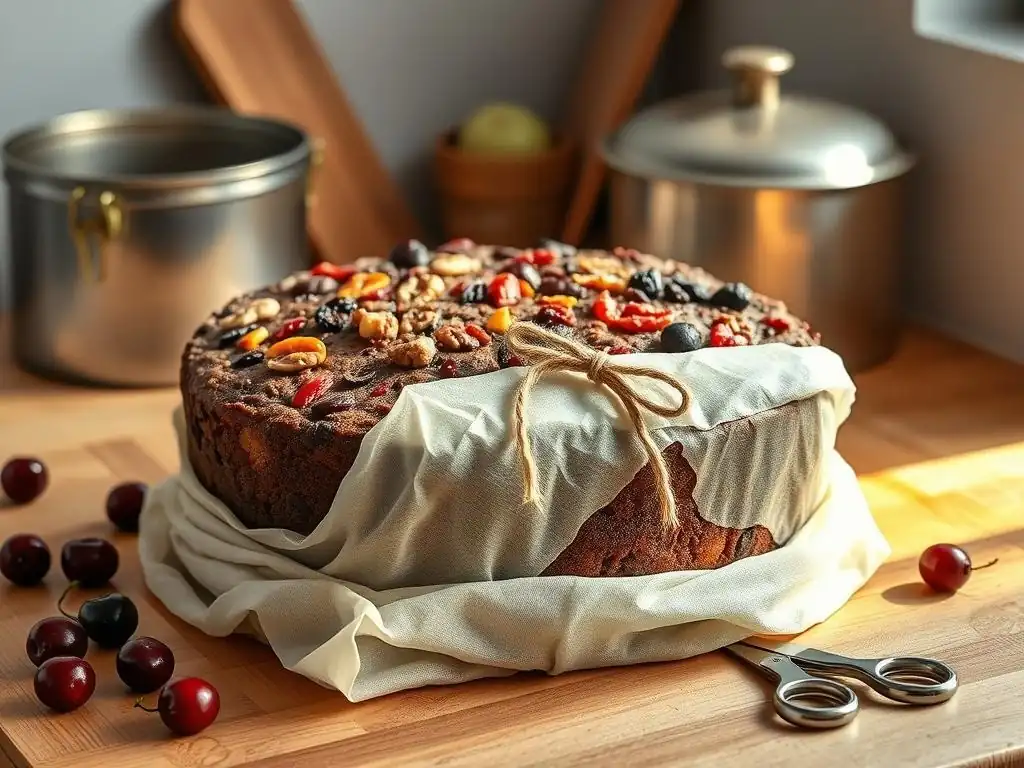
Once your fruit cake is completely cool, the next crucial step in how to store fruit cakes effectively is proper wrapping. The goal is to create a barrier that prevents moisture loss (drying out) while also protecting the cake from absorbing odors from its surroundings and from microbial contamination. The method you choose can significantly impact how long and how well your cake keeps.
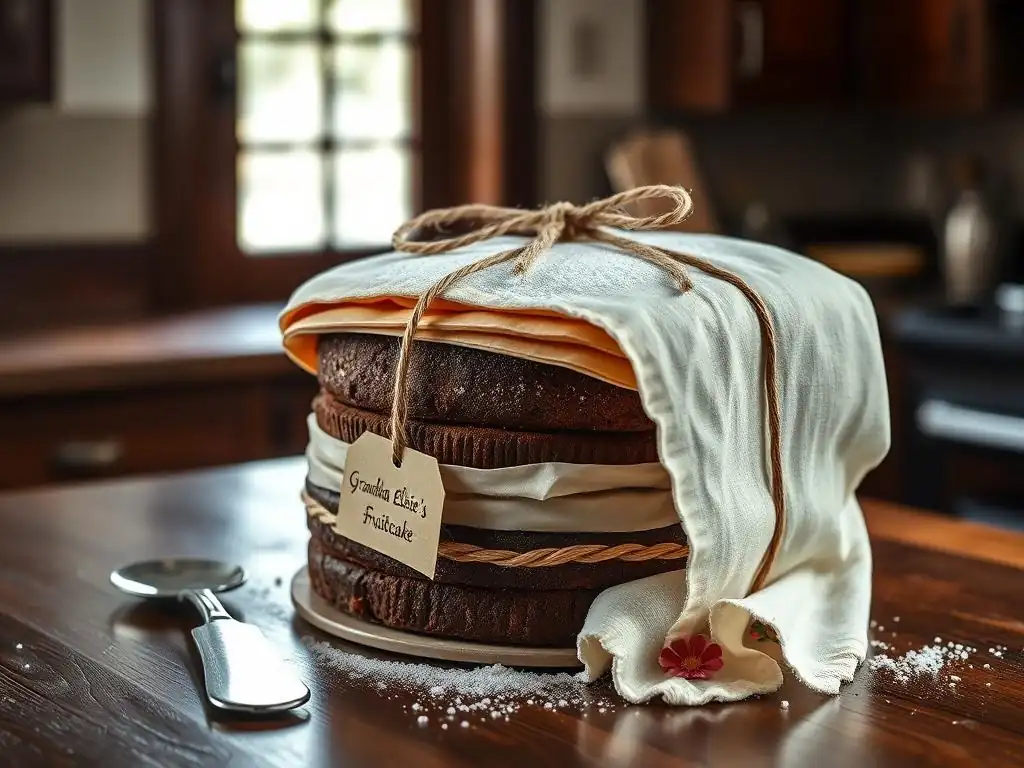
Effective wrapping involves multiple layers. Start by ensuring the cake is on a stable surface or cardboard round. The primary wrapping material will form the first barrier against air exposure, and subsequent layers will add protection and structure. This multi-layered approach is particularly important for fruit cakes, which benefit from maintaining their internal moisture balance over time.
Using Plastic Wrap to Preserve Fruit Cake Moisture
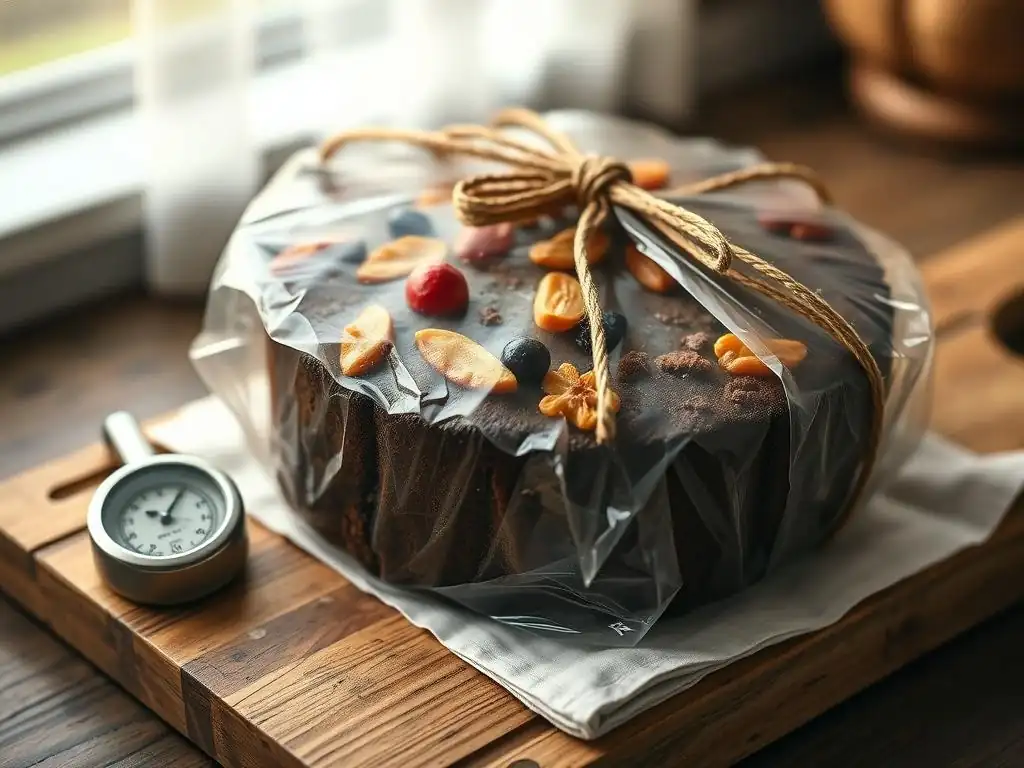
Plastic wrap is an excellent first layer for preserving moisture when learning how to store fruit cakes. It creates a tight seal directly against the cake's surface, minimizing air contact and preventing drying. Wrap the cooled fruit cake tightly and completely in at least two layers of good quality plastic wrap. Ensure there are no gaps or exposed areas where air can reach the cake.
When wrapping, press the plastic wrap against the sides and top of the cake, sealing it as close to the surface as possible. This minimizes the air space within the wrapping, further reducing the risk of oxidation and moisture loss. For irregularly shaped cakes, tear the plastic wrap into manageable sheets and overlap them generously to ensure full coverage without creating large air pockets. This initial plastic wrap layer is fundamental for keeping the cake moist, especially important for cakes that might dry out quickly.
Foil Wrapping for Enhanced Protection
After the initial layer of plastic wrap, wrapping the fruit cake again in aluminum foil provides an additional layer of protection and stability. Foil acts as a further barrier against air, light, and odors. While plastic wrap is excellent for sealing in moisture, foil offers more robust protection against physical damage and temperature fluctuations, which can be beneficial if storing the cake for an extended period or freezing it.
Wrap the plastic-wrapped cake snugly in a layer of heavy-duty aluminum foil. Crimp the edges tightly to create a good seal. For long-term storage, especially in the freezer, consider adding a second layer of foil or placing the double-wrapped cake into a resealable freezer bag or airtight container. This multi-layered defense system is a professional technique for how to store fruit cakes to ensure they remain fresh and flavorful for as long as possible, protecting against freezer burn if applicable.
Consider an Alcohol Soak for Longer Shelf Life
For traditional fruit cakes made with dried or candied fruit (not fresh fruit), a common and effective method for extending shelf life and enhancing flavor is 'feeding' the cake with alcohol. This technique is a hallmark of how to store fruit cakes designed for long-term maturation. The alcohol, typically brandy, rum, or whiskey, acts as a preservative, inhibiting mold growth, while also moistening the cake and allowing the flavors to deepen and meld over time.
To feed the cake, poke small holes in the top with a skewer and drizzle a small amount (perhaps 1-2 tablespoons for a medium cake) of alcohol over the surface. Re-wrap the cake tightly after feeding.
This process can be repeated periodically, perhaps every week or two for the first month, then monthly for longer storage. Note that this technique is generally not recommended for cakes containing fresh fruit, as the high moisture content of fresh fruit requires different preservation methods like refrigeration or freezing, and alcohol feeding might not be sufficient to prevent spoilage of the fresh fruit itself.
How Alcohol Preserves Fruit Cake
The preservative power of alcohol in fruit cakes primarily comes from its ability to create an environment less hospitable to microorganisms like mold and bacteria. Alcohol, particularly spirits with an alcohol by volume (ABV) of 40% or higher, inhibits the growth of these spoilage agents. When alcohol is absorbed into the cake, it lowers the overall water activity in the cake structure, making it more difficult for microbes to thrive.
Furthermore, many spirits used for feeding fruit cakes, like brandy or rum, also contain sugars and flavor compounds that contribute to the cake's richness and complexity over time. The repeated feeding process ensures that the cake remains moist and permeated with the preservative qualities of the alcohol. This method is a time-honored tradition for how to store fruit cakes intended for holiday or long-term keeping, allowing the cake to 'mature' like a fine wine.
Choosing the Right Alcohol for Your Fruit Cake
Selecting the appropriate alcohol is part of mastering how to store fruit cakes using the feeding method. The best choice often depends on the flavors in the cake and personal preference. Dark spirits like brandy, dark rum, or whiskey are traditional favorites because their robust flavors complement the dried fruits and spices typically found in fruit cakes. Brandy is perhaps the most classic choice, offering a warm, slightly sweet depth.
Lighter spirits like white rum can also be used, though their flavor contribution is less pronounced. Some recipes even call for liqueurs, but be mindful of their lower alcohol content and higher sugar content, which might affect preservation slightly differently. Avoid using wine or beer, as their lower alcohol content and higher water content are not effective for preservation and could actually encourage spoilage. Whichever spirit you choose, ensure it's one you enjoy the taste of, as its flavor will infuse throughout the cake over time.
Different Storage Methods for Fruit Cakes with Fresh Fruit
Storing Fruit Cakes at Room Temperature
Storing a traditional fruit cake (made with dried/candied fruit and possibly alcohol) at room temperature is a common practice and can allow the cake to mature beautifully. However, when considering how to store fruit cakes that include fresh fruit, room temperature storage is generally only advisable for a very short period, if at all, due to the high risk of fresh fruit spoilage.
If your fruit cake contains absolutely no fresh fruit and is perhaps a dense, alcohol-fed variety, it can be stored at cool room temperature (ideally below 70°F or 21°C) for several weeks, or even months if regularly fed. Place the well-wrapped cake in an airtight container or tin to protect it further. However, if any fresh fruit is present, room temperature storage should be limited to maybe 1-2 days maximum, treated more like a fresh pastry, before refrigeration becomes necessary.
Ideal Conditions for Room Temperature Storage
For the type of fruit cake that can be stored at room temperature (i.e., traditional, no fresh fruit), the ideal conditions involve a cool, dark, and stable environment. Temperatures between 50°F and 70°F (10°C to 21°C) are best. Avoid storing the cake near heat sources like ovens or radiators, or in direct sunlight, as fluctuating temperatures can cause condensation and spoilage.
Place the double-wrapped cake inside a sturdy, airtight container or a traditional cake tin. This provides an extra layer of insulation against temperature changes and prevents pests or odors from reaching the cake. Store the tin in a pantry, cupboard, or cellar. Regularly check on the cake, especially if feeding it with alcohol, to ensure the wrapping remains intact and there are no signs of spoilage. These conditions are key for how to store fruit cakes that are meant to age gracefully.
How Long Fruit Cake Lasts at Room Temperature
The shelf life of fruit cake at room temperature varies dramatically based on its composition. A dense, traditional fruit cake made with dried fruit, nuts, and significant amounts of sugar and possibly alcohol, wrapped properly, can last for 1 to 3 months, sometimes even longer if regularly fed and stored in ideal conditions. Some recipes are designed to last for a year or more, maturing over time.
However, a fruit cake containing fresh fruit pieces (like fresh berries baked in or a fresh fruit topping) has a significantly shorter room temperature lifespan. Due to the moisture and perishability of fresh fruit, such cakes should ideally be refrigerated. If left at room temperature, they are typically only safe to eat for 1 to 2 days, similar to most cakes with perishable fillings or toppings. Understanding this distinction is vital when learning how to store fruit cakes based on their ingredients.
Refrigerating Fruit Cakes: When and How
Refrigeration is the go-to method for storing fruit cakes that contain fresh fruit components, such as fresh berries, sliced fruit, or fresh fruit fillings/toppings. The cooler temperatures slow down the growth of mold and bacteria on the fresh fruit, significantly extending the cake's safe lifespan compared to room temperature storage. Even traditional fruit cakes can be refrigerated if you prefer a firmer texture or live in a very warm climate, though it's not strictly necessary for preservation if they are alcohol-fed.
To refrigerate a fruit cake, first ensure it is completely cooled. Then, wrap it meticulously. If it has a delicate fresh fruit topping, you might need to use toothpicks to support the plastic wrap so it doesn't stick directly to the fruit. Place the wrapped cake in an airtight container to prevent it from drying out and absorbing refrigerator odors. Store it in the main body of the refrigerator, not in the door where temperatures fluctuate more. This is a key step in how to store fruit cakes that are perishable.
Benefits of Refrigeration for Fruit Cakes
The primary benefit of refrigerating fruit cakes containing fresh fruit is extending their safe consumption period. While a fresh fruit cake might only last a day or two at room temperature, refrigeration can often extend its life to 5-7 days. The cold temperature slows the enzymatic breakdown of the fresh fruit and inhibits the proliferation of spoilage microorganisms, making it a much safer option.
For traditional fruit cakes without fresh fruit, refrigeration isn't primarily for safety but can alter texture, making the cake firmer. Some people prefer this. It can also provide peace of mind in very warm environments or if the cake isn't heavily 'fed' with alcohol. Understanding these benefits helps in deciding the best approach for how to store fruit cakes based on their ingredients and your local climate.
Preventing Fruit Cake from Drying Out in the Refrigerator
One common challenge when learning how to store fruit cakes in the refrigerator is preventing them from drying out. Refrigerators are designed to remove moisture from the air, which is great for keeping produce crisp but detrimental to baked goods. The key is creating an effective moisture barrier through wrapping and containment.
After cooling, wrap the fruit cake tightly in multiple layers of plastic wrap, ensuring no surface is exposed. Follow this with a layer of aluminum foil. Finally, place the well-wrapped cake inside an airtight plastic container or a cake saver. This triple layer of protection (plastic wrap, foil, container) is highly effective at sealing in the cake's moisture and preventing the dry refrigerator air from affecting it. Even with these precautions, a refrigerated cake might eventually dry out more than one stored at room temperature (if suitable for room temp storage), so consume it within its recommended refrigerated lifespan.
Freezing Fruit Cakes for Extended Preservation
Freezing is the best option for long-term storage of fruit cakes, allowing you to preserve them for several months. This method halts microbial activity and significantly slows down the processes that lead to staling and spoilage. Freezing is suitable for both traditional fruit cakes and those containing fresh fruit, though cakes with fresh fruit might experience slight texture changes in the fruit upon thawing. Learning how to store fruit cakes in the freezer is perfect for making them ahead for special occasions or saving leftovers.
Ensure the cake is completely cool before freezing. Use the multi-layer wrapping technique: tightly wrap in plastic wrap (at least two layers), followed by a layer of aluminum foil. For maximum protection against freezer burn, place the double-wrapped cake inside a heavy-duty freezer bag or an airtight freezer-safe container. Label the package with the date and the type of cake.
Best Practices for Freezing Fruit Cake
To ensure the best results when freezing fruit cake, start with a cake that is in peak condition – freshly baked and completely cooled. Avoid freezing a cake that is already slightly stale or showing signs of spoilage. The multi-layer wrapping (plastic wrap, foil, then bag/container) is paramount to protect against freezer burn, which is dehydration that causes icy crystals and dry, discolored spots.
Freeze the cake flat on a shelf until it's solid, then you can rearrange it if needed. Freeze in portions if you don't plan to eat the whole cake at once; this minimizes the number of times the cake is thawed and refrozen, which can degrade quality. When learning how to store fruit cakes by freezing, remember that while freezing stops spoilage, it doesn't improve the cake. Freeze it when it's at its best.
Thawing Fruit Cake Correctly
Proper thawing is as important as proper freezing for maintaining the quality of your fruit cake. The best way to thaw a frozen fruit cake is slowly in the refrigerator. Transfer the wrapped cake from the freezer to the refrigerator and let it thaw gradually. This can take 24-48 hours or even longer for a very large, dense cake. Thawing in the refrigerator minimizes condensation and helps maintain texture.
Avoid thawing fruit cake at room temperature, especially if it contains fresh fruit, as this can encourage rapid bacterial growth and result in a soggy texture. Once thawed in the refrigerator, you can unwrap it and let it sit at cool room temperature for an hour or two before serving, if desired, to bring it to optimal serving temperature. Do not refreeze fruit cake once it has been thawed. These steps are key to enjoying your perfectly preserved fruit cake after mastering how to store fruit cakes in the freezer.
Maintaining Freshness: Monitoring Your Stored Fruit Cake
Even with the best storage practices, it's important to monitor your fruit cake, especially if storing it for an extended period or if it contains fresh fruit. Regular checks can help you catch any issues early and ensure the cake remains safe and delicious. Storage duration guidelines are estimates; actual shelf life can vary based on ingredients, hygiene during preparation, and storage conditions.
Checking the cake involves visual inspection and a gentle touch. Look for any changes in appearance, smell, or texture. For cakes stored long-term, particularly traditional ones being 'fed', unwrap, inspect, feed if necessary, and re-wrap carefully. For cakes with fresh fruit stored in the fridge, check them daily or every other day due to their shorter lifespan. This vigilance is part of the ongoing process of how to store fruit cakes successfully.
Signs of Spoilage in Fruit Cakes
Identifying signs of spoilage is crucial for food safety. For fruit cakes, the most obvious sign is the presence of mold. Mold can appear as fuzzy spots, often white, green, or black, on the surface of the cake or fruit. Even a small patch of mold indicates that the cake should be discarded, as mold can have unseen roots and produce toxins.
Other signs include an off smell (sour, alcoholic in a bad way, or generally unpleasant), significant discoloration beyond the cake's natural aging process, or a slimy or excessively sticky texture that wasn't present initially, especially on fruit pieces. If the cake contains fresh fruit, pay close attention to the fruit itself – is it looking shriveled, mushy, or discolored? If you are in doubt about whether a fruit cake is still good, it is always safest to discard it. Recognizing these signs is a key part of knowing how to store fruit cakes safely.
Identifying Mold and Other Issues
Mold is usually visible on the surface of the cake or fruit. It might start as small, fuzzy dots and spread over time. Different types of mold can appear in various colors. While some molds are harmless or even desirable in certain foods (like cheese), the molds that grow on baked goods can be harmful. Do not attempt to cut mold off a cake; the mold spores and toxins can penetrate deeper into the porous structure than is visible.
Beyond mold, other issues to look for include significant hardening or drying out (indicating poor moisture retention), or conversely, excessive sogginess (often from trapped condensation or deteriorating fresh fruit). An 'off' odor is a strong indicator of bacterial growth or spoilage. For cakes with fresh fruit, look for signs of the fruit breaking down, becoming mushy, or fermenting (beyond any intended alcohol feeding). Staying observant is vital when learning how to store fruit cakes containing perishable elements.
Tips for Keeping Fruit Cakes Moist During Storage
Maintaining moisture is a primary goal when learning how to store fruit cakes, especially for those prone to drying. The multi-layer wrapping technique (plastic wrap + foil + container) is the most effective preventative measure, creating a strong barrier against air and moisture loss. Ensure the initial plastic wrap layer is tight against the cake's surface.
For traditional fruit cakes without fresh fruit, the alcohol feeding method is excellent for keeping the cake moist over time while also preserving it. Regularly 'feeding' the cake replaces lost moisture and keeps the texture rich and tender. Storing the cake in a cool, stable environment also helps, as temperature fluctuations can draw moisture out. Avoid cutting the cake until you are ready to serve it, as cut surfaces dry out much faster than the crust.
Re-Moisturizing Techniques
If you find your fruit cake has dried out slightly during storage, there are a few ways to attempt to re-moisturize it, though prevention is always better. For traditional fruit cakes without fresh fruit, you can try 'feeding' it with a little more alcohol, poking holes and drizzling it over the dry areas. Wrap it up tightly again and let it sit for a day or two to absorb the liquid.
For any fruit cake, including those with fresh fruit that have dried out (perhaps around the edges), you can sometimes gently warm a slice and serve it with a moist accompaniment like custard, cream, or a fruit sauce. However, if a cake with fresh fruit has dried out significantly, it might also be showing signs of spoilage in the fruit itself, in which case it's best not to consume it. These re-moisturizing tricks are more successful with dense, sturdy cakes than with lighter ones or those with delicate fresh fruit.
Troubleshooting Common Fruit Cake Storage Problems
Even when following best practices, you might encounter issues when storing fruit cakes. Understanding common problems and their potential solutions is part of mastering how to store fruit cakes effectively and safely. Issues can range from texture changes to spoilage, and the approach depends heavily on the cake's ingredients, particularly the presence of fresh fruit.
Common problems include fruit becoming sticky or mushy, the cake turning soggy, or flavors changing unexpectedly. Addressing these requires understanding the cause – often related to moisture control, temperature, or ingredient interaction. Being prepared for these challenges helps ensure your stored fruit cake remains a pleasure to eat.
Dealing with Sticky Fruit on Stored Cakes
Sticky fruit on a fruit cake, especially fresh fruit baked in or added as a topping, can be a sign of moisture migration or the fruit breaking down. If the stickiness is just on the surface of dried fruit in a traditional cake, it might simply be the sugars migrating, which is often harmless. However, if fresh fruit becomes excessively sticky or mushy, it can indicate spoilage due to bacterial growth or fermentation, particularly if accompanied by an off smell.
For dried fruit that's just a bit sticky, ensuring the cake is properly wrapped in absorbent paper before plastic wrap can sometimes help manage surface moisture, though this is less common. For fresh fruit that becomes sticky and soft, it's a strong warning sign. Ensure the cake was thoroughly cooled before storage, was wrapped tightly, and stored at the correct temperature (refrigerated for fresh fruit). If the stickiness is accompanied by mold or odor, discard the cake. Understanding how to store fruit cakes with fresh fruit means being extra vigilant about the state of the fruit.
Preventing Fruit Cake from Becoming Soggy
Sogginess in fruit cake is usually caused by trapped moisture. This often happens when the cake is wrapped before it has completely cooled, trapping steam, or when storing a cake with high-moisture fresh fruit without adequate airflow or in fluctuating temperatures that cause condensation. Soggy spots are prime areas for mold and bacteria to thrive.
To prevent sogginess, always cool the cake completely on a wire rack before wrapping. Use tight, multi-layer wrapping (plastic wrap, foil, container) to control moisture exchange. If storing a cake with fresh fruit in the refrigerator, the airtight container is key to preventing condensation from forming on the cake itself. For traditional fruit cakes being fed alcohol, avoid over-feeding; use just a small amount at a time and allow it to absorb. Mastering how to store fruit cakes means mastering moisture control.
Addressing Flavor Changes During Storage
Flavor changes are expected in traditional fruit cakes stored long-term, as the flavors meld and mature, often improving. However, undesirable flavor changes can occur, such as developing off-flavors, staleness, or a rancid taste. These can be caused by ingredients oxidizing (like nuts), absorbing odors from the storage environment, or spoilage.
To prevent off-flavors, use fresh, high-quality ingredients. Ensure nuts are fresh and not rancid before baking. Wrap the cake meticulously in multiple layers, including an airtight container, to prevent it from absorbing odors from the refrigerator or pantry (e.g., onions, garlic). For long-term storage of traditional cakes, regular alcohol feeding can help maintain desirable flavors and prevent staleness. If a cake with fresh fruit develops an off-flavor, it's likely due to spoilage of the fruit and should not be consumed. Proper wrapping and temperature control are vital for maintaining intended flavors when learning how to store fruit cakes.
Best Practices Recap: Storing Fruit Cakes with Fresh Fruit Like a Pro
Mastering how to store fruit cakes, especially those incorporating fresh fruit, boils down to a few key best practices: cool completely, wrap meticulously, choose the right storage method based on ingredients, and monitor regularly. While traditional fruit cakes can be long-lived at room temperature (especially with alcohol), cakes with fresh fruit require refrigeration or freezing for safety and quality.
Always prioritize food safety, particularly with perishable fresh fruit. When in doubt about a cake's condition, it's always safer to discard it. Following these guidelines will help you preserve your delicious fruit cakes, whether they are rich, traditional loaves or lighter cakes bursting with fresh berry flavor, ensuring you can enjoy them safely for as long as possible.
Quick Guide: Fruit Cake Storage Temperature and Duration
Here's a quick summary of recommended storage conditions for fruit cakes, keeping in mind the crucial difference between traditional (dried/candied fruit) and those with fresh fruit:
- Traditional Fruit Cake (Dried/Candied Fruit, possibly Alcohol):
- Room Temperature (50-70°F / 10-21°C): Wrapped tightly, in airtight container. Can last 1-3 months or longer if regularly fed alcohol and stored properly.
- Refrigerated (35-40°F / 2-4°C): Wrapped tightly, in airtight container. Can last 2-4 months. Texture may become firmer.
- Frozen (0°F / -18°C or below): Wrapped meticulously (plastic, foil, freezer bag/container). Can last 6-12 months.
- Fruit Cake with Fresh Fruit (e.g., fresh berries, fresh fruit topping):
- Room Temperature: Wrapped loosely to prevent condensation initially (if just cooled), then tightly if needed. Only safe for 1-2 days. Not recommended for longer.
- Refrigerated (35-40°F / 2-4°C): Wrapped tightly (use supports for delicate toppings), in airtight container. Safe for 5-7 days. This is the primary method for short-term storage.
- Frozen (0°F / -18°C or below): Wrapped meticulously (plastic, foil, freezer bag/container). Can last 3-6 months. Texture of fresh fruit may change upon thawing.
Final Thoughts: Enjoying Your Perfectly Preserved Fruit Cake
Storing fruit cakes properly is an art that ensures your hard work in the kitchen pays off with delicious results enjoyed over time. Whether you've baked a classic, dense loaf intended to mature for months or a lighter cake showcasing the bounty of fresh seasonal fruit, understanding the specific needs of its ingredients is key.
By implementing the techniques for cooling, wrapping, and selecting the appropriate temperature – paying close attention to the presence of fresh fruit – you can significantly extend your cake's lifespan and maintain its quality. So go ahead, bake that beautiful fruit cake, follow these storage tips, and savor every perfect slice, knowing you've mastered how to store fruit cakes like a true BakeWithEase pro!
Frequently Asked Questions
How long can I store a fruitcake made with fresh fruit at room temperature?
Fruitcakes made with fresh fruit should generally only be stored at room temperature for up to 2 days. After that, refrigeration is necessary to prevent spoilage due to the fresh fruit content.
What's the best way to refrigerate a fruitcake to maintain its moisture?
Wrap the fruitcake tightly in plastic wrap, then place it in an airtight container. This helps prevent it from drying out in the refrigerator. Proper sealing is crucial for maintaining moisture.
Can I freeze a fruitcake made with fresh fruit?
Yes, you can freeze a fruitcake. Wrap it tightly in plastic wrap, then in foil, or place it in a freezer-safe bag. Freezing can extend its shelf life to several months, preserving its flavor.
How do I thaw a frozen fruitcake properly?
Thaw the fruitcake in the refrigerator overnight. This slow thawing process helps prevent it from becoming soggy. This gradual thawing method maintains texture.
What are the signs that a fruitcake has gone bad?
Signs of spoilage include mold growth, a sour or off odor, and a sticky or slimy texture. If you notice any of these, discard the fruitcake immediately. Discard if spoiled.
Final Reflection: The Enduring Delight of Perfectly Preserved Cakes
The art of storing baked goods, particularly those incorporating delicate fruits, is far more than just a culinary nicety; it's the key to unlocking the full potential of a delicious fruitcake, ensuring its flavors remain vibrant and its texture delightful for weeks to come. Proper storage isn't merely about preventing spoilage; it's about preserving the painstaking effort and delicious ingredients that went into its creation.
The impact of understanding proper storage techniques extends beyond the individual enjoyment of a perfectly preserved fruitcake. It speaks to a broader appreciation for the culinary arts and the respect we should show for the ingredients we use. Food is symbolic of love when words are inadequate.
- Alan D. Wolfelt. This quote highlights the emotional connection we have with food, and preserving a fruitcake beautifully reflects that care and intention. The act of carefully wrapping and storing a cake becomes a small act of love, whether for oneself or for others who will eventually enjoy it.
Now, consider your own baking endeavors. What treasures do you create? Take a moment to reflect on the effort you put into your baking and the joy it brings. Apply the techniques discussed in this article to your own creations, and experience the satisfaction of savoring your delicious fruitcakes—or any other baked goods—at their peak flavor and texture for weeks to come. Let the enduring delight of perfectly preserved cakes be a testament to your culinary skills and a source of continued pleasure.
Unlock Your Baking's Full Potential!
Thanks for taking the time to learn how to keep your baked goods with fresh fruit tasting their best! We hope you gained valuable tips to avoid soggy disappointments. Now, let's put that knowledge into action:
- Master the art of fruit-forward baking: Experiment with different fruits and techniques, noting which combinations and storage methods work best for you. Keep a baking journal!
- Share your delicious creations: Post pictures of your masterpieces on social media and tag us @BakeWithEase – we love seeing your baking journey!
- Try a new recipe from our website that uses fresh fruit – challenge yourself to perfect that technique!
Ready to elevate your baking game even further? What’s your favorite fruit to bake with, and what's your go-to storage secret?