
Easy Techniques for Baking with Juicy Fruits

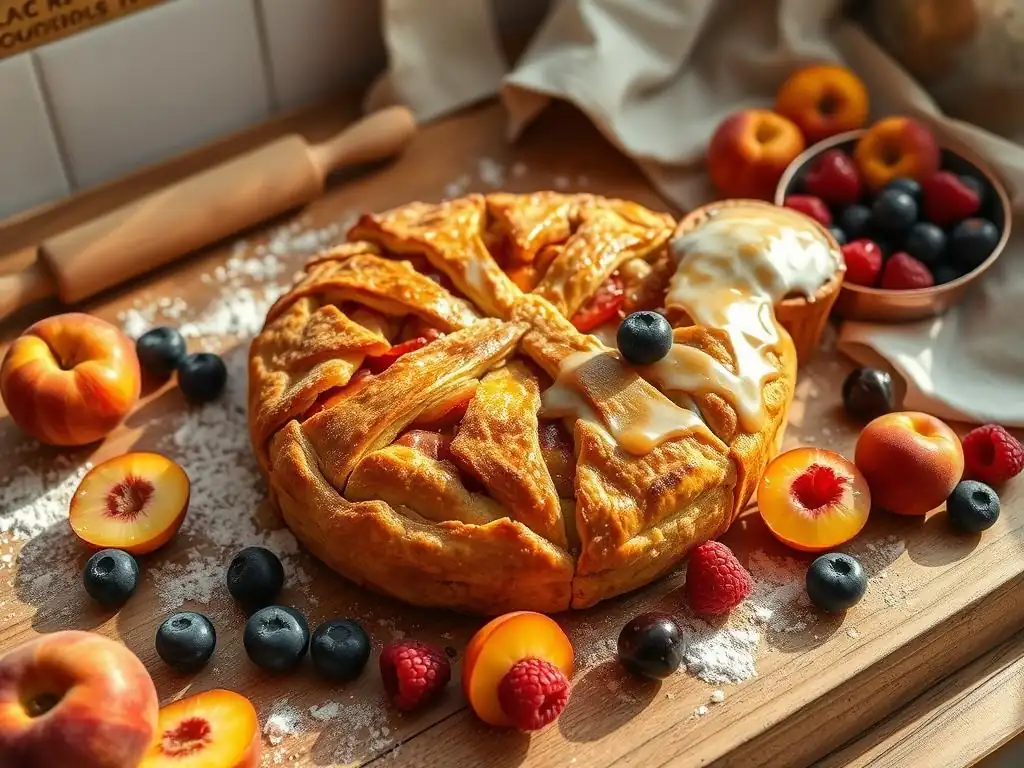
Welcome to BakeWithEase, where the joy of baking meets effortless execution! Ever wonder how to achieve that perfectly balanced sweetness and texture when incorporating juicy fruits into your baked creations? Unlock the secrets to baking juicy fruit recipes with our expert tips and techniques. Get ready to transform your kitchen into a fragrant orchard and master the art of baking with nature's sweetest ingredients – the journey starts now!
- Mastering Fruit Desserts: Techniques for Baking with Berries - BakeItRight
- Introduction to Baking with Berries: A BakeWithEase Guide
- Preparing Berries for Baking: Essential Techniques
- Baking Berry Recipes: Mastering Moisture Control
- Berry Baking Recipes: BakeWithEase Favorites
- Troubleshooting Common Berry Baking Problems
- Tips for Enhancing the Flavor of Baked Berries
- Storing and Serving Your Berry Baked Goods
- Conclusion: Mastering the Art of Baking Deliciously with Berries
-
Frequently Asked Questions
- How do I prevent my fruit from sinking to the bottom of my cake when baking juicy fruit recipes?
- What's the best way to incorporate juicy fruits into a bread recipe without making it soggy?
- Can I use frozen fruits in my juicy fruit baking recipes, and if so, what precautions should I take?
- What's the secret to achieving a golden-brown crust when baking pies with juicy fruit fillings?
- How do I adjust my baking time when using particularly juicy fruits in a recipe?
- Final Reflection: The Sweet Symphony of Juicy Fruit Baking
- Unlock Your Inner Fruit-Baking Genius!
Mastering Fruit Desserts: Techniques for Baking with Berries - BakeItRight
Welcome to BakeWithEase, where we simplify the magic of baking! Today, we're diving into the delightful world of baking with juicy fruits, specifically focusing on those vibrant little powerhouses: berries. While they bring incredible flavor and color to any baked good, working with their natural moisture and tenderness requires a few special techniques. Let's explore how to make your Baking juicy fruit recipes shine.
Introduction to Baking with Berries: A BakeWithEase Guide
Baking with fresh fruit, particularly berries like blueberries, raspberries, strawberries, and blackberries, is a cornerstone of many beloved desserts. From classic pies and crumbles to muffins and tarts, the burst of flavor they provide is unparalleled. However, the high water content and delicate structure of berries can present unique challenges in the oven. Understanding these nuances is the first step to mastering delicious berry bakes.
At BakeWithEase, we believe that with the right approach, anyone can achieve fantastic results when baking with juicy fruits. This guide will walk you through selecting the best berries, preparing them properly, adjusting your recipes, and troubleshooting common issues. Get ready to elevate your berry baking game and create treats that are bursting with flavor and perfect texture.
Why Baking with Berries Presents Unique Challenges
Berries are notoriously high in water content, often ranging from 85% to 90% water depending on the type and ripeness. When heated during baking, this water is released, turning into steam or liquid juice. This excess moisture can lead to soggy crusts in pies and tarts, dense or gummy textures in cakes and muffins, and can cause the overall structure of the baked good to break down.
Furthermore, the natural sugars and acidity in berries can react differently during the baking process compared to drier ingredients. As they cook, the berries soften significantly, and their vibrant color can sometimes bleed into the surrounding batter or dough, affecting the visual appeal. Managing this moisture and maintaining the berries' integrity are key skills for successful Baking juicy fruit recipes.
Celebrating Berry Flavors: Maximizing Freshness in Baking
Despite the challenges, baking with berries allows you to capture and celebrate their bright, fresh flavors. The heat of the oven concentrates their natural sweetness and tartness, creating a more intense fruit profile than you might experience with raw berries. The goal is to achieve this flavor concentration while maintaining a pleasant texture in the surrounding baked item.
To maximize the natural goodness of berries in your baking, it's crucial to start with high-quality fruit. Using berries that are ripe but firm ensures the best flavor and helps them hold up better during baking. Techniques like gentle washing and drying, and sometimes a light coating, help preserve their structure and minimize the release of excess juice prematurely, allowing their flavor to shine through in your final bake.
Preparing Berries for Baking: Essential Techniques
Proper preparation is perhaps the most critical step when undertaking Baking juicy fruit recipes. How you handle the berries before they go into the oven directly impacts the final texture and appearance of your baked goods. Simple steps can make a significant difference in preventing common problems like soggy bottoms or uneven fruit distribution.
Taking the time to prepare your berries correctly ensures that their natural sweetness and acidity enhance your recipe without overwhelming it with excess moisture. These techniques are easy to incorporate into your baking routine and are essential for consistent, delicious results whether you're making a simple crumble or a complex tart.
Selecting Peak-Season Berries for Optimal Flavor
The foundation of any great berry bake is the quality of the fruit itself. Selecting berries that are in season and at their peak ripeness is paramount for achieving the best flavor. For example, blueberries are typically at their prime from June to August, offering the sweetest, most intense flavor during this window. Strawberries often peak in late spring and early summer, while raspberries and blackberries are usually best in mid-to-late summer.
When choosing berries, look for plump, firm fruit with vibrant color. Avoid berries that are bruised, mushy, or have mold. If purchasing from a market, sample one if possible. The flavor should be sweet with a pleasant tartness, indicative of ripeness. Using peak-season berries not only guarantees superior taste but also often means the fruit is less likely to be overly watery compared to out-of-season varieties.
Pre-Baking Berry Preparation: Minimizing Bleeding and Runoff
Once you have your beautiful, ripe berries, proper preparation before mixing them into batter or dough is key to managing their moisture. The goal is to reduce the amount of free-standing juice released during baking, which can lead to soggy spots. This involves a few simple but effective steps that help the berries integrate better into your recipe.
Techniques like gentle washing, thorough drying, and sometimes a light coating help the berries maintain their shape and distribute evenly throughout the bake. These steps are particularly important for recipes where excess moisture is a major concern, such as pies, tarts, or delicate cakes. Mastering these preparatory steps is fundamental to successful Baking juicy fruit recipes.
Gentle Washing and Drying: Preserving Berry Integrity
Washing berries is necessary to remove dirt and pesticides, but it should be done gently and quickly. Submerging delicate berries like raspberries for too long can cause them to absorb excess water and become mushy. A quick rinse under cool running water in a colander is usually sufficient. Avoid washing berries until just before you are ready to use them, as moisture encourages spoilage.
Thoroughly drying the berries after washing is crucial. Excess water clinging to the surface will turn to steam and contribute to sogginess during baking. Spread the washed berries in a single layer on paper towels or a clean kitchen towel and gently pat them dry. For larger quantities, letting them air dry on towels for 10-15 minutes can also be effective. Ensure they are as dry as possible before adding them to your recipe.
Light Coating with Flour: Preventing Sinking and Clumping
A common issue when baking with juicy fruits, especially in batters like muffins or cakes, is the berries sinking to the bottom. Coating the berries lightly with a dry ingredient, typically a tablespoon or two of flour (from the recipe's measured amount) or cornstarch, can help prevent this. The coating creates a buffer that helps the berries suspend more evenly throughout the batter.
To coat, place the dried berries in a bowl and sprinkle the flour or cornstarch over them. Gently toss them with a spoon or your hands until they are lightly dusted. Ensure you don't use too much coating, as this can create dry pockets in your bake. This technique is particularly effective for smaller berries like blueberries or chopped strawberries in muffins, quick breads, or loaf cakes, ensuring beautiful fruit distribution in your Baking juicy fruit recipes.
Quick Freezing: Maintaining Berry Shape and Color
For some recipes, particularly those with longer baking times like pies or tarts, or when using very delicate berries, a brief stint in the freezer can be beneficial. Spreading washed and dried berries on a baking sheet lined with parchment paper and freezing them for 20-30 minutes helps them firm up. This makes them less likely to break down and release excessive juice immediately when they hit the hot oven.
Using partially frozen berries can help maintain their shape and vibrant color throughout the baking process. This is especially useful for recipes where you want the berries to remain distinct rather than becoming a uniform jammy layer. While not necessary for all berry bakes, it's a useful technique to have in your arsenal for certain Baking juicy fruit recipes.
Baking Berry Recipes: Mastering Moisture Control
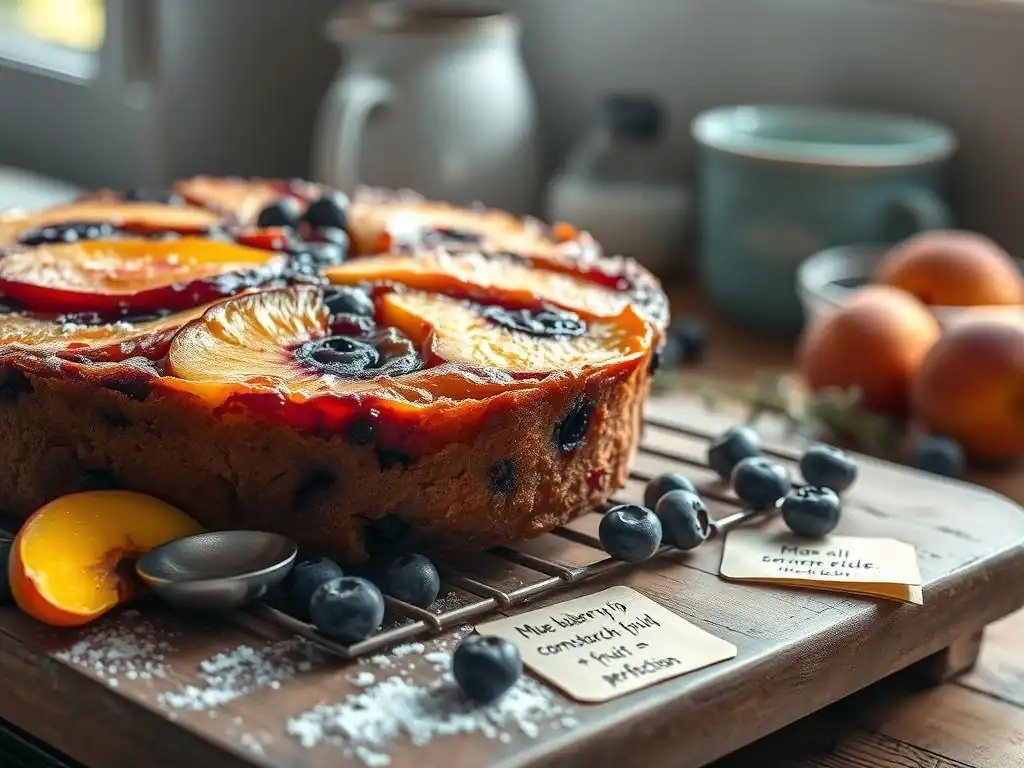
Successfully baking with berries often comes down to managing their inherent moisture. While preparation helps, techniques applied during the baking process itself are equally important. Adjusting recipes, controlling oven temperature, and using barriers can significantly impact the final outcome, ensuring your berry bakes are perfectly cooked without being waterlogged.
Understanding how moisture behaves in the oven when combined with fruit is key. As the berries heat, they release juice, which interacts with the surrounding dough or batter. Learning how to control this interaction ensures you achieve the desired texture, whether it's a flaky pie crust or a tender muffin crumb.
Achieving a Crisp Crust: Preventing Soggy Bottoms in Berry Pies
Soggy pie bottoms are a common frustration when baking fruit pies, especially those filled with juicy fruits like berries. The moisture from the fruit seeps into the bottom crust before it has a chance to set, resulting in an unpleasantly damp layer. Several strategies can help combat this issue and achieve a perfectly crisp base for your berry pies.
One effective method is blind baking or par-baking the bottom crust before adding the filling. This involves partially baking the empty crust until it's set and lightly golden, creating a barrier against the fruit's moisture. Using a pie dish that conducts heat well, like glass or ceramic, and baking the pie on the lowest rack of the oven can also help direct heat to the bottom crust, encouraging it to crisp up.
Adjusting Recipes for Berries: Balancing Sweetness and Acidity
Berries vary in sweetness and acidity depending on the type and ripeness. A recipe designed for apples might need slight adjustments when using blueberries, and further changes for tart raspberries. Generally, recipes for Baking juicy fruit recipes will call for a thickener to absorb excess juice, such as flour, cornstarch, tapioca starch, or pectin. The amount needed will depend on the specific fruit and the desired consistency of the filling.
You may also need to adjust the amount of sugar. Tart berries like raspberries or cranberries might require more sugar than sweet blueberries or strawberries to achieve a balanced flavor. Always taste your berries raw to get a sense of their sweetness level and adjust the sugar accordingly. A touch of lemon juice or zest can also enhance the berry flavor and balance sweetness, even with tart berries.
Baking Times and Temperatures: Optimizing for Berry-Filled Treats
Proper baking time and temperature are crucial for allowing the fruit to cook and release some moisture while ensuring the surrounding dough or batter cooks through without burning. For pies and tarts, often a higher initial temperature (like 400-425°F or 200-220°C) for the first 15-20 minutes helps set the crust quickly, followed by reducing the temperature (to 350-375°F or 175-190°C) to allow the filling to bubble and thicken and the crust to brown evenly.
For muffins, cakes, and quick breads with berries, baking at the temperature specified in the recipe is usually sufficient. However, you might need to add a few extra minutes to the baking time to account for the moisture added by the fruit. Always check for doneness using a skewer or toothpick – it should come out clean or with moist crumbs attached, not wet batter. The berries should be soft and maybe slightly jammy.
Berry Baking Recipes: BakeWithEase Favorites
Ready to put these techniques into practice? Here are a few favorite Baking juicy fruit recipes from BakeWithEase that showcase how to handle berries beautifully. These recipes are designed with simplicity and success in mind, perfect for bakers of all levels.
From the ultimate comfort of a classic blueberry pie to easy-to-make muffins and crumbles, these recipes highlight different ways of working with berries. They incorporate the techniques discussed earlier to ensure delicious results every time.
Blueberry Pie Perfection: A Step-by-Step Guide to Classic Blueberry Pie
A classic blueberry pie is the quintessential summer dessert, but achieving that perfect balance of sweet, bubbly filling and flaky crust requires attention to detail. Our BakeWithEase recipe starts with a reliable double crust pastry. For the filling, we combine fresh blueberries (about 6 cups or roughly 900g) with sugar (around 3/4 cup or 150g, adjusted to berry sweetness), a thickener like tapioca starch (about 3-4 tablespoons) or cornstarch (about 4-5 tablespoons), a pinch of salt, and a squeeze of lemon juice.
We coat the dry blueberries with the sugar and thickener mixture just before filling the par-baked bottom crust. This minimizes the time the berries sit and release juice before baking. The pie is baked at 425°F (220°C) for 15 minutes, then the temperature is reduced to 375°F (190°C) and baked for another 35-45 minutes, or until the crust is golden and the filling is bubbling thickly. Letting the pie cool completely for several hours (at least 3-4) is crucial for the filling to set properly.
Raspberry Crumble Delight: Delicious and Easy Raspberry Crumble Recipe
Raspberry crumble is a wonderfully simple dessert that’s forgiving and highlights the berries' tartness beautifully. This recipe uses about 4-5 cups (around 600-750g) of fresh raspberries, mixed with a little sugar (1/4 to 1/2 cup or 50-100g, depending on tartness) and a tablespoon of cornstarch or flour. This simple mixture is spread into a baking dish.
The topping is a simple crumble made from flour (about 1 cup or 120g), sugar (1/2 cup or 100g), cold butter cut into pieces (1/2 cup or 115g), and sometimes oats or nuts for added texture. The ingredients are combined until crumbly. The crumble is sprinkled evenly over the berries. Baked at 375°F (190°C) for 30-40 minutes, until the topping is golden brown and the berry filling is bubbly. The cornstarch helps absorb the raspberry's abundant juice, creating a luscious, not watery, filling.
Baking Fluffy Blueberry Muffins with Ease: A Moist and Flavorful Treat
Blueberry muffins are a classic for a reason, but getting them fluffy and moist with evenly distributed berries can be tricky. Our BakeWithEase recipe uses a standard muffin batter base (typically flour, sugar, eggs, milk, butter/oil, leavening). The key here is the berry preparation. About 1 to 1.5 cups (150-225g) of fresh blueberries are gently washed, thoroughly dried, and lightly tossed with a tablespoon of flour from the recipe's total.
The dry, coated berries are then gently folded into the batter using minimal strokes to avoid crushing them and developing the gluten too much, which can result in tough muffins. The batter is scooped into muffin liners, filling them about two-thirds full. Baked at 375°F (190°C) for 20-25 minutes, or until a toothpick inserted into a non-berry spot comes out clean. The flour coating helps the blueberries stay suspended, ensuring every bite has fruit.
Troubleshooting Common Berry Baking Problems
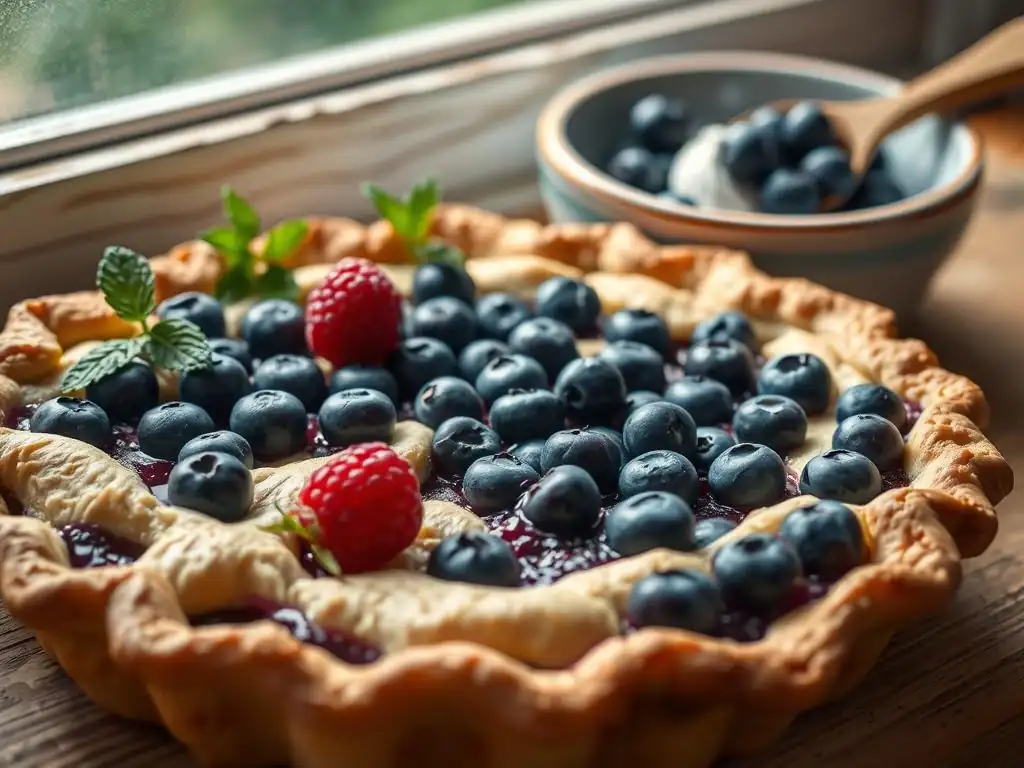
Even with the best preparation, sometimes things don't go exactly as planned when Baking juicy fruit recipes. Knowing how to identify and fix common issues can save your bake and help you learn for next time.
From berries sinking to dealing with excessive juice, these are problems that can arise. Understanding the underlying causes and implementing corrective measures will make you a more confident berry baker.
Preventing Berries from Sinking: Techniques for Even Distribution
As mentioned earlier, berries sinking to the bottom of batters like muffins or cakes is a frequent issue. This happens because the density of the fruit is higher than that of the batter, causing them to settle during mixing and baking. The flour-coating technique is highly effective, creating a barrier that helps the berries adhere to the batter and remain suspended.
Another tip is to ensure your batter is not too thin. A slightly thicker batter provides more structure to hold the berries in place. Also, avoid overmixing the batter once the berries are added; gentle folding is key. For loaf cakes or quick breads, you can also reserve a few coated berries to sprinkle on top of the batter once it's in the pan, ensuring some fruit is visible on the surface.
Dealing with Excess Berry Juice: Absorbing Moisture and Maintaining Texture
Excess juice is the arch-nemesis of many berry bakes, particularly pies and crumbles, leading to soggy textures. The primary method to combat this is using a thickener in your fruit filling. The type and amount of thickener depend on the berry and the desired consistency. For instance, tapioca starch works well for pie fillings as it thickens clearly, while cornstarch is a common choice for crumbles and sauces.
If you find your fruit is exceptionally juicy (perhaps due to overripeness or variety), you may need to slightly increase the amount of thickener called for in the recipe. Some bakers also sprinkle a thin layer of dry breadcrumbs, cookie crumbs, or ground nuts on the bottom crust of a pie before adding the fruit filling; these absorb some moisture before it reaches the pastry.
Achieving Even Baking: Ensuring Perfectly Cooked Berries
Sometimes, berries in a bake can cook unevenly – some might be perfectly soft and jammy, while others remain firmer. This can be due to uneven fruit distribution, variations in berry size, or inconsistent oven temperature. Using similarly sized berries or gently breaking apart larger clumps can help promote more even cooking.
Ensuring your oven temperature is accurate is also important; an oven thermometer can help verify this. For pies and tarts, rotating the dish halfway through the baking time can help ensure the crust and filling cook evenly. If the top of a pie or crumble is browning too quickly but the filling isn't bubbly yet, loosely tenting it with foil can protect the top while the inside finishes cooking.
Tips for Enhancing the Flavor of Baked Berries
While berries are delicious on their own, a few simple additions can elevate their natural flavor profile in baked goods. These complementary ingredients work in harmony with the berries, adding depth and complexity to your Baking juicy fruit recipes.
Think beyond just sugar. Spices, citrus, and glazes can transform a simple berry bake into something truly special, enhancing the fruit's brightness and aroma.
Spice Pairings: Complementing Berry Flavors with Cinnamon and Nutmeg
Certain warm spices pair exceptionally well with berries, adding layers of flavor without overpowering the fruit. Cinnamon is a classic partner for blueberries and apples (often used with berries), adding a comforting warmth. A pinch of nutmeg or allspice can also complement blueberries, blackberries, and even strawberries.
For raspberries or mixed berries, a tiny pinch of cardamom can add an unexpected, aromatic note. These spices are typically added directly to the fruit filling mixture before baking. Start with a small amount, such as 1/4 to 1/2 teaspoon per standard pie filling, and adjust to your preference.
Adding Lemon Zest: Brightening Up Your Berry Bakes
Acidity is a friend to sweetness, and a little citrus can significantly brighten the flavor of baked berries. Lemon zest, in particular, adds a vibrant, aromatic lift without adding excess liquid. The oils in the zest contain potent flavor compounds that enhance the fruit's natural tang and sweetness.
Adding the zest of half to one lemon to a berry pie or crumble filling (for about 4-6 cups of fruit) can make a noticeable difference. For muffins or cakes, a teaspoon of lemon zest mixed into the batter or sprinkled over the berries before folding can add a subtle, fresh note that cuts through the richness and highlights the fruit.
Glazing and Finishing: Adding Shine and Flavor with a Berry Reduction
Finishing your berry bakes with a glaze or reduction can add both visual appeal and an extra layer of flavor. For pies or tarts, brushing the top crust with milk or egg wash and sprinkling with sugar before baking adds shine and a pleasant crunch.
For muffins or cakes, a simple drizzle of lemon glaze (powdered sugar mixed with a little lemon juice) after baking complements the berry flavor beautifully. Alternatively, you can make a quick berry reduction by simmering a handful of berries with a spoonful of sugar and a splash of water until thickened, then drizzling this concentrated sauce over slices of pie, crumble, or individual muffins.
Storing and Serving Your Berry Baked Goods
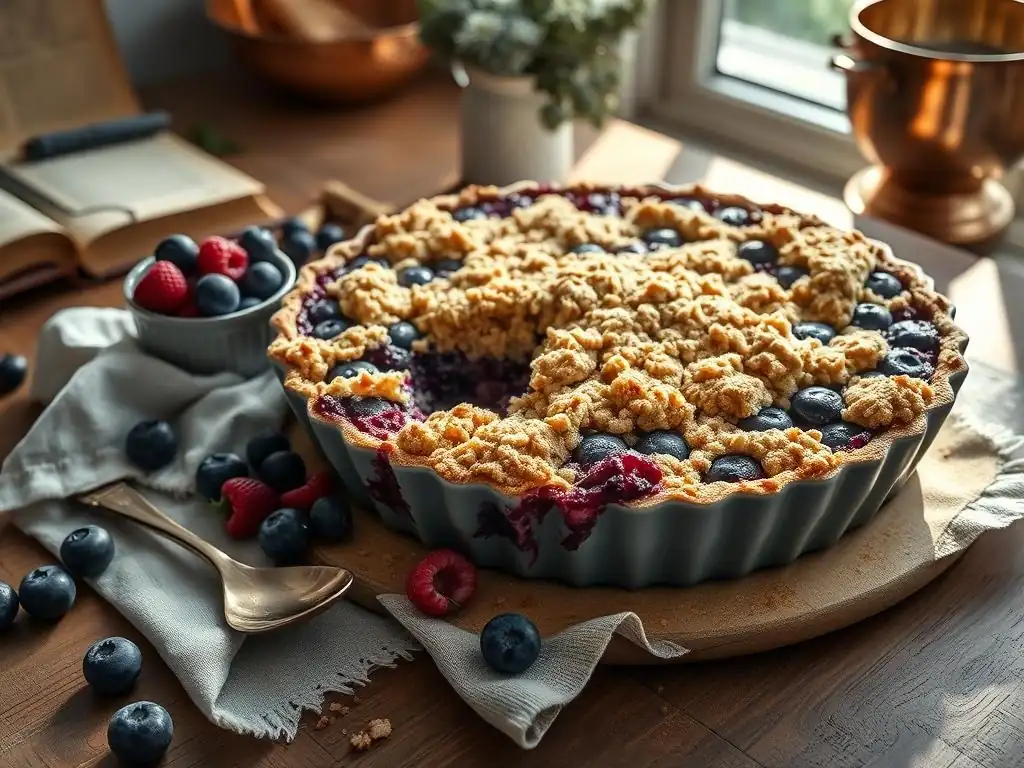
Once your beautiful berry creations are out of the oven and cooled, knowing how to store them properly is key to maintaining their freshness and texture. And of course, serving them in the best way enhances the overall enjoyment!
Proper storage prevents your hard work from going to waste, while thoughtful serving suggestions elevate the dessert experience.
Keeping Your Bakes Fresh: Proper Storage Techniques for Berry Pies and Crumbles
Berry pies and crumbles are best enjoyed the day they are baked, especially if you want to experience that crisp crust. However, leftovers can be stored. Fruit pies can typically be kept at room temperature for 1-2 days, loosely covered with foil or plastic wrap, as the high sugar content acts as a preservative. For longer storage, or in warm/humid environments, refrigerate the pie; it will last 3-4 days. Note that refrigeration may soften the crust slightly.
Berry crumbles can also be stored at room temperature for a day or two, or in the refrigerator for up to 4 days. Ensure they are covered to prevent them from drying out. To reheat pies or crumbles and help crisp up the crust/topping, warm them gently in a preheated oven at 300-325°F (150-160°C) until heated through, rather than using a microwave which can make them soggy.
Serving Suggestions: Pairing Your Treats with Whipped Cream or Ice Cream
Warm berry bakes, like pies, crumbles, or even muffins, are absolutely divine when served with a dollop of something cool and creamy. A scoop of vanilla ice cream is a classic pairing, the cold creaminess providing a wonderful contrast to the warm, bubbly fruit filling.
Freshly whipped cream, lightly sweetened, is another excellent option. Its airy texture and delicate sweetness complement the fruit without being overly heavy. For a slightly tangy contrast, a spoonful of Greek yogurt or crème fraîche can also work beautifully, especially with tarter berries like raspberries. Don't forget that a simple dusting of powdered sugar can also make your Baking juicy fruit recipes look and taste even more appealing.
Conclusion: Mastering the Art of Baking Deliciously with Berries
Baking with juicy fruits, specifically berries, is a rewarding endeavor that brings vibrant flavors and beautiful colors to your kitchen. While their high moisture content can present challenges, by understanding the nature of berries and applying simple techniques, you can consistently achieve delicious results.
From selecting the freshest peak-season fruit to mastering pre-baking preparation, controlling moisture during baking, and enhancing flavors with complementary ingredients, each step contributes to a successful bake. We hope this guide from BakeWithEase empowers you to tackle any Baking juicy fruit recipes with confidence and creativity. Happy Baking!
Frequently Asked Questions
How do I prevent my fruit from sinking to the bottom of my cake when baking juicy fruit recipes?
To prevent sinking, coat the fruit in flour or sugar before adding it to the batter. This creates a barrier and helps the fruit suspend within the mixture.
What's the best way to incorporate juicy fruits into a bread recipe without making it soggy?
Gently drain excess juice from the fruit before adding it to the dough. Consider using dried fruits in addition to fresh, for a balanced texture.
Can I use frozen fruits in my juicy fruit baking recipes, and if so, what precautions should I take?
Yes, you can! But thaw and drain frozen fruits thoroughly to remove excess moisture. Pat them dry before incorporating them into your recipe.
What's the secret to achieving a golden-brown crust when baking pies with juicy fruit fillings?
Ensure your oven is at the correct temperature. Also, brush the crust with an egg wash or milk before baking to promote browning and shine.
How do I adjust my baking time when using particularly juicy fruits in a recipe?
Juicier fruits often require slightly longer baking times. Test for doneness with a toothpick; it should come out clean or with a few moist crumbs.
Final Reflection: The Sweet Symphony of Juicy Fruit Baking
The art of baking with juicy fruits isn't just about following a recipe; it's about unlocking the vibrant potential within nature's bounty. From the burst of summer berries to the comforting warmth of autumn apples, the right techniques can transform simple ingredients into extraordinary culinary experiences. This is more relevant than ever in a world increasingly focused on fresh, seasonal produce and mindful cooking.
The journey of exploring juicy fruit baking has been a deeply rewarding one, highlighting the delicate balance between technique and intuition. It's a process that connects us to the earth, to the seasons, and to the simple pleasure of creating something delicious. The subtle nuances of each fruit – its acidity, its sweetness, its texture – demand a careful approach, a respect for the ingredients themselves. The best things in life are simple, but not easy.
This quote perfectly encapsulates the essence of baking with juicy fruits; while the recipes themselves may be straightforward, mastering the techniques requires practice, patience, and a willingness to experiment.
Now, it's your turn. Don't be afraid to experiment with different fruits, to tweak recipes to your liking, and to discover your own unique style. Embrace the occasional mishap – they are often the best teachers. The joy of baking lies not only in the final product, but in the process itself, the connection to the ingredients, and the satisfaction of sharing your creations with others. So, gather your fruits, preheat your oven, and let the sweet symphony of juicy fruit baking begin!
Unlock Your Inner Fruit-Baking Genius!
Thanks for joining us on this fruity baking adventure! We hope you've gained some delicious inspiration and newfound confidence in incorporating juicy fruits into your baking. Ready to take your skills to the next level?
- Whip up your favorite recipe with a fruity twist: Grab that recipe you've been meaning to try and add a burst of fresh, juicy fruit. Think about adding berries to your muffins or peaches to your cobblers!
- Share your fruity creations: Show off your baking masterpieces on social media using #BakeWithEaseFruity. We'd love to see your amazing results!
- Experiment with a new fruit combination: Step outside your comfort zone! Try a unique pairing of fruits you haven't used together before—the results might surprise you!
What's the juiciest fruit you're excited to bake with next? Let us know in the comments below!