
Elevating Your Baking: When to Choose Vanilla Bean Over Extract for Impact

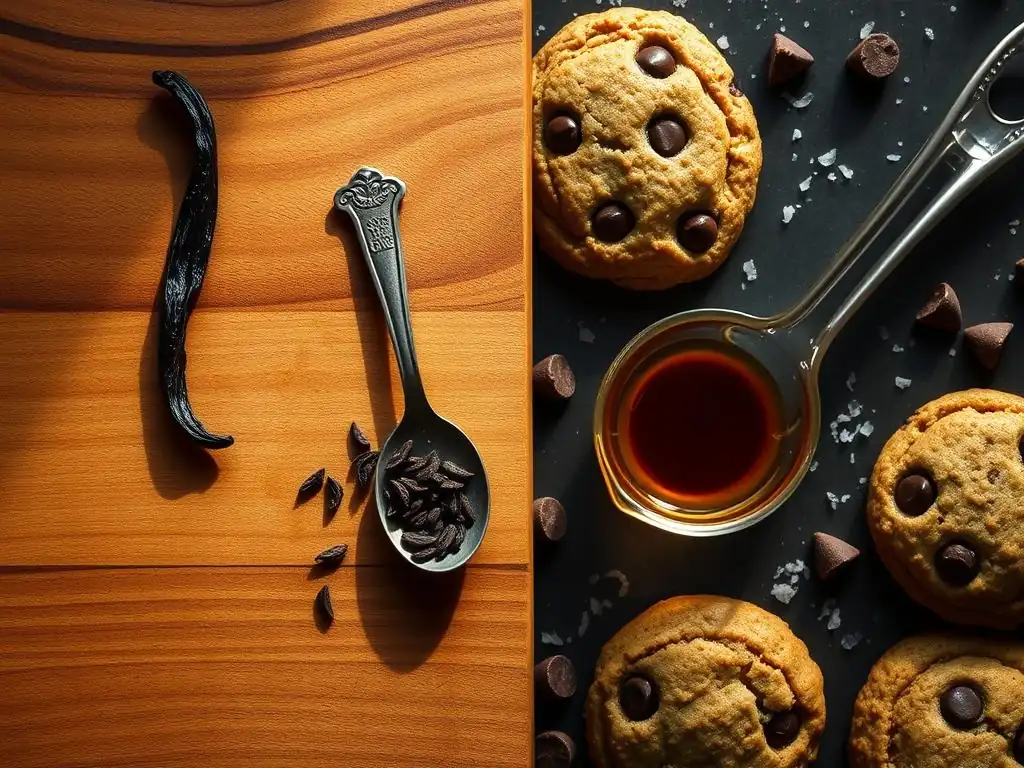
Welcome to BakeWithEase, your trusted companion in the delightful world of baking! Ever wondered if that bottle of vanilla extract is really cutting it? This week, we're diving deep into the aromatic heart of baking with an ingredient showdown: vanilla bean vs extract. Discover when the intense flavor of a vanilla bean will truly elevate your creations, and when a simple extract will do the trick. Get ready to unlock the secrets to maximizing vanilla's potential in your recipes – the answer might surprise you!
- Vanilla Bean vs Extract: A Baker's Guide to Flavor
- Understanding Vanilla: The Building Blocks of Baking Flavor
- Flavor Profile Showdown: Vanilla Bean vs Extract
- When to Splurge: The Best Baking Scenarios for Vanilla Bean
- When to Save: The Right Time to Use Vanilla Extract
- Vanilla Bean Preparation: Maximizing Flavor Extraction
- Vanilla Extract Selection: Choosing Quality Options
- Cost Comparison: Vanilla Bean vs Extract
- Storing Vanilla: Maintaining Flavor Integrity
- Vanilla Bean and Extract Alternatives: Exploring Other Vanilla Options
- Mastering Vanilla: Tips and Tricks for Baking Success
-
Frequently Asked Questions
- What is the main difference between using vanilla bean and vanilla extract in baking?
- When is it best to use a vanilla bean instead of vanilla extract?
- Are vanilla beans more expensive than vanilla extract?
- Can I substitute vanilla extract for vanilla bean, and if so, what's the ratio?
- Does the type of baking recipe influence whether I should choose vanilla bean or extract?
- Final Reflection: The Unexpected Depth of Vanilla
- Unleash Your Inner Pastry Chef: Vanilla Bean Mastery Awaits!
Vanilla Bean vs Extract: A Baker's Guide to Flavor
Choosing the right vanilla product might seem like a small decision, but it can profoundly impact the final flavor profile of your baked goods. While both vanilla bean and vanilla extract come from the same source – the cured pods of the vanilla orchid – they offer distinct characteristics in terms of flavor intensity, aroma, appearance, and cost.
Understanding these differences is key to elevating your baking from good to truly exceptional. It's not just about adding a sweet note; it's about selecting the form of vanilla that best complements the other ingredients and the desired outcome of your recipe.
This guide will delve deep into the world of vanilla bean vs extract, exploring their origins, how they are processed, and the unique qualities they bring to the table. We'll look at specific baking scenarios where one might be preferred over the other, considering factors like heat, competing flavors, and budget. By the end, you'll have a clearer picture of when to reach for the luxurious specks of a vanilla bean and when the reliable consistency of vanilla extract is the perfect choice, helping you make informed decisions for truly impactful baking.
Understanding Vanilla: The Building Blocks of Baking Flavor
What is Vanilla Extract? Processing and Production
Vanilla extract is typically made by macerating cured vanilla beans in a solution of alcohol and water. The alcohol acts as a solvent, pulling out the complex flavor compounds from the beans. According to U.S. Food and Drug Administration (FDA) standards, pure vanilla extract must contain at least 13.35 ounces of vanilla beans per gallon of alcohol/water solution and must be at least 35% alcohol by volume. This concentration is often referred to as "single-fold" extract. Some specialty extracts, known as "double-fold" or higher, use a greater proportion of beans, resulting in a more concentrated flavor.
The production process involves steeping chopped or ground vanilla beans in the alcohol mixture for several months, sometimes with agitation or heat to speed up extraction. The liquid is then filtered to remove the bean solids, resulting in the familiar dark brown liquid.
While pure vanilla extract contains natural compounds from the bean, the extraction process can sometimes emphasize certain notes over others, resulting in a more singular, though still rich, vanilla flavor compared to using the whole bean. Imitation vanilla extract, on the other hand, is made from synthetic vanillin (the primary flavor compound in vanilla) derived from sources like wood pulp or petroleum, lacking the hundreds of other aromatic compounds found in real vanilla beans.
What is a Vanilla Bean? Origins and Varietals
A vanilla bean is the fruit of the Vanilla planifolia orchid, native to Mexico. However, today the majority of vanilla beans come from Madagascar and other islands in the Indian Ocean, particularly Réunion (historically known as Bourbon) and Comoros. These are often referred to as Bourbon vanilla beans. Other significant origins include Tahiti ( Vanilla tahitensis) and Mexico ( Vanilla planifolia).
The cultivation and curing process for vanilla beans is incredibly labor-intensive. Vanilla orchids must be hand-pollinated within hours of blooming, and the beans take months to mature on the vine. After harvesting, they undergo a lengthy curing process involving sun-drying and sweating, which develops their characteristic aroma and flavor over several weeks or months.
Different origins and varietals of vanilla beans offer distinct flavor profiles. Madagascar Bourbon vanilla, the most common type, is known for its classic, creamy, sweet, and smooth flavor with notes often described as familiar and comforting. Tahitian vanilla beans are typically shorter, plumper, and have a more floral, cherry-like, or anise aroma due to different dominant flavor compounds alongside vanillin.
Mexican vanilla beans are often described as smoky, spicy, and woody. Using a whole vanilla bean allows you to capture the full spectrum of these delicate and volatile aromatic compounds, providing a richer, more complex, and nuanced vanilla flavor than is typically found in extract.
Flavor Profile Showdown: Vanilla Bean vs Extract
The Nuances of Vanilla Bean Flavor: Beyond Vanilla
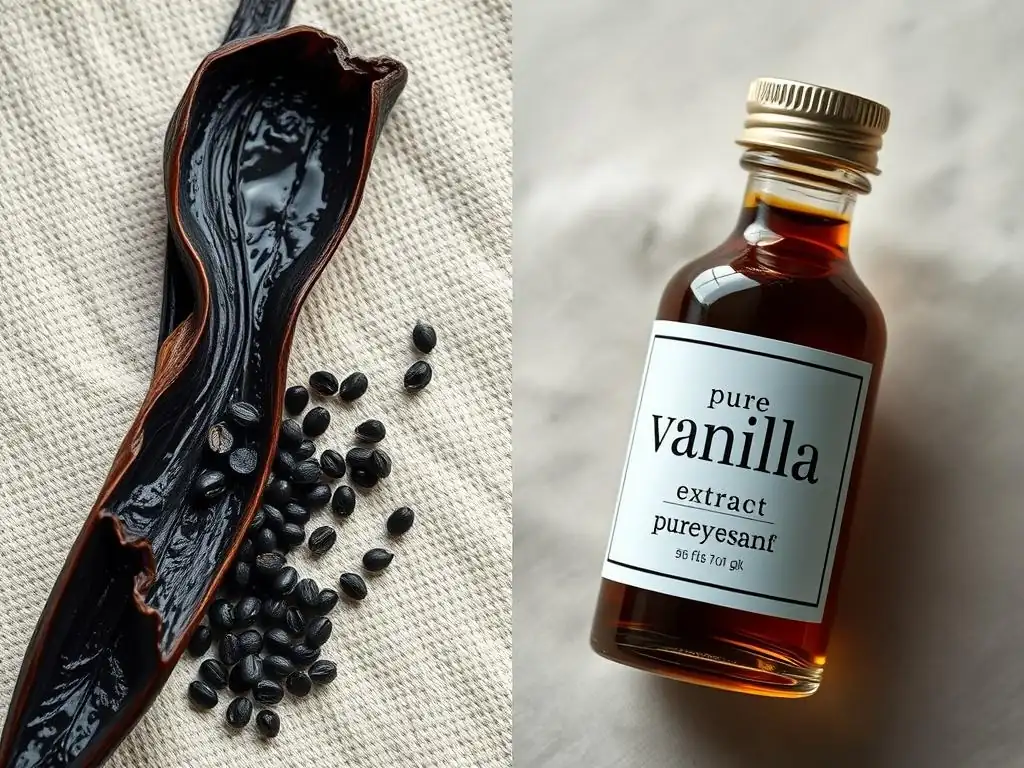
Using a whole vanilla bean introduces a depth of flavor that goes far beyond the simple sweetness often associated with vanilla. While vanillin is the most abundant flavor compound, accounting for roughly 1-2% of the bean's weight in a high-quality bean, there are hundreds of other trace aromatic compounds like phenols, aldehydes, and esters. These compounds contribute subtle notes that vary depending on the bean's origin and curing process. For instance, Madagascar beans might offer creamy, buttery notes, while Tahitian beans could present hints of cherry or floral aromas.
When you use a vanilla bean, especially in applications where it's not subjected to intense heat, you allow these complex layers of flavor to shine. The tiny black specks visible in the finished product also serve as a visual cue of quality and richness. This multi-dimensional flavor profile makes vanilla bean ideal for dishes where vanilla is the star ingredient and its subtle complexities can be appreciated, creating a truly luxurious and aromatic experience that a simpler vanilla extract might not achieve.
The Simplicity of Vanilla Extract Flavor: A Consistent Choice
Vanilla extract provides a reliable and consistent vanilla flavor that is essential for many baking recipes. Because it's a liquid solution where the flavor compounds have been extracted and standardized, you get a predictable result every time you use it. While pure vanilla extract captures the essence of the bean, the extraction process often concentrates the primary vanillin compound, leading to a more straightforward, less nuanced flavor profile compared to the whole bean. This concentrated, consistent flavor is incredibly versatile and performs well in a wide range of applications.
The consistency of vanilla extract makes it a go-to ingredient for everyday baking. You can trust that 1 teaspoon of extract will deliver a predictable level of vanilla flavor, making recipe development and execution simpler.
While it may lack the subtle complexities of a whole vanilla bean, its robustness ensures that the vanilla flavor comes through, even when competing with other strong ingredients like chocolate or spices. For recipes where vanilla is part of a chorus of flavors rather than the lead singer, vanilla extract provides the necessary base note without the expense or effort of using a whole bean.
When to Splurge: The Best Baking Scenarios for Vanilla Bean
Vanilla Bean in Custards and Creams: Showcasing Pure Flavor
Custards, panna cotta, crème brûlée, and pastry creams are prime candidates for using a whole vanilla bean. These recipes typically involve gentle heating, often just simmering milk or cream, which is ideal for infusing the delicate flavors from the vanilla bean without destroying them. When you split a vanilla bean and scrape its seeds into warm liquid, the oils containing the aromatic compounds are slowly released, creating a deep, rich flavor. The scraped pod can also be steeped to extract even more flavor.
Furthermore, the visual appeal of the tiny black vanilla bean specks dispersed throughout a smooth, pale custard or cream is a hallmark of high-quality, artisanal desserts. It signals to anyone enjoying the dish that real vanilla bean was used, adding to the perception of luxury and care. A classic crème brûlée, for example, benefits immensely from the pure, complex flavor and the beautiful visual flecks provided by a fresh vanilla bean, making the splurge well worth it for this signature dessert.
Vanilla Bean in Ice Cream and Frozen Desserts: A Luxurious Touch
Vanilla bean is arguably the gold standard for homemade ice cream and other frozen desserts like gelato or sorbet. The cold temperature of frozen desserts can actually mute flavors, meaning you need a potent and complex source of vanilla to make a real impact. The rich, full-bodied flavor from a whole vanilla bean stands up beautifully to the cold and the richness of cream and sugar. The slow churning process in ice cream also helps to disperse the vanilla flavor evenly.
Just like in custards, the visible specks of vanilla bean in ice cream are highly desirable, instantly communicating quality and authenticity. Think of classic "Vanilla Bean Ice Cream" – it's the specks that make it instantly recognizable and often preferred over plain vanilla made with extract. Using a whole vanilla bean ensures a vibrant, pure vanilla flavor that is front and center, creating a truly luxurious and unforgettable frozen treat that highlights the ingredient itself.
Vanilla Bean in Simple Cakes: Elevating Basic Recipes
For simple cakes where vanilla is one of the primary flavors and not competing with strong additions like cocoa powder or citrus zest, a vanilla bean can transform an ordinary recipe into something extraordinary. Consider a classic pound cake, a simple sponge cake, or a light butter cake. In these recipes, the subtle nuances of a vanilla bean have room to shine. While the heat of baking is higher than in custards, using a high-quality, moist bean can still impart a noticeable difference in aroma and depth of flavor compared to extract alone.
Adding the scraped seeds of half or even a whole vanilla bean to the batter of a simple vanilla cake enhances both the aroma during baking and the flavor of the finished product. It adds a layer of sophistication that is often palpable, providing a richer, more authentic vanilla taste. For bakers looking to elevate a basic cake recipe without adding complex ingredients, incorporating a vanilla bean is a simple yet highly effective way to achieve a more gourmet result, justifying the higher cost for special occasions.
When to Save: The Right Time to Use Vanilla Extract
When baking cookies, brownies, or other treats that are exposed to relatively high temperatures and longer baking times, vanilla extract is often the most practical and economical choice. The intense heat of an oven, typically between 325°F and 400°F (160°C and 200°C), can cause many of the delicate, volatile flavor compounds found in a whole vanilla bean to evaporate or degrade. While some flavor will remain, the subtle complexities that make vanilla bean special are significantly diminished.
In contrast, vanilla extract, with its more concentrated and robust flavor profile (primarily vanillin), tends to hold up better under these conditions. Additionally, in recipes like chocolate chip cookies or fudgy brownies, vanilla often plays a supporting role, enhancing the flavor of the main ingredients like chocolate, butter, and sugar, rather than being the dominant flavor itself.
Using a costly vanilla bean in these applications might not provide a noticeable enough improvement to justify the expense, making vanilla extract a perfectly suitable and budget-friendly option for everyday baking. A 2 oz bottle of pure vanilla extract might cost around $8-15, while a single high-quality vanilla bean could cost $5-10 or more.
Vanilla Extract in Recipes with Strong Flavors: Enhancing Chocolate or Coffee
Many baking recipes feature strong, dominant flavors that can easily overpower the subtle nuances of a vanilla bean. Think of intensely chocolatey cakes, rich coffee-flavored desserts, spiced gingerbread, or recipes heavily featuring citrus zest or strong liqueurs. In these cases, even a whole vanilla bean's complex profile might be lost amidst the other powerful tastes. Vanilla extract, with its more direct and often more potent vanilla punch, is often more effective at providing the necessary vanilla base note or enhancement without getting completely drowned out.
Vanilla extract works synergistically with many strong flavors, adding depth and rounding out the overall profile without asserting itself as the primary flavor. For example, a teaspoon of vanilla extract in a chocolate cake recipe doesn't make it taste "vanilla-chocolate" but rather enhances the chocolate's richness and complexity. Using a whole vanilla bean in such a recipe would likely be an unnecessary expense, as its delicate notes would be overshadowed. Vanilla extract provides the necessary vanilla contribution efficiently and effectively in these flavor-forward applications.
Vanilla Extract for Everyday Baking: Convenience and Consistency
For routine baking tasks and recipes where time, budget, or consistency are primary concerns, vanilla extract is the clear winner. It's readily available in most grocery stores, requires no preparation beyond measuring, and delivers a predictable level of flavor every time. Unlike vanilla beans, which can vary in moisture content and potency, a good quality pure vanilla extract offers reliability that is invaluable for busy bakers or when following recipes precisely.
Whether you're making a batch of muffins for breakfast, a quick loaf cake, or simply adding a splash of vanilla to pancake batter, vanilla extract is the convenient and economical choice. Its liquid form blends easily into batters and doughs, and a little goes a long way. For the vast majority of home baking, pure vanilla extract provides excellent flavor and is a staple ingredient that offers great value and ease of use compared to the more labor-intensive and expensive vanilla bean.
Vanilla Bean Preparation: Maximizing Flavor Extraction
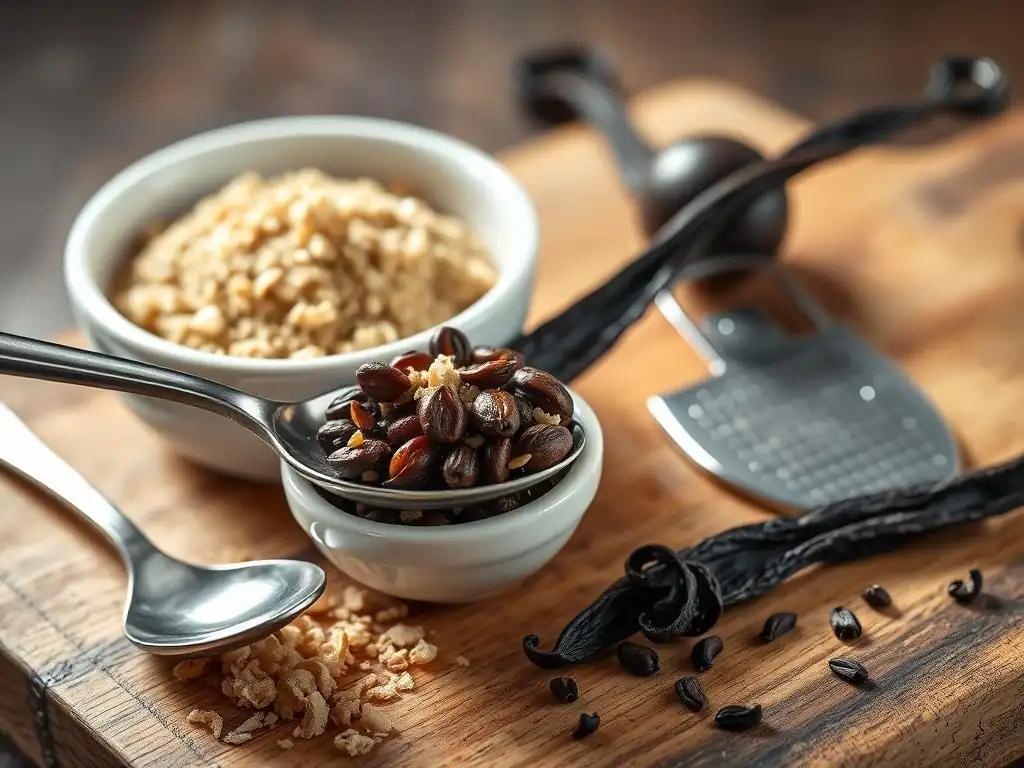
How to Scrape a Vanilla Bean: A Step-by-Step Guide
Properly preparing a vanilla bean is crucial to unlocking its maximum flavor potential.
- Start with a plump, moist vanilla bean. Avoid beans that appear dry or brittle.
- Place the bean on a clean cutting surface.
- Using a sharp paring knife, make a lengthwise slit down the entire length of the bean, being careful not to cut all the way through to the other side. You want to open it up like a book.
- Open the bean gently. You'll see the tiny, oily seeds (often called "vanilla caviar") inside.
- Turn the knife blade so it is perpendicular to the cutting surface, holding the tip down near one end of the bean.
- Using gentle pressure, scrape the flat side of the blade down the length of the bean, gathering the seeds and the oily pulp onto the blade.
- Transfer the scraped seeds and pulp to your recipe. Don't discard the scraped pod! It still contains flavor.
This simple technique ensures you collect all the precious seeds and their surrounding oils, which hold the bulk of the bean's most potent flavor compounds.
After scraping the seeds, the remaining pod can still be used to infuse flavor. You can add it to liquids like milk or cream that are being heated for custards or sauces, steeping it like a tea bag. You can also bury it in a jar of sugar to create fragrant vanilla sugar over time. These methods help ensure that none of the valuable vanilla flavor is wasted.
Making Vanilla Bean Paste: A Homemade Alternative
Vanilla bean paste is a popular alternative to using whole vanilla beans or extract, offering both the intense flavor of the bean and the visual appeal of the specks. While commercially available, you can also make your own. A basic recipe involves combining scraped vanilla bean seeds and pods with a thick liquid base, often a simple syrup or corn syrup, and sometimes a bit of vanilla extract for added punch. The scraped pods are typically finely chopped or pureed with the seeds before being combined with the syrup.
The benefit of homemade vanilla bean paste is that you control the quality of the beans used and can adjust the sweetness or consistency. For instance, a paste made with primarily vanilla bean seeds and minimal syrup will be very intense.
A common ratio might be seeds from 5-10 vanilla beans combined with 1/4 to 1/2 cup of simple syrup (equal parts sugar and water heated until dissolved). This paste can then be stored in an airtight container in the refrigerator for several months and used as a direct substitute for vanilla extract (often 1:1 or slightly more, depending on concentration) or whole vanilla beans (e.g., 1 teaspoon paste per half or whole bean).
Infusing Sugar and Liquids with Vanilla Bean: Flavorful Techniques
Beyond scraping the seeds directly into a recipe, vanilla beans are excellent for infusing flavor into other ingredients, creating building blocks for more complex vanilla-flavored dishes. One common technique is making vanilla sugar. Simply place scraped vanilla pods (or even whole beans) into a jar of granulated or powdered sugar. Seal the jar and shake it occasionally. Over a week or two, the sugar will absorb the vanilla aroma and flavor from the beans, creating a fragrant sugar perfect for dusting baked goods, sweetening coffee, or using in recipes where you want a subtle vanilla note.
Infusing liquids is another powerful method. As mentioned earlier, adding scraped pods to milk or cream while heating it for custards, ice cream bases, or sauces is a classic technique. The gentle heat helps extract residual flavor compounds from the pod. Similarly, you can infuse spirits like vodka or bourbon with vanilla beans to create homemade vanilla extract (though this takes many months). You can also infuse simple syrups, honey, or even oils for savory applications. These infusion methods allow you to extract flavor from the entire vanilla bean, maximizing its value and versatility in your kitchen.
Vanilla Extract Selection: Choosing Quality Options
Understanding Vanilla Extract Grades: Pure vs. Imitation
When choosing vanilla extract, the primary distinction is between "pure" vanilla extract and "imitation" vanilla extract. Pure vanilla extract is made solely from vanilla beans extracted in alcohol and water, adhering to specific government standards regarding bean concentration (e.g., FDA's standard of 13.35 ounces of beans per gallon). This ensures that the extract contains the full spectrum of natural flavor compounds found in the vanilla bean, providing a complex and authentic flavor. Look for labels that explicitly state "Pure Vanilla Extract."
Imitation vanilla extract, on the other hand, is typically made using synthetic vanillin, often produced from petrochemicals or lignin (a component of wood). While vanillin is the primary flavor compound in real vanilla, imitation extract lacks the hundreds of other trace aromatic compounds that contribute to vanilla's depth and complexity. As a result, imitation vanilla extract has a much simpler, often harsher or more one-dimensional flavor profile.
It is significantly cheaper to produce, which is reflected in its price. While it can be used in baking, especially in recipes where vanilla is not a prominent flavor or where cost is the main concern, it will not provide the same rich, nuanced taste as pure vanilla extract.
Choosing a Vanilla Extract Brand: Considerations and Recommendations
Selecting a quality pure vanilla extract can make a noticeable difference in your baking. Beyond ensuring it's labeled "pure," consider the type of vanilla beans used and the extraction process. Some brands specify the origin of their beans, such as "Madagascar Bourbon Vanilla Extract" or "Tahitian Vanilla Extract." As with whole beans, the origin influences the flavor profile of the extract – Madagascar extracts are typically classic and creamy, while Tahitian extracts might be more floral. Experimenting with different origin extracts can add unique nuances to your baking.
Some premium extracts are labeled "single-origin" or "artisanal," often indicating a focus on high-quality beans and careful extraction. The strength of the extract also matters; "single-fold" is the standard, while "double-fold" extracts are twice as concentrated and offer a more intense flavor, requiring less volume in recipes. While brand recommendations can be subjective, looking for reputable brands known for quality ingredients and transparent labeling is a good starting point.
Checking reviews or tasting notes (if available) can also help guide your selection. Investing in a good pure vanilla extract, even a standard single-fold from a quality brand, is a worthwhile step for enhancing the flavor of your baked goods compared to using imitation vanilla.
Cost Comparison: Vanilla Bean vs Extract
The Price of Vanilla Beans: Factors Influencing Cost
Vanilla beans are one of the most expensive spices in the world, second only to saffron. Their high cost is primarily due to the labor-intensive process of cultivation and curing, which takes several months and requires hand-pollination. Furthermore, the vanilla market is highly susceptible to fluctuations caused by weather events (like cyclones in Madagascar, which produces over 80% of the world's vanilla) and market speculation.
These factors can lead to dramatic price swings. In recent years, prices have reached unprecedented highs, sometimes exceeding $600 per kilogram (over $270 per pound) for wholesale beans, translating to retail prices of $5-$15 or more per bean.
The origin and quality of the bean also influence the price. Madagascar Bourbon vanilla beans are typically the most widely available and set the market price. Tahitian and Mexican beans, often produced in smaller quantities, can sometimes command even higher prices depending on availability and demand among chefs and bakers seeking their unique flavor profiles.
The grade of the bean (based on moisture content, length, and appearance) also affects cost, with moist, plump, grade A beans being the most expensive. This significant cost means that using a whole vanilla bean is often reserved for special recipes where its unique qualities will truly make a difference.
The Affordability of Vanilla Extract: Budget-Conscious Baking
Compared to the fluctuating and often high cost of vanilla beans, pure vanilla extract offers a much more stable and accessible price point, making it the standard for most home baking. While the price of pure vanilla extract can vary based on quality, brand, and bean origin used, a standard 2-ounce bottle typically ranges from $5 to $15. Considering that a recipe might call for just 1 or 2 teaspoons (about 1/6 to 1/3 of an ounce), a single bottle can last for many baking sessions.
Even premium or double-fold vanilla extracts, while more expensive than standard pure extract, are still significantly more affordable on a per-use basis than a whole vanilla bean. For example, a 4-ounce bottle of double-fold extract might cost $20-30 but is equivalent in strength to 8 ounces of standard extract, offering excellent value.
The consistency in pricing and the relatively low cost per recipe make vanilla extract a budget-friendly option that still delivers good vanilla flavor, allowing bakers to incorporate vanilla into a wide variety of recipes without significant expense. This affordability is a major reason why vanilla extract is a pantry staple for bakers worldwide.
Storing Vanilla: Maintaining Flavor Integrity
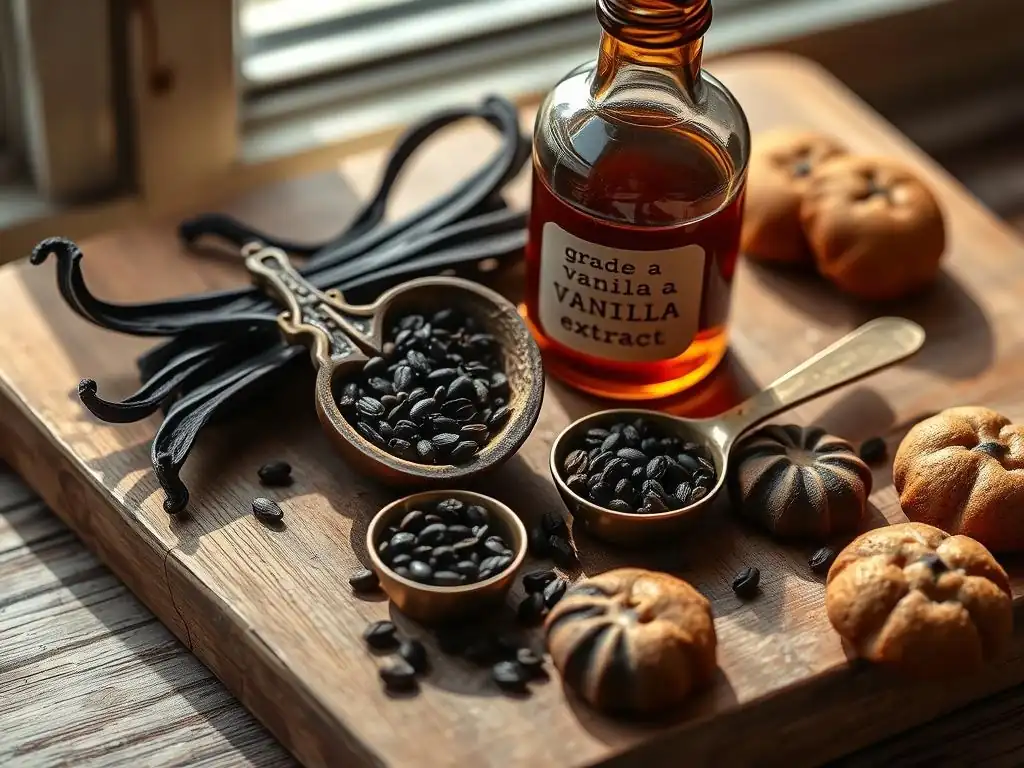
Storing Vanilla Beans: Preventing Drying and Mold
Proper storage is essential to maintain the moisture, pliability, and flavor of vanilla beans. The primary goal is to keep them from drying out, which causes them to lose flavor and become brittle, while also preventing mold growth, which occurs in overly humid conditions. The best way to store vanilla beans is in an airtight container, such as a glass tube or a small glass jar with a tight-fitting lid. Vacuum-sealing is also an excellent option if you have the equipment.
Store the container in a cool, dark place, away from direct sunlight or heat sources, which can degrade the flavor compounds. A pantry or cupboard is ideal. Avoid refrigerating vanilla beans, as this can actually dry them out and potentially lead to mold due to condensation.
If stored correctly, high-quality vanilla beans can remain fresh and flavorful for several months, sometimes up to a year. If they start to dry out, you can sometimes rehydrate them slightly by briefly steaming them or placing them in a sealed container with a damp paper towel for a day, but this is not a substitute for proper long-term storage.
Storing Vanilla Extract: Maintaining Potency
Vanilla extract, being an alcohol-based solution, is much more stable than vanilla beans but still requires proper storage to maintain its potency and flavor over time. The main enemies of vanilla extract are light, heat, and air exposure. Pure vanilla extract should be stored in a cool, dark place, like a pantry or cupboard, away from the stove or windows.
Most high-quality vanilla extracts are sold in dark glass bottles, which helps protect them from light degradation. Always ensure the cap is tightly sealed after each use to prevent evaporation of the alcohol (which can concentrate the flavor but also change its balance) and oxidation of the flavor compounds.
Stored correctly, pure vanilla extract has a very long shelf life, often retaining its quality for several years, though its peak flavor might diminish slightly over time. While it doesn't necessarily "spoil" in the sense of becoming unsafe, improper storage can lead to a loss of some of the more volatile aromatic notes, resulting in a less vibrant flavor.
Vanilla Bean and Extract Alternatives: Exploring Other Vanilla Options
Vanilla Powder: A Versatile Option
Vanilla powder is made from whole, dried vanilla beans that have been finely ground. It is a potent source of vanilla flavor and offers several advantages over extract, particularly in certain applications. Since it contains no alcohol or water, it is ideal for dry mixes, rubs, or as a finishing touch where you don't want to add liquid. Because it's a powder, it also distributes evenly in dry ingredients and can withstand higher temperatures in baking without losing as much flavor as extract might.
Vanilla powder retains the full spectrum of flavor compounds found in the whole bean, offering a rich, complex taste. It is particularly good in recipes sensitive to added liquid, like macarons, or when dusting finished baked goods. It also provides the visual cue of vanilla bean specks, similar to using scraped seeds. However, vanilla powder can be even more expensive than whole beans on a per-ounce basis due to the drying and grinding process. It's a specialized product but a valuable alternative for specific baking needs.
Vanilla Sugar: Adding Sweetness and Vanilla Flavor
Vanilla sugar is granulated sugar that has been infused with the aroma and flavor of vanilla beans or pods. As mentioned earlier, it's easy to make at home by burying scraped vanilla pods or pieces of whole beans in a container of sugar. Over time, the sugar absorbs the volatile oils and fragrance from the vanilla. Commercially produced vanilla sugar is also available, often made by grinding vanilla beans directly into the sugar, resulting in a more intense flavor and the presence of vanilla specks.
Vanilla sugar is a gentle way to add both sweetness and a subtle vanilla note to recipes. It's excellent for sprinkling on top of cookies, cakes, or pastries before baking, adding to coffee or tea, or using in recipes where you want a delicate vanilla background flavor. While it doesn't provide the intense punch of extract or the full depth of a whole bean, it's a delightful way to incorporate vanilla into everyday cooking and baking, utilizing parts of the vanilla bean (the pod) that might otherwise be discarded.
Mastering Vanilla: Tips and Tricks for Baking Success
Adjusting Vanilla Based on Recipe Acidity
The pH level of a recipe can actually influence how vanilla flavor is perceived. In acidic environments, such as those found in recipes containing lemon juice, vinegar, or buttermilk, certain vanilla flavor compounds can become more pronounced or alter slightly. Vanillin, the primary compound, is relatively stable, but some of the more delicate floral or fruity notes might be affected. For instance, the cherry-like notes of a Tahitian vanilla might be enhanced or altered in an acidic batter.
When working with highly acidic recipes, you might find that you need to slightly increase the amount of vanilla extract or use a more robust vanilla bean varietal (like Madagascar) to ensure the vanilla flavor comes through clearly. Alternatively, embracing the interaction between the acidity and the vanilla can lead to interesting flavor combinations. It's worth experimenting to see how your favorite vanilla products perform in different recipe environments and adjusting quantities based on your desired outcome and the recipe's pH.
Experimenting with Different Vanilla Bean Varietals
As discussed, vanilla beans from different regions possess unique flavor profiles due to variations in species ( Vanilla planifolia, Vanilla tahitensis) and curing methods. While Madagascar Bourbon vanilla is the standard for its classic, sweet, creamy notes, exploring other varietals can open up new dimensions in your baking. Mexican vanilla often has smoky, spicy undertones that pair wonderfully with chocolate or chiles. Tahitian vanilla offers distinct floral, cherry, or even licorice notes that can be stunning in fruit-based desserts, custards, or delicate pastries.
Trying a Tahitian vanilla bean in a panna cotta or infusing a Mexican vanilla bean into a chocolate ganache can provide a distinctly different and exciting flavor experience compared to using the standard Bourbon vanilla. While these varietals can be more expensive and sometimes harder to find, experimenting with them allows you to tailor the vanilla flavor precisely to the other ingredients in your recipe, truly elevating your baking and showcasing the incredible diversity within the world of vanilla.
Frequently Asked Questions
What is the main difference between using vanilla bean and vanilla extract in baking?
Vanilla bean offers a more complex and nuanced flavor profile, while vanilla extract provides a convenient and consistent vanilla taste. The bean also imparts visible specks.
When is it best to use a vanilla bean instead of vanilla extract?
Use a vanilla bean when you want a strong, authentic vanilla flavor and visual appeal in dishes like custards, ice cream, or crème brûlée.
Are vanilla beans more expensive than vanilla extract?
Yes, vanilla beans are typically significantly more expensive than vanilla extract, making extract a more budget-friendly option.
Can I substitute vanilla extract for vanilla bean, and if so, what's the ratio?
Yes, you can substitute! Generally, 1 vanilla bean is equivalent to 1-2 teaspoons of vanilla extract.
Does the type of baking recipe influence whether I should choose vanilla bean or extract?
Yes, simpler recipes where vanilla is a prominent flavor benefit more from vanilla bean. Complex recipes may mask the bean's subtleties, making extract sufficient.
Final Reflection: The Unexpected Depth of Vanilla
The subtle nuances between vanilla bean and extract extend far beyond simple flavor; they represent a conscious choice in crafting an experience. Choosing the right vanilla speaks volumes about the intention behind your baking, impacting not only the taste but also the overall presentation and perceived value of your creation. This seemingly small detail can elevate a simple dessert into something truly special.
The exploration of vanilla bean versus extract has illuminated for me the profound connection between ingredients and the emotions they evoke. It's not just about sweetness; it's about the visual appeal of those tiny black flecks, the intoxicating aroma that fills the kitchen, and the subtle complexity that a whole bean brings to the final product. As Julia Child wisely said, Find something you're passionate about and keep tremendously interested in it.
My passion for baking has been reignited by this deep dive into the world of vanilla, and I hope it has inspired yours as well.
Now, consider your next baking project. Will you settle for the convenience of extract, or will you embrace the challenge and reward of working with vanilla bean? I encourage you to experiment, to explore the sensory differences, and to discover the unique magic that each form of vanilla can bring to your creations. The journey of elevating your baking is a personal one, and the choice of vanilla is just the beginning. Let your passion guide you, and savor the delicious results.
Unleash Your Inner Pastry Chef: Vanilla Bean Mastery Awaits!
Thanks for diving into the delicious world of vanilla! You've just unlocked the secrets to elevating your baking with the rich, nuanced flavor of vanilla bean. Now it's time to put your new knowledge into action.
- Bake a masterpiece! Choose a recipe from your collection (or find a new favorite online!) and experiment with vanilla bean paste or whole vanilla beans. Note the difference in flavor and aroma.
- Share your creation! Post a picture of your vanilla-infused bake on social media and tag #BakeWithEaseVanilla. Let's see those stunning results!
- Explore further: Dive deeper into the world of vanilla by researching different types of beans and their unique flavor profiles. You might discover your new favorite ingredient!
Ready to experience the transformative power of real vanilla bean? What unique vanilla-infused creation will you bake next?