
Why Your Baking Might Need More Spice (And How to Add It)

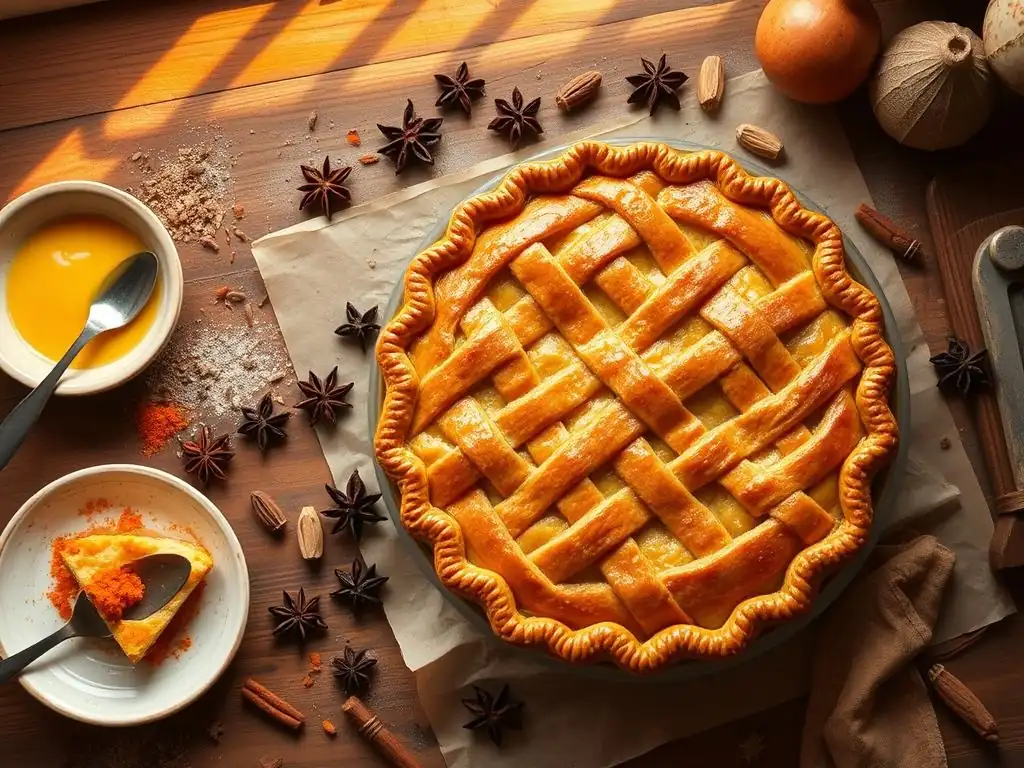
Welcome to BakeWithEase, your partner in crafting delicious baked goods! Ever wonder if you're missing a secret ingredient that could elevate your pastries from good to extraordinary? Dive into our ingredient deep dive and discover the world of spice baking recipes easy, and learn how a simple dash can unlock a whole new dimension of flavor. Intrigued? Let's explore the aromatic secrets that will transform your next bake!
- Elevating Your Baking with Spices
- Unlocking Flavor: The Power of Spices in Baking
- Is Your Baking Flat? Recognizing the Need for Spices
- Spice Blending: Creating Flavorful Combinations
- Perfecting Spice Infusion: A Guide to Baking
- Spice Freshness: Maximizing Flavor and Shelf Life
- Exploring Unique Spice Combinations
- Troubleshooting Spice Issues in Baking
- The Journey to Mastering Spice Baking
-
Frequently Asked Questions
- What are the main benefits of adding more spice to baking recipes?
- How do I know which spices pair well with different baked goods?
- How much spice should I add to a recipe to enhance the flavor effectively?
- Can I use pre-mixed spice blends, or is it better to use individual spices?
- What's the best way to store spices to maintain their potency for baking?
- Final Reflection: The Unexpected Symphony of Spices in Baking
- Unleash Your Inner Spice Master!
Elevating Your Baking with Spices
Unlocking Flavor: The Power of Spices in Baking
Beyond Taste: Spices' Impact on Texture and Aroma
Spices do far more than just add flavor notes to your baked goods; they are powerful agents that influence texture and aroma, creating a multi-sensory experience. Consider cinnamon, for instance.
While its sweet warmth is paramount, finely ground cinnamon can absorb small amounts of moisture in a batter or dough, subtly affecting the final crumb structure, sometimes contributing to a slightly denser or chewier texture in recipes like snickerdoodles or cinnamon rolls. Similarly, the essential oils in spices like ginger or cloves can interact with fats and sugars during baking, influencing how the ingredients caramelize or set, potentially leading to a crisper edge on a cookie or a more tender crumb in a cake.
Beyond the tangible impact on texture, the aroma released by spices during baking is arguably just as crucial. Think about the comforting scent of warm apple pie laced with cinnamon and nutmeg filling your kitchen – that aroma is a significant part of the enjoyment. Spices contain volatile organic compounds (VOCs) that are released when heated.
Cinnamaldehyde in cinnamon, eugenol in cloves, and gingerol in ginger are just a few examples of compounds that evaporate, carrying their distinct scents through the air. This aromatic profile is a key indicator of flavor to come and fundamentally shapes our perception of the finished bake, making it feel richer, warmer, or more complex even before the first bite. Mastering spice baking recipes involves understanding this interplay of taste, texture, and smell.
Essential Baking Spices and Flavor Profiles
Embarking on the journey of spice baking recipes often starts with a core set of essential spices. These pantry staples form the backbone of countless classic baked goods and are incredibly versatile. Cinnamon is perhaps the most ubiquitous, offering a universally loved sweet, woody warmth. Nutmeg provides a deeper, earthy, slightly sweet and pungent note that pairs wonderfully with dairy and fruit. Ginger delivers a distinct warmth with a peppery, sometimes citrusy zing, essential for gingerbread and certain cookies.
Moving slightly beyond the absolute basics, cardamom brings an exotic, floral, and slightly citrusy complexity, often found in Scandinavian or Middle Eastern baking but increasingly popular in Western recipes. Cloves, intensely aromatic and pungent, offer a strong, warming counterpoint, best used sparingly to avoid overpowering other flavors. Understanding these fundamental flavor profiles is the first step to successfully incorporating spices into your easy baking recipes, allowing you to anticipate how they will interact with the other ingredients and build delicious layers of flavor.
Cinnamon: Warmth and Sweetness in Every Bite
Cinnamon is a true cornerstone of spice baking recipes, celebrated for its comforting warmth and natural sweetness that enhances sugars in baked goods. Derived from the inner bark of trees belonging to the Cinnamomum genus, its flavor profile can vary slightly depending on the variety – Cassia cinnamon is more common in North America, offering a strong, slightly pungent sweetness, while Ceylon cinnamon (often called "true" cinnamon) is milder, more complex, and subtly floral. A teaspoon of ground cinnamon can transform a simple apple crumble or sugar cookie into something infinitely more inviting.
Its versatility is unmatched, appearing in everything from breakfast muffins and coffee cakes to complex layered desserts and spiced breads. The primary aromatic compound, cinnamaldehyde, provides that characteristic sweet and woody scent and flavor. When used in easy spice baking recipes, cinnamon blends seamlessly with apples, pears, pumpkin, chocolate, and vanilla, making it an indispensable ingredient for adding depth and a cozy feel to almost any sweet treat.
Nutmeg: Earthy Undertones and Comforting Depth
Nutmeg, with its warm, slightly sweet, and earthy notes, is a vital spice for adding comforting depth to baking. It comes from the seed of the Myristica fragrans tree, indigenous to the Spice Islands. While often paired with cinnamon, nutmeg offers a distinctly different character – less overtly sweet and more subtly aromatic, with hints of clove and pine. It's particularly effective in dairy-based recipes like custards, cheesecakes, and cream fillings, where its earthy warmth complements richness beautifully.
A little nutmeg goes a long way, especially when freshly grated, which releases its volatile oils more effectively than pre-ground versions. Just a pinch can lift the flavor of banana bread, pumpkin pie, or even a simple batch of shortbread cookies. Its slightly musky, comforting aroma makes it a staple in fall and winter spice baking recipes, evoking feelings of coziness and home.
Ginger: Zesty Zing and Aromatic Spice
Ginger brings a unique combination of warmth, pungency, and a lively, slightly citrusy zing to baking that sets it apart from other warming spices. Derived from the root of the Zingiber officinale plant, ginger's flavor comes from compounds like gingerol and shogaol. Fresh ginger offers a brighter, more peppery heat, while ground ginger is more concentrated and warming. Both forms are used in baking, depending on the desired intensity and texture.
Ginger is the star of gingerbread in all its forms – cookies, cakes, and loaves – but its application extends much further. It pairs exceptionally well with molasses, brown sugar, and dark chocolate, adding a layer of sophisticated spice. Even in easy spice baking recipes like simple sugar cookies or muffins, a touch of ground ginger can provide an unexpected spark, cutting through sweetness and adding an aromatic lift.
Cardamom: Floral Notes and Exotic Complexity
Cardamom, often called the "Queen of Spices," introduces a wonderfully complex and aromatic dimension to baking. Its flavor is unique – a blend of floral, citrusy, spicy, and slightly sweet notes. Green cardamom pods, containing small dark seeds, are the most common type used in baking. Grinding the seeds just before use maximizes their potent aroma and flavor, which comes primarily from compounds like cineole and limonene.
While a staple in Scandinavian treats like kanelbullar (cinnamon buns, but often with cardamom) and Indian desserts, cardamom is increasingly appearing in more diverse spice baking recipes. It pairs beautifully with fruits like apples, pears, and oranges, as well as chocolate, coffee, and nuts. Adding a teaspoon of freshly ground cardamom to a simple pound cake or a batch of shortbread can elevate it from ordinary to extraordinary, offering an exotic and memorable flavor experience.
Cloves: Pungent Warmth and Aromatic Intensity
Cloves are tiny powerhouses of flavor and aroma, offering an intense, pungent warmth with hints of sweetness and bitterness. These dried flower buds of the Syzygium aromaticum tree contain eugenol, a compound responsible for their distinctive, potent aroma and taste. Because of their intensity, cloves are typically used in smaller quantities compared to other baking spices.
Cloves are a classic component of spice blends for gingerbread, pumpkin pie, and mulled fruit desserts. They pair well with cinnamon, nutmeg, and allspice, contributing a deep, resonant base note to the overall spice profile. Used judiciously in easy spice baking recipes like spiced apple cider muffins or pear tarts, cloves provide a grounding warmth that enhances the other flavors without overwhelming them.
Is Your Baking Flat? Recognizing the Need for Spices
Identifying Missing Flavor Dimensions in Baked Goods
Have you ever taken a bite of a cookie or cake and thought, "Something is missing"? Often, that missing element is a lack of flavor complexity, which spices are perfectly positioned to provide. Baked goods that rely solely on sugar and vanilla can taste one-dimensional or simply "sweet." A flat flavor profile lacks layers – the initial impression might be fine, but there's no lingering warmth, no surprising hint of zest, no aromatic depth that invites another bite.
Recognizing this requires paying attention to the nuances of taste and aroma. Is the sweetness overwhelming? Does the flavor disappear quickly after you swallow? Does the baked good smell inviting while it's baking, or is the aroma faint? These are signs that your easy baking recipes could benefit from the addition of spices. Spices introduce warmth, earthiness, brightness, pungency, and floral notes that interact with the base flavors, creating a more dynamic and memorable culinary experience.
The Impact of Freshly Ground Spices on Flavor
The difference between using pre-ground spices from a jar that's been sitting in your pantry for years and using freshly ground spices is profound, especially in spice baking recipes. Spices contain volatile oils that hold their potent flavor and aroma. Once ground, these oils begin to evaporate and degrade quickly, especially when exposed to air, light, and heat. Ground cinnamon, for example, can lose a significant portion of its aromatic compounds within 6-12 months if not stored properly, and even faster once opened.
Using freshly ground spices, whether from whole pods or seeds ground just before baking, ensures that you are capturing the peak intensity and complexity of their flavor profile. A recipe calling for 1 teaspoon of ground nutmeg will taste vastly different – and better – if that nutmeg was grated from a whole nut moments before adding it to the batter. This simple step can dramatically elevate your easy spice baking recipes from good to exceptional, providing brighter, more nuanced flavors.
Balancing Spice Intensity: Avoiding Under or Over-Spicing
Achieving the perfect balance of spices is key to successful spice baking recipes. Under-spicing can leave your baked goods tasting bland and flat, missing the very warmth and complexity you intended to add. On the other hand, over-spicing, particularly with potent spices like cloves or ginger, can result in an overwhelming or even bitter flavor that masks all the other ingredients.
The goal is for the spices to complement and enhance the main flavors (like fruit, chocolate, or vanilla), not dominate them. Start with recommended amounts in easy baking recipes, but don't be afraid to adjust slightly based on the freshness of your spices and your personal preference. For instance, if using very fresh, potent nutmeg, you might use a slightly scant measure compared to an older jar.
Tasting dough or batter (where safe, e.g., cookie dough) can give you a hint, but the true flavor develops during baking. It often takes a bit of experimentation to find your perfect balance, but paying attention to the aroma and initial taste is a great starting point.
Spice Blending: Creating Flavorful Combinations
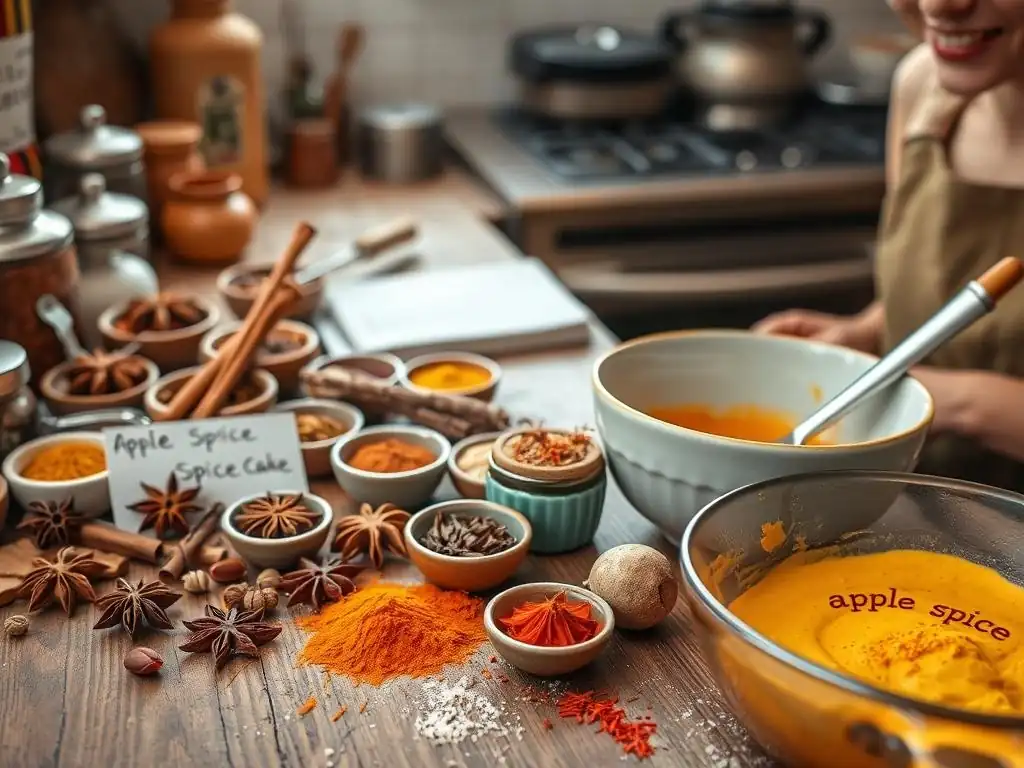
Creating your own spice blends is an easy way to add a signature touch to your spice baking recipes. For cakes and cookies, basic blends often involve combinations of cinnamon, nutmeg, cloves, and ginger. A classic "warm spice" blend might be 2 parts cinnamon, 1 part nutmeg, 1/2 part ground ginger, and 1/4 part ground cloves. This ratio provides a balanced warmth suitable for everything from simple butter cookies to elaborate layer cakes.
Another popular blend, often used for pumpkin or apple recipes, might lean heavier on cinnamon and include a touch of allspice, which itself is a single spice tasting like a blend of cinnamon, cloves, and nutmeg. A simple "cookie spice" could be just equal parts cinnamon and nutmeg, offering a gentle warmth. Preparing these blends in small batches means you always have a ready mix for your easy baking recipes, saving time and ensuring consistent flavor. Store them in airtight containers away from light and heat, just like individual spices.
Enhancing Classic Recipes with Spice
Adding spices is a fantastic way to elevate classic, sometimes plain, recipes. Think beyond the usual suspects and consider where a touch of spice could introduce a new dimension. A basic vanilla pound cake, for example, can be transformed by adding a teaspoon of cardamom or a blend of cinnamon and nutmeg. Simple sugar cookies become more interesting with a pinch of ginger or a mix of cinnamon and cloves rolled into the dough.
Even recipes that already use some spice can be enhanced. A standard chocolate chip cookie recipe, often relying on vanilla, can gain complexity with a pinch of cinnamon or a whisper of chili powder (as explored below). The key is to consider the existing flavors and find spices that will harmonize rather than clash. This approach makes adapting easy baking recipes into unique, spiced creations both fun and rewarding.
Spiced Chocolate Chip Cookies with Chili Powder
Adding a touch of chili powder to chocolate chip cookies might sound unusual, but it creates a delightful interplay of sweet, savory, and a subtle warmth. A good starting point for a standard batch (yielding about 2 dozen cookies) is adding about 1/4 to 1/2 teaspoon of mild chili powder (like Ancho or even a standard blend) to the dry ingredients alongside the flour and baking soda. This isn't about making the cookies spicy-hot, but rather introducing a background note that enhances the chocolate flavor and adds complexity.
The capsaicin in chili interacts subtly with the sweetness and fat in the cookie dough. Instead of an overt heat, you get a gentle warmth that blooms as you chew, lingering pleasantly and making the chocolate taste richer. This is an easy spice baking recipe adaptation that surprises and delights, proving that spices can push the boundaries of familiar flavors.
Apple Pie with Cardamom and Star Anise
While cinnamon and nutmeg are traditional in apple pie, incorporating cardamom and star anise elevates this classic dessert to new aromatic heights. For a standard 9-inch pie, try adding 1 teaspoon of ground cardamom and 1/4 teaspoon of ground star anise (or one whole star anise pod simmered with the apples and then removed) to your apple filling mixture, alongside or in place of some of the traditional spices.
Cardamom's floral, citrusy notes pair exceptionally well with the tartness of apples, adding a bright, sophisticated layer. Star anise, with its distinct licorice-like sweetness and warmth, provides a deeper, more resonant undertone. This combination transforms the familiar comfort of apple pie into a more complex and fragrant experience, making this a standout among spice baking recipes.
Gingerbread Cake: A Simple Spiced Delight
Gingerbread cake is a quintessential spiced bake, and making a simple version is an excellent way to practice working with multiple warming spices. A typical recipe relies heavily on ground ginger, but also includes significant amounts of cinnamon, cloves, and often nutmeg or allspice, along with molasses for moisture and depth. The balance of these spices is crucial to achieving the characteristic pungent warmth.
An easy spice baking recipe for gingerbread cake usually involves creaming butter and sugar, adding eggs and molasses, then whisking in the dry ingredients (flour, baking soda, and a generous mix of spices). The batter is often quite liquid, sometimes calling for hot water or coffee, which helps bloom the spices and creates a moist crumb. Baking transforms the simple batter into a fragrant, dark, and wonderfully spiced cake, perfect on its own or served with whipped cream.
Perfecting Spice Infusion: A Guide to Baking
Accurate Spice Measurement for Consistent Results
Precise measurement is just as important for spices as it is for flour or sugar in spice baking recipes. Unlike other ingredients, the impact of even a slight over- or under-measurement of a potent spice can dramatically alter the final flavor. Always use proper measuring spoons, leveling off ground spices with the back of a knife. Avoid scooping directly from the jar with the measuring spoon, as this can compact the spice and lead to over-measurement.
For whole spices that need grinding, using a kitchen scale for accuracy is ideal if the recipe provides weights, but volume measurements are more common in easy baking recipes. Grinding small amounts just before use ensures maximum potency, but be mindful that the volume of freshly ground spice can sometimes differ slightly from store-bought ground spice (though for most home baking, this variation is negligible). Consistent measurement ensures that each batch of your favorite spice baking recipes turns out just right.
Optimal Timing for Spice Addition During Baking
The timing of when you add spices to your batter or dough can influence how their flavors develop during baking. For most ground spices in easy baking recipes, adding them with the dry ingredients (flour, baking soda, etc.) is standard practice. This distributes the spices evenly throughout the mixture before the liquid is added, ensuring uniform flavor throughout the baked good.
Sometimes, however, spices are added to wet ingredients, particularly when blooming them (see below) or when using liquid extracts (though less common for typical baking spices). For recipes like spiced nuts or certain streusels, spices might be mixed with melted butter or oil before being combined with the other components. In fillings, like for pies or crumbles, spices are typically tossed directly with the fruit or other main ingredients before baking. Following the recipe's instructions is usually best, but understanding why spices are added at a certain stage helps in adapting or troubleshooting spice baking recipes.
Blooming Spices in Butter or Oil to Release Flavor
A technique used by experienced bakers to maximize the flavor of spices is "blooming." This involves gently heating ground spices in a small amount of fat (like melted butter or oil) or sometimes a liquid (like milk or water) before adding them to the main batter or dough. Heating the spices helps to release their fat-soluble flavor compounds and volatile oils, intensifying their aroma and flavor profile.
For example, when making a spiced cake or muffin, you might melt the butter, then stir in the ground cinnamon, nutmeg, and cloves, letting them sizzle gently for 30-60 seconds until fragrant, before whisking in the wet ingredients. This process awakens the spices, resulting in a more pronounced and nuanced spice flavor in the final bake. While not strictly necessary for all easy spice baking recipes, blooming is a simple step that can significantly elevate the taste.
Spice Freshness: Maximizing Flavor and Shelf Life
Proper Storage Techniques for Ground and Whole Spices
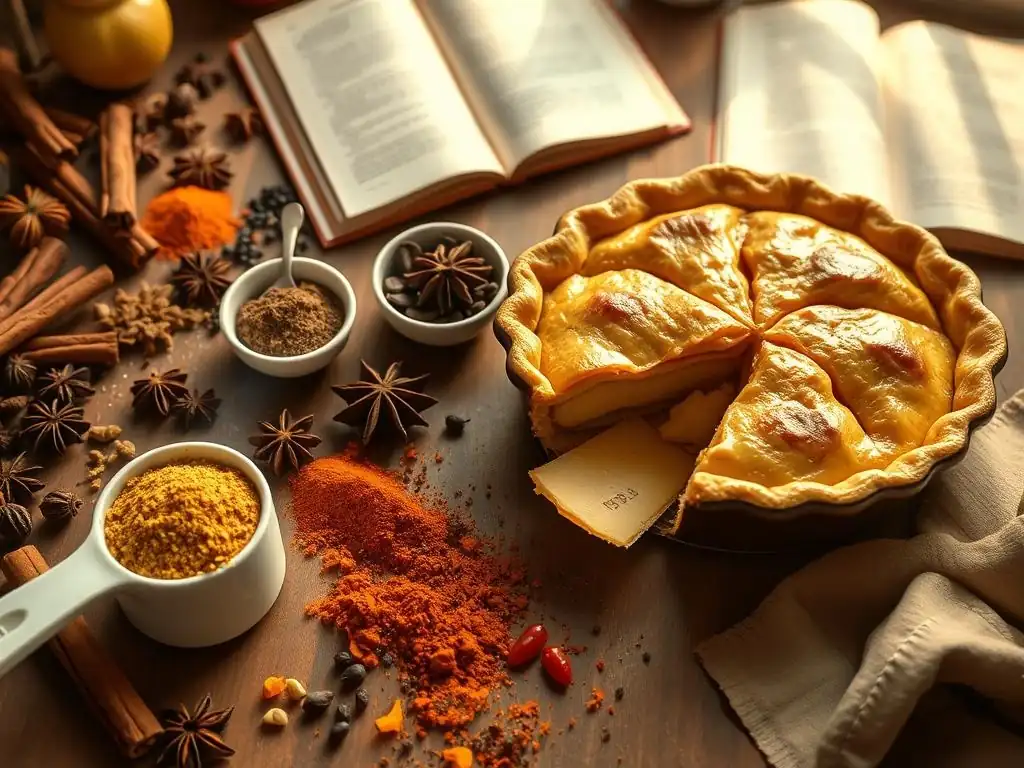
Proper storage is paramount to preserving the flavor and potency of your spices, which is crucial for successful spice baking recipes. Spices degrade when exposed to air, light, heat, and moisture. The best way to store both ground and whole spices is in airtight containers made of glass or metal, away from direct sunlight and heat sources like your stove or oven. Dark glass jars are ideal as they also block light.
While it might seem convenient, storing spices in jars directly above the stove is one of the worst places due to fluctuating heat and steam. A cool, dark pantry or cupboard is the optimal environment. Following these simple storage tips helps ensure that when you reach for that jar of cinnamon for your easy baking recipes, it still delivers the vibrant flavor you expect.
Recognizing Signs of Spice Degradation and Replacement
Knowing when to replace your spices is key to consistently flavorful spice baking recipes. As spices age, their volatile oils evaporate, leading to a significant loss of aroma and flavor. Ground spices typically have a shorter shelf life than whole spices because more surface area is exposed to air. As a general guideline, ground spices are best used within 6-12 months, while whole spices can last 2-4 years.
The easiest way to check if a spice is still potent is to rely on your senses. Open the jar and give it a sniff. A fresh spice will have a strong, distinct aroma. If the scent is faint or dusty, it's likely past its prime. You can also rub a small amount between your fingers; the aroma should intensify. If it smells like little more than dust, it's time to replace it. Using fresh spices is one of the simplest ways to improve your easy spice baking recipes.
Exploring Unique Spice Combinations
Uncommon Spices for Adventurous Baking
Once you've mastered the essentials, exploring less common spices can open up exciting new possibilities in your spice baking recipes. Think beyond cinnamon and nutmeg to ingredients like:
- Star Anise: Adds a sweet, licorice-like warmth, wonderful with chocolate or fruit.
- Mahlab: Ground cherry pits, offering a unique almond-like and slightly sour note, traditional in Middle Eastern breads and pastries.
- Grains of Paradise: Related to ginger and cardamom, providing a peppery, citrusy warmth with floral undertones.
- Pink Peppercorns: Not true peppercorns, but dried berries offering a delicate, fruity, slightly peppery flavor, lovely in shortbread or with white chocolate.
Incorporating these spices requires a bit of experimentation, often starting with small amounts to understand their impact. They can be used individually or blended with more familiar spices to add intriguing layers to your easy baking recipes, pushing your skills in spice baking recipes to new levels.
Crafting Your Own Signature Spice Blends
Developing your own signature spice blends allows you to tailor flavors precisely to your taste and specific recipes. This is where your understanding of individual spice profiles comes into play. Want a warmer blend for chocolate? Increase the ginger and add a touch of chili. Prefer a brighter, more floral note for fruit tarts? Lean heavily on cardamom and perhaps a tiny bit of star anise.
Start by mixing small quantities of ground spices in different ratios, noting the proportions. Smell the blend, taste a tiny pinch (if safe), and consider what baked good it would complement. Keep a log of your experiments. Once you find a ratio you love, you can scale it up. Creating a custom blend for your easy spice baking recipes makes your bakes truly unique and reflects your personal flavor preferences.
Chai Spice Snickerdoodles
Combining the comforting texture of snickerdoodles with the complex warmth of chai spices is a delicious example of crafting a signature blend for an easy baking recipe. A typical chai blend includes cinnamon, ginger, cardamom, cloves, and black pepper. For snickerdoodles, you can create a mix like 2 parts cinnamon, 1 part cardamom, 1 part ginger, 1/2 part cloves, and a tiny pinch (1/8 part) of black pepper.
Substitute this blend for the cinnamon used in the traditional snickerdoodle coating (mixed with sugar) and also add a teaspoon or two into the cookie dough itself. The result is a cookie with the familiar soft texture and sugary crust, but infused with the aromatic, layered flavors of chai. This is a creative yet easy spice baking recipe variation that showcases the power of custom blending.
Troubleshooting Spice Issues in Baking
Reducing Overpowering Spice Flavors
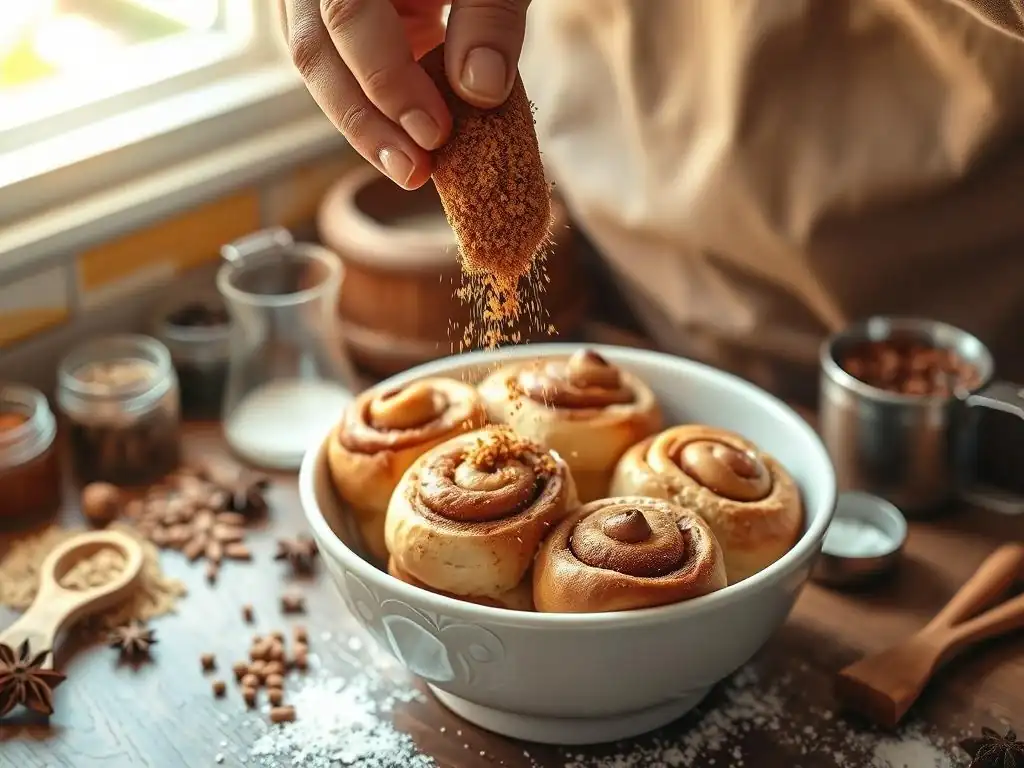
Sometimes, despite best intentions, a spice flavor can be too strong in a baked good. This often happens with potent spices like cloves, ginger, or star anise. If your batter or dough isn't baked yet, you can try doubling the batch without adding more of the overpowering spice to dilute the flavor. For instance, if your gingerbread dough is too gingery, make another batch of plain dough ingredients (flour, fat, sugar, egg, leavening) and mix the two together.
If the item is already baked, fixing an overpowering spice flavor is harder, but not impossible. Serving it with something that complements and balances the spice can help. A dollop of unsweetened whipped cream or a scoop of plain vanilla ice cream can temper intense warmth. A tangy cream cheese frosting or a glaze with citrus zest can also provide a counterpoint to rich, heavy spice flavors. Learning from the batch helps you perfect future easy spice baking recipes.
Adjusting Spice Levels to Personal Preferences
Spice preferences are highly personal. Some people love a bold, fiery ginger kick, while others prefer just a subtle hint of warmth. Don't be afraid to adjust the spice quantities in easy baking recipes to suit your own taste or that of those you're baking for. The amounts given in recipes are usually standard guidelines, but they aren't set in stone.
If a recipe calls for 2 teaspoons of cinnamon but you prefer a milder flavor, start with 1.5 teaspoons next time. If you love cardamom and the recipe only calls for a pinch, try doubling it in your next batch. Keep notes on your adjustments. Over time, you'll develop an intuition for how much spice you and your audience enjoy, making your spice baking recipes truly your own.
Enhancing Subtle Spice Flavor: A Baking Challenge
If your baked goods taste underspiced or the spice flavor is unexpectedly weak, it can be frustrating. This often points to using stale spices or not using enough to begin with. If you're baking a batch and realize the aroma isn't as strong as it should be, unfortunately, it's difficult to significantly enhance the flavor once the spices are mixed into the batter and baking has begun. The heat of the oven will continue to release some flavor, but you can't add more ground spice directly to a wet batter without affecting texture.
For future batches of easy spice baking recipes, ensure your spices are fresh (check the aroma test!). Consider slightly increasing the quantity, especially if using a less potent variety (like Ceylon vs. Cassia cinnamon). Blooming spices in fat before adding them is another excellent technique to ensure their flavor is fully released and integrated, preventing a subtly spiced disappointment.
The Journey to Mastering Spice Baking
Seasonal Spice Pairings: Fall, Winter, Spring, and Summer
Spices can evoke the feeling of different seasons, making them perfect for creating timely spice baking recipes.
- Fall: Warm, comforting spices like cinnamon, nutmeg, cloves, ginger, and allspice reign supreme, pairing perfectly with apples, pumpkins, and pears. Think pumpkin pie, apple crisp, and gingerbread.
- Winter: Intense warming spices continue to be popular, often combined with richer flavors like chocolate, molasses, and citrus. Cardamom, star anise, and even a pinch of black pepper fit here. Examples include spiced chocolate cake, mulled wine cookies, and spiced shortbread.
- Spring: Lighter, brighter spices come to the forefront. Cardamom, ginger, and perhaps a touch of coriander or fennel seed can complement spring fruits like rhubarb and strawberries, or lighter cakes and biscuits. Lemon-cardamom muffins are a great example.
- Summer: While less traditional, spices can still play a role. Ginger, cardamom, and even a touch of chili can pair well with berries, stone fruits, and tropical flavors. Consider a ginger-spiced peach cobbler or cardamom-infused berry scones.
Matching spices to the season enhances the overall experience of your easy baking recipes and keeps your baking feeling fresh and appropriate year-round.
The Future of Spice Baking: Global Flavors and Innovative Uses
The world of spice baking recipes is constantly evolving, moving beyond traditional Western spice blends to incorporate global flavors and innovative combinations. Bakers are increasingly experimenting with spices from cuisines worldwide, such as:
- Sumac: Tangy and lemony, excellent in savory-sweet applications or sprinkled on top of fruit tarts.
- Za'atar: A Middle Eastern blend typically including thyme, sesame seeds, sumac, and marjoram, fascinating in breads or even cookies.
- Turmeric: While known for color, it offers earthy, slightly peppery notes that can work in small amounts in cakes or muffins, often paired with ginger or cardamom.
- Sichuan Peppercorns: Offer a unique tingly heat and citrusy aroma, adventurous with chocolate or fruit.
Beyond new spices, bakers are finding innovative ways to use familiar ones, such as infusing milk or cream with whole spices, creating spice extracts, or using spice sugars for coating. As access to diverse ingredients grows, easy spice baking recipes will continue to incorporate exciting new flavors and techniques, inviting home bakers to explore a world of aromatic possibilities.
Frequently Asked Questions
What are the main benefits of adding more spice to baking recipes?
Adding more spice enhances the flavor profile of baked goods, creating a warmer and more complex taste. It can also add depth and aroma, making your treats more appealing.
How do I know which spices pair well with different baked goods?
Experimentation is key! However, generally, cinnamon and nutmeg work well with fruit-based desserts, while ginger and cloves are great for spiced cakes and cookies. Consider the underlying flavors you want to complement.
How much spice should I add to a recipe to enhance the flavor effectively?
Start with a small amount, about 1/4 to 1/2 teaspoon per cup of flour, and adjust to taste. Remember that spices can vary in intensity, so taste as you go and gradually increase.
Can I use pre-mixed spice blends, or is it better to use individual spices?
Pre-mixed blends like pumpkin pie spice are convenient, but using individual spices allows for greater control over the flavor. You can customize the blend to your preferences.
What's the best way to store spices to maintain their potency for baking?
Store spices in airtight containers in a cool, dark, and dry place, away from direct sunlight and heat. Proper storage helps preserve their flavor and aroma for longer.
Final Reflection: The Unexpected Symphony of Spices in Baking
The art of baking, often perceived as precise and predictable, is actually a vibrant canvas waiting for the bold strokes of spice. A pinch of this, a dash of that – these seemingly minor additions can transform a simple cake into a culinary masterpiece, elevating the ordinary to the extraordinary. The ease with which spices can enhance our baking is a testament to their power and accessibility.
The influence of spices on our culinary landscape is undeniable, weaving its way through cultures and generations. Spices have always been more than just flavor enhancers; they're storytellers, transporting us to faraway lands and evoking memories of cherished traditions. The spice trade is the backbone of history,
a phrase often heard, speaks to the profound impact these ingredients have had on global interactions and cultural exchange. Their continued use in modern baking reflects this enduring legacy, allowing us to connect with our heritage and explore new culinary horizons.
Now, consider your own baking. What familiar flavors could benefit from a surprising twist of spice? I encourage you to experiment, to embrace the unexpected, and to discover the unique symphony of flavors that awaits you. Don't be afraid to stray from the recipe, to add a pinch more cinnamon, a dash more ginger, or a whisper of cardamom. The journey of culinary exploration is a personal one, and the rewards of discovering your own perfect spice blend are immeasurable. Let the warmth and complexity of spices enrich not only your baking, but also your life.
Unleash Your Inner Spice Master!
Thanks for joining us on this flavor-filled journey! We hope you've discovered new ways to elevate your baking game. Ready to take your skills to the next level?
- Experiment with a new spice blend this week: Try substituting cinnamon with cardamom in your next batch of cookies, or add a pinch of smoked paprika to your brownies for a surprising twist! This is your chance to get creative.
- Share your spiced creations: Tag us on social media and show us your delicious results – we’d love to see what you bake!
- Dive deeper into our spice guide: Explore our extensive recipe collection for even more inspiration and tips.
So, what unexpected spice combination will you try first? Let’s hear it in the comments!