
Beyond the Pie: Creative Ways to Bake with Fruit

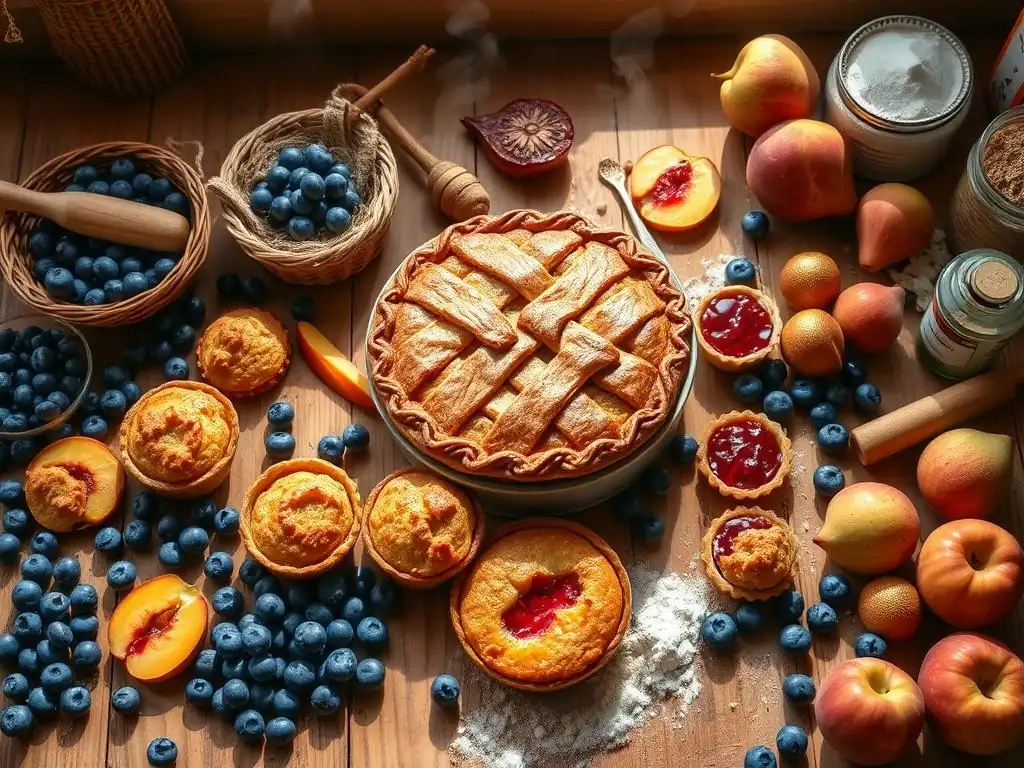
Welcome to BakeWithEase, your trusted guide to the delicious world of baking!
Ever wondered how to elevate your baking beyond the ordinary? This week, we're diving deep into the vibrant world of fruit and exploring creative ways to bake with fruit, moving past the traditional pie. Get ready to unlock a treasure trove of fruit pie baking recipes and discover how to transform seasonal produce into unforgettable culinary creations. Intrigued? Let's get baking!
- Introduction: Expanding Your Fruit Baking Horizons
- Fruit Baking Beyond Pies: Delicious Alternatives
- Cakes Featuring Fresh Fruit: Moist and Flavorful Baking
- Bread Baking with Fruit: Sweet and Savory Options
- Tips for Successful Fruit Baking
- Fruit Baking Recipe Inspiration: Seasonal Ideas
- Conclusion: Embrace the Versatility of Baking with Fruit
-
Frequently Asked Questions
- What types of fruit are best suited for pie baking?
- Where can I find easy-to-follow fruit pie baking recipes on BakeWithEase.com?
- Are there alternatives to traditional pie crusts for fruit baking?
- What are some tips for preventing a soggy bottom crust in fruit pies?
- How can I adapt fruit pie baking recipes for different types of fruit?
- Final Reflection: A Slice of Inspiration Beyond the Traditional Pie
- Unleash Your Inner Fruit Tart Artisan!
Introduction: Expanding Your Fruit Baking Horizons
Forget the Ordinary: Discovering New Fruit Baking Recipes
While mastering classic fruit pie baking recipes is a wonderful skill, the world of fruit baking extends far beyond flaky crusts and sweet fillings. Imagine the vibrant colors and fresh flavors of seasonal fruit incorporated into moist cakes, rustic crumbles, elegant tarts, or even savory breads. This exploration opens up a vast array of textures and taste profiles that can elevate your baking repertoire. Moving past just fruit pie baking recipes allows you to discover quicker weeknight desserts, impressive brunch items, or simply new ways to enjoy the bounty of the season.
Venturing into these alternative fruit baking methods can transform simple ingredients into extraordinary treats. Consider baking a batch of blueberry muffins bursting with juicy berries, or a sophisticated pear and almond tart. These creations often require different techniques than traditional fruit pie baking, such as folding delicate fruit into batter, creating crumb toppings, or mastering pastry shells. Embracing these new challenges not only broadens your baking skills but also provides exciting new flavors and experiences for you and your loved ones to enjoy.
Why Explore Beyond Traditional Fruit Pie Baking?
Exploring fruit baking beyond just fruit pie baking recipes offers immense versatility and opportunities for creativity. Pies, while beloved, can be time-consuming, often requiring chilling dough and careful assembly. Many alternative fruit baking methods are significantly quicker, making them perfect for impromptu baking sessions or when you're short on time but still crave a warm, fruity dessert. Crisps, crumbles, and cobblers, for instance, can often be assembled and baked within an hour.
Furthermore, different baked goods showcase fruit in unique ways. A crisp highlights the tender baked fruit beneath a crunchy topping, while a cake integrates the fruit's moisture and flavor directly into the crumb. Tarts and galettes offer a different pastry experience than pie, often with a thinner, crisper crust that lets the fruit shine. By trying these variations, you discover which methods best complement different types of fruit and which textures you personally enjoy most, enriching your overall baking experience beyond just fruit pie baking recipes.
Fruit Baking Beyond Pies: Delicious Alternatives
Fruit Crisps and Crumbles: Rustic Baked Fruit Desserts
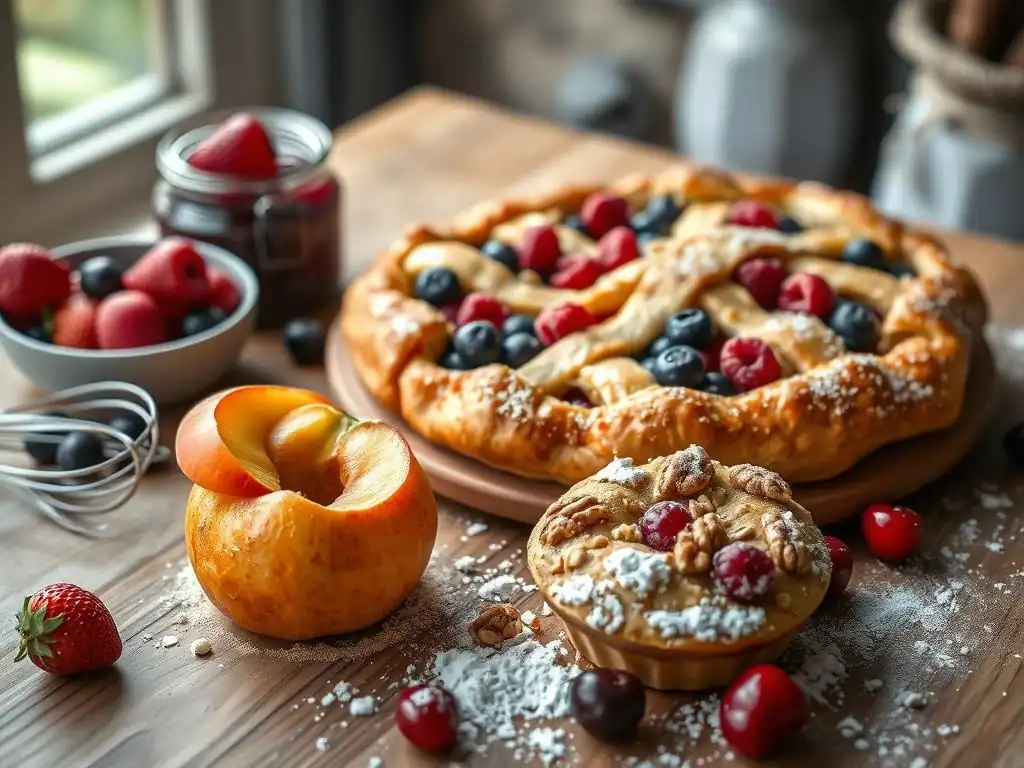
Fruit crisps and crumbles are delightful, less fussy cousins of the fruit pie. They consist of a layer of baked fruit, often lightly sweetened and thickened, topped with a streusel-like mixture. The key difference between a crisp and a crumble traditionally lies in the topping: a crumble is made with a simple mixture of flour, sugar, and butter rubbed together to form coarse crumbs, while a crisp includes oats or sometimes nuts in the topping for added crunch. Both offer a wonderful contrast between the soft, warm fruit and the crisp, buttery topping.
These desserts are incredibly adaptable and forgiving, making them excellent options for beginner bakers or for using up excess fruit. Unlike fruit pie baking recipes that demand a perfect crust, crisps and crumbles are inherently rustic. They are typically baked in a baking dish, allowing the fruit juices to bubble up around the edges of the topping, creating a truly comforting and appealing dessert. Served warm, perhaps with a scoop of ice cream or a dollop of whipped cream, they embody simple, delicious home baking.
Easy Fruit Crisp Recipe Variations: Apple and Blackberry Crisp
An apple and blackberry crisp is a classic example of a delicious and straightforward fruit crisp recipe. To make one, you might combine about 6 cups of sliced apples (such as Honeycrisp or Granny Smith) with 2 cups of fresh or frozen blackberries. Toss the fruit with a few tablespoons of sugar, a tablespoon or two of flour (to help thicken the juices), a pinch of cinnamon, and a squeeze of lemon juice. This mixture goes into a baking dish, typically an 8x8 or 9x13 inch dish depending on the quantity.
For the crisp topping, a common ratio is 1 cup of all-purpose flour, 1/2 cup of granulated sugar, 1/2 cup of rolled oats, a pinch of salt, and 1/2 cup (one stick) of cold, unsalted butter cut into small pieces. Combine the dry ingredients, then use your fingers, a pastry blender, or a food processor to cut in the cold butter until the mixture resembles coarse crumbs. Sprinkle this evenly over the fruit. Bake at around 375°F (190°C) for 35-45 minutes, or until the topping is golden brown and the fruit is bubbly and tender.
Crumble Topping Tips for Perfect Texture
Achieving the perfect crumble topping is key to a great fruit crumble. The goal is a mixture of different-sized crumbs, some fine and sandy, others larger and more pebble-like, which bake up into a wonderfully varied texture. Using cold butter is crucial; like in pie crusts, cold butter pieces melt slowly in the oven, creating pockets that contribute to flakiness and crispness. Rubbing the butter into the dry ingredients with your fingertips is a traditional method that gives you control over the crumb size.
For a richer flavor and added texture, consider incorporating ingredients beyond just flour, sugar, and butter. A common addition is ground nuts, such as almonds or pecans, which add depth and crunch. Spices like cinnamon, nutmeg, or ginger can complement the fruit. Using brown sugar instead of or in addition to granulated sugar adds moisture and a caramel-like note. Ensure the topping is evenly distributed over the fruit so that every spoonful of dessert has that delightful crunchy element.
Fruit Cobblers: A Comforting Twist on Fruit Baking
Fruit cobblers offer another comforting alternative to fruit pie baking recipes, distinguished by their unique topping. Instead of a pastry crust or a crumbly streusel, a cobbler is typically topped with a layer of biscuit-like dough, scone dough, or sometimes even cake batter, dolloped or arranged over the fruit filling. As it bakes, the topping expands and browns, creating a rustic, "cobbled" appearance, which gives the dessert its name.
Cobblers are wonderfully versatile and can be made with almost any fruit, from classic peaches and berries to apples or even savory combinations. The substantial topping provides a different textural contrast to the tender fruit compared to crisps or pies. They are often baked in deep dishes, allowing for a generous amount of fruit filling beneath the doughy topping. Served warm, a fruit cobbler is the epitome of comfort food, especially when paired with a scoop of vanilla ice cream melting into the warm fruit and topping.
Cobbler vs. Crisp vs. Crumble: Understanding the Differences
While all three desserts feature baked fruit with a topping, their distinctions lie primarily in that topping. A fruit pie has a double crust (bottom and top) made from pastry dough. A fruit crisp has a topping made from flour, sugar, butter, and oats (and sometimes nuts), resulting in a distinctly crunchy texture. A fruit crumble has a topping made from flour, sugar, and butter rubbed together into crumbs, which bakes up less crisp and more sandy than a crisp topping.
A fruit cobbler, on the other hand, is characterized by a topping made from a batter or biscuit/scone dough. This topping is dropped or spread over the fruit, baking into a soft, cakey, or biscuit-like layer. Think of it as baked fruit with dumplings or biscuits on top. Understanding these differences helps you choose the perfect dessert based on the texture and effort level you desire, offering a wider range of fruit baking options beyond just fruit pie baking recipes.
Baking Fruit Cobblers with Seasonal Fruit
Baking fruit cobblers is a fantastic way to utilize seasonal fruit at its peak flavor. In the summer, a classic peach cobbler is a must-make, using ripe, juicy peaches that turn incredibly tender and sweet in the oven. Berry cobblers, using strawberries, blueberries, raspberries, or a mix, are also popular during warmer months, offering a burst of bright, slightly tart flavor against the rich topping.
As seasons change, so can your cobbler fillings. Fall is perfect for apple or pear cobblers, often spiced with cinnamon and nutmeg. Winter might call for a cranberry or citrus-based cobbler, offering a tart contrast to the sweet topping. When using fruits with high water content, like berries or peaches, you might need to use a bit more flour or cornstarch to thicken the filling compared to denser fruits like apples. Adjusting the sugar level is also important depending on the sweetness of the fruit, ensuring a balanced flavor profile in your fruit baking.
Fruit Tarts and Galettes: Elegant Fruit Baking Creations
Moving into more refined fruit baking, tarts and galettes offer elegant ways to showcase fruit. A fruit tart typically features a sweet pastry crust baked in a tart pan, often with fluted edges and a removable bottom. The filling can vary widely, from fresh fruit arranged over pastry cream or frangipane to baked fruit fillings similar to pie, but usually in a shallower format. Tarts often require more precision in crafting the shell, but the result is a stunning dessert perfect for special occasions.
Galettes, also known as freeform tarts, offer a more rustic yet still elegant approach. They consist of a single sheet of pastry dough folded up around a fruit filling, baked directly on a baking sheet. This method is much simpler than fitting dough into a pie plate or tart pan and allows for a beautiful, imperfect shape. Galettes are less structured than pies or tarts, embracing a relaxed, homemade feel while still delivering delicious baked fruit flavor.
Mastering the Art of the Fruit Tart: Blind Baking the Tart Shell
Many fruit tart recipes, especially those with fresh fruit fillings added after baking, require blind baking the tart shell. Blind baking means partially or fully baking the pastry crust before adding the filling. This is essential to prevent the crust from becoming soggy, particularly with wet fillings like pastry cream or fresh fruit juices. It also ensures the bottom crust is fully cooked, which can be challenging in a shallow tart pan.
To blind bake, you line the pastry-lined tart pan with parchment paper or foil and fill it with pie weights, dried beans, or rice. This holds the dough in place and prevents it from shrinking or puffing up.
A typical blind bake might involve baking at 375-400°F (190-200°C) for 15-20 minutes with weights, then removing the weights and baking for another 10-15 minutes (or until golden brown and cooked through) depending on whether it's a partial or full blind bake. This step is crucial for a crisp, sturdy tart base, distinguishing it from the softer crusts sometimes found in fruit pie baking recipes.
Freeform Fruit Galettes: A Simple and Stunning Dessert
Fruit galettes are the epitome of effortless elegance in fruit baking. Their charm lies in their simplicity and rustic appearance. Instead of meticulously shaping dough in a pan, you simply roll out a circle of pastry dough (often a flaky pie dough or a rustic galette dough), pile your prepared fruit filling in the center, leaving a border of several inches, and then fold the edges of the dough up and over the fruit.
This freeform style means no need for a pie plate or tart pan, making cleanup easier and assembly quicker. The exposed fruit in the center caramelizes beautifully as it bakes, and the folded crust edges bake up golden and flaky. Galettes work well with a variety of fruits, from sliced apples and pears to berries or stone fruits. They are less structured than fruit pie baking recipes, allowing for a more relaxed approach to fruit distribution and dough handling, resulting in a truly beautiful and delicious dessert.
Cakes Featuring Fresh Fruit: Moist and Flavorful Baking
Fruit-Infused Cakes: Incorporating Fruit into Cake Batter
Incorporating fresh fruit directly into cake batter is a fantastic way to add natural moisture, flavor, and beautiful pops of color. The fruit softens and releases juices as the cake bakes, contributing to a tender crumb and infusing the cake with its essence. This method works well for a variety of fruits, from small berries that distribute easily to larger pieces like apple chunks or pear slices.
However, baking with fruit in cake batter requires careful consideration. Fruits with high water content can sometimes make the cake too wet or cause the fruit to sink. Tossing fruit in a tablespoon or two of flour before folding it into the batter can help prevent sinking and absorb some excess moisture.
Adjusting baking times may also be necessary, as the added moisture can increase the baking time slightly compared to a plain cake. The result is a cake that is inherently flavorful and often requires less added sugar due to the fruit's natural sweetness, offering a lovely alternative to traditional fruit pie baking recipes.
Baking with Citrus: Lemon Cake, Orange Cake, and More
Citrus fruits are wonderful additions to cakes, providing bright, zesty flavor and often contributing moisture through juice and zest. Lemon cakes are perennial favorites, with the zest and juice adding a tangy counterpoint to the sweetness. An olive oil lemon cake, for example, uses both lemon zest and juice, often resulting in an incredibly moist and fragrant crumb. Orange cakes, using orange zest and juice, offer a warmer, sweeter citrus note.
Beyond classic loaf cakes and layer cakes, citrus can be used in bundt cakes, cupcakes, and even pound cakes. The essential oils in the zest are particularly potent and carry much of the flavor, so don't skip this ingredient. Sometimes, candied citrus peel is also incorporated for bursts of intense flavor and chewy texture. Baking with citrus creates cakes that are refreshing and aromatic, a delightful departure from the richness of many fruit pie baking recipes.
Berry Cakes: Strawberry Cake, Blueberry Cake, and Raspberry Cake Recipes
Berry cakes, such as those featuring strawberries, blueberries, or raspberries, are incredibly popular due to the vibrant color and juicy bursts of flavor the berries provide. Blueberry muffins and cakes are perhaps the most common, with blueberries holding their shape relatively well during baking. Strawberry cakes often use pureed or chopped strawberries in the batter, sometimes combined with fresh slices on top or as a filling. Raspberry cakes offer a lovely tartness that balances sweetness.
When baking with berries, especially fresh ones, it's a good idea to gently fold them into the batter just before pouring it into the pan to prevent them from breaking down too much. As mentioned, tossing them in a little flour can help prevent sinking.
Frozen berries can also be used, though they may bleed color into the batter more and increase baking time slightly due to the extra moisture; often, using them straight from the freezer is recommended. The natural sweetness and slight acidity of berries make them perfect for creating moist, flavorful cakes that are a joy to bake and eat.
Upside-Down Cakes: A Visually Appealing Fruit Baking Option
Upside-down cakes are a charming and visually striking form of fruit baking. They are prepared by arranging fruit (often coated in butter and sugar) at the bottom of the baking pan, then pouring the cake batter over the fruit. As the cake bakes, the fruit caramelizes in the butter and sugar mixture, creating a beautiful, glossy topping. Once baked, the cake is inverted onto a serving plate, revealing the stunning fruit layer on top.
This method ensures the fruit stays moist and becomes beautifully tender and flavorful during baking. It's a relatively simple technique that produces impressive results with minimal fuss, especially compared to the intricate lattice tops sometimes seen in fruit pie baking recipes. The caramelized fruit creates its own sauce, adding extra moisture and richness to the cake.
Classic Pineapple Upside-Down Cake: A Step-by-Step Guide
The classic pineapple upside-down cake is perhaps the most iconic example of this fruit baking technique. It typically starts with melting butter in the bottom of the baking pan (often a cast iron skillet or a round cake pan), then sprinkling brown sugar over the melted butter to create a caramel base. Pineapple rings (canned or fresh) are arranged over the sugar, often with maraschino cherries placed in the centers of the rings.
A simple yellow or butter cake batter is then prepared and poured evenly over the fruit layer. The cake is baked at around 350°F (175°C) for approximately 40-50 minutes, or until a toothpick inserted into the cake portion comes out clean. Immediately after removing from the oven, the cake is carefully inverted onto a serving plate. The hot caramel and fruit release easily from the pan, leaving a beautiful, sticky, and delicious topping.
Experimenting with Different Fruits in Upside-Down Cakes
While pineapple is classic, many other fruits work wonderfully in upside-down cakes, allowing for creative variations. Sliced peaches, pears, or apples are excellent choices, particularly when combined with warming spices like cinnamon or ginger in the sugar mixture. Stone fruits like plums or apricots, when halved and pitted, also create beautiful patterns and intense flavor.
Berries can even be used, though they might require a slightly different approach, perhaps mixed with a thicker syrup before being placed at the bottom. Tropical fruits like mango or banana slices are also possibilities. The key is to use fruit that can withstand baking and caramelize nicely. Experimenting with different fruits and flavor combinations allows you to put a personal spin on this delightful fruit baking method.
Bread Baking with Fruit: Sweet and Savory Options
Fruit Breads: Adding Natural Sweetness and Texture
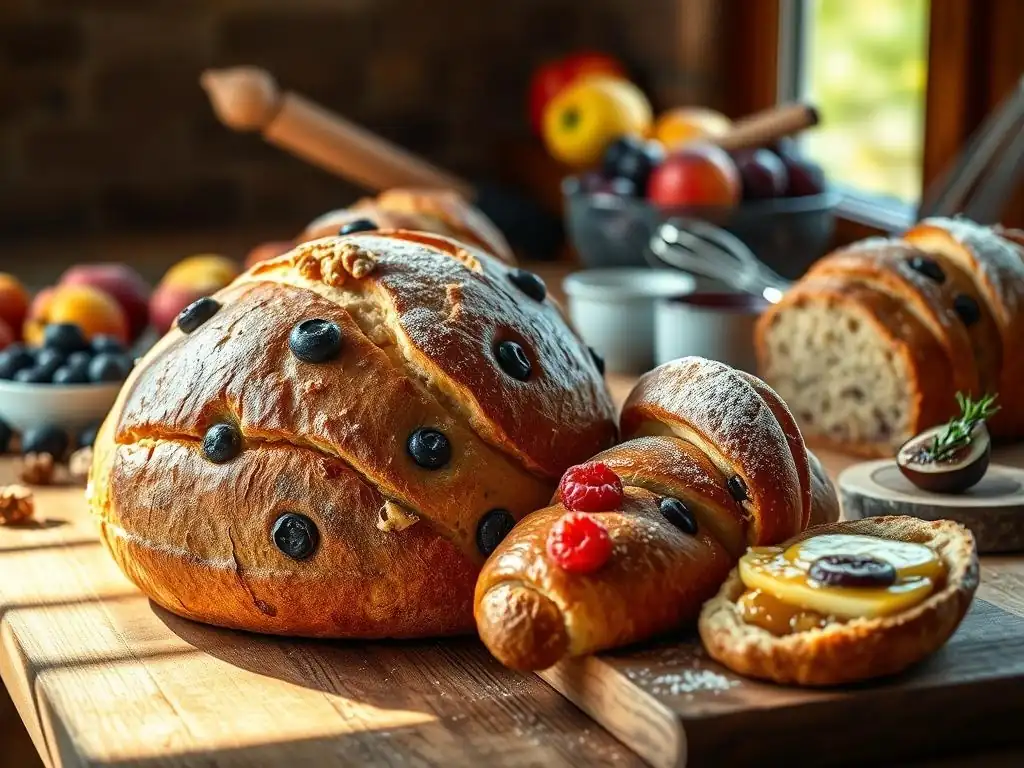
Fruit finds its way into bread baking in numerous forms, adding natural sweetness, moisture, and texture. Quick breads, like muffins and loaves, are perhaps the most common examples, where fruit is folded directly into the batter. Yeast breads can also incorporate fruit, either mixed into the dough (like in raisin bread) or used as a filling (like in cinnamon rolls with apple).
Adding fruit to bread can transform a simple loaf into a flavorful treat, perfect for breakfast, brunch, or a snack. The fruit softens and sweetens during baking, creating moist pockets within the crumb. Depending on the fruit, it can also add chewiness or vibrant color. This expands the possibilities of fruit baking beyond desserts, offering options that can be enjoyed at any time of day.
Banana Bread: A Timeless Classic with Fruit
Banana bread is arguably the most beloved quick bread featuring fruit. It's a perfect way to use up overripe bananas, which are sweeter and easier to mash, providing essential moisture and flavor to the loaf. The high sugar content in ripe bananas contributes significantly to the bread's moistness and natural sweetness, often reducing the need for large amounts of added sugar.
A standard banana bread recipe typically calls for about 3-4 very ripe bananas for a standard loaf pan. Mashing them well helps distribute the moisture evenly throughout the batter. Ingredients like nuts (walnuts or pecans) or chocolate chips are often added to complement the banana flavor and add texture. Baked until golden brown and fragrant, banana bread is a comforting and easy fruit baking project that yields consistently delicious results.
Cranberry Orange Bread: A Festive Fruit Loaf
Cranberry orange bread is a popular quick bread, particularly enjoyed during the fall and winter holidays. The combination of tart cranberries and bright orange zest and juice creates a wonderfully balanced flavor profile that is both festive and refreshing. Fresh or frozen cranberries can be used; if using fresh, they might need to be chopped depending on their size.
The orange zest is crucial for infusing the bread with citrus aroma, while the juice adds moisture and enhances the tangy notes of the cranberries. Some recipes also incorporate chopped nuts like walnuts or pecans. This bread is typically baked in a loaf pan and often finished with a simple orange glaze made from powdered sugar and orange juice, adding an extra layer of sweetness and citrus punch. It's a vibrant example of how fruit can bring seasonal cheer to your baking.
Fruit-Filled Scones and Muffins: Quick and Easy Baking
Scones and muffins are excellent options for quick fruit baking, often taking less time from start to finish than even simple fruit pie baking recipes. They are perfect for breakfast, brunch, or a tea-time treat. Both are single-serving baked goods that are easy to fill with various types of fruit.
Adding fruit to scones provides bursts of flavor and moisture within the flaky crumb. Muffins, with their often softer, cake-like texture, are particularly good at showcasing juicy fruits that bake down into tender pockets. These small baked goods are ideal for using smaller quantities of fruit and are very adaptable to seasonal changes.
Scones with Berries: Using Cold Butter for Flaky Scones
Making flaky scones with berries relies heavily on using cold ingredients, especially cold butter, similar to making pie crust. The cold butter is cut into the dry ingredients (flour, sugar, baking powder, salt) until the mixture resembles coarse crumbs with some larger pea-sized pieces of butter remaining. When the scones bake, these butter pieces melt, creating steam that puffs up the dough and results in a light, flaky texture.
Adding berries (like blueberries, raspberries, or chopped strawberries) should be done gently after the wet ingredients are added and just before forming the dough. Overmixing the dough after adding fruit can crush the berries and develop the gluten too much, leading to tough scones. Using frozen berries can sometimes help them hold their shape better during mixing and baking. Baked until golden brown, berry scones are a delightful quick fruit bake.
Muffins with Fruit: Adding Streusel Topping to Muffins
Muffins are incredibly versatile and pair well with a wide range of fruits, from berries and chopped apples to mashed banana or grated zucchini (which acts like a fruit here!). The fruit adds moisture and flavor directly into the muffin batter. For fruits that might sink, like blueberries, tossing them in a little flour before adding them to the batter can help keep them suspended.
To elevate fruit muffins, adding a streusel topping provides a wonderful crunchy contrast to the soft muffin and tender baked fruit. A basic streusel topping can be made by combining 1/2 cup of flour, 1/4 cup of granulated sugar, 1/4 cup of brown sugar, a teaspoon of cinnamon, and 1/4 cup (half stick) of cold butter cut into small pieces, then rubbing it together until crumbly. Sprinkling this over the muffin batter before baking adds extra flavor and texture, making for an even more satisfying fruit baking experience.
Tips for Successful Fruit Baking
Choosing the Right Fruit for Baking: Fresh vs. Frozen
Adjusting Baking Times for Different Fruits
Fruit Baking Recipe Inspiration: Seasonal Ideas
Spring Fruit Baking: Strawberries, Rhubarb, and More
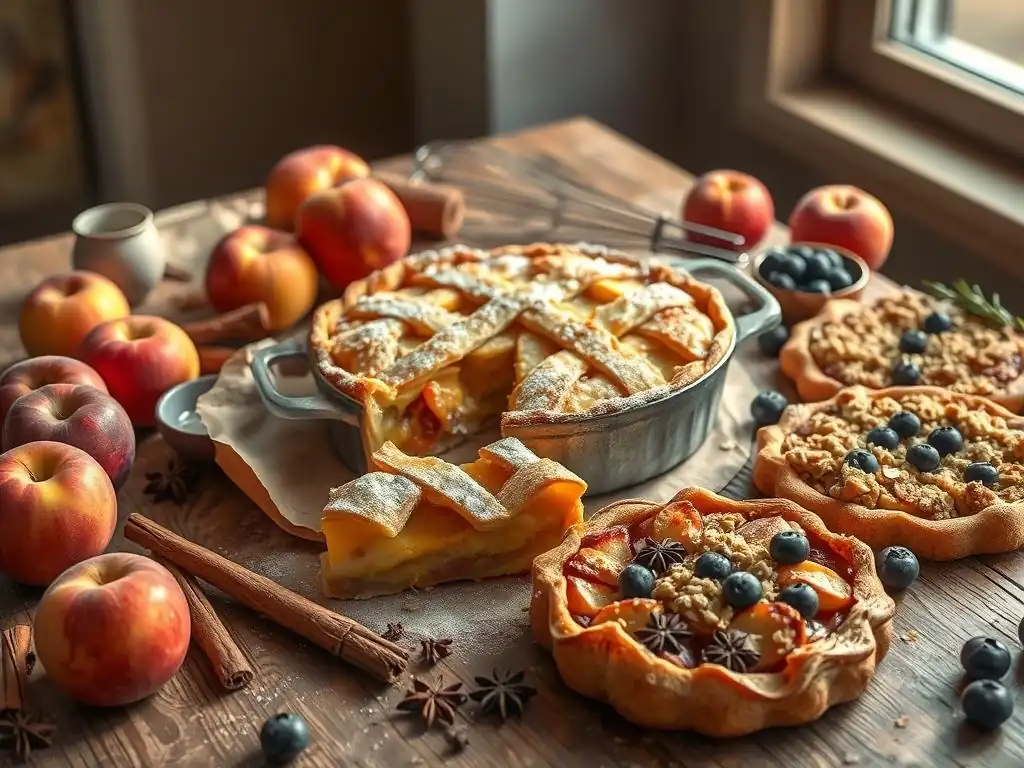
Autumn Fruit Baking: Apples, Pears, and Cranberries
Conclusion: Embrace the Versatility of Baking with Fruit
Elevate Your Baking with these Fruit-Focused Recipes
Stepping beyond traditional fruit pie baking recipes opens up a world of delicious possibilities. From the comforting simplicity of crisps and cobblers to the elegant charm of tarts and galettes, and the moist indulgence of fruit-infused cakes and breads, there's a fruit baking method for every occasion and skill level. Each approach showcases fruit in a unique way, highlighting its natural sweetness, texture, and vibrant color. By experimenting with different fruits and techniques, you can add exciting new dimensions to your baking repertoire and delight your friends and family with homemade treats.
Don't be afraid to try a new fruit baking recipe or adapt one of your favorites. Whether you're using peak-season berries in a crumble, transforming overripe bananas into a moist loaf, or creating a stunning upside-down cake, baking with fruit is a rewarding experience. These recipes not only taste incredible but also connect you to the seasons and the simple joy of creating something delicious from fresh ingredients. Embrace the versatility and let fruit inspire your next baking project.
BakeWithEase: Your Guide to Mastering Fruit Pie Baking Recipes and Beyond
At BakeWithEase, we're passionate about helping you explore every corner of the baking world, including mastering fruit pie baking recipes and venturing into all the creative alternatives. Our goal is to provide clear, easy-to-follow guides and tips that empower bakers of all levels. We believe that baking with fruit should be accessible and enjoyable, whether you're crimping your first pie crust or attempting a rustic galette.
We offer resources covering everything from selecting the best fruit for your bake to troubleshooting common issues like soggy bottoms or sinking fruit. You'll find detailed recipes for classic fruit pie baking recipes, alongside instructions for making perfect crisps, cobblers, tarts, cakes, and breads featuring a variety of fruits. Let BakeWithEase be your trusted companion as you discover the endless possibilities that baking with fruit offers, helping you create delicious, memorable treats every time.
Frequently Asked Questions
What types of fruit are best suited for pie baking?
The best fruits for pie baking are those that hold their shape well during baking and have a good balance of sweetness and tartness. Examples include apples, berries, peaches, and rhubarb.
Where can I find easy-to-follow fruit pie baking recipes on BakeWithEase.com?
BakeWithEase.com offers a wide variety of fruit pie baking recipes suitable for all skill levels. Navigate to the "Pastries" or "Desserts" section and filter by "Pie" to discover step-by-step guides with easy-to-find ingredients.
Are there alternatives to traditional pie crusts for fruit baking?
Yes, there are! Alternatives include crumb toppings, lattice crusts, or even baking the fruit in a cobbler without a bottom crust for a lighter option.
What are some tips for preventing a soggy bottom crust in fruit pies?
To avoid a soggy bottom crust, try pre-baking the crust partially, using a thickening agent like cornstarch or tapioca, and ensuring the fruit filling isn't too watery.
How can I adapt fruit pie baking recipes for different types of fruit?
Adapting recipes often involves adjusting the amount of sugar based on the fruit's sweetness and using appropriate thickening agents depending on the fruit's juiciness. Always remember to test for doneness using a toothpick in the center.
Final Reflection: A Slice of Inspiration Beyond the Traditional Pie
The humble fruit pie, a culinary classic, is experiencing a vibrant renaissance. We've moved beyond simple apple and cherry, exploring the boundless creativity inherent in baking with fruit. This article has showcased not only innovative recipes but also a renewed appreciation for the seasonal bounty and the artistry of transforming fresh fruit into delectable treats.
The journey through diverse fruit-based baking has been deeply rewarding, highlighting the interconnectedness of culinary tradition and modern innovation. It's a testament to the enduring power of simple ingredients, elevated through skillful technique and a dash of imagination. The best things in life are simple,
a sentiment perfectly encapsulating the joy found in baking with fruit, whether it's a classic galette or a modern fruit crumble. This exploration has not only broadened my own baking horizons but hopefully, yours as well.
Now, it's your turn. Don't be afraid to experiment! Let the vibrant colors and sweet aromas of fresh fruit inspire you. Try a new recipe, adapt an old favorite, or even invent your own unique creation. Embrace the imperfections, celebrate the successes, and most importantly, savor the delicious results. The world of fruit baking awaits your creative touch.
Unleash Your Inner Fruit Tart Artisan!
Thanks for joining us on this fruity baking adventure! We hope you’ve discovered some delicious new ways to incorporate your favorite fruits into your baking. Ready to take your skills to the next level?
- Dive into our recipe library: Find even more exciting fruit-based recipes tailored to your skill level. We’ve got everything from beginner-friendly cobblers to advanced pastry creations.
- Share your creations: Post pictures of your fruit-inspired masterpieces on social media using #BakeWithEaseFruit – we’d love to see what you come up with!
- Experiment with unusual fruit combinations: What unexpected flavor pairings will you try next? Mango and chili? Blackberry and lavender? The possibilities are endless!
What unexpected fruit combination are you most excited to bake with now? Let us know in the comments below!