
Vanilla Bean vs. Extract: The Essential Comparison for Home Bakers

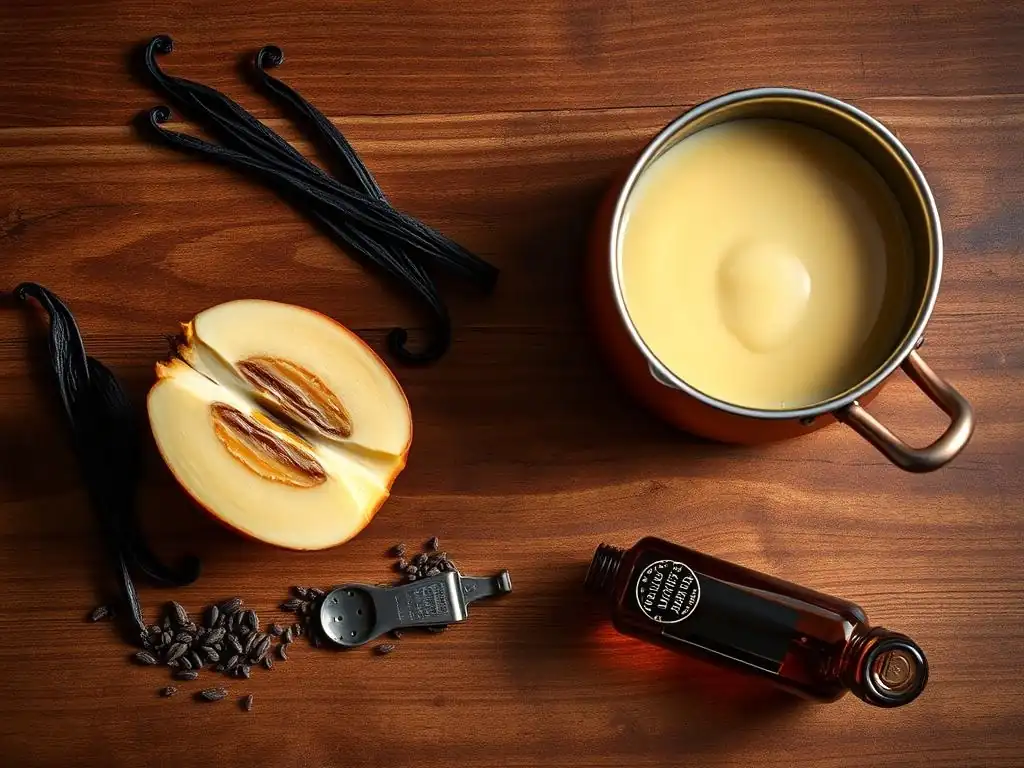
Welcome to BakeWithEase, your trusted guide to baking bliss! Ever wondered about the real difference between vanilla bean vs. extract and how it impacts your baked creations? This comprehensive comparison dives deep, unlocking the secrets to choosing the perfect vanilla for every recipe. Discover which one truly elevates your baking and get ready to unlock a new level of flavor. Intrigued? Let's get baking!
- Introduction: Understanding Vanilla in Baking
- Vanilla Bean: The Gourmet Option
-
Vanilla Extract: The Convenient Choice
- What is Vanilla Extract? Understanding the Production Process
- Types of Vanilla Extract: Pure vs. Imitation
- Flavor Profile of Vanilla Extract: Nuances and Variations
- Using Vanilla Extract in Baking: Easy Incorporation
- Vanilla Extract Storage: Maintaining Quality
- Vanilla Extract Cost: An Economical Option
- Vanilla Bean vs. Extract: A Detailed Comparison
- When to Use Vanilla Bean vs. Extract: Baking Scenarios
- Beyond Vanilla Bean and Extract: Other Vanilla Products
- Conclusion: Choosing the Right Vanilla for Your Baking Needs
-
Frequently Asked Questions
- What is the main difference between vanilla bean and vanilla extract?
- When should I use vanilla bean instead of vanilla extract in a recipe?
- Is vanilla bean extract the same as vanilla extract?
- How do I properly store vanilla beans and vanilla extract to maintain their quality?
- Are there any substitutes for vanilla bean or vanilla extract if I don't have them on hand?
- Final Reflection: The Sweet Truth About Vanilla's Depth
- Unlock Your Baking Potential: Master Vanilla's Secrets!
Introduction: Understanding Vanilla in Baking
Why Vanilla Matters in Your Baked Goods
Vanilla is far more than just a background flavor; it's often the secret ingredient that elevates good baked goods to great ones. Its complex aromatic profile, with notes ranging from creamy and sweet to smoky and spicy, enhances the flavors of other ingredients like chocolate, fruit, and nuts, while also softening the sharp edges of things like eggs or acidic components.
Think of a simple sugar cookie or a classic pound cake – without vanilla, they often taste flat and uninteresting, lacking that comforting, familiar warmth that makes them so appealing. It provides depth and a fragrant foundation that makes your treats memorable.
Beyond just taste, vanilla contributes significantly to the overall sensory experience of baking. The aroma of vanilla wafting from your oven is inherently comforting and signals deliciousness to come. High-quality vanilla, whether from a bean or extract, adds layers of subtle complexity that are hard to achieve with other flavorings. It's the difference between a merely sweet dessert and one that feels rich, nuanced, and truly satisfying, proving its indispensable role in the home baker's pantry.
Vanilla Bean vs. Extract: An Overview for Home Bakers
When you're standing in the baking aisle or browsing online, the choice between vanilla bean and vanilla extract can seem a little daunting. Both promise that beloved vanilla flavor, but they come in different forms, have different price points, and are used in distinct ways. Understanding the core differences is key to making the right choice for your specific baking project and achieving the desired flavor outcome.
At its heart, the difference lies in concentration, form, and complexity. Vanilla beans are the whole fruit, containing tiny seeds packed with intense flavor compounds and a unique visual appeal. Vanilla extract, on the other hand, is a liquid made by macerating vanilla beans in alcohol and water, pulling out those flavor compounds into a convenient, pourable form. This comparison of vanilla bean vs extract is fundamental for any baker looking to deepen their understanding of this essential ingredient and make informed decisions in the kitchen.
Vanilla Bean: The Gourmet Option
What is a Vanilla Bean? Origins and Types
A vanilla bean is the cured fruit pod of the vanilla orchid, primarily Vanilla planifolia. This tropical vine is native to Mexico but is now cultivated in various regions around the world, with Madagascar, Tahiti, and Mexico being the most famous origins, each offering distinct flavor profiles. The journey from flower to bean is labor-intensive, involving hand-pollination and a lengthy curing process that can take several months, contributing to their relatively high cost.
Madagascar (Bourbon) vanilla beans are the most common type, known for their classic, creamy, sweet, and smooth flavor, often described as having notes of milk chocolate. Tahitian vanilla beans, from Vanilla tahitensis, are plumper and have a floral, fruity, and slightly cherry-like aroma. Mexican vanilla beans, from the original Vanilla planifolia plants, offer a smoky, spicy, and woody profile. Understanding these origins helps bakers select a bean that best complements the other flavors in their recipe.
Flavor Profile of Vanilla Beans: A Deep Dive
The flavor of a vanilla bean is incredibly complex and nuanced, far richer and more layered than that typically found in extract. This is due to the presence of hundreds of aromatic compounds within the bean itself, not just vanillin, which is the primary flavor compound extracted for vanilla extract. When you use a whole vanilla bean, you're accessing this full spectrum of flavor, including subtle notes that might be lost in the extraction process.
The tiny, dark specks visible when you scrape a vanilla bean, often called "vanilla caviar," are not just for show; they are packed with flavor and aroma. Using the whole bean, or at least the scraped seeds and pod, allows these subtle notes – sometimes described as leathery, smoky, tobacco-like, or even figgy, depending on the origin – to infuse your baked goods. This results in a deeper, more rounded, and authentic vanilla taste that is highly prized in gourmet applications.
Using Vanilla Beans in Baking: A Step-by-Step Guide
Using a vanilla bean involves extracting the flavorful seeds and sometimes infusing the pod. The most common method starts with preparing the bean itself. First, select a plump, moist bean that is still flexible. Lay it on a cutting board and use a sharp paring knife to split it lengthwise down the middle, being careful not to cut all the way through the back skin.
Once split, open the bean flat. Then, using the back of your knife or a spoon, gently scrape down each half from one end to the other. This will collect the tiny, dark, paste-like seeds, which are the most concentrated source of flavor. These seeds can then be added directly to batters, doughs, custards, or creams. The scraped pod still contains flavor and can be steeped in liquids like milk or sugar to infuse them further before being discarded or saved for vanilla sugar.
Preparing Vanilla Beans: Slitting and Scraping
Preparing a vanilla bean is a simple but essential technique to unlock its full potential. Begin by selecting a high-quality bean that is pliable and appears slightly oily – these characteristics indicate freshness and moisture content, which are crucial for flavor. Place the bean on a clean cutting surface. Using a sharp paring knife, make a single, clean cut down the length of the bean, stopping just short of cutting through the second side. You want to open it up like a book.
Once split, gently open the bean halves. Hold one half flat against the board with one hand. With the other hand, take the dull side of your knife or a small spoon and position it at the top of the bean. Apply gentle pressure and scrape down the length of the bean, collecting the dark, paste-like mass of seeds onto the knife or spoon. Repeat this process for the other half. These scraped seeds, often called vanilla caviar, are incredibly potent and ready to be incorporated into your recipe.
Infusing Vanilla Flavor: Methods for Extraction
Beyond simply adding the scraped seeds directly to a mixture, you can also infuse liquids or fats with vanilla flavor using the bean or the scraped pod. A classic method for custards, ice cream bases, or pastry cream involves steeping the split or scraped vanilla pod (sometimes with the seeds added as well) in warm milk or cream. Heat the liquid gently with the vanilla, allowing the flavors to meld, then remove the pod before proceeding with the recipe.
Another effective technique is infusing sugar. Place a used, dried vanilla pod in a jar of granulated sugar. Over time, the sugar will absorb the vanilla aroma and flavor, creating fragrant vanilla sugar perfect for sprinkling on baked goods or using in recipes. You can also infuse spirits like vodka or rum by placing several split vanilla beans in a bottle and letting it steep for several weeks, creating your own homemade vanilla extract substitute (though technically not extract as per FDA standards unless specifically made with alcohol).
Vanilla Bean Storage: Keeping Your Beans Fresh
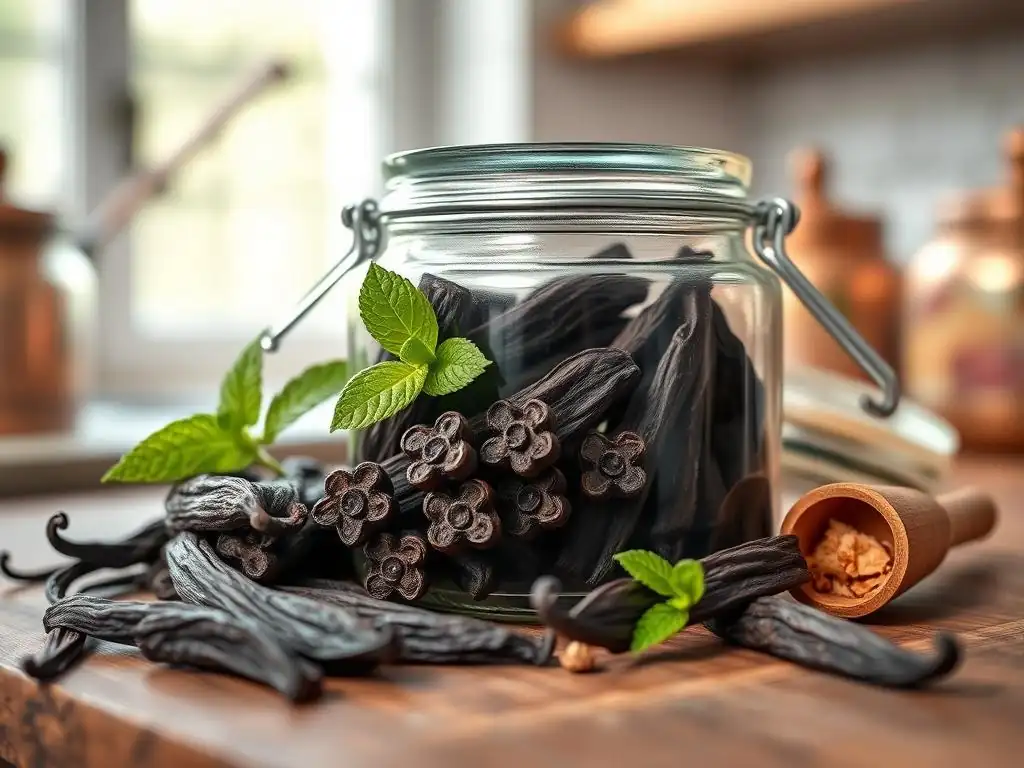
Proper storage is key to preserving the quality and moisture of vanilla beans, which can otherwise dry out and lose flavor. The ideal method is to store them in an airtight container, such as a glass jar or a sealed plastic bag, at room temperature, away from direct sunlight and heat. Avoid refrigeration, as this can dry them out and potentially cause mold.
If you purchase beans in vacuum-sealed packaging, you can keep them in that packaging until ready to use. Once opened, transfer them to an airtight container. Some bakers recommend wrapping beans loosely in wax paper before placing them in the airtight container to help maintain moisture. Check on your beans periodically; if they start to feel dry or brittle, they are losing their potency. Stored correctly, vanilla beans can last for 1-2 years, though their peak flavor is often within the first year.
The Cost Factor: Vanilla Bean Price Considerations
Vanilla beans are significantly more expensive than vanilla extract, and their price can fluctuate based on global supply, demand, and weather conditions in growing regions. A single high-quality vanilla bean can cost anywhere from $5 to $10 or even more, depending on the type, origin, and vendor. This higher cost is a direct reflection of the labor-intensive cultivation, hand-pollination, and lengthy curing process required to produce them.
While the initial cost per bean is high compared to a bottle of extract, consider the intensity of flavor you get. One bean can often provide a more potent and complex vanilla flavor than a teaspoon or two of extract. However, for everyday baking or large batches, the cost can become prohibitive. This is a key point in the vanilla bean vs extract comparison – beans are often reserved for special occasions or recipes where vanilla is the star flavor, justifying the premium price.
Vanilla Extract: The Convenient Choice
What is Vanilla Extract? Understanding the Production Process
Vanilla extract is produced by macerating chopped or ground vanilla beans in a solution of alcohol and water. The alcohol acts as a solvent, pulling out the hundreds of flavor and aroma compounds from the beans. By U.S. FDA standards, pure vanilla extract must contain at least 35% alcohol by volume and be made from 13.35 ounces of vanilla beans per gallon of liquid.
The production process typically involves soaking the beans in the alcohol-water solution for several weeks or months, allowing the flavor compounds to dissolve into the liquid. The mixture is then filtered to remove the bean solids, resulting in the dark, fragrant liquid we know as vanilla extract. The quality of the beans used and the length of the extraction process significantly impact the final product's flavor.
Types of Vanilla Extract: Pure vs. Imitation
When buying vanilla extract, you'll primarily encounter two types: pure and imitation. Pure vanilla extract is made solely from vanilla beans, alcohol, and water, adhering to the standards mentioned above. Its flavor comes entirely from the natural compounds in the vanilla bean, offering a complex and authentic taste profile that varies depending on the origin of the beans used (Madagascar, Mexican, Tahitian, etc. ).
Imitation vanilla extract, on the other hand, is made using synthetic vanillin, the primary flavor compound found in natural vanilla, which is often derived from sources like wood pulp or clove oil. While imitation vanilla provides a basic vanilla flavor, it lacks the depth and complexity of pure extract because it contains only vanillin and none of the other hundreds of aromatic compounds present in the bean. It is significantly less expensive but offers a less nuanced flavor experience in your baked goods.
Flavor Profile of Vanilla Extract: Nuances and Variations
The flavor profile of pure vanilla extract is essentially a liquid representation of the vanilla bean's flavor, though often less complex and intense than using the whole bean. The specific nuances depend heavily on the type of vanilla bean used in the extraction process. For example, extract made from Madagascar beans will typically have that classic sweet, creamy flavor, while extract from Mexican beans might have smokier, spicier notes.
While pure extract captures the essence of the bean, the extraction process doesn't always pull out every subtle compound, and the alcohol base can influence the final aroma. Different brands and types of pure extract can have noticeable variations in flavor strength and specific notes. Imitation vanilla extract, conversely, provides a one-dimensional, often slightly harsh, sweet vanilla taste dominated by vanillin, lacking the layered aromas found in pure extract or the whole bean.
Using Vanilla Extract in Baking: Easy Incorporation
Vanilla extract is incredibly easy to use in baking, making it the go-to choice for most home bakers. Because it's a liquid, it disperses readily and evenly throughout batters, doughs, and liquids, ensuring consistent vanilla flavor in every bite. It can typically be added directly to wet ingredients during the mixing process, often alongside eggs or other liquids.
Recipes usually specify the amount of extract in teaspoons or tablespoons, making measurement straightforward. For instance, a typical cookie recipe might call for 1 teaspoon of vanilla extract, while a cake could require 2 teaspoons. Its liquid form means no preparation like scraping is needed, saving time and effort, which is a significant advantage when comparing vanilla bean vs extract for convenience.
Vanilla Extract Storage: Maintaining Quality
Vanilla extract has an excellent shelf life, primarily due to its alcohol content, which acts as a preservative. Store vanilla extract in a cool, dark place, such as a pantry or cupboard, away from direct heat and light. Keep the bottle tightly capped to prevent the alcohol from evaporating, which could concentrate the flavor but also potentially degrade its quality over time.
While vanilla extract doesn't technically "go bad" in a way that makes it unsafe to consume, its flavor can diminish over time. Over several years, the volatile flavor compounds can dissipate, resulting in a weaker vanilla presence. However, stored properly, a bottle of pure vanilla extract can retain good quality for 2-4 years, or even longer, making it a very stable pantry staple.
Vanilla Extract Cost: An Economical Option
Compared to whole vanilla beans, vanilla extract is a much more economical way to add vanilla flavor to your baking. A small bottle (say, 4 ounces) of pure vanilla extract can range from $5 to $20 or more, depending on the brand, quality, and type of bean used. While high-quality pure extracts can still be pricey, they are significantly less expensive per use than individual vanilla beans for most applications.
Imitation vanilla extract is the most budget-friendly option, often costing just a few dollars for a bottle. While it provides a basic vanilla flavor for minimal cost, the difference in taste complexity and aroma between imitation and pure extract is noticeable, particularly in recipes where vanilla is a prominent flavor. For everyday baking where cost is a major factor, pure vanilla extract offers a good balance of quality and affordability when considering vanilla bean vs extract.
Vanilla Bean vs. Extract: A Detailed Comparison
Flavor Intensity: Which Delivers the Best Vanilla Flavor?
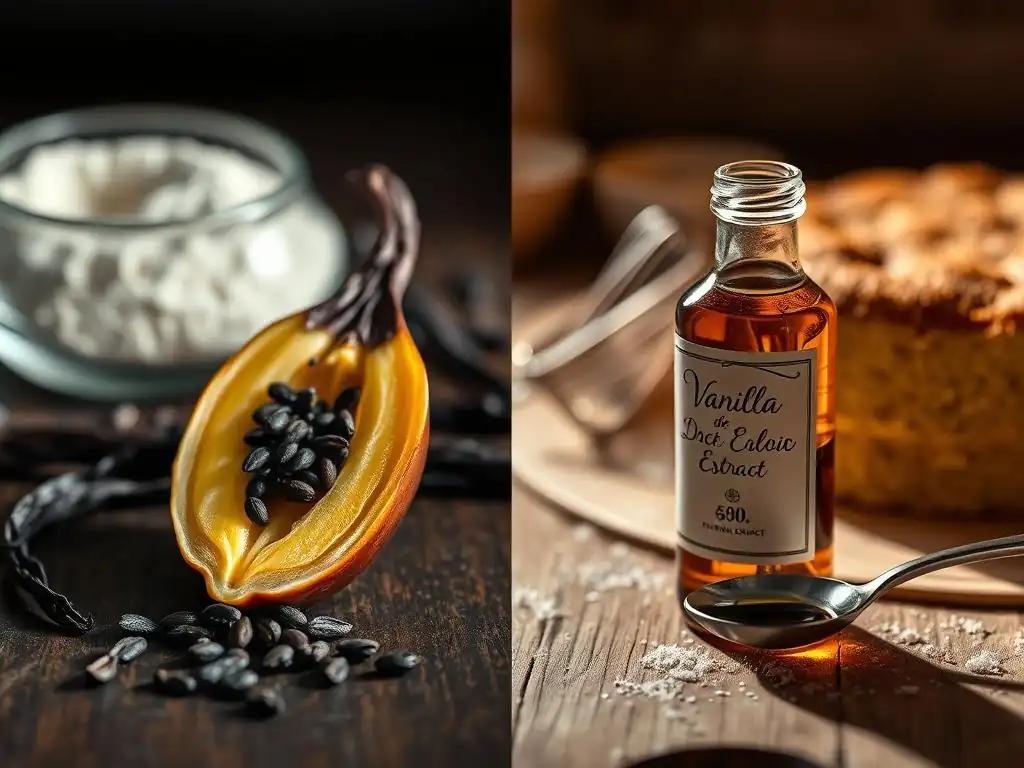
When it comes to pure, unadulterated vanilla flavor, the vanilla bean often takes the crown for intensity and complexity. Using the scraped seeds and potentially infusing the pod introduces the full spectrum of the bean's natural compounds into your dish. This results in a deeper, more layered, and often more authentic vanilla taste compared to extract, which is essentially a concentrated selection of those compounds dissolved in liquid.
Consider a simple vanilla ice cream or crème brûlée. Recipes specifically calling for vanilla bean do so because the subtle notes and visual flecks of the bean contribute significantly to the final sensory experience, offering a richer, more rounded flavor that extract, while good, cannot fully replicate. While a high-quality pure extract can provide excellent vanilla flavor, the whole bean typically offers a more potent and nuanced punch, especially in delicate or dairy-based recipes where vanilla is the primary flavor.
Ease of Use: Vanilla Beans vs. Extract in Recipes
Vanilla extract is undeniably the winner in terms of ease of use for the average home baker. It's a liquid that pours directly from the bottle, requiring only measurement with a spoon. It integrates seamlessly into batters and doughs, ensuring even flavor distribution without any extra steps. This convenience makes it ideal for quick recipes, large batch baking, or when you simply want reliable vanilla flavor without fuss.
Vanilla beans, conversely, require a bit more effort. You need to take the time to split the bean and carefully scrape out the seeds, a process that can be slightly messy and takes practice to do efficiently. While not difficult, it's certainly more involved than pouring liquid. This difference in preparation is a major factor for many busy bakers when deciding between vanilla bean vs extract for a particular recipe.
Cost-Effectiveness: Choosing the Right Option for Your Budget
From a purely financial standpoint, vanilla extract is significantly more cost-effective for most baking applications. A bottle of pure vanilla extract provides many uses for a cost that is typically less than buying just a few individual vanilla beans. For instance, if a bean costs $8 and yields flavor equivalent to maybe 1.5 teaspoons of extract, and a 4oz bottle (approx. 24 teaspoons) of extract costs $15, the extract is clearly cheaper per teaspoon of flavor.
Vanilla beans represent a higher upfront investment per use, making them more of a luxury ingredient. They are often reserved for recipes where their unique characteristics – intense flavor, visible seeds, and gourmet appeal – truly shine and justify the expense. For everyday baking, cookies, cakes, and muffins, pure vanilla extract offers excellent vanilla flavor at a much more accessible price point, making the vanilla bean vs extract decision often boil down to budget and the recipe's specific needs.
Availability: Sourcing Vanilla Beans and Extract
Vanilla extract, both pure and imitation, is widely available. You can find it in virtually any grocery store, supermarket, or baking supply shop, as well as online retailers. It's a standard pantry item, easy to locate and purchase whenever you need it. This broad availability contributes significantly to its status as the most commonly used form of vanilla in home kitchens.
High-quality vanilla beans, while increasingly available, are not as ubiquitous as extract. You are more likely to find them in specialty grocery stores, gourmet food shops, or online from reputable spice vendors. Selection might be limited in standard supermarkets, sometimes only offering one type or quality. Sourcing specific types of beans (like Tahitian or Mexican) often requires seeking out dedicated spice merchants, making vanilla bean slightly less convenient to acquire than extract.
Shelf Life: How Long Do Vanilla Beans and Extract Last?
Both vanilla beans and pure vanilla extract have relatively long shelf lives when stored correctly, but extract generally lasts longer. Pure vanilla extract, thanks to its alcohol base, can maintain its quality for 2-4 years, sometimes even longer, although the flavor may mellow over time. It's a very stable ingredient that doesn't require special conditions beyond being kept in a cool, dark place.
Vanilla beans, while also long-lasting, are more susceptible to drying out if not stored properly. In an airtight container at room temperature, they can retain good quality for 1-2 years. However, if they lose their moisture and become brittle, their flavor potency diminishes significantly. While you can sometimes rehydrate them slightly, a dried-out bean will never have the same vibrant flavor as a fresh, pliable one, making proper storage more critical than for extract.
When to Use Vanilla Bean vs. Extract: Baking Scenarios
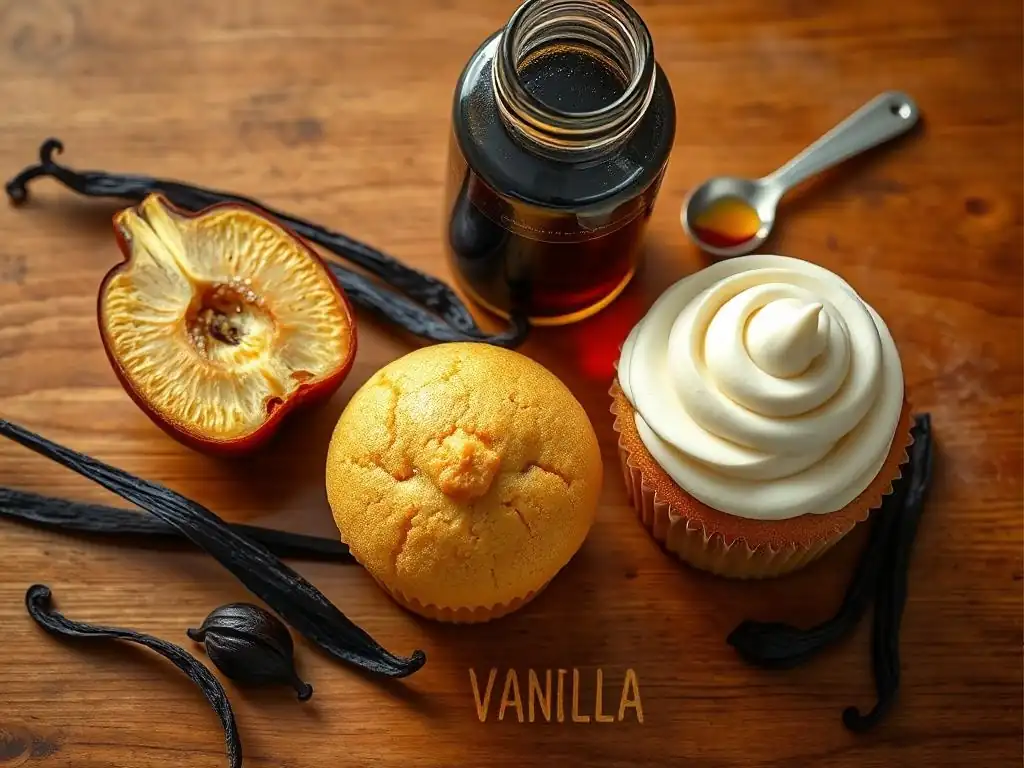
Vanilla Bean for Crème brûlée
- [ ] Use vanilla bean for ultimate flavor and visual appeal.
- [ ] Scrape seeds into the cream/milk mixture.
- [ ] Infuse the scraped pod in the liquid as well.
Crème brûlée is a quintessential dessert where vanilla bean truly shines and is often the preferred choice over extract. The delicate, creamy base provides a perfect canvas for the complex, nuanced flavor of the vanilla bean. Using the scraped seeds introduces those beautiful, visible dark specks (vanilla caviar) that are the hallmark of an authentic, high-quality crème brûlée, signaling to anyone eating it that real vanilla was used.
Beyond the visual appeal, the full flavor profile from the bean, including subtle notes not as prominent in extract, contributes to a richer, more sophisticated taste that complements the burnt sugar crust. While you can make a decent crème brûlée with extract, using a whole vanilla bean elevates the dessert to a gourmet level, justifying the higher cost and effort for this specific application where vanilla is the undisputed star.
Vanilla Extract for Chocolate Cake
- [ ] Use vanilla extract for easy incorporation.
- [ ] Add to the wet ingredients.
- [ ] Provides background complexity without overpowering chocolate.
For recipes where vanilla is a supporting player rather than the main star, such as a rich chocolate cake, vanilla extract is often the ideal choice. Its primary role in chocolate recipes is not to provide dominant vanilla flavor, but rather to enhance and deepen the chocolate notes. Vanilla extract helps to round out the flavor profile, making the chocolate taste richer and more complex without competing with it.
Adding vanilla extract to cake batter is incredibly easy – it's simply poured in with the other wet ingredients. This convenience is a major advantage for a recipe like cake, which often involves multiple steps and ingredients. Using a vanilla bean would be overkill in terms of both cost and flavor intensity for this application; the subtle enhancement provided by extract is sufficient and much more practical.
Adjusting Recipes: Converting Between Vanilla Bean and Extract
Converting between vanilla bean and extract requires understanding their relative strengths. While there's no perfect one-to-one conversion that accounts for the full complexity of a bean, a common guideline is that one whole vanilla bean is roughly equivalent in flavoring power to 1 to 1 ½ teaspoons of pure vanilla extract. This is a useful approximation when you want to substitute one for the other in a recipe.
If a recipe calls for 1 teaspoon of vanilla extract and you want to use a bean, you would use one whole scraped bean. If a recipe calls for a vanilla bean and you only have extract, start with 1 to 1 ½ teaspoons of pure vanilla extract and adjust to taste if possible. Keep in mind that while the primary vanilla flavor might be similar, you will miss the subtle notes and visual specks provided by the bean, especially in delicate recipes.
Conversion Guideline:
1 whole vanilla bean ≈ 1 to 1.5 teaspoons pure vanilla extract
Beyond Vanilla Bean and Extract: Other Vanilla Products
Vanilla Bean Paste: A Versatile Alternative
Vanilla bean paste is a fantastic intermediate option between using whole beans and extract. It's typically made from concentrated pure vanilla extract thickened with a natural gum, and it contains the scraped seeds of the vanilla bean suspended within the paste. This provides a strong, pure vanilla flavor similar to using a bean, along with the desirable visual specks, but in a convenient, spoonable form.
Paste is often used in recipes where both the flavor and the appearance of vanilla bean seeds are desired, such as ice cream, panna cotta, or cake batter. It's easier to measure and incorporate than scraping a whole bean, and it provides a more complex flavor and visual appeal than extract alone. A common substitution is using 1 teaspoon of vanilla bean paste for every teaspoon of vanilla extract called for, or for one whole vanilla bean.
Vanilla Powder: Concentrated Vanilla Flavor
Vanilla powder is made from finely ground, dried vanilla beans. Unlike extract, it contains no alcohol and is less susceptible to heat, making it an excellent choice for applications where liquid might be undesirable or where the dish will be cooked at high temperatures for a long time, potentially causing the volatile compounds in extract to evaporate.
This form offers a very concentrated vanilla flavor and includes all the compounds present in the bean. It can be used in dry mixes, spice rubs, or added to liquids. Because it's concentrated, you typically use less powder than extract – often 1/4 to 1/2 teaspoon of powder might replace 1 teaspoon of extract. Its heat stability makes it great for things like baked goods that cook for a while or as a finishing sprinkle.
Vanilla Sugar: Infusing Sugar with Vanilla
Vanilla sugar is simply sugar that has been infused with vanilla flavor, typically by storing used or fresh vanilla pods directly in a container of sugar. Over time, the sugar absorbs the aromatic compounds from the pod, taking on a lovely vanilla scent and subtle flavor. It's a great way to get extra use out of scraped vanilla pods that might otherwise be discarded.
You can make your own vanilla sugar by burying a few used, dried vanilla pods (or even a fresh, split pod) in a jar of granulated or powdered sugar. Seal the jar and let it sit for at least a week, shaking occasionally. The sugar will gradually become fragrant. Vanilla sugar can be used as a direct substitute for regular sugar in recipes to add a hint of vanilla, or sprinkled over finished baked goods, fruit, or coffee for an extra layer of flavor.
Conclusion: Choosing the Right Vanilla for Your Baking Needs
Summarizing the Pros and Cons of Vanilla Bean and Extract
Choosing between vanilla bean and vanilla extract often comes down to balancing desired flavor intensity, ease of use, cost, and the specific requirements of your recipe. Vanilla beans offer the most complex and intense flavor, along with the visual appeal of the seeds, but they are expensive and require preparation. They are best suited for recipes where vanilla is the star and the budget allows.
Vanilla extract, particularly pure extract, provides reliable, good quality vanilla flavor in a convenient, easy-to-use, and more economical liquid form. It's the workhorse of the home baker's pantry, suitable for a wide range of recipes where vanilla plays a supporting or primary role but doesn't necessarily need the full complexity or visual presence of the bean. The vanilla bean vs extract decision is personal but informed by these practical considerations.
Elevating Your Baking with the Perfect Vanilla Choice
Ultimately, the "best" vanilla product is the one that is right for your specific baking goal. Don't feel pressured to use expensive vanilla beans for every recipe; sometimes, a good quality pure vanilla extract is perfectly sufficient and the most practical choice. Conversely, for those special occasions or signature desserts where you want vanilla to truly sing, investing in a high-quality vanilla bean can make a noticeable difference that elevates your baking to new heights.
Experiment with both vanilla bean and extract in different recipes to taste the difference for yourself. Consider keeping both on hand – extract for everyday convenience and affordability, and beans for those times when you want to create something truly special. Understanding the nuances of vanilla bean vs extract empowers you to make the best ingredient choices and bring delicious, fragrant vanilla flavor to all your baked creations with ease.
Frequently Asked Questions
What is the main difference between vanilla bean and vanilla extract?
The main difference lies in their form. Vanilla bean is the whole pod, while vanilla extract is a liquid infusion made by steeping vanilla beans in alcohol and water. This results in a different flavor profile and usage.
When should I use vanilla bean instead of vanilla extract in a recipe?
Use vanilla bean when you want a stronger, more complex vanilla flavor and the visual appeal of the specks. It's great for custards, ice cream, and recipes where the vanilla is a star ingredient.
Is vanilla bean extract the same as vanilla extract?
No, vanilla bean extract typically means that the extract was made exclusively with vanilla beans and doesn't contain any other vanilla flavoring. It is generally considered a higher quality extract.
How do I properly store vanilla beans and vanilla extract to maintain their quality?
Vanilla beans should be stored in an airtight container in a cool, dark place. Vanilla extract should also be stored in a cool, dark place away from direct sunlight and heat.
Are there any substitutes for vanilla bean or vanilla extract if I don't have them on hand?
While nothing perfectly replicates the flavor, vanilla paste can be a good substitute for vanilla bean (using about a teaspoon per inch of bean). For vanilla extract, you could try maple syrup or almond extract in a pinch, though the flavor will be different.
Final Reflection: The Sweet Truth About Vanilla's Depth
The debate between vanilla bean and extract isn't just about flavor; it's about understanding the nuances of quality and appreciating the artistry of baking. The subtle differences, explored throughout this article, highlight the profound impact even seemingly minor ingredients can have on the final product. Choosing wisely elevates the entire baking experience.
The journey from simple extract to the complex beauty of a vanilla bean pod reflects a larger cultural shift towards appreciating artisanal ingredients and understanding the provenance of our food. This isn't just about taste; it's about connecting with the process, understanding the effort, and ultimately, savoring the result. The best things in life are worth waiting for,
and the same can be said for the rich, complex flavor that only a true vanilla bean can deliver.
Now, consider your next baking project. Will you stick with the familiar convenience of extract, or will you embark on a journey to discover the unparalleled depth of a vanilla bean? The choice, ultimately, is yours, but I hope this exploration has empowered you to make a more informed and delicious decision. Embrace the opportunity to elevate your baking, one vanilla bean at a time.
Unlock Your Baking Potential: Master Vanilla's Secrets!
Thanks for diving into the world of vanilla with us! We hope you now feel confident in choosing the perfect vanilla for your next baking masterpiece. Ready to put your newfound knowledge into practice?
- Experiment with both: Try a recipe using vanilla bean paste and vanilla extract side-by-side to truly appreciate the subtle differences in flavor and texture. Note your preferences!
- Share your creations: Post photos of your vanilla-infused treats on social media and tag us! Let's inspire each other.
- Explore new recipes: Challenge yourself to incorporate vanilla bean in a dish you wouldn't normally associate with it – savory oatmeal, anyone?
Which vanilla will become your new baking best friend? Let us know in the comments!