
Storing Your Vanilla Treasures: Bean vs. Extract Storage Tips

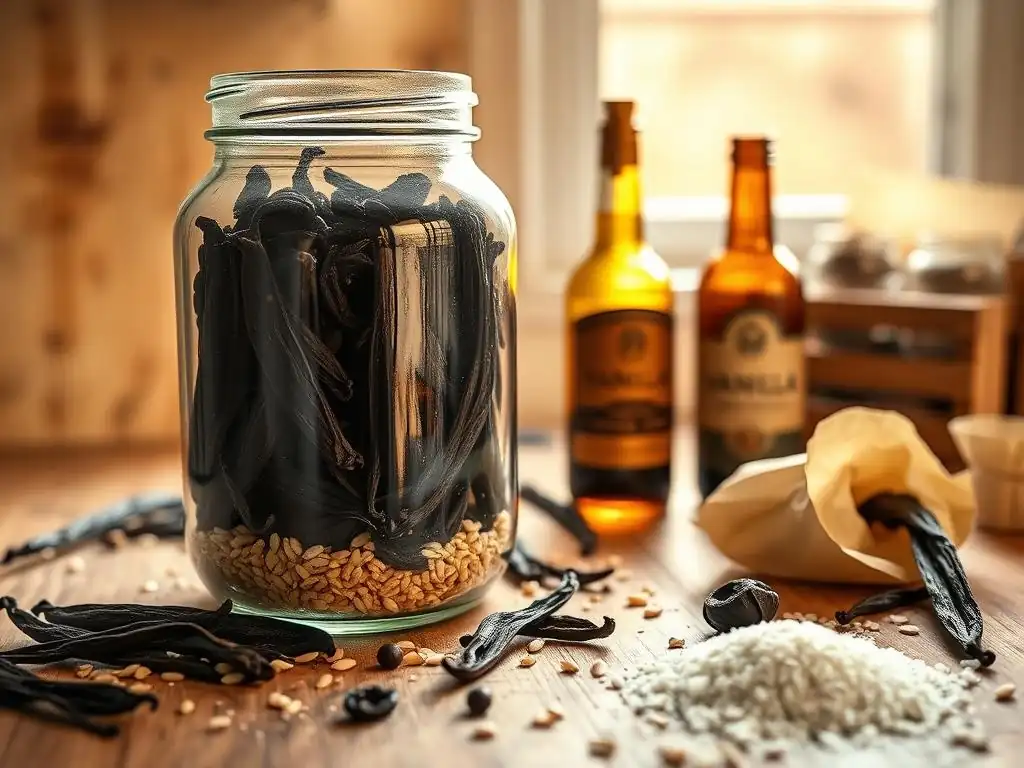
Welcome to BakeWithEase, your trusted companion in the kitchen! Ever wondered if you're truly preserving the exquisite flavor of your vanilla beans? This week, we're diving deep into the world of this precious ingredient. Discover the secrets to proper vanilla bean storage tips, ensuring every batch of your baked creations is bursting with that signature, aromatic magic. Are you storing your beans and extracts correctly? Let's find out!
- Storing Your Vanilla: Bean vs. Extract Storage Tips
- Introduction: Preserving Vanilla for Baking
- Understanding Vanilla: Bean vs. Extract
- The Importance of Proper Vanilla Storage
- Vanilla Bean Storage Tips: Maintaining Quality
- Vanilla Extract Storage Tips: Preserving Liquid Gold
- Vanilla Bean Paste Storage: A Hybrid Approach
- Comparing Storage Methods: Bean, Extract, and Paste
- Common Vanilla Storage Mistakes to Avoid
- Advanced Vanilla Storage Techniques: Vanilla Infusion
- Conclusion: Maximizing Your Vanilla Investment
-
Frequently Asked Questions
- How should I properly store vanilla bean pods to maximize their shelf life?
- What's the best way to keep vanilla extract from losing its flavor?
- Can I store vanilla beans in the refrigerator or freezer?
- How long does vanilla extract typically last if stored correctly?
- Is it better to store vanilla beans or vanilla extract, and why?
- Final Reflection: The Enduring Allure of Vanilla
- Unlock Your Vanilla's Full Potential!
Storing Your Vanilla: Bean vs. Extract Storage Tips
Introduction: Preserving Vanilla for Baking
Welcome, fellow bakers, to a deep dive into one of the most cherished ingredients in our pantries: vanilla! Whether you're working with fragrant vanilla beans or rich vanilla extract, its distinct aroma and flavor are essential for countless recipes, from simple sugar cookies to elaborate custards. But like many natural products, vanilla's magic can fade if not cared for properly. Understanding how to store your vanilla treasures is key to ensuring that every bake is infused with that perfect, warm sweetness.
This guide will explore the best practices for preserving the quality and potency of both vanilla beans and vanilla extract. We'll cover everything from ideal storage environments to the right containers, helping you maximize your vanilla investment and unlock its full flavor potential in all your baking adventures. Proper vanilla storage isn't just about preventing spoilage; it's about safeguarding the delicious essence that makes vanilla so irreplaceable in the world of baking.
Understanding Vanilla: Bean vs. Extract
What is a Vanilla Bean?
A vanilla bean is the fruit of the vanilla orchid, Vanilla planifolia. These long, dark pods contain thousands of tiny black seeds, which are the primary source of the intense vanilla flavor compound, vanillin. High-quality vanilla beans, often referred to as "gourmet" or "Grade A," are typically plump, moist, and oily, bending without breaking. Their surface might even show tiny crystals of vanillin, a sign of exceptional quality.
Vanilla beans offer a complex, nuanced flavor profile that goes beyond just vanillin, incorporating hundreds of other aromatic compounds. This makes them highly prized by bakers looking for the purest, most authentic vanilla taste. The subtle differences in flavor can also vary depending on the origin of the bean, such as Madagascar (creamy, sweet), Tahitian (floral, fruity), or Mexican (smoky, spicy).
What is Vanilla Extract?
Vanilla extract is a liquid solution made by macerating vanilla beans in a mixture of alcohol and water. According to FDA regulations in the United States, pure vanilla extract must contain at least 35% alcohol by volume and be made from 13.35 ounces of vanilla beans per gallon of liquid. The alcohol acts as a solvent, extracting the vanillin and other flavor compounds from the beans.
Unlike vanilla beans, which offer a layered flavor, extract typically provides a more concentrated punch of the core vanilla taste, primarily vanillin. While pure vanilla extract is the preferred choice for serious bakers due to its authentic flavor, imitation vanilla extract is also available. This synthetic version is usually made from lignin or other chemicals and lacks the complexity of pure vanilla, though it is significantly less expensive.
The Importance of Proper Vanilla Storage
Why Storage Matters for Flavor and Freshness
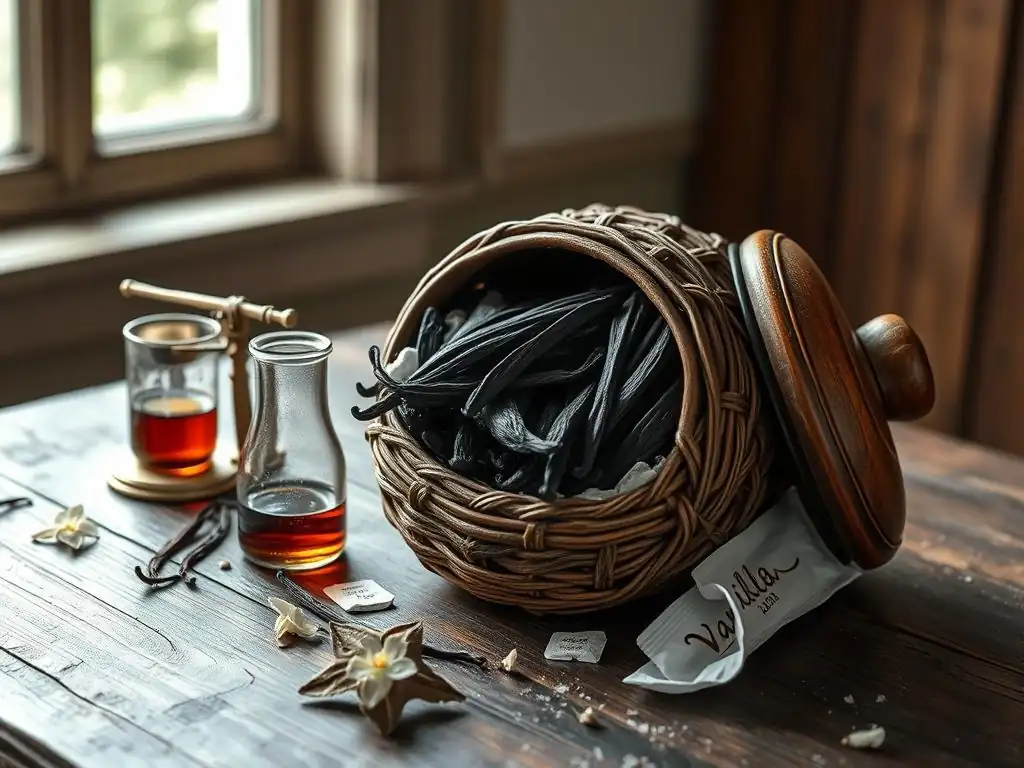
Proper vanilla storage is paramount because vanilla's delicate flavor compounds are susceptible to degradation from environmental factors like light, heat, and air exposure. The aromatic molecules, particularly vanillin in both beans and extract, can evaporate or break down over time if not protected. This loss of compounds directly translates to a diminished flavor and aroma in your baked goods.
For vanilla beans, maintaining the right moisture level is also critical. If beans dry out, they become brittle and lose their pliable texture, making it difficult to scrape out the precious seeds. Dried-out beans also lose much of their aromatic oils, significantly reducing their flavor potency. Effective vanilla bean storage tips focus on preserving this moisture and protecting the volatile compounds.
Potential Consequences of Improper Storage
Storing vanilla improperly can lead to several undesirable outcomes, all impacting your baking results. The most common consequence is a significant loss of flavor and aroma. That expensive vanilla bean or bottle of extract you bought might become weak or even tasteless if left exposed to air and heat for too long. Imagine baking a delicate vanilla cake only to find it lacks that signature vanilla punch!
Another risk, particularly for vanilla beans, is drying out or, conversely, developing mold if exposed to too much humidity or moisture without adequate airflow (though airtight is generally preferred for moisture retention). Dried beans are much harder to use and deliver less flavor. While pure vanilla extract is less prone to mold due to its alcohol content, improper storage can still lead to a faded, less vibrant flavor profile.
Vanilla Bean Storage Tips: Maintaining Quality
Optimal Environment for Vanilla Bean Storage
The ideal environment for storing vanilla beans mimics the conditions that preserve their natural moisture and protect their delicate aromas. Think of a cool, dark place, away from fluctuating temperatures and direct light. A pantry or cupboard that is not near the stove or oven is usually a perfect spot. The goal is to keep the beans from drying out while also preventing mold growth.
Consistency is key. Avoid storing vanilla beans in areas where temperatures swing dramatically, such as near a window or appliance that generates heat. A stable, cool temperature helps maintain the integrity of the bean's structure and the stability of its flavor compounds. Following these vanilla bean storage tips helps ensure your beans stay plump and fragrant for as long as possible.
Temperature Considerations for Vanilla Beans
Vanilla beans thrive in moderate temperatures, generally between 60°F and 70°F (approximately 15°C to 21°C). Temperatures significantly higher than this can accelerate the loss of moisture and volatile aromatic compounds. While refrigeration might seem like a good idea, it's generally not recommended for vanilla beans. The cold temperature can cause the beans to harden and potentially develop mold due to condensation issues when they are brought back to room temperature.
Freezing vanilla beans is also debated; some bakers report success, while others find it damages the texture. If you choose to freeze, ensure beans are vacuum-sealed or wrapped extremely well to prevent freezer burn and moisture loss. However, for most home bakers, a stable room temperature in a dark location is the preferred method for effective vanilla bean storage.
Humidity Levels for Vanilla Beans
Controlling humidity is crucial for vanilla bean storage. Too low humidity will cause the beans to dry out rapidly, becoming brittle and losing their valuable oils. Too high humidity, especially in a sealed container, can create an environment where mold can thrive. The ideal humidity level is moderate, allowing the beans to retain their natural moisture without introducing excess external moisture.
Storing beans in an airtight container helps regulate the immediate environment around the bean, preventing them from being constantly exposed to the ambient humidity fluctuations of your kitchen. While you can't precisely control the humidity inside a small container without special equipment, choosing an airtight vessel and storing it in a stable, moderate environment is the best practical approach for good vanilla bean storage.
Containers for Vanilla Bean Storage: Airtight Glass Tubes
The best containers for vanilla bean storage are typically airtight glass tubes or jars. Many high-quality vanilla beans are sold in glass tubes, which are excellent for storage as long as the seal is secure. Glass is non-reactive and provides a good barrier against air and moisture exchange. Ensure the container is just large enough to comfortably hold the beans without excessive empty space.
If you buy beans in a plastic bag or wrap, transfer them to a suitable glass container as soon as possible. Make sure the lid seals tightly to prevent air from drying out the beans. Some people advocate for wrapping beans individually in plastic wrap before placing them in a glass jar, but a good airtight jar alone is often sufficient if the beans are of high quality and properly stored away from heat and light.
Protecting Vanilla Beans from Light and Air
Light, especially direct sunlight or strong artificial light, can degrade the flavor compounds in vanilla beans. This is why storing them in a dark place, like a pantry or cupboard, is essential. If using a clear glass container, ensure it is kept inside a dark location or wrapped in something opaque to block light exposure.
Air exposure is another significant enemy of vanilla beans. Constant contact with air causes the beans to dry out and allows the volatile aromatic compounds to escape. Using an airtight container is the primary method for protecting vanilla beans from air. Ensure the lid is always securely fastened after you've retrieved a bean. Proper sealing is one of the most important vanilla bean storage tips.
Signs of Spoiled Vanilla Beans and How to Prevent Them
Signs of spoiled vanilla beans include a complete lack of aroma, extreme dryness and brittleness (snapping easily instead of bending), or the presence of mold. Mold typically appears as fuzzy, discolored spots (often white, green, or black) on the surface of the bean. It's important not to confuse mold with vanillin crystals, which are shiny, needle-like structures that indicate high quality. If you see mold, the bean is unfortunately compromised and should be discarded.
To prevent spoilage, always store beans in an airtight container in a cool, dark place. Avoid storing them in the refrigerator, which can promote mold growth. If you notice your beans are starting to dry out, you can sometimes rehydrate them slightly by placing them in a sealed container with a small piece of parchment paper dampened with a few drops of water for a day or two, but prevention through proper vanilla bean storage is the best strategy. Regularly inspect your beans, especially if you don't use them frequently.
Vanilla Extract Storage Tips: Preserving Liquid Gold
Best Practices for Storing Vanilla Extract
Storing vanilla extract is generally simpler than storing vanilla beans, primarily because the alcohol acts as a preservative. However, extract is still susceptible to degradation from light and heat. The best practice is to store pure vanilla extract in its original bottle, typically made of dark glass, in a cool, dark location like a pantry or cupboard.
Unlike vanilla beans, vanilla extract does not need to be stored in an airtight container in the same critical way, as the bottle's cap provides sufficient sealing. The key is to minimize exposure to conditions that will break down the flavor compounds. Following these simple vanilla extract storage tips will help maintain its potency for years.
Temperature Guidelines for Vanilla Extract
Vanilla extract should be stored at a stable room temperature, ideally between 60°F and 70°F (15°C to 21°C). Avoid storing it near heat sources like stoves, ovens, or radiators, as elevated temperatures can cause the alcohol to evaporate more quickly and degrade the flavor compounds. While not as sensitive as vanilla beans, extreme temperature fluctuations are also best avoided.
Refrigeration is not necessary for pure vanilla extract due to its alcohol content and can sometimes cause cloudiness (though this doesn't necessarily affect flavor). The most important temperature guideline is to keep it consistently cool and away from heat.
Light Exposure and Vanilla Extract Quality
Light is a significant factor in the degradation of vanilla extract's flavor. UV rays from sunlight can break down vanillin and other aromatic compounds, causing the extract to lose its potency and develop off-flavors over time. This is why pure vanilla extract is almost always sold in dark amber or brown glass bottles.
Always store your vanilla extract in a dark location, such as inside a cupboard or pantry, especially if the bottle is clear. Keeping it out of direct or indirect light is crucial for preserving its quality and ensuring it imparts that rich vanilla flavor to your baked goods.
Choosing the Right Container for Vanilla Extract Storage: Dark Glass Bottles
As mentioned, dark glass bottles are the best containers for storing vanilla extract. The dark color helps filter out damaging light rays, protecting the extract's delicate flavor compounds. Most commercial pure vanilla extracts are already sold in these types of bottles.
If you make your own vanilla extract or need to transfer extract to a different container, choose a clean, dark glass bottle with a tight-fitting cap. Avoid storing vanilla extract in plastic containers, as plastic can be porous and may interact with the alcohol or flavor compounds over time, potentially affecting the taste.
Shelf Life of Vanilla Extract: What to Expect
Pure vanilla extract has a remarkably long shelf life, often considered to last indefinitely if stored properly. The high alcohol content acts as a potent preservative. While it won't necessarily "spoil" in the sense of becoming unsafe, its quality can diminish over time. The flavor may become less vibrant or complex after several years, typically five to ten years or more.
Think of vanilla extract more like a fine spirit; it doesn't necessarily expire, but its peak flavor period might pass. Imitation vanilla extract, lacking the alcohol content, usually has a shorter shelf life, often two to four years, and its flavor can definitely degrade significantly after its expiration date.
Identifying Signs of Expired Vanilla Extract
While pure vanilla extract rarely "expires" in a harmful way, you can identify signs that its quality has diminished. The most telling sign is a weakened or absent aroma and flavor. If your extract no longer smells strongly of vanilla or imparts little flavor to your baking, its potency has likely faded.
Other signs might include cloudiness or sediment that wasn't present before, though slight cloudiness can sometimes occur naturally in pure extract due to temperature changes and doesn't always indicate spoilage. A truly "off" smell that is not vanilla-like is a clear indicator that the extract is past its prime and should be replaced for optimal baking results.
Vanilla Bean Paste Storage: A Hybrid Approach
Considerations for Storing Vanilla Bean Paste
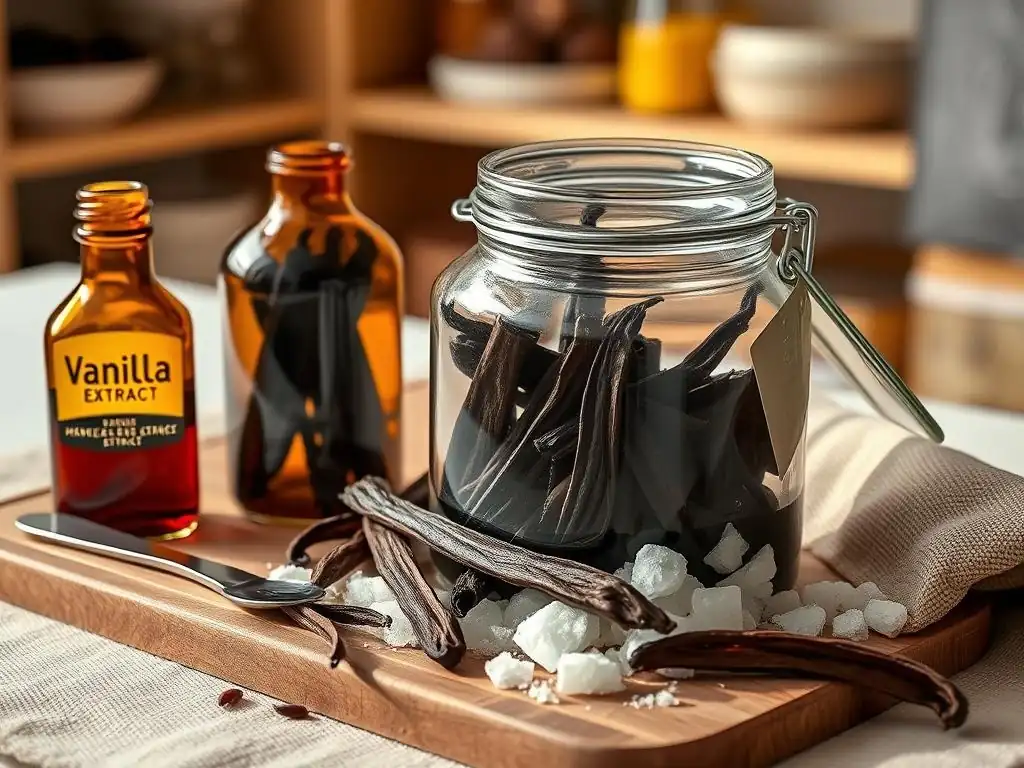
Vanilla bean paste is a convenient product that combines the intensity of vanilla extract with the visual appeal of vanilla bean seeds. It's typically made from vanilla bean extract, vanilla bean seeds, and a thickener or sweetener. Storing vanilla bean paste requires considerations similar to both extract and beans, leaning slightly more towards the extract side due to its liquid component and high vanillin concentration.
The primary considerations are protecting it from light, heat, and air exposure to maintain its flavor and prevent it from drying out or separating excessively. Because it contains bean seeds, maintaining its texture is also important.
Best Practices to Maintain Vanilla Bean Paste Quality
The best practice for storing vanilla bean paste is to keep it in its original container, which is usually a glass jar. Ensure the lid is always tightly closed after use to minimize air exposure, which can cause the paste to dry out around the edges. Store the jar in a cool, dark pantry or cupboard, away from direct light and heat sources.
While refrigeration isn't strictly necessary, some manufacturers recommend it after opening, especially if you live in a warm or humid climate. Check the specific storage instructions on the product label. If refrigerated, allow it to come to room temperature briefly before using for easier scooping. Proper sealing and protection from environmental factors are key to maintaining its quality and ensuring those visible seeds are ready to enhance your bakes.
Comparing Storage Methods: Bean, Extract, and Paste
Vanilla Bean Storage Advantages and Disadvantages
- Advantages:
- Preserves the complex, nuanced flavor profile of the natural bean.
- Allows access to the seeds for visual appeal and intense flavor.
- Long potential shelf life (years) if stored correctly using proper vanilla bean storage tips.
- Disadvantages:
- More sensitive to environmental factors (temperature, humidity, air, light) than extract.
- Requires careful attention to airtight sealing and location.
- Can dry out or mold if stored improperly.
- More labor-intensive to use (splitting, scraping).
- Advantages:
- Very long shelf life, often considered indefinite in terms of safety.
- Less sensitive to minor temperature fluctuations due to alcohol content.
- Convenient and easy to measure and use.
- Less prone to mold or drying out.
- Disadvantages:
- Flavor profile is less complex than the whole bean.
- Quality can diminish over many years, losing vibrancy.
- Must be protected from light to prevent degradation.
- Advantages:
- Combines the convenience of extract with the visual appeal and some flavor complexity of beans.
- Relatively long shelf life if stored properly.
- Easy to measure and incorporate into recipes.
- Disadvantages:
- Can dry out if not sealed tightly.
- May separate over time, requiring stirring.
- Quality can degrade with improper storage (light, heat).
Common Vanilla Storage Mistakes to Avoid
Overlooking Temperature Control
One of the most common vanilla storage mistakes is simply ignoring temperature. Storing vanilla beans or extract near a hot stove, on a sunny windowsill, or even on top of a warm refrigerator can significantly shorten their lifespan and degrade their flavor. Heat accelerates the breakdown and evaporation of the precious flavor compounds.
Always choose a cool spot, ideally below 70°F (21°C), for storing all forms of vanilla. Consistent, moderate temperatures are far better than locations with wide temperature swings. This simple step dramatically improves the effectiveness of your vanilla bean storage tips and extract storage.
Exposing Vanilla to Direct Sunlight
Another critical error is exposing vanilla to direct sunlight or strong artificial light. As discussed, light, particularly UV light, is very damaging to the delicate flavor molecules in both beans and extract. Storing vanilla in clear containers on open shelves where they receive light is a surefire way to lose potency quickly.
Always store vanilla in a dark location, such as a pantry or cupboard. If using clear containers for vanilla beans, ensure they are placed in a dark spot or wrapped to block light. For extract, rely on the dark glass bottle and keep it in a dark cupboard.
Neglecting Airtight Sealing
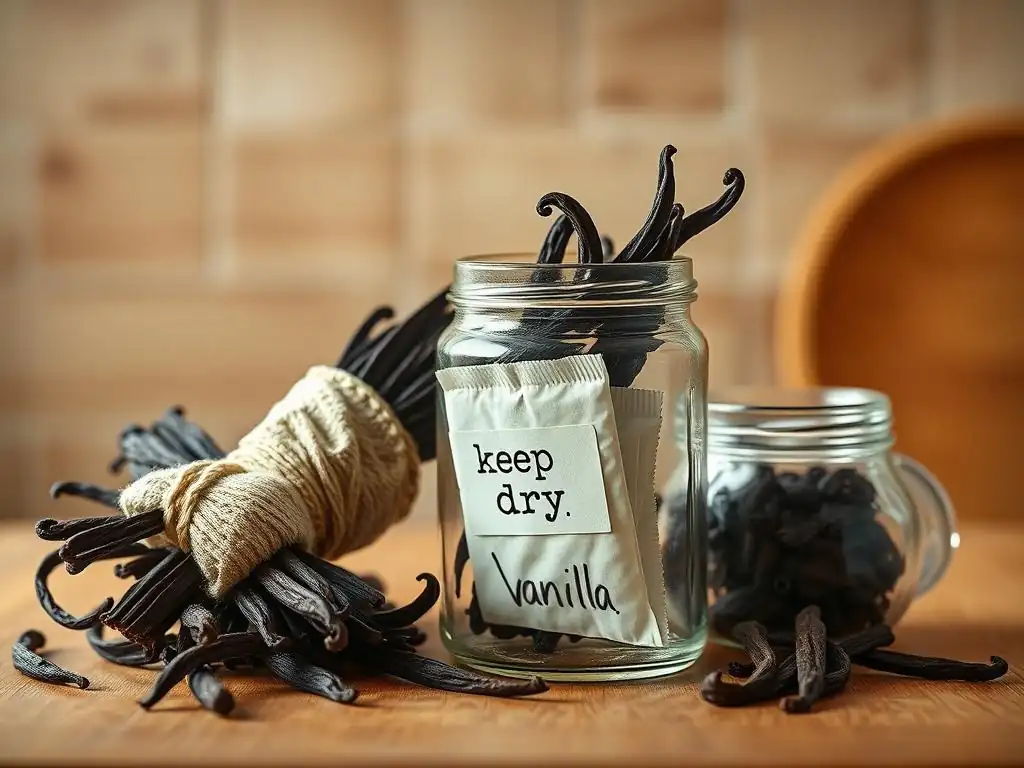
For vanilla beans, neglecting airtight sealing is a major mistake. Air exposure causes beans to dry out rapidly, becoming brittle and losing their valuable moisture and oils. Leaving beans in their original flimsy packaging after opening, or in a jar with a loose lid, will quickly diminish their quality.
- Vanilla Bean Storage Checklist:
- [ ] Store in an airtight container (glass tube or jar).
- [ ] Ensure lid is always tightly sealed.
- [ ] Avoid opening the container unnecessarily.
For vanilla extract, while the bottle cap provides a seal, ensuring it's screwed on tightly after each use is still important to prevent evaporation, especially of the alcohol base. For vanilla bean paste, a tight lid is crucial to prevent the surface from drying out.
Advanced Vanilla Storage Techniques: Vanilla Infusion
Infusing Sugar with Vanilla Beans
An excellent way to "store" vanilla beans, especially if they are slightly drier or you have extra pieces, is to infuse sugar with them. Simply place one or more split vanilla beans (or pieces) into a jar of granulated sugar. Close the jar tightly and shake occasionally. The sugar will absorb the vanilla aroma over time, creating fragrant vanilla sugar perfect for baking, coffee, or tea.
This method not only imparts wonderful vanilla flavor to your sugar but also helps to keep the vanilla bean pieces from drying out further within the sugar itself. While it doesn't preserve the bean for scraping, it's a fantastic way to utilize every bit of vanilla flavor.
Creating Vanilla Extract from Vanilla Beans
Making your own vanilla extract is another popular "storage" method, particularly for beans that might be getting a bit dry or if you buy in bulk. Chop or split several vanilla beans and place them in a clean glass bottle. Cover the beans completely with a spirit that is at least 70-80 proof (35-40% alcohol), such as vodka, rum, or bourbon.
Seal the bottle tightly and store it in a cool, dark place. Shake the bottle gently every week or so. The extract will develop over several months (at least 6, ideally 12+). While this uses the beans, it transforms them into a long-lasting liquid form, essentially storing the vanilla flavor for extended use. This homemade extract also benefits from proper vanilla extract storage tips once it's ready.
Conclusion: Maximizing Your Vanilla Investment
Recap of Key Vanilla Storage Tips
Preserving the exquisite flavor of vanilla, whether in bean, extract, or paste form, comes down to a few core principles. Remember to keep all your vanilla products in a cool, dark place, away from heat and light. For vanilla beans and paste, airtight sealing is paramount to prevent drying and maintain quality.
- Vanilla Bean Storage: Airtight glass container, cool, dark pantry, avoid refrigeration.
- Vanilla Extract Storage: Original dark glass bottle, cool, dark pantry, avoid heat and light.
- Vanilla Bean Paste Storage: Original sealed jar, cool, dark pantry, consider refrigeration if recommended or in warm climates.
By following these simple yet effective vanilla storage tips, you can significantly extend the life and potency of your vanilla products, ensuring they deliver maximum flavor every time you bake.
Enjoy Baking with Properly Stored Vanilla
Armed with the knowledge of proper vanilla storage, you can confidently use your vanilla treasures, knowing you are getting the best possible flavor payoff. No more disappointing bakes with weak vanilla notes! Taking a few moments to store your vanilla correctly protects your investment and elevates the quality of everything you create in the kitchen.
So go forth and bake with confidence! Use those plump, fragrant vanilla beans, that rich, potent vanilla extract, or that convenient vanilla bean paste, knowing they are at their peak flavor thanks to your careful storage. Happy baking!
Frequently Asked Questions
How should I properly store vanilla bean pods to maximize their shelf life?
Vanilla bean pods should be stored in an airtight container in a cool, dark place, like a pantry. You can also wrap them in parchment paper first to prevent them from drying out.
What's the best way to keep vanilla extract from losing its flavor?
Vanilla extract should be stored in a cool, dark cabinet away from direct sunlight and heat. Ensure the bottle is tightly sealed to prevent evaporation of the alcohol, which carries the flavor.
Can I store vanilla beans in the refrigerator or freezer?
While possible, refrigeration is generally not recommended as it can cause condensation and mold growth. Freezing can be done, but wrap the beans well to prevent freezer burn and flavor loss.
How long does vanilla extract typically last if stored correctly?
High-quality vanilla extract, when properly stored, can last for several years without significant flavor degradation. Look for changes in color or aroma that indicate potential spoilage.
Is it better to store vanilla beans or vanilla extract, and why?
Both have their advantages. Vanilla beans offer a more intense and complex flavor, but require more care in storage. Vanilla extract is more convenient and has a longer shelf life if stored properly.
Final Reflection: The Enduring Allure of Vanilla
The quest for the perfect vanilla flavor, whether from bean or extract, is a journey as nuanced as the aroma itself. Proper storage, as we've explored, isn't just about preserving a fleeting fragrance; it's about safeguarding the essence of a culinary treasure that has captivated palates for centuries. The subtle differences in how we store beans versus extracts directly impact the quality and longevity of this precious ingredient.
The impact of vanilla extends far beyond the kitchen; it's woven into the fabric of our cultural heritage, a symbol of luxury and sophistication. Vanilla is the queen of flavors, the most precious and delicate of spices.
This sentiment, though perhaps subjective, speaks to the enduring power of this ingredient to elevate the ordinary to the extraordinary. From the meticulous cultivation of vanilla beans to the careful crafting of extracts, the entire process reflects a deep respect for the artistry and tradition involved. My own journey in understanding vanilla storage has been a testament to this appreciation, transforming a simple act of preservation into a mindful practice.
Consider, then, the next time you reach for your vanilla, the power you hold in your hands. Will you continue to treat this precious ingredient with the respect it deserves? I encourage you to implement the storage techniques discussed in this article, not just to prolong the life of your vanilla, but to deepen your connection to this remarkable spice. By understanding the nuances of storage, you'll unlock the full potential of vanilla's rich and complex flavor profile, transforming your culinary creations into truly unforgettable experiences.
Unlock Your Vanilla's Full Potential!
Thanks for diving into the world of vanilla with us! You've now got the knowledge to keep your vanilla beans and extracts at their fragrant best. Ready to put your newfound expertise to work?
- Prioritize Proper Storage: Immediately implement the storage tips outlined above for your vanilla beans and extracts – you'll taste the difference! Think airtight containers, cool, dark places, and perhaps even a dedicated vanilla storage spot in your pantry.
- Experiment with New Recipes: Now's the perfect time to try a new recipe that showcases the unique flavor of high-quality vanilla. Challenge yourself to use what you've learned to maximize the flavor of your chosen vanilla.
- Share Your Vanilla Wisdom: Tell your fellow baking enthusiasts about your vanilla storage discoveries! Let's build a community of vanilla experts together.
Ready to elevate your baking game with perfectly preserved vanilla? What's your favorite way to use vanilla in your baking?