
Surprising Flavor Pairings that Enhance Your Chocolate Bakes

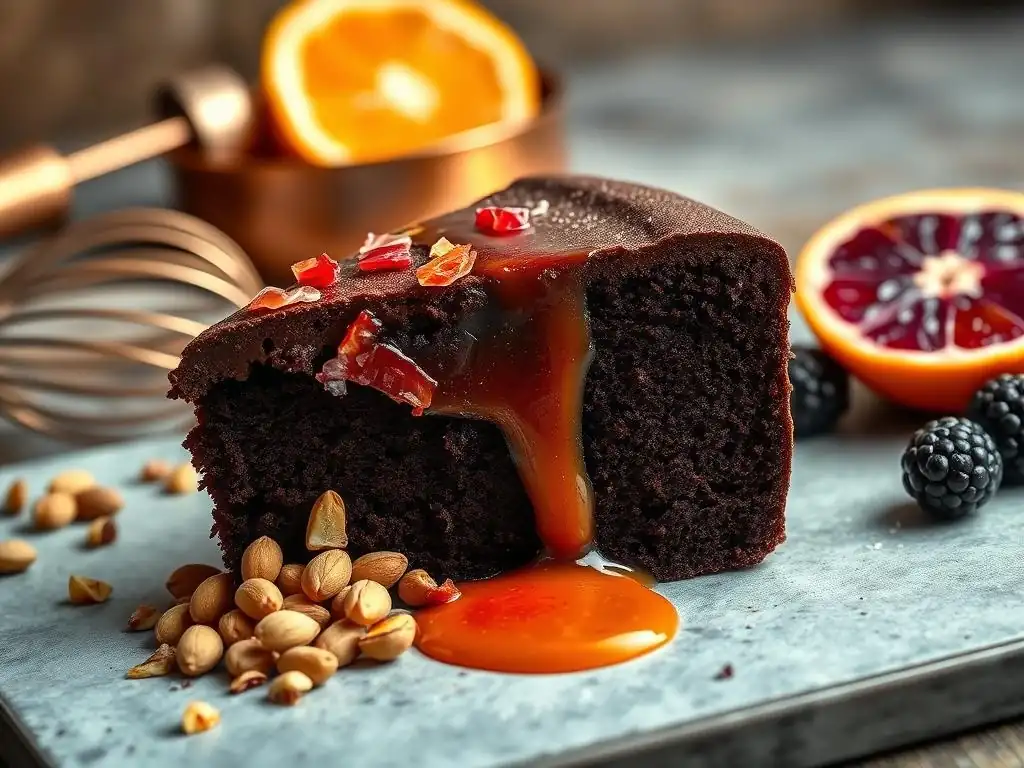
Welcome to BakeWithEase, where we believe everyone can create delicious masterpieces! Are you ready to take your chocolate cakes beyond the ordinary? Discover a symphony of flavor as we delve into the unexpected yet irresistible world of chocolate cake flavor combinations. Prepare to be amazed by how simple pairings can elevate your baking to a whole new level of deliciousness – let's explore!
- Introduction: Elevate Your Chocolate Bakes with Unexpected Flavors
- Exploring Unexpected Chocolate Cake Flavor Combinations
- Top Surprising Flavor Pairings for Chocolate Cakes
- Advanced Chocolate Flavor Combinations for Experienced Bakers
- Tips for Successfully Incorporating New Flavors into Chocolate Baking
- Mastering Chocolate Pairings: From Simple to Sophisticated
- Conclusion: Unlock a World of Flavor with Chocolate Cake Combinations
-
Frequently Asked Questions
- What are some unexpected flavor combinations that go well with chocolate cake?
- Are these flavor pairings suitable for all types of chocolate cake?
- How can I incorporate these flavors into my chocolate cake recipe?
- What is the best way to experiment with chocolate cake flavor combinations?
- Where can I find more detailed recipes and guidance on incorporating these flavor combinations?
- Final Reflection: Unlocking the Symphony of Chocolate
- Unlock Your Inner Chocolate Maestro!
Introduction: Elevate Your Chocolate Bakes with Unexpected Flavors
Baking with chocolate is a joy, offering comforting richness and familiar sweetness. However, sticking to classic pairings like chocolate and vanilla or chocolate and raspberry, while delicious, can sometimes limit your creative potential in the kitchen. Exploring unexpected flavor combinations can transform your chocolate cakes, cookies, and brownies from predictable treats into extraordinary culinary experiences that surprise and delight. It's about pushing the boundaries of taste and discovering how different profiles interact with the deep, complex notes of cocoa.
This journey into surprising chocolate cake flavor combinations opens up a world of possibilities, inviting you to experiment with ingredients you might not typically associate with dessert. Think beyond the fruit bowl and consider herbs, spices, vegetables, and even savory elements. The goal is not to mask the chocolate but to enhance it, creating layers of flavor that make each bite more interesting and memorable. By understanding how various tastes complement or contrast with chocolate, you can unlock new dimensions in your baking repertoire and truly master the art of flavor pairing.
Why Experiment with Chocolate Cake Flavor Combinations?
Experimenting with chocolate cake flavor combinations is key to evolving as a baker and keeping your creations exciting. It allows you to move beyond standard recipes and develop a unique baking style. Trying new pairings challenges your palate and helps you understand the fundamental principles of flavor science, such as how acidity brightens richness or how bitterness can balance sweetness. This exploration isn't just about novelty; it's about crafting more complex and harmonious taste experiences.
Furthermore, unique flavor combinations can make your bakes stand out, whether you're baking for friends, family, or a special occasion. A classic chocolate cake is lovely, but a chocolate cake with a hint of unexpected spice or floral aroma is truly unforgettable. Data suggests that consumers are increasingly seeking novel and adventurous flavor experiences, even in familiar comforts like cake. Embracing creative flavor pairings for chocolate cakes aligns with this trend, making your baking not just delicious but also modern and exciting.
Exploring Unique Chocolate Pairings
Venturing into unique chocolate pairings requires a sense of adventure and a willingness to try new things. It often starts with a simple question: "What if I added...?" This curiosity can lead to surprising discoveries. For instance, the combination of chocolate and sea salt became wildly popular because the salt amplifies the chocolate's sweetness and complexity while adding a pleasant textural contrast. This success story highlights the potential of seemingly simple additions to dramatically improve a chocolate bake.
Beyond salt, consider ingredients with strong, distinct profiles. Herbs like rosemary or thyme, spices like cardamom or star anise, or even vegetables like beetroot or avocado can offer fascinating interactions with chocolate. The key is often using these ingredients judiciously, allowing their unique characteristics to provide an interesting counterpoint rather than overwhelming the chocolate. Exploring these unique chocolate pairings is an exciting way to deepen your understanding of ingredients and their potential together.
Exploring Unexpected Chocolate Cake Flavor Combinations
Moving into truly unexpected chocolate cake flavor combinations requires a deeper understanding of how flavors interact. It's not random; there's often a scientific or cultural basis for why certain pairings work, even if they seem counterintuitive at first glance. For example, the traditional Mexican mole sauce often combines chocolate with chili peppers and spices, demonstrating a long-standing appreciation for the interplay of sweet, bitter, and spicy notes. This historical context can provide clues for modern baking experiments.
When exploring these unusual pairings, consider the intensity of both the chocolate and the accompanying flavor. A delicate white chocolate will pair differently than a robust dark chocolate with 70% cocoa solids. Similarly, a subtle infusion of lavender is distinct from a potent kick of cayenne pepper. Successful unexpected chocolate cake flavor combinations rely on balancing these intensities to create a harmonious and intriguing result, rather than a jarring clash of tastes.
The Science Behind Flavor Pairing: Why Some Combinations Work
The science behind flavor pairing often involves identifying compounds that are present in seemingly disparate ingredients. When these ingredients share key aromatic or taste compounds, they are more likely to create a pleasant combination. For instance, studies using gas chromatography-mass spectrometry have revealed shared volatile compounds between chocolate and ingredients like coffee, vanilla, and even surprising partners like potatoes or beef! While we're focused on cakes, this illustrates that chemical similarities can bridge flavor gaps.
Another aspect is the interplay of basic tastes: sweet, sour, salty, bitter, and umami. Chocolate naturally possesses sweetness and bitterness. Adding salt enhances sweetness and reduces bitterness. Adding an acidic component, like citrus zest, can brighten the richness and cut through the sweetness. Spices like chili introduce pungency, which interacts with taste receptors in a different way, creating warmth that contrasts with the cool, melting sensation of chocolate. Understanding these basic interactions is fundamental to creating successful chocolate cake flavor combinations.
Understanding Flavor Profiles: Sweet, Savory, Spicy, and Bitter
To effectively experiment with chocolate cake flavor combinations, it's helpful to understand the different flavor profiles you can work with. Sweetness is the most obvious partner for chocolate, providing comfort and balancing bitterness, especially in dark chocolate. But relying solely on sweetness limits complexity. Savory elements, like sea salt or even herbs, can provide contrast and depth, preventing the bake from being one-dimensionally sweet.
Spicy flavors, like chili or ginger, add warmth and excitement, creating a dynamic tension with the rich, smooth texture of chocolate. The heat can linger pleasantly, inviting another bite. Bitter notes, inherent in dark chocolate itself, can be enhanced or contrasted. Pairing dark chocolate with coffee (which is also bitter) intensifies the deep, roasted notes, while pairing it with something very sweet can soften its edge. Exploring how these profiles interact is key to mastering unique chocolate cake flavor combinations.
Top Surprising Flavor Pairings for Chocolate Cakes
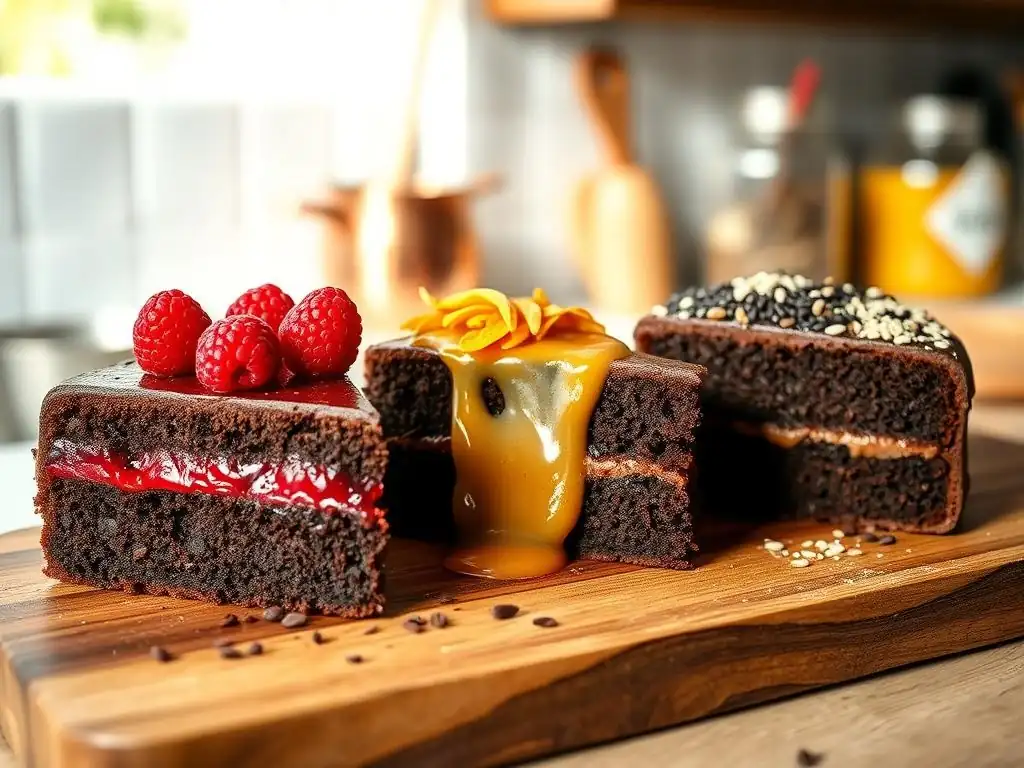
Ready to move beyond the basics? Here are some top surprising flavor pairings that can elevate your chocolate cakes from delightful to extraordinary. These combinations might sound unusual at first, but they offer incredible depth and complexity when used thoughtfully. Each pairing provides a unique character that complements the richness of chocolate in unexpected ways, proving that the best chocolate cake flavor combinations often lie just outside the conventional.
Consider starting with small quantities to see how the flavors interact before committing to a full recipe. A dash of spice, a sprinkle of herb, or a subtle infusion can make a significant difference. These examples represent a range of profiles – spicy, creamy, floral, earthy, and intensifying – showcasing the versatility of chocolate as a base for innovation. Experimenting with these pairings is an exciting way to expand your baking horizons.
Chocolate and Chili: A Spicy Kick to Your Chocolate Dessert
The combination of chocolate and chili is a classic in some cultures, like Mexican cuisine, but still surprising to many in Western desserts. The capsaicin in chili peppers creates a warming sensation that contrasts beautifully with the smooth, melting texture of chocolate. The heat level can range from a subtle warmth that enhances the chocolate's depth to a noticeable kick that provides an exciting counterpoint. Dark chocolate, with its inherent bitterness, works particularly well with chili, as the sweetness of the cake balances the heat.
To incorporate chili into your chocolate cake flavor combinations, you can use chili powder, cayenne pepper, or even finely minced fresh chilies. A common approach is to add a pinch of cayenne pepper to the cake batter or chocolate ganache. For a more nuanced flavor, consider infusing milk or cream with dried ancho or chipotle peppers before using it in the recipe. This imparts a smoky, complex heat rather than just pure fire. Start with a small amount, perhaps 1/4 teaspoon of cayenne per cup of flour in the recipe, and adjust to your preference.
Recipe Ideas: Chocolate Chili Cake with Cinnamon Cream Cheese Frosting
Imagine a moist, dark chocolate cake infused with a subtle warmth from chili. This isn't about making a spicy cake, but a cake with a hint of spice that surprises you after the initial chocolatey goodness. The cake batter could include a teaspoon of chili powder or a pinch of cayenne pepper per standard 9-inch cake recipe, alongside classic ingredients like cocoa powder, flour, sugar, eggs, and milk. The heat should be noticeable but not overwhelming, providing a pleasant lingering sensation on the palate that complements the chocolate's richness.
To balance the heat and richness, a cinnamon cream cheese frosting provides a creamy, slightly tangy, and warm counterpoint. The cinnamon harmonizes beautifully with both chocolate and chili, adding another layer of complexity. The frosting would be a standard cream cheese frosting base (cream cheese, butter, powdered sugar) with a generous addition of ground cinnamon, perhaps a full tablespoon for a batch sufficient for one cake. This combination of spicy chocolate cake and warm, tangy frosting creates a truly unique and memorable dessert experience among chocolate cake flavor combinations.
Chocolate and Avocado: Creamy and Decadent Chocolate Indulgence
Using avocado in chocolate bakes might sound strange, but it's a fantastic way to add incredible moisture and richness without relying solely on butter or oil. Avocado has a neutral flavor profile that allows the chocolate to shine, while its high fat content contributes to a wonderfully smooth and creamy texture. It's often used in vegan or healthier chocolate dessert recipes as a binder and source of healthy fats, but it works equally well in traditional bakes to boost texture and decadence.
When using avocado in chocolate cake flavor combinations, ensure the avocado is ripe and mashed completely smooth to avoid any lumps or green flecks. It blends seamlessly into batters and ganaches, providing a velvety consistency. Approximately half an avocado can often replace a significant portion of the fat in a standard cake recipe, contributing moisture and a luxurious mouthfeel. This pairing is less about a distinct avocado flavor and more about leveraging its unique texture and nutritional properties to enhance the chocolate experience.
Recipe Ideas: Avocado Chocolate Cake with Dark Chocolate Shavings
Picture a deeply moist and incredibly tender chocolate cake where the secret ingredient is ripe avocado. The cake batter would combine cocoa powder, flour, sugar, eggs, and liquid, but a portion of the butter or oil would be replaced with smooth, mashed avocado. This substitution results in a cake crumb that is exceptionally soft and melt-in-your-mouth, with an intense chocolate flavor that is amplified by the richness the avocado provides. There is no discernable avocado taste, only a superior texture.
To enhance the decadence, this cake could be topped with simple dark chocolate shavings or curls. The slight bitterness and firm texture of the shaved chocolate provide a lovely contrast to the moist, tender avocado-enhanced cake. Using a high-quality dark chocolate with at least 60% cocoa content for the shavings adds another layer of intense chocolate flavor. This pairing highlights how a seemingly unusual ingredient can improve the fundamental characteristics of a chocolate cake, making it moister and more luxurious within the realm of creative chocolate cake flavor combinations.
Chocolate and Lavender: A Floral and Aromatic Twist
The pairing of chocolate and lavender offers a sophisticated and aromatic experience. Lavender has a distinct floral and slightly herbaceous note that can be overpowering if used too heavily, but when used sparingly, it provides a beautiful, fragrant counterpoint to the richness of chocolate. This combination is popular in artisanal chocolates and pastries, prized for its elegant and unexpected profile. It's a great example of how non-traditional ingredients can create refined chocolate cake flavor combinations.
To incorporate lavender, use culinary-grade dried lavender buds. You can infuse milk or cream with the lavender by gently heating them together and letting them steep for about 15-20 minutes before straining out the buds. This infused liquid can then be used in your cake batter or ganache. Alternatively, you can grind a small amount of dried lavender with sugar or cocoa powder to distribute the flavor evenly. Aim for a subtle floral hint, not a strong perfumed taste. A good starting point is often 1-2 teaspoons of dried lavender per cup of liquid for infusion.
Recipe Ideas: Lavender Infused Chocolate Cake with Honey Glaze
Imagine a delicate chocolate cake with a subtle, fragrant hint of lavender woven throughout. The cake batter could be made using milk that has been steeped with culinary-grade dried lavender buds, then strained. This process imparts the aromatic oils of the lavender into the liquid, which is then incorporated into the cake batter along with cocoa powder, flour, sugar, and other standard ingredients. The result is a moist chocolate cake where the characteristic deep cocoa flavor is accompanied by a gentle, floral whisper that makes each bite intriguing.
To complement the floral notes and the chocolate's sweetness, a simple honey glaze works beautifully. Honey's natural sweetness and distinct floral undertones (depending on the type of honey) harmonize with both the lavender and the chocolate. A glaze made from powdered sugar whisked with a small amount of honey and milk or lemon juice can be drizzled over the cooled cake. This combination of lavender-infused chocolate cake and sweet, aromatic honey glaze creates an elegant and surprising dessert, showcasing unique chocolate cake flavor combinations.
Chocolate and Rosemary: An Earthy and Herbaceous Delight
Chocolate and rosemary is perhaps one of the most surprising pairings, but it can create a complex and grounding flavor experience. Rosemary has a strong, resinous, and slightly piney flavor that provides an earthy contrast to the sweetness and bitterness of chocolate. This combination is less about sweetness and more about depth and sophistication, appealing to a more adventurous palate. It demonstrates that savory herbs can find a place among successful chocolate cake flavor combinations.
Similar to lavender, rosemary is best used via infusion. Gently heat milk or cream with fresh rosemary sprigs, let it steep, and then strain. This infused liquid can be used in the cake batter or in a ganache or frosting. Alternatively, you can finely chop fresh rosemary leaves and add a very small amount directly to the batter, though this can sometimes result in a more assertive flavor. Start with a single small sprig for infusing a cup of liquid to gauge the intensity. The earthy notes of rosemary pair particularly well with darker, less sweet chocolates.
Recipe Ideas: Rosemary Chocolate Cake with Olive Oil Ganache
Consider a dark chocolate cake with an intriguing, slightly earthy undertone from rosemary. The cake could be baked using milk that has been infused with fresh rosemary sprigs, providing a subtle herbaceous note that complements the deep, slightly bitter flavor of dark cocoa. The cake batter would also benefit from using a good quality dark cocoa powder and perhaps less sugar than a standard recipe to allow the rosemary and chocolate flavors to stand out. The texture should be moist and tender, providing a rich base for the unique pairing.
To enhance the earthy notes and add a layer of fruity richness, an olive oil ganache makes an excellent topping. A ganache made from melted dark chocolate whisked with warm cream and a tablespoon or two of high-quality extra virgin olive oil creates a glossy, decadent topping with a subtle peppery or fruity finish depending on the oil. This combination of rosemary-infused chocolate cake and rich olive oil ganache offers a sophisticated and unexpected flavor profile, pushing the boundaries of traditional chocolate cake flavor combinations.
Chocolate and Coffee: Intensifying the Chocolate Experience
While not as "surprising" as some other pairings, the combination of chocolate and coffee is a classic for a reason: it intensifies and enhances the flavor of chocolate beautifully. Coffee, particularly espresso, shares many aromatic compounds with cocoa, leading to a harmonious and deeper chocolate taste. It brings out the roasted notes in cocoa beans and adds a subtle bitterness that can balance sweetness. This pairing is a fundamental example of successful chocolate cake flavor combinations that leverage shared characteristics.
You can incorporate coffee into chocolate bakes in several ways. Using strong brewed coffee or espresso as the liquid component in a cake batter instead of milk or water is a common technique. Adding instant espresso powder directly to the dry ingredients is another effective method, as it provides concentrated coffee flavor without adding excess liquid. Even a small amount, like 1-2 teaspoons of instant espresso powder per cup of flour, can significantly boost the chocolate flavor. Coffee liqueur can also be used to add flavor and moisture.
Recipe Ideas: Mocha Chocolate Cake with Espresso Cream
Imagine a deeply flavored chocolate cake where the chocolate taste is amplified by coffee. The cake batter could use strong brewed coffee or espresso as the primary liquid ingredient. This not only adds coffee flavor but also makes the chocolate flavor more pronounced and complex. The batter would include cocoa powder, flour, sugar, eggs, and perhaps a touch of instant espresso powder for an extra kick. The resulting cake is incredibly moist with a rich, dark, and slightly bitter chocolate flavor underpinned by coffee notes.
To complement the intense cake base, an espresso cream frosting or filling provides a harmonious pairing. This could be a whipped cream, buttercream, or ganache flavored with espresso powder or a reduction of brewed espresso. A simple espresso whipped cream made by whipping heavy cream with powdered sugar and a teaspoon or two of instant espresso powder is light and decadent. This mocha chocolate cake with espresso cream is a perfect example of how combining related flavors can create a more intense and satisfying experience among classic and elevated chocolate cake flavor combinations.
Advanced Chocolate Flavor Combinations for Experienced Bakers
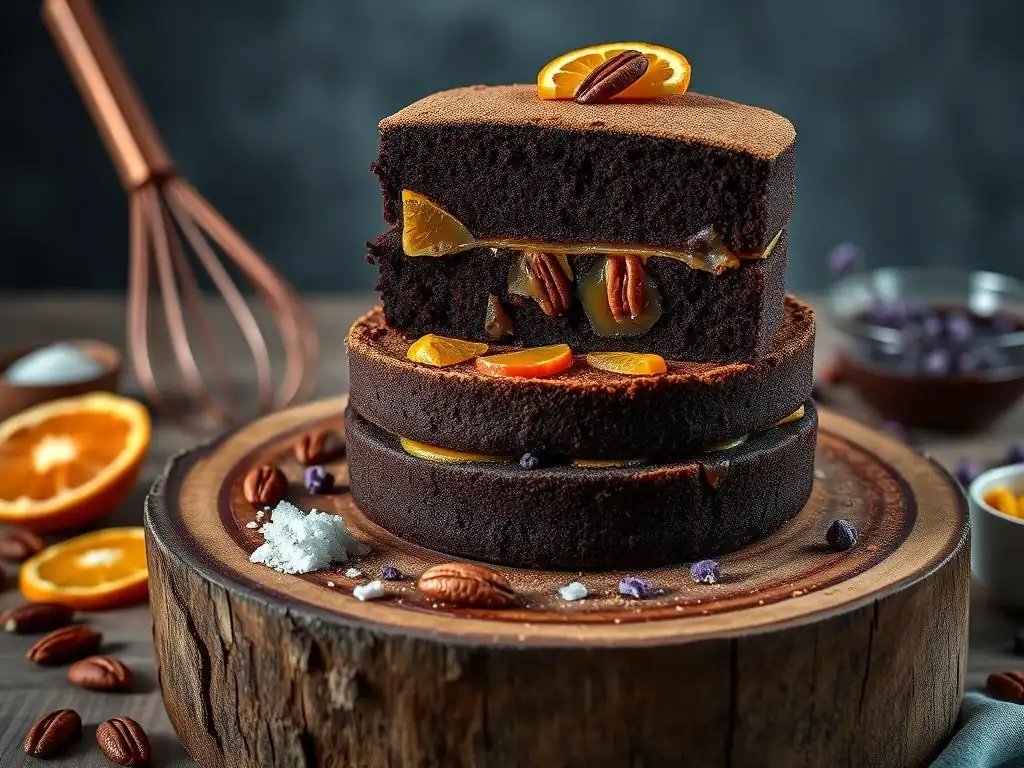
For those comfortable with basic chocolate cake flavor combinations and looking for a challenge, exploring more complex pairings can lead to truly innovative desserts. These combinations often involve multiple distinct flavors or ingredients that require careful balancing and technique. They push the boundaries further, incorporating ingredients like root vegetables or vinegars to create sophisticated and multi-layered taste experiences.
These advanced pairings require a deeper understanding of how different flavor profiles interact and how to manage moisture and texture when incorporating unusual ingredients. They are perfect for experienced bakers who enjoy experimenting and creating desserts that are truly unique and memorable. Mastering these combinations is a rewarding step in becoming a skilled flavor architect in the world of chocolate baking.
Salted Caramel and Dark Chocolate Layer Cake
This combination is popular but achieving perfection requires precision. A rich, dark chocolate cake (often 70% cocoa or higher) provides a robust, slightly bitter base. This is layered with a homemade salted caramel sauce, which offers intense sweetness and a crucial salty kick. The salt is key; it cuts through the sweetness of the caramel and highlights the deep notes of the dark chocolate. Achieving the right balance of saltiness in the caramel is critical – too little and it's just sweet, too much and it's unpleasant.
The texture contrast is also important: a moist cake crumb paired with a smooth, slightly chewy caramel and often a complementary frosting like dark chocolate ganache or a fluffy sea salt buttercream. The interplay of rich chocolate, sweet and salty caramel, and creamy frosting creates a multi-sensory experience. Successful execution involves careful caramel making (reaching the right temperature for color and flavor) and ensuring the caramel doesn't make the cake layers soggy, perhaps by using a protective layer of frosting. This is a classic example of advanced chocolate cake flavor combinations done right.
Beetroot and Chocolate Fudge Cake: A Sweet and Earthy Blend
Using beetroot in chocolate cake might sound unconventional, but it's a surprisingly effective pairing, particularly in fudge cakes. Cooked and pureed beetroot adds incredible moisture and a natural sweetness to the cake, reducing the need for as much added sugar. Its earthy flavor, while subtle, complements the deep, slightly bitter notes of dark chocolate beautifully, adding complexity. The natural red pigment also enhances the cake's rich, dark color, making it visually striking.
Incorporating beetroot requires careful preparation – the beetroot must be cooked until very tender and then pureed until absolutely smooth to avoid texture issues. Approximately one cup of beetroot puree can often replace a significant portion of the liquid and fat in a standard chocolate fudge cake recipe. The result is a remarkably moist, dense, and intensely chocolatey cake with a subtle, intriguing earthy undertone that elevates it beyond a simple fudge cake. This pairing showcases how vegetables can contribute positively to chocolate cake flavor combinations.
Balsamic Glazed Strawberries with Chocolate Torte
Combining balsamic vinegar with strawberries and chocolate creates a sophisticated interplay of sweet, tart, and rich flavors. Balsamic vinegar, particularly aged varieties, has a complex sweetness and acidity that enhances the natural sweetness of strawberries and provides a bright, acidic counterpoint to rich dark chocolate. This pairing works wonderfully with a dense chocolate torte or a flourless chocolate cake, where the intense chocolate flavor can stand up to the bold glaze.
The process involves macerating fresh strawberries in a high-quality balsamic vinegar and a little sugar, allowing the flavors to meld. This mixture is then often reduced slightly to create a syrupy glaze. The acidity of the balsamic brightens the overall flavor profile, preventing the dessert from being overly heavy. Serving these glazed strawberries alongside or on top of a rich chocolate torte creates a dessert with layers of flavor – intense chocolate, sweet-tart strawberries, and the complex tang of balsamic vinegar. It's a refined example of how acidity can balance and enhance chocolate cake flavor combinations.
Tips for Successfully Incorporating New Flavors into Chocolate Baking
Venturing into new chocolate cake flavor combinations can be exciting, but it also requires some careful consideration to ensure success. It's not just about throwing ingredients together; it's about understanding how they interact with chocolate and with each other. Here are some essential tips to guide you as you experiment with unexpected pairings, helping you create harmonious and delicious bakes every time.
Following these guidelines will help you avoid common pitfalls and increase your chances of creating truly memorable chocolate desserts. Remember that baking is both an art and a science, and successful flavor pairing often involves a bit of both – creativity balanced with an understanding of how ingredients behave.
Start Small: Experiment with Extracts and Infusions
When trying a new flavor pairing for the first time, it's wise to start small. Instead of adding a large amount of a potent ingredient directly into your batter, try incorporating it gradually. Extracts are an excellent way to test the waters; a few drops of lavender extract or a tiny amount of chili extract can give you an idea of how the flavor interacts with the chocolate base before you commit to a full-scale infusion or direct addition.
Infusions are another controlled way to introduce flavors. As mentioned with lavender and rosemary, steeping herbs, spices, or even citrus zest in the liquid component of your recipe (milk, cream, or butter) allows the flavors to gently permeate without overwhelming the chocolate. You can taste the infused liquid before adding it to the batter and adjust its strength. This cautious approach helps you find the right balance and prevents you from ruining an entire batch of cake while exploring new chocolate cake flavor combinations.
Balance is Key: Don't Overpower the Chocolate
The goal when exploring surprising chocolate cake flavor combinations is almost always to enhance or complement the chocolate, not to mask it. Chocolate should remain the star of the show. This means using your chosen flavor pairing judiciously. A common mistake is adding too much of a strong ingredient like chili, lavender, or rosemary, resulting in a bake that tastes primarily of the added flavor with only a hint of chocolate.
Think of the added flavor as a supporting actor, not the lead. Its role is to provide an interesting counterpoint, a subtle hint, or a layer of complexity that makes the chocolate taste even better. For example, in a chocolate chili cake, you want the warmth of the chili to bloom after you taste the chocolate, not hit you first. Achieving this balance often requires testing and adjustment, starting with a minimal amount and gradually increasing until you find the perfect harmony.
Use High-Quality Chocolate: The Foundation of Great Flavor
Regardless of how creative your chocolate cake flavor combinations are, the quality of the chocolate you use will fundamentally impact the final taste. Cheap chocolate or cocoa powder can result in flat, one-dimensional flavor, which no amount of chili or lavender can truly fix. High-quality chocolate, especially dark chocolate with a high cocoa percentage (like 60% or more), offers complex notes – fruity, floral, nutty, earthy – that provide a rich foundation for pairing.
Using good quality cocoa powder is equally important for the cake itself. Look for Dutch-processed cocoa for a smoother, less acidic flavor or natural cocoa for a stronger, slightly more bitter taste, depending on your recipe's needs. Investing in better chocolate ensures that the primary flavor you are building upon is robust and delicious, making your surprising flavor pairings shine even brighter. The best chocolate cake flavor combinations start with the best chocolate.
Mastering Chocolate Pairings: From Simple to Sophisticated
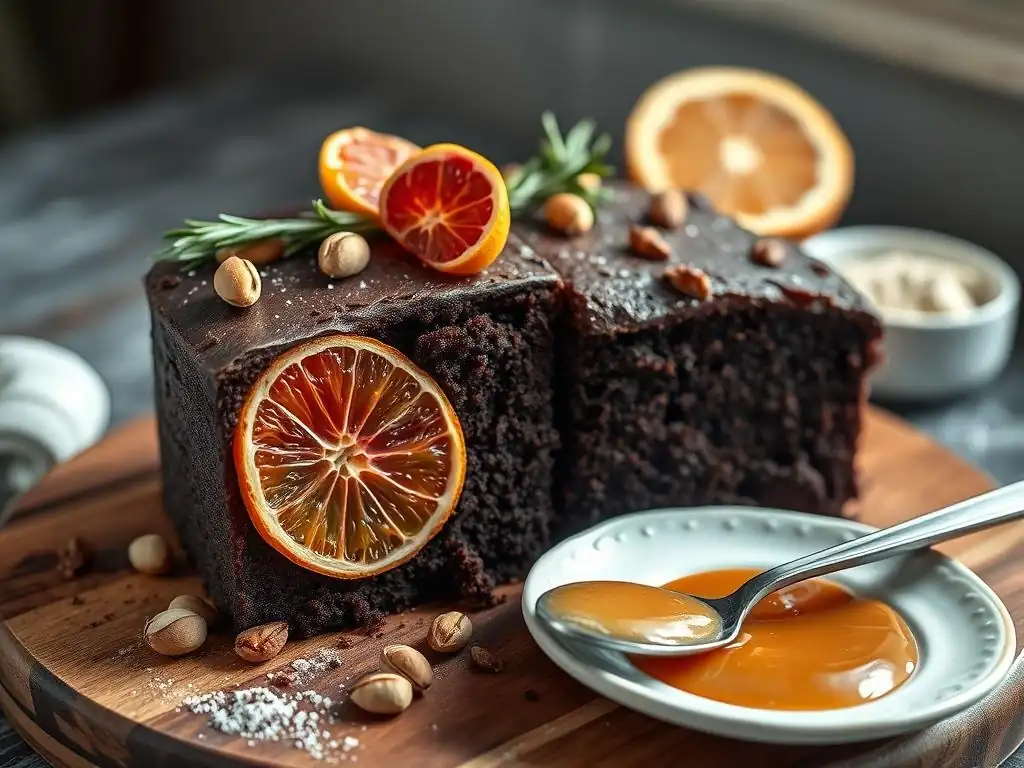
Mastering the art of chocolate pairings is a journey that starts with understanding the basics and gradually moves towards more sophisticated techniques and combinations. It's a skill developed through experimentation, tasting, and learning how different ingredients behave when combined with chocolate. This process allows bakers of all levels to explore and create unique chocolate cake flavor combinations that impress.
Whether you're just starting to think beyond chocolate chips or you're ready to tackle complex flavor profiles, there are steps you can take to improve your pairing skills. It's about building confidence and intuition in the kitchen, guided by a few key principles of flavor interaction.
Chocolate Cake Flavor Combinations for Beginners
If you're new to experimenting with chocolate cake flavor combinations, start with pairings that are relatively easy to incorporate and have a high chance of success. Classic pairings like chocolate and mint, chocolate and orange zest, or chocolate and raspberry are great starting points. They are well-loved for a reason and provide a gentle introduction to how complementary flavors work with chocolate.
Once comfortable with those, move to slightly more adventurous but still accessible options like sea salt (added to caramel or sprinkled on top), coffee (using instant espresso powder), or a simple spice like cinnamon or cardamom added to the batter. These ingredients are easy to find and incorporate, and their impact on the chocolate flavor is predictable and generally positive. They build confidence before tackling more complex or unusual chocolate cake flavor combinations.
Advanced Chocolate Flavor Profile Techniques
For experienced bakers looking to master chocolate pairings, advanced techniques involve understanding volatile compounds, managing acidity and bitterness, and using temperature to manipulate flavor release. This includes techniques like infusing fats (butter, oil) with flavors, creating reductions of liquids like balsamic vinegar or fruit purees to concentrate flavor, or using fermentation notes (like in some aged vinegars or coffee beans) to add complexity.
It also involves thinking about texture as part of the flavor profile. Pairing a smooth ganache with a crunchy element (like cocoa nibs or toasted nuts) or a soft cake crumb with a chewy caramel adds another dimension to the experience. Advanced bakers also consider the origin of the chocolate itself, as different single-origin chocolates have distinct flavor notes that can be highlighted or complemented by specific pairings. Exploring these advanced techniques allows for truly sophisticated chocolate cake flavor combinations.
Conclusion: Unlock a World of Flavor with Chocolate Cake Combinations
Exploring the world of chocolate cake flavor combinations is an exciting adventure that can transform your baking. By daring to move beyond the familiar, you unlock a realm of potential where classic chocolate is enhanced and elevated by unexpected partners. From the warming kick of chili to the sophisticated aroma of lavender, the creamy richness of avocado, the earthy depth of rosemary, or the intensifying power of coffee, each pairing offers a unique opportunity to create something truly special.
Remember that the best chocolate cake flavor combinations are often the result of curiosity, experimentation, and a little bit of bravery in the kitchen. Don't be afraid to try new things, start small, and pay attention to how flavors interact. With high-quality chocolate as your foundation and a willingness to explore, you can create desserts that are not only delicious but also surprising and memorable, delighting anyone who takes a bite.
Recommendation: Start Experimenting Today!
The best way to learn about surprising chocolate cake flavor combinations is to simply start trying them. Pick one pairing that intrigues you from the list – perhaps the chili, the lavender, or the rosemary. Find a simple, reliable chocolate cake recipe that you trust. Then, using the tips provided, incorporate the new flavor in a small, controlled way. Bake the cake, taste it critically, and see how the new flavor interacts with the chocolate.
Keep notes on what you tried, how much you used, and what you thought of the result. This documentation will be invaluable as you continue to experiment. Don't be discouraged if a pairing doesn't work perfectly the first time; it's all part of the learning process. Every experiment, successful or not, teaches you something new about flavor and baking. So, grab your apron and ingredients, and start unlocking the exciting world of chocolate cake flavor combinations today!
The Future of Chocolate Baking: Embracing Innovative Flavors
The future of chocolate baking lies in embracing innovation and pushing the boundaries of traditional flavor profiles. As palates become more sophisticated and consumers seek unique experiences, bakers who are willing to explore surprising chocolate cake flavor combinations will lead the way. This means looking to global cuisines for inspiration, considering savory ingredients, and utilizing advanced techniques to create complex, balanced, and intriguing desserts.
We can expect to see more bakes featuring ingredients like black garlic, miso, unusual spices, or even vegetables used in creative ways with chocolate. The focus will continue to be on balancing these bold flavors with the inherent richness and complexity of chocolate, creating harmonious and delicious results. By experimenting with innovative chocolate cake flavor combinations now, you are not just baking for today; you are contributing to the exciting evolution of baking itself.
Frequently Asked Questions
What are some unexpected flavor combinations that go well with chocolate cake?
Many flavors complement chocolate beyond the usual vanilla. Consider pairing it with spicy chili, tangy citrus like orange or grapefruit, or even savory herbs like rosemary.
Are these flavor pairings suitable for all types of chocolate cake?
The suitability depends on the intensity of the chocolate cake. Dark, rich cakes can handle bolder flavors like chili, while lighter cakes might be better with delicate citrus or nutty complements.
How can I incorporate these flavors into my chocolate cake recipe?
You can infuse flavors through various methods. Add zest or juice directly, incorporate spices into the batter, or create flavored frostings and glazes to complement the chocolate.
What is the best way to experiment with chocolate cake flavor combinations?
Start small! Bake a batch of cupcakes and try different frostings or fillings. This allows you to experiment with minimal waste and discover your personal preferences.
Where can I find more detailed recipes and guidance on incorporating these flavor combinations?
BakeWithEase.com offers a wide range of recipes and step-by-step guides specifically designed to help you explore chocolate cake flavor combinations with easy-to-find ingredients.
Final Reflection: Unlocking the Symphony of Chocolate
The unexpected pairings explored in this article aren't just culinary curiosities; they represent a powerful reminder that creativity in baking knows no bounds. The seemingly simple act of combining ingredients can unlock entirely new dimensions of flavor, transforming a classic chocolate cake into a truly unforgettable experience. This isn't just about following recipes; it's about understanding the fundamental principles of flavor interaction and applying them to your own baking journey.
The exploration of unusual chocolate cake flavor combinations has profoundly impacted my own approach to baking, shifting my focus from strict adherence to traditional recipes to a more experimental and intuitive process. The best things in life are unexpected,
a sentiment that rings truer than ever when considering the delightful surprises that emerge from unconventional flavor pairings. This journey of discovery has not only enriched my own baking but has also highlighted the importance of embracing risk and celebrating the unexpected in the culinary arts.
Now, it's your turn. Don't be afraid to step outside the box, to experiment with those flavor combinations that might seem unusual at first glance. The next time you're reaching for your chocolate chips, consider the possibilities beyond the familiar. Let this article serve as a springboard for your own culinary adventures, inspiring you to create your own signature chocolate cake masterpiece, a testament to the boundless potential of flavor exploration. What unexpected symphony will you compose?
Unlock Your Inner Chocolate Maestro!
Thanks for exploring the world of surprising chocolate flavor pairings with us! We hope you've discovered some delicious new ideas to elevate your baking. Ready to put your newfound knowledge into practice?
- Craft your masterpiece: Experiment with one of the flavor combinations from the article in your next batch of brownies, cookies, or cake. Let your creativity flow!
- Share your sweet success: Post a picture of your creation on social media using #BakeWithEaseFlavorFusion and tag us! We love seeing your baking adventures.
- Join the baking community: Leave a comment below sharing your favorite unusual chocolate pairing – or one you'd like to try!
What unexpected flavor will you dare to combine with chocolate next?