
Dark, Milk, White: Choosing the Perfect Chocolate for Your Bake

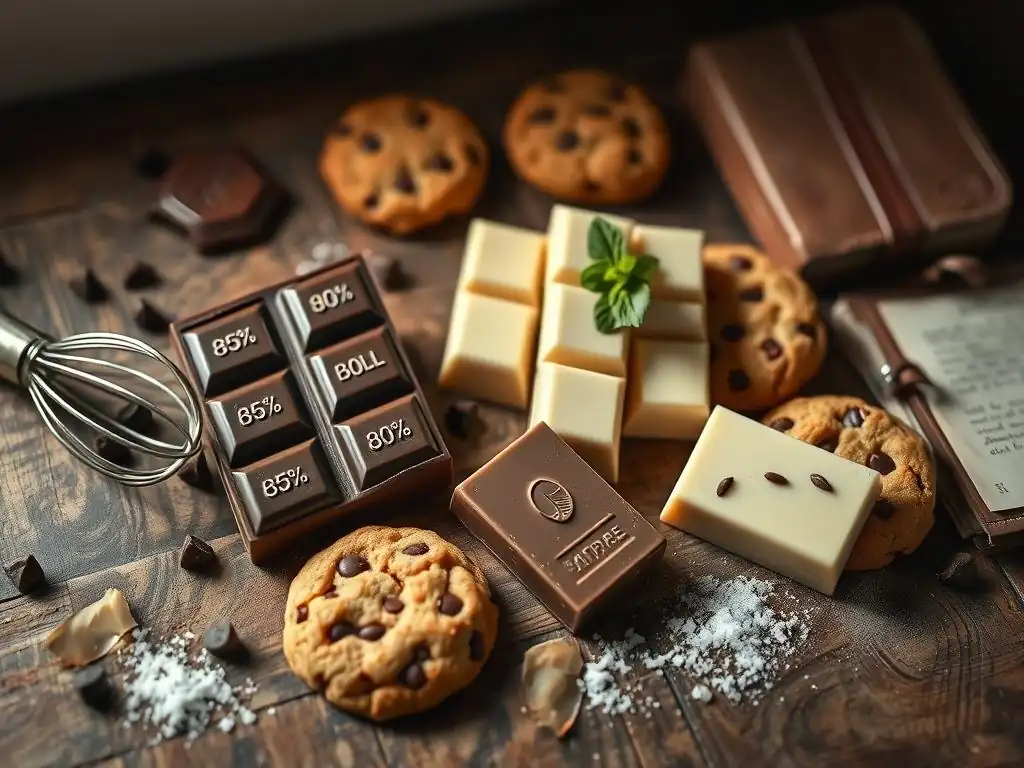
Welcome to BakeWithEase, your partner in creating delicious homemade treats! Ever wondered which chocolate truly unlocks the ultimate flavor in your baking? Our Chocolate Baking Recipe Guide dives deep into the secrets of dark, milk, and white chocolate, revealing how to choose the perfect type to elevate your next masterpiece. Unlock the nuances of each variety and discover the key to truly decadent desserts – let's get baking!
- Chocolate Baking Recipe Guide: Choosing the Perfect Chocolate for Your Bake - BakeWithEase.com
- Dark Chocolate in Baking: Richness and Intensity
- Milk Chocolate in Baking: Sweetness and Creaminess
- White Chocolate in Baking: Delicate Sweetness and Versatility
- Comparing Dark, Milk, and White Chocolate for Baking
- Choosing the Right Chocolate for Your Baking Recipe: A Decision Guide
- Advanced Chocolate Baking Techniques
- Troubleshooting Common Chocolate Baking Problems
-
Frequently Asked Questions
- What are the key differences between dark, milk, and white chocolate in baking?
- How does the type of chocolate affect the texture of my baked goods?
- Which type of chocolate is best for a beginner baker using a Chocolate baking recipe guide?
- Can I substitute one type of chocolate for another in a recipe?
- Where can I find reliable Chocolate baking recipe guide resources for using different chocolate types?
- Final Reflection: The Sweet Science of Chocolate Selection
- Unlock Your Chocolate Baking Potential!
Chocolate Baking Recipe Guide: Choosing the Perfect Chocolate for Your Bake - BakeWithEase.com
The Importance of Chocolate Type in Baking Recipes
The type of chocolate you choose for your baking project isn't just about flavor; it significantly impacts the final texture, structure, and overall success of your bake. Different chocolates have varying levels of cocoa solids, cocoa butter, sugar, and milk solids. These components react differently under heat and when combined with other ingredients.
For example, using a chocolate with a high cocoa butter content will result in a richer, smoother texture when melted into a ganache or added to a batter, compared to a chocolate with less cocoa butter. The sugar content also plays a crucial role, affecting not only sweetness but also how the chocolate melts and sets. A chocolate with more sugar will melt more easily and be less prone to seizing than one with less sugar.
Moreover, the structure that chocolate provides in a baked good varies greatly depending on its type. In a classic brownie recipe, using a high-quality dark chocolate with around 60-70% cocoa solids contributes to a fudgy, dense texture because the cocoa solids provide structure as they bake and cool.
Substituting this with milk chocolate, which has significantly fewer cocoa solids and more sugar and milk fat, would likely result in a softer, sweeter, and possibly less stable brownie that doesn't hold its shape as well. Understanding these fundamental differences is key to mastering your chocolate baking recipe guide and achieving consistent, delicious results every time you bake.
Exploring Different Types of Chocolate for Baking
When you walk down the baking aisle, the array of chocolate options can be overwhelming: chips, bars, wafers, cocoa powder, and different percentages. For baking purposes, chocolate is generally categorized into dark, milk, and white, but within these categories, there are important distinctions. Dark chocolate ranges from bittersweet to semi-sweet, defined by its cocoa solid percentage, usually from 35% up to 85% or even higher.
Milk chocolate contains milk solids and is sweeter, typically having between 10-40% cocoa solids. White chocolate, uniquely, contains no cocoa solids but is made from cocoa butter, sugar, and milk solids, giving it a creamy, sweet flavor.
Beyond these main types, you might encounter unsweetened chocolate (100% cocoa solids, very bitter, used in specific recipes for intense chocolate flavor), couverture chocolate (high cocoa butter content, designed for melting and tempering, often used by professionals for coatings and decorations), and compound chocolate (made with vegetable oil instead of cocoa butter, melts easily but lacks the complex flavor and texture of real chocolate). For most home baking, focusing on good quality dark, milk, and white chocolate bars or chips specifically formulated for baking will cover the majority of chocolate baking recipe guide needs.
Dark Chocolate in Baking: Richness and Intensity
What is Dark Chocolate? Understanding Cocoa Percentage
Dark chocolate is defined by the presence of cocoa solids, cocoa butter, and sugar, with no added milk solids (though trace amounts might be present due to manufacturing). The percentage listed on the packaging refers to the total amount of cocoa components – cocoa solids and cocoa butter. This percentage is the most significant indicator of the chocolate's flavor intensity and bitterness. A chocolate labeled 60% cocoa means that 60% of its weight comes from cocoa solids and cocoa butter, with the remaining 40% primarily being sugar and sometimes vanilla or lecithin.
A higher cocoa percentage generally means less sugar and a more intense, less sweet, and potentially more bitter or complex flavor profile. For instance, a 70% dark chocolate will be noticeably less sweet and have a deeper, perhaps fruitier or earthier, flavor than a 50% dark chocolate.
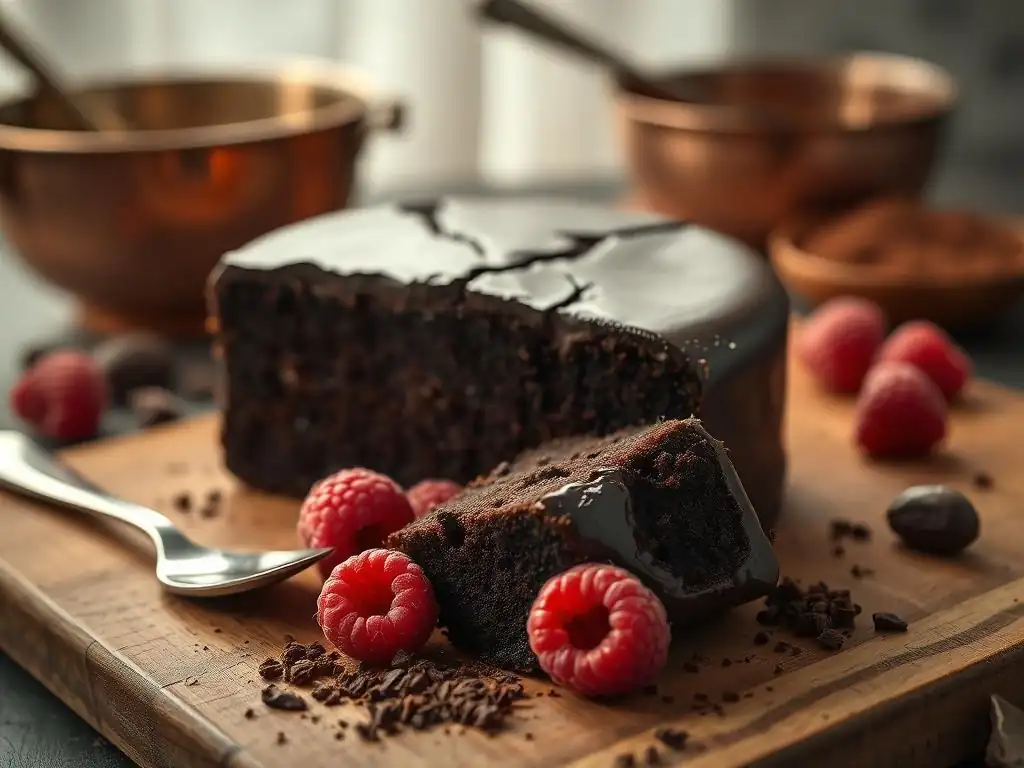
For many chocolate baking recipe guide applications, a range between 60% and 75% offers a good balance of intense chocolate flavor without being overly bitter, making it versatile for everything from cookies to cakes. Chocolates with 80% or higher cocoa content are best for recipes where a very strong, less sweet chocolate presence is desired, like certain truffles or flourless cakes.
Best Dark Chocolate for Baking: Brands and Recommendations
Choosing the best dark chocolate for baking often comes down to balancing quality, flavor profile, and budget. Look for chocolate specifically labeled for baking, often found in bars, wafers (also called feves or pistoles), or chips. Bars and wafers are generally preferred by serious bakers because they tend to have a higher cocoa butter content than chips, which often contain stabilizers to help them hold their shape during baking. A higher cocoa butter content contributes to a smoother melt and richer texture in your baked goods.
While specific brand recommendations can vary by region and personal preference, generally seek out brands known for quality ingredients and consistent manufacturing. For versatility in a chocolate baking recipe guide, having a good 60-70% dark chocolate on hand is excellent for everything from brownies to muffins. If you're aiming for a more intense chocolate flavor, a 70-75% bar or wafer is ideal. For very intense, less sweet applications, explore percentages above 80%. Remember that even within the same percentage, different brands can have distinct flavor notes depending on the origin and processing of the cocoa beans.
Dark Chocolate Baking Recipes: Unleashing Deep Flavors
Dark Chocolate Brownies: A Classic Recipe
Dark chocolate is the cornerstone of truly decadent, fudgy brownies. When melted and incorporated into the batter, a good quality dark chocolate (typically 60-70% cocoa) provides the rich, intense chocolate flavor and contributes significantly to the dense, chewy texture that defines a classic brownie. The cocoa solids in the chocolate help create structure, while the cocoa butter adds moisture and richness. Using chopped dark chocolate bars or wafers often yields a superior result compared to chips, as they melt more smoothly and integrate better into the batter, creating that signature fudgy center and crackly top.
Dark Chocolate Cake: Intense and Moist
For a deeply flavored chocolate cake, dark chocolate is indispensable. Whether it's melted dark chocolate added to the batter or a combination of melted chocolate and cocoa powder, the dark chocolate provides the characteristic dark color and intense, complex chocolate taste. The fat from the cocoa butter in the chocolate also helps to keep the cake moist and tender.
Recipes often call for a specific percentage of dark chocolate, impacting the sweetness and richness of the final cake. A 70% dark chocolate will yield a less sweet, more sophisticated cake than one made with 50% dark chocolate, allowing bakers to fine-tune the flavor profile to their liking.
Tips for Baking with Dark Chocolate: Tempering and Melting
Properly melting dark chocolate is crucial for successful baking. The safest methods are using a double boiler over simmering (not boiling) water or melting gently in the microwave on low power, stirring frequently. Dark chocolate can scorch easily if overheated, which results in a burnt, unusable mass. Aim for the chocolate to be just melted and smooth. If using a double boiler, ensure no water or steam comes into contact with the chocolate, as this can cause it to seize, turning grainy and thick.
Tempering is a more advanced technique primarily used when you want chocolate to set with a glossy finish and a firm snap, like for coatings, dipping, or making decorations. It involves carefully melting the chocolate, cooling it while agitating to form stable cocoa butter crystals, and then warming it slightly back up to a working temperature. Typical working temperatures for dark chocolate are around 88-91°F (31-33°C). While most chocolate baking recipe guide projects don't require tempering if the chocolate is mixed into a batter or ganache, it's essential for achieving professional-looking chocolate finishes.
Milk Chocolate in Baking: Sweetness and Creaminess
Understanding Milk Chocolate: Composition and Flavor Profile
Milk chocolate is characterized by the addition of milk solids, typically in the form of dried milk powder or condensed milk, alongside cocoa solids, cocoa butter, and sugar. This inclusion of milk solids gives milk chocolate its lighter color, creamier texture, and distinctively sweeter, milder flavor compared to dark chocolate. Legally, in many places, milk chocolate must contain at least 10% cocoa solids and 12% milk solids. The cocoa solid percentage in milk chocolate is significantly lower than in dark chocolate, often ranging from 10% to about 40%.
The higher sugar content and presence of milk fat contribute to milk chocolate's tendency to melt more readily than dark chocolate. Its flavor profile is less complex and bitter, leaning towards sweet, caramel-like notes, and a pronounced creaminess. This makes it a popular choice for applications where a gentler, sweeter chocolate taste is desired, or when pairing with flavors that might be overpowered by dark chocolate's intensity. Understanding this composition is key when adapting a chocolate baking recipe guide or substituting chocolate types.
Top Milk Chocolate Choices for Baking Projects
For baking with milk chocolate, selecting a product specifically designed for baking is advisable. Milk chocolate chips are widely available and convenient, especially for recipes like cookies where you want distinct pockets of melted chocolate. For smoother melting and potentially better flavor in applications like ganaches, frostings, or batters, using chopped milk chocolate bars or wafers is often preferred. Look for milk chocolate with a cocoa percentage in the mid-30s for a good balance of chocolate flavor and sweetness.
Quality varies between brands, and some baking-specific milk chocolates may contain stabilizers to maintain shape. If a recipe calls for melted milk chocolate for a ganache or mousse, a good quality bar or wafer will likely yield a silkier result than chips. While specific brand names aren't provided here, exploring options available in the baking aisle and perhaps trying a few different types in a simple chocolate chip cookie recipe can help you find your preferred milk chocolate for your chocolate baking recipe guide endeavors.
Milk Chocolate Baking Recipes: Adding a Touch of Sweetness
Milk Chocolate Chip Cookies: A Crowd-Pleasing Treat
Perhaps the most iconic use of milk chocolate in baking is the classic milk chocolate chip cookie. Milk chocolate chips soften and melt into gooey, sweet pockets within the cookie dough as they bake, providing bursts of creamy sweetness in every bite. The milder flavor of milk chocolate complements the buttery, vanilla notes of the cookie dough without overpowering them. While some prefer the intensity of dark chocolate chips, milk chocolate chips remain a favorite for their comforting sweetness and smooth texture, making them a staple in many home kitchens.
Milk Chocolate Ganache: Smooth and Decadent
Milk chocolate can be transformed into a smooth, decadent ganache by combining it with hot cream. Due to its higher sugar and milk fat content, milk chocolate creates a sweeter, lighter-colored, and often slightly softer ganache than one made with dark chocolate. This type of ganache is wonderful as a glaze for cakes, a filling for tarts, or whipped into a light frosting. The ratio of chocolate to cream will determine the consistency, but generally, a higher ratio of cream to chocolate is needed compared to dark chocolate ganache to achieve a similar pourable or spreadable texture.
Baking with Milk Chocolate: Considerations and Techniques
When baking with milk chocolate, be mindful of its sweetness and lower melting point compared to dark chocolate. If you're adapting a recipe designed for dark chocolate and substituting milk chocolate, you may need to slightly reduce the amount of sugar in the recipe to avoid an overly sweet result. Milk chocolate melts more easily, so gentle heat is essential to prevent scorching. Using a double boiler or melting in the microwave on low power with frequent stirring is recommended.
Milk chocolate is prone to seizing if even a tiny amount of water is introduced during melting, just like dark and white chocolate. Ensure all equipment is completely dry. Because of its composition, milk chocolate can be slightly more forgiving than white chocolate when melting, but it still requires careful attention. For applications requiring a firm set, like certain candies or decorations, milk chocolate can be tempered, though its lower cocoa butter content means its tempering range is slightly lower than dark chocolate, typically around 84-88°F (29-31°C).
White Chocolate in Baking: Delicate Sweetness and Versatility
What is White Chocolate? Composition and Characteristics
White chocolate stands apart from dark and milk chocolate because it contains no cocoa solids, which are responsible for the characteristic brown color and bitter notes of chocolate. Instead, white chocolate is made from cocoa butter, sugar, milk solids, and often vanilla and lecithin. Legally, in the United States, white chocolate must contain at least 20% cocoa butter, 14% total milk solids, and no more than 55% sugar. It is the cocoa butter that gives white chocolate its creamy texture and ability to melt.
Its flavor profile is predominantly sweet, creamy, and carries notes of vanilla and milk. It lacks the complex, sometimes bitter, flavors of cocoa solids found in dark and milk chocolate. This delicate sweetness makes white chocolate incredibly versatile, pairing well with a wide range of ingredients, especially those that are tart or acidic, as it provides a sweet contrast without competing with other flavors. Understanding its unique composition is crucial for any chocolate baking recipe guide involving white chocolate.
White Chocolate Recommendations for Baking
For successful white chocolate baking, quality is paramount. Look for white chocolate that lists cocoa butter as the primary ingredient (after sugar) and has a cocoa butter percentage of 20% or higher. Avoid "white baking chips" or "white confectionery coating" which are often made with vegetable oils instead of cocoa butter. While these melt easily, they lack the rich flavor and smooth texture of real white chocolate and won't perform the same way in recipes like ganaches or mousses.
White chocolate bars or wafers (pistoles/feves) are generally the best choice for melting applications, offering a smoother, more luxurious result. White chocolate chips, like milk chocolate chips, often contain stabilizers and may not melt as smoothly, but they are convenient for adding chunks to cookies or blondies. Choosing a high-quality white chocolate ensures a better flavor and texture in your finished baked goods.
White Chocolate Baking Recipes: Light and Airy Delights
White Chocolate Blondies: Chewy and Sweet
White chocolate is a fantastic addition to blondies, providing pockets of creamy sweetness within the chewy, vanilla-flavored bar. Unlike chocolate chips which add a cocoa flavor, white chocolate enhances the buttery, brown sugar base of a blondie. White chocolate chunks or chips melt into sweet pools during baking, contributing to the moist and slightly gooey texture. They pair exceptionally well with additions like macadamia nuts, cranberries, or raspberries, where the sweetness of the white chocolate balances the tartness of the fruit.
White Chocolate Mousse: Light and Fluffy
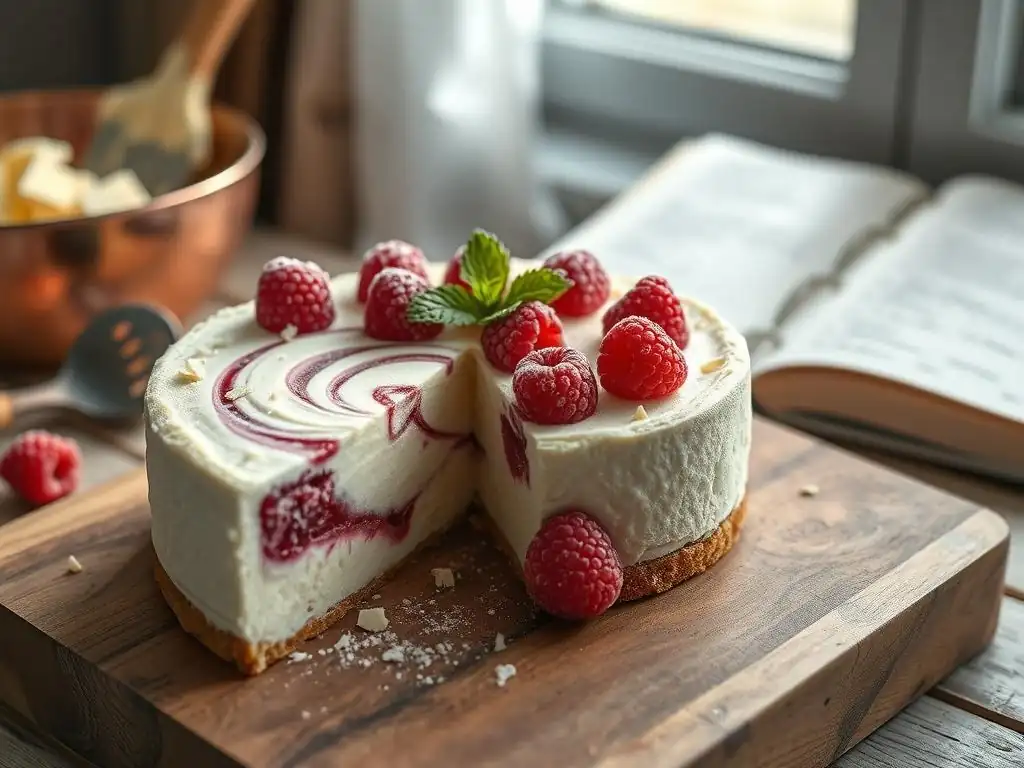
White chocolate is a wonderful base for light and airy desserts like mousse. When melted and folded into whipped cream, meringue, or a custard base, it creates a delicate, sweet, and incredibly smooth mousse. The high cocoa butter content in quality white chocolate contributes to the luxurious texture and helps the mousse set without becoming overly dense. White chocolate mousse offers a subtle sweetness that pairs beautifully with fresh berries or a tart fruit sauce, providing a gentle counterpoint to brighter flavors.
Working with White Chocolate: Avoiding Common Pitfalls
White chocolate is notoriously sensitive to heat and is more prone to seizing and scorching than dark or milk chocolate due to its composition. It melts at a lower temperature than dark chocolate because it contains no cocoa solids, but the cocoa butter itself requires careful handling. Always melt white chocolate slowly and gently, preferably using a double boiler over low heat or in the microwave on the lowest power setting, stirring constantly. Remove it from the heat source just before it's fully melted and stir until smooth; the residual heat will finish the job.
Introducing even a tiny amount of water can cause white chocolate to seize instantly, turning it into a thick, lumpy, grainy mess. Ensure all bowls and utensils are perfectly dry. Overheating will cause the cocoa butter to separate, resulting in a greasy, grainy texture that cannot be fixed. If you plan to use white chocolate for dipping or coating, tempering is essential to achieve a stable, shiny finish and prevent it from becoming soft or sticky at room temperature. The tempering temperature range for white chocolate is typically slightly lower than milk chocolate, around 82-86°F (28-30°C).
Comparing Dark, Milk, and White Chocolate for Baking
Flavor Profiles: Dark vs. Milk vs. White
The most obvious difference between dark, milk, and white chocolate is their flavor profile, which stems directly from their composition. Dark chocolate offers a complex range of flavors from intense bitterness to fruity or earthy notes, depending on the cocoa percentage and origin. It's bold and assertive. Milk chocolate is significantly sweeter and creamier, with a mellow, milky, often caramel-like flavor. It's comforting and widely appealing. White chocolate, lacking cocoa solids, is purely sweet and creamy, with prominent notes of vanilla and milk. It provides sweetness and richness without any of the characteristic "chocolate" flavor derived from cocoa solids.
Choosing between them depends entirely on the desired outcome of your chocolate baking recipe guide. Do you want a deep, rich chocolate flavor that's the star of the show? Dark chocolate is your friend. Do you want a classic sweet, creamy taste that complements other flavors? Milk chocolate fits the bill. Do you need sweetness and richness without the cocoa flavor, perhaps to highlight tart fruit or nuts? White chocolate is the versatile option.
Texture and Consistency Differences in Baked Goods
Beyond flavor, the type of chocolate heavily influences the texture and consistency of baked goods. Dark chocolate, particularly those with higher cocoa solid percentages (e.g., 60-70%), contributes structure and fudginess to items like brownies and cakes. Its cocoa butter content adds richness and helps create a smooth melt. Milk chocolate, with its higher sugar and milk fat content and fewer cocoa solids, tends to make baked goods softer and gooier, as seen in the melted pockets of milk chocolate chips in cookies.
White chocolate, composed primarily of cocoa butter, sugar, and milk solids, adds a creamy, melt-in-your-mouth texture. It doesn't contribute structural cocoa solids like dark chocolate but provides richness and sweetness. For instance, white chocolate in blondies adds chewiness and creaminess, while in a mousse, its cocoa butter helps create a light yet stable set. Understanding these textural impacts is vital when selecting the right chocolate for your chocolate baking recipe guide.
Best Uses for Each Chocolate Type in Baking
Each chocolate type shines in different baking applications. Dark chocolate is ideal for recipes where a deep, intense chocolate flavor is desired, such as:
- Fudgy brownies
- Chocolate lava cakes
- Rich chocolate cakes
- Truffles
- Molten chocolate desserts
Milk chocolate is perfect for sweeter, creamier applications that appeal to a broad audience:
- Classic chocolate chip cookies
- Sweet ganaches and glazes
- Cupcake frostings
- Chocolate bars and candies
White chocolate is wonderfully versatile, especially when paired with contrasting flavors:
- Blondies (often with nuts or fruit)
- Mousses and light fillings
- Cheesecakes
- Pairing with berries, citrus, or tropical fruits
Many chocolate baking recipe guide creations also benefit from using a combination of chocolate types, like a cake with dark chocolate batter and a milk chocolate frosting, or cookies with both dark and milk chocolate chips.
Choosing the Right Chocolate for Your Baking Recipe: A Decision Guide
Considering the Recipe: What Flavors Are You Trying to Achieve?
When selecting chocolate for your bake, start by considering the recipe's goal. Is the chocolate meant to be the dominant flavor, or is it playing a supporting role? For an intensely chocolate-flavored dessert like a flourless chocolate cake, a high-percentage dark chocolate (70%+) is often preferred for its depth and complexity. If you're making a fruit tart with a chocolate element, a white chocolate layer might provide a sweet, creamy contrast that highlights the fruit's tartness better than a rich dark chocolate would.
Think about the overall flavor profile you want to create. Are you aiming for classic comfort (milk chocolate chip cookies), sophisticated richness (dark chocolate ganache), or delicate sweetness with other flavor pairings (white chocolate and raspberry)? Consulting your chocolate baking recipe guide and considering the intended outcome will guide your choice effectively. Sometimes, the recipe itself will specify the percentage or type, but understanding why that choice was made will help you adapt or substitute successfully.
Understanding Your Preferences: Sweetness vs. Bitterness
Your personal taste, or the taste of those you are baking for, is a significant factor in choosing chocolate. Some people find dark chocolate with high cocoa percentages too bitter, while others find milk or white chocolate overly sweet. If you prefer a less sweet dessert, lean towards dark chocolate with a higher cocoa percentage. If you have a sweet tooth and enjoy creamy flavors, milk or white chocolate might be your preference.
Consider who will be eating your bake. A batch of milk chocolate chip cookies is often a guaranteed crowd-pleaser, especially for children. A sophisticated dark chocolate truffle might be better suited for an adult palate. Don't be afraid to let your own taste guide your chocolate baking recipe guide choices – after all, baking should be enjoyable!
Experimenting with Different Chocolate Types: Finding Your Perfect Match
The best way to truly understand how different chocolates perform and taste in baking is to experiment. Try making the same recipe, like a simple chocolate chip cookie or a basic chocolate cake, using different types or brands of chocolate. Note the differences in flavor, texture, and how the chocolate melts and behaves during baking.
Keep a simple baking journal to record your observations. Did that 70% dark chocolate make your brownies too bitter, or just right? Did the milk chocolate chips melt nicely, or did they hold their shape too much? Did using a high-quality white chocolate bar make a noticeable difference in your ganache compared to chips? Through experimentation, you'll build your own personal chocolate baking recipe guide and discover your favorite chocolates for various applications, tailoring your bakes to your exact preferences.
Advanced Chocolate Baking Techniques
Chocolate Tempering for Professional Results
Tempering chocolate is a technique used to stabilize cocoa butter crystals, resulting in chocolate that sets firmly with a smooth, glossy surface and a clean snap when broken. This is essential for making professional-looking chocolate decorations, candies, dipped items, or thin coatings that aren't sticky or prone to melting at room temperature. The process involves carefully heating chocolate to melt all the different crystal forms, cooling it down while agitating to encourage the formation of stable beta crystals, and then warming it slightly to a working temperature.
The precise temperatures vary depending on the type of chocolate: dark chocolate is typically melted to around 115°F (46°C), cooled to 88-91°F (31-33°C), and held at that working temperature. Milk and white chocolate have lower temperature ranges due to their different composition. While tempering isn't needed if chocolate is melted into a batter or ganache, it's a valuable skill for expanding your chocolate baking recipe guide repertoire into confections and decorative elements.
Creating Chocolate Decorations for Cakes and Pastries
Tempered chocolate is the key ingredient for creating beautiful and edible decorations for cakes, pastries, and desserts. Techniques include spreading tempered chocolate thinly and cutting or shaping it before it fully sets to make shards or curls, piping designs onto parchment paper, or using molds to create specific shapes like flowers or geometric patterns.
You can also use tempered chocolate to dip strawberries, pretzels, or cookies, achieving a smooth, hard coating. Adding colors (using oil-based or special chocolate colors) or textures (like nuts or sprinkles applied before setting) allows for endless creativity. Mastering tempering opens up a new world of possibilities in your chocolate baking recipe guide for elevating the visual appeal of your creations.
Exploring Chocolate Pairings: Fruits, Nuts, and Spices
Chocolate's versatility extends to its ability to pair wonderfully with a vast array of other flavors. Exploring these pairings can inspire new chocolate baking recipe guide ideas. Dark chocolate, with its intense flavor, pairs well with tart fruits like raspberries, cherries, and oranges, as well as nuts like almonds and hazelnuts, and spices like chili or cinnamon.
Milk chocolate's sweetness complements caramel, peanuts, pretzels, and milder fruits like bananas. White chocolate's creamy sweetness is fantastic with berries, tropical fruits like mango or passion fruit, macadamia nuts, and flavors like coconut or matcha. Don't be afraid to experiment with unexpected combinations – sometimes the most delightful flavor pairings are the ones you discover yourself!
Troubleshooting Common Chocolate Baking Problems
Chocolate Seizing: Prevention and Solutions
Chocolate seizing is a common and frustrating problem where melted chocolate suddenly turns from smooth and liquid to a thick, grainy, and unworkable paste. This is almost always caused by introducing a small amount of water or steam into the melted chocolate, or sometimes by overheating. The water causes the sugar crystals in the chocolate to clump together, and the cocoa solids become coated, resulting in the grainy texture.
Prevention is key: ensure all equipment is completely dry before melting chocolate and use a double boiler or microwave on low heat to avoid scorching. If chocolate does seize, sometimes you can rescue it by vigorously stirring in a tablespoon or two of hot liquid (like hot cream, milk, or melted butter) or even a little extra melted cocoa butter.
However, this doesn't always restore the smooth texture needed for delicate applications like ganache or tempering. Seized chocolate, while not ideal for some uses, can often still be incorporated into batters for cakes or muffins where the texture won't be as noticeable.
Achieving the Perfect Chocolate Texture in Cakes
The texture of chocolate cakes can vary significantly depending on whether you use melted chocolate, cocoa powder, or a combination. Using melted chocolate (especially dark chocolate with good cocoa butter content) tends to result in a richer, denser, and moister cake crumb. The fat from the cocoa butter contributes to tenderness and moisture retention.
Using cocoa powder, on the other hand, provides intense chocolate flavor but can lead to a slightly drier crumb if the recipe isn't balanced with enough fat and liquid, as cocoa powder absorbs moisture. Many recipes for moist chocolate cakes use a combination of both melted chocolate and cocoa powder, or use hot liquid (like hot coffee or water) with cocoa powder to bloom the cocoa and enhance its flavor while adding necessary moisture. Understanding the role of each in your chocolate baking recipe guide helps you troubleshoot texture issues.
Adjusting Recipes Based on Chocolate Type
Substituting one type of chocolate for another in a recipe requires careful consideration and often adjustments. Dark, milk, and white chocolates have different percentages of cocoa solids, sugar, and fat (cocoa butter/milk fat), which affects how they melt, their sweetness, and their contribution to texture. If substituting milk chocolate for dark chocolate in a recipe, you might need to slightly reduce the amount of sugar in the recipe to account for the milk chocolate's higher sugar content.
Similarly, substituting white chocolate for dark chocolate would mean a significant change in flavor (no cocoa solids) and potentially sweetness, requiring adjustments to sugar and possibly other liquid or fat components. While a simple swap of chocolate chip types in cookies might be forgiving, more complex recipes like ganaches, mousses, or cakes require a deeper understanding of the chocolate's composition and how it interacts with other ingredients to successfully adapt the chocolate baking recipe guide.
When in doubt, it's often best to stick to the type of chocolate specified in the recipe or find a recipe specifically developed for the type of chocolate you wish to use.
Frequently Asked Questions
What are the key differences between dark, milk, and white chocolate in baking?
Dark chocolate generally has a higher percentage of cocoa solids, resulting in a more intense flavor. Milk chocolate contains milk solids which contribute to a sweeter and creamier taste. White chocolate doesn't contain any cocoa solids, only cocoa butter, sugar, and milk solids.
How does the type of chocolate affect the texture of my baked goods?
The fat content and cocoa solids present in each chocolate type impact texture. Dark chocolate often adds a rich, dense texture, while milk chocolate can create a softer, more tender crumb. White chocolate, due to its high fat content, can lead to a moist and slightly chewy texture.
Which type of chocolate is best for a beginner baker using a Chocolate baking recipe guide?
Milk chocolate is often recommended for beginners. Its sweeter flavor and forgiving nature make it easier to work with, and it's less likely to overpower other flavors in a Chocolate baking recipe guide.
Can I substitute one type of chocolate for another in a recipe?
While possible, substituting chocolate types can significantly alter the final product. Consider the cocoa percentage and sugar content when making substitutions. You may need to adjust other ingredients to achieve the desired taste and texture.
Where can I find reliable Chocolate baking recipe guide resources for using different chocolate types?
Websites like BakeWithEase.com offer step-by-step guides and recipes specifically designed for using dark, milk, and white chocolate. Look for recipes that clearly state the type and percentage of chocolate needed for optimal results.
Final Reflection: The Sweet Science of Chocolate Selection
The perfect chocolate isn't just a matter of preference; it's the cornerstone of a successful bake. Choosing the right type—dark, milk, or white—significantly impacts texture, flavor profile, and overall outcome. This journey through the world of chocolate has highlighted the crucial role each variety plays in achieving baking brilliance.
Understanding the nuances of cocoa percentage, fat content, and even the origin of the beans has profoundly changed my approach to baking. It's no longer simply about grabbing the first bar I see; it's about thoughtfully selecting the ingredient that will best complement the recipe and elevate the final product. The best chocolate is the one that inspires you,
a renowned pastry chef once said, and I now understand that inspiration comes from a deep understanding of the ingredient itself. This exploration has reminded me of the artistry involved in baking, where even the smallest detail can make a world of difference.
Now, it's your turn. Consider the next time you reach for chocolate in your baking endeavors. Don't just choose based on habit; choose with intention. Experiment with different types, explore the flavor profiles, and discover the unique magic each variety brings to your creations. The journey of mastering chocolate in baking is a delicious one, filled with endless possibilities and the sweet reward of perfectly crafted treats.
Unlock Your Chocolate Baking Potential!
Thanks for diving into the delicious world of chocolate with us! You've now got the knowledge to choose the perfect chocolate for your next baking masterpiece. Ready to put your newfound expertise to the test?
- Bake the perfect chocolate chip cookie: Use your new knowledge to select the ideal chocolate – milk, dark, or white? – and impress everyone with your baking skills.
- Share your chocolate creations: Post a picture of your bake on social media and tag us! We'd love to see what you create.
- Experiment with different chocolate types: Try substituting different percentages of cacao in your recipes to discover your favorite flavor profile.
What unexpected chocolate combination will you try next?