
Crafting Perfect Chocolate Truffles: Choosing Your Chocolate

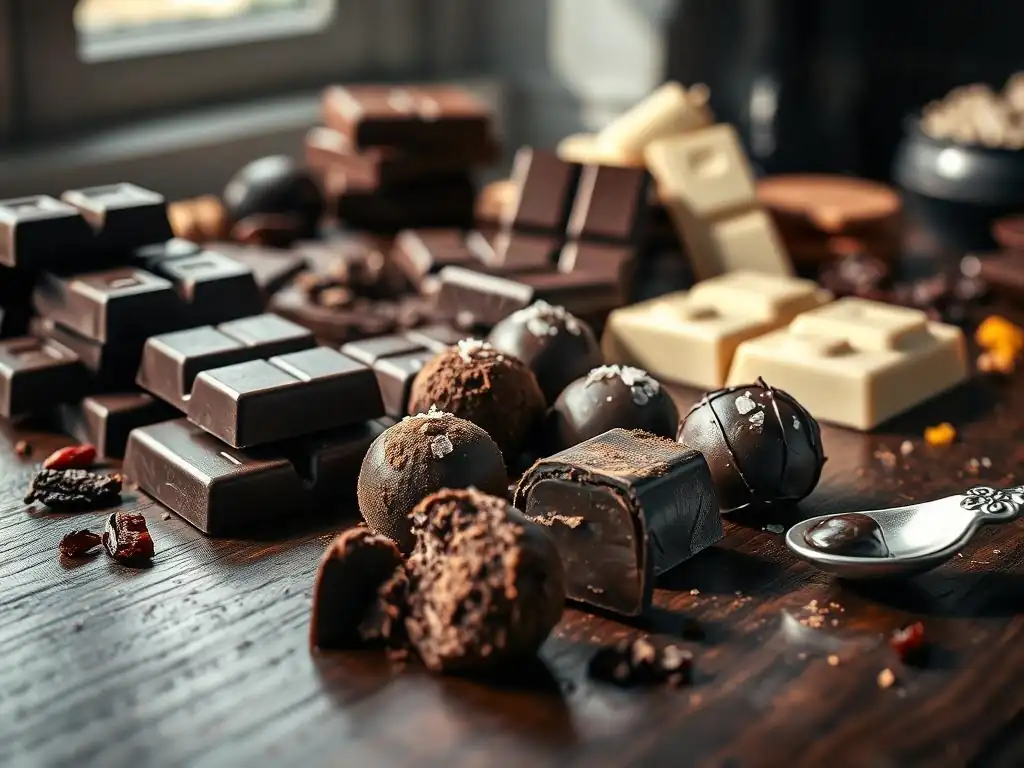
Welcome to BakeWithEase, your guide to unlocking the delicious world of baking! Ever wondered what truly elevates a simple dessert into a decadent masterpiece? We're diving deep into the heart of flavor, starting with a crucial element for any chocolate lover: the best chocolate for truffles. But what makes a chocolate truly "the best" for this delicate treat? Join us as we unravel the secrets and help you choose the perfect chocolate to create truffles that will melt in your mouth.
- Understanding Chocolate for Truffles: A Baker's Guide
- The Best Chocolate for Truffles: Types and Characteristics
- Decoding Chocolate Labels: What to Look for When Buying
- Tempering Chocolate for Truffles: Achieving the Perfect Shine
- Storing Your Chocolate for Optimal Truffle Making
- Beyond the Basics: Experimenting with Chocolate Varieties in Truffles
- Troubleshooting Common Chocolate Truffle Issues
- Elevate Your Truffle Game: Expert Tips for Chocolate Selection
-
Frequently Asked Questions
- What is the best type of chocolate to use when making truffles?
- Why is the cocoa percentage important when selecting chocolate for truffles?
- Can I use chocolate chips for making truffles, or is there a better alternative?
- How does the fat content in chocolate affect the final truffle?
- Where can I find high-quality chocolate suitable for crafting truffles?
- Final Reflection: The Enduring Allure of the Perfect Truffle
- Unlock Your Inner Chocolatier: Craft the Perfect Truffle!
Understanding Chocolate for Truffles: A Baker's Guide
Creating exquisite chocolate truffles starts with a fundamental decision: the chocolate itself. It's more than just picking a bar off the shelf; the type, quality, and characteristics of your chocolate directly influence the final texture, flavor, and appearance of your truffles. Think of chocolate as the canvas for your edible art – a high-quality canvas allows for the most vibrant and detailed masterpiece. Understanding the nuances of chocolate is key to mastering the art of truffle making.
The science behind chocolate's behavior is fascinating and crucial for bakers. Chocolate contains cocoa solids, cocoa butter, and often sugar and milk solids. The ratio of these components dictates its melting point, viscosity, and snap.
For truffles, which typically involve creating a ganache (a mixture of chocolate and cream), the amount of cocoa butter is particularly important as it affects how smoothly the ganache emulsifies and how firmly it sets. Choosing the best chocolate for truffles means selecting a chocolate that melts beautifully, blends seamlessly with cream, and sets to a desirable texture, whether firm and fudgy or soft and yielding.
Why Chocolate Choice Matters for Truffle Quality
The quality of your chocolate is arguably the single most important factor determining the success and flavor of your truffles. Using high-quality chocolate, often referred to as 'couverture' chocolate, provides a richer, more complex flavor profile and a superior texture compared to standard baking chips or confectionery coatings. Couverture chocolate contains a higher percentage of cocoa butter (typically around 32-39% for dark chocolate), which contributes to its smooth melt, glossy finish when tempered, and luxurious mouthfeel. This higher cocoa butter content ensures the ganache emulsifies properly, resulting in a silky, stable filling that sets up perfectly.
Conversely, using lower-quality chocolate or chocolate chips (which often contain stabilizers to help them hold their shape during baking) can lead to a grainy texture, a dull finish, and a less intense or even artificial flavor. These chocolates may not melt as smoothly or emulsify as well with cream, potentially resulting in a greasy or separated ganache.
For instance, using chocolate with insufficient cocoa butter might result in a ganache that doesn't set firmly enough, making it difficult to roll into truffle shapes. Investing in quality chocolate is a direct investment in the taste and texture of your homemade truffles, making it a critical step in crafting truly exceptional confectionery.
Exploring Chocolate Varieties: From Bean to Truffle
Chocolate begins its journey as cacao beans, harvested from the Theobroma cacao tree. The processing of these beans significantly impacts the final chocolate product. After harvesting, the beans are fermented, dried, roasted, and then ground into a paste called cocoa liquor. This liquor is the base for all chocolate. It contains both cocoa solids (the flavor component) and cocoa butter (the fat). The proportion of these, plus the addition of sugar, milk solids (for milk and white chocolate), and vanilla, determines the type of chocolate.
Dark chocolate is made from cocoa liquor, sugar, and sometimes vanilla and lecithin, with a high percentage of cocoa solids and cocoa butter. Milk chocolate adds milk solids to this mix, resulting in a creamier, sweeter product with a lower percentage of cocoa solids.
White chocolate, uniquely, contains cocoa butter, sugar, milk solids, and vanilla, but no cocoa solids, giving it its distinct creamy, non-bitter flavor. Understanding this basic composition helps bakers appreciate how different chocolate types will behave and taste when transformed into a truffle ganache, guiding the selection of the best chocolate for truffles based on the desired outcome.
The Best Chocolate for Truffles: Types and Characteristics
Selecting the ideal chocolate for truffles depends entirely on the flavor profile and texture you aim to achieve. Each type of chocolate – dark, milk, and white – brings its own unique characteristics to the truffle-making process. High-quality versions of all three can produce fantastic results, but they require different considerations regarding cream ratios and flavor pairings. The key is to choose chocolate that melts smoothly, has a good flavor, and a sufficient amount of cocoa butter for a stable ganache.
When considering the best chocolate for truffles, it's helpful to think about how the chocolate's inherent qualities will translate into the final product. A bitter dark chocolate will yield an intense, sophisticated truffle, while a sweet milk chocolate will create a comforting, familiar treat. White chocolate offers a creamy canvas for bright or aromatic flavor additions. Understanding these basic profiles is the first step in deciding which chocolate is right for your next batch of homemade truffles.
Dark Chocolate for Intense Truffle Flavor
Dark chocolate is a classic choice for truffles, favored for its deep, complex flavor and satisfying intensity. It provides a robust chocolatey base that can stand alone or pair beautifully with a wide range of additions, from fruit zests to liqueurs. The quality of the cocoa beans and the roasting process significantly influence the flavor notes in dark chocolate, which can range from fruity and floral to earthy and nutty. For truffles, a dark chocolate with a smooth melt and balanced flavor is essential, as its taste will be the dominant one in the ganache.
Using a high-quality dark chocolate with a cocoa percentage typically ranging from 60% to 75% is often considered the best chocolate for truffles when aiming for a classic, rich flavor. Chocolate in this range offers a good balance of bitterness and sweetness, allowing the pure chocolate flavor to shine. For example, a 70% dark chocolate from a reputable maker will provide a strong, slightly bitter chocolate taste that pairs wonderfully with simple cream and perhaps a touch of vanilla or a complementary liqueur like Grand Marnier or raspberry liqueur.
Percentage of Cacao Solids: Impact on Truffle Flavor
The percentage of cacao solids listed on a dark chocolate bar is a critical indicator of its flavor intensity and potential bitterness. This percentage represents the combined amount of cocoa solids and cocoa butter in the chocolate. A higher percentage means more cocoa components and less sugar. For instance, a 60% dark chocolate will be sweeter and less intense than an 80% dark chocolate.
In truffle making, the cacao percentage affects not only the flavor but also the texture of the ganache. Chocolates with a higher cacao percentage (e.g., 70-85%) contain less sugar and often a higher proportion of cocoa butter relative to sugar, resulting in a firmer ganache that sets more quickly. These are excellent for intense, less sweet truffles.
Chocolates with a lower cacao percentage (e.g., 50-65%) are sweeter and may require slightly less cream in the ganache recipe to achieve a firm set, but they offer a smoother, less bitter flavor profile. Choosing the right percentage is key to achieving your desired balance of flavor and texture, making it a crucial factor in finding the best chocolate for truffles for your specific recipe.
Recommended Dark Chocolate Brands for Truffles
While specific brand recommendations can vary based on location and availability, focusing on brands known for high-quality couverture chocolate is a good starting point. Look for terms like "couverture," "fine chocolate," or "single-origin" on the packaging. These often indicate chocolate specifically formulated for melting and tempering, with a high cocoa butter content.
Generally, brands specializing in professional-grade or craft chocolate intended for confectionery are reliable choices. These chocolates typically offer superior flavor complexity and melting properties compared to standard supermarket baking bars. For instance, many professional bakers favor brands that produce chocolate with a high shine and clean snap when tempered, indicating excellent quality and composition ideal for creating the smooth, luxurious ganache needed for the best chocolate for truffles. Experimenting with different high-quality brands can reveal subtle differences in flavor profiles, allowing you to find your personal favorite.
Milk Chocolate for Creamy, Sweet Truffles
Milk chocolate offers a sweeter, creamier alternative for truffles, providing a comforting and familiar flavor that is widely loved. Its higher sugar and milk solid content results in a softer texture and a less intense chocolate flavor compared to dark chocolate. While delicious, milk chocolate ganache can be softer than dark chocolate ganache due to differences in composition, often requiring a slightly different cream-to-chocolate ratio to set properly.
When selecting milk chocolate for truffles, quality still matters significantly. High-quality milk chocolate will have a rich, milky flavor without being overly sweet or waxy. Look for milk chocolates with a cacao percentage typically between 30% and 40%. These percentages usually indicate a good balance of cocoa flavor, milkiness, and sweetness, providing the creamy texture and sweet taste that makes milk chocolate truffles so appealing. Using a premium milk chocolate ensures a smooth ganache and a delightful melt-in-your-mouth experience, making it a contenders for the best chocolate for truffles if a sweeter profile is desired.
Blending Milk Chocolate with Dark Chocolate for Balanced Truffles
For those who find dark chocolate truffles too intense or milk chocolate truffles too sweet, blending the two offers a perfect compromise. Combining dark and milk chocolate allows you to customize the sweetness and intensity to your exact preference while often benefiting from the excellent melting properties of high-quality dark chocolate. This technique is popular for creating truffles with a nuanced flavor profile that appeals to a broader range of tastes.
A common starting point for blending is a 50/50 ratio of dark to milk chocolate. For example, combining equal weights of a 60% dark chocolate and a 35% milk chocolate will yield a ganache with a balanced chocolate flavor, less sweetness than pure milk chocolate, and a creamier texture than pure dark chocolate.
You can adjust this ratio based on your preference – more dark chocolate for greater intensity, more milk chocolate for increased sweetness and creaminess. Experimenting with different ratios and percentages of both dark and milk chocolate is key to finding the ideal combination for your best chocolate for truffles.
Recommended Milk Chocolate Brands for Truffles
As with dark chocolate, focusing on high-quality milk couverture chocolate is recommended for the best chocolate for truffles. These chocolates are formulated for professional use and offer superior melting and flavor. Look for brands known for their smooth texture and balanced milk and cocoa flavors.
Quality milk chocolate for truffle making should melt smoothly and have a pleasant, lingering taste without being overly sugary. Professional-grade milk chocolates often have a higher cocoa butter content than standard eating bars, which helps create a stable, silky ganache. While specific brand names are best discovered through personal trial, seeking out brands that supply patisseries or chocolatiers is a good strategy for finding milk chocolate that will elevate your truffle game.
White Chocolate for Unique Truffle Creations
White chocolate provides a creamy, sweet base with notes of vanilla and milk, offering a versatile canvas for a wide array of flavor pairings. Unlike dark and milk chocolate, white chocolate contains no cocoa solids, meaning its flavor comes solely from cocoa butter, sugar, and milk solids. This unique composition gives it a distinct taste and texture, making it ideal for creating truffles with vibrant colors and non-traditional flavor profiles.
Working with white chocolate for truffles requires attention to quality, as low-quality white chocolate can be excessively sweet, waxy, or lack flavor. High-quality white chocolate should have a rich, creamy texture and a pleasant aroma of vanilla and milk. It should melt smoothly and set firmly. Because white chocolate is sweeter and often softer than dark or milk chocolate ganache, the cream-to-chocolate ratio might need slight adjustment to achieve the desired set. Using the best chocolate for truffles in the white variety means choosing one with a good percentage of cocoa butter and a balanced sweetness.
Flavor Pairings for White Chocolate Truffles
White chocolate's mild, creamy flavor makes it exceptionally versatile for pairing with other ingredients. It provides a neutral yet rich background that allows brighter, bolder flavors to shine. This makes white chocolate truffles popular for incorporating fruits, teas, spices, and extracts.
Excellent flavor pairings for white chocolate truffles include tart berries like raspberry or cranberry, citrus zests like lemon or orange, and aromatic additions like vanilla bean, matcha green tea, or lavender. Spices like cardamom or ginger also complement its creamy profile. For example, a white chocolate ganache infused with lemon zest and coated in shredded coconut creates a bright, tropical truffle.
Another popular combination is white chocolate infused with vanilla bean and paired with a strawberry center. The possibilities are vast, making white chocolate a fun option for creative truffle makers seeking the best chocolate for truffles for unique flavor combinations.
Recommended White Chocolate Brands for Truffles
When choosing white chocolate for truffles, prioritize quality to avoid overly sweet or poorly textured results. Look for white chocolate labeled as couverture, which will have a higher cocoa butter content than standard white confectionery coatings. A good white couverture chocolate typically contains around 30-35% cocoa butter.
Brands known for their high-quality dark and milk chocolates often produce excellent white chocolate as well. Quality white chocolate should melt smoothly into a fluid consistency suitable for ganache and set up into a creamy, non-greasy truffle. Seeking out white chocolate used by professional chocolatiers is a reliable way to find the best chocolate for truffles in this category, ensuring a superior flavor and texture compared to lower-grade alternatives.
Decoding Chocolate Labels: What to Look for When Buying
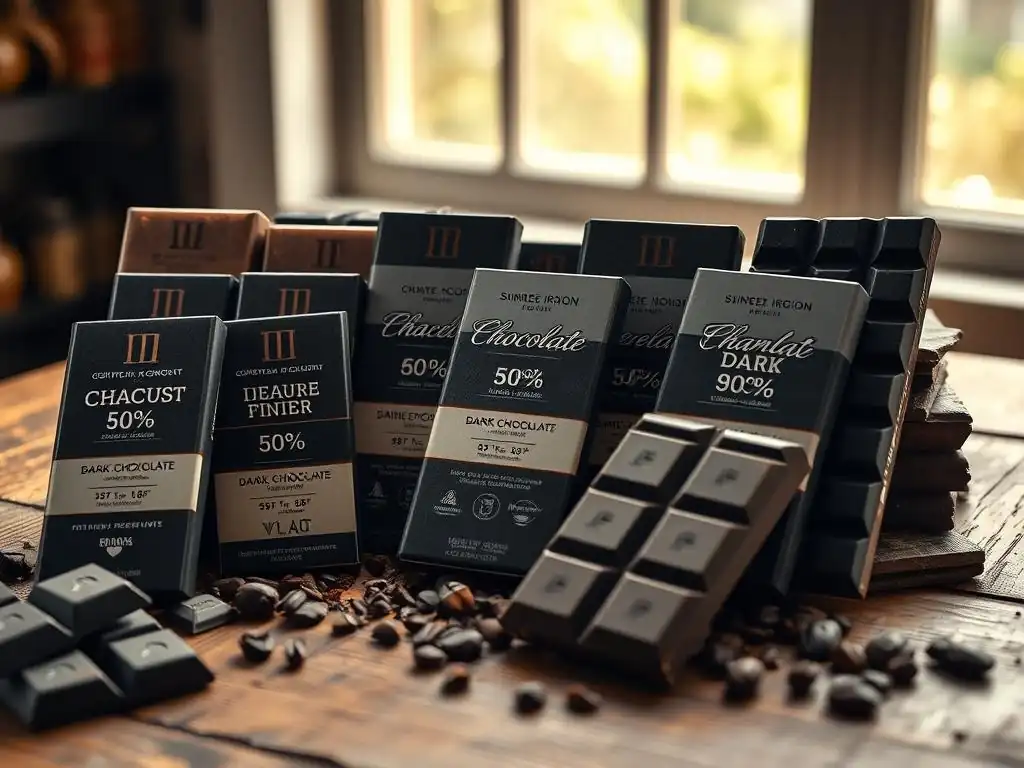
Navigating the world of chocolate can be overwhelming, but understanding how to read a chocolate label empowers you to choose the best chocolate for truffles. Labels provide valuable information about the chocolate's composition, quality, and origin. Knowing what to look for helps you distinguish between high-quality chocolate intended for serious baking and confectionery versus everyday eating chocolate or compound coatings.
Paying attention to key indicators on the label, such as the cacao percentage, the ingredient list, and terms like "couverture," can significantly impact the outcome of your truffles. This knowledge is crucial for ensuring your ganache has the right texture and your truffles have the desired flavor intensity and quality. Don't let confusing terminology deter you; a little label literacy goes a long way in the pursuit of the best chocolate for truffles.
Understanding Cacao Percentage: Impact on Truffle Taste and Texture
As discussed, the cacao percentage on dark and milk chocolate labels indicates the proportion of cocoa solids and cocoa butter. For dark chocolate, this percentage is a primary indicator of sweetness and bitterness. A 70% dark chocolate will be notably less sweet and more intensely chocolatey than a 55% dark chocolate. For milk chocolate, the percentage is typically lower (30-40%) and reflects the balance between cocoa components, milk solids, and sugar.
Beyond flavor, the cacao percentage influences the texture of your truffle ganache. Chocolates with higher cacao percentages (and thus often higher cocoa butter relative to sugar) tend to create a firmer ganache that sets more quickly. This is particularly true for dark chocolates in the 70%+ range. Lower percentage chocolates (like most milk or lower-percentage dark) result in a softer ganache and may require a slightly adjusted cream-to-chocolate ratio to achieve sufficient firmness for rolling. Selecting the appropriate percentage is vital for achieving the desired flavor intensity and physical structure of your best chocolate for truffles.
Identifying Quality Chocolate: Avoiding Common Pitfalls
Identifying quality chocolate goes beyond just looking at the cacao percentage. One major pitfall to avoid is using "chocolate flavored" or "compound coating" products. These often contain vegetable oils (like palm kernel oil) instead of cocoa butter as the primary fat. While they melt easily and are less expensive, they lack the rich flavor, smooth texture, and desirable melting properties of real chocolate made with cocoa butter. Truffles made with compound coatings will often taste waxy and lack the luxurious melt-in-your-mouth feel.
Another indicator of quality is the absence of artificial flavors or excessive additives in the ingredient list. High-quality chocolate typically has a short, simple ingredient list: cocoa liquor, sugar, cocoa butter, lecithin (an emulsifier), and vanilla. For milk chocolate, milk solids are also included. The presence of numerous unidentifiable ingredients or hydrogenated oils is a red flag. Choosing real chocolate with cocoa butter as its fat source is fundamental to making the best chocolate for truffles.
Reading the Ingredient List: Key Indicators of Chocolate Quality
The ingredient list is a roadmap to understanding the composition of your chocolate. Ingredients are listed in descending order by weight, so the first few items tell you a lot about what you're buying. For high-quality chocolate, cocoa liquor (or cocoa mass), sugar, and cocoa butter should be among the first ingredients listed for dark chocolate. For milk chocolate, milk powder or milk solids will also be high on the list.
Pay close attention to the fat source. Cocoa butter should be the sole fat listed (aside from milk fat in milk chocolate). If you see vegetable oil, palm oil, or hydrogenated oils listed before or instead of cocoa butter, you are likely looking at a compound coating, which is not suitable for creating the smooth, flavorful ganache needed for the best chocolate for truffles. A simple, clear ingredient list with cocoa butter as the primary fat is a strong indicator of quality.
Tempering Chocolate for Truffles: Achieving the Perfect Shine
While the truffle ganache itself doesn't require tempering, the chocolate coating often does if you want a professional-looking finish. Tempering is a process of heating and cooling chocolate to stabilize the cocoa butter crystals. When chocolate is properly tempered, it will set with a smooth, glossy surface, a crisp snap when broken, and will not melt easily at room temperature. Untempered chocolate, when it cools, can develop a dull, streaky appearance (bloom) and a soft, crumbly texture.
For bakers aiming for truly professional-level truffles, learning to temper the chocolate used for dipping or coating is a valuable skill. It elevates the visual appeal and handling properties of the finished product, making them look and feel like they came from a high-end chocolatier. Even if you're using the best chocolate for truffles for your ganache, the final presentation benefits immensely from a tempered coating.
Why Tempering is Crucial for Truffle Appearance and Texture
Tempering ensures that the cocoa butter in the chocolate solidifies into the most stable crystalline form (specifically, Beta crystal form V). This stable structure provides several key benefits for coated truffles. Firstly, it results in a beautiful, shiny surface that is visually appealing and resists fingerprinting. Untempered chocolate often develops a grayish-white film called cocoa butter bloom, which is harmless but unattractive.
Secondly, tempered chocolate contracts slightly as it cools, making it easier to release from molds (if using) and giving it a satisfying snap when bitten into. It also has a higher melting point than untempered chocolate, meaning coated truffles are more stable at room temperature and less likely to melt in your fingers. While tempering adds an extra step, the difference it makes in the final appearance and handling of your truffles is significant, transforming them from simple treats into polished confectionery art.
Storing Your Chocolate for Optimal Truffle Making
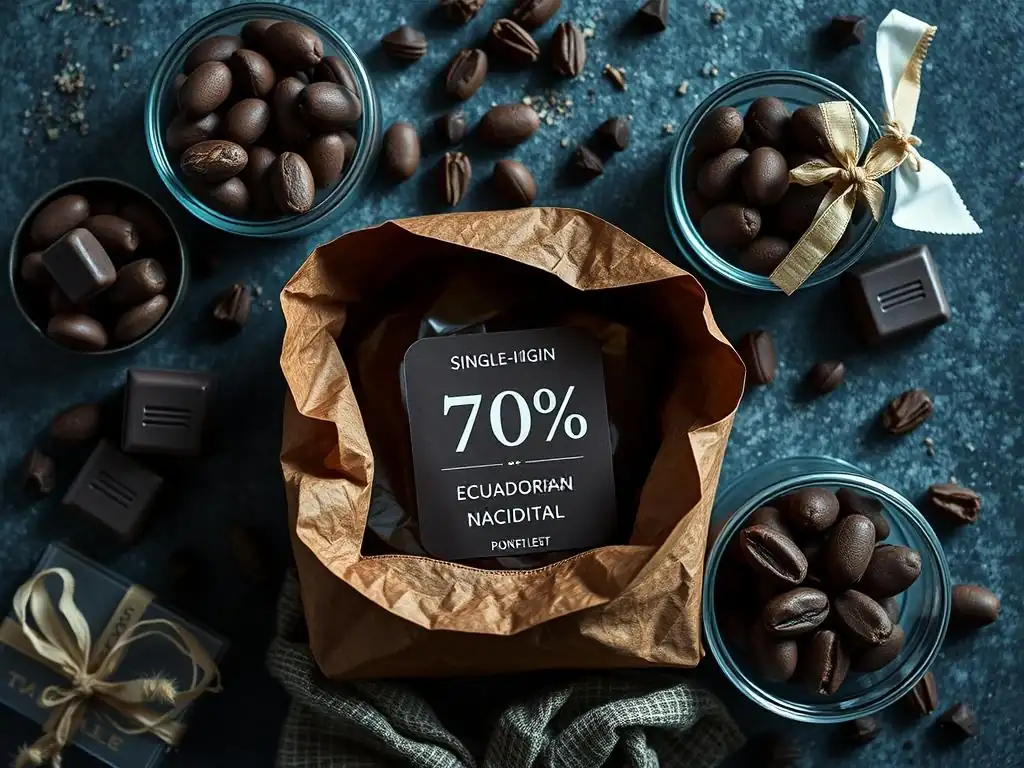
Proper storage is essential for maintaining the quality and usability of your chocolate, ensuring that the best chocolate for truffles stays in prime condition until you're ready to use it. Chocolate is sensitive to temperature fluctuations, moisture, odors, and light. Storing it correctly prevents issues like bloom, changes in texture, and absorption of unwanted flavors.
Even the highest quality chocolate can be ruined by poor storage. Taking a few simple precautions will preserve its flavor and physical properties, ensuring it melts smoothly and performs as expected when you turn it into delicious truffles. Think of it as protecting your investment in quality ingredients.
Best Practices for Chocolate Storage: Maintaining Freshness
The ideal conditions for storing chocolate are cool, dry, and dark. A pantry or cupboard away from heat sources (like ovens or radiators) is usually suitable. The recommended temperature range for storing chocolate is typically between 60°F and 70°F (15°C to 21°C). Avoid storing chocolate in the refrigerator, as the high humidity can cause sugar bloom (a white, powdery layer) and condensation can introduce moisture, which can cause chocolate to seize.
Chocolate also readily absorbs odors from its environment. Store it away from strongly scented items like spices, onions, or cleaning products. An airtight container provides the best protection against moisture and odors. Proper storage ensures your chocolate retains its intended flavor and texture, making it the best chocolate for truffles each time you bake.
How to Store Chocolate After Opening
Once a package of chocolate is opened, it becomes more vulnerable to environmental factors. It's crucial to reseal it properly to maintain its quality. If the original packaging is not resealable, transfer the chocolate to an airtight container or wrap it tightly in plastic wrap followed by aluminum foil before placing it in an airtight container.
Store the resealed chocolate in a cool, dry, and dark place, following the best practices mentioned above. While chocolate doesn't technically "go bad" in the way perishable foods do, its quality can degrade over time, leading to off-flavors or bloom. Storing it correctly after opening helps preserve its freshness and ensures that it remains the best chocolate for truffles for many months.
Beyond the Basics: Experimenting with Chocolate Varieties in Truffles
Once you've mastered the basics of using standard dark, milk, and white chocolate for truffles, a world of exciting possibilities opens up with specialty chocolates. Exploring different origins, cacao percentages beyond the usual range, and even flavored chocolates can add incredible depth and uniqueness to your truffle creations. This is where you can truly start to differentiate your homemade truffles.
Experimenting with different chocolate types allows you to fine-tune the flavor profile of your truffles and discover unexpected pairings. Don't be afraid to step outside the box and try chocolates you might not have considered before. The journey to finding the best chocolate for truffles is an ongoing exploration of taste and texture.
Single-Origin Chocolate: Adding Complexity to Your Truffles
Single-origin chocolate is made from cacao beans sourced from a specific region or even a single farm. Just like coffee or wine, cacao beans from different regions have distinct flavor profiles influenced by the climate, soil, and processing methods. For example, cacao from Madagascar might have fruity and acidic notes, while cacao from Ecuador could be floral or nutty.
Using single-origin chocolate in your truffles adds a layer of complexity and sophistication that is simply not present in blends. A truffle made with single-origin Dominican Republic chocolate might have notes of red fruit and brown sugar, while one made with single-origin Venezuelan chocolate could offer caramel and nut undertones. Experimenting with different single-origin chocolates allows you to create truffles that highlight the unique characteristics of the cacao bean, offering a truly gourmet experience and potentially uncovering your best chocolate for truffles source.
Flavored Chocolate: Infusing Your Truffles with Exciting Tastes
Flavored chocolates are chocolates where flavorings are added during the manufacturing process, such as orange chocolate, mint chocolate, or coffee chocolate. While you can certainly add flavorings to your ganache, using pre-flavored chocolate can sometimes provide a more integrated and consistent flavor throughout the truffle.
When using flavored chocolate, consider how the existing flavor will interact with any other ingredients you plan to add to your ganache or coating. For instance, using an orange-flavored dark chocolate for your ganache might be delicious on its own or paired with a complementary flavor like cardamom. It's important to use high-quality flavored chocolate where the flavorings taste natural and complement the chocolate, rather than masking its quality. This approach can simplify the flavoring process and lead to unique and delicious truffle variations.
Troubleshooting Common Chocolate Truffle Issues
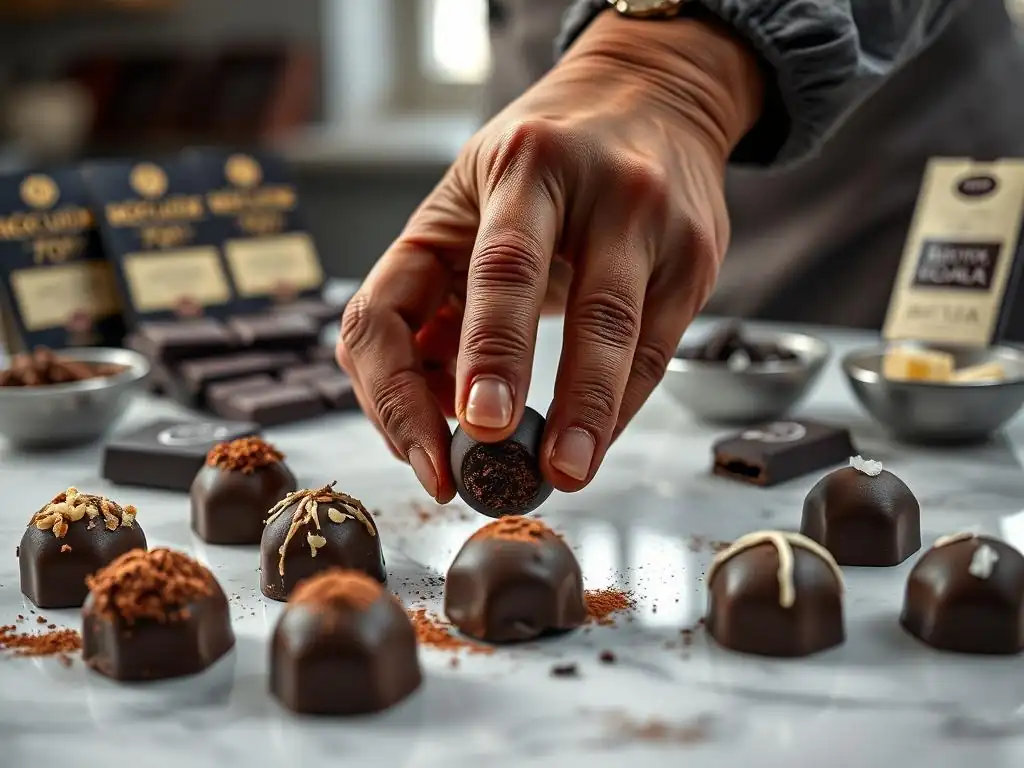
Even when using the best chocolate for truffles, issues can sometimes arise during the process. Understanding common problems and how to address them is part of becoming a confident truffle maker. Two frequent challenges are chocolate seizing and truffles not setting properly.
Knowing the causes and fixes for these issues can save you frustration and help you salvage a batch that seems problematic. Don't be discouraged if things don't go perfectly the first time; troubleshooting is a normal part of the learning process in baking and confectionery.
Chocolate Seizing: Prevention and Solutions
Chocolate seizing is when melted chocolate suddenly turns from a smooth, fluid state into a thick, grainy, or lumpy mass. This is almost always caused by the introduction of a small amount of liquid (like water or steam) or by overheating. Chocolate is lipophilic, meaning it repels water, and even a drop of water can cause the sugar crystals to clump together, leading to seizing. Overheating can burn the cocoa solids and cause the cocoa butter to separate, also resulting in a grainy texture.
To prevent seizing, ensure all your equipment is completely dry before melting chocolate. When melting chocolate over a double boiler, make sure the bottom of the bowl does not touch the simmering water, and no steam escapes into the chocolate. Melt chocolate gently over low heat or in short bursts in the microwave, stirring frequently.
If chocolate does seize due to liquid, you can sometimes rescue it by stirring in a tablespoon or two of hot cream or melted cocoa butter until it becomes smooth again, though the texture may be slightly different. Seizing due to overheating is harder to fix; sometimes stirring in more melted, untempered chocolate can help.
Truffles Not Setting Properly: Common Causes and Fixes
If your truffle ganache isn't setting up into a firm consistency suitable for rolling, several factors could be at play. The most common cause is an incorrect ratio of cream to chocolate. Too much cream relative to the amount of chocolate will result in a ganache that is too soft. The type of chocolate used also matters; milk and white chocolate ganaches tend to be softer than dark chocolate ganaches due to their composition and may require less cream or more chocolate.
Other potential causes include not chilling the ganache for long enough or at a low enough temperature. Ganache needs several hours, often overnight, in the refrigerator to firm up properly. If your ganache is too soft after adequate chilling, you can try gently remelting it over a double boiler and stirring in more finely chopped chocolate of the same type. Allow this new mixture to cool slightly, then re-chill it thoroughly. Ensuring you use the best chocolate for truffles with adequate cocoa butter content and following the recipe's cream-to-chocolate ratio carefully are the best preventative measures.
Elevate Your Truffle Game: Expert Tips for Chocolate Selection
Moving from making good truffles to making truly exceptional ones involves a deeper understanding of how chocolate interacts with other flavors and ingredients. Expert truffle makers carefully consider the nuances of their chosen chocolate and how it complements the overall flavor profile of the truffle. This thoughtful selection process is what sets apart truly memorable truffles.
Choosing the best chocolate for truffles is not just about picking a high-quality bar; it's about making an informed decision based on the specific truffle you intend to create. Considering the desired flavor intensity, sweetness level, and how the chocolate will harmonize with other ingredients are all crucial steps in elevating your truffle game.
Choosing Chocolate Based on Desired Flavor Profile
The desired flavor profile of your finished truffle should be the primary driver when selecting your chocolate. Do you want a rich, slightly bitter truffle? Opt for a dark chocolate with a high cacao percentage (70% or above). Are you aiming for a sweeter, creamier truffle? Milk chocolate or a lower percentage dark chocolate (50-65%) is a better choice. For truffles with bright, fruity, or floral notes, white chocolate provides a clean, sweet base that allows these flavors to shine.
Consider the origin of the cacao beans if using single-origin chocolate, as this significantly impacts the flavor notes. A chocolate from Ecuador might bring floral notes that pair well with lavender, while one from Brazil could have more earthy tones suitable for coffee or nut pairings. Thinking about the end flavor from the beginning helps you identify the best chocolate for truffles for your specific creation.
Matching Chocolate with Other Ingredients: Creating Harmonious Truffle Combinations
Creating harmonious truffle combinations involves selecting a chocolate whose inherent flavor profile complements the other ingredients you plan to use. The chocolate should enhance, not overpower, the additional flavors. For example, a very bitter dark chocolate might not be the best choice for a delicate floral infusion, but it could be perfect paired with bold flavors like espresso or chili.
Think about classic flavor pairings: dark chocolate with raspberry, orange, or coffee; milk chocolate with caramel, nuts, or peanut butter; white chocolate with berries, citrus, or matcha. Consider the sweetness level of the chocolate and how it balances the sweetness of other ingredients. A very sweet filling might need a less sweet chocolate coating or vice versa. By thoughtfully matching your chosen chocolate with other flavors, you ensure that every component works together to create a balanced, delicious, and truly memorable truffle, helping you consistently produce the best chocolate for truffles.
Frequently Asked Questions
What is the best type of chocolate to use when making truffles?
The best chocolate for truffles is typically a high-quality couverture chocolate. Look for chocolate with a high cocoa butter content (32-39%) for a smooth, melt-in-your-mouth texture.
Why is the cocoa percentage important when selecting chocolate for truffles?
The cocoa percentage significantly impacts the truffle's richness and bitterness. Adjust the percentage to your preference; dark chocolate (70%+) offers intense flavor, while milk chocolate results in a sweeter truffle.
Can I use chocolate chips for making truffles, or is there a better alternative?
While you can use chocolate chips, they often contain stabilizers that can affect the truffle's texture. Couverture chocolate is preferred for its superior melting properties and smoother finish, creating a more professional truffle.
How does the fat content in chocolate affect the final truffle?
A higher fat content, particularly from cocoa butter, leads to a smoother and more luxurious truffle. Cocoa butter helps the chocolate melt evenly and contributes to a silky mouthfeel, essential for a perfect truffle.
Where can I find high-quality chocolate suitable for crafting truffles?
You can find high-quality couverture chocolate at specialty baking supply stores, some gourmet grocery stores, and online retailers. Look for reputable brands known for their superior chocolate quality and ethical sourcing.
Final Reflection: The Enduring Allure of the Perfect Truffle
The quest for the perfect chocolate truffle is more than just a culinary pursuit; it's a journey into the heart of flavor, texture, and artistry. From bean to bar, the choices we make profoundly impact the final product, influencing everything from the truffle's melt-in-your-mouth texture to its rich, complex aroma. This exploration into the world of chocolate selection highlights the crucial role that ingredient quality plays in achieving true excellence.
The impact of choosing the right chocolate extends far beyond the individual truffle itself. It speaks to a larger appreciation for craftsmanship and the dedication to using high-quality ingredients. The pursuit of the perfect truffle reflects a broader cultural shift towards mindful consumption and a deeper understanding of the origins and production of our food. The best things in life are simple, but not easy.
This holds true for the seemingly simple act of making a chocolate truffle; the simplicity lies in the ingredients, but the mastery comes from understanding and appreciating their nuances.
Now, armed with this knowledge, I invite you to embark on your own truffle-making adventure. Don't be afraid to experiment, to explore different chocolate varieties, and to discover your own personal preference. The journey of crafting the perfect truffle is a deeply rewarding one, filled with the joy of creation and the satisfaction of savoring a truly exceptional treat. Remember, the best chocolate for your truffles is the one that speaks most deeply to your palate and inspires your creativity.
Unlock Your Inner Chocolatier: Craft the Perfect Truffle!
Thanks for joining us on this delicious journey into the world of chocolate truffles! We hope you gained valuable insights into selecting the perfect chocolate for your creations. Ready to take your truffle-making skills to the next level?
- Dive into our exclusive truffle recipe collection: We've compiled a range of exciting recipes, from classic to adventurous, designed to inspire your next culinary masterpiece. Find your perfect match and get started!
- Share your truffle triumphs (or challenges!): We'd love to see your creations! Post a picture of your truffles on social media using #BakeWithEaseTruffles and tag us – let's build a community of chocolate lovers!
- Experiment with different chocolate pairings: Don't be afraid to try unusual flavor combinations – the possibilities are endless! What unexpected ingredient will you pair with your next batch of truffles?
What unique flavor profile will you create with your next truffle adventure?