
Using Unsweetened Chocolate: Intense Flavor, Zero Added Sugar

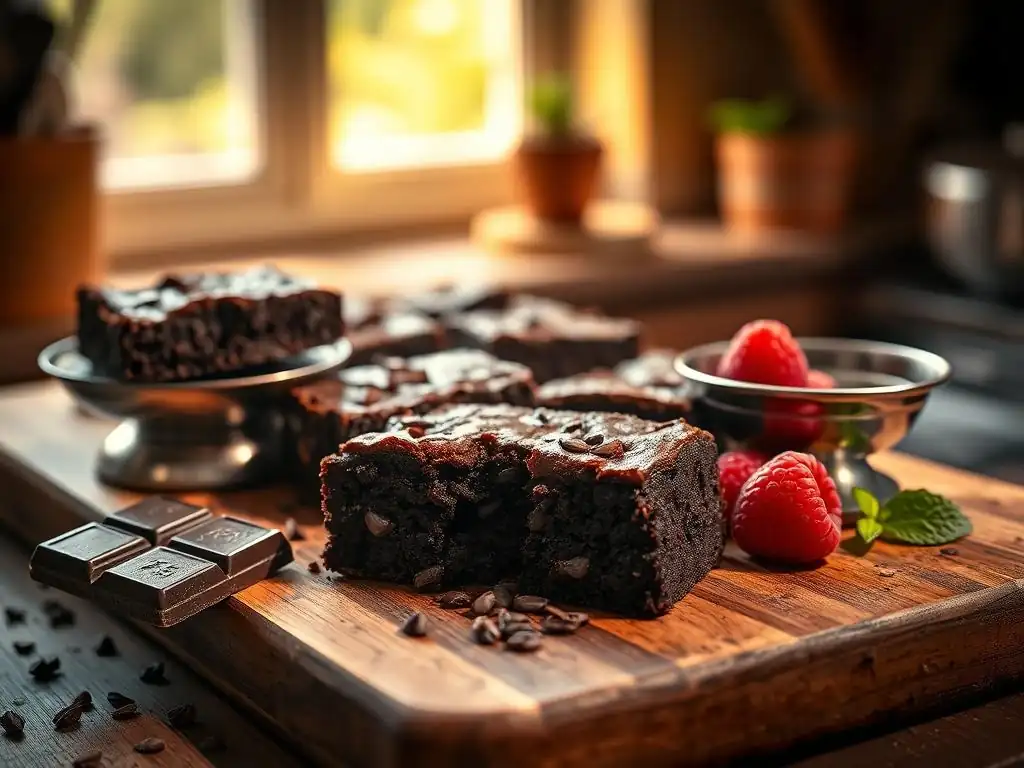
Welcome to BakeWithEase, your guide to effortless and delicious baking! Ever wondered how to harness the intense, pure flavor of unsweetened chocolate in your baking? Dive into our ingredient deep dive and discover a world of rich, surprisingly simple recipes that prove zero added sugar doesn't mean sacrificing taste. Get ready to unlock the secrets of baking with unsweetened chocolate and elevate your creations to a whole new level.
- Baking with Cacao Nibs: A Guide to Intense Chocolate Flavor
- Understanding Cacao Nibs in Baking
- Mastering Cacao Nib Baking Recipes
- Delicious Cacao Nib Baking Recipes to Try
- Incorporating Cacao Nibs into Existing Recipes
- Health Benefits of Baking with Cacao Nibs
- Storing Cacao Nibs for Optimal Freshness
- Frequently Asked Questions About Baking with Cacao Nibs
-
Frequently Asked Questions
- What exactly is unsweetened chocolate and how does it differ from other types of chocolate?
- Why would I use unsweetened chocolate in baking recipes?
- Can I substitute unsweetened chocolate with another type of chocolate in a recipe?
- What are some common mistakes to avoid when baking with unsweetened chocolate?
- Where can I find reliable recipes for baking with unsweetened chocolate?
- Final Reflection: Embracing the Bittersweet Symphony of Unsweetened Chocolate
- Unlock the Richness: Embrace Unsweetened Chocolate Today!
Baking with Cacao Nibs: A Guide to Intense Chocolate Flavor
Understanding Cacao Nibs in Baking
What are Cacao Nibs? A Baker's Introduction
Cacao nibs are essentially chocolate in its raw, unsweetened form. They are small pieces of crushed cacao beans – the very source of all chocolate. After cacao beans are harvested, they are fermented, dried, roasted, and then cracked into smaller pieces. These pieces, the "nibs," contain the core essence of the chocolate flavor profile without any added sugar, dairy, or emulsifiers.
Think of cacao nibs as the pure, unadulterated foundation of chocolate. They offer a direct connection to the cacao plant's natural taste, which is distinct from the processed chocolate we commonly use in baking. Their nature as an unsweetened ingredient makes them a fascinating addition for bakers looking to control sugar levels while imparting a deep, complex chocolate note to their creations.
The Flavor Profile of Cacao Nibs: Nutty, Bitter, and Bold
The taste of cacao nibs is intensely chocolatey, but not sweet. Their flavor is often described as nutty, earthy, and pleasantly bitter, with hints of fruitiness or acidity depending on the origin and processing of the cacao bean. Unlike chocolate chips which melt into sweet pockets, nibs retain their structure and deliver a burst of pure cacao flavor with every bite.
This bold, unsweetened profile means cacao nibs contribute a sophisticated depth to baked goods. When used in unsweetened chocolate baking recipes, they provide a counterpoint to sweetness, adding complexity. Their inherent bitterness pairs wonderfully with ingredients like coffee, citrus zest, or dried fruits, creating layered flavor experiences that go beyond simple sweetness.
Cacao Nibs vs. Chocolate Chips: Key Differences
The most significant difference between cacao nibs and chocolate chips lies in their composition and resulting behavior in baking. Cacao nibs are 100% cacao bean, containing natural fats but no added sugar, dairy, or lecithin. They maintain their crunchy texture throughout the baking process because they lack the cocoa butter and sugar content that allows chocolate chips to melt smoothly.
Chocolate chips, on the other hand, are a confection containing cocoa mass, cocoa butter, sugar, and often emulsifiers. They are designed to hold their shape somewhat while baking but ultimately soften and melt, creating gooey pockets of sweetness. Using cacao nibs in unsweetened chocolate baking recipes focuses on adding texture and pure, intense cacao flavor rather than the melty sweetness provided by chips.
Mastering Cacao Nib Baking Recipes
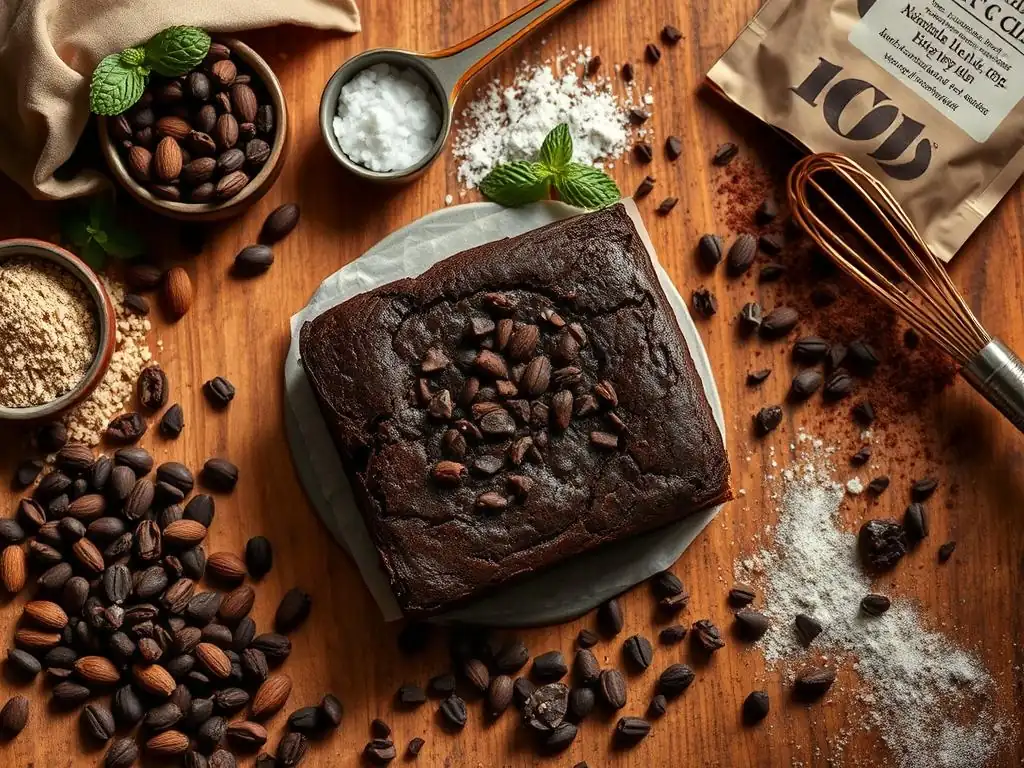
Tips for Baking with Cacao Nibs: Texture and Flavor
To best utilize cacao nibs, consider their texture and intense flavor. Adding them towards the end of mixing batters or doughs helps preserve their crunch. For instance, folding them into muffin batter just before portioning ensures they don't get overly broken down. Their robust flavor means a little goes a long way; start with smaller quantities (like 1/4 to 1/2 cup per standard cookie batch) and adjust to your preference.
Their bitterness can be a feature, not a bug, in unsweetened chocolate baking recipes. Pair them with ingredients that complement their profile. Citrus zest (orange or lemon), a pinch of sea salt, nuts (like almonds or hazelnuts), or dried cherries can enhance the overall flavor complexity, creating a more balanced and intriguing result.
Enhancing Sweetness and Balancing Bitterness in Cacao Nib Recipes
Since cacao nibs are unsweetened, recipes using them often require careful consideration of sweetness levels. They work best in recipes that already have a solid sweet base or where you want a contrast to sweetness. Using a mix of sugars, like brown sugar for moisture and depth alongside granulated sugar, can help balance the nibs' bitterness.
Another approach is to pair them with naturally sweet ingredients. Incorporating dried fruits such as cranberries or dates, or even using a touch of maple syrup or honey in the recipe base, can provide the necessary sweetness to make the intense cacao flavor shine rather than overwhelm. This balance is key in creating delicious unsweetened chocolate baking recipes that feature nibs.
Avoiding Common Mistakes: Overmixing and Burning Cacao Nibs
One common pitfall when using cacao nibs is overmixing the batter or dough after adding them. Excessive mixing can cause the relatively brittle nibs to break into smaller pieces, diminishing their intended textural contribution. Fold them in gently by hand just until they are evenly distributed to maintain their satisfying crunch.
While cacao nibs have a higher melting point than chocolate due to less cocoa butter, they can still burn, especially if spread thinly or baked at very high temperatures for extended periods. Keep an eye on baked goods containing nibs, particularly thin cookies or granola. If they start to smell acrid or look excessively dark, they may be burning. Baking them within the recommended time and temperature for the specific recipe is crucial.
Delicious Cacao Nib Baking Recipes to Try
Cacao Nib and Almond Biscotti Recipe
Cacao nibs are a fantastic addition to biscotti, providing both intense flavor and a wonderful crunch that complements the twice-baked cookie's texture. A typical recipe might involve mixing flour, sugar, eggs, and flavorings like almond extract, then folding in toasted almonds and cacao nibs. The dough is shaped into logs, baked until firm, sliced, and then baked again until crisp.
The result is a sturdy, dunkable cookie where the sweetness of the biscotti is punctuated by the nutty crunch of almonds and the bold, slightly bitter intensity of the cacao nibs. Approximately 1/2 cup of cacao nibs per standard batch (around 24-30 biscotti) provides a noticeable presence without being overwhelming, creating a sophisticated take on a classic.
For a double dose of chocolate, adding cacao nibs to a dark chocolate cookie dough is a winning strategy. Imagine a chewy cookie base made with melted dark chocolate or cocoa powder, enriched with butter and brown sugar for fudginess. Folding in cacao nibs introduces pockets of pure, unsweetened cacao crunch that contrast beautifully with the sweet, soft cookie.
These cookies offer a complex chocolate experience. The sweetness and richness of the dark chocolate cookie dough are balanced by the assertive bitterness and texture of the nibs. Using around 3/4 cup of nibs per batch of 12-18 cookies creates a truly decadent and texturally exciting treat, perfect for those who appreciate deep chocolate flavors in their unsweetened chocolate baking recipes.
Cacao Nib Granola: A Crunchy, Chocolatey Treat
Adding cacao nibs to homemade granola is an excellent way to infuse it with intense chocolate flavor and satisfying crunch. The key is to add the nibs after the granola has been baked and cooled slightly. If added before baking, they can become too hard or even burn. Simply toss them in with the cooled oats, nuts, and dried fruit mixture.
This method ensures the nibs retain their maximum crunch and flavor potency. A typical granola recipe yielding about 6-8 cups can benefit from 1/2 to 3/4 cup of cacao nibs. They contribute antioxidants and minerals to your breakfast or snack, adding a sophisticated chocolate note to a healthy base without adding extra sugar, aligning well with unsweetened chocolate baking recipes.
Other Cacao Nib Baking Ideas: Muffins, Scones, Breads
Cacao nibs are versatile and can be incorporated into many other baked goods. They add a pleasant crunch and deep flavor to muffins, especially those with fruit like raspberries or bananas, providing a lovely contrast to the sweetness and softness of the crumb. Adding about 1/3 to 1/2 cup to a standard batch of 12 muffins works well.
Consider adding them to scones, particularly those flavored with orange zest or ginger, for an extra layer of texture and sophisticated bitterness. Even certain breads, like a slightly sweet stout bread or a morning glory bread, can benefit from the inclusion of cacao nibs, offering unexpected bursts of intense flavor and texture. Their use in these varied unsweetened chocolate baking recipes showcases their adaptability.
Incorporating Cacao Nibs into Existing Recipes
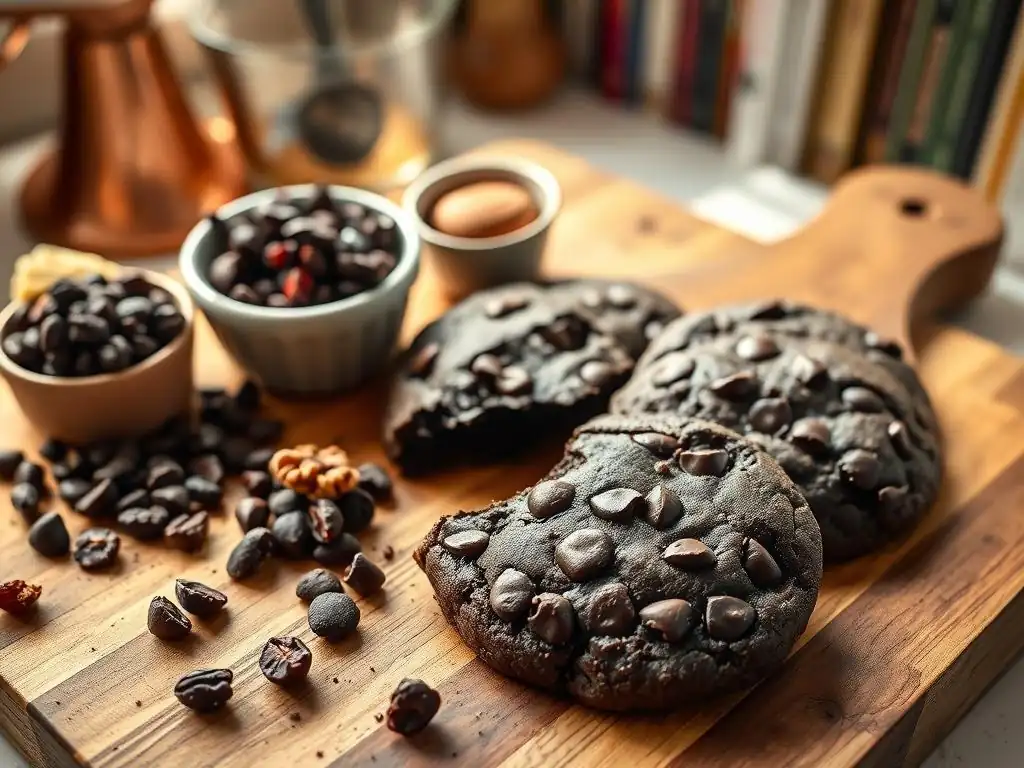
Adding Cacao Nibs for Texture and Flavor
Integrating cacao nibs into recipes you already love is straightforward. For most standard cookie, muffin, or quick bread recipes, you can simply fold in cacao nibs towards the end of the mixing process, much like you would nuts or chocolate chips. Start with a conservative amount, perhaps 1/4 to 1/2 cup for a recipe yielding 12-24 items, and taste the raw batter or dough if appropriate to gauge the flavor intensity.
The primary impact will be a textural one – adding crunch – and a flavor one – introducing that pure, unsweetened cacao note. They won't melt and spread like chocolate chips, so they maintain their form. This makes them ideal for adding definition and a slightly bitter counterpoint in unsweetened chocolate baking recipes or those where you want less overall sweetness.
Adjusting Baking Times When Using Cacao Nibs
Generally, adding cacao nibs to a recipe does not require significant adjustments to baking time. Because they don't melt and alter the structure or moisture content dramatically (unless added in extremely large quantities), the original baking time and temperature should usually suffice. Focus on the cues for doneness specified in the original recipe, such as golden-brown edges or a clean toothpick test.
The only minor consideration might be if the nibs are very densely packed in a thin item, like a brittle. In such cases, ensure they aren't directly exposed to excessive heat for too long, as they could potentially burn. However, in standard cakes, cookies, or muffins, the surrounding batter protects them adequately, and you can follow the recipe's original baking instructions.
Cacao Nib Toffee Recipe: A Simple Addition
Adding cacao nibs to homemade toffee is a simple yet effective way to incorporate their unique qualities. After pouring the hot toffee onto a baking sheet, sprinkle cacao nibs evenly over the surface while the toffee is still warm but has slightly set. You can press them in gently with a spatula if needed.
As the toffee cools and hardens, the nibs become embedded. The intense bitterness and crunch of the cacao nibs provide a wonderful contrast to the sweet, buttery snap of the toffee. This simple addition elevates classic toffee, adding sophistication and depth, making it a delightful example of how nibs can enhance unsweetened chocolate baking recipes or very sweet confections.
Health Benefits of Baking with Cacao Nibs
The Nutritional Power of Cacao: Antioxidants and Minerals
Cacao nibs are celebrated for their nutritional density. As a direct source of cacao, they are packed with antioxidants, particularly flavonoids, which are known for their potential to combat oxidative stress in the body. While the heat of baking can slightly reduce some antioxidant levels, a significant amount remains, contributing to the health profile of baked goods.
Beyond antioxidants, cacao nibs are a good source of essential minerals. They contain notable amounts of magnesium, which is important for muscle and nerve function, iron, vital for oxygen transport, and zinc, supporting the immune system. Incorporating nibs into unsweetened chocolate baking recipes offers a way to enjoy delicious treats while gaining some nutritional benefits.
Cacao Nibs and Blood Sugar: A Lower-Sugar Alternative
One of the key advantages of using cacao nibs, especially in unsweetened chocolate baking recipes, is their complete lack of added sugar. Unlike chocolate chips or sweetened chocolate bars, nibs do not contribute to the sugar content of a recipe. This makes them an excellent ingredient for individuals looking to reduce their sugar intake or manage blood sugar levels.
While the overall sugar content of a baked good will depend on other ingredients used, opting for cacao nibs instead of sweetened chocolate components can significantly lower the glycemic impact of the finished product. They provide intense chocolate flavor and satisfying texture without the sugar spike associated with traditional chocolate inclusions.
Considerations for Vegan and Gluten-Free Diets
Cacao nibs are naturally free from animal products and gluten, making them an ideal ingredient for those following vegan or gluten-free diets. They are a simple, unprocessed plant product, consisting solely of the cacao bean. This inherent characteristic makes them a safe and versatile addition to a wide range of specialized baking recipes.
Whether you are baking vegan cookies using plant-based butter and egg substitutes or crafting gluten-free muffins with alternative flours, cacao nibs can be seamlessly incorporated. They add texture, flavor, and nutritional value without compromising dietary restrictions, fitting perfectly into diverse unsweetened chocolate baking recipes tailored to specific needs.
Storing Cacao Nibs for Optimal Freshness
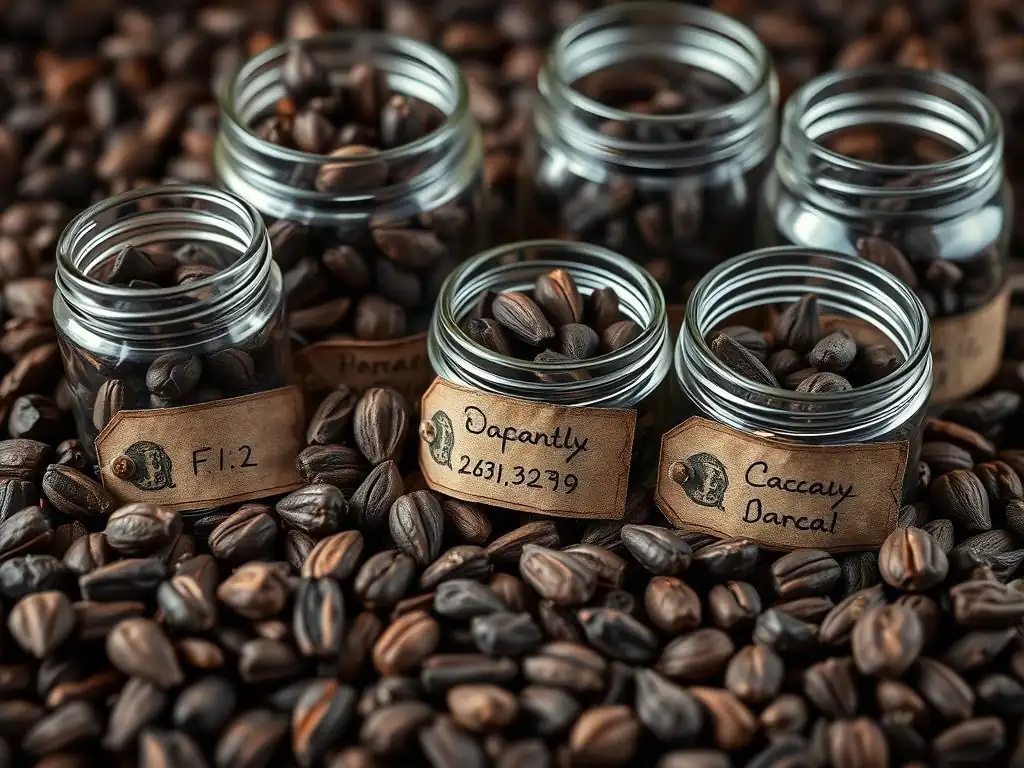
Proper Storage Techniques for Cacao Nibs
To keep your cacao nibs fresh and preserve their intense flavor and crunch, proper storage is key. They should be stored in an airtight container to protect them from moisture, air, and odors. Glass jars, sturdy plastic containers with tight-fitting lids, or heavy-duty resealable bags work well.
Place the airtight container in a cool, dark pantry away from direct sunlight and heat sources like ovens or stoves. Consistent, cool temperatures (ideally below 70°F or 21°C) help prevent the natural fats in the nibs from oxidizing and turning rancid. Refrigeration isn't strictly necessary but can prolong freshness, especially in warm climates, provided the container is truly airtight to prevent condensation issues.
Shelf Life of Cacao Nibs
Cacao nibs have a relatively long shelf life compared to processed chocolate, often lasting 1-2 years or even longer when stored correctly. Their low moisture content and high antioxidant levels contribute to their stability. While they may have a "best by" date on the packaging, this is usually a guideline for peak quality, not an expiration date for safety.
The actual shelf life depends heavily on storage conditions. Nibs stored in a cool, dark, airtight environment will remain good for much longer than those left exposed to heat, light, or air. Trust your senses to determine if they are still good; their intense aroma and flavor should persist.
Recognizing Signs of Stale or Rancid Cacao Nibs
Knowing how to identify stale or rancid cacao nibs helps ensure you're always baking with the best ingredients. Stale nibs may lose their characteristic intense aroma and flavor, becoming flat or muted. They might still be safe to eat, but they won't contribute the desired punch to your unsweetened chocolate baking recipes.
Rancidity is a more serious issue. The fats in the nibs can oxidize, leading to an unpleasant smell and taste, often described as waxy, like old crayons, or simply "off." If your cacao nibs have a distinctly bad odor or taste, it's best to discard them. Always give your nibs a quick smell test before using them in baking.
Frequently Asked Questions About Baking with Cacao Nibs
Can I substitute cacao powder for cacao nibs?
No, cacao powder and cacao nibs are not interchangeable in baking recipes. They have fundamentally different forms and functions. Cacao powder is finely ground and used primarily for its flavor and color, dissolving into batters and liquids to provide a smooth chocolate presence.
Cacao nibs, conversely, are solid, crunchy pieces. Their role is to add texture and bursts of intense, unsweetened flavor throughout the baked good. Substituting one for the other would drastically alter the texture, structure, and flavor profile of the finished product. Using cacao powder would result in a uniform chocolate flavor without any crunch, while using nibs instead of powder wouldn't provide the necessary dissolved chocolate base.
How do I roast cacao nibs?
While many commercially available cacao nibs are already roasted, you can roast them further at home to potentially deepen their flavor, though be cautious as they are small and can burn easily. Spread a thin layer of raw or store-bought nibs on a baking sheet lined with parchment paper.
Roast them in a preheated oven at a low temperature, typically between 250°F to 300°F (120°C to 150°C), for about 10 to 15 minutes. Keep a close eye on them and stir occasionally. You'll notice their aroma intensifying. Remove them from the oven as soon as they become fragrant and slightly darker. Let them cool completely before using them in unsweetened chocolate baking recipes.
What can I do if my cacao nibs are too bitter?
If you find the bitterness of cacao nibs too intense in a finished baked good, there are a few strategies for future recipes. First, ensure you are balancing them with sufficient sweetness in the overall recipe; nibs shine when contrasted with sugar or sweet ingredients like dried fruit.
Consider pairing them with flavors that naturally complement and soften bitterness, such as orange zest, coffee, or other nuts. You could also try using a slightly smaller quantity of nibs in your next batch. In some cases, grinding the nibs slightly finer in a spice grinder before adding them can alter their texture and potentially make the bitterness seem less sharp, though this is less common and changes the texture significantly.
Frequently Asked Questions
What exactly is unsweetened chocolate and how does it differ from other types of chocolate?
Unsweetened chocolate, also known as baking chocolate or bitter chocolate, is pure chocolate liquor with no added sugar or milk solids. Unlike semi-sweet or milk chocolate, it provides an intense chocolate flavor without any sweetness.
Why would I use unsweetened chocolate in baking recipes?
Unsweetened chocolate allows for precise control over the sweetness level in your baked goods. It delivers a deep, rich chocolate flavor that can be balanced with other ingredients to create complex and delicious desserts.
Can I substitute unsweetened chocolate with another type of chocolate in a recipe?
Substituting directly can be tricky. You'll need to adjust the sugar content and possibly other ingredients. It's best to follow a recipe specifically designed for unsweetened chocolate to achieve the desired result.
What are some common mistakes to avoid when baking with unsweetened chocolate?
One common mistake is not properly melting the chocolate, which can lead to a grainy texture. Also, remember that it's bitter on its own, so always balance it with enough sugar or other sweeteners.
Where can I find reliable recipes for baking with unsweetened chocolate?
Websites like BakeWithEase.com offer a range of simple and tested recipes using unsweetened chocolate. Look for step-by-step guides and recipes that clearly specify ingredient ratios for best results.
Final Reflection: Embracing the Bittersweet Symphony of Unsweetened Chocolate
The rich, intense flavor of unsweetened chocolate is more than just a culinary trend; it's a gateway to unlocking a world of sophisticated baking possibilities. Its versatility, combined with the growing awareness of added sugar's impact on health, positions unsweetened chocolate as a key ingredient for the modern baker. This isn't just about reducing sugar; it's about elevating flavor profiles and taking control of the sweetness in your creations.
The journey through the world of unsweetened chocolate has been a personal one, revealing the surprising depth and complexity that can be achieved by embracing its inherent bitterness. It's a testament to the power of simple ingredients, allowing the natural flavors of other components to shine. As the renowned chef Alice Waters once said, Good food is good mood.
And for me, mastering the art of baking with unsweetened chocolate has been a mood-elevating experience, fostering creativity and a deeper appreciation for the nuances of flavor.
Now, it's your turn. Consider the recipes explored within this article as a springboard for your own culinary adventures. Experiment with different combinations, explore the balance between bitter and sweet, and discover the unique magic that unsweetened chocolate can bring to your baking. Don't be afraid to embrace the intensity; the rewards are well worth the effort. Let the bittersweet symphony of unsweetened chocolate inspire your next masterpiece.
Unlock the Richness: Embrace Unsweetened Chocolate Today!
Thanks for exploring the world of unsweetened chocolate with us! We hope you now feel empowered to create intensely flavorful, naturally sweet treats. Ready to put your new knowledge into practice?
- Bake your dream dessert: Try substituting unsweetened chocolate in your favorite recipe – the results might surprise you! Start small, maybe with a simple brownie or a mug cake.
- Share your creations: Show off your baking skills and inspire others by posting photos of your unsweetened chocolate masterpieces on social media using #BakeWithEaseUnsweetened.
- Dive deeper: Explore our recipe archive for more delicious ideas featuring unsweetened chocolate—you might discover your new favorite recipe!
What decadent treat will you bake first using unsweetened chocolate? Let us know in the comments!